Integrated Furniture Fixings Hidden Brackets MEP Clearance Bali
Integrated Furniture Fixings: Hidden Brackets & MEP Clearance in Bali
1. Specific Problem/Question
How do we achieve seamless, hardware-free furniture lines in Bali villas and renovations without compromising the safety, access, and durability of MEP (Mechanical, Electrical, Plumbing) services hidden behind cabinetry? The challenge is twofold: use integrated furniture fixings—such as hidden brackets, invisible screws, and snap-on connectors—to deliver premium interior finishing, while guaranteeing sufficient, code-compliant clearance for villa utilities in Bali’s humid, saline, and termite-prone tropical climate. This article explains the precise installation and finishing process Teville uses to meet construction standards in Bali with clean outcomes that last.
2. Technical Deep Dive: What “Integrated Fixings + MEP Clearance” Actually Means
Integrated furniture fixings combine structural connectors and brackets that are concealed once installed, allowing cabinetry, wardrobes, and shelving to appear “floating” or hardware-free. Simultaneously, the furniture is designed with service voids to protect and access MEP routing. For Bali villa construction and renovation, getting both right is about precision: the right fastener type, substrate anchorage, environmental durability, and a service strategy for villa utilities.
Hidden bracket systems include:
- Concealed suspension rails for wall cabinets: a steel rail hidden behind the carcass engages cam hangers inside the cabinet side panel. The rail allows fine adjustment (X/Y/Z) to achieve tight, even reveals, crucial for interior finishing Bali projects.
- Invisible screws/connector fasteners with snap-on mechanisms: used inside carcasses, partitions, and panels to join elements without visible heads. Example product families include “invisible screws connector fasteners bracket with snap-on screw,” such as those shown by Levoite (reference). These are particularly useful for demountable wardrobes and TV walls, where periodic MEP access is expected.
- Concealed shelf brackets (rod-and-sleeve or plate types): installed into the wall substrate with the mating sleeve embedded in the shelf. Critical where thick floating timber or stone-clad shelves conceal the support entirely.
- Recessed French cleats: a traditional structural solution, hidden by recessing both halves so the back face sits flush with the wall plane; excellent for heavy wall panels and headboards hiding wiring.
MEP clearance planning focuses on serviceability and protection:
- Service voids: Typically 20–40 mm behind carcass backs for electrical conduits; 50–80 mm where valves, traps, or junction boxes must sit. For appliances (e.g., fridges), larger voids and ventilation grills are planned.
- Access panels: Magnet-held or screw-fixed removable panels finished to match the interior, allowing inspections of valves, traps, and junctions without dismantling cabinets.
- Cable and pipe grommets: Fire-retardant and insulated bushings protect conductors and prevent abrasion; sealed penetrations reduce moisture ingress and pest routes.
- Heat and moisture management: Vent cut-outs for warm appliances; drip-safe platforms and waterproof liners below sinks or water filters; drip loops for cables.
Substrate anchorage in Bali contexts varies by wall type:
- Reinforced concrete: Prefer mechanical anchors (torque-controlled sleeve anchors) or bonded anchors where edge distances are limited. Stainless or zinc-nickel plated hardware improves longevity under salt air.
- Brick/AAC block: Use high-quality nylon or metal sleeve anchors sized for the wall density; consider chemical anchors with screen sleeves for higher loads.
- Gypsum partitions: Reinforce with concealed plywood noggins or steel backing plates at bracket locations; otherwise, floating solutions will not meet load and safety requirements.
Movement and environment in Bali drive design choices:
- Humidity and temperature: Use HMR MDF or hardwood/marine plywood for carcasses; allow expansion gaps; specify D4-rated adhesives. Seal edges, especially at sink bases.
- Salt-laden air: Favor SS304/SS316 for exposed or semi-exposed fixings; for concealed steel, specify robust anti-corrosion coatings (zinc-nickel, epoxy, or powder-coat systems).
- Termites and pests: Treated timber, borate-treated plywood, and sealed penetrations reduce risk. Avoid untreated particleboard in wet areas.
- Seismic micro-movements: Incorporate anti-tip ties from cabinet tops to walls; use redundant fasteners for tall wardrobes.
Finishing quality cues for Bali villa interiors:
- Tight reveals (1.5–2.0 mm typical) and continuous shadow lines
- Flush faces with no telegraphing of fasteners
- Plumb and level tolerances within 1.5 mm/m
- Silent operation of doors/drawers, with concealed soft-close hardware working harmoniously with hidden connectors.
At Teville, we coordinate these details early, aligning furniture installation with villa utilities routing to protect both function and the minimalist aesthetic demanded by high-end renovation Bali projects. See how this dovetails with our broader process at How We Build and the execution quality reflected in our Portfolio and Villa Projects.
3. Materials & Standards
Board materials for carcasses and panels:
- HMR MDF (high-moisture resistant): stable for painted or laminated finishes in interiors; seal all edges.
- Hardwood/marine plywood: superior screw-holding and moisture robustness; preferred under sinks, for floating shelves, and for recessed cleats.
- Blockboard: acceptable for large doors; ensure uniform core to prevent warping in humid conditions.
Fixings and metals for tropical durability:
- Stainless steel fasteners (SS304 interior; SS316 near coastal exposure)
- High-grade plated steel (zinc-nickel or hot-dip galvanized) for concealed brackets in dry interiors
- Concealed connectors such as snap-on/invisible screws (e.g., example product category), ensuring adequate pull-out and shear ratings
Adhesives and sealants:
- D4 PU or cross-linking PVA wood adhesive for high humidity
- MS polymer sealants at wet interfaces; silicone where movement is expected
- Epoxy for structural bonding or anchor pods in masonry
Finishes suited to Bali’s climate:
- HPL/laminate with sealed edges
- UV-cured lacquer on veneers; oil finishes with moisture-resistant formulations
- Powder-coated or anodized aluminum trims to resist corrosion
Clearances and safety (baseline good practice aligned with construction standards Bali):
- Electrical conduits: 20–30 mm void; include grommets; avoid screw penetration zones
- Plumbing valves/traps: 50–80 mm; always provide a removable access panel
- Heat-producing appliances: dedicated ventilation paths and noncombustible spacers
Standards and coordination:
- Design to local authority requirements and applicable SNI/PU regulations for building services routing and access
- Follow manufacturer load ratings and installation guides for bracket systems
- Electrical layouts coordinated to recognized safety practices (e.g., zoning around wet areas, protected cable routes)
4. Step-by-Step Process (Teville Method)
1) Brief and survey
- Define furniture functions and appearance goals (flush fronts, floating shelves, minimal lines).
- Gather as-built MEP data; where drawings are absent (common in renovation Bali), use scanners/endoscopes to locate conduits and pipes.
2) Coordination drawings
- Produce furniture shop drawings with service zones, bracket locations, and access panel positions.
- Mark “no-drill” corridors for electrical and plumbing behind back panels.
3) Material selection
- Choose HMR MDF or marine ply per location; specify SS304/316 or zinc-nickel plated fixings.
- Confirm finishes (HPL/veneer/lacquer) and sealing strategy for all edges.
4) Workshop mock-up
- Fabricate a key module to validate invisible connectors, bracket tolerances, and reveal targets.
- Load-test shelf brackets and check cam adjustment range.
5) Factory fabrication
- Use jigs for precise drilling of invisible screws/snap-on connectors; maintain edge distances (≥8–10 mm) and pilot sizes per manufacturer.
- Pre-finish panels where feasible to improve coating quality and reduce site dust.
6) Site preparation
- Verify wall plumbness; install substrate reinforcements (ply noggins/steel plates) where partitions lack structure.
- Lay out suspension rails or cleat lines with laser; mark datum and bracket grid.
7) Anchoring
- Select anchors to suit concrete/brick/AAC. Drill with controlled depth; vacuum dust to improve anchor bond.
- For heavy loads, consider bonded anchors and allow full cure before hanging cabinets.
8) Carcass installation
- Hang cabinets on concealed rails; level and align to achieve even 2 mm reveals across runs.
- Secure anti-tip ties at tops; verify no fasteners intrude into protected MEP corridors.
9) Service integration
- Install grommets and liners at penetrations; fit drip trays under sinks.
- Terminate cables and pipes within service voids; label circuits/valves discreetly inside access panels.
10) Shelving and panels
- Install concealed shelf brackets into wall anchors; slide shelves onto sleeves with adhesive or set screws as specified.
- Mount recessed French cleats for large panels; confirm full bearing and anti-lift features.
11) Finishing and tuning
- Fit doors/drawers; adjust hinges/slides for flush faces and silent close.
- Seal edges and internal junctions; ventilate cavities for appliances.
12) Quality control and handover
- Check load capacity, alignment, and clearances; verify all access panels open cleanly.
- Record as-builts with bracket and service locations for the villa file.
For a deeper look at how this dovetails with broader site management and sequencing, see Teville: How We Build.
5. Costs & Timeline
Cost drivers for integrated fixings and MEP clearance in furniture installation:
- Hardware specification: Concealed suspension rails and high-grade invisible connectors can add moderate cost; SS316 or special coatings increase price near coastal exposure.
- Substrate reinforcement: Hidden solutions require reliable anchorage; adding steel plates or ply noggins increases labor/materials.
- Access/ventilation details: Custom magnetic panels, grills, liners, and grommets are small items that add up but protect long-term durability.
- Finishing quality: High-precision fabrication, jigs, and pre-finishing in the workshop improve outcomes and typically extend man-hours.
Indicative ranges (scope- and spec-dependent, materials only plus typical install labor):
- Concealed cabinet rail systems: mid-range cost per linear meter of wall cabinets.
- Invisible/snap-on connectors: modest increase per carcass; higher for fully demountable wardrobes.
- Concealed shelf brackets (floating): higher per bracket for heavy-duty rated systems.
- Reinforcements/anchors: varies by wall type and load class.
Timelines for a typical kitchen or wardrobe set in interior finishing Bali contexts:
Available lands
 1950 m²7 min$ 150092Bali, Tabanan
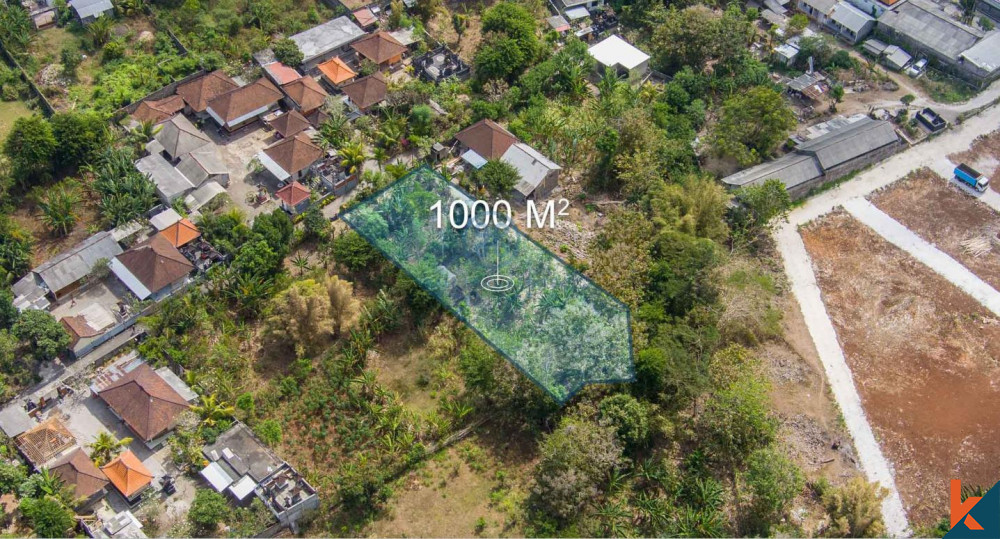 1000 m²8 min$ 134544Bali, Bukit
 220 m²2 min$ 66565Bali, Cemagi
 2115 m²5 min$ 1139547Bali, Pererenan
 260 m²5 min$ 51872Bali, Kedungu
 1000 m²10 min$ 384852Bali, Canggu
 3300 m²15 min$ 449889Bali, Tabanan
 1430 m²5 min$ 209862Bali, Klungkung
 2200 m²15 min$ 508005Bali, Canggu
 1720 m²2 min$ 241478Bali, Tabanan
 1362 m²15 min$ 335468Bali, Tumbak
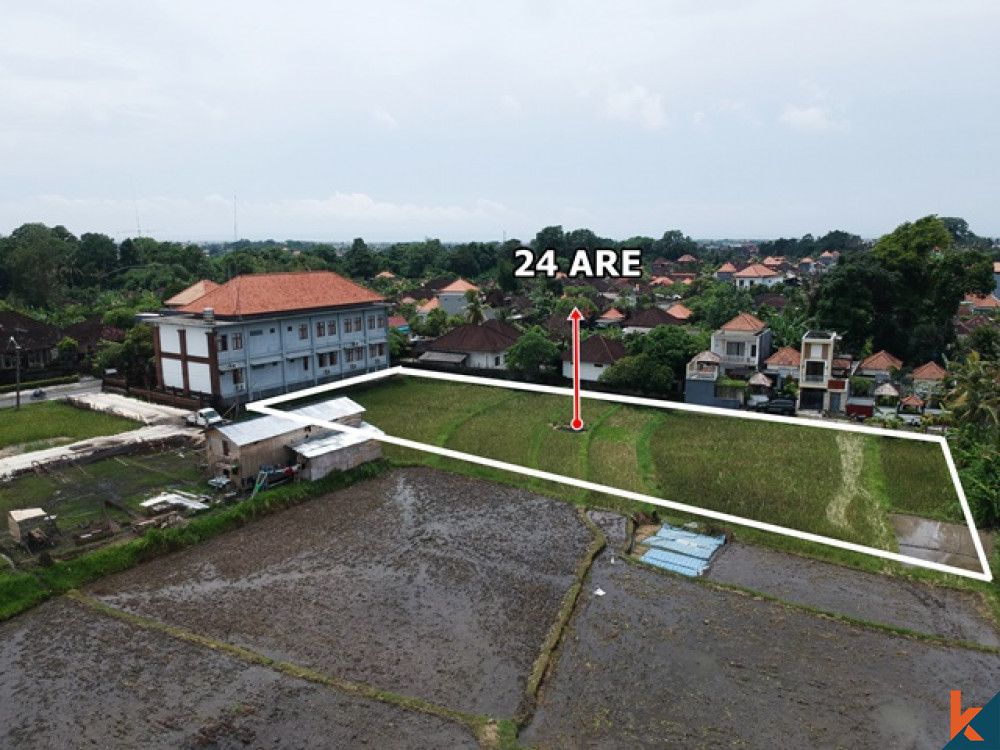 2400 m²7 min$ 496552Bali, Canggu
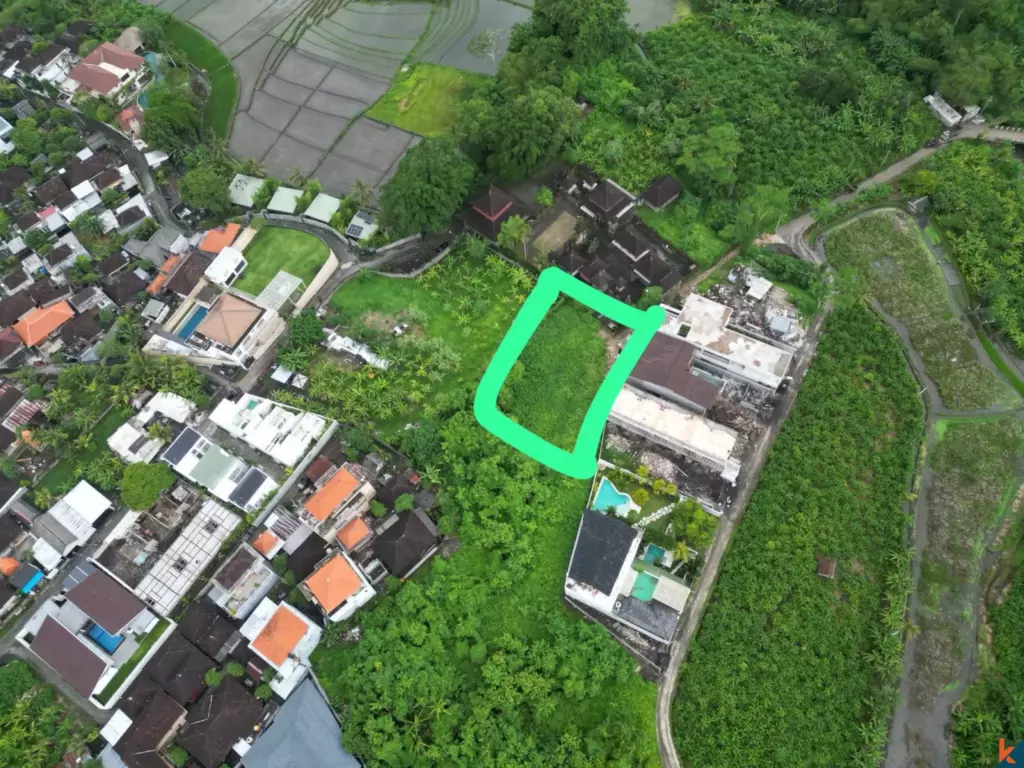 600 m²12 min$ 101970Bali, Mengwi
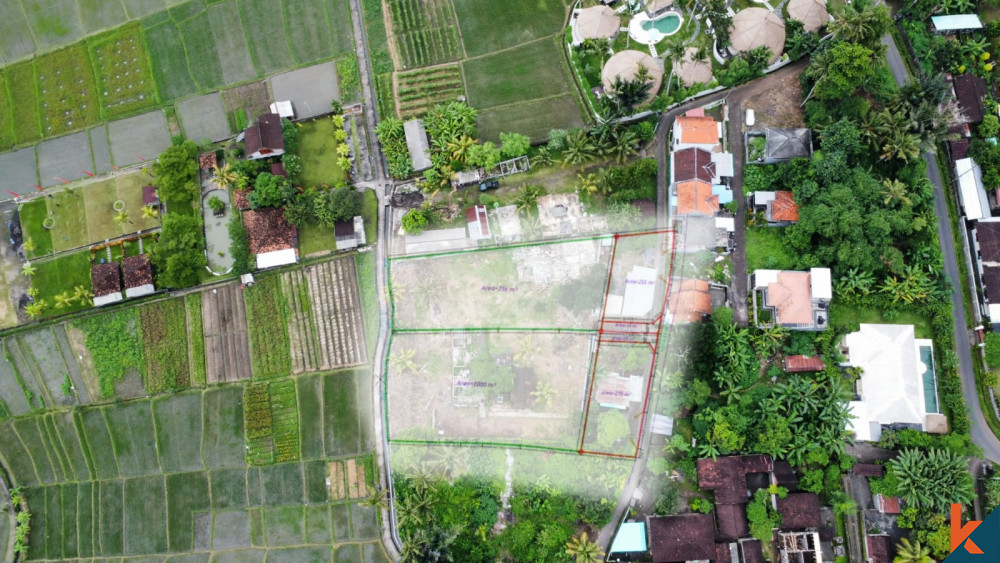 3100 m²20 min$ 272968Bali, Tabanan
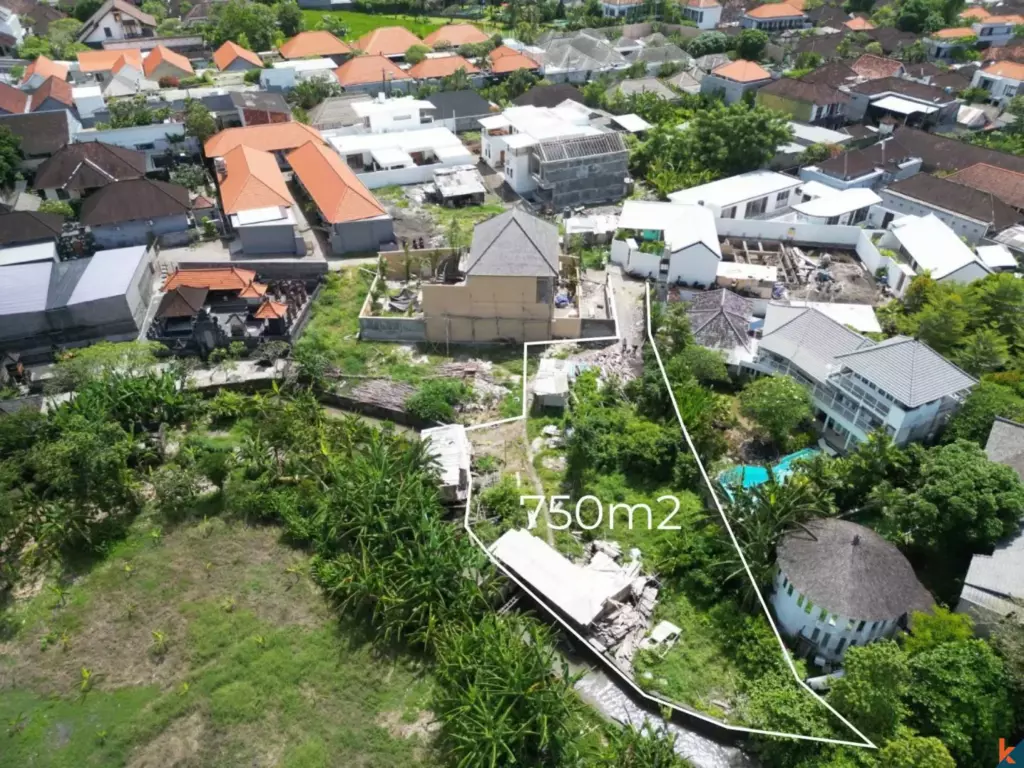 750 m²15 min$ 187038Bali, Kerobokan
Planning a build in Bali?
Get a feasibility view, budget range and timeline from Teville.
Related guides
Epoxy Primer Moisture Barrier for Bali Interior Renovations
Explore epoxy primer and moisture barrier solutions for Bali interior renovations, delivering durable adhesion, moisture protection, and long-lasting finishes.
8 min read
Engineered Stone Countertop Fixing Support Standards Bali
Explore Bali s engineered stone countertop fixing and support standards. Installation tips, durability guidance, and compliance for lasting quality surfaces.
10 min read
Microcement Wet-Area Application Curing Standards Bali
Discover Bali-specific microcement wet-area application and curing standards, including prep, sealers, curing times, for durable, water-resistant finishes.
9 min read