Engineered Stone Countertop Fixing Support Standards Bali
Engineered Stone Countertop Fixing & Support Standards Bali
1) Specific Problem/Question
In Bali’s humid, coastal, and seismic context, how do you safely fix and support engineered stone countertops so they don’t crack at cut-outs, deflect at overhangs, corrode at brackets, or open seams during seasonal movement? Villa kitchens, bars, and vanities demand flawless finishing and long-term stability. This article sets out Teville’s technical standards for engineered stone countertop fixing and support in Bali—covering overhang limits, bracket spacing, substrate preparation, adhesives, fasteners, and coordination with utilities—so your renovation or new build achieves durable, clean, and compliant results.
2) Technical Deep Dive: Installation and Finishing Specifics for Bali
Engineered stone (quartz, agglomerate) is dimensionally stable and highly durable, yet it is brittle under point loads and tensile stress. Failures in Bali often arise from three sources: inadequate overhang support, moisture-induced substrate movement, and coastal corrosion of hidden fixings. Teville’s approach addresses each, with special emphasis on finishing quality and durability for Bali villa construction and interior finishing Bali.
- Overhang and support logic: Any unsupported overhang exceeding 200–250 mm (8–10 inches) requires structural support. Authoritative industry guidance confirms this threshold and recommends supports at 450–600 mm (18–24 inches) centers for safety and compliance (SlabWise, Countertop Authority, Dynamic Stone Tools). In Bali, where bar counters are common, we adopt the conservative end of spacing (≈450 mm) for live loads from seating and leaning.
- Substructure stiffness: Cabinetry and subtops must limit deflection to L/600 under service load. We frequently integrate either:
- 18–21 mm marine-grade plywood subtop, sealed all faces, mechanically fixed to carcasses; or
- A galvanized or stainless (304/316) steel angle/subframe where moisture exposure is high or spans are long.
Plywood alone is not “structural” for large overhangs; overhangs still require brackets/corbels/knee walls.
- Brackets and corrosion resistance: For coastal villas, concealed steel brackets must be hot-dip galvanized and epoxy-coated, or specified in 316 stainless steel. 304 stainless is acceptable indoors away from salt spray; outdoors or semi-open kitchens favor 316 to avoid tea-staining and pitting.
- Adhesive system: Epoxy or polyester stone adhesive is for seaming and localized bedding only; it is not a substitute for structural support. We use:
- Two-part color-matched epoxy for seam bonding.
- MS polymer or neutral-cure silicone beads for perimeter bedding/acoustic decoupling.
- Low-expansion polyurethane foam only for void filling where specifically detailed—never as a load path.
- Cut-outs and stress management: Hob and sink cut-outs concentrate tension. We require 10–12 mm inside corner radii (no sharp 90°), with polished edges and fiberglass/metal reinforcement strips where specified by the slab manufacturer. Minimum ligament widths around cut-outs are maintained per supplier data, typically ≥75 mm to any edge.
- Seismic and lateral restraint: While engineered stone is not a primary structural element, we anchor cabinet carcasses to walls/floors and integrate anti-tip angles at peninsulas. Countertop-to-wall interfaces include flexible joints to accommodate racking without chipping tile backsplashes.
- Moisture and thermal management: Bali’s humidity drives movement in timber carcasses. We seal all exposed plywood faces, include vapor barriers above dishwashers, and isolate stone from differential heat at cooktops. Quartz is not ideal for full-sun outdoor bars; for exterior use we specify UV-stable sintered stone/porcelain to prevent discoloration.
- Edge build-ups and aesthetics: Laminated edges (mitered build-up) must be fully supported; we avoid “hollow” drop edges over voids. Drip grooves underside of exterior edges reduce water tracking onto joinery.
- Finish tolerances: Countertop plane flatness ≤2 mm over 3 m; seams ≤0.5 mm gap, ≤0.5 mm lippage; front overhang uniformity ±2 mm. Visible bracket lines are eliminated through concealed steel “L” or “T” brackets or recessed corbels for clean furniture installation aesthetics.
- Coordination with villa utilities: MEP rough-ins are set before templating. We align faucet, soap dispenser, power grommets, and pop-up sockets with structural members and avoid bracket clashes. Undermount sink rails or cradles carry sink mass; stone does not support the full wet load of large basins.
These measures—combined with controlled workshop fabrication and on-site acclimatization—deliver the durable, crisp finishing Teville is known for across our portfolio and villa projects.
3) Materials & Standards (Bali Context)
- Engineered stone slabs: 20 mm and 30 mm thickness are typical. In Bali, 20 mm with strategic support is common; 30 mm offers better stiffness for peninsulas. For semi-outdoor, consider porcelain/sintered stone for UV stability.
- Subtops and carcasses: Marine-grade plywood (BS 1088 class) or high-moisture-resistant board sealed on all faces. Carcass assemblies in birch ply or HMR particleboard/BP with ABS edging; avoid unsealed MDF near sinks.
- Brackets/corbels/knee walls:
- Concealed steel brackets: 8–10 mm thick plate with 50–75 mm wide supporting arm; 316 stainless or hot-dip galvanized + epoxy coat in coastal zones.
- Corbels (timber or steel): structurally sized, fixed to studs/masonry with rated anchors.
- Knee walls/steel subframes: preferred for long breakfast bars and island seating overhangs.
- Fasteners and anchors: Stainless fasteners (A2/A4), chemical anchors where fixing to concrete/masonry. Timber screws with corrosion-resistant coating into studs or blocking.
- Adhesives and sealants: Two-part epoxy for seams; MS polymer or neutral-cure silicone for perimeter bedding; food-safe silicone for undermount sink sealing.
- Moisture protection: Vapor shield over dishwashers/ovens; aluminum tape at carcass edges near heat; drip groove under exterior edges.
- Tolerances and guidance: There is no single Indonesia-wide prescriptive SNI standard solely for engineered stone countertop supports. Teville aligns manufacturer instructions with international good practice and local code principles for anchorage and corrosion resistance. Overhang support beyond 200–250 mm with bracket spacing at 450–600 mm follows respected industry guidance (see sources above) adapted to Bali’s climate and seismicity.
- Finish standards: Seam color-match; surface free of adhesive smear; consistent edge profiling; accurate alignment with splashbacks and cabinetry.
Our construction process documents material submittals, shop drawings, and mock-ups before fabrication to lock quality outcomes.
4) Step-by-Step Process We Use on Projects
- Briefing and survey: Confirm kitchen/bar/vanity use, seating loads, appliance models, and exposure (indoor, semi-outdoor, coastal). Identify overhangs, cut-outs, and utility points early. For renovation Bali projects, survey existing walls and floors for plumb/level, and scan for services before anchoring.
- Structural planning: Choose support strategy: concealed brackets, corbels, knee wall, or steel subframe. Set bracket spacing at 450–600 mm, closer at edges and corners. Validate carcass anchorage to walls/floors to prevent racking.
- Blocking and fixing points: Install timber/steel blocking in stud walls exactly where brackets will bear. For masonry, mark chemical anchor locations, ensure edge distances and embedment per anchor datasheets.
- Subtop and carcass preparation: Level cabinets to within ±1 mm/m; shim rigidly. Fit marine ply subtop where specified; seal all faces, especially sink/hob openings. Install vapor shield above dishwashers and thermal barriers near ovens.
- Bracket/corbel installation:
- Concealed brackets are recessed flush in subtop or fixed to back walls and tied to carcasses.
- Verify each bracket bears on structure (stud, steel, or anchored masonry), not just on cabinet side panels.
- Torque fasteners to spec; apply anti-seize on stainless; isolate dissimilar metals where needed.
- Templating: Produce rigid templates accounting for finish tile lines, wall irregularities, and seam locations. Place seams away from cut-out corners and high-heat zones.
- Workshop fabrication: CNC cut-outs with 10–12 mm inside radii; polish edges; laminate build-up pieces full-contact; dry-fit sinks and accessories. Pre-fit reinforcements if required by the manufacturer.
- Dry run and acclimatization: Bring slabs to site 24 hours prior to install to acclimatize. Dry-set to verify bracket contact surfaces and seam fit. Adjust supports to achieve uniform bearing.
- Adhesive and setting: Apply thin MS polymer or neutral-cure silicone beads as bedding; set slabs, clamp seams with alignment blocks. Use color-matched epoxy for seam bonding; clean squeeze-out immediately.
- Sink and accessory fixing: Mount undermount sinks on independent rails/frames fixed to carcasses or subframe; then seal to stone with food-safe silicone. Do not suspend sink weight by the stone alone.
- Final support check: Confirm overhangs sit flat on brackets/corbels with no rocking. Verify cantilever edges remain within deflection limits when loaded by hand test (simulating user leaning).
- Sealing and finishing: Depending on product, apply manufacturer-approved surface sealer (some quartz types do not require sealing). Create a 3–5 mm flexible silicone joint at splashback interfaces. Form drip grooves on exterior edges.
- Quality control: Check plane, seams, edge uniformity, bracket concealment, and clearances around utilities. Document with photos and as-built marks for future maintenance.
- Handover and care: Provide maintenance guide: avoid direct UV for quartz outdoors, use trivets near cooktops, wipe spills, and do not sit/stand on overhangs. Schedule periodic checks in coastal zones for bracket corrosion, especially in semi-open kitchens.
5) Costs & Timeline (Indicative, Bali)
- Engineered stone supply and fabrication: Mid to premium slabs, templating, CNC cut-outs, edge finishing: IDR 2.2–5.5 million per m² depending on brand, thickness (20 vs 30 mm), edge profile, and complexity.
- Support hardware:
- Concealed steel brackets (galvanized/epoxy): IDR 450,000–1,200,000 each, spacing 450–600 mm.
- 316 stainless brackets: IDR 1.1–2.2 million each (coastal premium).
- Custom steel subframe/knee wall: IDR 2.5–7.5 million per linear meter depending on geometry.
- Subtop and carcass preparation: Marine plywood subtop, sealing, vapor shields, blocking: IDR 600,000–1.5 million per linear meter of counter.
- Installation labor and finishing: Setting, seaming, sinks, accessories, sealing: IDR 800,000–1.8 million per linear meter.
- Optional upgrades: UV-stable sintered/porcelain for semi-outdoor bars; anti-tip frames; hidden pop-up power; additional costs per specification.
Timeline:
- Survey, design coordination, and approvals: 3–7 days.
- Blocking/bracket/subtop works: 1–3 days (renovations may require more access time).
- Templating and fabrication: 5–10 working days depending on factory load and complexity.
- Installation and commissioning: 1–2 days for kitchens; 0.5–1 day for vanities/bars.
For planning and consolidated budgeting within a broader fit-out or renovation Bali scope, use our cost estimation channel, and see related case studies in our portfolio.
6) FAQ: Engineered Stone Countertop Fixing & Support in Bali
A: 200–250 mm (8–10 inches) is the typical limit. Beyond that, install steel brackets, corbels, or a knee wall. Space supports at 450–600 mm centers for safety and comfort, with closer spacing for bar seating edges.
A: No. Epoxy bonds seams; it is not a structural support. Overhangs must bear on brackets or a subframe that transfers load into studs, steel, or anchored masonry.
A: 316 stainless steel offers the best corrosion resistance. Alternatively, specify hot-dip galvanized brackets with epoxy topcoat. Use stainless fasteners and isolate dissimilar metals to prevent galvanic corrosion.
A: Not always, but in Bali’s humidity, a sealed marine plywood subtop or a steel subframe improves uniform bearing and fastener purchase, especially across varying cabinet tolerances. Overhangs still need dedicated supports.
A: Provide 10–12 mm inside corner radii, adequate ligament widths, reinforcement as per manufacturer, proper support beneath, and avoid sea
 3124 m²6 month(s)from 123.000 USD
TALA 8
 164 m²7 month(s)from 79.000 USD
Private: Haridas Villas, Tegallalang
 4344 m²16 month(s)from 290.000 USD
Radha
 2144 m²11 month(s)from 104.000 USD
Narayana
 3180 m²7 month(s)from 142.000 USD
Vasudeva
164 m²7 month(s)from 79.000 USDTALA TWO
 3104 m²11 month(s)from 99.000 USD
TALA 100
 3127 m²9 month(s)from 177.000 USD
Mukunda
 172 m²8 month(s)from 120.000 USD
Keshava
 1from 198.000 USD
Private: Haridas Villas

Want to calculate?
 3173 m²6 month(s)from 125.000 USD
TALA FOUR
Start With Real Numbers, Not Guesses
Before finalizing your finishing works plan, check realistic cost ranges for your Bali villa project.
Available lands
 3100 m²15 min$ 257697Bali, Tegallalang
 1700 m²10 min$ 392549Bali, Nusadua
 1000 m²10 min$ 184729Bali, Kutuh South Bali
 13000 m²1 min$ 920567Bali, Pekutatan
 422 m²15 min$ 93547Bali, Kerobokan
 500 m²15 min$ 124692Bali, Kaba Kaba
 1000 m²8 min$ 134544Bali, Bukit
 1950 m²7 min$ 150092Bali, Tabanan
 2230 m²15 min$ 410573Bali, Padonan
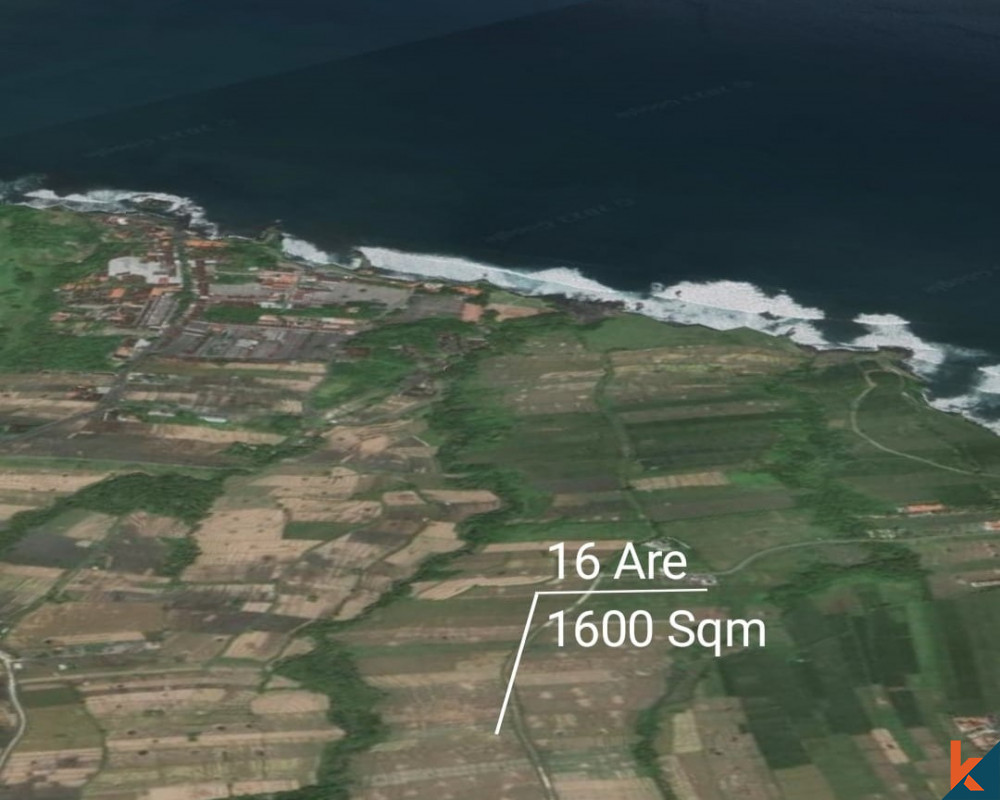 1600 m²32 min$ 266010Bali, Tabanan
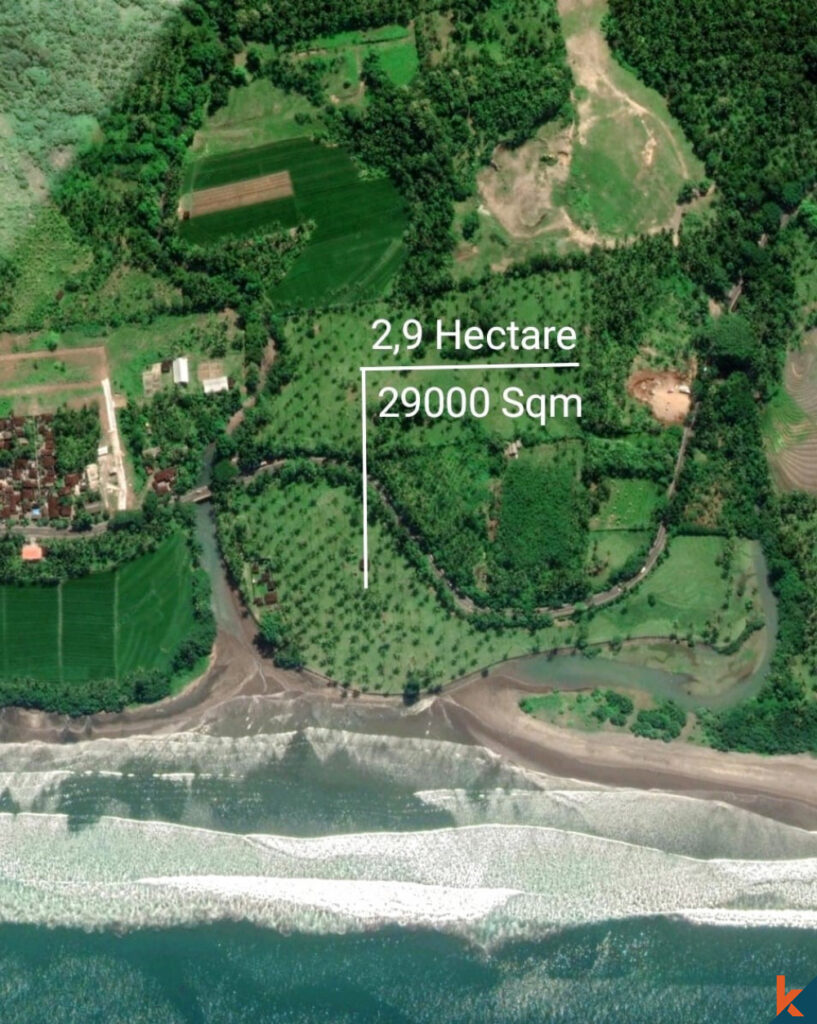 29000 m²6 min$ 3857143Bali, Tabanan
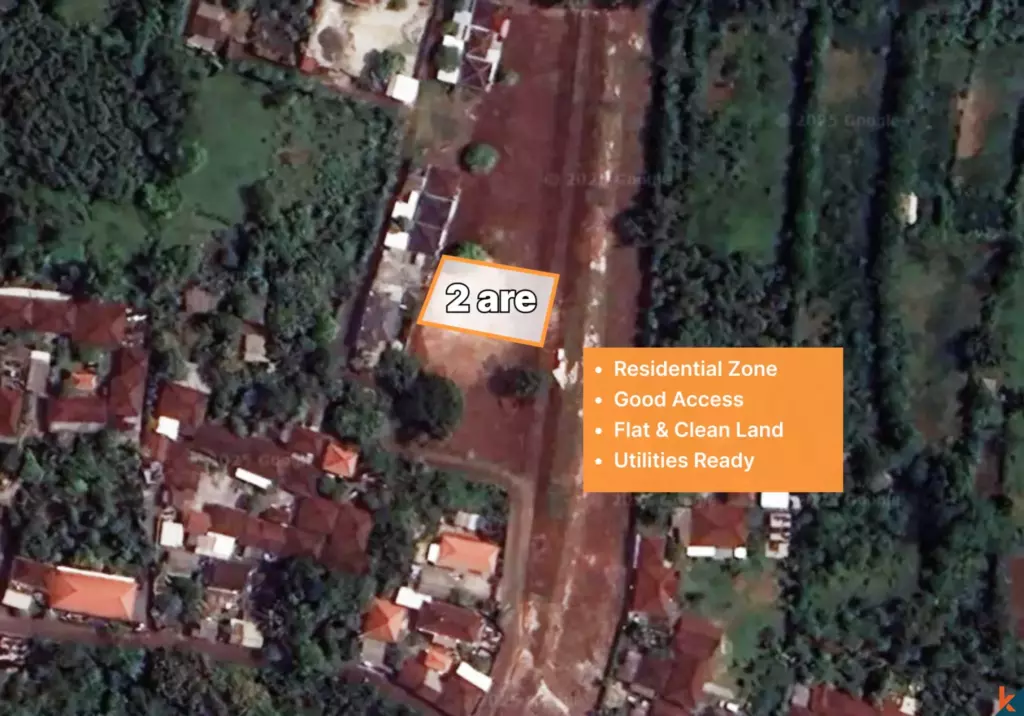 200 m²5 min$ 59113Bali, Bukit
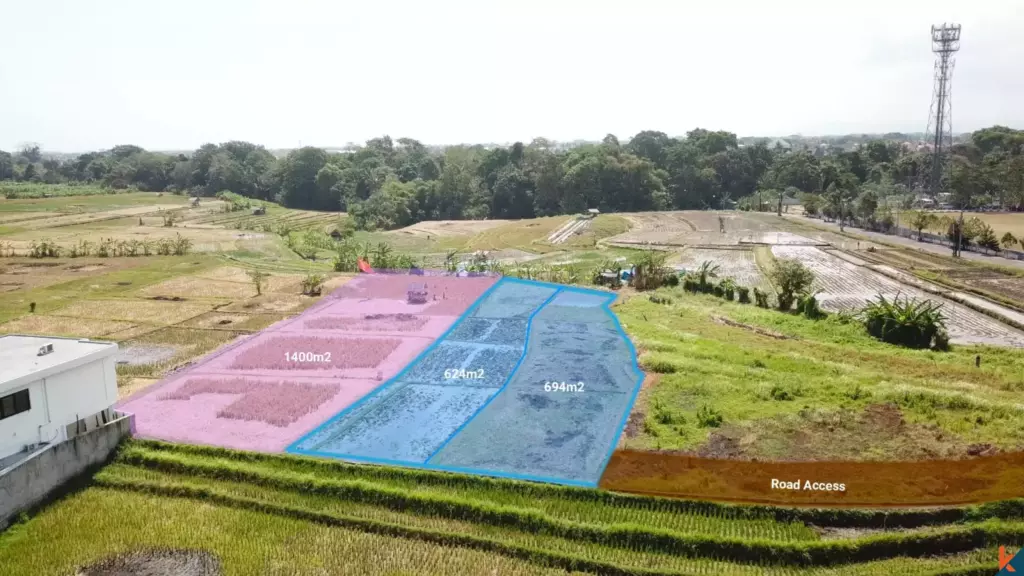 1362 m²15 min$ 335468Bali, Tumbak
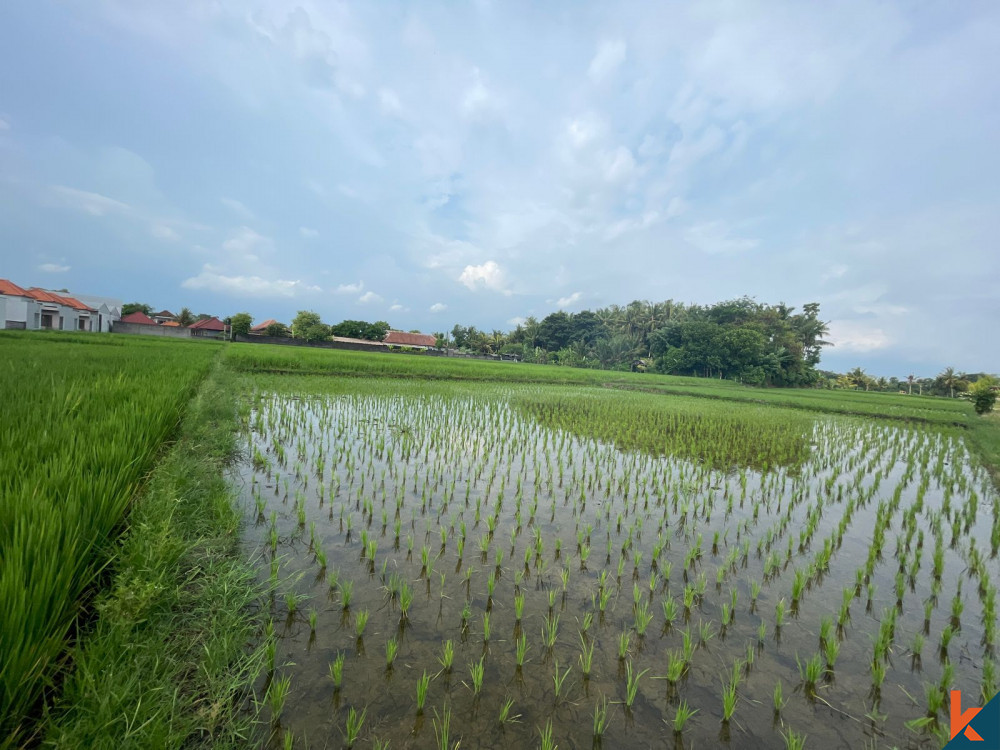 2500 m²5 min$ 609606Bali, Kedungu
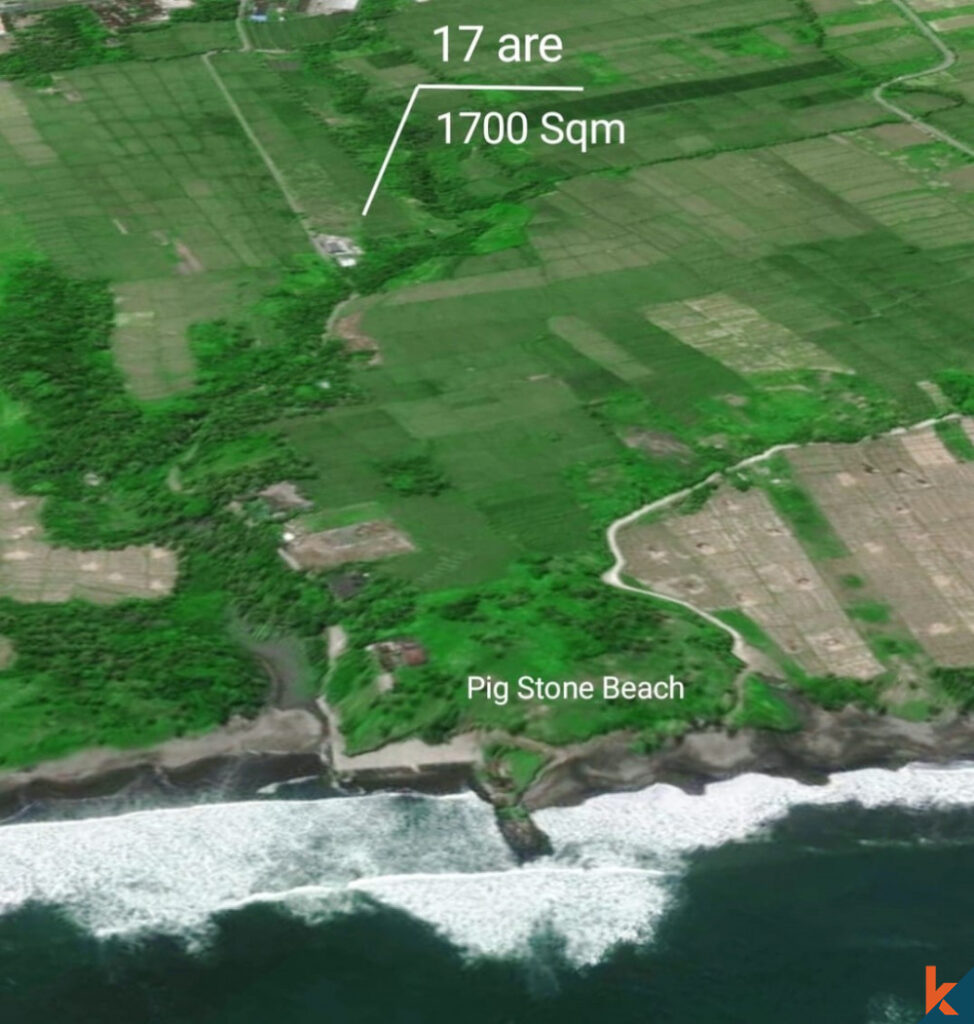 1720 m²2 min$ 241478Bali, Tabanan
Planning a build in Bali?
Get a feasibility view, budget range and timeline from Teville.
Related guides
Integrated Furniture Fixings Hidden Brackets MEP Clearance Bali
Explore integrated furniture fixings with hidden brackets and MEP clearance in Bali. Learn installation tips, load guidance, and clean, accessible finishes.
8 min read
Epoxy Primer Moisture Barrier for Bali Interior Renovations
Explore epoxy primer and moisture barrier solutions for Bali interior renovations, delivering durable adhesion, moisture protection, and long-lasting finishes.
8 min read
Microcement Wet-Area Application Curing Standards Bali
Discover Bali-specific microcement wet-area application and curing standards, including prep, sealers, curing times, for durable, water-resistant finishes.
9 min read