Epoxy Primer Moisture Barrier for Bali Interior Renovations
Epoxy Primer & Moisture Barrier for Bali Interior Renovations
1) Specific Problem/Question
Bali’s tropical climate drives moisture up through slabs and into interior finishes. During renovation Bali projects, we often see debonded tiles, cupped engineered wood, bubbled vinyl, and musty cabinetry because the substrate was primed incorrectly—or not moisture-controlled at all. How do we specify and install an epoxy primer and moisture barrier that protects interior finishing Bali works, supports precise furniture installation, and safeguards villa utilities—while aligning with construction standards Bali practice for 2026? Below, Teville outlines the system we trust, why it works, and how to install it with finishing-grade discipline.
2) Technical Deep Dive: Why epoxy primers and moisture barriers matter in Bali
In Bali villa construction, interior slabs often have elevated residual moisture due to high groundwater, capillary rise, and monsoon-season saturation. Air conditioning further complicates behavior: cool room air can drive a vapor pressure gradient, pulling moisture toward the conditioned interior. Without a functioning moisture barrier beneath your finish, vapor condenses at the weakest plane—usually the adhesive–substrate interface—leading to blistering, salt efflorescence, adhesive softening, microbial growth, and finish failure.
A two-component, solvent-free epoxy moisture-control primer creates a dense, low-permeability film that blocks excessive vapor transmission from cement-based substrates. Sika offers several purpose-built products:
- Sika Primer MB – Two-component, solvent-free epoxy primer designed for moisture control on cement-based substrates with moisture content up to approx. 6% CM (or ~9% Tramex/gravimetric). It consolidates weak screeds and penetrates to stabilize the surface, including areas with underfloor heating. Reference: Sika Australia datasheet.
- Sikafloor-1620 – Epoxy primer for flooring applications that can serve as a moisture barrier under various flooring systems. Reference: Sika USA.
- Sikafloor-80 EpoCem Primer – Moisture-barrier underlayment (epoxy–cement hybrid family) used for extreme exposure or where earlier overlay is required. Reference: Sika India.
Each behaves differently:
- Epoxy primers (neat) like Primer MB or 1620 build a continuous, low-perm film that reduces moisture vapor transmission and improves adhesion for resilient floors, timber, or resin toppings.
- Epoxy-cement systems (EpoCem family) allow earlier application over “young” or damp concrete by buffering moisture; useful during fast-track renovation Bali schedules or challenging monsoon curing conditions.
Key interface points with finishing:
- Resilient flooring (LVT, vinyl sheets, rubber) – Highly sensitive to moisture. A properly applied moisture barrier prevents plasticizer migration issues and adhesive softening.
- Engineered wood – Reduces cupping and surface checking. The epoxy primer ensures stable bond lines with approved wood adhesives.
- Large-format tiles and microcement – Moisture control lowers efflorescence and grinning; improves uniform curing of thinset or microtopping.
- Furniture installation – Built-ins anchored through the barrier require precise detailing; penetrations must be sealed to maintain continuity.
- Villa utilities – Floor penetrations (plumbing, drainage, electrical) are chronic leak/vapor pathways; edge and sleeve treatments are essential.
Testing defines the pathway. In practice we combine:
- Tramex/gravimetric moisture content; product references cite thresholds such as ~9% for Primer MB.
- CM (carbide) testing; Primer MB indicates use up to approx. 6% CM on cement-based substrates.
- ASTM F2170 in-situ RH in drilled holes; useful on thicker slabs to understand deep moisture.
- ASTM F2659 for impedance moisture readings as a screening tool.
Substrate categories we see in interior finishing Bali projects:
- Monolithic concrete slabs – Often sound but porous; laitance must be removed.
- Cement screeds – Patchy strength; benefit from epoxy consolidation before receiving finishes.
- Existing tiled floors – When retained, they require aggressive mechanical keying; often better to remove and re-screed.
- Heated floors (spa zones) – Primer MB’s compatibility with underfloor heating is valuable, though heat-cycling and movement require flexible adhesives above the barrier.
The tropical-specific risks:
- Daily humidity swings – Pressure differentials exacerbate vapor drive under aircon.
- Monsoon rewetting – Slabs reabsorb moisture from edges and subgrade; the barrier must be continuous to walls with cove/fillets.
- Salt load – Near the coast, chlorides and sulfates can surface; epoxy primer locks in dusting and reduces salt blooming under finishes.
What success looks like: a dense, fully wetted, pinhole-free epoxy film, broadcast with fine silica where needed, integrated with perimeter and penetration detailing, and cured to the manufacturer’s recoat window before adhesive or levelling compounds. At Teville, our finishers treat this as a precision coating operation, not a “one-roll pass.” This discipline is what separates luxury outcomes from quick fixes. See our approach in practice across portfolio case studies and villa projects.
3) Materials & Standards
Primary materials we specify in renovation Bali projects:
- Moisture-control epoxy primer – Sika Primer MB or Sikafloor-1620, selected based on site testing, substrate type, and finish sensitivity.
- Epoxy–cement underlayment (where needed) – Sikafloor-80 EpoCem Primer family to bridge higher residual moisture or accelerate programs.
- Silica broadcast – 0.3–0.8 mm washed silica for mechanical key when cementitious levelling or tile adhesives will follow.
- Compatible adhesives – PU, epoxy, or approved hybrid systems suited to low-porosity substrates.
- Sealants – Flexible polyurethane or hybrid sealants for perimeter and penetration detailing.
Standards and good practice references we align with for construction standards Bali context in 2026:
- ASTM F2170 – In-situ RH testing for concrete.
- ASTM F710 – Subfloor preparation for resilient flooring.
- ASTM D7234 – Pull-off adhesion testing of coatings on concrete.
- Manufacturer thresholds – E.g., Sika Primer MB use on substrates up to approx. 6% CM or ~9% Tramex/gravimetric; always verify current datasheets and local supply guidance.
Compatibility pathway:
- Resilient/wood over epoxy: Generally bond directly with manufacturer-approved adhesive. Many systems require sanding or a light silica broadcast to enhance mechanical key.
- Tile/microcement over epoxy: Typically require a full, even silica broadcast to near-refusal while epoxy is wet, then vacuum off excess; this converts the surface to a textured profile for cementitious bonding.
Environmental and worker safety:
- Use solvent-free epoxies (as listed) to minimize odor and VOCs in occupied villas.
- Ensure PPE, ventilation, and mixing controls; two-component epoxies generate exotherm—mix in shallow pans and observe pot life.
For more on Teville’s coordination between finishing, MEP, and sequencing under Bali villa construction timelines, see our construction process.
4) Step-by-Step Process (Teville field method)
1. Survey and moisture diagnostics
- Map rooms, finishes, and risk areas (wet zones, shaded edges, slab-to-wall junctions).
- Perform Tramex screening; take CM tests; consider ASTM F2170 for thick slabs or history of damp.
- Document readings versus finish sensitivity; align with product thresholds (e.g., up to approx. 6% CM for Primer MB on cement-based substrates).
2. Substrate preparation
- Mechanical preparation: diamond grind to remove laitance, curing agents, paints, adhesives. Shot-blast for heavy contamination.
- Vacuum clean to dust-free; compress-air blowdown with oil-free lines.
- Repair cracks/voids with structural epoxy or polymer-modified repair mortar. Rout dynamic cracks and treat per engineer’s advice.
- Install perimeter coves/fillets at wall–floor junctions where a continuous moisture barrier is critical in wet areas.
3. Detailing penetrations and fixtures
- Sleeve MEP penetrations; tie the epoxy film up onto the sleeve 20–30 mm to create continuity.
- Isolate metal baseplates for furniture installation with epoxy primer beneath and around; later drillings must be sealed with epoxy injection or hybrid sealant.
4. Mixing the epoxy
- Condition materials to 20–30°C (typical Bali indoor range) to control viscosity and pot life.
- Pre-mix Part A; add Part B fully; slow-speed mix (300–400 rpm) for 2–3 minutes, scraping sides and base. Avoid aeration.
- Decant into shallow trays to extend pot life; respect manufacturer’s pot life strictly.
5. Application of the moisture barrier
- Apply by squeegee and back-roll with a lint-free roller to achieve a uniform, glossy, pinhole-free film.
- Target film build as per datasheet; apply a second coat where moisture is near the upper threshold or the substrate is absorbent/porous.
- While wet (if cementitious toppings or tile will follow), broadcast silica to near-refusal; after cure, vacuum off loose sand to leave an even texture.
- Inspect for holidays and pinholes with oblique lighting; touch up as required.
6. Recoat windows and interface
- Observe specific recoat/overlay times from the chosen product. In Bali humidity, cure times may extend; verify tack, hardness, and fingerprint resistance.
- For resilient/wood, confirm if a light sanding or primer coat is recommended by the adhesive manufacturer over epoxy.
7. Levelling and finish installation
- For flatness-critical finishes (LVT, timber), apply a compatible self-levelling compound over the sand-broadcast epoxy to achieve SR1/FF standards.
- Install finishes with adhesives certified for low-porosity substrates; follow open time strictly in airconditioned spaces.
8. Post-installation detailing
- Seal perimeter movement joints with elastic sealants compatible with the finish.
- When fixing cabinetry after flooring, pre-drill through finishes and epoxy film with dust extraction, set anchors, and backfill the annulus with low-shrink epoxy or hybrid sealant to maintain moisture continuity.
9. Quality control
- Adhesion testing (ASTM D7234 pull-off) on random spots to confirm bond strength.
- Document batch numbers, mix times, ambient and substrate temperatures, RH, and moisture readings into the handover file.
Note: Moisture-control epoxy is not a negative-side waterproofing membrane for standing water. Wet rooms still require dedicated waterproofing systems tied into the epoxy at terminations for a belt-and-braces approach in Bali’s monsoon context.
5) Costs & Timeline
Indicative 2026 renovation Bali budget ranges (materials + labor, assuming good access and standard prep):
- Surface prep (grind, vacuum, minor patch): IDR 60,000–150,000/m² depending on condition.
- Epoxy moisture barrier (1–2 coats): IDR 180,000–350,000/m² depending on product selection (e.g., Primer MB vs. 1620), coating build, and silica broadcast.
- Epoxy–cement underlayment (where required): IDR 220,000–450,000/m² depending on thickness and room geometry.
- Levelling compound (3–8 mm): IDR 140,000–300,000/m².
Typical interior area (150–250 m²) timeline under Bali villa construction conditions:
- Day 1–2: Survey, moisture testing, mechanical prep, repairs.
- Day 3: Epoxy moisture barrier coat 1 (+ silica where needed).
- Day 4: Epoxy moisture barrier coat 2; QC inspection.
- Day 5–6: Levelling (if required), cure; begin finish installation per recoat windows.
Weather impact is minimal indoors, but slab temperature and indoor RH affect cure. Fast-track scenarios may justify an EpoCem approach to achieve earlier overlays. For a project-specific plan and cost model, engage Teville via our Before finalizing your finishing works plan, check realistic cost ranges for your Bali villa project.
Available lands
 700 m²7 min$ 400000Bali, Canggu
 550 m²15 min$ 164594Bali, Mengwi
 1300 m²10 min$ 348214Bali, Tabanan
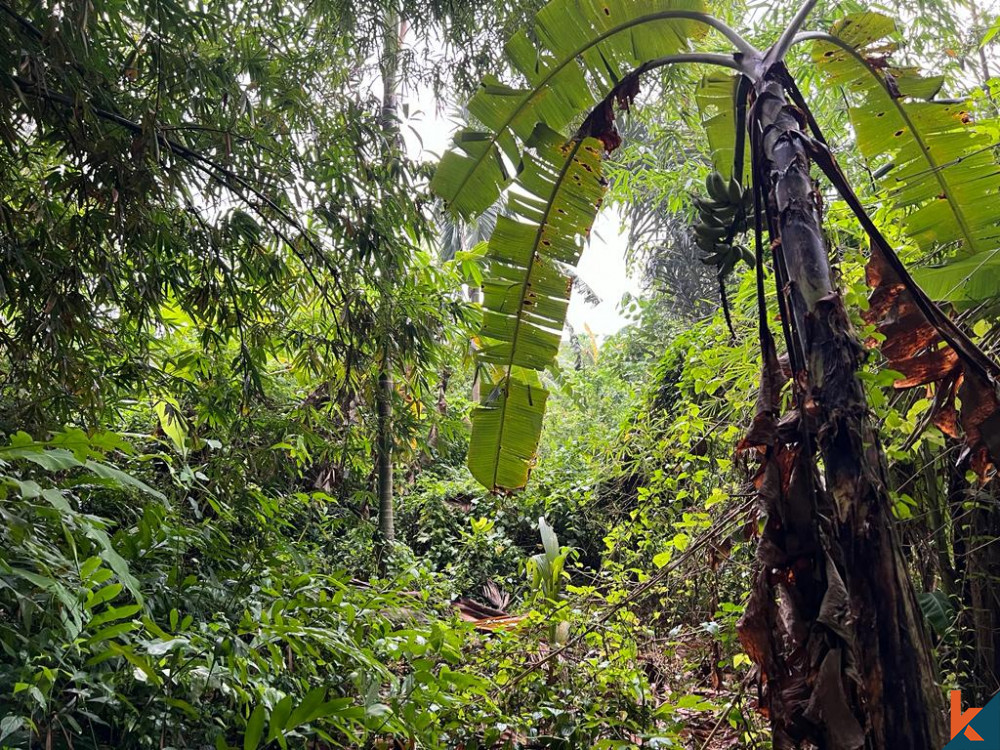 1158 m²12 min$ 291996Bali, Mengwi
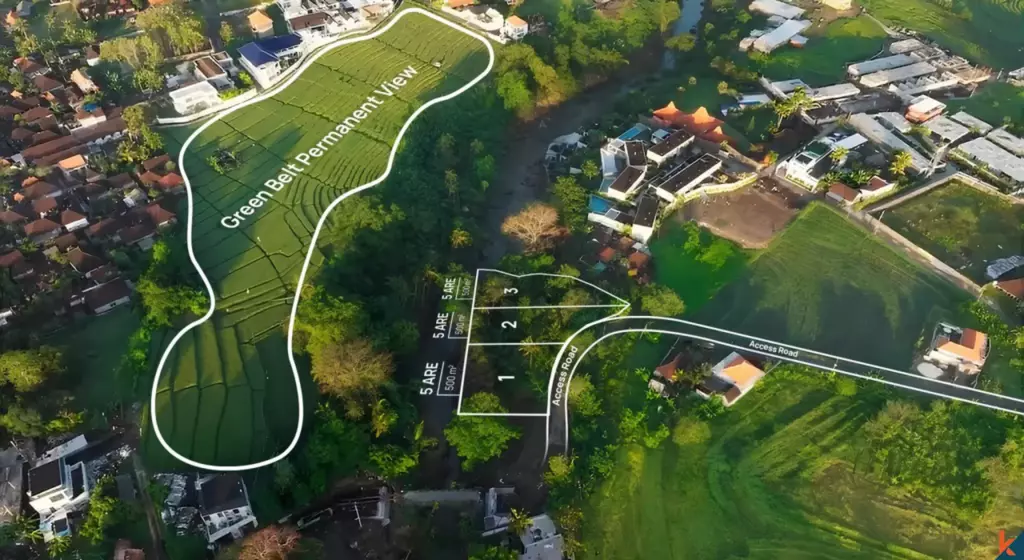 500 m²15 min$ 124692Bali, Kaba Kaba
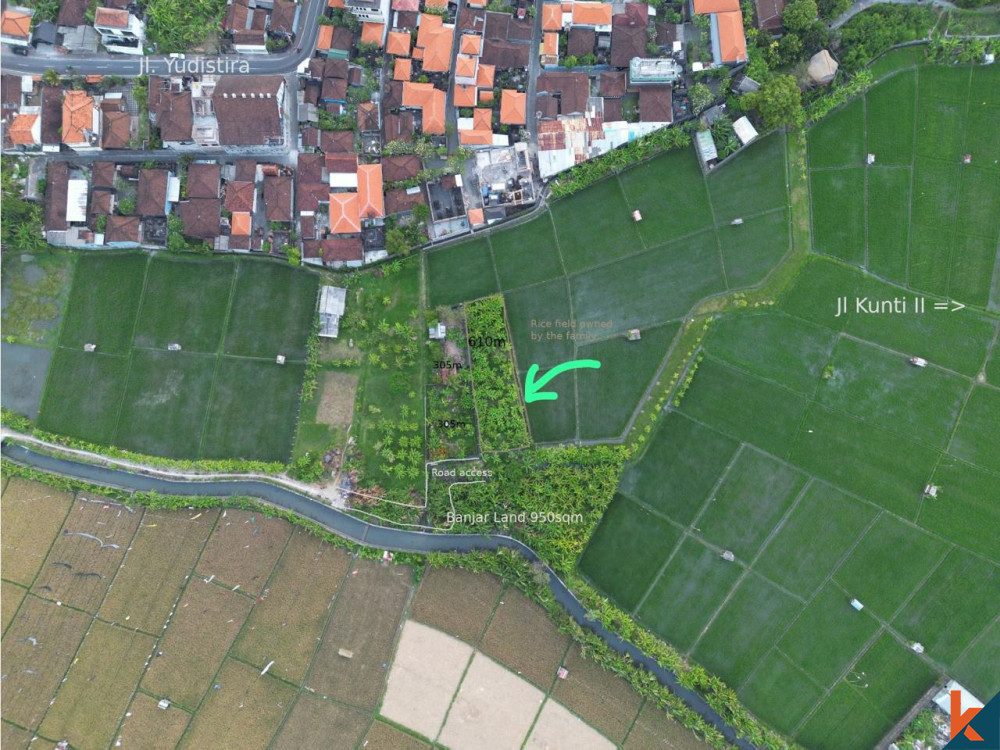 610 m²10 min$ 165271Bali, Seminyak
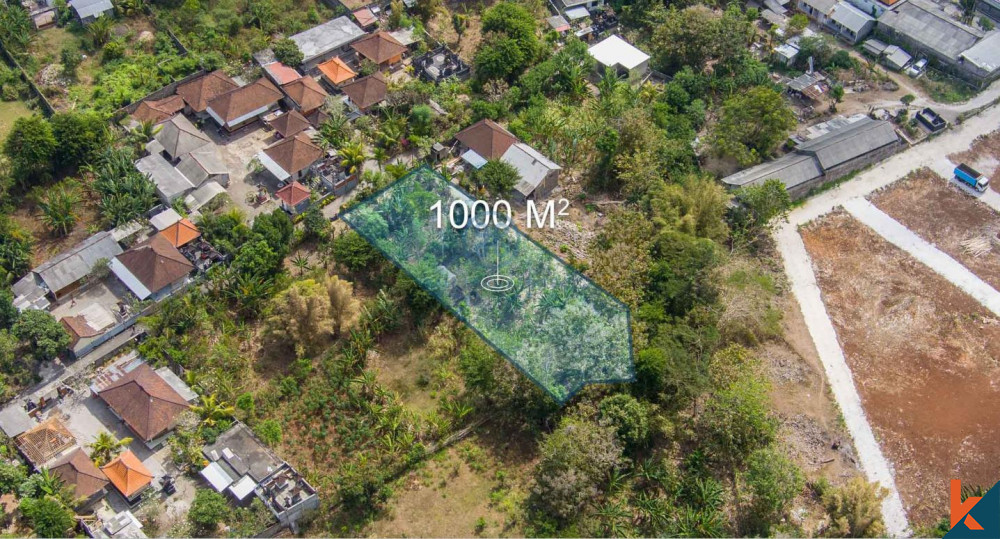 1000 m²8 min$ 134544Bali, Bukit
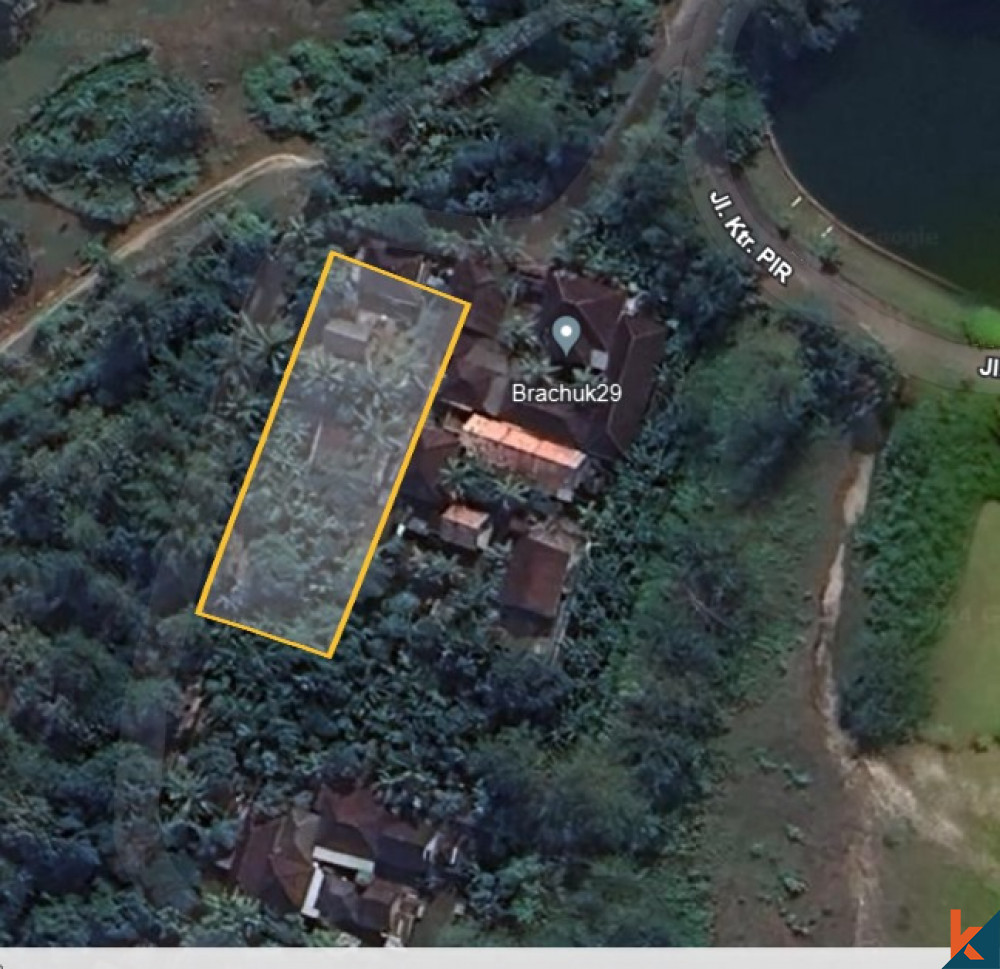 1350 m²5 min$ 283467Bali, Pecatu
 2800 m²2 min$ 713793Bali, Kedungu
 1660 m²10 min$ 343448Bali, Kerobokan
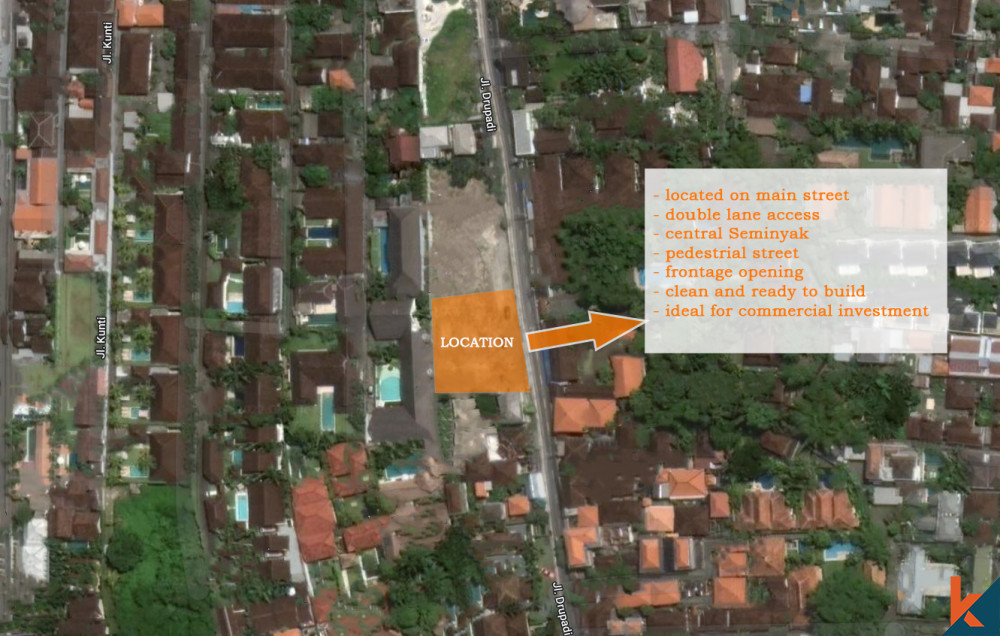 1000 m²5 min$ 350431Bali, Drupadi
 615 m²15 min$ 113608Bali, Tabanan
 200 m²11 min$ 89286Bali, Tabanan
 420 m²15 min$ 41897Bali, Tabanan
 2500 m²5 min$ 609606Bali, Kedungu
Planning a build in Bali?
Get a feasibility view, budget range and timeline from Teville.
Related guides
Integrated Furniture Fixings Hidden Brackets MEP Clearance Bali
Explore integrated furniture fixings with hidden brackets and MEP clearance in Bali. Learn installation tips, load guidance, and clean, accessible finishes.
8 min read
Engineered Stone Countertop Fixing Support Standards Bali
Explore Bali s engineered stone countertop fixing and support standards. Installation tips, durability guidance, and compliance for lasting quality surfaces.
10 min read
Microcement Wet-Area Application Curing Standards Bali
Discover Bali-specific microcement wet-area application and curing standards, including prep, sealers, curing times, for durable, water-resistant finishes.
9 min read