Microcement Wet-Area Application Curing Standards Bali
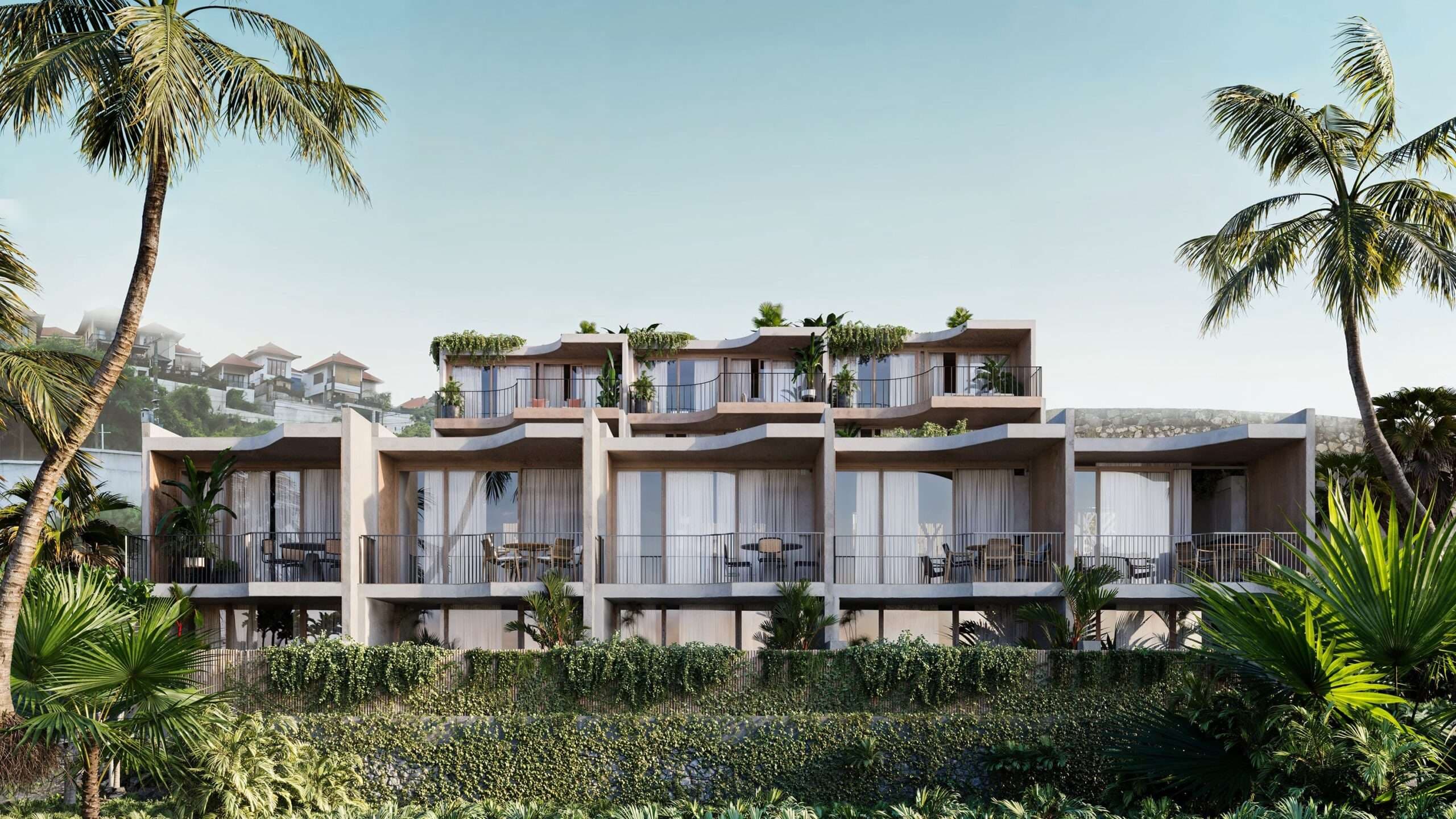
Microcement Wet-Area Application & Curing Standards Bali
1) Specific Problem/Question
How do you install and cure microcement in Bali’s wet areas so it stays seamless, waterproofed, and beautiful under tropical humidity and daily hot shower cycles? In Bali villa construction, failures typically trace back to missing membranes, rushed curing, poor substrate control, and weak sealing. This article sets a clear, technical standard for wet-area microcement—showers, wet rooms, vanity tops, and utility zones—tailored to Bali’s climate, using proven practices, proper sequencing with villa utilities, and manufacturer-backed guidance. The goal: durable, hygienic, low-maintenance interior finishing Bali owners can rely on during renovation Bali or new builds.
2) Technical Deep Dive: What Makes Wet-Area Microcement Work in Bali
Substrate suitability and movement
Microcement is a thin, cement–polymer finish (often 1.5–3.0 mm total) that depends entirely on the stability of the substrate. In wet areas, that substrate must be flat, solid, and dimensionally stable. Preferred bases include cement render/screed, cement board, or fiber-cement sheet over a rigid frame. Avoid direct application over gypsum boards in showers, flexible plywood, or cracked, debonded tiles. Any tile substrate must be sound, scuff-sanded or mechanically keyed, and leveled with a polymer-modified skim before priming. Movement joints in the structure must be honored and detailed through the microcement system with appropriate profiles; do not bridge active structural joints with a continuous finish.
Waterproofing is a dedicated layer, not the microcement
Microcement is water-resistant once sealed, but not a substitute for waterproofing. In Bali, consistent high humidity, thermal cycling from hot water, and occasional negative-side moisture from masonry demand a full, tested membrane system behind the finish. Liquid-applied cementitious or hybrid membranes with mesh reinforcement at changes of plane (wall-to-floor, niches, benches) are standard. Factory collars or butyl/EPDM gaskets are required at all penetrations (mixers, heads, hand showers, hose bibs) and at floor drains. Flood testing of the membrane before finishing is essential to construction standards Bali projects should uphold.
Moisture management, dew point, and the tropical challenge
Bali’s RH routinely exceeds 75%. High ambient moisture slows cement hydration and polymer coalescence, extending cure times and increasing risk of blush, pinholes, and soft films. During application and curing, condition the space: cross-ventilation plus dehumidification and gentle air movement (not directed at the surface) keep conditions stable. Avoid rapid chilling by aircon that can drop the surface below the dew point; condensation will mark the finish and weaken sealer adhesion. Plan sequencing with villa utilities so showers, exhaust fans, and hot-water systems are off until the system is fully cured and sealed.
System build-up for wet areas
A robust wet-area build-up typically includes: substrate preparation; primer suited to the base; waterproofing membrane with mesh reinforcement and collars; key coat; microcement basecoat with alkali-resistant fiberglass mesh; second base or texture coat; fine finish coat; penetrating primer; and two-component top sealer (polyurethane or polyaspartic) with optional anti-slip additive. The mesh must be continuous on floors and up walls at least 150 mm, with full wraps at benches and niches. Drains require bowl-form slope (minimum 1–2%) formed in the screed—not in microcement—to ensure even drainage without ponding.
Adhesion, compatibility, and chemical resistance
All layers must be chemically compatible. Use primers and sealers specified by the microcement manufacturer; do not mix systems. In showers, choose topcoats with high water, soap, and mild chemical resistance, and with tested slip performance when wet. Penetrating or single-component acrylic sealers are inadequate for high-load wet areas. For vanity tops, select heat- and stain-resistant sealers and detail sink cutouts and tap penetrations with gaskets to protect the substrate.
Curing science and schedule discipline
Two overlapping cures matter: cement hydration in the microcement and film formation/crosslinking in the sealer. High humidity slows both. Typical “touch-dry” does not equal “service-ready.” Between coats, respect minimum and maximum recoat windows to ensure chemical bonding. After the final sealer, avoid water exposure for at least 72 hours in Bali’s climate; seven days is safer before full shower service. Early water contact can cause whitening (blush), staining, or soft spots. Maintain 20–30°C and 50–65% RH where possible during curing using ventilation, dehumidifiers, and controlled AC.
Detailing for longevity
– Corners and changes of plane: embed membrane and microcement mesh with smooth radiused transitions to reduce stress. Sharp 90° corners are crack initiators.
– Penetrations: use factory gaskets, then terminate microcement cleanly; do not rely on silicone alone to waterproof.
– Drains: install clamping or flange drains compatible with liquid membranes; integrate fleece collars and seal to manufacturer spec.
– Furniture installation: sequence cabinetry, shower glass channels, and built-in benches so that penetrations are pre-planned, sleeves are installed before finishing, and final fixings land in pre-reinforced zones to avoid cracking.
– Maintenance: specify neutral-pH cleaners and soft pads only; harsh acids/alkalis degrade sealers.
3) Materials & Standards
- Substrates: Cement render/screed (28-day cured or per manufacturer), cement board, or structurally sound tiled surfaces after mechanical keying. Flatness tolerance typically ≤3 mm over 2 m for uniform film build.
- Primers: Acrylic or epoxy primers matched to substrate porosity and alkalinity; epoxy moisture-tolerant primers for marginal substrates.
- Waterproofing membrane: Two-coat, fiber-reinforced liquid membrane with mesh at all planes, niches, seats, and drain perimeters. Use collars at penetrations and clamping drains. Perform a 24–48 h flood test before finishes.
- Microcement system: Manufacturer-matched base and finish coats, with alkali-resistant fiberglass mesh embedded in the first basecoat across floors and up walls. Total system 1.5–3.0 mm.
- Topcoat sealer: Two-component polyurethane or polyaspartic with wet slip-resistance option. Choose UV-stable versions for sunlit bathrooms.
- Ancillaries: Anti-slip additives, color-stable pigments, movement joint profiles, edge trims, drain kits with compatible flanges.
Guidance and references: Follow manufacturer technical notes for wet-area application, membrane integration, and curing. See Concrete Lab’s wetroom guidance and shower detailing (concretelab.co.uk) and Festfloor application notes and curing/sealing advice (festfloor.com). Align with relevant Indonesian SNI building requirements for waterproofing and plumbing, and verify slip resistance per recognized methods (e.g., pendulum testing or DIN barefoot classifications) appropriate to wet barefoot use. For project delivery standards and process integration, see Teville’s build methodology (how we build) and portfolio benchmarks (portfolio).
Under construction standards Bali expectations, specify measurable acceptance criteria: adhesion pull-off testing where critical details exist; documented flood tests; visual tolerance for texture/color; and slip performance suitable for showers and wet rooms.
4) Step-by-Step Process (Teville Standard)
- 1. Survey and testing – Confirm substrate type, integrity, and flatness. Identify movement joints and plan profiles. Check moisture with a calibrated meter; investigate sources of damp (negative-side moisture, leaks). Verify fall-to-drain in screed; correct if inadequate.
- 2. Services coordination (villa utilities) – Freeze shower valve depths, spout locations, niche positions, and drain type. Install sleeves or backing plates for future fittings and furniture installation (glass channels, vanity brackets) to avoid drilling finished microcement.
- 3. Surface preparation – Mechanically abrade, vacuum clean, and degrease. Patch and level with polymer-modified mortar; cure as specified. Treat corners with radius rather than sharp arrises.
- 4. Priming – Apply primer compatible with substrate moisture and porosity. For dense tile bases, use grip primers; for porous screeds, use acrylic primers; for marginal moisture, moisture-tolerant epoxy per data sheet.
- 5. Waterproofing membrane – Apply first coat, bed reinforcing mesh at all changes of plane and over crack-prone areas. Add collars at every penetration. Second coat to achieve target DFT. Return membrane up walls and into niches. Form fillets at floor–wall intersections. Respect cure time.
- 6. Flood test – Plug drain and flood shower base for 24–48 hours. Mark water level; verify no drop and no leaks below. Document with photos. Remediate if needed before proceeding.
- 7. Key coat/primer for microcement – Apply bonding primer recommended by the microcement manufacturer over the cured membrane to ensure chemical compatibility.
- 8. Basecoat + mesh – Trowel first microcement basecoat. While green, embed alkali-resistant fiberglass mesh across floors and up walls 150–300 mm, fully encapsulated. Lap mesh 50 mm at seams; reinforce niches, benches, and around drains.
- 9. Second base/texture coat – Level and refine texture. Maintain designed microtexture appropriate for anti-slip performance. Control environmental conditions (RH, temperature, airflow) to avoid pinholes and blush.
- 10. Finish coat – Apply thin, even finish coat for final color and texture. Avoid over-troweling which can cause burnish marks and color variation. Respect inter-coat cures; light de-nibbing between coats as required.
- 11. Controlled curing – Maintain 20–30°C and 50–65% RH where possible. Use dehumidifiers and indirect airflow. Avoid direct AC blast and any water exposure. Minimum overnight intervals between coats are typical; extend in high humidity.
- 12. Sealer system – Apply penetrating primer (if system requires), then two-component polyurethane or polyaspartic sealer in two coats. Incorporate anti-slip additive for showers and wet rooms. Observe recoat windows and final cure times per data sheet.
- 13. Detailing and protection – Seal junctions with sanitary-grade silicone after sealer cure (not as primary waterproofing). Fit drain grates. Protect surfaces with breathable covers until handover. Do not tape directly to fresh sealer.
- 14. Commissioning – After minimum 72 hours (often 5–7 days in Bali humidity), perform controlled water exposure test to confirm no whitening or softening. Hand over care instructions and cleaner specifications (neutral pH).
- 15. Post-install checks – Confirm slip feel when wet, inspect for pinholes, verify uniform sheen. Schedule a 3–6 month review, especially in beachfront properties with salt-laden air and strong sun through glazing.
5) Costs & Timeline (Bali Context)
Indicative wet-area microcement pricing in Bali (materials + skilled labor, excluding substrate reconstruction):
- Standard shower/wet room system (walls + floor), with membrane and 2K sealer: IDR 1,400,000–2,200,000 per m², depending on substrate prep, complexity (niches, benches, curves), anti-slip requirements, and access.
- Walls only (over compliant substrate with existing membrane): IDR 950,000–1,500,000 per m².
- Vanity tops and wet countertops (sealed, high-chemical-resistance system): IDR 1,800,000–2,800,000 per m², driven by edge details and penetrations.
Typical timelines per bathroom (assuming substrate is sound):
- Day 1–2: Prep, priming, membrane first coat, reinforcement.
- Day 3: Membrane second coat; begin cure.
- Day 4–5: Flood test (24–48 h) and inspection.
- Day 6–8: Microcement base + mesh, second base, finish coat with controlled inter-coat cures.
- Day 9–10: Sealer coats and initial cure.
- Day 11–14: Conditioning period before full service, extended if RH is high.
Complex rooms, heavy rectification, or integration with furniture installation and glass works can extend the program. For multi-bathroom villas, Teville sequences work to minimize downtime; see our process overview (how we build) and request an itemized estimate (Before finalizing your finishing works plan, check realistic cost ranges for your Bali villa project.
Available lands
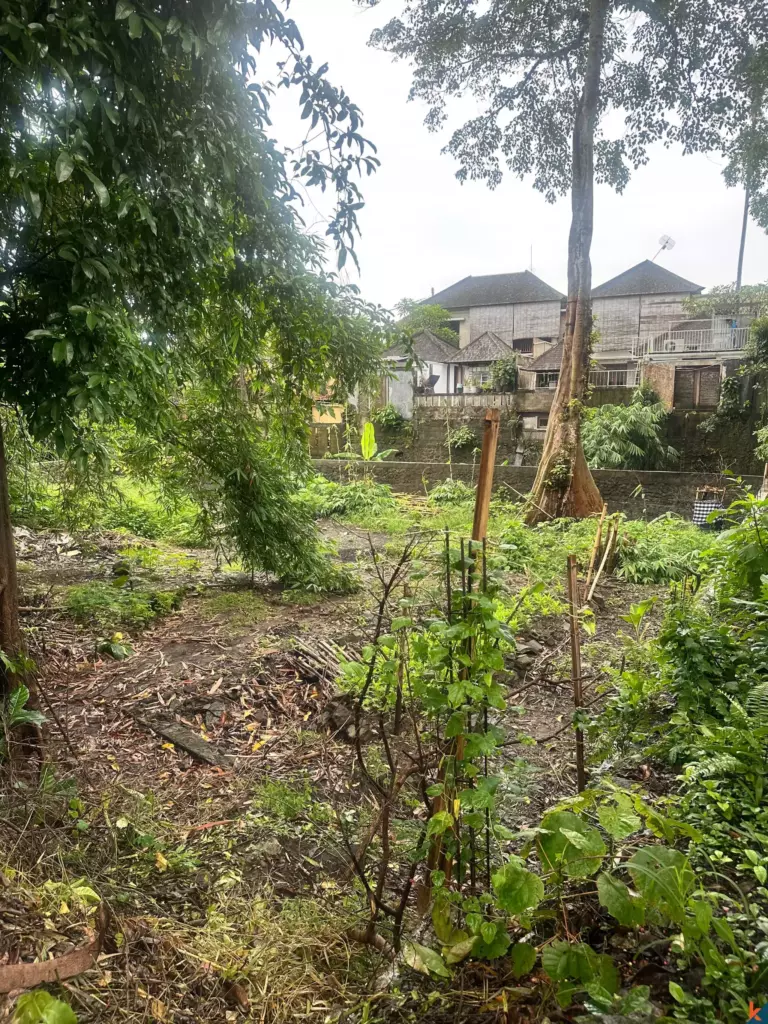 700 m²8 min$ 165517Bali, Umalas
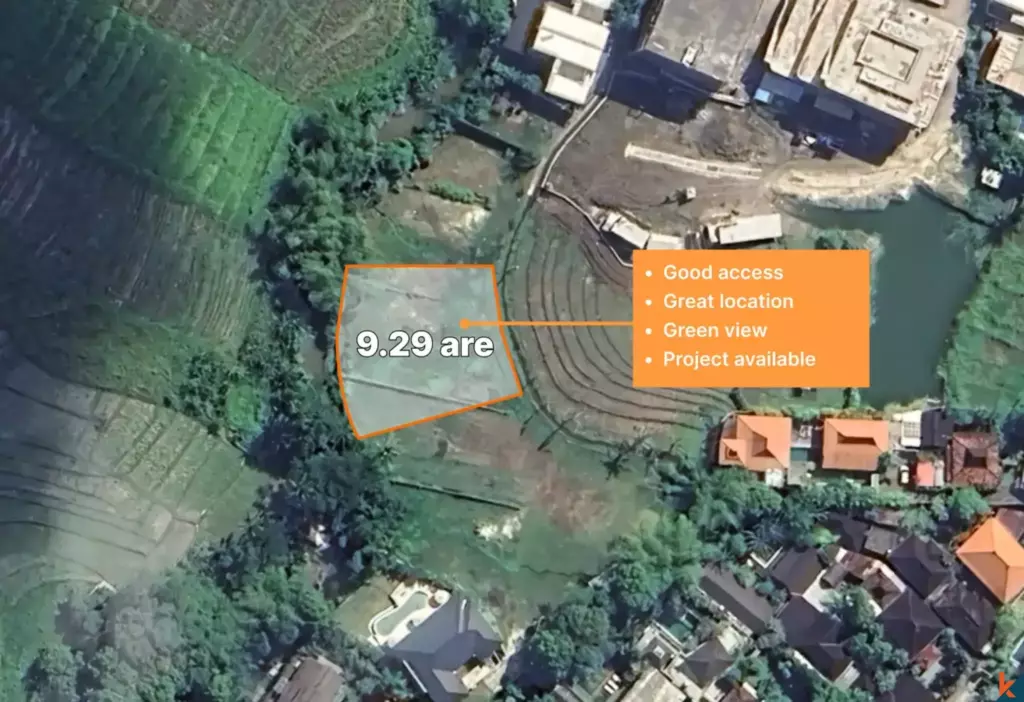 928 m²15 min$ 910123Bali, Pererenan
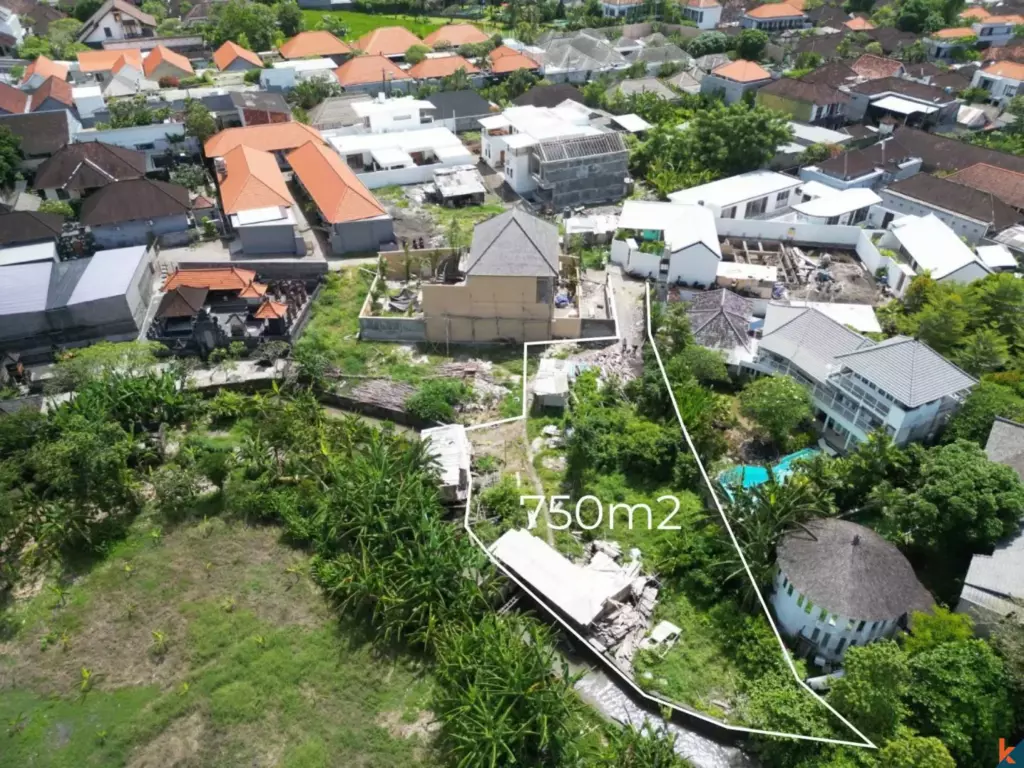 750 m²15 min$ 187038Bali, Kerobokan
 2800 m²2 min$ 713793Bali, Kedungu
 1000 m²10 min$ 384852Bali, Canggu
 18900 m²2 min$ 6912931Bali, Pecatu
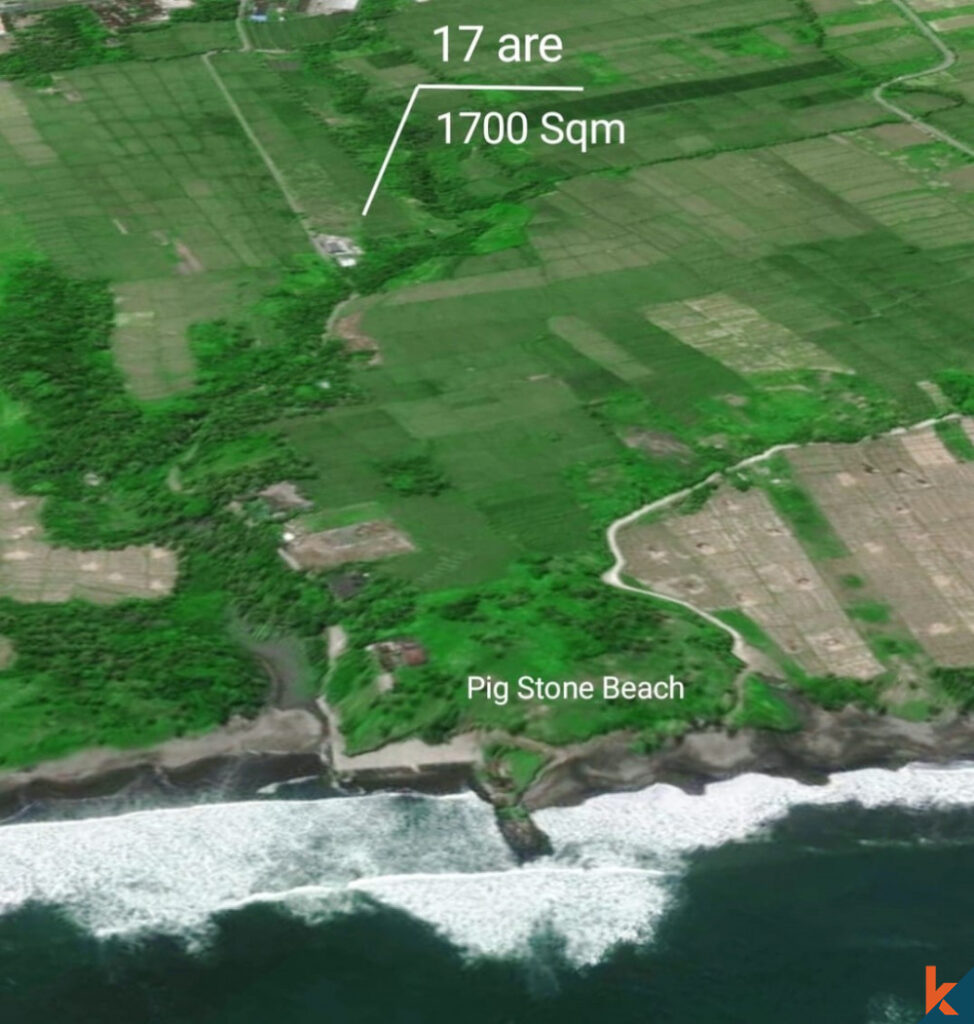 1720 m²2 min$ 241478Bali, Tabanan
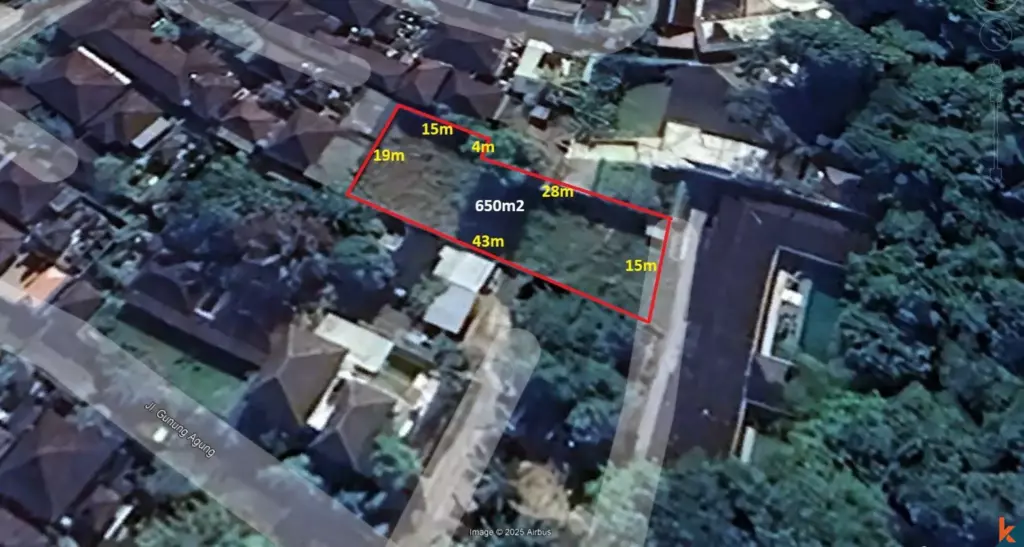 660 m²10 min$ 175567Bali, Mengwi
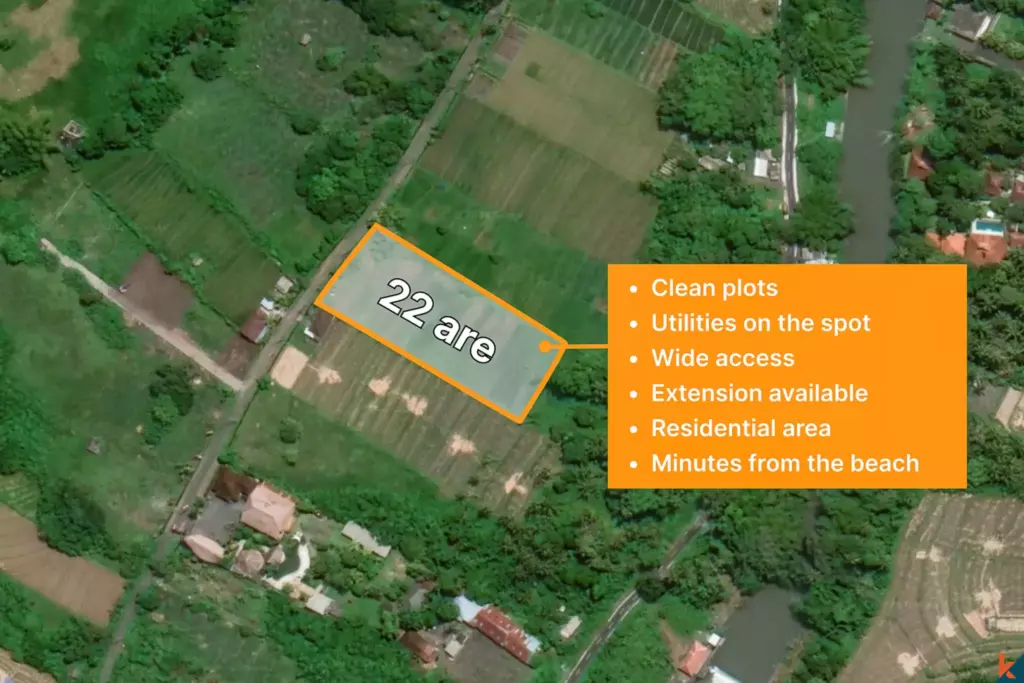 550 m²5 min$ 217629Bali, Tabanan
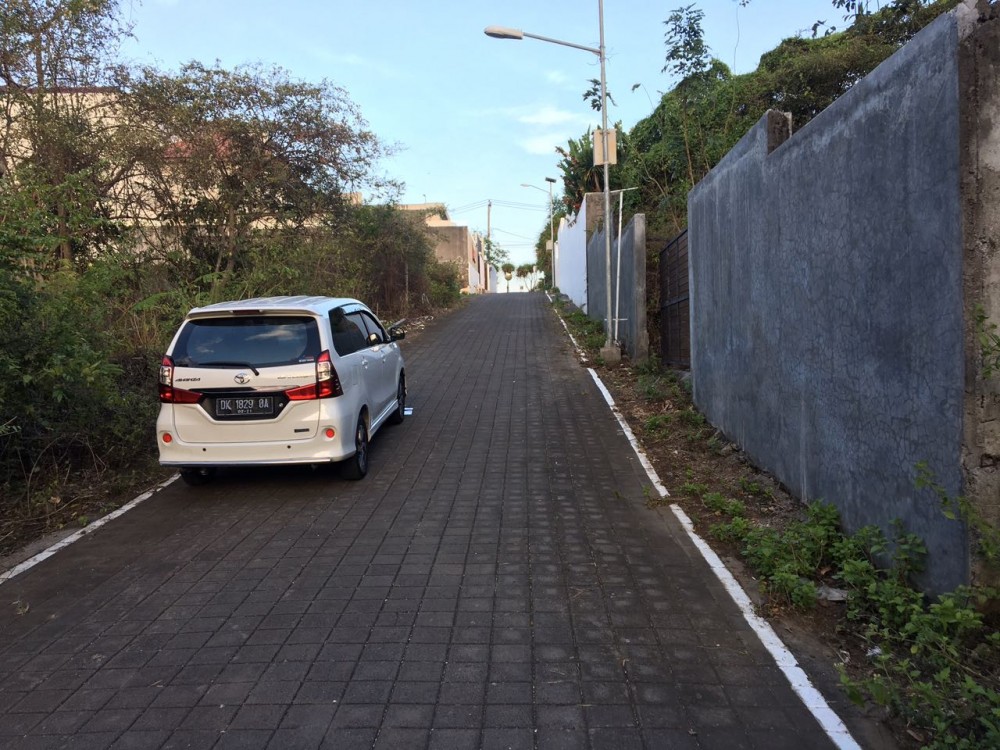 1000 m²10 min$ 123154Bali, Jimbaran
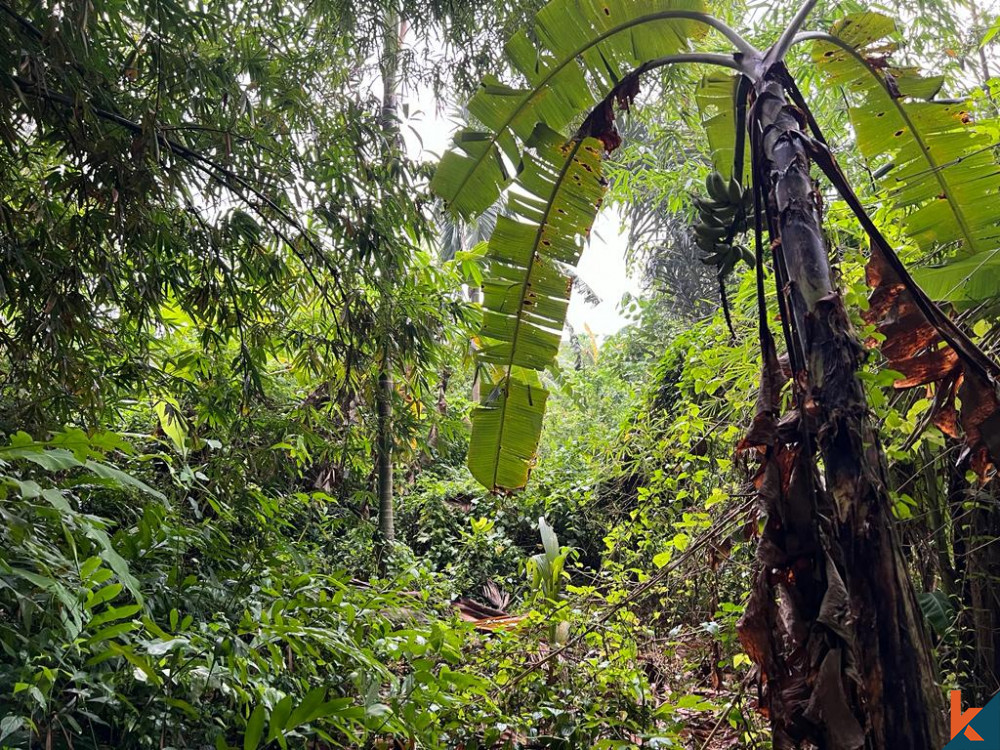 1158 m²12 min$ 291996Bali, Mengwi
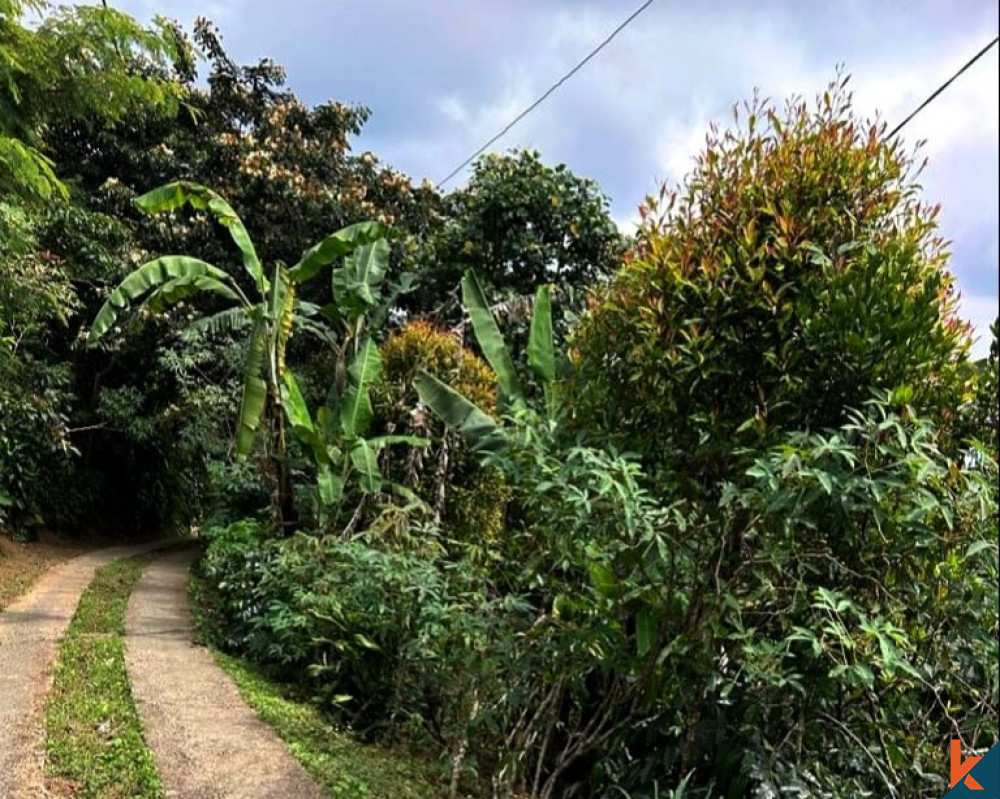 10000 m²19 min$ 232759Bali, Buleleng
 260 m²5 min$ 51872Bali, Kedungu
 800 m²10 min$ 307882Bali, Tibubeneng
 1300 m²10 min$ 348214Bali, Tabanan
Planning a build in Bali?
Get a feasibility view, budget range and timeline from Teville.
Related guides
Integrated Furniture Fixings Hidden Brackets MEP Clearance Bali
Explore integrated furniture fixings with hidden brackets and MEP clearance in Bali. Learn installation tips, load guidance, and clean, accessible finishes.
8 min read
Epoxy Primer Moisture Barrier for Bali Interior Renovations
Explore epoxy primer and moisture barrier solutions for Bali interior renovations, delivering durable adhesion, moisture protection, and long-lasting finishes.
8 min read
Engineered Stone Countertop Fixing Support Standards Bali
Explore Bali s engineered stone countertop fixing and support standards. Installation tips, durability guidance, and compliance for lasting quality surfaces.
10 min read