Porcelain Tile Wet-Bed Method Slope Standards for Bali Villas
Porcelain Tile Wet-Bed Method & Slope Standards for Bali Villas
Specific Problem/Question
In Bali villa construction and renovation, clients love the durability and clean lines of porcelain tile for bathrooms, terraces, poolsides, and service areas. But two questions decide long-term performance: Should porcelain be installed with the traditional wet-bed method (fresh mortar), and what slope standard guarantees fast drainage in tropical downpours? Missteps here lead to hollow tiles, lippage, efflorescence, leaks, and mold—especially in a humid, salt-laden climate. This article explains Teville’s finishing standard for porcelain tile in Bali: when to use wet-bed vs. adhesive-fixed methods, how to build reliable falls, and how to coordinate with drains, furniture, and villa utilities.
Technical Deep Dive: Wet-Bed vs. Adhesive-Fixed Porcelain and Slope in a Tropical Villa
The traditional “wet-bed” (or wet-set) method sets tiles directly into fresh, plastic cement-sand mortar. Historically this was effective for porous ceramic and clay tiles, sometimes after soaking tiles so they would not steal water from the mortar. Modern porcelain is different. It is very dense (low water absorption, typically ≤0.5%) and requires a high-performance polymer-modified adhesive to achieve reliable bond. Soaking porcelain is counterproductive and generally not recommended. This aligns with technical guidance such as ARDEX Australia: modern dense tiles are normally installed with polymer-modified adhesives onto dry substrates, not by soaking tiles or relying on a wet mortar bed alone (ARDEX TB229).
In Bali, the wet-bed question is really a screed question. In villas we routinely need to correct levels and create slopes for bathrooms, balconies, pool decks, garages, and service zones. Teville forms the slope with a bonded or unbonded screed (dry-pack mortar) to the exact design fall, cures it, waterproofs where required, and then fixes porcelain using a thin- or medium-bed polymer-modified adhesive. This is the most controllable path to surface accuracy, adhesive coverage, and long-term durability in our tropical environment. We reserve true wet-set porcelain only for specific cases where a manufacturer-backed system prescribes a slurry bond coat between the porcelain and fresh mortar—and where site controls are perfect. Even then, we perform pull tests to verify bond.
Why this matters in Bali:
- Humidity and rainfall: Intense showers demand predictable drainage. Standing water rapidly drives efflorescence, grout discoloration, and microbial growth in interior finishing Bali projects.
- Salt air and UV: Coastal exposure attacks unsealed cementitious joints and trim metals; poor drainage accelerates damage.
- Thermal cycling and micro-movement: Structures move; dense porcelain plus rigid setting beds need movement joints to avoid tenting.
- Slip resistance: Exterior terraces and wet interiors (showers, spas) require texture plus positive slope to stay safe.
Porcelain bond specifics:
- Adhesive class: For Bali villa construction, we specify ISO 13007/EN 12004 class C2 (improved), with T (reduced slip), E (extended open time), and often S1/S2 (deformable) for large-format tiles and exteriors. Examples: C2TES1/S2.
- Coverage: 95% minimum adhesive contact in wet areas and outdoors; 80% minimum indoors dry, but Teville targets ≥95% across the portfolio.
- Back-buttering: Mandatory for porcelain ≥600 mm or textured/warped backs; use notch size that achieves full ridge collapse.
- No soaking: Do not soak porcelain. Keep substrates dry and clean; use compatible primers where specified.
Slope engineering in villas:
- General floors exposed to water: 1–2% gradient (10–20 mm per meter). For showers and balconies, Teville standard is 1.5–2% depending on finish texture and drain placement.
- Linear drains: 1–1.5% can be acceptable with large-format porcelain if a single plane directs water to the drain; ridges must collapse fully and lippage be minimized.
- Point drains: Requires four-way falls or saddle geometry; we limit tile size near the drain to control lippage, or introduce a cut pattern around the grate.
- External thresholds: Always slope away from interior, add a secondary gutter or trench drain if exposure is severe (monsoon, wind-driven rain).
Local compliance note: Specific construction standards Bali for slope and drainage are set by Indonesian codes and local regulations. In 2026, published international guidance generally recommends 1–2% falls for wet areas, but final compliance must reference current Bali/Indonesian standards and product manufacturers. Teville documents slopes in shop drawings, verifies via straightedges/laser, and conducts flood tests prior to handover.
Materials & Standards for Porcelain Tile in Bali Villas
Correct materials and references are the foundation of durable finishing in renovation Bali or new build projects:
- Porcelain tile: Rectified for minimal joints outdoors and indoors; verify planarity (ISO 10545-2). For wet exteriors, choose surface R-rating/SR per manufacturer; matte or structured surfaces balance safety and cleanability.
- Screed (mortar bed): Cement:sand 1:3–1:4.5, water controlled to achieve dry-pack consistency. For bonded screeds, apply cementitious slurry/bonding agent to structural slab immediately before placement. For unbonded, use separation membrane and appropriate thickness.
- Adhesive (thin/medium bed): Polymer-modified cement adhesive meeting EN 12004/ISO 13007 C2TE at minimum; S1/S2 for large formats, balconies, rooftops, and areas over waterproofing.
- Grout: High-performance cementitious CG2 WA or epoxy RG for harsh exposure, kitchens, and spas. Use joint width aligned to tile size and movement expectations (typically 2–3 mm for rectified interiors; 3–5 mm exteriors).
- Waterproofing: Liquid-applied or sheet membranes compatible with the chosen adhesive. Continuity at upturns to 150–200 mm, penetrations and drains. Flood test 24–72 hours before tiling.
- Movement joints: Perimeter joints 6–10 mm; intermediate joints 3–5 m intervals internally, 2–3 m externally, and at changes of plane/material. Fill with elastomeric sealant over backer rod, not grout.
- Edge trims and drains: 316 stainless in coastal zones; linear drains simplify falls with large-format tile. Ensure weep pathways remain open.
Standards and references we use to benchmark quality include ISO 13007/EN 12004 for adhesives, ISO 10545 for tile properties, and manufacturer guides (e.g., ARDEX TB229) stating that soaking porcelain is unnecessary and adhesive-fixed installation on dry substrates is preferred. For Bali projects we also align with current Indonesian regulations and municipality requirements; Teville’s construction process documents these selections and approvals.
Step-by-Step Process Teville Uses (Porcelain Tile with Engineered Slope)
1) Survey, Design, and Mock-up
- Laser survey of slabs and existing finishes (renovation). Identify water entry zones, door thresholds, balcony edges, and drain elevations connecting to villa utilities.
- Decide drain type (linear vs. point), grate size, and set-out with furniture installation lines (vanities, wardrobes, toe-kicks) to avoid awkward cuts.
- Create detail drawings: required slope (1–2%), screed build-up, membrane terminations, movement joints, and tile pattern.
- Build a sample panel to confirm adhesive, grout color, ridge collapse, slip resistance, and cleaning protocol.
2) Substrate Preparation and Screed (Forming the Slope)
- Clean slab; remove laitance/contamination. For renovation Bali jobs, scarify old screeds if reusing; otherwise demo to sound concrete.
- Moisture measurement; treat rising damp sources. Install vapor barriers where design requires.
- Place bonded screed for thin build-ups; apply cement slurry immediately before screeding. For thickness >40–50 mm or where isolation is needed, use unbonded screed over a slip membrane.
- Form accurate falls to drains at 1.5–2% typical for wet rooms and balconies; compact and rod screed to plane. Check with laser/straightedge (2 m rule).
- Cure screed adequately; protect from rapid drying and rain. Perform a dryness check before waterproofing.
3) Waterproofing and Drain Integration
- Prime as specified; apply membrane with correct film thickness. Reinforce corners, changes of plane, and hairline cracks.
- Clamping or bonding to drains: maintain weep holes; add protection flanges for linear drains. Continue membrane up walls/curbs 150–200 mm.
- Flood test the membrane for 24–72 hours. Only proceed once passed and documented.
4) Dry-Substrate Adhesive-Fixed Porcelain
- Select adhesive: C2TE S1/S2 for large format and exteriors. No tile soaking. Keep tiles and substrate dry and dust-free.
- Key adhesive into substrate, then comb in one direction. Back-butter large or structured tiles. Achieve ≥95% coverage in wet/exterior zones.
- Set tiles following slope plane; check lippage continuously. At point drains, break layout into smaller pieces around grate or use factory mosaics with trim borders.
- Cutting and edges: use water-cooled saws with porcelain blades; seal exposed porcelain bodies as recommended; use 316 stainless trims near coast.
5) Joints, Movement, and Perimeters
- Maintain design joint width; use leveling clips where appropriate. Do not bridge movement joints with tile or grout.
- Install perimeter and intermediate movement joints with backer rod and elastic sealant, especially at door thresholds and transitions to timber/furniture plinths.
6) Grouting and Detailing
- Choose CG2 WA cement grout or epoxy for harsh zones (kitchens, spas). Pack joints fully; clean without dragging grout from edges.
- Detail penetrations for villa utilities (floor wastes, cleanouts, water points) with collars and sealants compatible with the membrane/adhesive system.
7) Quality Control and Handover
- Sounding test for hollows; pull tests on sample tiles; photographic records of membrane and slope checks.
- Cleaning: remove haze; seal grout if specified. Provide care manual: pH-neutral cleaners, no acid over stainless trims, periodic re-seal of cement grout outdoors.
Note on true wet-set porcelain: If a project mandates wet-bed setting of porcelain in fresh mortar, Teville requires a manufacturer-approved system: a polymer-modified slurry bond coat on the mortar bed, compatible latex content, strict environmental control, and documented on-site bond testing. Otherwise, we form the slope with a screed, allow proper cure, then use polymer-modified adhesive on a dry substrate—the safest, repeatable path in Bali’s climate.
Explore our approach across villa types in the Villa Projects and Portfolio.
Costs & Timeline (Indicative for Bali, 2026)
Costs vary by tile size, access, slope complexity, drain type, and exposure. Below are typical ranges for high-quality finishing (materials + labor), excluding VAT and subject to confirmation via Teville’s cost estimation workflow:
- Screed with engineered slope: IDR 180,000–350,000/m² (bonded vs. unbonded, thickness, access).
- Waterproofing (liquid/sheet): IDR 220,000–500,000/m² depending on system and detailing.
- Adhesive-fixed porcelain installation: IDR 350,000–700,000/m² (larger formats and exteriors toward the top).
- High-performance grout (cement/epoxy): IDR 80,000–250,000/m².
- Linear drains, trims, accessories: IDR 1.5–6.0 million per unit/zone depending on grade (316 stainless recommended in coastal sites).
Timeline for a typical bathroom or 15–25 m² balcony (excluding structural modifications):
<
 172 m²8 month(s)from 120.000 USD
Keshava
 164 m²7 month(s)from 79.000 USD
Private: Haridas Villas, Tegallalang
 3180 m²7 month(s)from 142.000 USD
Vasudeva
 1from 198.000 USD
Private: Haridas Villas
 3104 m²11 month(s)from 99.000 USD
TALA 100
 3124 m²6 month(s)from 123.000 USD
TALA 8
 4344 m²16 month(s)from 290.000 USD
Radha
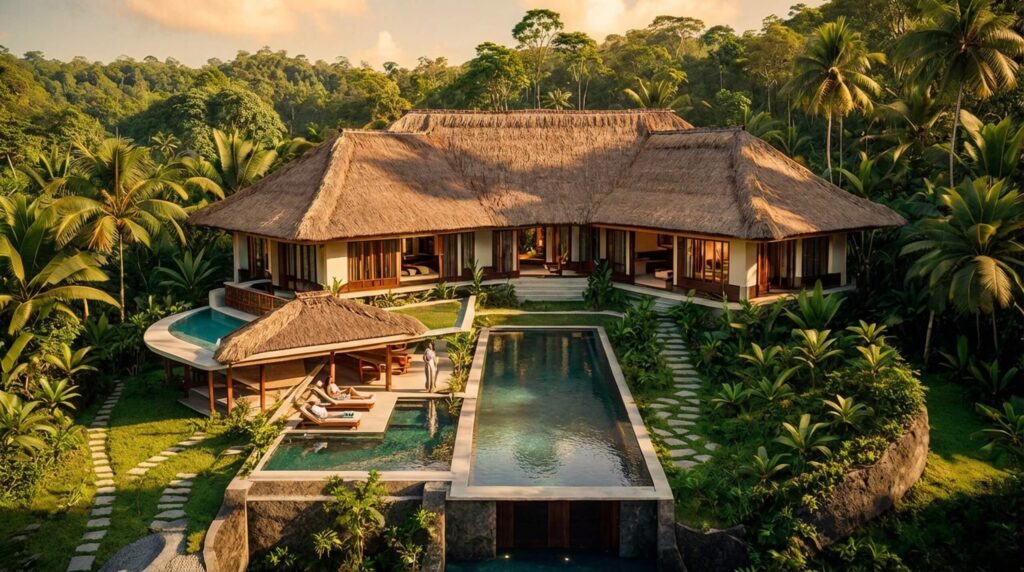 2144 m²11 month(s)from 104.000 USD
Narayana
164 m²7 month(s)from 79.000 USDTALA TWO
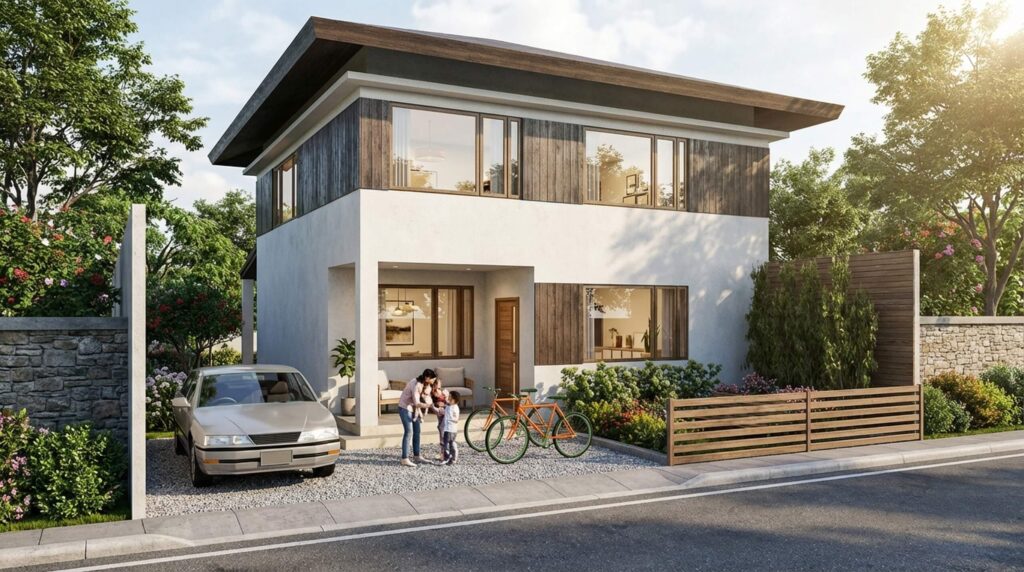 3173 m²6 month(s)from 125.000 USD
TALA FOUR

Want to calculate?
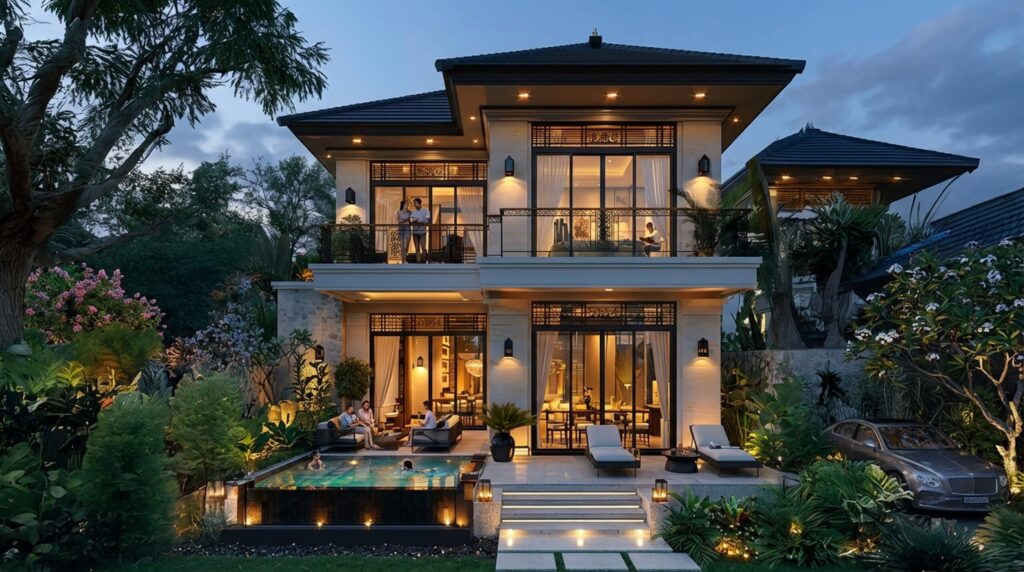 3127 m²9 month(s)from 177.000 USD
Mukunda
Start With Real Numbers, Not Guesses
Before finalizing your finishing works plan, check realistic cost ranges for your Bali villa project.
Available lands
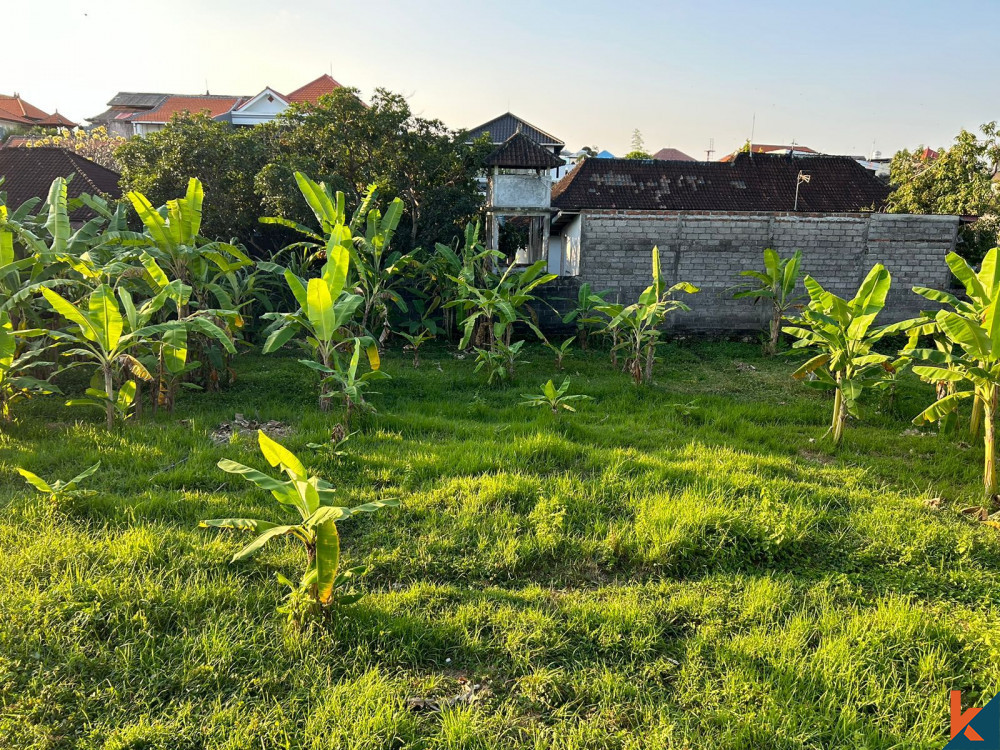 1660 m²10 min$ 343448Bali, Kerobokan
 2800 m²15 min$ 310345Bali, Tabanan
 5815 m²5 min$ 815740Bali, Tabanan
 600 m²12 min$ 101970Bali, Mengwi
 3000 m²15 min$ 1246921Bali, Tabanan
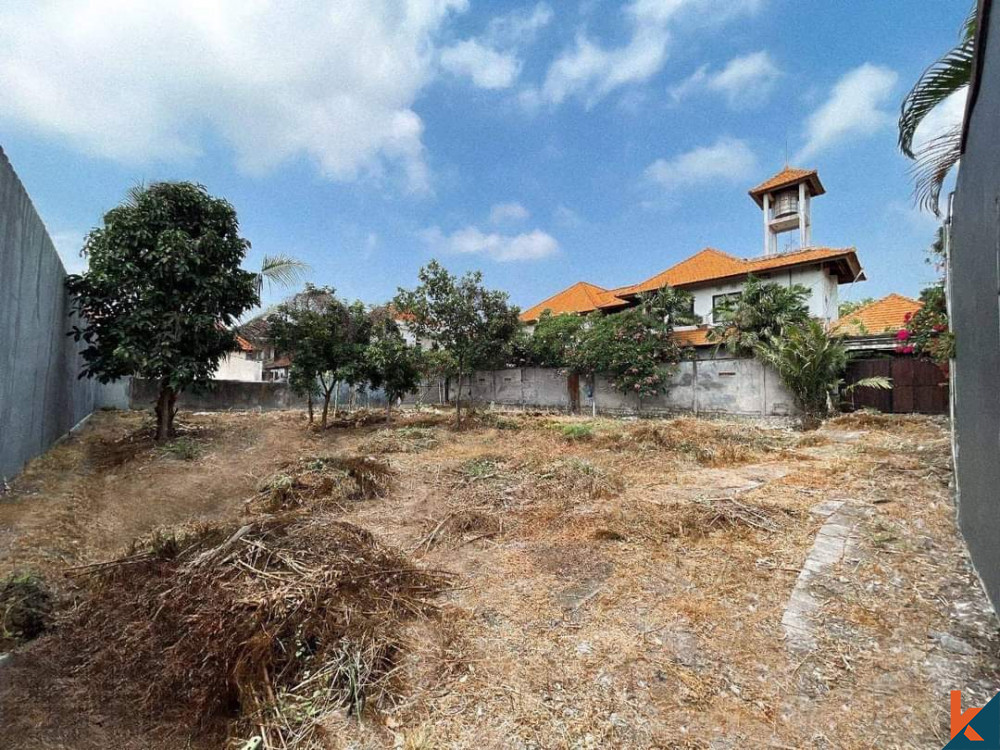 600 m²10 min$ 206897Bali, Canggu
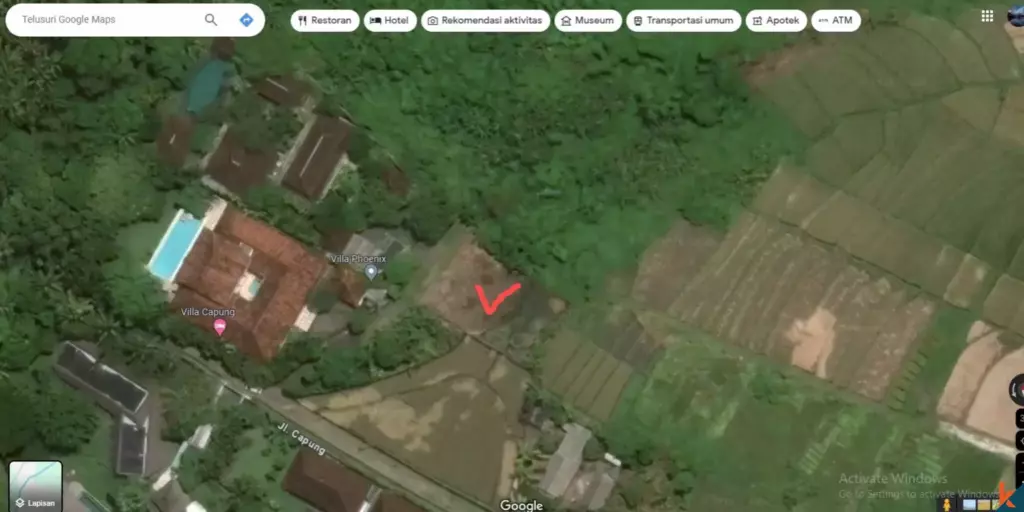 444 m²10 min$ 111000Bali, Tabanan
 1158 m²12 min$ 291996Bali, Mengwi
 7000 m²36 min$ 284483Bali, Gianyar
 1230 m²15 min$ 132543Bali, Tegallalang
 18900 m²2 min$ 6912931Bali, Pecatu
 7500 m²5 min$ 206281Bali, Kedungu
 1950 m²7 min$ 150092Bali, Tabanan
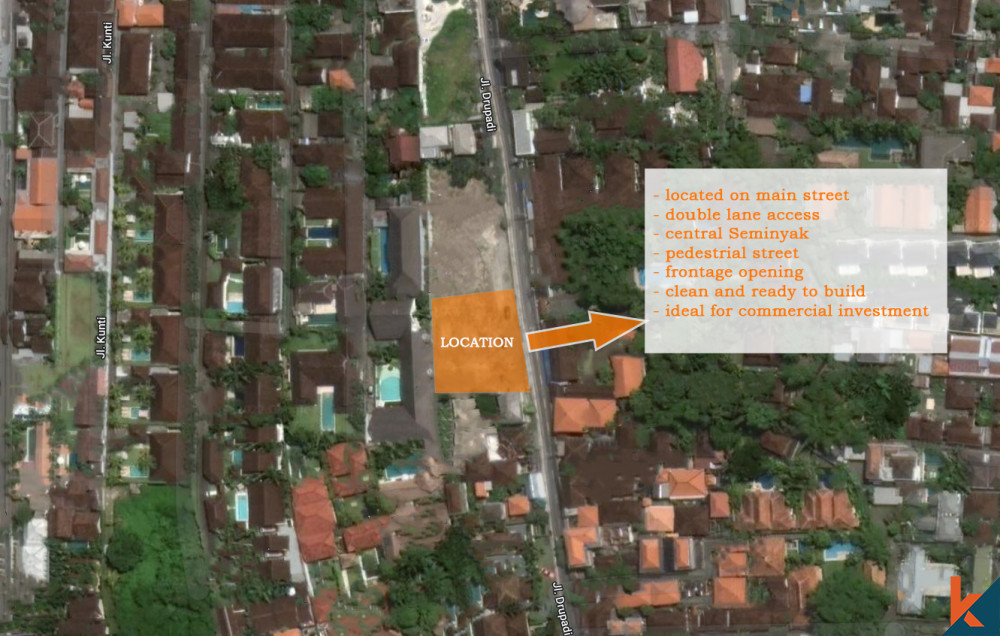 1000 m²5 min$ 350431Bali, Drupadi
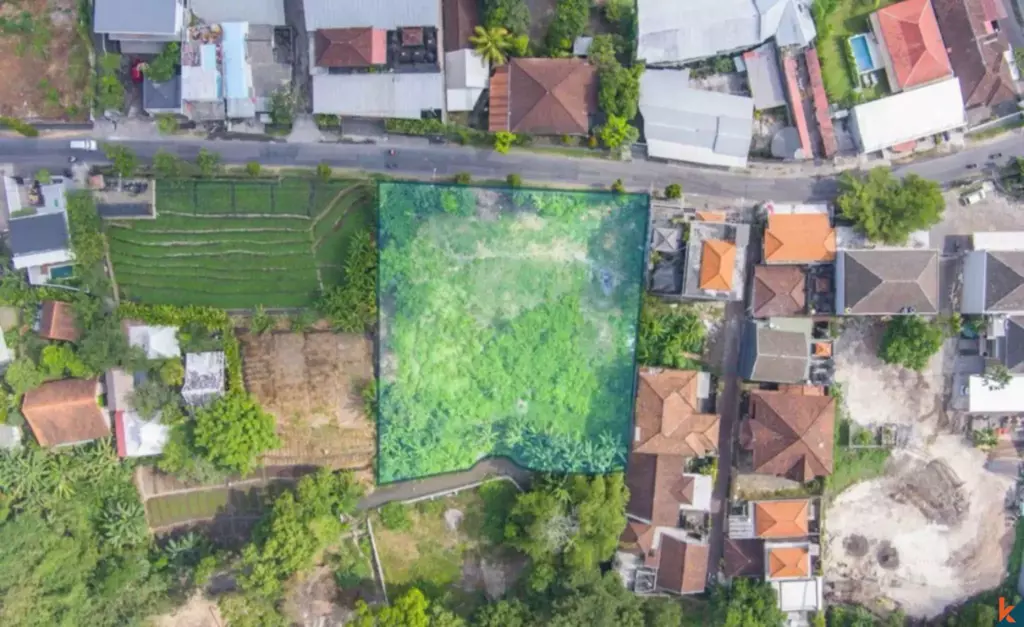 2230 m²15 min$ 410573Bali, Padonan
Planning a build in Bali?
Get a feasibility view, budget range and timeline from Teville.
Related guides
Integrated Furniture Fixings Hidden Brackets MEP Clearance Bali
Explore integrated furniture fixings with hidden brackets and MEP clearance in Bali. Learn installation tips, load guidance, and clean, accessible finishes.
8 min read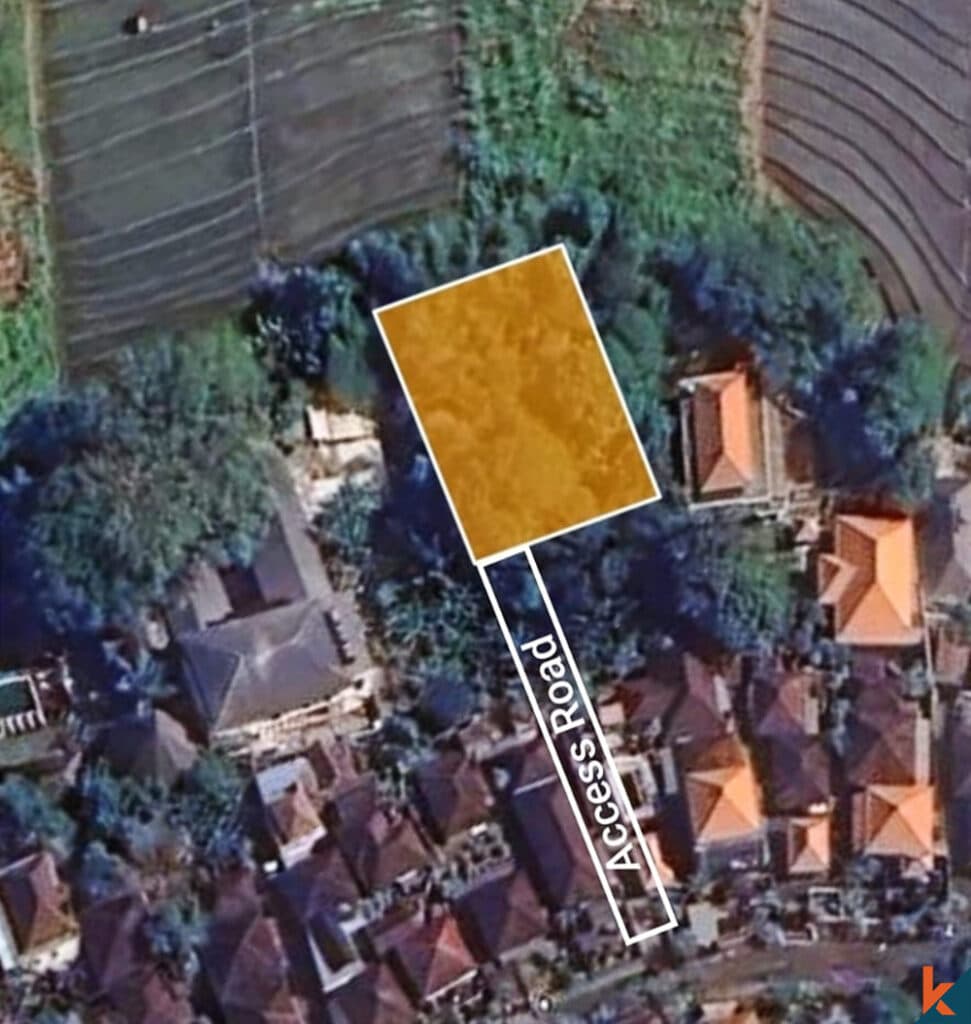
Epoxy Primer Moisture Barrier for Bali Interior Renovations
Explore epoxy primer and moisture barrier solutions for Bali interior renovations, delivering durable adhesion, moisture protection, and long-lasting finishes.
8 min read
Engineered Stone Countertop Fixing Support Standards Bali
Explore Bali s engineered stone countertop fixing and support standards. Installation tips, durability guidance, and compliance for lasting quality surfaces.
10 min read