Epoxy Terrazzo Restoration: Moisture Mitigation Polishing Bali
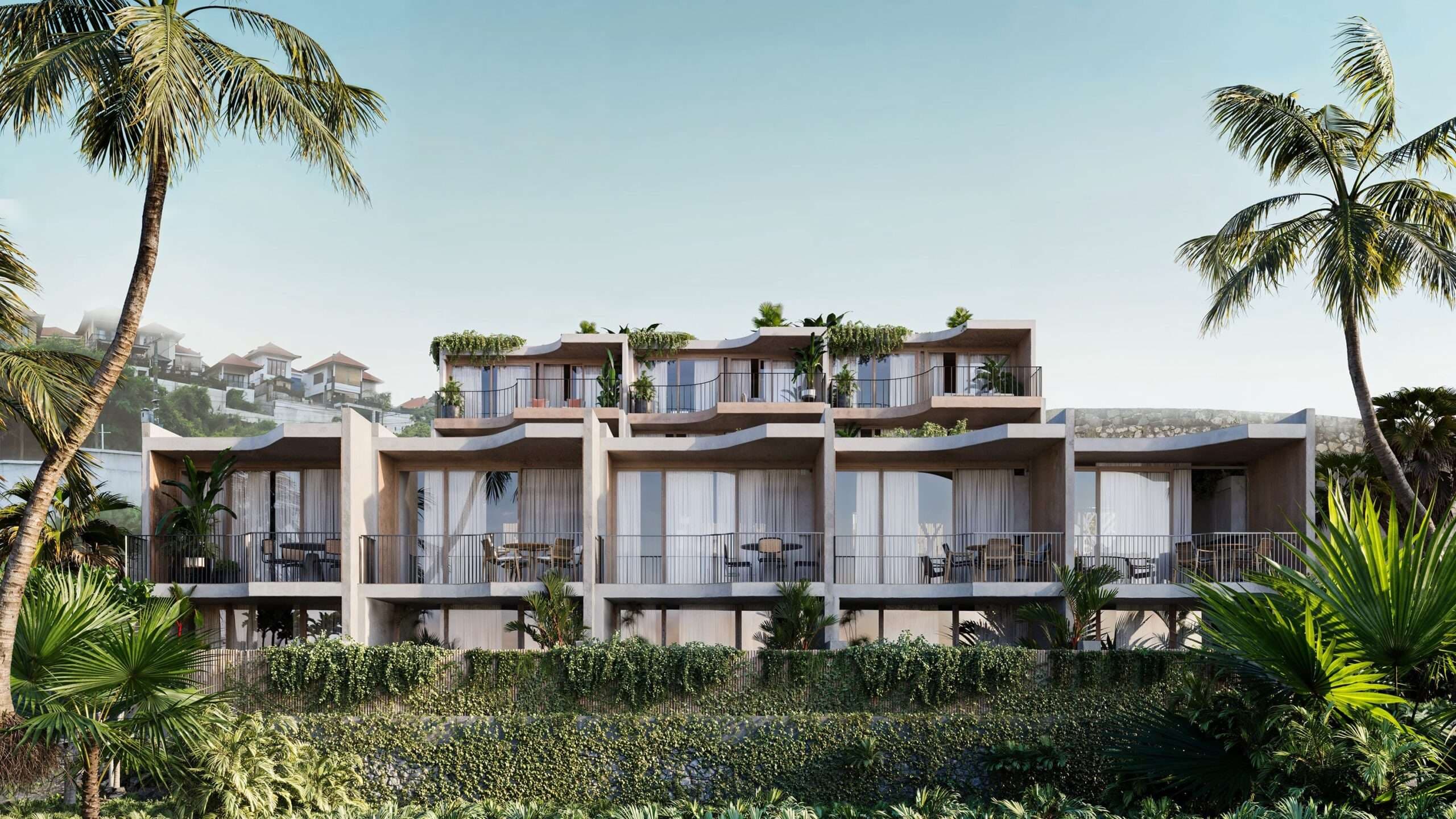
Epoxy Terrazzo Restoration: Moisture Mitigation & Polishing in Bali
1) Specific Problem/Question
In Bali’s tropical climate, restoring epoxy terrazzo floors is rarely just a cosmetic polish. Persistent humidity, slab moisture, and intermittent wet use (showers, pool decks, entry transitions) can drive moisture vapor transmission (MVT), leading to blisters, clouding, or delamination beneath the terrazzo matrix. The central question we solve at Teville: how to stabilize an existing epoxy terrazzo in a humid villa environment so it remains dimensionally stable, flat, and gloss-stable—without future moisture-related defects—while coordinating with ongoing renovation Bali schedules, furniture installation, and villa utilities fit-out.
2) Technical Deep Dive: Moisture Mitigation + Epoxy Terrazzo Polishing for Bali
Epoxy terrazzo is a thin-set resin system combining a 100% solids epoxy binder with selected aggregates (marble, glass, mother-of-pearl) that is cast, cured, ground, and polished to a high gloss. In restoration, we usually inherit an in-service floor showing some combination of microcracking, pinholes, dull patches, traffic wear, or loss of adhesion at isolated areas. In Bali villa construction and interior finishing Bali contexts, the dominant underlying failure driver is uncontrolled moisture from below the slab or lateral moisture from adjacent wet areas.
Why moisture matters: epoxy has naturally low permeability. Moisture vapor traveling upward from a damp substrate seeks pathways to equalize humidity; when blocked by a low-perm resin layer, vapor pressure can rise at the interface, creating osmotic blistering, milky appearance, or coherent debonding. This is amplified in the tropics, where seasonal humidity, high water tables, and intermittent AC shut-downs elevate in-slab RH. As a result, epoxy terrazzo restoration must pair surface refinishing with a verified moisture mitigation strategy, not just re-topcoating.
Moisture assessment precedes everything. We perform in-situ relative humidity (RH) testing within the slab (per widely used practice) and calcium chloride (MVER) testing in representative zones, plus pH and temperature logging. This triangulation helps determine if a full moisture vapor barrier (MVB) epoxy is warranted under re-binder work or if localized treatment suffices. On villas with old or absent underslab vapor barriers, we assume elevated MVT until proven otherwise.
Mitigation architecture: for restorations exposing the substrate (after removing loose or unsound epoxy terrazzo), we install a moisture mitigation system—typically a high-build, two-coat epoxy MVB engineered to suppress elevated RH and MVER. It acts as a hidden shield below the epoxy terrazzo layer, equalizing vapor drive and safeguarding adhesion. Industry resources on epoxy chemistry and mitigation approaches are helpfully summarized by manufacturers such as Sherwin-Williams (Epoxy Flooring) and Sherwin-Williams (Moisture Mitigation). In Bali’s climate, we prioritize systems with demonstrated performance at high RH thresholds and strong adhesion to mechanically profiled concrete.
Substrate preparation governs success. We mechanically grind to the specified concrete surface profile (CSP) and remove contaminants. If the original epoxy terrazzo remains sound in areas, we may retain it, scarify to achieve profile, and integrate a tie-coat—yet any hollow, debonded, or blistered zones must be cut back to solid material. Edge terminations and movement joints are honored; movement joints are never bridged, but are carried through the terrazzo and sealed with a color-matched, semi-rigid polyurea or polyurethane joint filler suitable for tropical expansion cycles.
Rebuilding the terrazzo: after moisture mitigation and priming, we install the epoxy terrazzo binder and aggregate mix compatible with restoration color matching. Because Bali villas often use bright, sunlit interiors, we select UV-stable binders or topcoats to resist ambering near large glazing. In wet-adjacent areas (kitchen pass-throughs, pool thresholds), we tune slip resistance by micro-texturing the topcoat while preserving polish uniformity across living spaces.
Polishing methodology: unlike cement terrazzo, epoxy terrazzo does not need densifiers. We deploy planetary grinders in metal-bond stages only when major flatness corrections are required, then move to transitional and resin pads through 400–800–1500+ grits depending on the design sheen. We grout with compatible epoxy grout for pinholes and microvoids, then polish to the target gloss and apply a thin, maintainable protective topcoat (often polyurethane or polyaspartic) that balances chemical resistance, UV stability, and cleanability. In Bali, we specify low-VOC systems to maintain indoor air quality during villa utilities commissioning and furniture installation.
Critical environmental controls: we condition spaces before, during, and after works. Air conditioning and dehumidification must be operational or at least stabilized to representative living conditions. Surface temperature, slab temperature, and dew point are tracked to avoid condensation during epoxy application. After polishing, we protect the floor with breathable protection boards rather than plastic films, which can trap moisture and imprint finishes under tropical heat.
Interfaces and detailing: thresholds at bathrooms, laundry, and pool access require slope checks and water stop details so lateral moisture doesn’t creep under edges. Floor drains, floor boxes, and service penetrations (part of villa utilities) are sealed with compatible primers and elastomeric sealants. Furniture leg pads and glides are specified in the handover pack to prevent point-load scratching on the refined finish.
3) Materials & Standards
We align epoxy terrazzo restoration with proven international practices commonly adopted in construction standards Bali projects:
- Moisture testing: in-situ RH per recognized practice; MVER (calcium chloride) as supplemental data; pH testing of concrete surface per substrate prep guidance.
- Surface prep: ICRI concrete surface profile (CSP) selection—typically CSP 3–5 for MVB epoxy adhesion; adhesion pull-off testing per ASTM D7234 for quality control on primers and mitigation coats.
- Substrate flatness: ACI guidance for slab tolerances; localized feathering with polymer-modified mortars where needed to meet terrazzo flatness/polish performance.
- Terrazzo system: epoxy resin binder compatible with selected aggregates; expansion/movement joint continuity and suitable semi-rigid fillers tested for tropical thermal cycles.
- Coatings: low-VOC, UV-stable polyurethane or polyaspartic topcoats where sunlight exposure is significant; slip resistance tuned to wet-adjacent zones.
- Environmental: temperature, RH, and dew point compliance during installation and cure; ventilation management for occupied renovation Bali sites.
Product selection is built around systems documented by reputable manufacturers with clear MVT performance data and installation technical sheets. We reference epoxy chemistry guidelines and mitigation system data such as those from Sherwin-Williams Epoxy Flooring and Sherwin-Williams Moisture Mitigation, adapting to Bali humidity and substrate conditions. All detailing is coordinated with adjacent finishes and villa utilities to maintain durability and finish continuity.
4) Step-by-Step Process We Use at Teville
Phase A: Survey and Diagnostics
- 1. Visual and tapping survey: map delamination, blisters, and dull zones. Check joints, thresholds, and wet-adjacent transitions.
- 2. Moisture diagnostics: conduct in-situ RH probes and MVER tests in representative zones; record surface pH, temperature, ambient RH, and dew point.
- 3. Compatibility check: verify existing epoxy terrazzo resin type, aggregate composition, and previous topcoat chemistry for compatible repairs.
Phase B: Stabilize the Substrate
- 4. Selective demolition: remove unsound epoxy terrazzo to sound edges. Carefully saw-cut perimeters to avoid feathered weak edges.
- 5. Mechanical preparation: grind/shot-blast substrate to the specified CSP. Clean thoroughly; vacuum with HEPA equipment to avoid dust contamination of interior finishing Bali works.
- 6. Crack/joint treatment: rout static cracks and fill with epoxy paste; honor movement joints and prepare for semi-rigid fillers later.
Phase C: Moisture Mitigation
- 7. Apply moisture vapor barrier (MVB) epoxy: high-build, low-perm system rolled/squeegeed to manufacturer coverage rates. Second coat as required by readings and specification. Verify adhesion via test pulls.
- 8. Flattening and tie coats: where needed, apply compatible epoxy tie-coat or polymer-modified leveling to correct planarity before terrazzo re-cast.
Phase D: Epoxy Terrazzo Restoration
- 9. Re-cast or patch terrazzo: blend epoxy binder and matched aggregates; place, trowel, and roll to expel air. Maintain thickness uniformity and integrate with retained areas.
- 10. Initial grind: after cure, begin with appropriate grit to establish flatness, expose aggregate evenly, and remove highs without gouging. Grout with epoxy slurry to close pinholes.
- 11. Progressive polish: sequence through resin pads (e.g., 200–400–800–1500+). Check gloss units and clarity under raking light.
- 12. Protection and topcoat: clean, then apply UV-stable, low-VOC topcoat tuned for slip resistance. Cure under controlled climate. Install breathable protection boards for subsequent trades, furniture installation, and villa utilities commissioning.
Phase E: Handover and Care
- 13. QA and documentation: adhesion test records, moisture logs, gloss readings, and maintenance guide.
- 14. Maintenance training: neutral-pH cleaners, walk-off mats, periodic re-polish/re-topcoat planning based on use class.
For a look at our finishing standards and sequencing with other trades in Bali villa construction, see our Construction Process, recent Portfolio, and Villa Projects.
5) Costs & Timeline
Costs vary with demolition extent, moisture levels, aggregate rework, access, and live-site constraints. Typical ranges in Bali:
- Moisture diagnostics and mockups: modest fixed fee per zone.
- Selective removal and substrate prep: variable per m² depending on thickness and access.
- Moisture mitigation (MVB epoxy, 1–2 coats): moderate per m².
- Epoxy terrazzo patching/re-cast, grind, polish, topcoat: moderate-to-high per m² depending on aggregate match and sheen specification.
Timeline guidance for planning renovation Bali programs:
- Assessment and testing: 3–7 days (includes moisture equilibration and labing intervals).
- Selective removal and prep: 100–150 m²/week, site dependent.
- MVB installation and cure: 1–3 days per coat plus cure window.
- Re-cast, grinding, polishing, and topcoat: 80–120 m²/week for restoration conditions.
- Final cure and protected access for furniture installation: 2–5 days, climate dependent.
To obtain a tailored cost and duration plan aligned to construction standards Bali and your villa schedule, use our Cost Estimation form. We will sequence around villa utilities fit-out and FF&E delivery to safeguard the restored finish.
6) FAQ: Epoxy Terrazzo Restoration in Bali
Q1. Can we polish without moisture mitigation if the floor “looks fine” today?
We do not recommend it. In Bali’s humidity, latent moisture can cause delayed blisters after re-topcoating. Verification via RH/MVER testing is the responsible first step.
Q2. How do you decide between full-slab mitigation and local repairs?
We combine test data with infrared and impact surveys. If elevated readings are widespread—or if the slab lacks an underslab vapor barrier—we specify a continuous MVB. Localized issues near wet rooms may be treated in zones, but continuity is safer in most tropical villas.
Q3. Will moisture barriers trap water in the slab?
Properly designed MVB epoxies are engineered to manage vapor diffusion from below while providing a bondable surface above. We also address lateral moisture (e.g., unsealed perimeters) to avoid bypass paths.
Q4. What polish level is best for coastal villas with salt air?
We target a 800–1500-grit finish with a UV-stable topcoat. Gloss is balanced against maintenance practicalities; slightly lower gloss shows micro-abrasion less in sand-prone entries.
Q5. Do you use densifiers?
No. Densifiers are for cementitious systems. Epoxy terrazzo relies on epoxy binder integrity; we use epoxy grout slurries for pinholes, then polish and topcoat.
Q6. How soon after polishing can furniture be installed?
After final topcoat cure and QC, we allow 48–120 hours depending on product and climate. We insist on breathable floor protection, felt pads on legs, and no dragging during furniture installation.
Q7. How do you coordinate with villa utilities?
We verify that plumbing pressure tests are complete and that AC/dehumidification can run during cure. Floor boxes, drain edges, and penetrations are sealed and detailed prior to final polish to avoid late-stage cutting.
Q8. What maintenance keeps epoxy terrazzo looking new in Bali?
Neutral-pH cleaners, daily dry dust control, walk-off mats, and periodic machine polishing. Wet-adjacent zones may need more frequent topcoat refresh cycles.
Q9. Can you color-match old aggregates?
Yes. We source compatible marble or glass chips and conduc
 4344 m²16 month(s)from 290.000 USD
Radha
 3173 m²6 month(s)from 125.000 USD
TALA FOUR
 3124 m²6 month(s)from 123.000 USD
TALA 8
 3127 m²9 month(s)from 177.000 USD
Mukunda
 2144 m²11 month(s)from 104.000 USD
Narayana
 3180 m²7 month(s)from 142.000 USD
Vasudeva
 172 m²8 month(s)from 120.000 USD
Keshava
 164 m²7 month(s)from 79.000 USD
Private: Haridas Villas, Tegallalang
 1from 198.000 USD
Private: Haridas Villas

Want to calculate?
164 m²7 month(s)from 79.000 USDTALA TWO
 3104 m²11 month(s)from 99.000 USD
TALA 100
Start With Real Numbers, Not Guesses
Before finalizing your finishing works plan, check realistic cost ranges for your Bali villa project.
Available lands
 1362 m²15 min$ 335468Bali, Tumbak
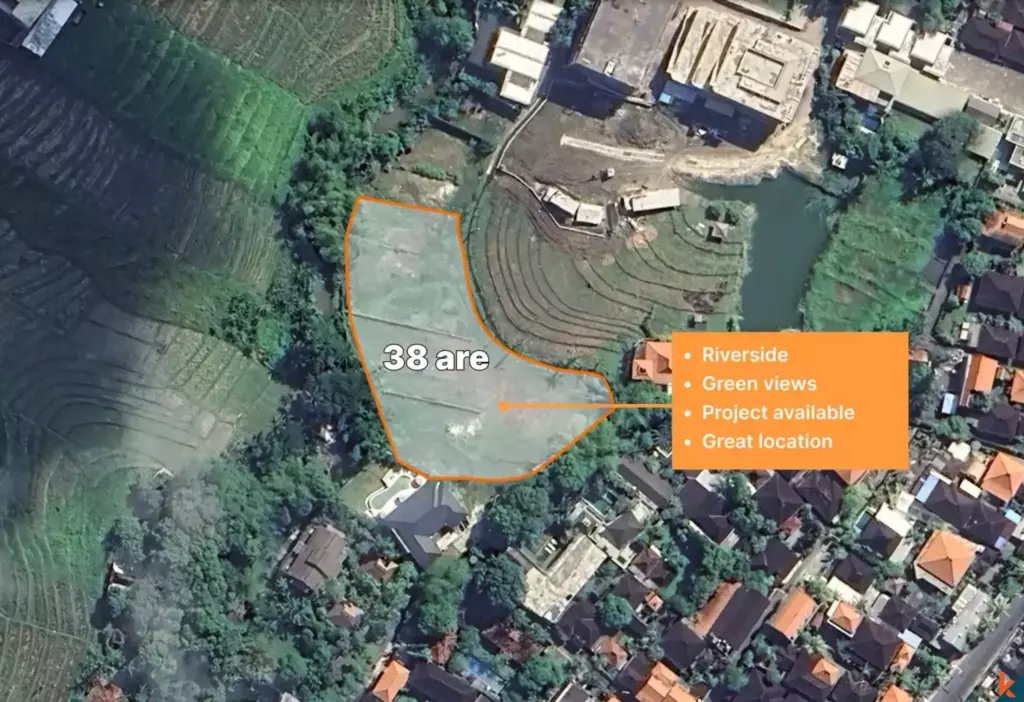
 770 m²5 min$ 163578Bali, Kedungu
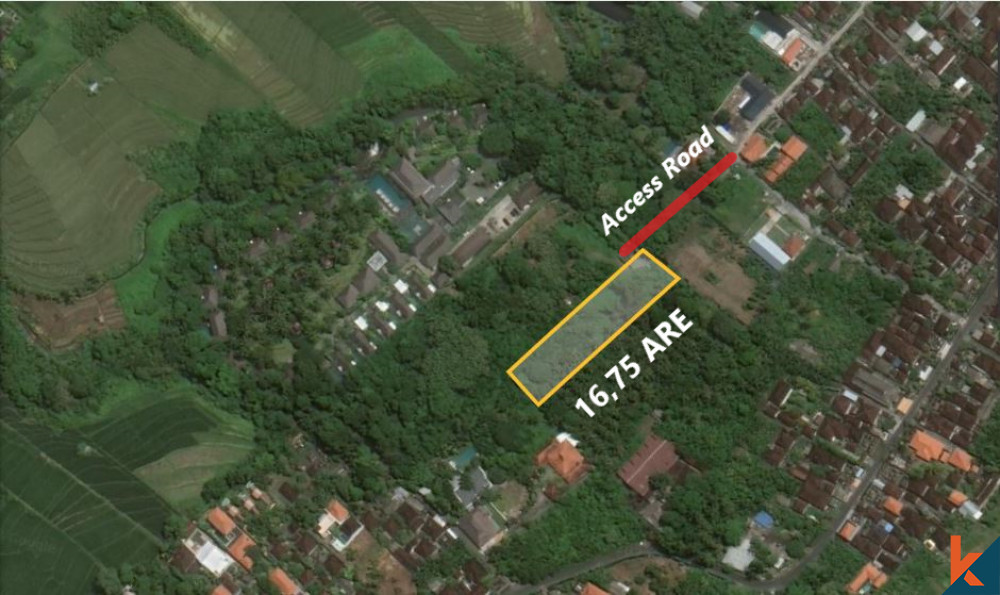
 3800 m²15 min$ 100616Bali, Pererenan
 7500 m²5 min$ 206281Bali, Kedungu
 7000 m²36 min$ 284483Bali, Gianyar
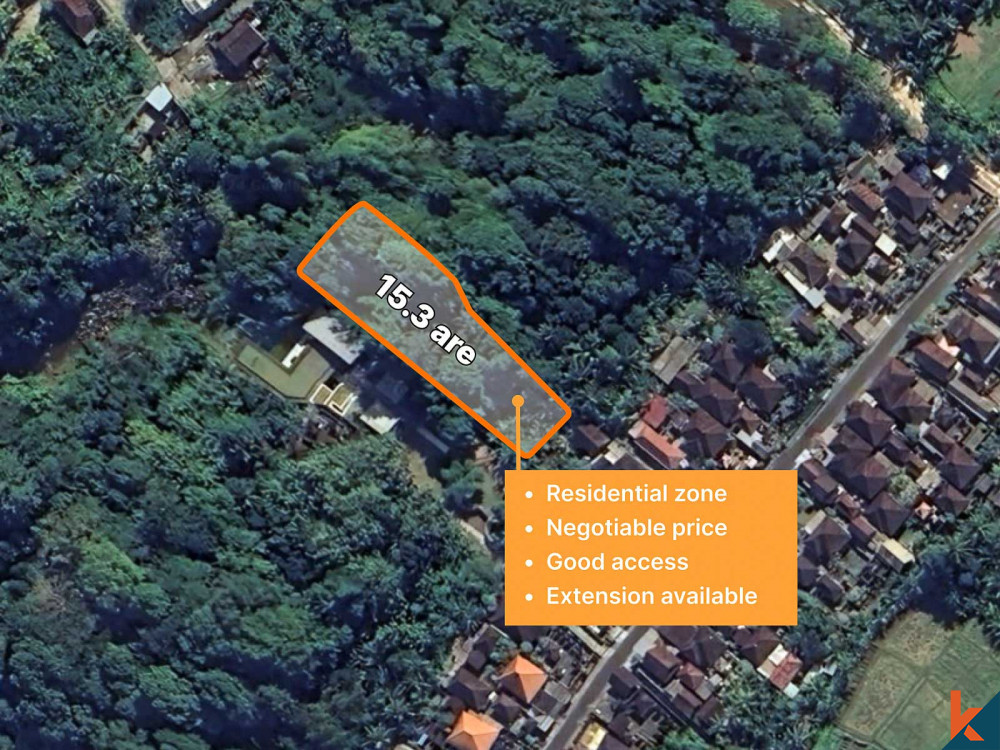 1533 m²5 min$ 165666Bali, Cepaka
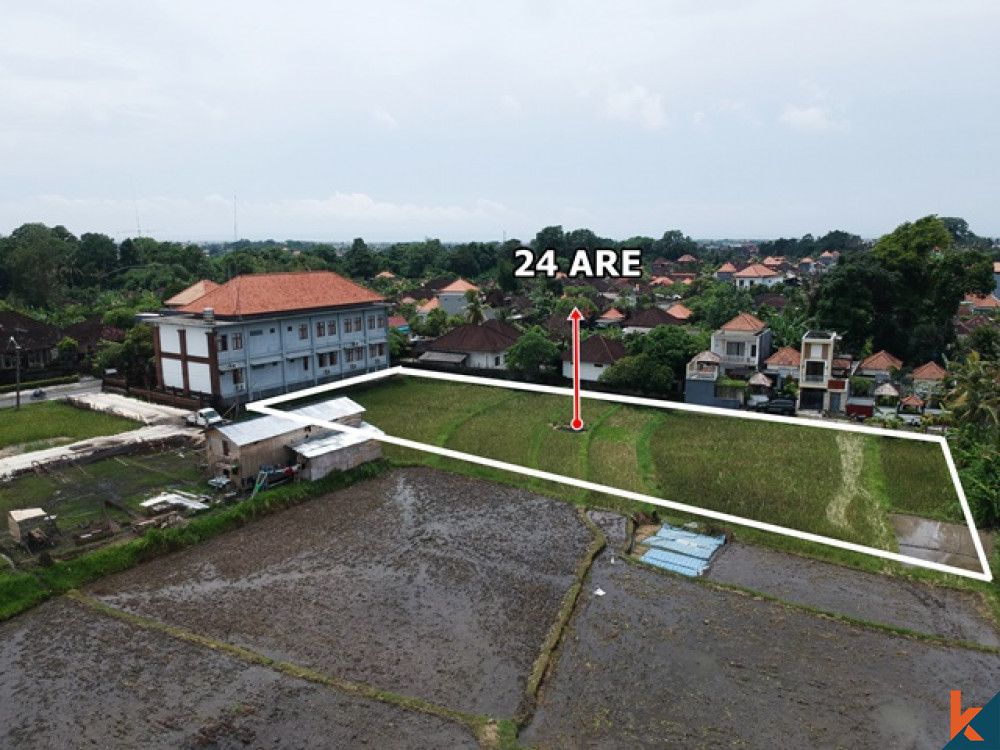 2400 m²7 min$ 496552Bali, Canggu
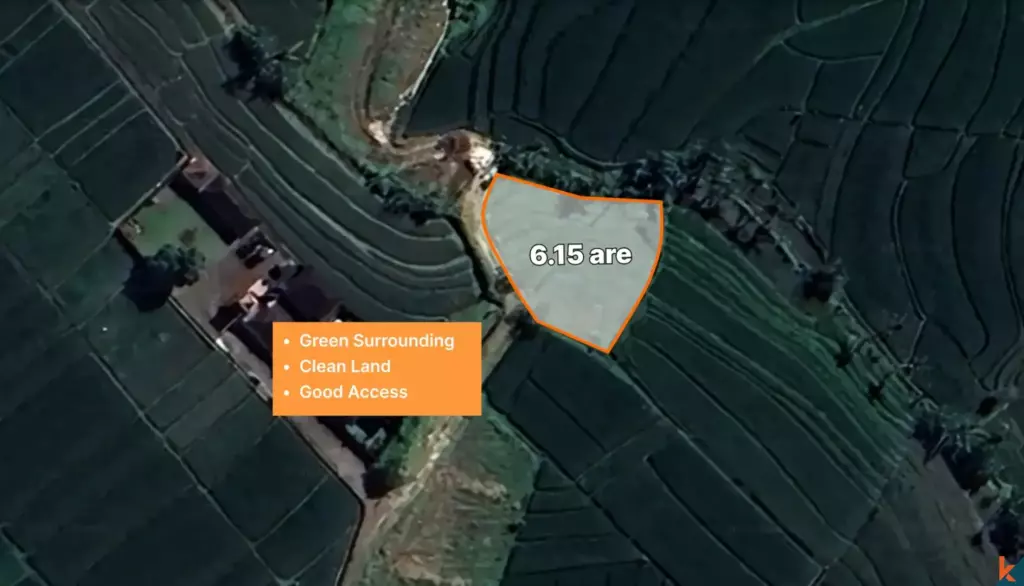 615 m²15 min$ 113608Bali, Tabanan
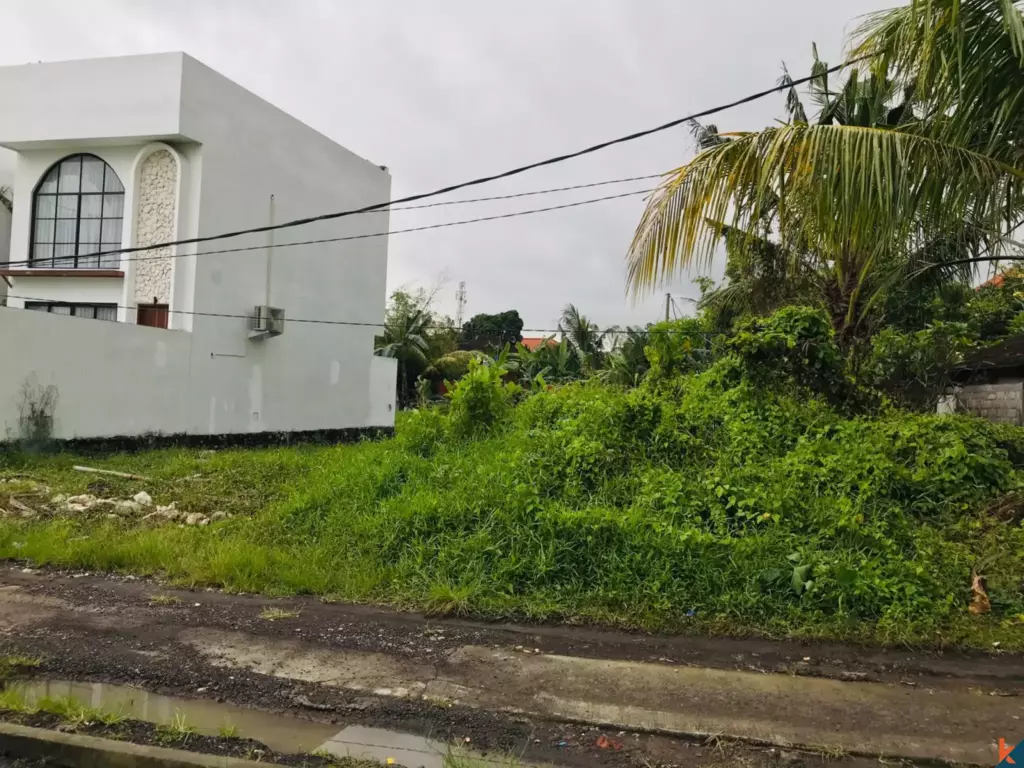 250 m²15 min$ 40025Bali, Munggu
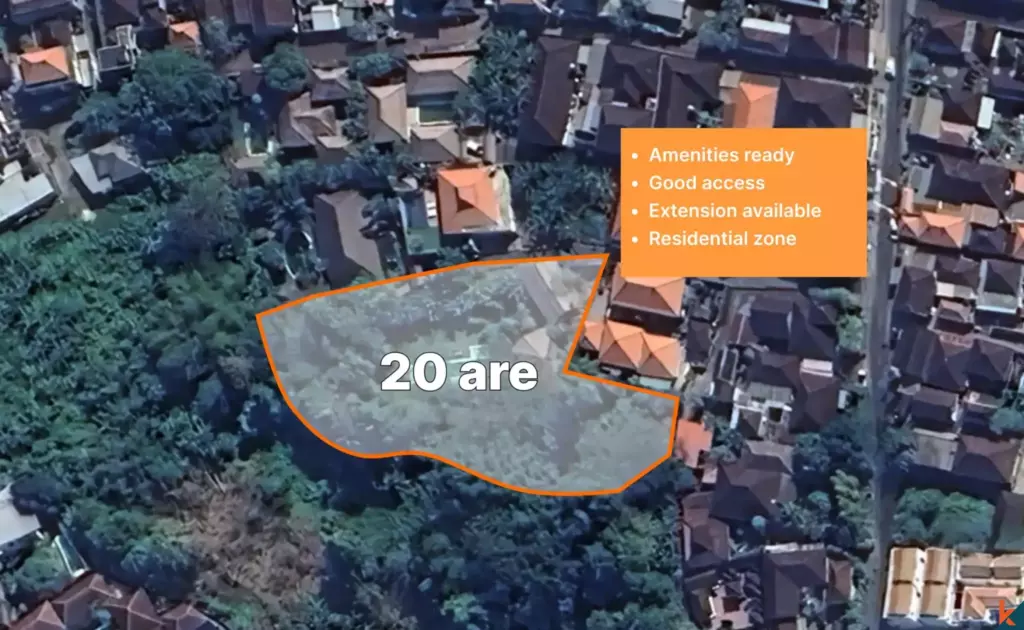 2000 m²15 min$ 523000Bali, Canggu
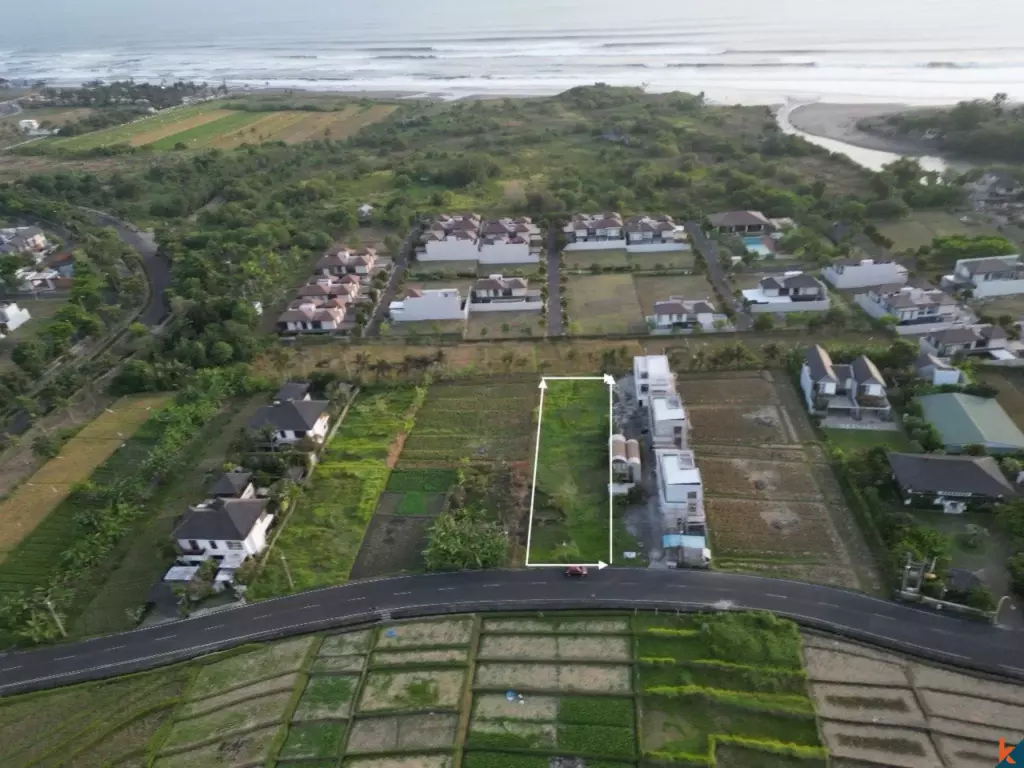 1410 m²15 min$ 390702Bali, Tabanan
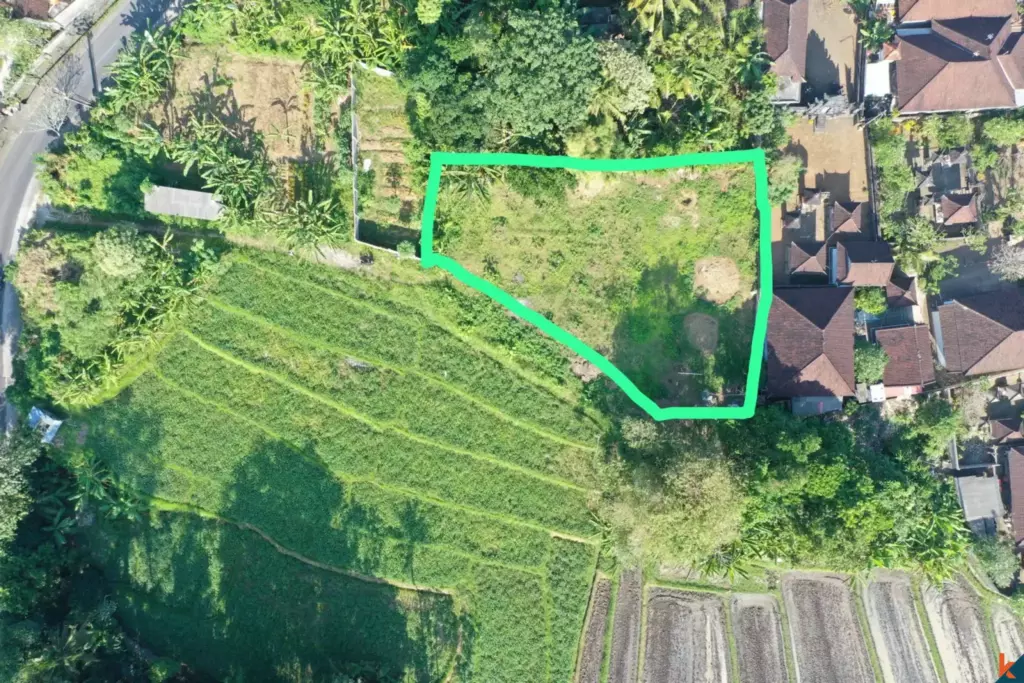 911 m²15 min$ 248217Bali, Pererenan
 2500 m²5 min$ 609606Bali, Kedungu
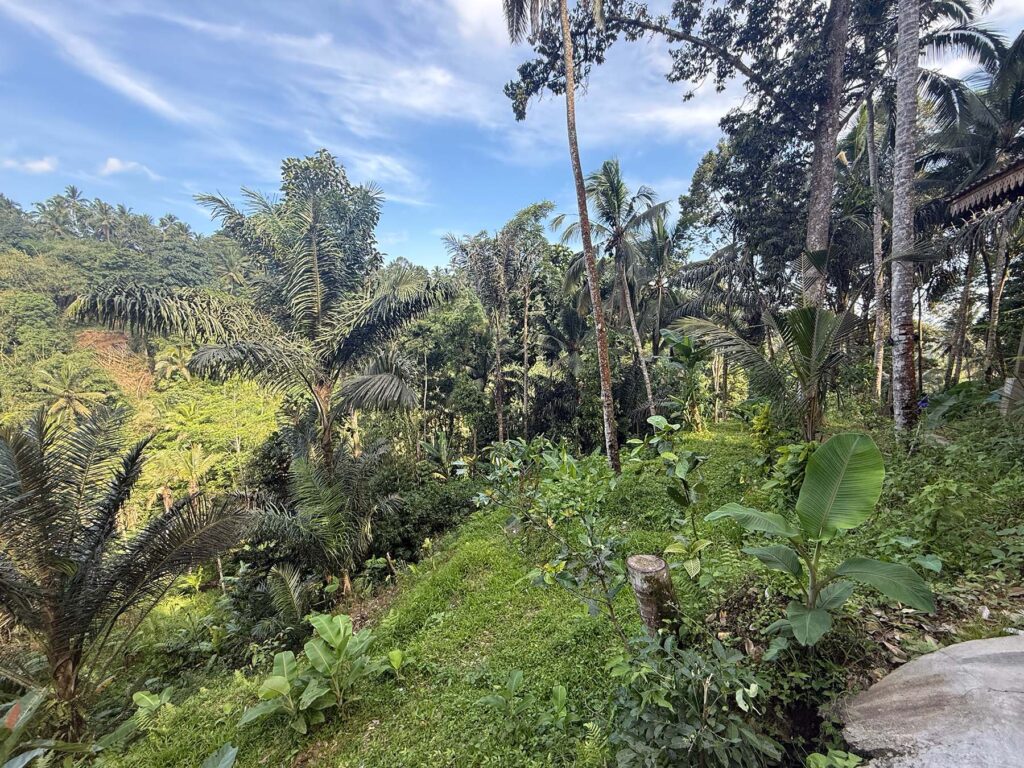 300 m²55 min$ 32475Bali, Tegelalang
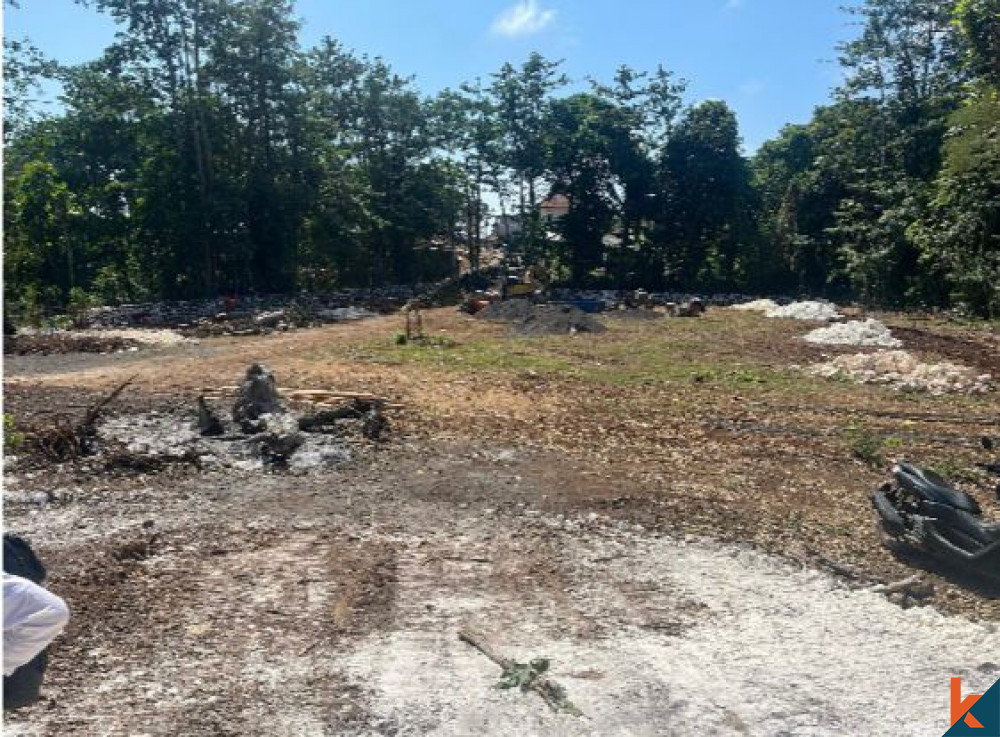 2130 m²10 min$ 495776Bali, Pecatu
Planning a build in Bali?
Get a feasibility view, budget range and timeline from Teville.
Related guides
Integrated Furniture Fixings Hidden Brackets MEP Clearance Bali
Explore integrated furniture fixings with hidden brackets and MEP clearance in Bali. Learn installation tips, load guidance, and clean, accessible finishes.
8 min read
Epoxy Primer Moisture Barrier for Bali Interior Renovations
Explore epoxy primer and moisture barrier solutions for Bali interior renovations, delivering durable adhesion, moisture protection, and long-lasting finishes.
8 min read
Engineered Stone Countertop Fixing Support Standards Bali
Explore Bali s engineered stone countertop fixing and support standards. Installation tips, durability guidance, and compliance for lasting quality surfaces.
10 min read