Waterproofing Tile Shower Recesses: Cementitious System Bali Spec
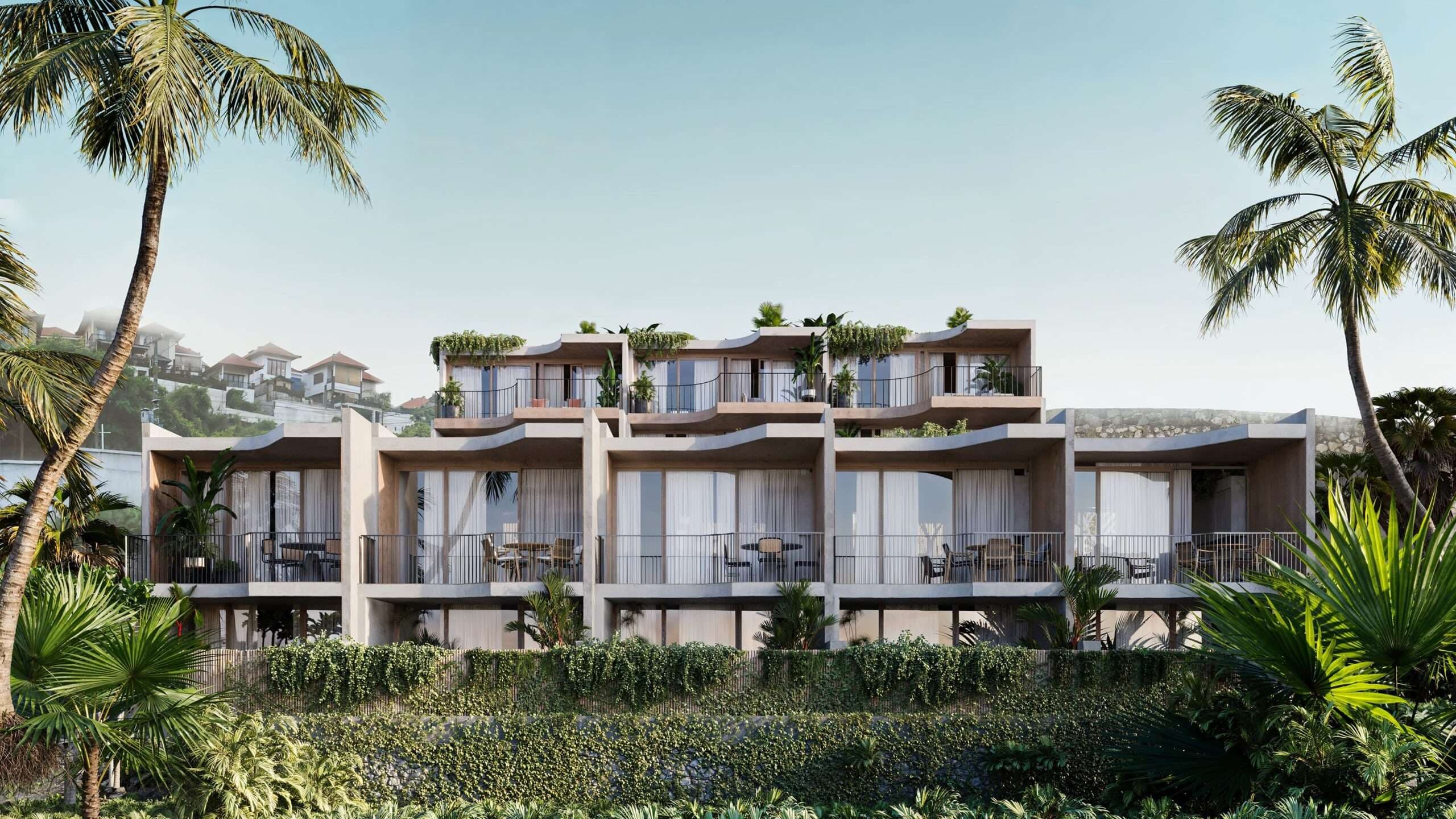
Waterproofing Tile Shower Recesses: Cementitious System Spec Bali
1) Specific Problem/Question
In Bali’s humid, salt-laden tropical climate, tiled shower recesses routinely fail when membranes are thin, poorly detailed, or incompatible with the substrate. The result: efflorescence, hollow tiles, mildew smells, and leaks migrating into bedrooms below. How should a cementitious waterproofing system be specified and installed—under Bali conditions and construction standards Bali projects commonly adopt—to deliver durable, serviceable shower recesses in new builds and renovation Bali work, without compromising interior finishing Bali quality or adjacent villa utilities?
2) Technical Deep Dive: Cementitious Waterproofing for Shower Recesses in Bali
A cementitious waterproofing membrane is a polymer-modified cement mortar applied in liquid/slurry form that cures to a seamless, crack-bridging layer beneath tiles. It is the preferred choice in many Bali villa construction projects for three reasons:
- Breathability and tolerance to damp substrates: Compared with pure resin membranes, flexible cementitious systems better tolerate residual moisture in tropical builds, reducing blistering risks.
- Tile bond compatibility: They accept C2TES1/S1 thinset adhesives directly, simplifying finishing sequencing.
- Robust crack-bridging: Class II–III (per AS/NZS 4858) or CM O (per EN 14891) products span hairline cracks typical in sand-cement renders and screeds.
In Bali, shower “recess” means the entire wet zone: floor pan (or former), walls to 2.0 m minimum, internal benches, built-in niches, curb/hob, and interfaces with glass channels and sanitary fixtures. Failures typically arise from six errors:
- No pre-slope under the screed: Flat pans trap water in the mortar bed, driving mold and efflorescence through grout.
- Improper drain flange tie-in: Membrane not clamped or bonded to a puddle flange with weep holes; water bypasses into slab.
- Poor corner detailing: No bond-breaker fillets; membrane cracks at 90° transitions and around niches.
- Under-thickness: One “painted” coat ≠ specification; cementitious membranes must achieve a designed dry film thickness (DFT), typically 1.5–2.0 mm.
- Early tiling in high humidity: In Bali’s RH 70–95%, cure is slower; tiling too soon can trap moisture and weaken adhesion.
- Penetrations after waterproofing: Late drilling for shower bars, vanities, or glass channels breaches the system.
Teville’s best practice aligns with globally recognized standards commonly referenced in Bali projects (AS 3740, AS/NZS 4858, EN 14891), adapted to local conditions and methods (How We Build). Key performance criteria:
- Substrate integrity: Compressive screed ≥ 20 MPa, surface pull-off ≥ 0.8 MPa (EN 1542). No hollow spots, laitance, or dust.
- Moisture and curing: Concrete age ≥ 28 days or screed ≥ 7–14 days depending on mix; RH control via ventilation/dehumidification during monsoon months.
- Slope: Pre-slope 1:80 to 1:100 to the drain; benchmark 1:80 for small-format tiles to ensure effective drainage.
- Membrane class: Cementitious Class II or III (AS/NZS 4858) or EN 14891 CM O (crack bridging at low temperature) where available.
- Wet film checks: Wet film gauge each coat to verify build; total DFT typically 2.0–3.0 mm (product dependent).
- Reinforcement: Alkali-resistant polyester or fiberglass fabric at all plane changes, hobs, and around penetrations.
- Drain and weep detailing: Membrane bonded/clamped to puddle flange with open weep paths protected from grout clogging.
- Flood testing: 24–48 h test after full cure confirmation—extend in high humidity.
Local climate adjustments. Bali’s temperature (24–33°C) accelerates initial set yet high RH slows final cure. We stage works to allow through-drying: forced ventilation, fans, and intermittent dehumidification. In coastal zones, salt aerosol can crust surfaces; we rinse and mechanically abrade before priming. For renovation Bali jobs, salts from chronic leaks require desalination (poultice or sacrificial renders) before waterproofing.
Tile and adhesive compatibility. Large-format porcelain (>600 mm) reduces grout joints and increases vapor drive through fewer relief paths; we specify high-performance deformable adhesives (C2TES1/S1) and grout systems (CG2 WA or epoxy RG) to resist shampoo acids and tropical cleaning regimens. Movement joints are honored at perimeters, changes of plane, and where heated lines or sun-warmed walls (in exterior-adjacent bathrooms) induce thermal cycling.
Interfaces with villa utilities and furniture installation. MEP penetrations (mixers, shower arms, hand-shower rails) are pre-sleeved; after tiling, we seal trims with neutral-cure silicone or MS polymer. Built-in benches and niches are waterproofed as separate “mini-basins.” For frameless glass, we prefer top-mounted channels post-tiling with continuous sealant beds to avoid membrane breach. Vanity and mirror fixing in wet zones uses chemical anchors in grout lines where possible; penetrations are sealed, not merely grouted.
Teville’s supervision emphasizes measurable QA at each stage to deliver durable, easy-to-maintain finishes across our portfolio and villa projects.
3) Materials & Standards
System components (typical):
- Primer: Manufacturer-specified acrylic/epoxy primer for porous or dense substrates; sand-seeded if required to enhance key.
- Bond-breaker/fillet: Neutral-cure silicone or polyurethane sealant forming a 10–20 mm cove; or pre-formed coving mortar at wall–floor transitions and hobs.
- Cementitious waterproofing membrane: Two-component or one-component polymer-modified cement slurry meeting EN 14891 (class CM; O crack-bridging) or AS/NZS 4858 Class II/III. Examples: LATICRETE HYDRO BAN Cementitious, Sika Sikalastic-1K or SikaTop Seal-107, TAL Superflex/TAL Sureproof Shower (regional). Follow respective TDS for mix ratios, coverage, cure.
- Reinforcing fabric: Alkali-resistant fabric (75–100 mm width for corners; full sheets for niches/benches) embedded in first coat.
- Drain assembly: Puddle flange with clamping ring/adhesive bond area and weep holes; compatible with tile insert grates as needed.
- Screed/mortar bed: Polymer-modified sand–cement screed, minimum 30–40 mm, pre-sloped; compressive ≥ 20 MPa.
- Tile adhesive: C2TES1 or C2TES2 deformable thinset; white for light stones. For rapid programs, use rapid-set variants adjusted for humidity.
- Grout: CG2 WA high-performance cement grout with water repellence and abrasion resistance; epoxy RG for niches/benches or high-load resorts.
- Sealants: Neutral-cure silicone/MS polymer for perimeter and change-of-plane joints; mildew-resistant grade.
Standards and references (benchmarks used in Bali):
- EN 14891: Liquid-applied waterproofing under ceramic tiling—select CM-class membranes with O-rated crack bridging.
- AS/NZS 4858: Classification of membranes—specify Class II or III for flexible cementitious membranes in shower recesses.
- AS 3740: Waterproofing of domestic wet areas—coverage heights, terminations, and flood testing protocols.
- SNI 8153:2015 (Indonesia): Plumbing systems—coordinate penetrations, traps, and testing; use as local guidance for services interface.
- AS 3958.1 / ISO equivalents: Ceramic tiling practice—adhesive selection, movement joints, and substrate tolerances.
Note: While Indonesia’s SNI framework guides plumbing and construction, Bali projects frequently adopt AS/EN standards as performance benchmarks for finishing. Teville documents the chosen standard in project specs and inspects conformity on site.
4) Step-by-Step Process (Site Method Statement)
Stage 1 — Assessment and protection
- Isolate the bathroom, protect thresholds, and cap villa utilities. In renovations, record moisture readings and map existing tile drummy zones.
- Confirm design: drain type, glass channel, niche sizes, bench geometry, mixer/handset locations.
Stage 2 — Demolition and substrate rectification (renovation Bali)
- Remove all tiles and loose render/screed. Grind to sound concrete/masonry. Vacuum and wash with clean water; allow surface to surface-dry.
- Treat efflorescence/salts by mechanical removal and, if required, desalination poultice. Replace corroded puddle flanges/drains.
Stage 3 — Pre-slope and screed
- Install/verify a pre-slope at 1:80–1:100 from perimeter to drain. A bonded polymer-modified screed (30–40 mm) provides geometry and strength.
- Integrate a properly set puddle flange at the low point. Ensure weep holes are clear; protect with pea gravel or weep protectors during tiling.
Stage 4 — Surface preparation
- Ensure substrates are rigid and within tolerance (±3 mm over 2 m). Remove dust with industrial vacuum; wipe salt-laden residues if coastal.
- Prime per manufacturer: porous screeds with acrylic primer; dense concrete with epoxy primer (sand broadcast), if specified.
Stage 5 — Junctions, penetrations, and coves
- Form 10–20 mm coves at all wall–floor transitions, benches, and hobs using flexible sealant or coving mortar.
- Sleeve all mixer and outlet penetrations; seal annular gaps with polyurethane/silicone prior to membrane.
- Install bond-breaker tape where required by the TDS.
Stage 6 — First membrane coat and reinforcement
- Mix cementitious membrane to TDS (mechanical mixer, low speed). Apply the first coat by brush/roller to achieve specified wet film thickness.
- Embed alkali-resistant fabric at all corners, hobs, around drains, niches, and bench edges while the first coat is wet; smooth out air pockets.
- Detail the drain: either clamp the membrane with the puddle flange ring or bond to the flange using the manufacturer’s primer/adhesive system.
Stage 7 — Second (and third) coats
- Apply cross-rolled subsequent coat(s) after the first has set (typically 4–8 h at 25–30°C; longer in high RH). Target total DFT 2.0–3.0 mm per TDS.
- Extend coverage: floors, hobs, benches, and walls to ≥ 2.0 m height; 150 mm beyond shower screen line to capture splash zone.
Stage 8 — Curing and flood testing
- Allow full cure as per TDS, adding 25–50% time during monsoon/high humidity. Use fans and ventilation to accelerate through-dry.
- Plug the drain and conduct a 24–48 h flood test at 25–30 mm depth. Mark water line; inspect below/adjacent rooms for damp patches.
- Rectify any leaks; do not tile over failures.
Stage 9 — Tiling
Before finalizing your finishing works plan, check realistic cost ranges for your Bali villa project.Available lands
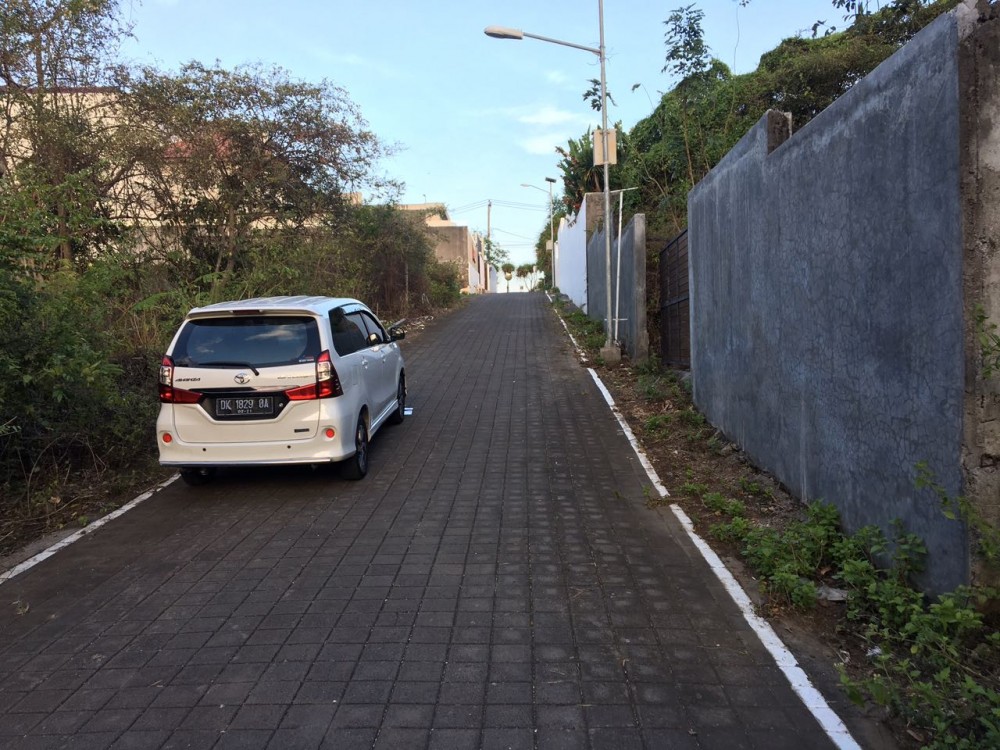 1000 m²10 min$ 123154Bali, Jimbaran
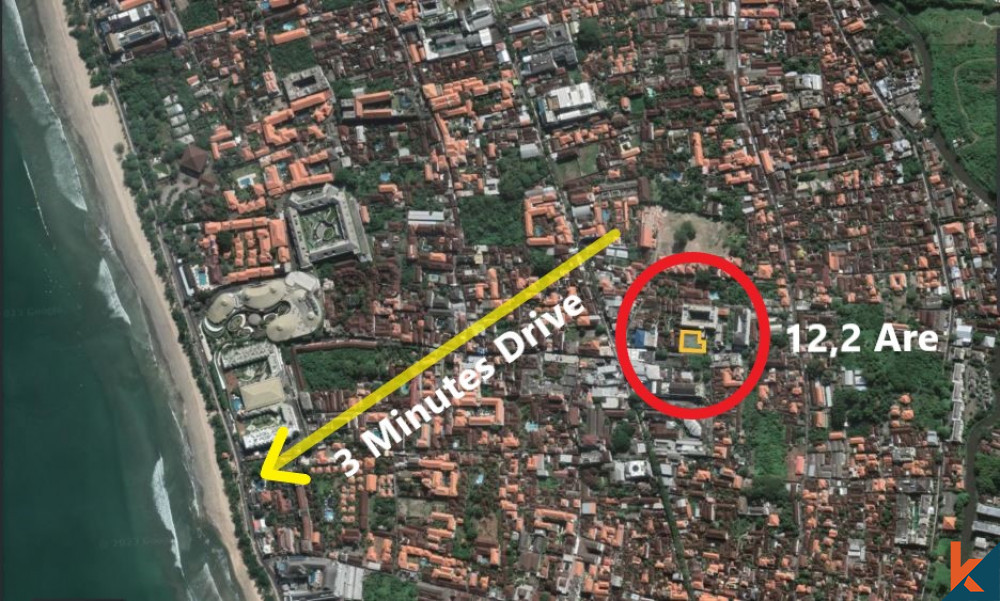 1700 m²10 min$ 632257Bali, Kuta
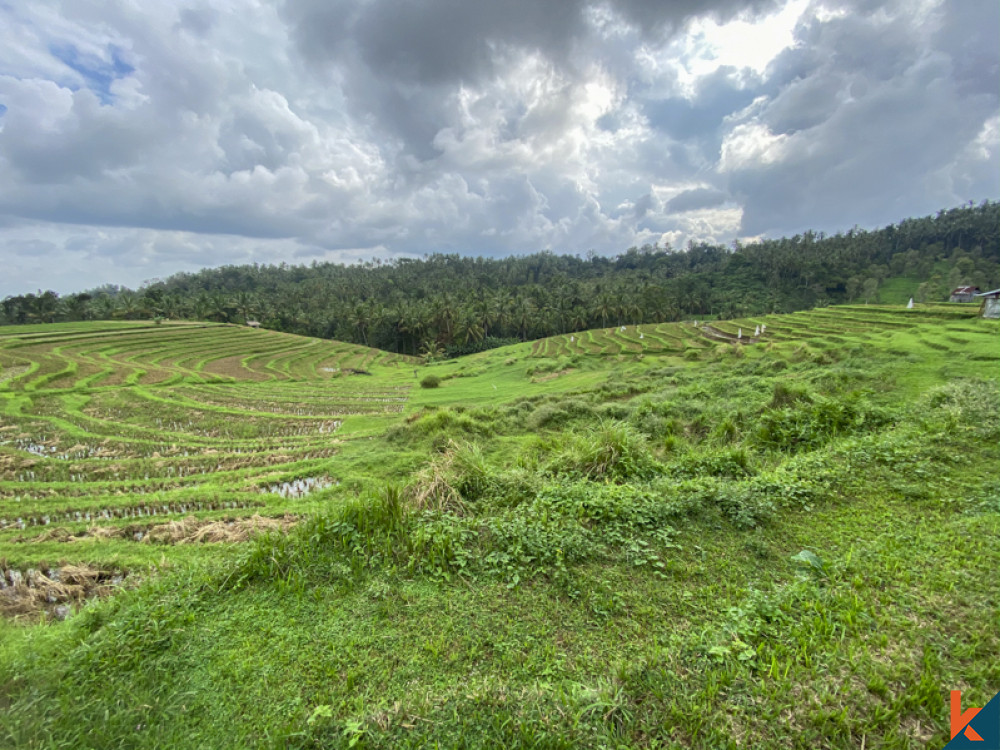 6000 m²30 min$ 55419Bali, Tabanan
 2850 m²15 min$ 315887Bali, Tabanan
 2000 m²10 min$ 243842Bali, Mengwi
 500 m²10 min$ 107143Bali, Tabanan
 7000 m²36 min$ 284483Bali, Gianyar
 2200 m²3 min$ 183842Bali, Berawa
 3100 m²20 min$ 272968Bali, Tabanan
 700 m²20 min$ 90517Bali, Cepaka
 422 m²15 min$ 93547Bali, Kerobokan
 700 m²15 min$ 90517Bali, Central Bali
 1000 m²10 min$ 384852Bali, Canggu
 2230 m²15 min$ 410573Bali, Padonan
 610 m²10 min$ 165271Bali, Seminyak
Planning a build in Bali?
Get a feasibility view, budget range and timeline from Teville.
Related guides
Integrated Furniture Fixings Hidden Brackets MEP Clearance Bali
Explore integrated furniture fixings with hidden brackets and MEP clearance in Bali. Learn installation tips, load guidance, and clean, accessible finishes.
8 min read
Epoxy Primer Moisture Barrier for Bali Interior Renovations
Explore epoxy primer and moisture barrier solutions for Bali interior renovations, delivering durable adhesion, moisture protection, and long-lasting finishes.
8 min read
Engineered Stone Countertop Fixing Support Standards Bali
Explore Bali s engineered stone countertop fixing and support standards. Installation tips, durability guidance, and compliance for lasting quality surfaces.
10 min read