Cork Flooring Adhesive Expansion Joints: Bali Villa Protocols
Cork Flooring Adhesive & Expansion Joints: Bali Villa Protocols
1) Specific Problem/Question
How do we install glue‑down cork flooring in Bali villas so it stays flat, quiet, and beautiful despite tropical humidity swings? Teville’s finishing team sees the same failure patterns in renovations: tiles cupping, edges telegraphing, and joints buckling near walls or doorways. The causes are predictable—wrong adhesive, poor subfloor prep, no movement strategy. This protocol explains exactly which adhesives to use, how to manage expansion joints (minimum 3/8 inch), and the step-by-step process for durable interior finishing in Bali’s climate.
2) Technical Deep Dive: Adhesive Behavior and Movement Control in Bali
In Bali, the microclimate of a villa interior is defined by high ambient humidity, diurnal swings, and intermittent air‑conditioning. Cork—being a hygroscopic, compressible, and resilient material—expands and contracts with moisture content changes. The only reliable way to keep a cork floor dimensionally stable is to pair the correct adhesive system with deliberate expansion jointing and meticulous subfloor preparation. That is the core of our Teville protocol for interior finishing Bali projects and for renovation Bali works where existing slabs vary in moisture performance.
Adhesives first. For glue‑down cork tiles, the industry has long accepted contact cement systems and moisture‑resistant urethane/silane adhesives formulated for resilient flooring. Contact cement’s immediate bond minimizes tile drift, which is helpful for tight inlays and borders. Modern single‑component, high‑tack resilient adhesives (e.g., moisture‑resistant urethane/silane formulations) provide elastic bonding that tolerates limited movement while maintaining full‑spread adhesion. In Bali, we frequently deploy a hybrid approach: a full‑spread, moisture‑resistant resilient adhesive across the main field, and precise brush‑applied contact cement at the room perimeter band to lock border tiles cleanly. This pairing delivers clean lines at the walls and cabinetry plinths while the field adhesive supports day‑to‑day dimensional breathing.
Expansion management is equally non‑negotiable. Cork can change dimension meaningfully with relative humidity, and villas with intermittent AC accentuate cycling. Our baseline clearance is at least 3/8 inch (9–10 mm) between flooring and all vertical interruptions: walls, columns, kitchen islands, fixed furniture bases, pipe sleeves, and stair stringers. We undercut door jambs and casings to create concealed expansion space, and we break rooms with transition moldings centred under doors to decouple microclimates (e.g., bathroom vs bedroom, or AC vs non‑AC spaces). Without this, the floor becomes a single diaphragm, and seasonal swelling concentrates stress at the weakest bond line—often near thresholds or along long walls—causing tenting or edge curl.
Subfloor readiness drives adhesion. Bali villas often sit on monolithic concrete slabs with variable moisture. We require substrate flatness typically within 3 mm over 2 m and verification of moisture (in‑situ RH or calcium chloride per adhesive TDS). Where RH is high, we specify either a compatible moisture‑mitigation primer/epoxy or schedule additional drying with temporary dehumidification. The subfloor must be smooth, clean, and dust‑free; contaminants like curing compounds or overspray will defeat even premium adhesives. On renovation scopes, we mechanically abrade paint or adhesive residue and skim with polymer‑modified patch to eliminate telegraphing.
Interface detailing around villa utilities and furniture installation matters. At pipe penetrations, we maintain the 3/8 inch annulus, install sleeves, and use a flexible, non‑skin urethane sealant—not rigid grout. Heavy casework and island cabinets should bear on the subfloor, not pin the cork. We install cork after millwork carcasses are fixed, sliding the floor to the plinth with expansion maintained and concealed by a scribed toe‑kick. For loose furniture, we specify felt or cork pads with sufficient area to keep point loads low; hard casters receive protective mats.
Finally, environmental conditioning is operational. We acclimate cork and adhesives to service conditions, then stabilise interior RH via temporary AC or dehumidifiers during installation and initial cure. If AC will be part‑time in operation, we design the transition strategy and movement joints accordingly to respect Bali’s reality rather than an ideal lab climate. This is the standard Teville stance: installation decisions reflect actual villa usage, as documented in our construction workflow (How We Build), and ensure long‑term, service‑based durability aligned to construction standards Bali projects demand.
3) Materials & Standards
Our material kit for cork flooring in Bali villa construction and high‑grade renovation includes products validated for tropical performance and compatible with cork’s resiliency. Selection is project‑specific, but the following framework is consistent:
- Cork tiles/planks: Factory prefinished or unfinished for site coating. Density and thickness selected for acoustics and indentation resistance; edges square for tight grout‑free seams.
- Adhesives (resilient flooring‑rated): Moisture‑resistant urethane/silane systems suitable for cork. Where precision at borders is critical, we add a contact cement, applied via brush for clean perimeters per manufacturer guidance.
- Primers/moisture mitigation: Used on high‑RH slabs per adhesive technical data. Mechanical profiling (shot‑blast or grind) precedes primer as required.
- Skim/patch compounds: Polymer‑modified, fine aggregate compounds for feathering and leveling; compatible with selected adhesive.
- Expansion and trims: 3/8 inch minimum perimeter gap; flexible sealant at utilities; T‑moldings and reducers at doorways and material transitions; undercut jambs/casings for concealed clearances.
- Finishes: If unfinished cork, site‑applied water‑borne polyurethane with high abrasion resistance; for prefinished, a top‑coat refresh may be added post‑install subject to manufacturer approval.
- Environmental controls: Temporary AC/dehumidification to hold temperature and RH within adhesive and cork manufacturer limits during install and cure.
Standards and tolerances we observe include: substrate flatness within 3 mm over 2 m, clean/dry/dust‑free surface, verified moisture content/rate to adhesive TDS limits, and documented acclimation (typically 48–72 hours in service conditions). We undercut door frames to full tile thickness plus the expansion space. Transition moldings are centred beneath doors to isolate rooms with different humidity regimes (e.g., bathrooms, utility spaces). All vertical penetrations (pipes, posts, stair balusters) receive a 3/8 inch annulus and flexible sealant to avoid stress concentration.
These protocols align with resilient flooring best practice and are tailored to interior finishing Bali criteria. We adopt product‑specific instructions and consolidate them into a single site method statement, reviewed with the client and designer. See our portfolio for reference quality and trim detailing standards (Teville Portfolio) and completed villa projects demonstrating movement strategies at thresholds (Villa Projects).
4) Step‑by‑Step Process (Teville Method)
Step 1: Survey and planning
- Measure room dimensions, doorway locations, and fixed installations. Identify long runs (>8 m) where additional movement breaks or decorative borders may be required.
- Record AC usage pattern; define “climate zones” to decide where transitions are mandatory.
- Select adhesive system and confirm moisture limits; schedule dehumidification if needed.
Step 2: Subfloor moisture and flatness control
- Test slab moisture (in‑situ RH or equivalent) and document. If above adhesive limits, apply compatible moisture mitigation or delay installation.
- Grind high spots; fill low areas with polymer‑modified patch. Target 3 mm over 2 m flatness.
- Deep clean: vacuum, tack, and remove all dust and residues. No solvent wipe that could leave films.
Step 3: Acclimation
- Stack cork in the install area, cartons opened, for 48–72 hours under service‑like RH/temperature.
- Stabilize the room: operate temporary AC/dehumidifiers to hold within adhesive and cork limits.
Step 4: Layout and dry‑fit
- Snap control lines to square the field relative to the main sightline.
- Dry‑lay several rows to confirm joint tightness and cuts at walls; adjust to avoid slivers (<15% tile width).
- Confirm 3/8 inch expansion at all perimeters; mark utility penetrations for sleeves.
Step 5: Perimeter detailing and door prep
- Undercut door jambs/casings to full tile thickness + 3/8 inch clearance. Vacuum debris.
- Fit transition moldings at thresholds (not fixed down yet), confirming expansion space beneath.
Step 6: Adhesive application—controlled method
- Main field: Trowel‑apply a moisture‑resistant resilient adhesive per TDS (notch size as specified). Observe open time and working time diligently.
- Perimeter band (typically the final tile course around the room): Brush‑apply contact cement to the tile backs and matching subfloor areas in a neat, narrow band. Allow to flash off to the prescribed tack. This delivers a crisp, immediate bond with clean edges and reduces creep of border tiles under skirting pressure.
- Maintain the 3/8 inch expansion gap to verticals at all times; adhesive is never used to bridge the gap.
Step 7: Setting tiles
- Place tiles into the field adhesive following layout lines. Roll with a 34–45 kg three‑section roller in multiple directions to ensure transfer.
- Hand‑set perimeter tiles into the contact cement band with firm pressure; no sliding once contact is made.
- Stagger joints to distribute movement; keep seams tight without peaking.
Step 8: Utilities and penetrations
- Install sleeves around pipes sized to preserve 3/8 inch annulus; after setting, fill the annulus with a compatible flexible sealant. Do not grout or hard‑caulk.
- At floor boxes or drains in utility rooms, maintain clearance and use trims allowing independent movement.
Step 9: Rolling, cure, and protection
- Final roll the floor within the adhesive’s window. Spot‑roll perimeters and edges.
- Observe cure times before foot traffic and before installing skirtings or heavy furniture. Use breathable protection; avoid plastic films trapping moisture.
Step 10: Skirting, trims, and furniture installation
- Fix skirtings to the wall only, never through the cork. The skirting covers the expansion gap without pinching the floor.
- Fix transition moldings centered in doorways and at material changes. Verify movement clearances beneath.
- Install millwork after cure; plinths and toe‑kicks are scribed to the finished floor but do not bear on it. For loose furniture, add felt/cork pads and distribute loads.
Step 11: Finishing and handover
- If site‑finishing, apply water‑borne polyurethane coats per system recommendations with intercoat abrasion.
- Issue care guidelines: stable RH, soft pads, no wet mopping, door mats to reduce grit.
- Document adhesives used, moisture readings, and joint locations in the as‑built pack. For cost planning or future renovation Bali work, clients can reference our estimator (Cost Estimation).
5) Costs & Timeline (Bali 2026 Benchmarks)
Costs vary by brand, finish level, substrate condition, and the intensity of moisture mitigation. The ranges below reflect typical Bali villa construction and high‑grade renovation scopes, excluding VAT and design fees:
- Cork material: IDR 450,000–900,000 per m² (prefinished tiles higher; specialty patterns add cost).
- Adhesives and primers: IDR 120,000–260,000 per m² (includes resilient adhesive, optional moisture primer, contact cement for perimeter detailing).
- Subfloor prep: IDR 80,000–220,000 per m² (grinding, patching; heavy remediation can exceed this).
- Installation labor (Teville finish team): IDR 220,000–380,000 per m² (includes rolling, trims, door undercuts).
- Trims and skirtings: IDR 90,000–180,000 per linear meter (profiles, finishing, fixings).
- Optional site finishing: IDR 130,000–220,000 per m² (water‑borne polyurethane system).
Indicative timeline for 100 m² net area:
- Survey, testing, and planning: 1–2 days
- Subfloor prep and moisture mitigation: 2–4 days
- Acclimation: 2–3 days (can overlap end of prep)
- Installation and rolling: 2–3 days
- Curing and protection: 1–3 days (adhesive‑dependent)
- Skirtings, trims, furniture set‑in, and handover: 1–2 days
Typical total: 7–12 calendar days depending on substrate and adhesive cure. We sequence with other trades (villa utilities, cabinetry, painting) to avoid trapping moisture or loading the floor prematurely. For complex multi‑room programs, we phase by climate zones with transitions under doors to manage movement safely.
6) FAQ: Cork Adhesive and Expansion Joints in Bali Villas
Q1: Why is the 3/8 inch expansion gap mandatory in Bali?
Because relative humidity varies significantly across seasons and with on/off AC operation, cork expands measurably. Without at least 3/8 inch clearance to all vertical elements, compressive stresses can cause tenting, edge peaking, and bond failure. The gap is concealed by skirtings or trims and is part of construction standards Bali best practice.
Q2: Contact cement or resilient adhesive—how do I choose?
Both are valid for cork. In Teville protocols we often combine: full
 164 m²7 month(s)from 79.000 USD
Private: Haridas Villas, Tegallalang

Want to calculate?
 1from 198.000 USD
Private: Haridas Villas
 3173 m²6 month(s)from 125.000 USD
TALA FOUR
 3124 m²6 month(s)from 123.000 USD
TALA 8
 3180 m²7 month(s)from 142.000 USD
Vasudeva
 3127 m²9 month(s)from 177.000 USD
Mukunda
 172 m²8 month(s)from 120.000 USD
Keshava
 3104 m²11 month(s)from 99.000 USD
TALA 100
 4344 m²16 month(s)from 290.000 USD
Radha
164 m²7 month(s)from 79.000 USDTALA TWO
 2144 m²11 month(s)from 104.000 USD
Narayana
Start With Real Numbers, Not Guesses
Before finalizing your finishing works plan, check realistic cost ranges for your Bali villa project.
Available lands
 7250 m²56 min$ 235714Bali, Tabanan
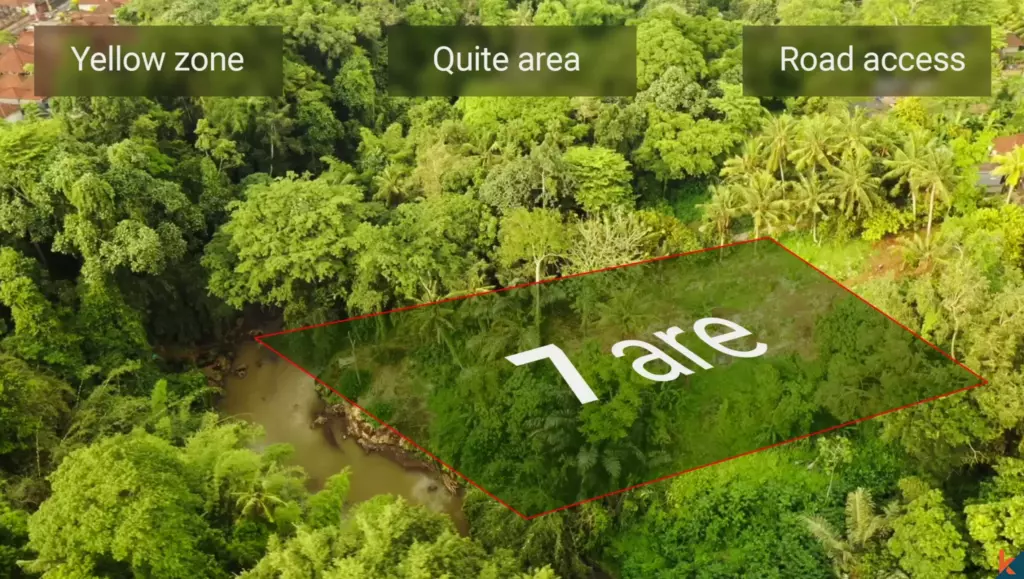 700 m²15 min$ 162500Bali, Tabanan
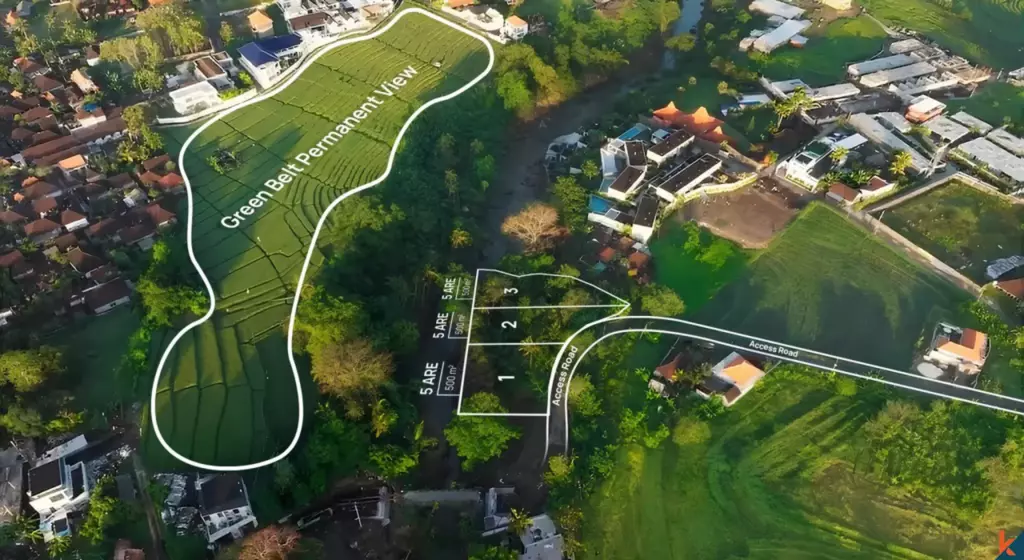 500 m²15 min$ 124692Bali, Kaba Kaba
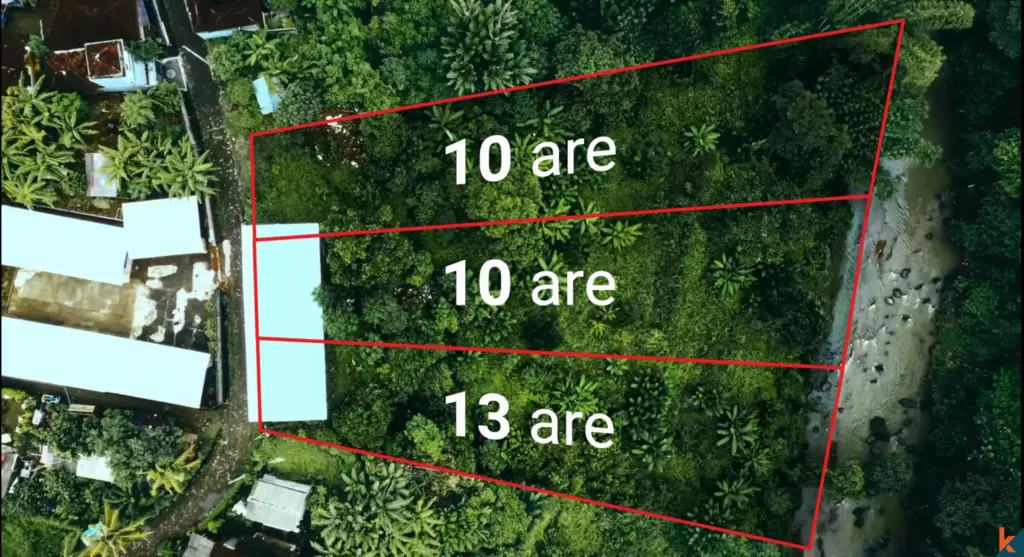 1000 m²10 min$ 303571Bali, Tabanan
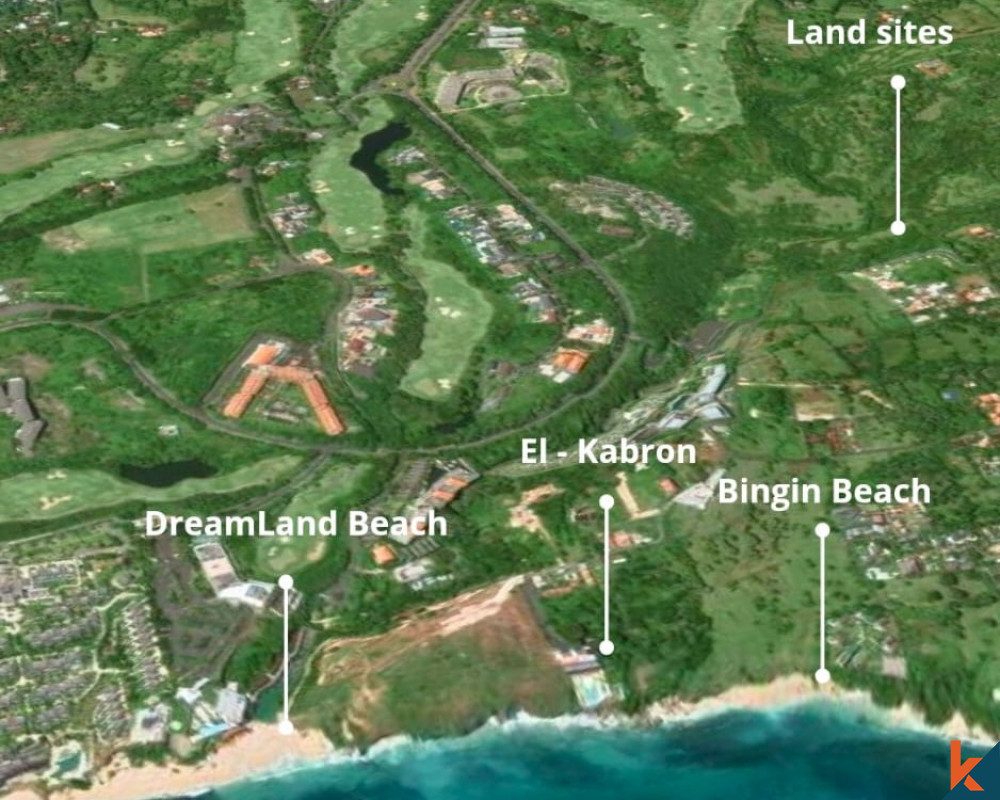 18900 m²2 min$ 6912931Bali, Pecatu
 420 m²15 min$ 41897Bali, Tabanan
 1350 m²5 min$ 283467Bali, Pecatu
 400 m²15 min$ 67192Bali, Tabanan
 3800 m²15 min$ 100616Bali, Pererenan
 770 m²5 min$ 163578Bali, Kedungu
 1950 m²7 min$ 150092Bali, Tabanan
 700 m²20 min$ 90517Bali, Cepaka
 960 m²15 min$ 91034Bali, Mengwi
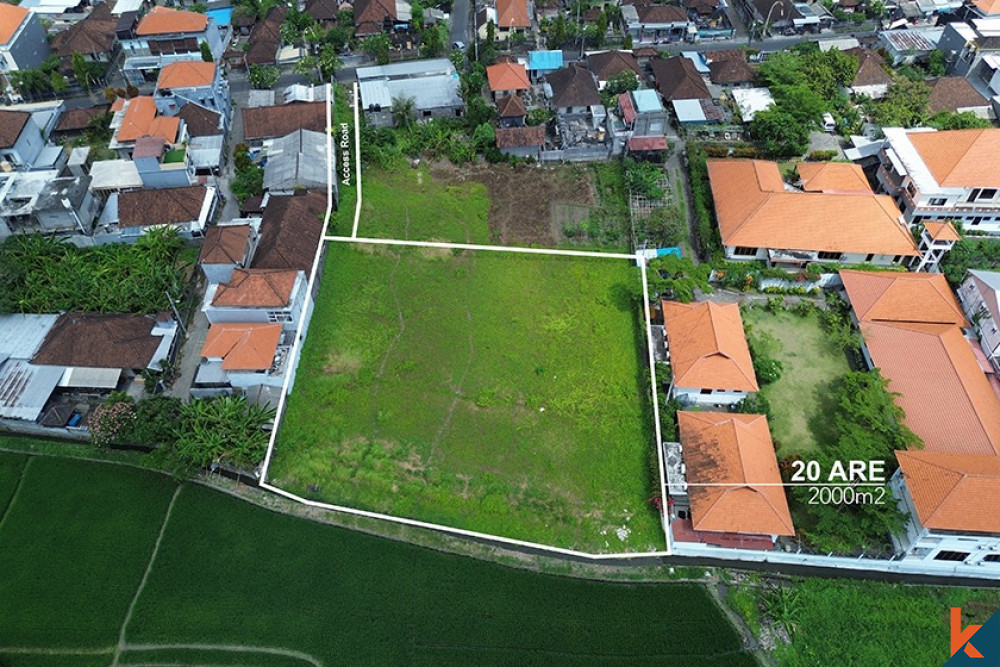 2000 m²15 min$ 261700Bali, Babakan
 2850 m²15 min$ 315887Bali, Tabanan
Planning a build in Bali?
Get a feasibility view, budget range and timeline from Teville.
Related guides
Integrated Furniture Fixings Hidden Brackets MEP Clearance Bali
Explore integrated furniture fixings with hidden brackets and MEP clearance in Bali. Learn installation tips, load guidance, and clean, accessible finishes.
8 min read
Epoxy Primer Moisture Barrier for Bali Interior Renovations
Explore epoxy primer and moisture barrier solutions for Bali interior renovations, delivering durable adhesion, moisture protection, and long-lasting finishes.
8 min read
Engineered Stone Countertop Fixing Support Standards Bali
Explore Bali s engineered stone countertop fixing and support standards. Installation tips, durability guidance, and compliance for lasting quality surfaces.
10 min read