Marble Threshold Installation: Reinforcement Sealants Bali
Marble Threshold Installation: Reinforcement & Sealants in Bali
Specific Problem/Question
Why do marble thresholds in Bali villas chip, rock, or stain within a year—and how do we prevent it? In the tropics, high humidity, salt-laden air, floor movement from temperature swings, and wet-area usage (baths, terraces, service entries) stress transitions more than any other finish. The solution is not just “good stone” but a system: proper substrate prep, the right reinforcement strategy, and climate-appropriate sealants. As a finishing specialist, Teville designs and installs marble thresholds that stay level, durable, and stain-resistant under Bali’s conditions—whether during new builds, renovation Bali works, or upgrades alongside furniture installation and villa utilities.
Technical Deep Dive: Why Reinforcement and Sealants Matter in Bali
Marble thresholds sit at stress points: between dissimilar floor builds (timber vs tile), across door openings with traffic concentration, and at wet-to-dry transitions. In Bali’s climate, four forces govern design:
- Moisture and vapor drive: Tropical humidity and occasional vapor emissions from green screeds push moisture up through the threshold. If the adhesive is not flexible and vapor-tolerant, debonding and efflorescence appear. In wet rooms, capillary uptake at the stone underside can shadow-stain marble.
- Thermal and substrate movement: Sun-warmed exterior tiles meet air-conditioned interiors. Differential movement concentrates shear at the threshold line. Movement accommodation joints and deformable adhesives are essential.
- Point loads and impact: Luggage wheels, trolleys, and furniture legs impact the narrowest stone piece in the room. Unsupported edges chip; long spans can crack without reinforcement or correct bedding.
- Corrosion risk: Coastal salt air accelerates corrosion of mild steel in reinforcement and door saddles, expanding and fracturing the stone. Only stainless or composite reinforcement is acceptable near Bali’s coast.
Reinforcement strategy. Reinforcement does not mean making the threshold “rigid”; it means providing stable, continuous support and distributing local loads without inhibiting small in-plane movement. We use:
- Full-bed support on deformable adhesive: A C2 S1/S2 polymer-modified adhesive or ANSI A118.15 thinset creates uniform support, eliminating voids that invite cracks.
- Back-reinforcement mesh or strip: Factory-bonded fiberglass/epoxy mesh or site-applied carbon/glass tape on the underside across the span increases flexural strength without rust risk.
- Edge protection profiles: Stainless (AISI 304 inland, 316 coastal) or anodized aluminum L/T profiles at exposed edges, set in the adhesive plane, protect against impact and conceal movement joints.
- Mechanical saddle or angle: For wide or load-bearing openings, a recessed stainless angle or composite structural saddle is bedded into the screed; the marble is then adhered on top, decoupled by a thin adhesive layer to prevent differential stress.
Sealants and joints. In Bali’s humidity, rigid grout at movement interfaces will crack. We specify:
- Perimeter movement joints: 5–10 mm joints at interfaces, sealed with neutral-cure silicone or MS polymer compliant with ASTM C920/ISO 11600. Backer rod ensures correct geometry and reduces three-sided adhesion.
- Wet-area waterproofing continuity: Liquid-applied membranes turn up at door frames and continue under the threshold, with a compatible sealant bridging membrane to stone. This blocks wicking and mould growth.
- Stone impregnation: Breathable penetrating sealer (solvent or water-based) prevents oil/water staining while allowing vapor egress—critical for marble in Bali to avoid blotching.
Tolerance and detailing. Finished height must align with adjacent floors to avoid trip hazards. Typical threshold thickness is 18–20 mm with a 2–3 mm adhesive ridge after compression. Chamfered or micro-beveled top edges reduce chipping. In interior finishing Bali programs, we coordinate door clearances (including seals/undercuts), wardrobe plinths, and any low-voltage conduits planned across openings (villa utilities) to keep the threshold continuous.
All of this sits within construction standards Bali practice: adequate substrate strength, moisture control, and documented jointing. Our process formalizes these checks before, during, and after installation.
Materials & Standards for Bali Conditions
Stone
- Marble threshold pieces, 18–30 mm thick, honed or polished. For exterior or wet entries, honed/antique finishes improve slip resistance.
- Factory-attached fiberglass mesh for spans over 900 mm or where cutouts exist (e.g., drop seals).
Adhesives and primers
- Deformable thinset: ISO 13007 C2 S1 minimum (S2 preferred for high movement) or ANSI A118.15. White adhesive prevents telegraphing through light marbles.
- Primer per manufacturer for porous or dusty screeds; epoxy moisture-tolerant primers where residual moisture is elevated.
Reinforcement and edge protection
- Stainless steel profiles (AISI 304 inland; AISI 316 within 5 km of coast). Avoid mild steel in Bali’s salt air.
- Composite backer (glass/carbon mesh with epoxy). No galvanic risk and immune to rust.
- Structural saddle where required: recessed stainless angle/composite section mechanically fixed to substrate, isolated from stone by adhesive.
Waterproofing
- Liquid-applied Class III membrane for wet rooms/entries with bond breakers at changes of plane; compatible with tile adhesives.
- Capillary breaks under stone in wet thresholds (epoxy or membrane strip).
Sealants and joint accessories
- Neutral-cure silicone or MS polymer, ASTM C920 Class 25/50, ISO 11600 F-25LM/25HM as applicable; color-matched to grout/stone.
- Closed-cell backer rod sized 25–30% larger than joint width.
- Penetrating sealer for marble: breathable, oleophobic, UV-stable; reapplication interval 12–24 months in Bali.
Standards and references
- Adhesives: ISO 13007, EN 12004, ANSI A118.4/A118.15.
- Sealants: ASTM C920, ISO 11600.
- Movement joints: follow manufacturer datasheets and align with local practice under construction standards Bali and SNI-based guidance for finishes and wet-area detailing.
Teville sources and installs systems verified for Bali villa construction, documented within our portfolio and project catalog.
Step-by-Step Process We Use On Site
1) Survey, moisture, and layout
- Verify door swing/clearance, finished floor heights, and threshold width. Confirm allowance for drop seals or undercuts.
- Moisture check screed/concrete; if above adhesive limit, apply moisture-tolerant primer or allow further drying.
- Set datum lines; ensure slope away from interior at exterior doors (1–2%).
2) Substrate preparation
- Clean, abrade, and vacuum the substrate; remove laitance, paint, and contaminants.
- Patch voids with polymer-modified repair mortar; achieve flatness within ±1 mm over 1 m.
- Install/reinstate waterproofing where the threshold bridges wet to dry: membrane under and up jambs, leaving bond-friendly surface.
3) Cut and dry fit the marble
- Measure twice, cut once: account for 5–10 mm movement joints to adjacent finishes and frames.
- Edge detail: micro-bevel or chamfer exposed edges; pre-finish and polish before install to avoid on-site overgrinding.
- Dry lay to verify flush alignment with both floor finishes and door hardware clearances.
4) Reinforcement selection and placement
- For spans over 900 mm, heavy traffic, or exterior doors, apply glass/epoxy backer mesh to the underside (if not factory-supplied).
- Where structural support is needed, recess a stainless angle in the screed. Verify corrosion class (316 near coast).
- Install stainless or anodized aluminum edge profiles at exposed edges to protect corners and define joint lines.
5) Adhesive mixing and bedding
- Mix white C2 S1/S2 adhesive per datasheet; respect slake time and pot life in Bali’s heat.
- Prime porous substrates as required.
- Apply adhesive with appropriate notched trowel; back-butter the stone for full coverage. Aim for ≥95% contact; no voids beneath edges.
- Set the marble, align to datums, and compress evenly. Check plane with a straightedge; tap gently with a rubber mallet.
6) Curing and protection
- Respect cure times (often 24–48 hours in humid conditions). Protect from traffic with rigid boards; avoid plastic films that trap moisture.
7) Joint sealing and finishing
- Install backer rod in movement joints; mask edges.
- Gun neutral-cure silicone/MS polymer; tool to a concave profile. Remove tape immediately.
- Grout only non-movement joints with flexible grout; avoid rigid grout at interfaces.
- Apply penetrating sealer to marble per manufacturer; wipe off excess to prevent streaking.
8) Quality checks and handover
- Confirm flushness across the threshold; verify no rocking or hollow spots.
- Test door operation, drop seals, and any adjacent furniture installation clearances.
- Issue care instructions: neutral-pH cleaning, stain management, and re-seal schedule.
For complex renovations, we coordinate with carpentry, MEP, and décor trades to lock the sequence. See how we stage finishing interfaces in our construction process.
Costs & Timeline in Bali (Guidance)
Every threshold is unique, but for planning within interior finishing Bali programs, typical 2026 ranges are:
- Material (marble slab, cut to size, edges): IDR 350,000–1,400,000 per linear meter (varies by marble, thickness, finish).
- Reinforcement/Profiles: IDR 120,000–350,000 per meter (fiberglass mesh, stainless 304/316 edge/saddle as specified).
- Adhesives/Primers/Grout: IDR 90,000–180,000 per meter for C2 S1/S2 white thinset and ancillary materials.
- Sealants and backer rod: IDR 60,000–150,000 per meter for ASTM C920-grade, color-matched sealant.
- Labor (skilled finishing installer): IDR 180,000–450,000 per meter, including substrate prep and finishing.
- Optional waterproofing remediation (wet thresholds): IDR 120,000–300,000 per linear meter, if membranes must be reinstated.
Typical timeline per threshold (per opening):
- Survey, moisture test, and layout: 1–2 hours
- Prep, cut, and dry fit: 2–4 hours
- Reinforce and set in adhesive: 1–2 hours
- Cure and protect: 24–48 hours (no traffic)
- Seal joints and impregnate stone: 1–2 hours
- Sealant cure to service: 12–24 hours (depending on product)
In active renovation Bali projects, we batch multiple thresholds for efficiency while protecting adjacent finishes. For a precise scope and schedule, use our cost estimation form.
FAQ: Marble Thresholds, Reinforcement, and Sealants in Bali
Do I really need reinforcement for a short threshold?
For spans under 900 mm on stable substrates, full-bed C2 S1 adhesive may suffice. Add fiberglass backing or an edge profile where traffic is heavy or chipping risk exists.
Why not use standard steel for edge angles?
In Bali’s salt air, mild steel corrodes, expands, and cracks stone. Use stainless (304 inland, 316 coastal) or composite reinforcement.
Can I grout tight to the door frame?
No. This is a movement interface. Use a 5–10 mm joint with backer rod and neutral-cure silicone/MS polymer to avoid cracking and squeaks.
Will sealing the marble stop all stains?
Impregnators dramatically slow staining but do not make marble stain-proof. Wipe spills promptly and re-seal on a 12–24 month cycle in Bali.
What about thresholds at bathrooms and showers?
Continue the waterproofing membrane beneath the threshold and up jambs, add a capillary break, and use flexible sealant at interfaces. Slope away from the dry side.
Can we retrofit thresholds during a furniture installation phase?
Yes. We protect adjacent cabinetry and coordinate door clearances. Where plinths or wardrobes meet the threshold, we maintain movement joints and access for maintenance.
Will adhesives discolor light marbles?
Use white, low-shrink C2 S1/S2 adhesive and avoid moisture-rich screeds without primers. Control curing and ventilation to prevent shadowing.
Do we need expansion joints in small rooms?
The threshold itself functions as a movement break between rooms. Still, perimeter movement joints at walls and frames are essential to accommodate seasonal changes.
Is epoxy grout suitable at thresholds?
Use epoxy grout only in non-movement joints and confirm compatibility with marble to avoid
 164 m²7 month(s)from 79.000 USD
Private: Haridas Villas, Tegallalang
164 m²7 month(s)from 79.000 USDTALA TWO
 4344 m²16 month(s)from 290.000 USD
Radha

Want to calculate?
 172 m²8 month(s)from 120.000 USD
Keshava
 3180 m²7 month(s)from 142.000 USD
Vasudeva
 2144 m²11 month(s)from 104.000 USD
Narayana
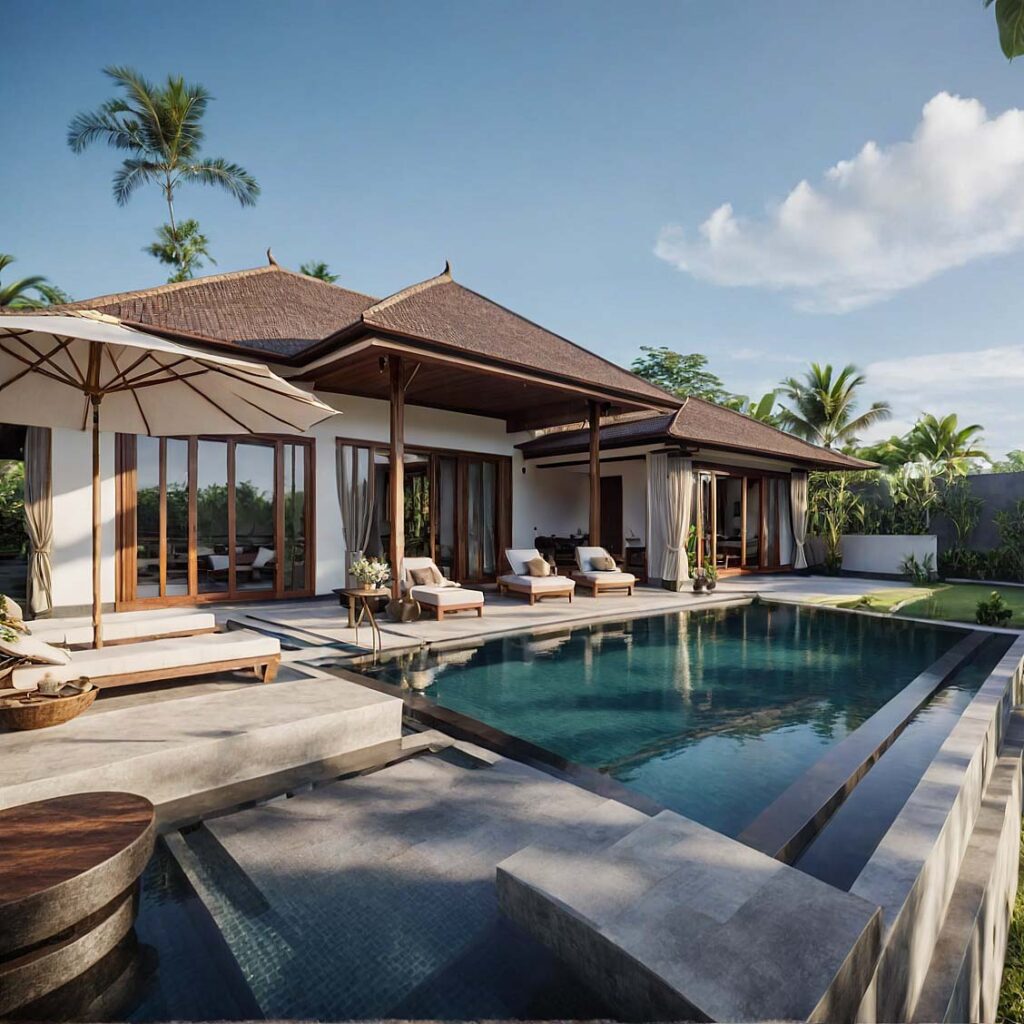 1from 198.000 USD
Private: Haridas Villas
 3127 m²9 month(s)from 177.000 USD
Mukunda
 3173 m²6 month(s)from 125.000 USD
TALA FOUR
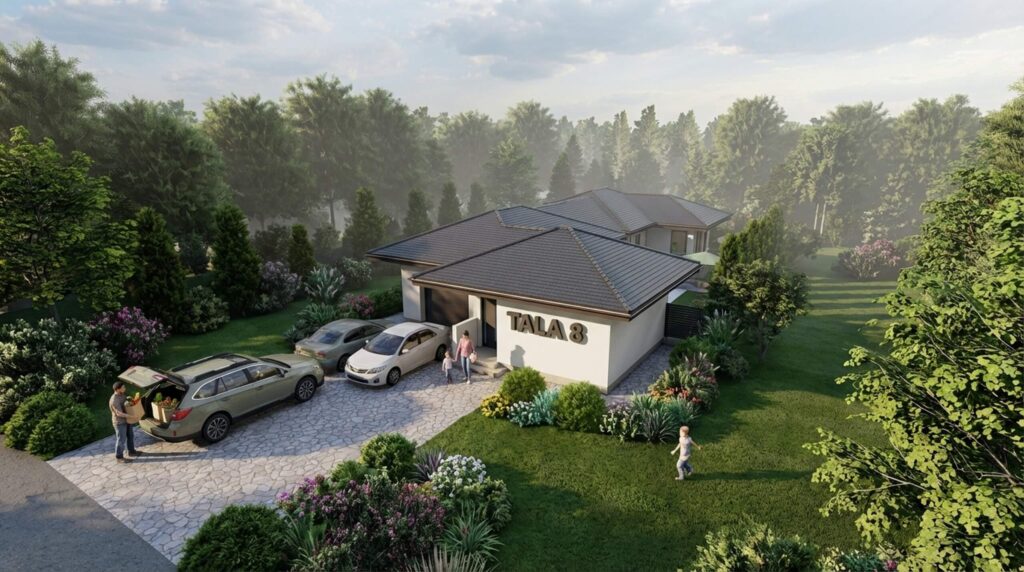 3124 m²6 month(s)from 123.000 USD
TALA 8
 3104 m²11 month(s)from 99.000 USD
TALA 100
Start With Real Numbers, Not Guesses
Before finalizing your finishing works plan, check realistic cost ranges for your Bali villa project.
Available lands
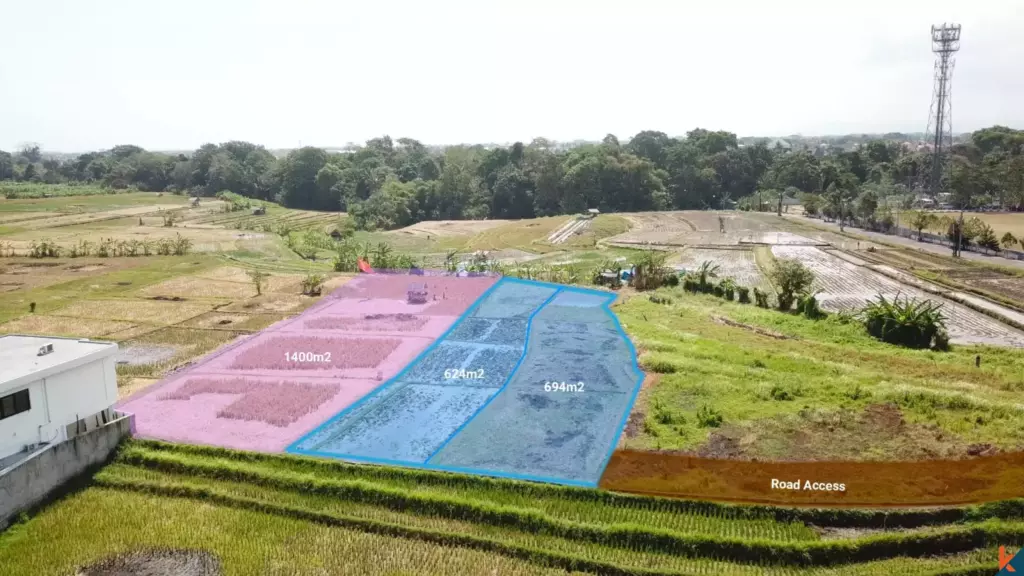 1362 m²15 min$ 335468Bali, Tumbak
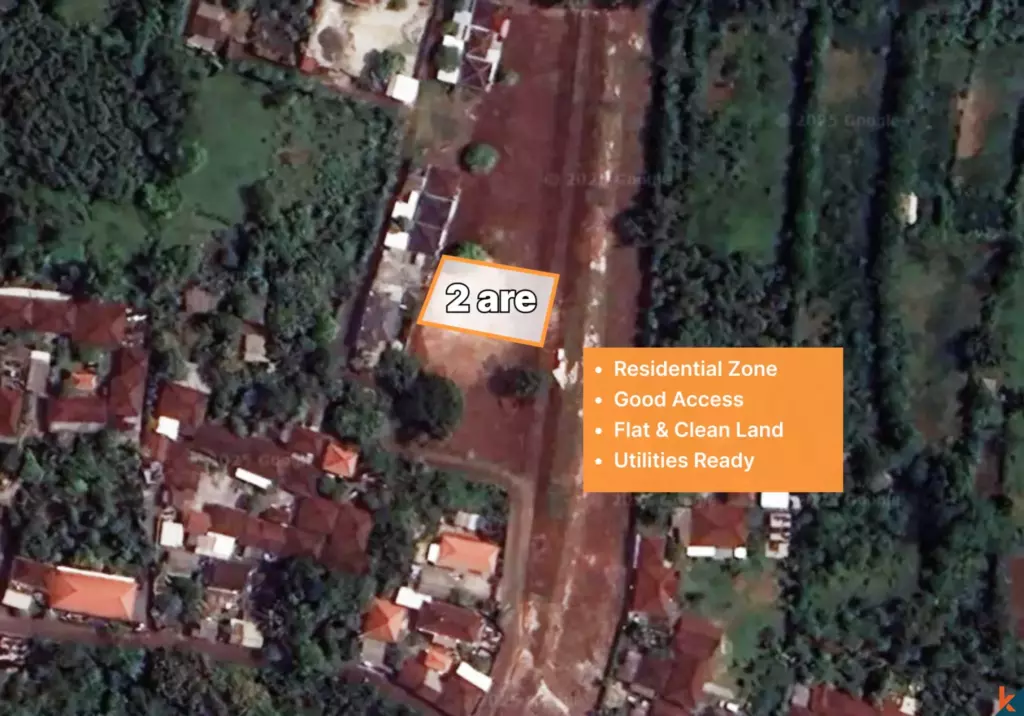 200 m²5 min$ 59113Bali, Bukit
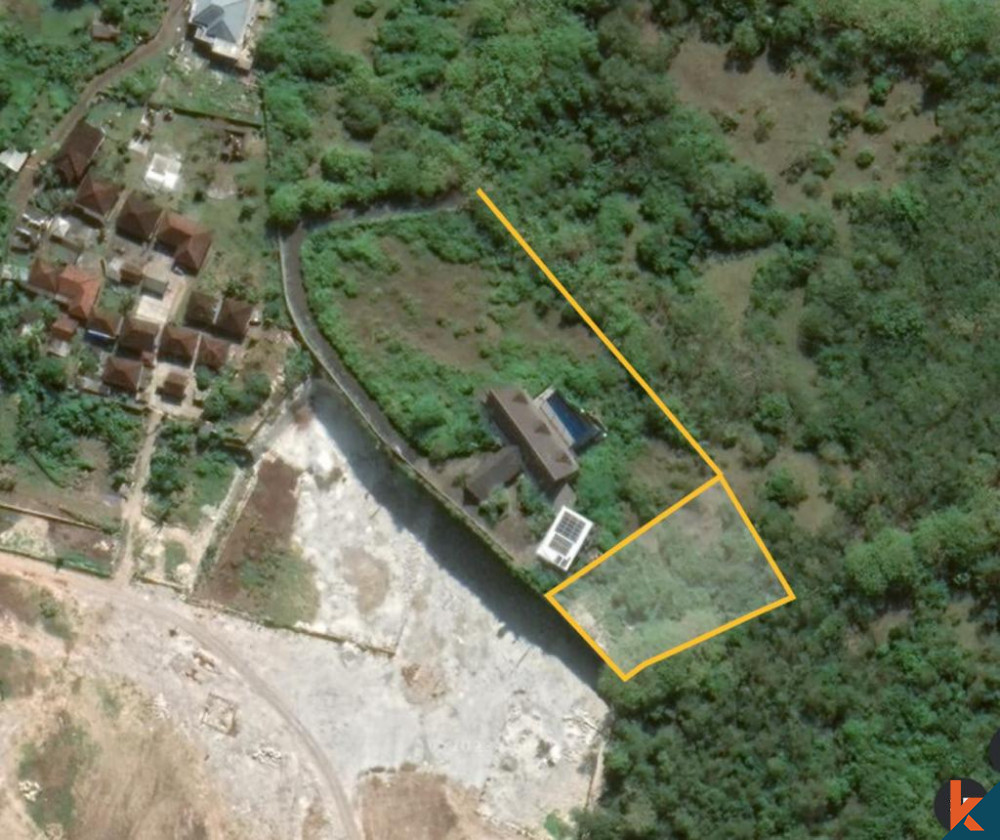 1700 m²10 min$ 392549Bali, Nusadua
 2850 m²15 min$ 315887Bali, Tabanan
 1950 m²7 min$ 150092Bali, Tabanan
 1000 m²10 min$ 123154Bali, Jimbaran
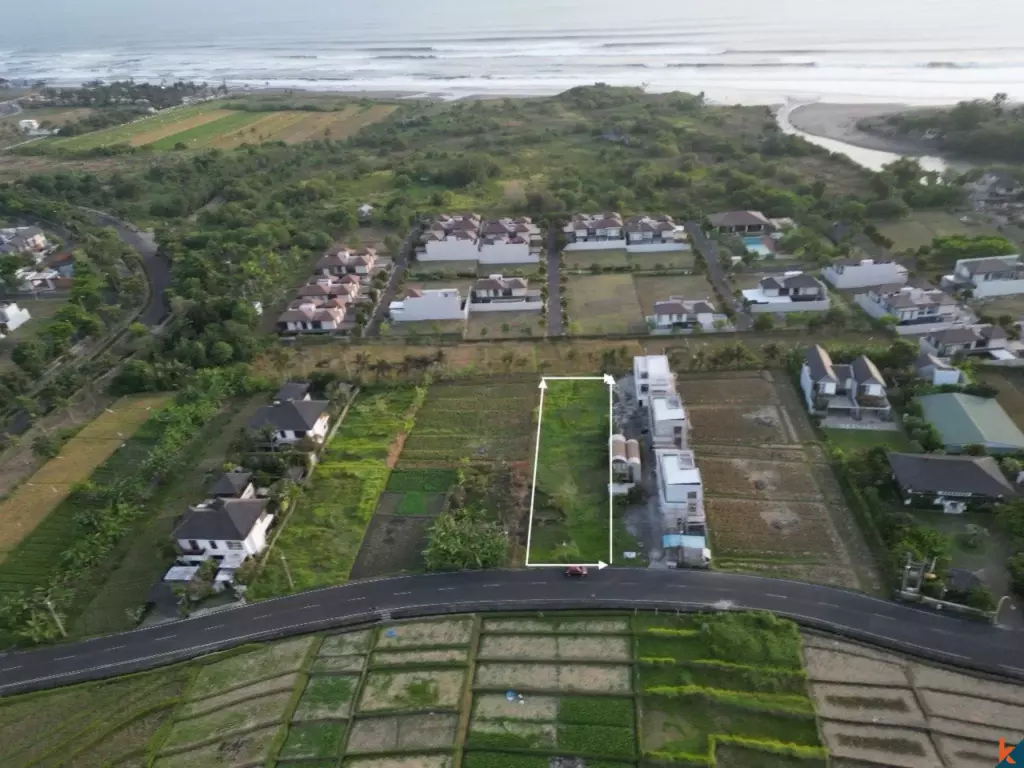 1410 m²15 min$ 390702Bali, Tabanan
 7900 m²25 min$ 413485Bali, Tabanan
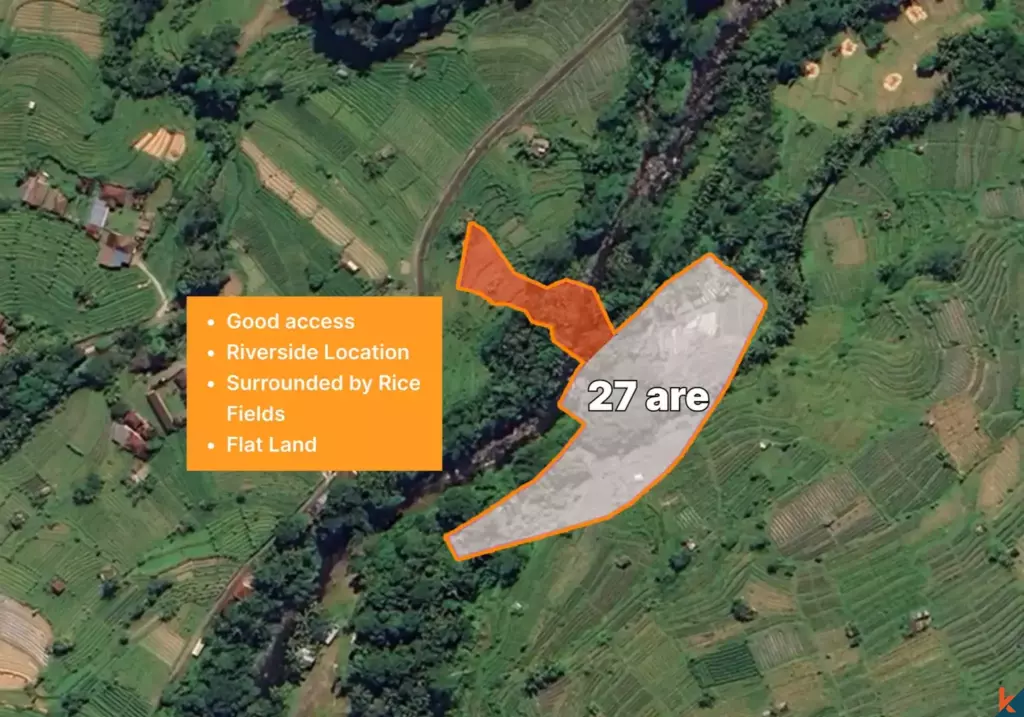 2700 m²30 min$ 314224Bali, Sidemen
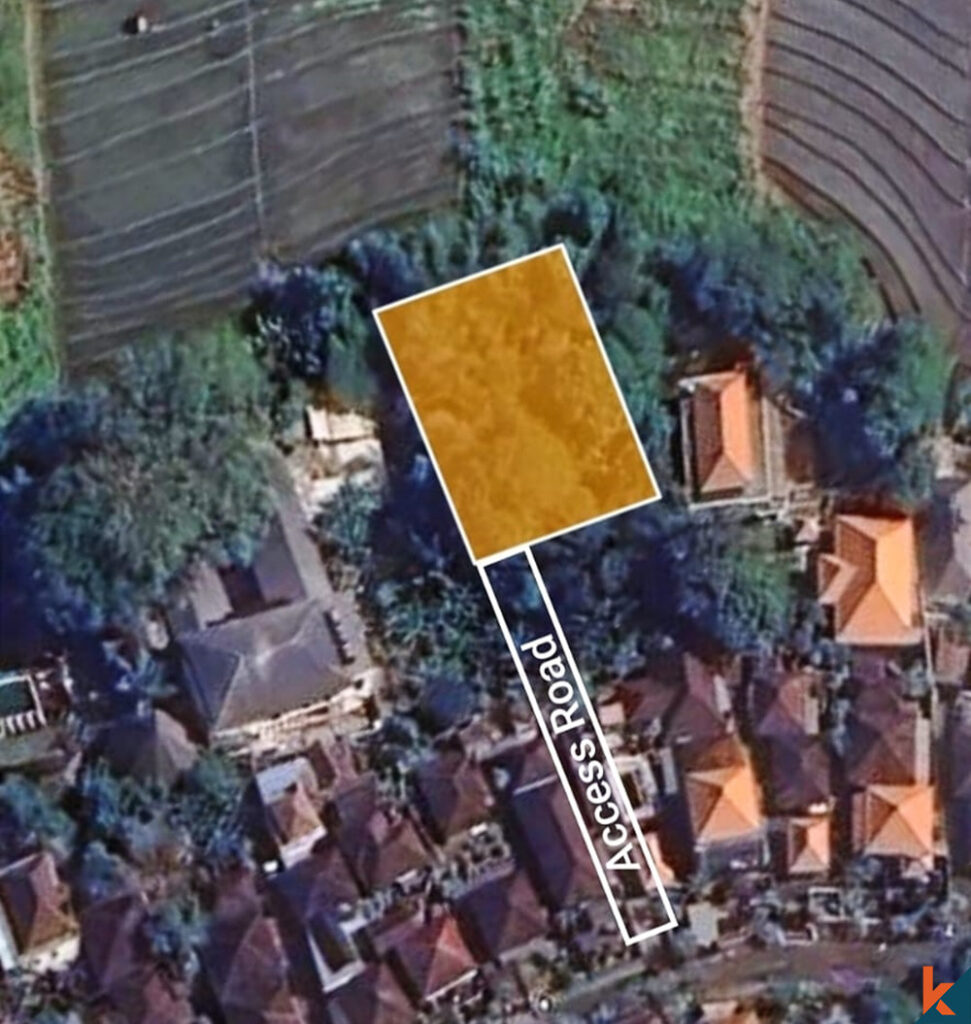 700 m²7 min$ 400000Bali, Canggu
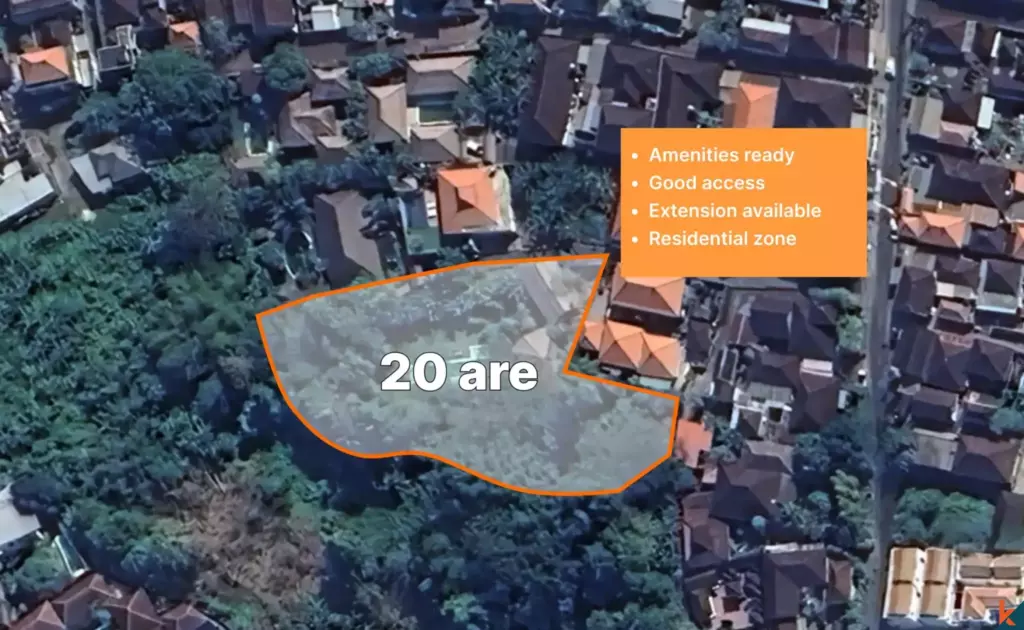 2000 m²15 min$ 523000Bali, Canggu
 3900 m²10 min$ 432266Bali, Tabanan
 1375 m²10 min$ 447044Bali, Canggu
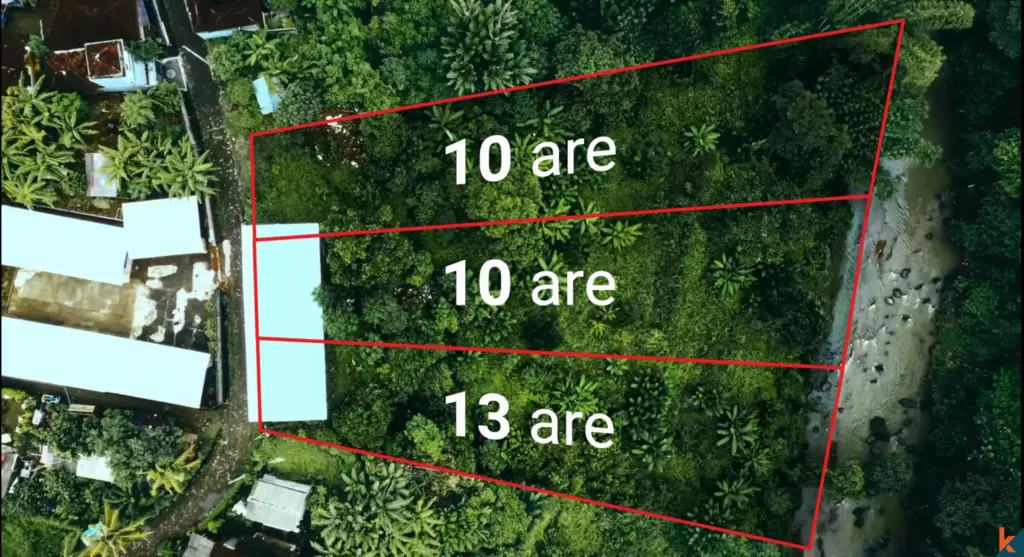 1000 m²10 min$ 303571Bali, Tabanan
 1000 m²8 min$ 134544Bali, Bukit
Planning a build in Bali?
Get a feasibility view, budget range and timeline from Teville.
Related guides
Integrated Furniture Fixings Hidden Brackets MEP Clearance Bali
Explore integrated furniture fixings with hidden brackets and MEP clearance in Bali. Learn installation tips, load guidance, and clean, accessible finishes.
8 min read
Epoxy Primer Moisture Barrier for Bali Interior Renovations
Explore epoxy primer and moisture barrier solutions for Bali interior renovations, delivering durable adhesion, moisture protection, and long-lasting finishes.
8 min read
Engineered Stone Countertop Fixing Support Standards Bali
Explore Bali s engineered stone countertop fixing and support standards. Installation tips, durability guidance, and compliance for lasting quality surfaces.
10 min read