Moisture-Barrier Laminate: Bali Installation Edge Sealing
Moisture-Barrier Laminate Flooring: Installation & Edge Sealing in Bali
Specific Problem/Question
In Bali’s tropical climate, elevated ambient humidity, seasonal rain, and moisture migration through concrete slabs can compromise laminate flooring—swelling edges, peaking joints, and hidden mold beneath skirtings. The question we solve at Teville is simple and specific: how do you install moisture-barrier laminate flooring so it resists Bali’s moisture loads long-term, and how do you correctly seal perimeters and penetrations without trapping vapor or locking the floating system? This guide details our finishing methodology, from vapor barriers to silicone edge sealing, tailored to renovation and villa interiors.
Technical Deep Dive
Moisture is the governing risk for laminate performance in Bali villa construction and renovation. Concrete subfloors invariably contain residual moisture; many are positioned on ground-bearing slabs with capillary rise and limited cross ventilation. Ambient humidity commonly sits above 70%. In this context, a moisture strategy must be layered and continuous: test the slab, isolate from vapor using a membrane, control room-side humidity, and protect laminate edges and penetrations with durable, elastic sealing.
Subfloor testing is step one. We use calcium chloride moisture vapor emission rate (MVER) testing to verify levels below 5 lbs./1000 sq. ft./24 hours before floating laminate over concrete, consistent with manufacturer installation guidance (Water-Resistant Laminate Floor Installation Guide). In parallel, in enclosed spaces we prefer in-slab relative humidity (RH) probes for a fuller picture. If the MVER/RH exceeds the product’s limit, we pause: either extend drying time, improve ventilation/dehumidification, or apply a compatible moisture mitigation system beneath the vapor barrier.
On compliant concrete, we install a 0.006-inch (6-mil) age-resistant, non-permeable polyethylene sheet as a vapor barrier, lapped 200 mm (8″) and taped with a high-adhesion seam tape. The membrane is extended 25 mm (1″) up the wall to form a cupped tray under the floating floor, per common manufacturer requirements (guide). This prevents upward moisture migration, particularly crucial in coastal Bali where slabs may experience intermittent dampness. We avoid punctures and ensure clean substrate so tape bonds do not lift.
Underlayment selection is driven by moisture and acoustics. Where the laminate product does not include an attached pad with vapor retarder, we add a moisture-proof underlayment compatible with floating systems, prioritizing closed-cell foams that do not wick water and maintain compression strength. In multi-storey villas, we often target improved impact sound ratings without sacrificing vapor resistance (Laminate Underlayment Basics).
Edge control is the next critical layer. Expansion gaps of 8–12 mm are maintained at all fixed verticals. Gaps are never filled with rigid materials. In humid Bali interiors, we specify a perimeter seal using 100% neutral-cure silicone to create a water-resisting fillet that deflects surface spills and cleaning water away from plank edges. The sealant must bridge from skirting to laminate surface without bonding the floor down; we achieve this by maintaining the expansion void and placing a small compressible backer where the gap is wide. The bead is thin and elastic, not structural. Around penetrations (pipes, floor boxes, AC drain sleeves), we seal with silicone as well, forming a continuous moisture stop (how-to seal reference).
Transitions and thresholds receive special attention. At wet-adjacent rooms (kitchens, laundries), we fit moisture-resistant transition profiles and run a concealed silicone bead beneath the trim. In bathrooms we generally avoid laminate; if used in powder rooms with no shower, we upgrade to water-resistant laminate, add threshold dams, and seal perimeters meticulously. We never trap bulk water; the aim is to repel daily moisture exposure and cleaning water, not to create a bathtub.
Balancing humidity indoors is the final safeguard. We recommend maintaining 50–60% RH with regular AC operation or dehumidifiers. Excessive swings (closed house, then rapid cooling) can drive condensation at the slab or boards. Our handover includes guidance on AC cycling and cleaning: damp mopping only, no saturated floor cloths, and prompt wipe-up of spills.
For renovation Bali projects, demolition debris, patch compounds, and uneven screeds are common. We mechanically grind high spots and use polymer-modified leveling compounds to achieve flatness typically within 3 mm over 2 m. This ensures tight locking of joints, reduces micro-movement, and minimizes edge chipping over time—core to Teville’s finishing quality standards. When utilities routing crosses the floor zone (e.g., water lines, conduits), we coordinate penetrations and sleeves early, then seal them post-installation for a complete moisture envelope.
Materials & Standards
Materials we specify for interior finishing in Bali’s climate include:
- Vapor barrier: 0.006″ (6-mil) age-resistant, non-permeable polyethylene. Overlap 200 mm; tape with high-adhesion polyethylene or butyl seam tape; turn up 25 mm at walls (manufacturer guide).
- Underlayment: Closed-cell foam or integrated vapor retarder underlay approved by the laminate manufacturer; target moisture resistance and acoustic performance (reference).
- Sealants: 100% neutral-cure silicone, mildew-resistant, compatible with laminates and skirting paints. Color-matched where visible. Avoid acidic cure near metal trims.
- Backer rod: Closed-cell PE backer for consistent joint geometry where gaps exceed ~6 mm.
- Trims and transitions: Moisture-stable profiles (anodized aluminum or PVC) for doorways, thresholds to wet rooms, and stair noses.
- Tools: Tapping block, pull bar, spacers, track saw/jigsaw, moisture test kits (ASTM F1869 CaCl; optionally ASTM F2170 in-slab RH), straightedge, grinder, and levelling compounds.
Standards and limits we observe as part of construction standards Bali projects:
- Moisture thresholds: MVER ≤ 5 lbs./1000 sq. ft./24 h for many water-resistant laminate systems, per manufacturer guidance (guide); always verify specific product data.
- Humidity control: Maintain interior RH roughly 50–60% to minimize dimensional stress (Simba Flooring).
- Vapor barrier practice: Continuous, sealed seams, no punctures; avoid common mistakes like un-taped laps or discontinuities at doorways (Americover overview).
- Edge sealing: Silicone perimeter fillet and sealing at every penetration, without bonding the floating floor to the substrate.
Where applicable, we align with manufacturer-specific installation manuals and Teville’s internal QA benchmarks derived from our Construction Process. These measures support durable performance across interior finishing Bali contexts.
Step-by-Step Process
1) Assessment and acclimation
• Survey the space: water sources, AC layout, transitions to tiles/stone, furniture installation footprint, and villa utilities penetrations.
• Acclimate unopened laminate cartons in conditioned space 48 hours minimum, stacked flat, away from walls and direct sunlight.
2) Subfloor testing and preparation
• Perform MVER (ASTM F1869) and, where required, RH (ASTM F2170) tests. Target ≤ manufacturer limits, commonly ≤ 5 lbs./1000 sq. ft./24 h.
• Grind high spots; fill low areas with polymer-modified leveling compound to ±3 mm over 2 m. Vacuum thoroughly.
• Address cracks and active moisture sources (e.g., AC drain leaks, plumbing) before proceeding.
3) Vapor barrier installation
• Lay 6-mil polyethylene sheeting, smooth and flat. Overlap adjacent sheets 200 mm.
• Tape all seams with compatible polyethylene/butyl tape; roll firmly for adhesion.
• Extend the membrane up walls 25 mm, forming a cupped tray under the floating floor. At door thresholds, carry the barrier under trims to keep continuity.
4) Underlayment
• If the laminate has no attached pad, install a moisture-proof underlay over the vapor barrier. Butt joints; tape if required by the underlay manufacturer. Avoid double vapor barriers unless the system is designed for it.
5) Layout and first courses
• Plan plank direction to run longest wall or toward primary light source. Dry lay to ensure balanced cuts at walls and transitions.
• Snap a guide line; set spacers to maintain 8–12 mm expansion at all perimeters and fixed objects.
• Start with a straight first row; cut factory tongues off where required to fit against the spacer line.
6) Floating installation
• Install tongue-and-groove per manufacturer directions. Use a tapping block and pull bar to close joints without damaging edges.
• Stagger end joints ≥ 300 mm; avoid H-joints. Check each course for tight fits; re-seat as needed.
• Undercut door jambs to slide planks beneath, maintaining the vapor barrier continuity wherever possible.
7) Penetrations and utilities
• For pipes/conduits, drill clearance holes 10–12 mm larger than the service. Back-cut a notch if needed to slip around the pipe; glue the removed piece back into the board’s face (not to subfloor).
• After laying, insert compressible backer if the annulus is large and seal with 100% silicone, forming a smooth, continuous ring. Fit decorative escutcheons with gaskets.
8) Transitions and wet-adjacent thresholds
• Install approved transition profiles at tile/stone interfaces. Where cleaning water is likely, add a concealed silicone bead beneath thresholds to prevent wicking into the plank edges.
• For powder rooms (no shower), run a continuous perimeter silicone bead and consider a micro-threshold for added defense.
9) Perimeter edge sealing
• After removing spacers and before skirting installation, verify expansion gaps are clean and continuous.
• Install skirting/architraves with mechanical or adhesive fixings to the wall only—never to the floor.
• Apply a 3–5 mm neutral-cure silicone fillet between the skirting and laminate surface. Use minimal pressure to avoid bridging onto the floating edge. Where the expansion gap is large, place a thin PE backer to prevent three-sided adhesion and preserve movement.
10) Final checks and conditioning
• Inspect all seams for tight closure; re-tap where needed. Confirm all penetrations are sealed and transitions are secure.
• Run AC/dehumidification to stabilize RH around 50–60%. Clean with a lightly damp microfiber mop; no standing water.
11) Furniture installation
• Place heavy wardrobes and built-ins on the subfloor where feasible; do not pin the floating floor beneath fixed cabinetry.
• Use felt pads and distribute loads; avoid point-loading at locking joints. Allow a shadow gap at cabinet plinths, sealed discreetly with silicone where splash risk exists.
Every phase is documented in Teville’s QA checklists, consistent with our Construction Process and demonstrated across our Villa Projects and Portfolio.
Costs & Timeline
Indicative ranges for renovation Bali and new interiors (materials plus labor):
 164 m²7 month(s)from 79.000 USD
TALA TWO
 3127 m²9 month(s)from 177.000 USD
Mukunda
 4344 m²16 month(s)from 290.000 USD
Radha
 2144 m²11 month(s)from 104.000 USD
Narayana
 3104 m²11 month(s)from 99.000 USD
TALA 100

Want to calculate?
 1from 198.000 USD
Private: Haridas Villas
 3173 m²6 month(s)from 125.000 USD
TALA FOUR
 3180 m²7 month(s)from 142.000 USD
Vasudeva
164 m²7 month(s)from 79.000 USDPrivate: Haridas Villas, Tegallalang
 172 m²8 month(s)from 120.000 USD
Keshava
 3124 m²6 month(s)from 123.000 USD
TALA 8
Start With Real Numbers, Not Guesses
Before finalizing your finishing works plan, check realistic cost ranges for your Bali villa project.
Available lands
 2500 m²5 min$ 609606Bali, Kedungu
 3100 m²20 min$ 272968Bali, Tabanan
 1300 m²10 min$ 348214Bali, Tabanan
 2680 m²10 min$ 1732759Bali, Pererenan
 700 m²15 min$ 109052Bali, Buduk
 2230 m²15 min$ 410573Bali, Padonan
 750 m²15 min$ 187038Bali, Kerobokan
 1000 m²10 min$ 384852Bali, Canggu
 1000 m²5 min$ 350431Bali, Drupadi
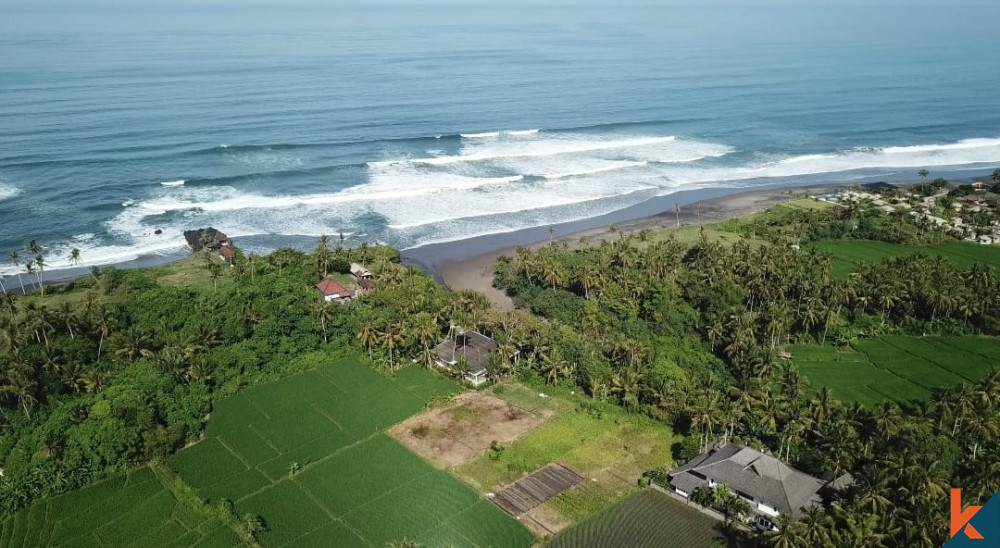 3000 m²15 min$ 1246921Bali, Tabanan
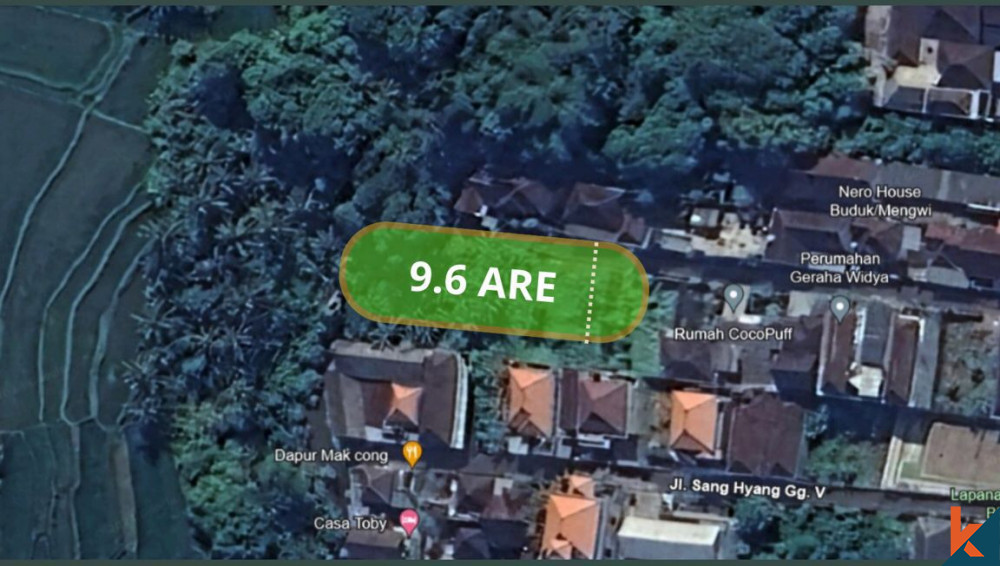 960 m²15 min$ 91034Bali, Mengwi
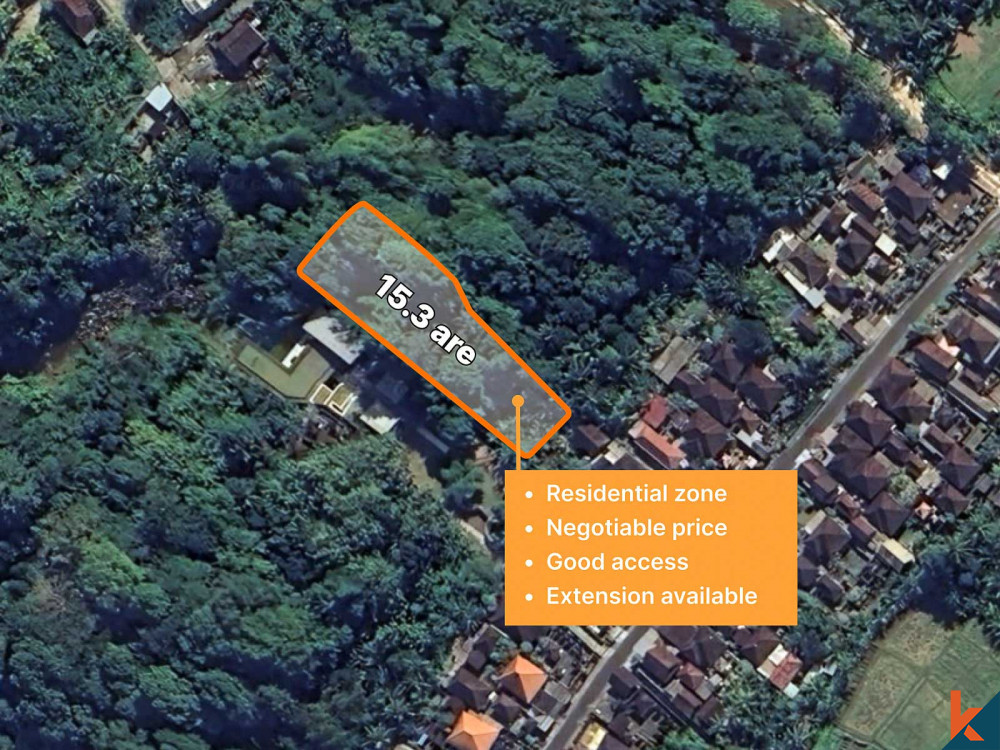 1533 m²5 min$ 165666Bali, Cepaka
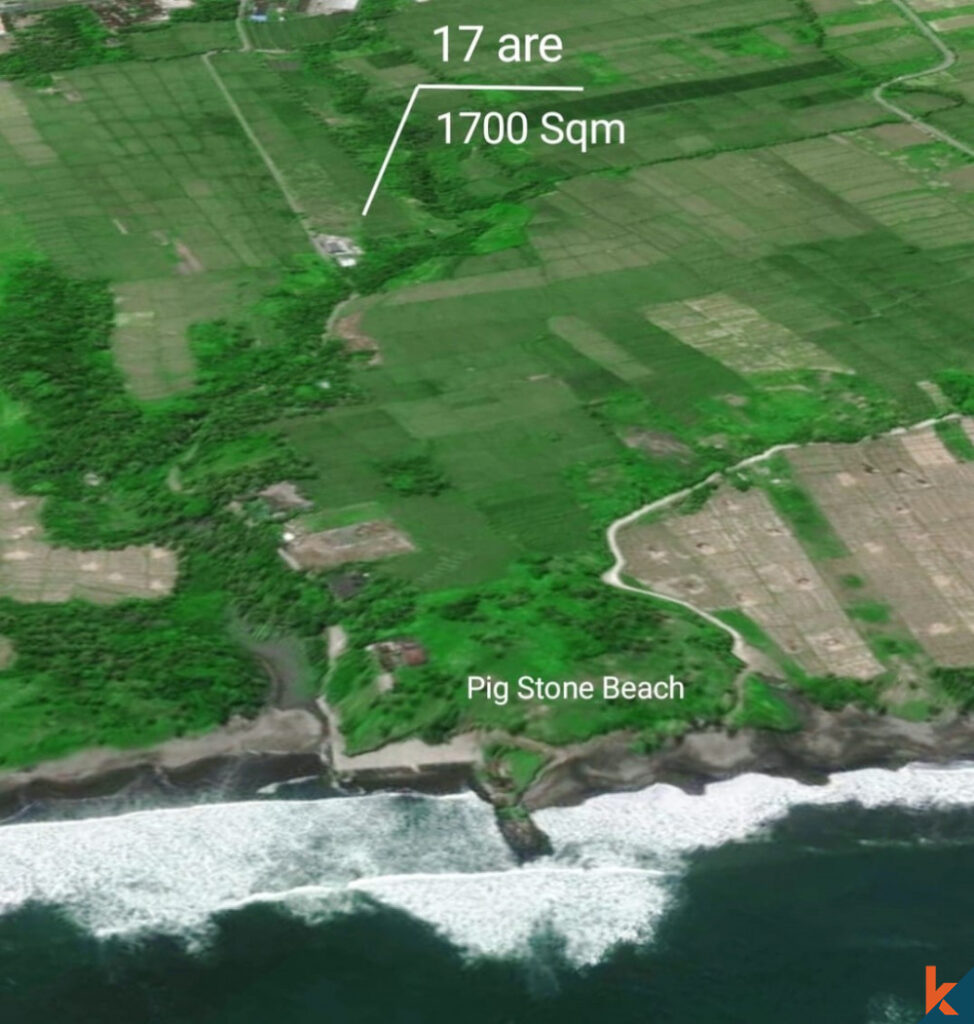 1720 m²2 min$ 241478Bali, Tabanan
 1300 m²10 min$ 312192Bali, Kutuh South Bali
 1100 m²8 min$ 280419Bali, Ungasan
Planning a build in Bali?
Get a feasibility view, budget range and timeline from Teville.
Related guides
Integrated Furniture Fixings Hidden Brackets MEP Clearance Bali
Explore integrated furniture fixings with hidden brackets and MEP clearance in Bali. Learn installation tips, load guidance, and clean, accessible finishes.
8 min read
Epoxy Primer Moisture Barrier for Bali Interior Renovations
Explore epoxy primer and moisture barrier solutions for Bali interior renovations, delivering durable adhesion, moisture protection, and long-lasting finishes.
8 min read
Engineered Stone Countertop Fixing Support Standards Bali
Explore Bali s engineered stone countertop fixing and support standards. Installation tips, durability guidance, and compliance for lasting quality surfaces.
10 min read