Porcelain Tile Back-Butter Adhesive Protocols for Bali Villas
Porcelain Tile Back-Butter & Adhesive Protocols for Bali Villas
1. Specific Problem/Question
How do we guarantee porcelain tiles in Bali villas stay flat, bonded, and beautiful under tropical heat, humidity, and daily use? The answer is strict adherence to back-buttering and adhesive protocols designed for low-porosity porcelain, large-format tiles, and demanding wet areas. This article details Teville’s finishing standards for Bali villa construction and renovation Bali projects—procedures that prevent hollow spots, debonding, and lippage, while delivering durable, premium interior finishing Bali quality across floors, walls, balconies, wet rooms, and service areas connected to villa utilities.
2. Technical Deep Dive: Why Back-Butter and How to Specify Adhesives in Bali
Porcelain is dense, dimensionally stable, and minimally porous (<0.5% water absorption). These advantages also reduce mechanical keying with standard mortars, making correct adhesive selection and application essential. In Bali’s tropical climate—high humidity, salt-laden air near coasts, intense solar loading, and sudden wetting—thermal and moisture cycling tests the bond line. Failures typically trace back to insufficient coverage, wrong adhesive class, poor ridge collapse, or substrate movement.
Coverage targets:
- Interior dry areas: ≥85% adhesive contact.
- Wet zones, balconies, exteriors, and heavy-traffic floors: ≥95% continuous coverage with no voids at corners/edges.
Back-buttering defined: A thin, uniform skim coat (1–2 mm) of mortar keyed into the tile back. This fills micro-voids and improves wetting. For large-format porcelain (≥600×600 mm), textured backs, rectified edges, and exterior or wet zones, Teville requires back-buttering in addition to directional troweling on the substrate.
Directional troweling and ridge collapse: Comb adhesive on the substrate with a single-direction notch (typically 10–12 mm for large-format floor tiles). Lay tiles perpendicular to the ridges, slide 10–15 mm to collapse ribs, and beat-in with a rubber mallet. Check bond by lifting the first tile of each batch to confirm coverage and ridge collapse. Back-buttering ensures complete contact even when minor substrate undulations remain.
Adhesive class: We specify polymer-modified, high-performance cementitious mortars conforming to ISO 13007 / EN 12004 classifications:
- C2: Improved adhesion
- T: Reduced slip for walls
- E: Extended open time for hot/humid site conditions
- S1 or S2: Deformability to accommodate movement and thermal swing; S2 preferred on balconies and where substrate movement risk is higher
For ANSI equivalents, we target A118.4HT or A118.15 for large-format porcelain and exterior exposures.
Climate-specific controls:
- Open time management: In Bali heat and wind, skinning occurs fast. Work in smaller areas, shade facades, and lightly re-comb if skinning is suspected. Never set onto skinned mortar.
- Moisture: Ventilate damp interiors; do not trap moisture under impervious porcelain. Observe manufacturer’s curing times before grouting and loading.
- Salt and UV: Coastal villas require premium polymers (C2TES2), anti-fracture or decoupling in movement-prone areas, and strict movement jointing.
Substrate flatness and restraint: For large-format porcelain, the substrate must meet ≤3 mm deviation under a 2 m straightedge (floors) and ≤2 mm under 1 m (walls). Self-leveling underlayments, patching mortars, and proper screed curing (minimum 28 days or as per product data) are vital. Lightweight cement boards or fiber-cement sheathing must be properly fixed and taped. Never try to “float out” major irregularities with thinset at setting time.
Waterproofing and uncoupling: Wet rooms, showers, and balconies require waterproof membranes (ANSI A118.10 compliant) with flood testing where applicable. Balconies must be graded 1.5–2% and integrate drains. Use crack-isolation/uncoupling membranes where substrate movement is expected or over existing tile in renovation Bali projects.
What not to use: Pre-mixed mastics are not acceptable for porcelain floors or wet areas in tropical heat. Avoid low-grade C1 mortars, insufficient notch sizes, and skipping back-buttering on large-format installations.
Quality assurance: Teville supervisors perform systematic lift checks, acoustic tapping after cure, and documentation of batch mixes, slake and remix times. We coordinate tile setting with furniture installation and villa utilities routing to prevent penetrations or heavy loads on uncured assemblies.
3. Materials & Standards
Adhesives (thinset mortars): Cementitious, polymer-modified mortars with ISO 13007 / EN 12004 classification C2TE minimum; C2TES1 for most interiors; C2TES2 for large-format exteriors, wet rooms, and movement-prone substrates. ANSI A118.15 recommended for heavy-duty floors and balconies.
Primers: Acrylic or epoxy primers for highly absorbent screeds or low-porosity substrates (e.g., existing tile). Primers reduce premature moisture loss and improve bond uniformity.
Waterproofing and crack isolation: Liquid-applied or sheet membranes meeting ANSI A118.10 (waterproofing) and ANSI A118.12 (crack isolation). Integrate corners, drains, and upturns with reinforced fabric.
Grouts: For low-absorption tiles and wet/traffic areas, use high-performance cementitious grouts with polymer additives or epoxy grouts in kitchens, spas, and heavy-cleaning zones. Respect joint widths suited to tile caliber and expected movement (usually 2–3 mm for rectified interior tiles; wider for exteriors).
Movement joints: Per TCNA EJ171/BS 5385 principles—perimeter joints (~6–10 mm), intermediate movement joints every 3–5 m interior and 2–3 m exterior, and at changes of plane. Fill with elastomeric sealants (neutral-cure silicone or polyurethane), not grout.
Tools and consumables:
- Notched trowels: 10–12 mm for large-format floors; 6–8 mm for walls
- Margin trowel for back-buttering
- High-torque mixer, calibrated water supply, clean buckets
- Tile leveling system (clips and wedges) to control lippage
- Rubber mallet, suction cups, straightedges, and gauges
- Diamond blades and wet saws for porcelain cuts (dust control)
Documentation and references: Follow manufacturer datasheets (mix ratios, slake times, pot life, open time), and project specs aligned with Teville’s construction process. For evidence of outcomes, see our portfolio and villa projects.
4. Step-by-Step Process (Teville Protocol)
Pre-Installation Coordination
- Confirm final tile schedule, formats, and room functions (wet/dry/heavy traffic).
- Coordinate with villa utilities: floor drains, cleanouts, electrical floor boxes, and underfloor services. Penetrations should be cut before tiling; protect conduits.
- Lock in movement joint layout and termination details at thresholds, columns, and perimeters.
1) Substrate Assessment & Preparation
- Flatness: Verify ≤3 mm in 2 m for floors, ≤2 mm in 1 m for walls. Correct with self-leveling or patching mortars. Do not rely on adhesive build-up.
- Integrity: Screeds cured; no laitance, dust, or weak layers. Mechanically abrade or scarify dense surfaces.
- Moisture: Ensure substrates meet product moisture limits; ventilate humid interiors.
- Priming: Apply the specified primer to high suction or non-absorbent surfaces per datasheet.
- Waterproofing: Install ANSI A118.10 membrane in wet rooms and balconies. Form upturns, seal corners, and integrate drains; verify slope 1.5–2% to drains.
- Crack isolation/uncoupling: Install where structural or thermal movement is anticipated, and over sound existing tiles in renovation Bali works.
2) Dry Layout & Control Lines
- Perform a dry lay to validate pattern, joint width, and cut placement at perimeters.
- Strike control lines for directional troweling and grout joints; confirm fall lines to drains.
- Pre-sort tiles to blend shade/tonality.
3) Mixing Adhesive
- Use clean, potable water within manufacturer-specified range. In Bali heat, cooler water helps extend pot life.
- Blend with high-torque mixer to smooth, lump-free consistency.
- Slake per datasheet (typically 5–10 minutes), then remix; never add extra water after slake.
- Discard mix at end of pot life; do not retemper.
4) Application—Substrate
- With the notched trowel held at ~45°, comb mortar in a single direction consistent across the room.
- Only spread what can be tiled within open time (reduced under sun/wind/AC).
5) Application—Tile Back-Butter
- Key a 1–2 mm skim coat across the tile back with a margin trowel, filling any micro-keys or textures.
- For ribbed backs, ensure full coverage of ribs; do not leave voids at corners.
6) Setting the Tile
- Place tile perpendicular to combed ridges; slide 10–15 mm to collapse ridges.
- Beat-in with a rubber mallet; check planes with a straightedge.
- Use a leveling clip system to control lippage but do not force tiles out of plane to “correct” a poor substrate.
- Lift the first tile in each area to verify ≥85–95% coverage per zone requirement; adjust notch size or technique if coverage is inadequate.
7) Perimeters, Joints, and Details
- Maintain perimeter movement joints (6–10 mm) against walls, columns, and fixed elements—later sealed elastically.
- Install intermediate movement joints per grid design; never grout over joints.
- Integrate trims, edge profiles at thresholds, stairs, and balcony edges.
8) Curing & Protection
- Protect from traffic, rain, and direct sun during initial cure. Use breathable coverings; avoid plastic films that trap moisture.
- Respect minimum times before grouting (often 24–48 hours; longer for membranes or dense substrates) and before furniture installation and heavy loads (up to 7 days or per datasheet).
9) Grouting & Sealants
- Grout with specified product; compact joints fully and clean promptly to avoid haze on porcelain.
- Install elastomeric sealants at movement joints and changes of plane.
10) Handover & Aftercare
- Final inspection: acoustic tap test, lippage check, joint continuity, and sealant integrity.
- Provide cleaning/maintenance guide suitable for porcelain and chosen grout (especially epoxies).
Our supervisors coordinate sequencing so villa utilities penetrations are in place before tiling, and so heavy furniture installation occurs only after the mortar/grout achieve design strength—ensuring long-term durability and premium finish quality consistent with construction standards Bali clients expect. For methodology transparency, see how we build.
5. Costs & Timeline
Cost drivers
- Tile format and thickness (large-format and gauged porcelain panels require larger notches, more labor, and leveling systems).
- Adhesive class (C2TES2/ANSI A118.15 costs more but is essential in balconies, wet rooms, and coastal sites).
- Substrate correction (self-leveling, membranes, waterproofing).
- Detail intensity (movement joints, trims, drains, thresholds) and site access.
- Renovation Bali premiums for demolition, surface prep, and working around existing finishes.
Indicative ranges (per m², excluding tile): Adhesives/primers/membranes typically represent a moderate portion of finishing budgets; large-format porcelain with mandatory back-buttering and high-performance mortars attracts a higher labor component. Exact figures depend on project scope, exposure class, and detailing.
Timeline
- Substrate prep: 1–5 days depending on leveling and membrane scope.
- Tiling rate: 15–35 m²/day/team for standard large-format; slower for complex patterns, balconies, or wall features.
- Cure to grout: 24–48 hours typical; longer on membranes or in very humid interiors.
- Cure to light service: 3–5 days; to heavy service and furniture installation: 5–7 days (or per adhesive/grout datasheet and ambient conditions).
To obtain a tailored cost and schedule aligned with Bali villa construction and interior finishing Bali requirements, share your drawings and exposure conditions via our cost estimation form. We will specify adhesive classes, membrane needs, and sequencing to protect adjacent trades and finishes.
6. FAQ Block
Q1: Do I need to back-butter all porcelain tiles?
A: For large-format tiles (≥600×600 mm), exterior or wet areas, textured backs, and on membranes or renovation over existing tile—yes. For smaller interior wall tiles on very flat substrates, it may be optional, but Teville still recommends it to ensure coverage and bond uniformity.
Q2: Which adhesive class is right for Bali balconies?
A: Use a high-performance deformable mortar: ISO C2TES2 (or ANSI A118.15). The S2 deformability handles thermal and substrate movement, reducing risk of debonding and cracked corners.
Q3: What notch size should I use?
A: Typically 10–12 mm for large-format floors and 6–8 mm for walls. Verify by lifting test tiles to confirm coverage; adjust notch size and technique as needed.
Q4: Can I tile over existing tiles during renovation Bali projects?
A: Yes, if the existing tile is sound, properly cleaned/degreased, and primed. Use crack
 2144 m²11 month(s)from 104.000 USD
Narayana
 1from 198.000 USD
Private: Haridas Villas
 164 m²7 month(s)from 79.000 USD
Private: Haridas Villas, Tegallalang
 3127 m²9 month(s)from 177.000 USD
Mukunda
 4344 m²16 month(s)from 290.000 USD
Radha
 3173 m²6 month(s)from 125.000 USD
TALA FOUR
 172 m²8 month(s)from 120.000 USD
Keshava
 3180 m²7 month(s)from 142.000 USD
Vasudeva
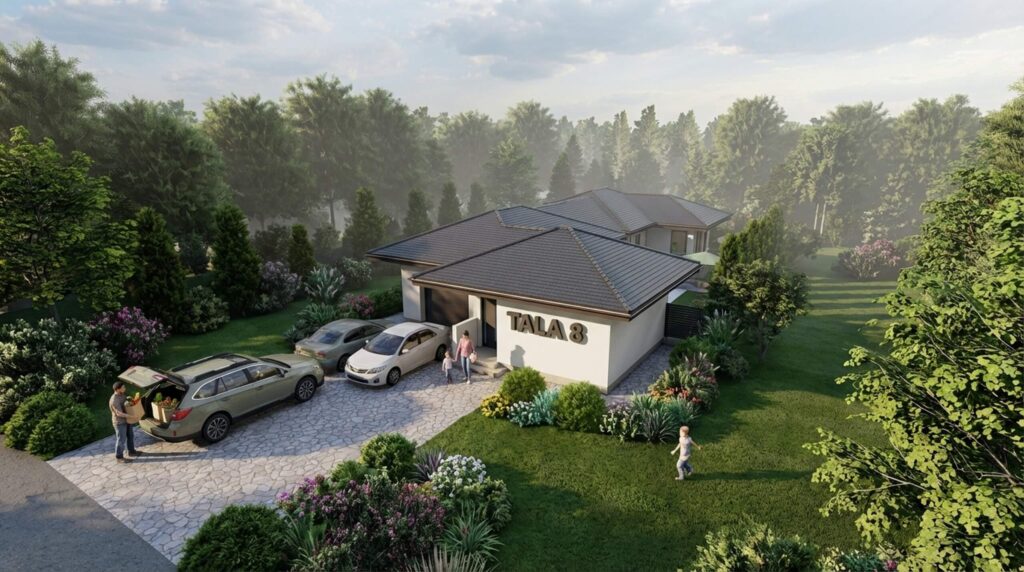 3124 m²6 month(s)from 123.000 USD
TALA 8
164 m²7 month(s)from 79.000 USDTALA TWO

Want to calculate?
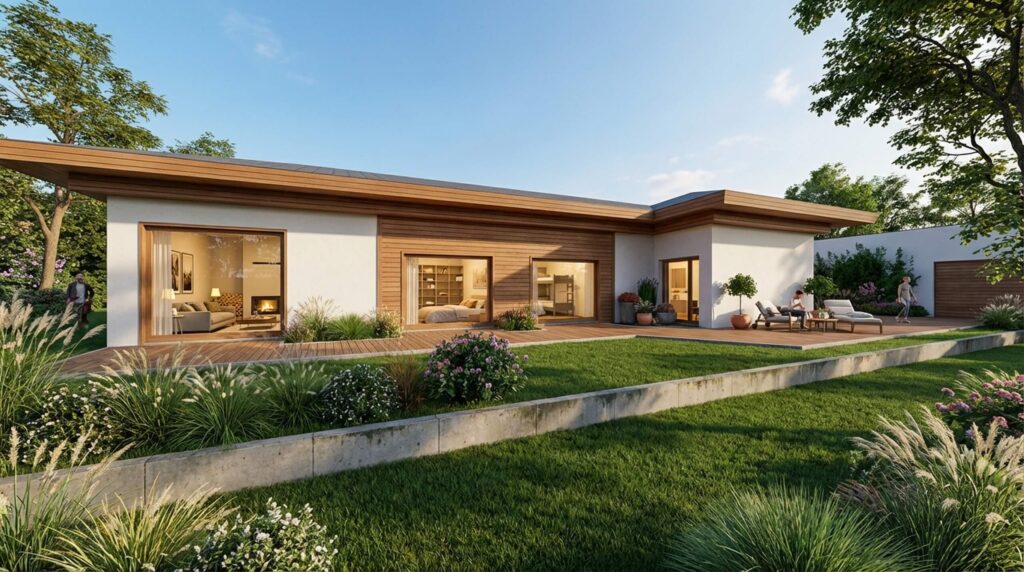 3104 m²11 month(s)from 99.000 USD
TALA 100
Start With Real Numbers, Not Guesses
Before finalizing your finishing works plan, check realistic cost ranges for your Bali villa project.
Available lands
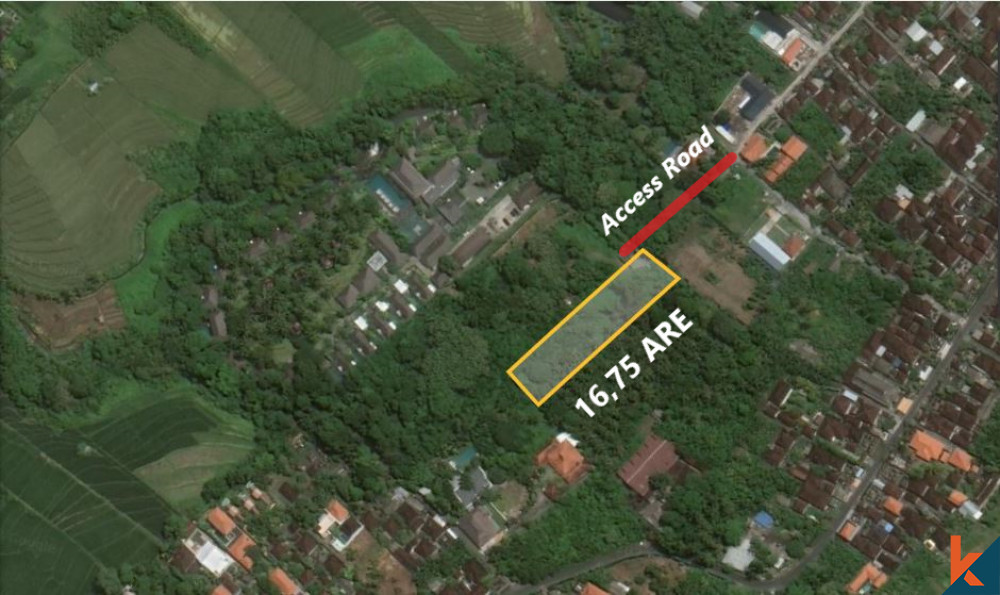 7500 m²5 min$ 206281Bali, Kedungu
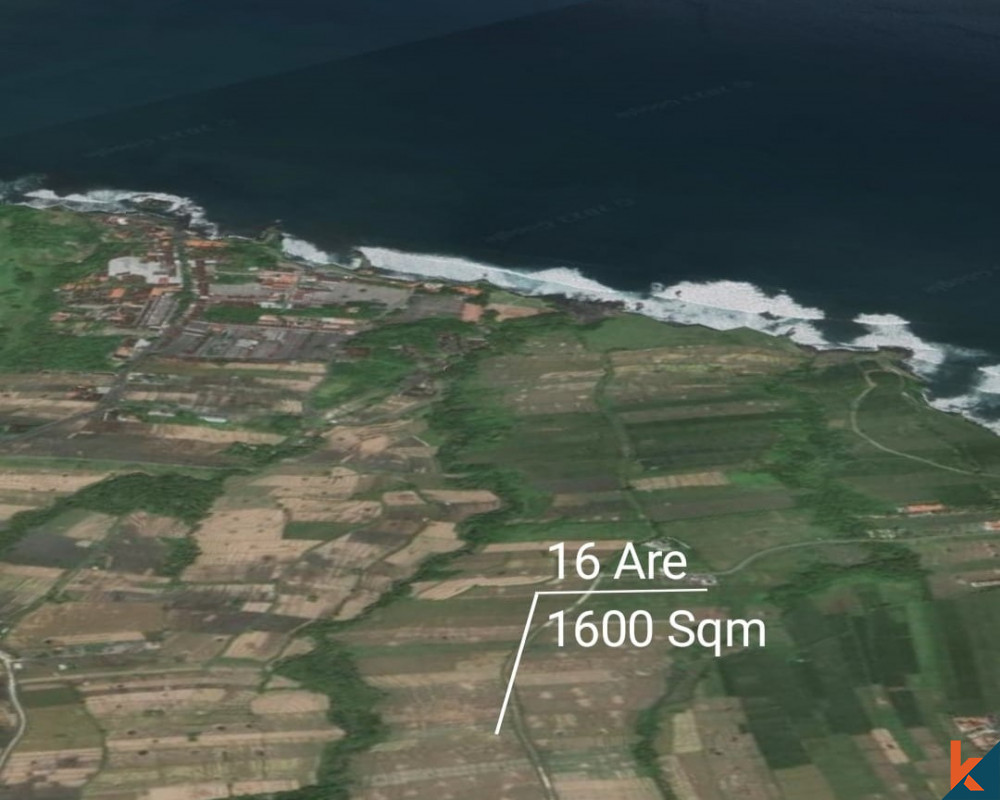 1600 m²32 min$ 266010Bali, Tabanan
 2200 m²3 min$ 183842Bali, Berawa
 13000 m²1 min$ 920567Bali, Pekutatan
 6000 m²10 min$ 1330049Bali, Kutuh South Bali
 400 m²15 min$ 67192Bali, Tabanan
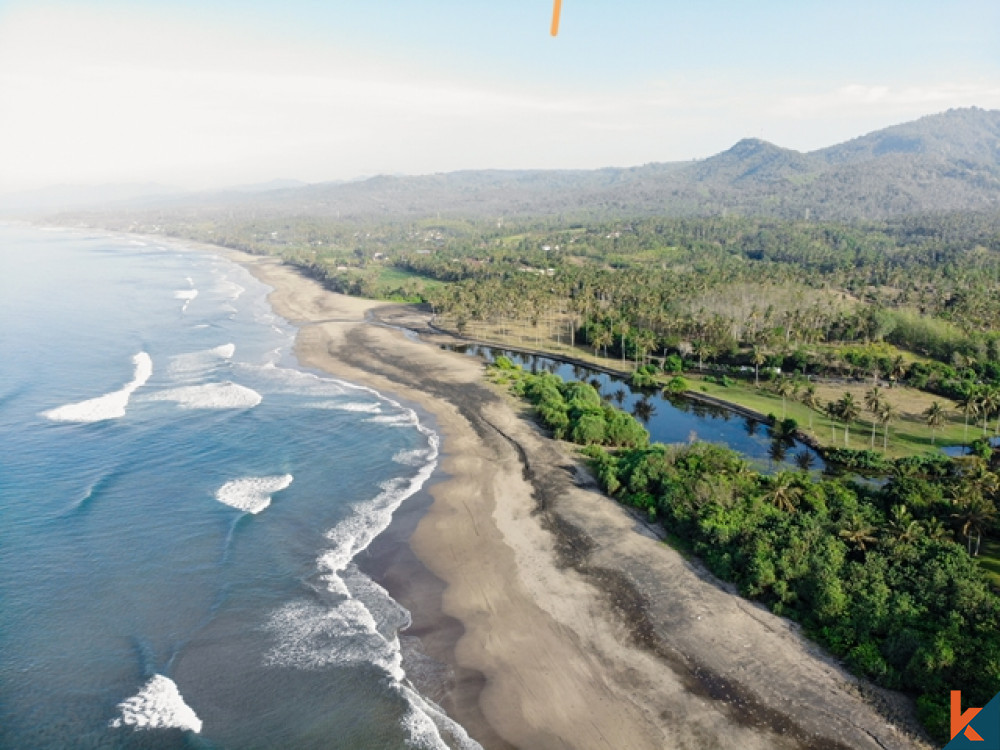 5815 m²5 min$ 815740Bali, Tabanan
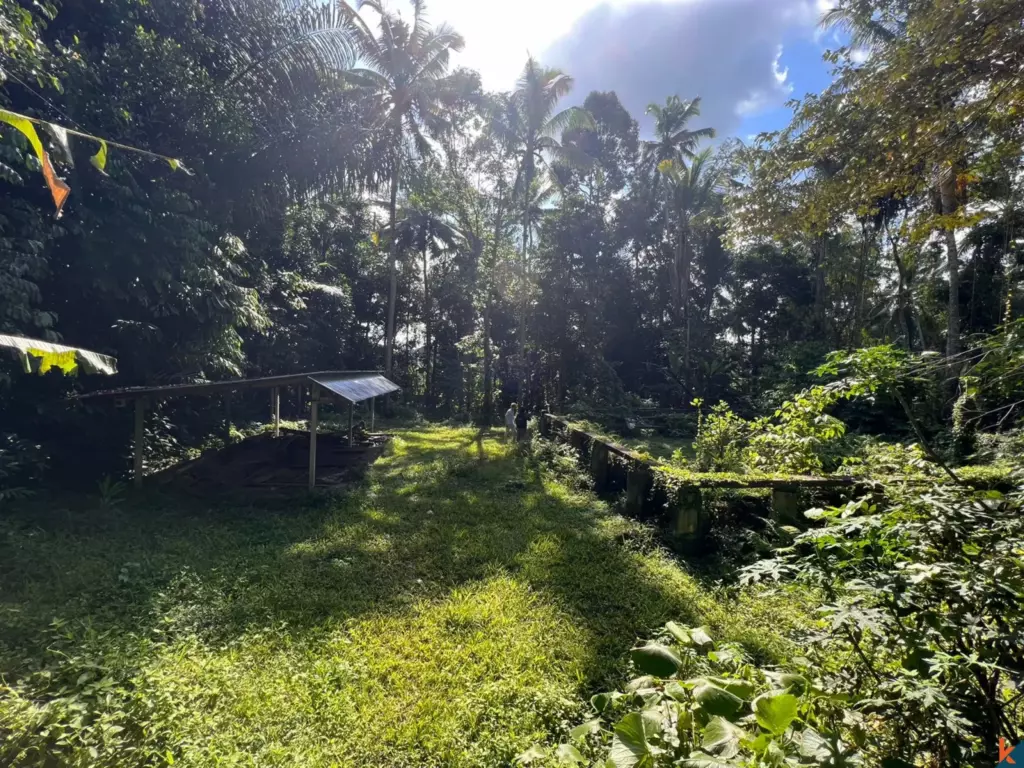 1230 m²15 min$ 132543Bali, Tegallalang
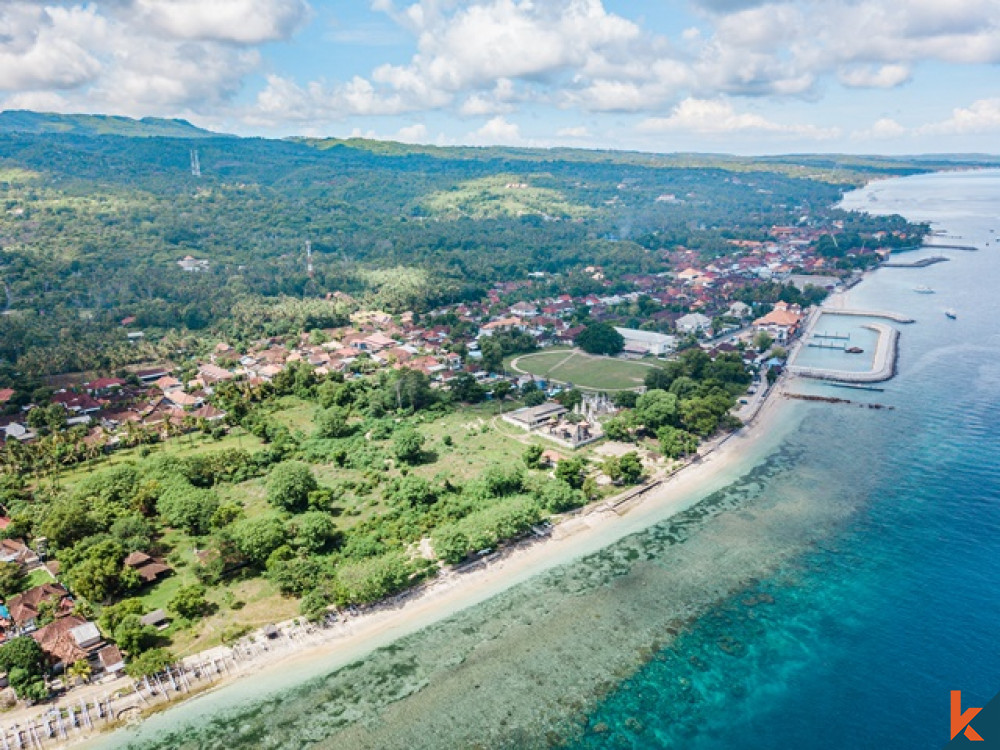 3254 m²5 min$ 631800Bali, All
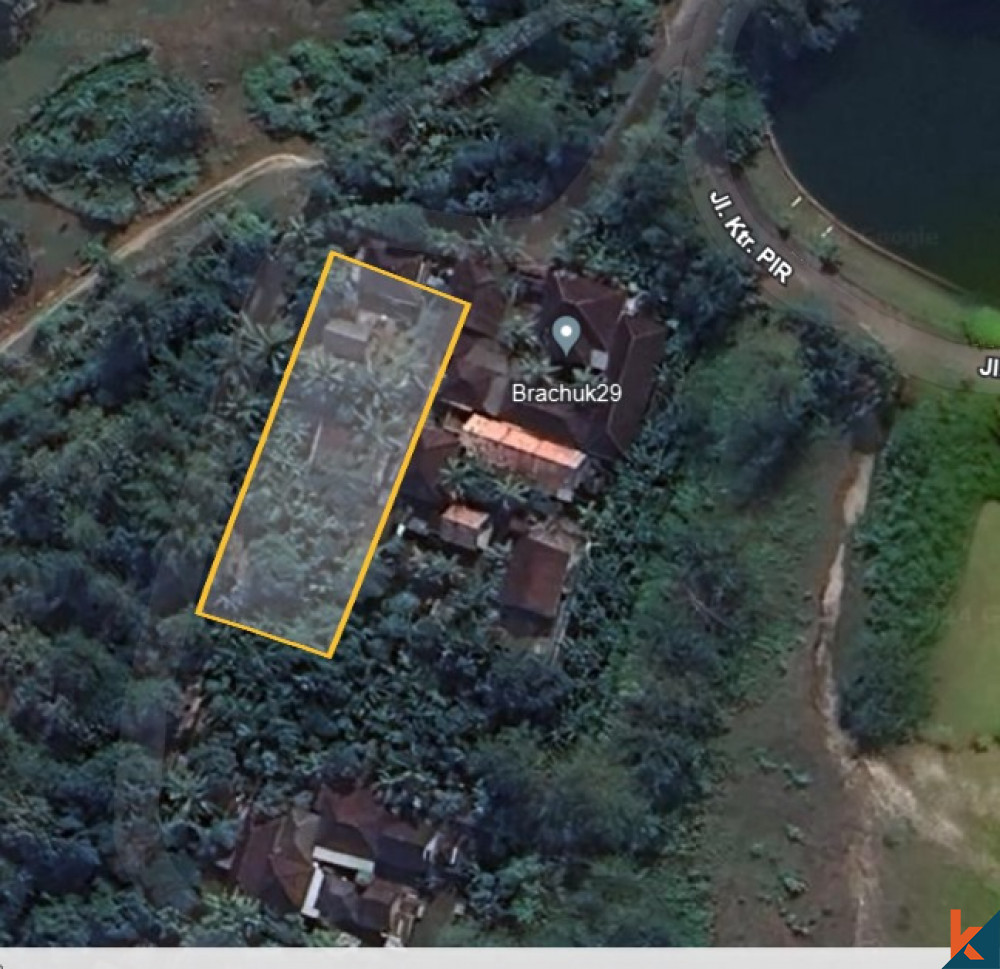 1350 m²5 min$ 283467Bali, Pecatu
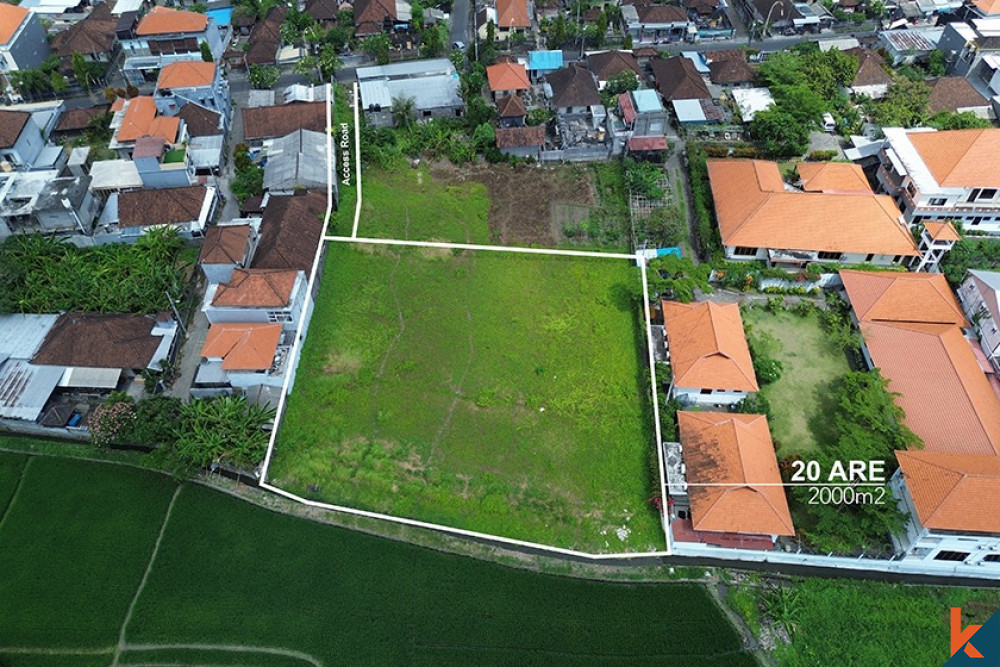 2000 m²15 min$ 261700Bali, Babakan
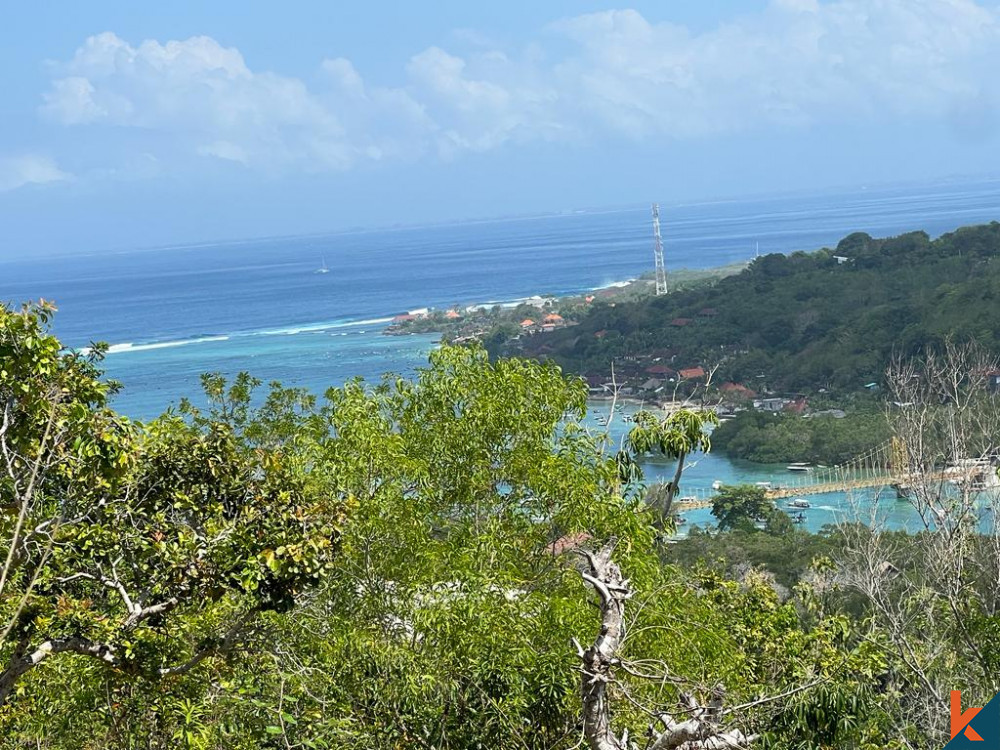 1200 m²2 min$ 155172Bali, Klungkung
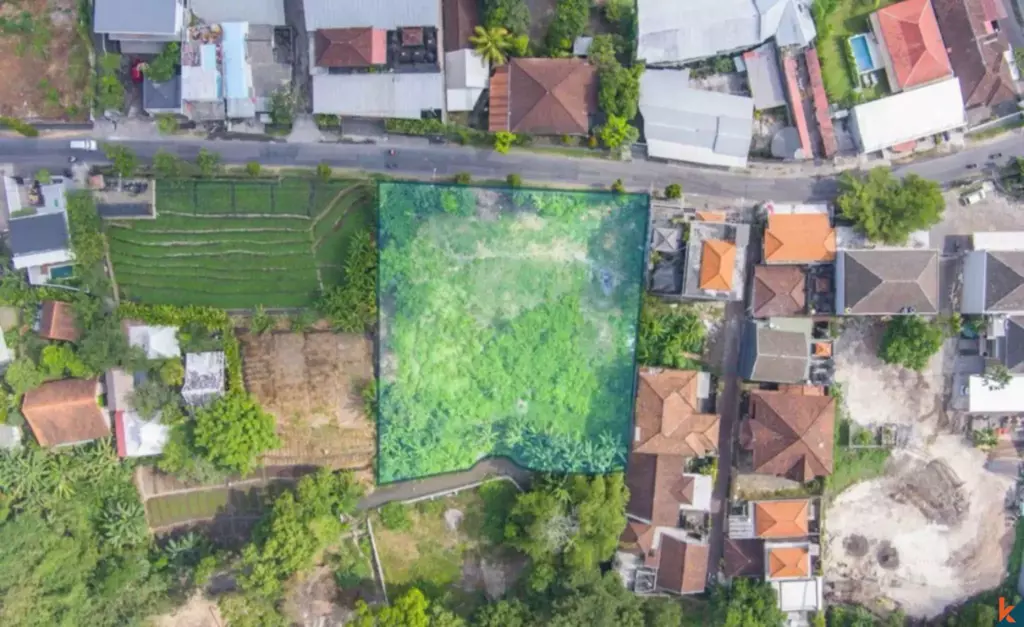 2230 m²15 min$ 410573Bali, Padonan
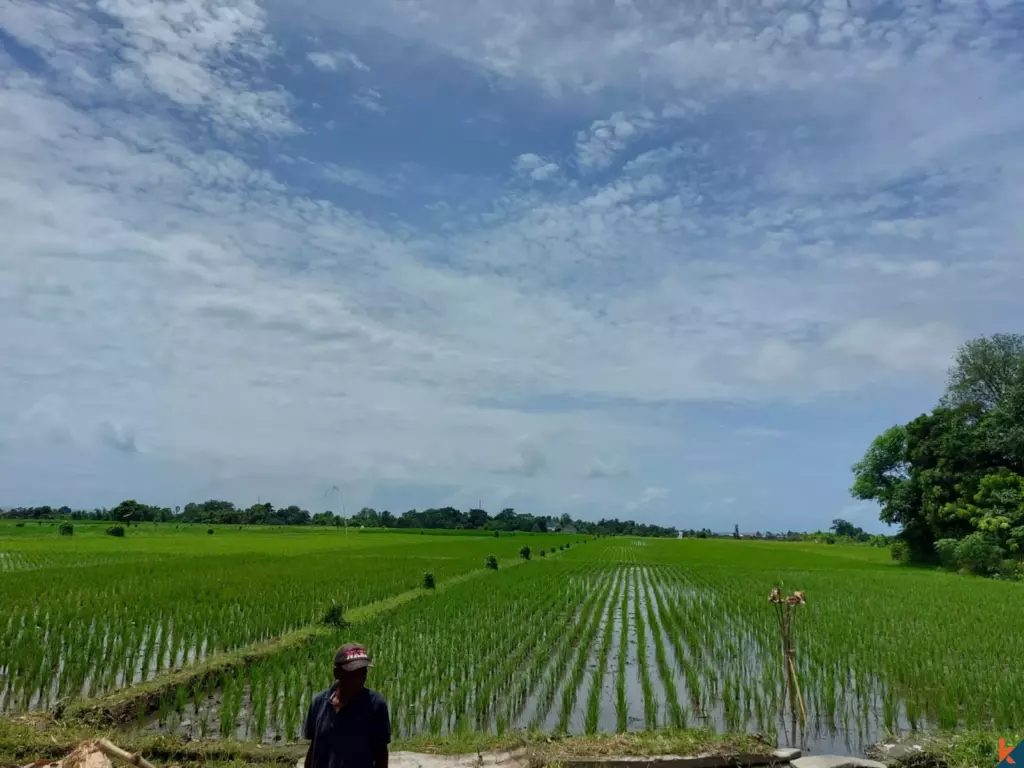 204 m²5 min$ 40899Bali, Kedungu
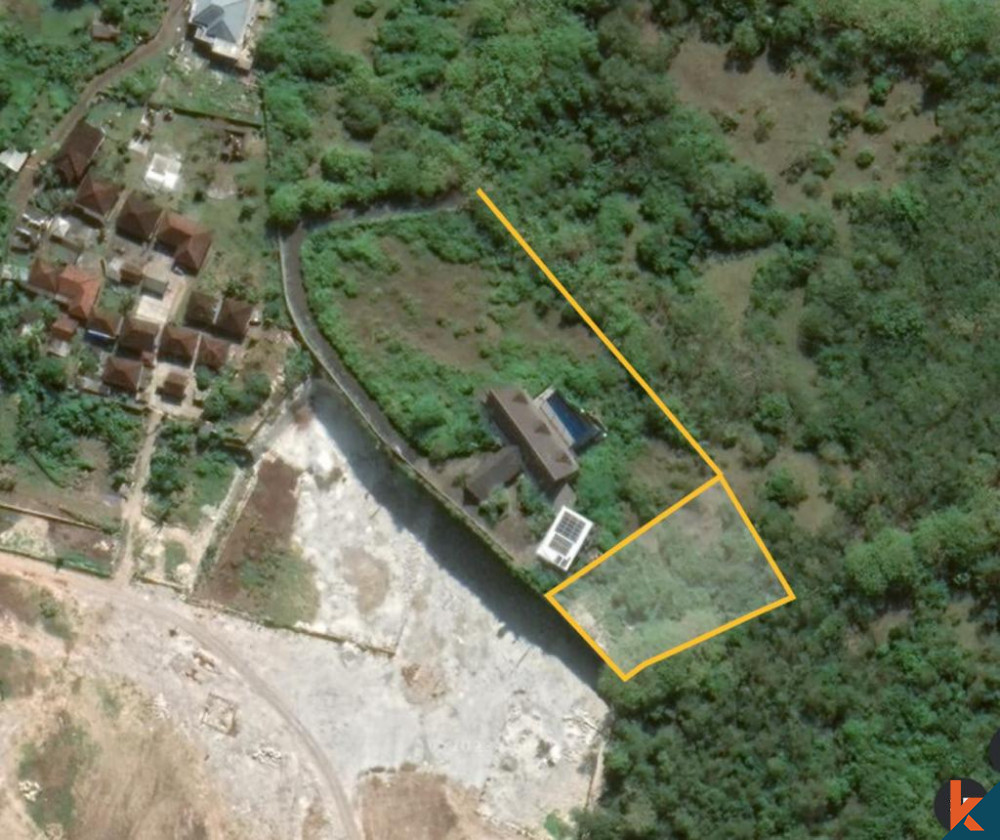 1700 m²10 min$ 392549Bali, Nusadua
Planning a build in Bali?
Get a feasibility view, budget range and timeline from Teville.
Related guides
Integrated Furniture Fixings Hidden Brackets MEP Clearance Bali
Explore integrated furniture fixings with hidden brackets and MEP clearance in Bali. Learn installation tips, load guidance, and clean, accessible finishes.
8 min read
Epoxy Primer Moisture Barrier for Bali Interior Renovations
Explore epoxy primer and moisture barrier solutions for Bali interior renovations, delivering durable adhesion, moisture protection, and long-lasting finishes.
8 min read
Engineered Stone Countertop Fixing Support Standards Bali
Explore Bali s engineered stone countertop fixing and support standards. Installation tips, durability guidance, and compliance for lasting quality surfaces.
10 min read