Marine-Grade Fixings for Bali Joinery: Corrosion Protocols
Marine-Grade Fixings for Coastal Joinery: Corrosion Protocols Bali
1) Specific Problem/Question
Salt-laden air and high humidity in Bali’s coastal zones rapidly attack conventional metal screws, anchors, and brackets used in joinery. Doors swell, decks squeak, balustrades loosen, and cabinet hardware stains timber within months if fixings corrode. What is the correct marine-grade fixing strategy—materials, detailing, and installation protocols—for finishing works, renovation, furniture installation, and villa utilities that will endure Bali’s tropical marine environment without sacrificing aesthetics or structural integrity?
2) Technical Deep Dive: How Marine-Grade Fixings Protect Coastal Joinery
Coastal joinery in Bali sits in a corrosivity band typically corresponding to C4–C5 (marine). Here, chlorides cause pitting and crevice corrosion on ferrous metals, while frequent wetting/drying cycles accelerate attack at joints and under paint films. Standard Z275 (275 g/m²) zinc-coated connectors, considered acceptable for dry interior use, are inadequate externally where windborne salt and spray occur; repeated wetting strips sacrificial coatings and triggers rapid red rust and loss of load capacity. This is why marine-grade stainless fixings—primarily 316 (A4)—are the default choice for exterior finishing works and semi-exposed furniture installations along Bali’s shorelines.
Mechanisms that matter for finishing:
- Pitting and crevice corrosion: Chlorides concentrate in tight gaps—beneath screw heads, between a hinge leaf and timber, inside countersunk holes—creating oxygen-depleted crevices. 316’s molybdenum improves resistance versus 304, delaying pit initiation.
- Galvanic corrosion: When stainless fasteners contact less noble metals (e.g., aluminum frames, zinc-coated brackets), the more anodic material corrodes. Isolation washers and non-conductive sealants interrupt the cell.
- Galling: Stainless-on-stainless threads can cold-weld under torque. Anti-seize compounds and correct driver speed prevent seizure and head shear during installation.
- Tea staining: Superficial brown staining can form on stainless near the surf line due to chloride deposits and rough surface finishes. It is cosmetic but signals maintenance or finishing issues.
Applications in finishing and renovation Bali projects:
- Exterior timber joinery: Hinges, handles, strike plates, flush bolts, and multipoint locks should be 316 (A4). For hardwoods like ulin and merbau, use self-tapping 316 screws with sharp cutting threads to minimize splitting and heat buildup. Pilot holes are essential.
- Decks and pergolas: 316 screws for decking boards; 316 joist hangers or, where unavailable in stainless, use engineered 316 angle brackets with appropriate design loads. Avoid Z275 and even HDG in surf-adjacent zones; service life plummets with salt.
- Aluminum windows/doors: 316 fixing screws combined with nylon or EPDM isolators to separate stainless from aluminum frames. Use neutral-cure silicone at penetrations to prevent crevice formation.
- Facade cladding and battens: For concealed clips, specify 316 spring clips and rivets; ensure ventilation cavities so trapped saltwater cannot dwell in crevices.
- Furniture installation (semi-exposed): For outdoor kitchens, vanity frames near open baths, and terrace cabinetry, adopt 316 screws and concealed brackets. Back-seal holes in laminates/stone to block capillary salt ingress.
- Villa utilities brackets: 316 pipe clamps, pump skid bolts, and AC condenser brackets, with A4 anchors into concrete. Avoid placing stainless fixings directly against galvanized struts without dielectric pads.
Detailing that extends life:
- Surface finish: Brushed or electropolished stainless (Ra ≤ 0.8 μm) resists tea staining better than coarse finishes. Post-install wipe-down and periodic fresh water rinse reduce chlorides.
- Drainage first: Chamfer countersinks; avoid horizontal ledges at fittings; add weep paths so water cannot stagnate at a screw head.
- Seal edges, not faces: Use neutral-cure silicone or butyl tape at penetrations. Do not smother entire metal-to-wood interfaces; allow ventilation to prevent trapped chlorides.
- Timber chemistry: ACQ and copper azole treatments are aggressive to zinc and mild steel; 316 is compatible. Oily hardwoods (teak) need solvent wipe before fixing to avoid lubricant-like slip and under-torque.
- Anchoring to masonry: For balcony rails and gates, select ETA-rated A4 wedge anchors or chemical anchors with 316 threaded rod and vinylester adhesive; maintain edge distances to limit crack initiation in salty, damp concrete.
In short, the correct fastener alloy, finish, isolation strategy, and installation technique work together. At Teville, we integrate this into joinery and furniture installation workflows for Bali villa construction and renovation Bali projects so that finishing quality endures in the tropics.
Reference: Queensland Building and Construction Commission guidance confirms that Z275 is for dry interiors only and inadequate for weather-exposed coastal environments; marine-grade stainless is required for durability in salt exposure. See QBCC corrosion protection advisory.
3) Materials & Standards
Recommended alloys and finishes:
- 316/A4 stainless: Baseline for Bali coastal joinery, hinges, screws, bolts, anchors, and furniture brackets. Consider 316L for welded components to resist sensitization.
- Duplex 2205: For extreme splash zones and pool decks with chlorinated water, duplex screws/bolts offer higher pitting resistance; use selectively where exposure justifies cost.
- Sealing/isolation materials: EPDM or nylon washers, PTFE-based isolation paste (e.g., Tef-Gel), neutral-cure silicone for perimeter sealing, and butyl for concealed laps.
- Anti-seize for stainless: Nickel or molybdenum-based anti-seize to prevent galling on threaded assemblies.
Normative references and selection criteria:
- ISO 3506-1/-2: Mechanical properties and designations for stainless steel fasteners (A4 for 316).
- ISO 9223: Corrosivity categories; coastal Bali conditions align with high categories where chloride deposition is significant.
- AS 3566 (self-drilling screws): While galvanized “Class 4” screws exist, in C4–C5 marine zones 316 stainless is a more robust choice for finishing longevity.
- ASTM A193/A194, A240, A276: Common stainless specifications for bolts, plates, and bars used in custom brackets and anchors.
- ETA/ICC-ES for anchors: Select A4-rated wedge/chemical anchors with approvals for cracked concrete and seismic as required by design.
Compatibility notes:
- With aluminum joinery: Always isolate 316 from aluminum via nylon washers or gaskets; apply a dielectric paste to threads to limit galvanic action.
- With treated timber (ACQ/CA): Use 316; avoid mixed stacks that include zinc-plated parts within the same connection.
- With natural stone: Seal boreholes in limestones/paras stone to avoid salt-pumped crevices; use 316 threaded inserts with vinylester adhesive.
What not to use outside near the coast:
- Z275 mild steel connectors: For dry interiors only per guidance; not for weather-exposed or salt-affected zones.
- Electroplated zinc screws: Rapid failure under chloride deposition; staining of timber and loss of head integrity are common.
- Unisolated dissimilar stacks: Stainless screw through aluminum into galvanized steel forms a galvanic ladder—avoid or fully isolate interfaces.
4) Step-by-Step Process (Teville Corrosion Protocol for Coastal Joinery)
Step 1 – Site corrosivity assessment
- Map project exposure: oceanfront (salt spray), near-coastal (windborne salts), inland (reduced chloride). Identify microclimates: pool decks, bathrooms open to breeze, coastal roads.
- Classify joinery zones (C4/C5 proxy) and define fixings grade per zone matrix.
Step 2 – Detailing and fixing schedule
- Produce a fixing schedule listing each hardware item: alloy (A4), coating/finish, washer/gasket type, thread size/length, pilot drill size, torque range, sealant, and isolation method.
- Design out traps: sloped sills, vented cavities, oversized holes with grommets to avoid hard contact and allow drainage.
Step 3 – Procurement and verification
- Submittals: mill certificates for 316/A4, ISO 3506 compliance, anchor ETA/ICC-ES reports.
- Samples: salt-spray performance data (indicative), surface finish (brushed/electropolished) for visible hardware.
Step 4 – Pre-install preparation
- Condition timber: dry to target MC; solvent-wipe oily hardwood faces. Pre-seal bore edges with epoxy where appropriate (stone/laminate).
- Select drivers: fit-quality bits to prevent cam-out; set torque-limiting screw guns to avoid overdriving in dense hardwoods.
- Apply anti-seize to stainless bolts; prepare isolation washers and pastes.
Step 5 – Installation workflows
- Exterior doors/windows to masonry: Drill oversized clearance hole in aluminum frame; insert nylon sleeve. Fix with 316 pan-head screw through sleeve into 316 A4 wall plug or A4 concrete anchor. Apply neutral-cure silicone at penetration; ensure sill drainage.
- Timber hinge and lock hardware: Pilot drill 85–90% of root diameter in hardwoods. Drive 316 screws at low RPM, steady pressure. Seat hardware over a thin bead of neutral-cure silicone at perimeter; avoid full-face bedding.
- Decking: Space boards for ventilation; pre-drill and countersink to avoid crush. Use 316 screws; wipe swarf immediately to prevent surface rust staining. Rinse deck after install.
- Balustrade anchors: For concrete edges, use ETA A4 wedge anchors or chemical anchors with 316 rods. Respect edge distance/spacing; blow-clean and brush-clean holes before adhesive injection; maintain cure times.
- Furniture installation (outdoor kitchens/vanities): 316 concealed brackets with EPDM isolators; stainless thread inserts in stone tops; back-seal cutouts and penetrations to stop capillary salts.
- Villa utilities: 316 pipe clamps on dielectric pads; 316 fixings for heat pump/pool plant; isolate from galvanized frames; use vinylester anchors in perpetually damp plinths.
Step 6 – Finishing and cleaning
- Remove metal swarf and fingerprints; wipe hardware with pH-neutral cleaner. For visible stainless, passivation wipe (citric-based) enhances the chromium oxide layer and reduces tea staining risk.
- Final torque-check on bolted assemblies after 24 hours; re-seal disturbed gaskets.
Step 7 – Quality control
- Inspection checklist: correct alloy markings (A4), presence of isolation washers, sealant at penetrations, drainage paths clear, anchors per approval, torque documented.
- Photographic record incorporated into as-built fixing schedule for facility maintenance.
Step 8 – Client handover and maintenance
- Provide cleaning regime: quarterly fresh-water rinse in near-shore projects; bi-monthly within 100–300 m of surf; mild detergent wash where airborne salts are visible.
- Annual inspection for tea staining or crevice buildup; early intervention preserves appearance and function.
Explore how we integrate these steps across joinery, furniture, and utilities within our Bali villa construction methodology: Teville Construction Process. See outcomes in our Portfolio and Villa Projects.
5) Costs & Timeline
Material uplift: Marine-grade stainless fixings generally cost more than galvanized or zinc-plated options. As a planning guide for interior finishing Bali and exterior joinery:
- 316 screws vs zinc-plated: approximately 2–4x per piece, but typically a small fraction of total joinery cost.
- 316 hinges/locks vs standard: 20–60% premium depending on brand and finish; electropolished or architectural finishes at the top end.
- A4 anchors vs carbon steel: 30–80% premium; duplex or specialty anchors higher.
Program impact:
- Lead times: In Bali, 316 hardware is widely available but specialty items (duplex anchors, custom brackets) may require 1–3 weeks.
- Installation time: Slightly longer due to pilot drilling in hardwoods, isolation detailing, and cleaning—add 5–15% to fit-out time for exposed coastal zones.
- Seasonal considerations: Wet-season humidity necessitates diligent hole drying before chemical anchoring and adequate cure windows for sealants.
Budget planning: For a typical coastal villa door and window package, the incremental cost of marine-grade fixings is modest relative to the overall finishing scope, yet pivotal for durability. For tailored estimates tied to your joinery schedule, use our Cost Estimation tool; we scope fixings within the overall renovation Bali or new build budget without compromising installation quality.
6) FAQ: Marine-Grade Fixings for Coastal Joinery in Bali
Q: Is 304 stainless acceptable near the coast?A: For interior dry zones it can suffice, but for exterior or semi-exposed joinery and furniture installation close to the shoreline, specify 316 (A4).
 4344 m²16 month(s)from 290.000 USD
Radha
 3173 m²6 month(s)from 125.000 USD
TALA FOUR
 1from 198.000 USD
Private: Haridas Villas
 3104 m²11 month(s)from 99.000 USD
TALA 100
 172 m²8 month(s)from 120.000 USD
Keshava
 164 m²7 month(s)from 79.000 USD
Private: Haridas Villas, Tegallalang

Want to calculate?
 2144 m²11 month(s)from 104.000 USD
Narayana
 3127 m²9 month(s)from 177.000 USD
Mukunda
 3180 m²7 month(s)from 142.000 USD
Vasudeva
164 m²7 month(s)from 79.000 USDTALA TWO
 3124 m²6 month(s)from 123.000 USD
TALA 8
Start With Real Numbers, Not Guesses
Before finalizing your finishing works plan, check realistic cost ranges for your Bali villa project.
Available lands
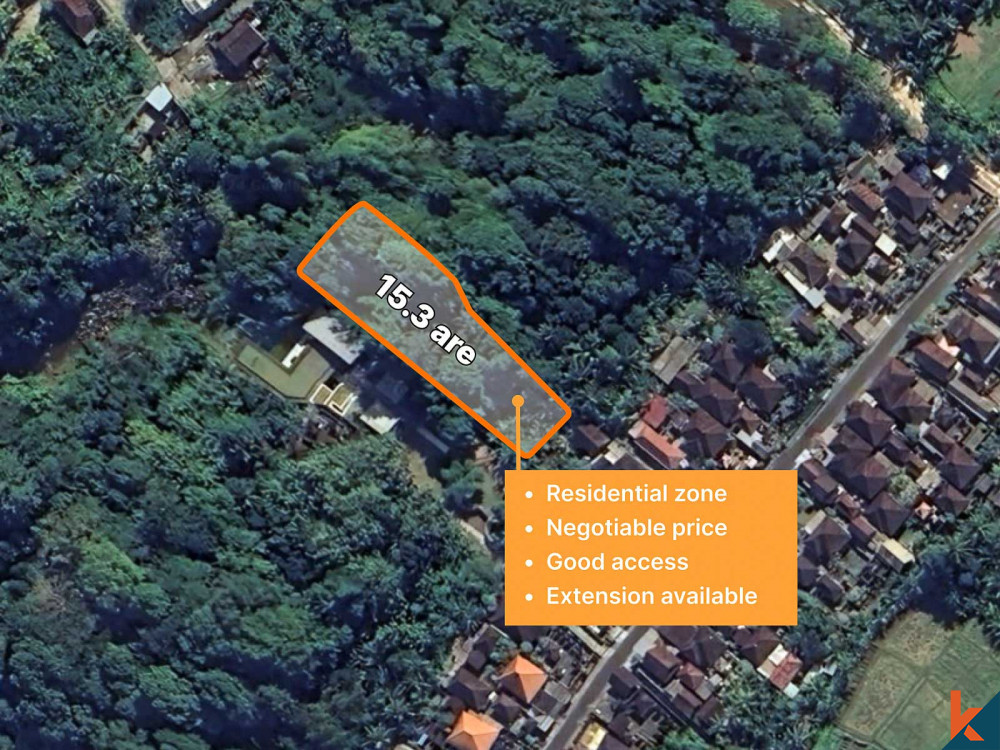
 2500 m²5 min$ 609606Bali, Kedungu
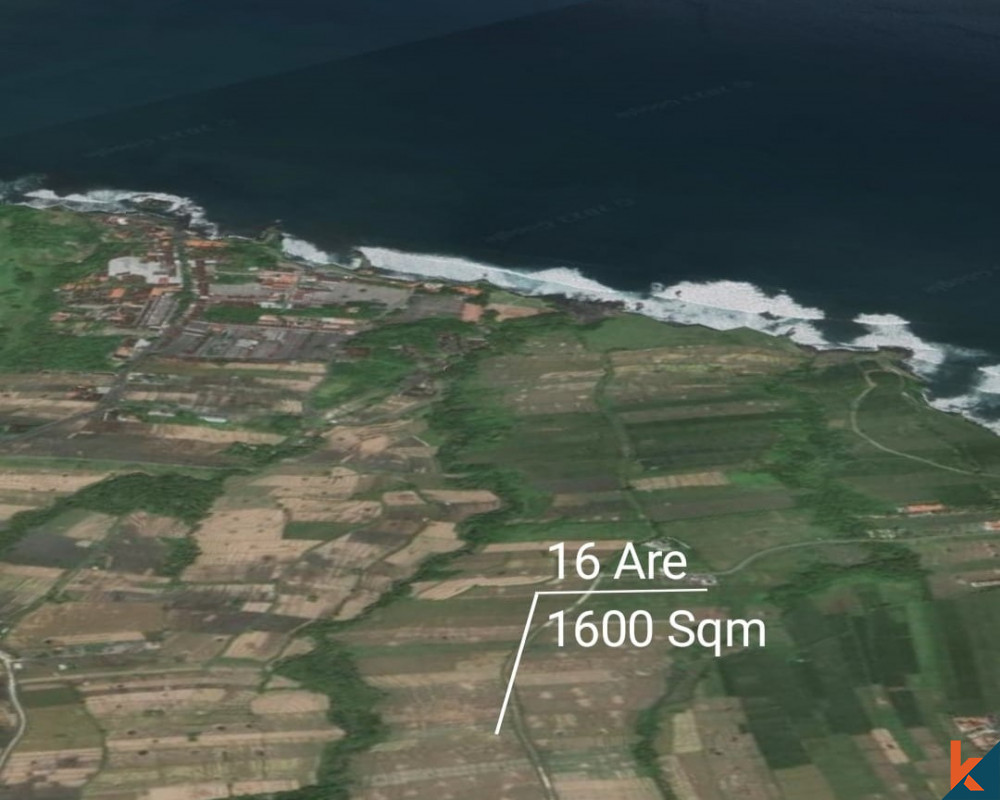
 1533 m²5 min$ 165666Bali, Cepaka
 1600 m²32 min$ 266010Bali, Tabanan
 1000 m²10 min$ 184729Bali, Kutuh South Bali
 2680 m²10 min$ 1732759Bali, Pererenan
 1300 m²10 min$ 348214Bali, Tabanan
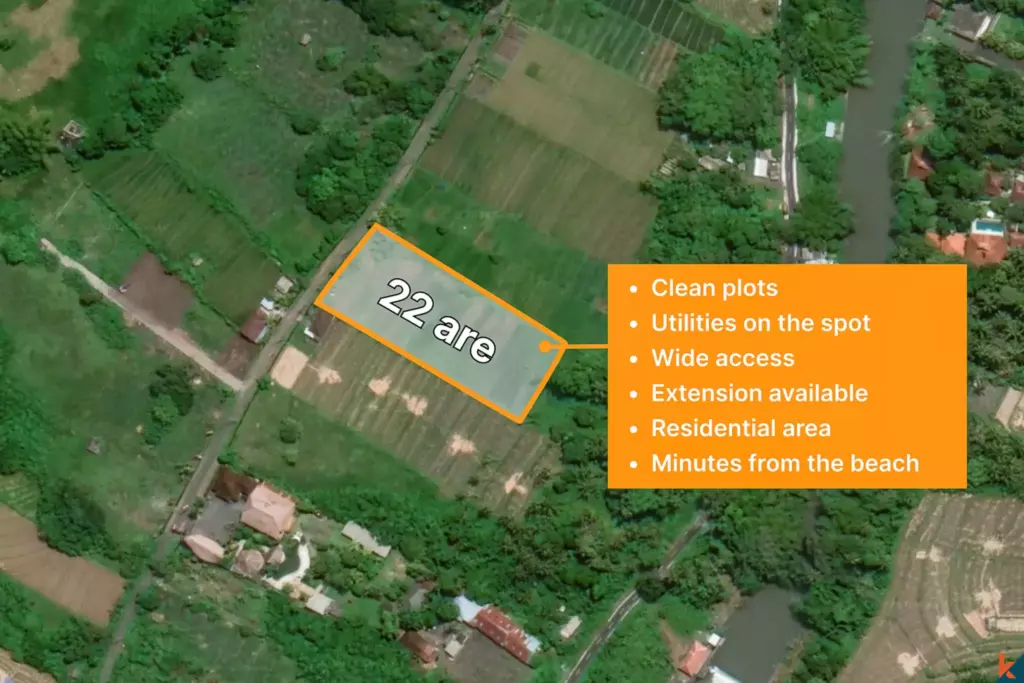 550 m²5 min$ 217629Bali, Tabanan
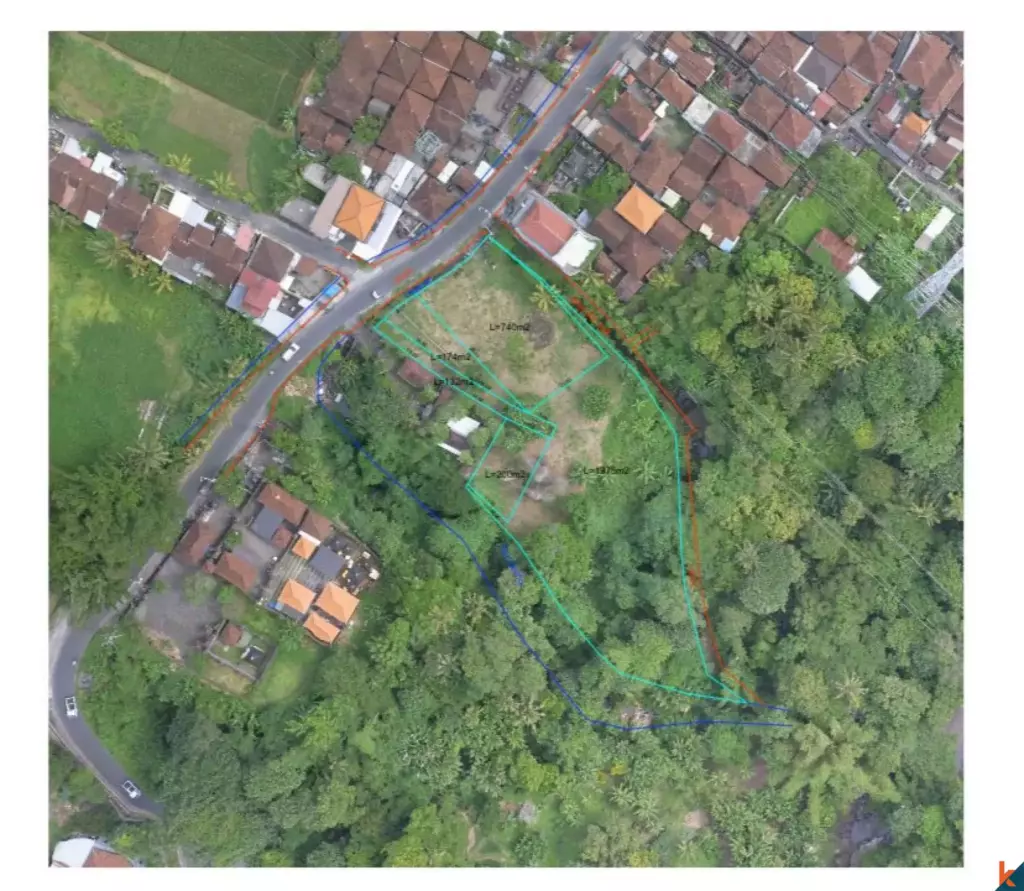 200 m²11 min$ 89286Bali, Tabanan
 6000 m²30 min$ 55419Bali, Tabanan
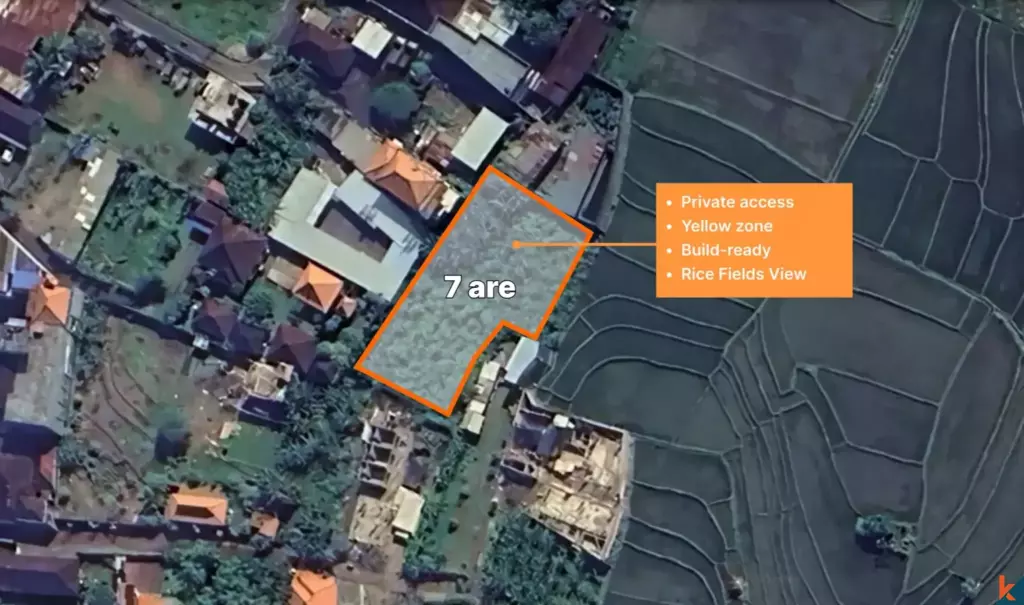 700 m²15 min$ 109052Bali, Buduk
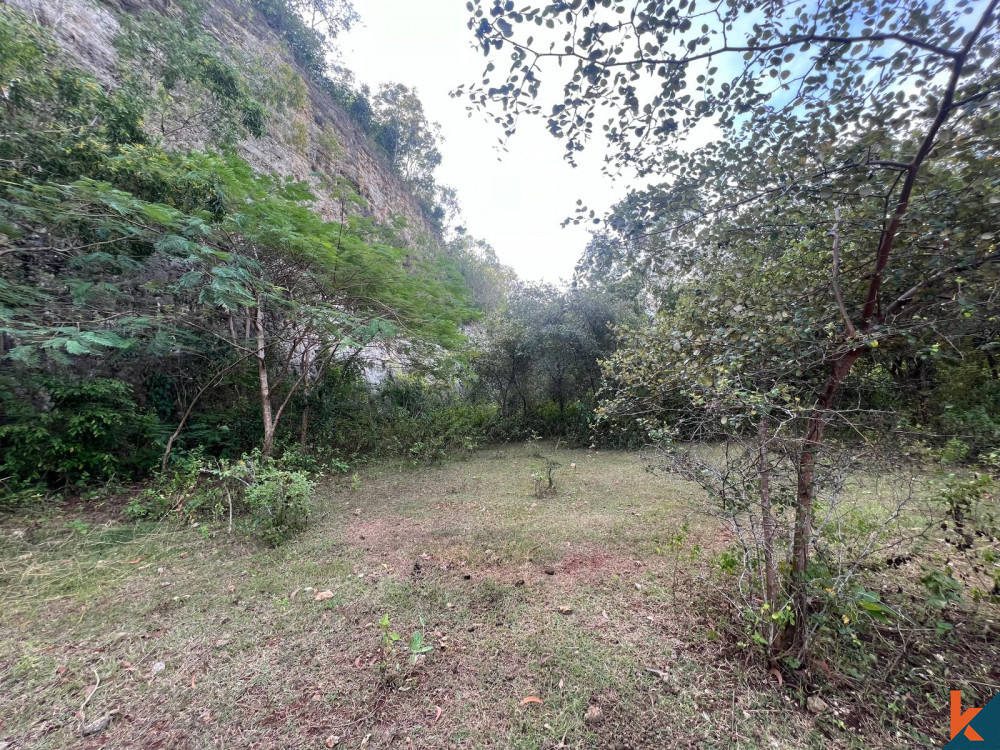 800 m²8 min$ 113300Bali, Ungasan
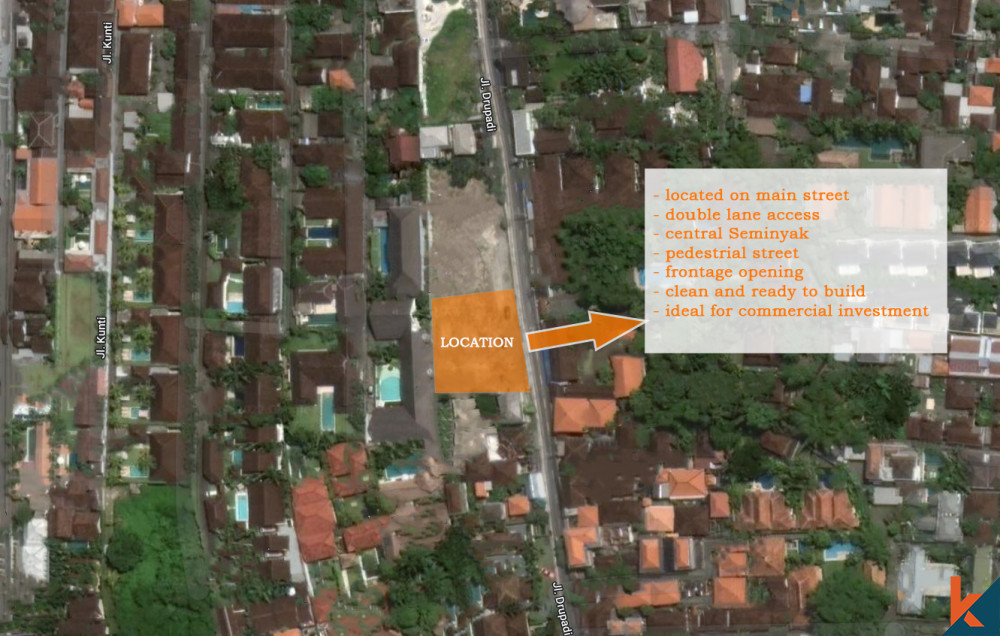 1000 m²5 min$ 350431Bali, Drupadi
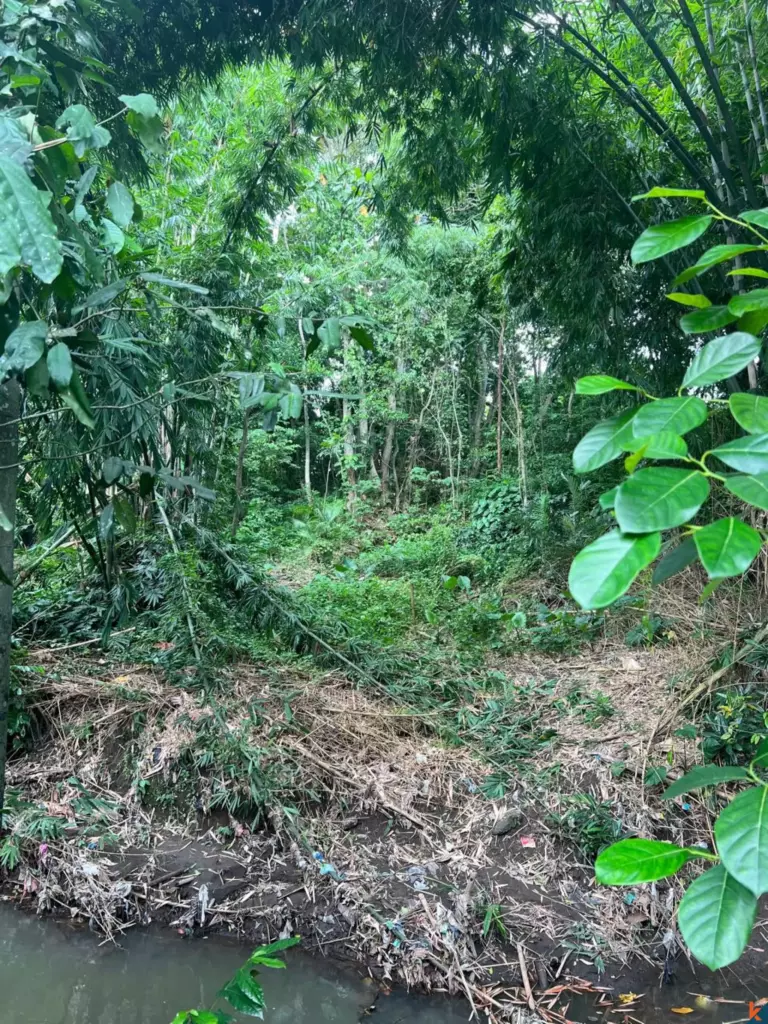 680 m²15 min$ 110751Bali, Pererenan
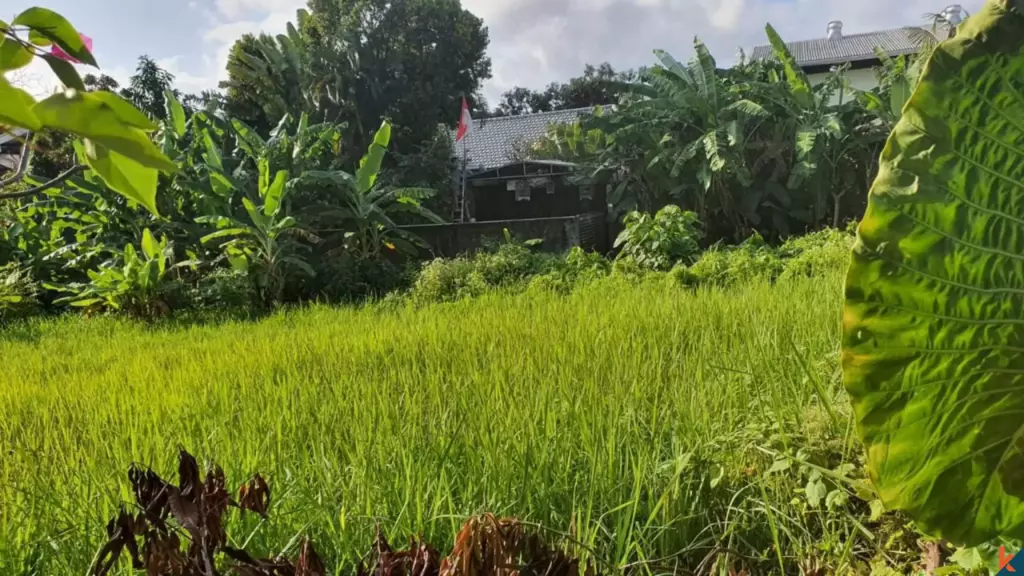 1000 m²10 min$ 230911Bali, Kerobokan
 220 m²2 min$ 66565Bali, Cemagi
Planning a build in Bali?
Get a feasibility view, budget range and timeline from Teville.
Related guides
Resin-Infused Plaster Finishes: Anti-Salt Systems Bali
Expert technical guide: Resin-Infused Plaster Finishes: Anti-Salt Systems Bali
8 min read
Prefinished Timber Joinery: Silicone Seals Fixings Bali
Professional prefinished timber joinery installation in Bali with silicone seals and fixings for durable weatherproof performance and a premium finish.
10 min read
Polished Concrete Microtopping: Surface Prep Sealants Bali
Discover Bali s polished concrete microtopping: expert surface prep, durable sealants, and a flawless finish for modern floors with minimal maintenance.
9 min read