Resin-Infused Plaster Finishes: Anti-Salt Systems Bali
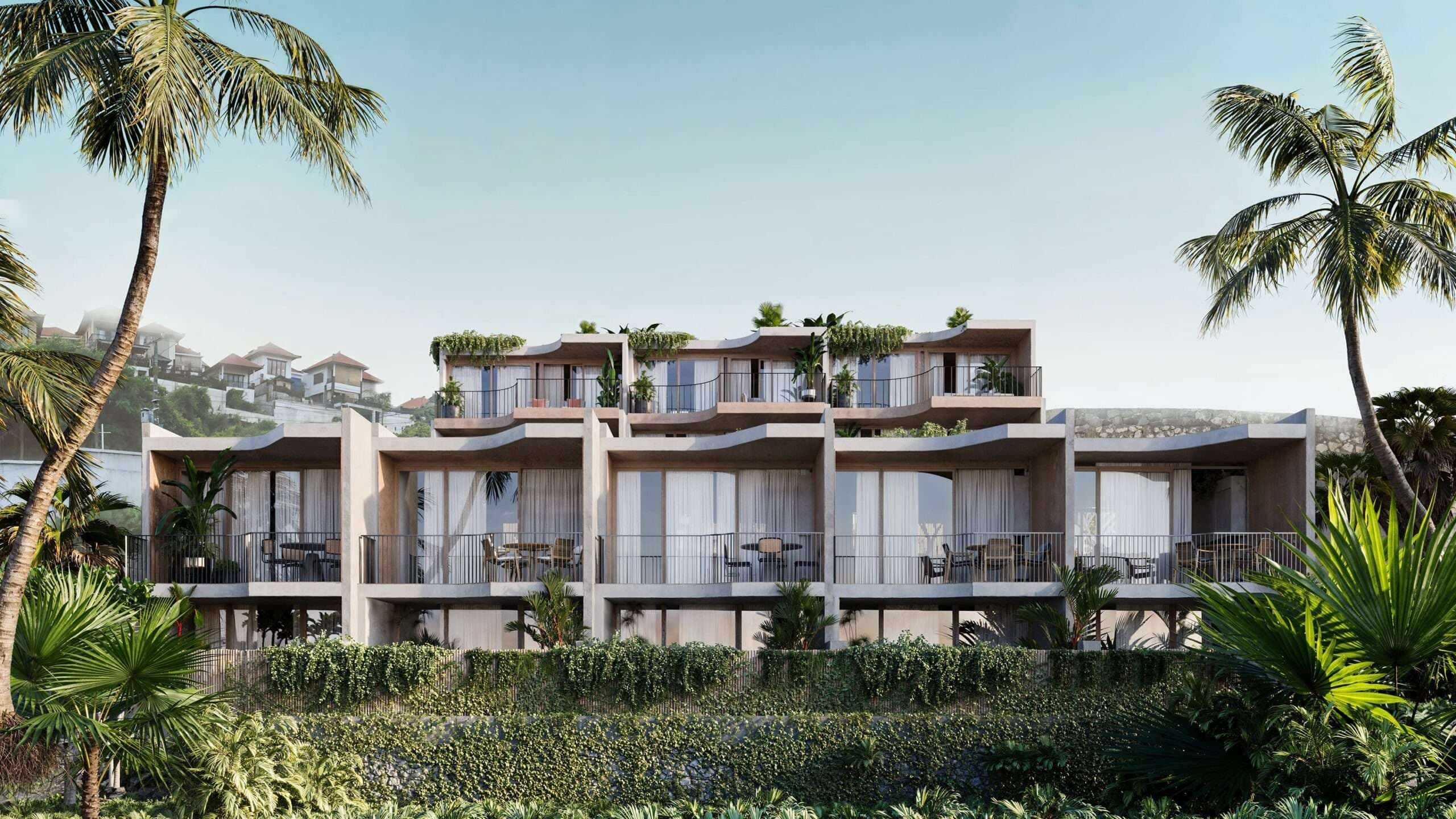
Resin-Infused Plaster Finishes: Anti-Salt Systems Bali
1. Specific Problem/Question
How do you deliver a smooth, crack-free, coastal-grade finish in Bali that resists salt attack, controls moisture, and still breathes? From Canggu to Uluwatu, villas sit in salt-laden air and often above saline groundwater. Traditional cement renders and paints accumulate salts, blister, and effloresce within months. Teville’s answer is a resin-infused, mineral plaster system engineered as an anti-salt envelope for both renovation and new Bali villa construction—balancing capillary control, vapor permeability, and mechanical durability, with detailing for furniture installation and villa utilities integration.
2. Technical Deep Dive: Why Resin-Infused Mineral Systems Work in Bali
Salt damage is a transport problem. In Bali’s tropical marine climate, wind-borne chlorides and capillary rise drive saline moisture into walls. When water evaporates, salts crystallize in pores, generating pressure that powders plaster, pops paint, and stains finishes. The solution is not to “trap” moisture with dense coatings; it is to manage moisture pathways while resisting capillary uptake and providing sacrificial storage where needed.
Resin-infused plaster finishes combine a mineral base (lime-cement or silicate-bound) with polymer dispersions and hydrophobics. The mineral matrix provides breathability and compatibility with masonry, while resin phases tune pore structure, increase flexural strength, reduce water absorption, and enhance bonding. Properly specified, the result is a finish that:
- Limits capillary suction: Resin-modified matrices and silane/siloxane treatment reduce liquid water ingress without sealing vapor.
- Maintains vapor permeability: Mineral binders with controlled resin content keep μ-values low to allow drying to both sides where feasible.
- Handles salt cycles: High-porosity under-renders can harbor crystallization; dense finish coats stay intact and cleanable.
- Improves cohesion and flexibility: Polymer modification elevates flexural strength and crack-bridging, key for coastal structures with thermal swings.
System architecture typically includes:
- Diagnostic phase: Mapping moisture and salt types (chloride, sulfate, nitrate) via conductivity and chloride strip tests to choose the correct renovation render and primer strategy.
- Desalination render or poultice: A high-porosity, vapor-open render acting as a temporary salt sink on heavily contaminated substrates.
- Bonding primer: Silane/siloxane penetrant on masonry; mineral/silicate primer on absorbent substrates; epoxy-cement slurry for structurally distressed concrete (EN 1504 context).
- Base render (renovation-grade): Lime-cement with macro-porosity to shelter salt crystallization, reinforced with alkali-resistant fiberglass mesh across stress zones.
- Resin-infused finish coat: A thin (2–4 mm) polymer-modified mineral plaster or microcement-like layer—troweled, float-finished, or lightly polished—balancing hardness with breathability.
- Topical hydrophobics or aliphatic PU sealers: Selected by zone—siloxane for breathability on façades; low-VOC, UV-stable PU for splash zones and high-wear interiors.
Substrate considerations for Bali:
- Cast concrete: Often high laitance; requires mechanical profiling. Where carbonation depth is low and chlorides present, use polymer-modified mineral repair mortars, then proceed with anti-salt stack.
- Clay brick/AAC: Highly absorbent; leverage silicate or mineral primer. For AAC, maintain lightweight anchors for furniture installation to avoid crushing, and detail back-ventilation for built-ins.
- Existing painted walls (renovation Bali): Remove compromised coatings fully; test vapor drive. If salts are active, employ desalination render stage before finish.
Detailing around villa utilities is crucial. Chases for conduits interrupt the capillary field; poorly filled chases become damp “stripes.” We specify polymer-modified repair mortars for chases, continuous mesh banding, and hydrophobic detailing around switch boxes. In wet areas and kitchens, transition the resin-infused plaster into a compatible waterproofing upturn, then over-finish to maintain texture continuity.
For interior finishing Bali with furniture installation, heavy cabinetry and headboards require reinforced zones: pre-mesh with higher weight AR fiberglass, embed plywood or steel inserts flush to render, and isolate fasteners from saline air using A2/A4 stainless or hot-dip galvanized hardware. Maintain a 5–10 mm back-ventilation gap behind large built-ins on exterior walls to prevent moisture trapping and salt bloom.
Climate controls during application matter more in Bali. Dew point is frequently near ambient. We enforce substrate temperature at least 3°C above dew point, RH below 85% if possible, and shaded work to avoid plastic shrinkage. Curing is slow and humid—beneficial for lime-cement hydration—but we control early wetting from coastal spray and overnight condensation with temporary membranes and airflow.
Finish aesthetics can match high-end microcement: fine aggregates and polymer modification enable tight trowel finishes, gentle burnishing, and integral mineral pigments. For façade zones, a slightly open texture plus siloxane provides the best anti-salt balance; for interiors, a satin two-pack aliphatic PU topcoat enhances stain resistance in kitchens and bathrooms while remaining compatible with the mineral base.
3. Materials & Standards
We select materials proven for tropical, saline contexts and align with widely accepted benchmarks:
- Desalination/sacrificial renders: High-porosity lime-cement with W/V permeability; targets: water vapor diffusion resistance μ per ISO 7783 in the “highly permeable” class.
- Primers: Silane/siloxane penetrants (hydrophobic, vapor-open); potassium silicate primers for mineral substrates; epoxy-cement slurries for structural concrete repair per EN 1504-3 context.
- Base renovation render: EN 998-1 CR (renovation) class where applicable; compressive class CS II–III for villas; capillary absorption ≤ 0.2 kg/m²·min^0.5 preferred.
- Resin-infused finish: Polymer-modified mineral plaster or microcement system; flexural strength ≥ 7 MPa, compressive ≥ 20 MPa; abrasion resistance per Taber where available.
- Reinforcement: Alkali-resistant fiberglass mesh 145–160 g/m²; corner beads in PVC or stainless for coastal conditions.
- Topcoats: Siloxane cream/silane treatment for façades; low-VOC, UV-stable aliphatic PU for interiors; water vapor transmission per ASTM E96 favoring Class III permeable or better where drying is needed.
- Hardware/fasteners: A2/A4 stainless for coastal exposure; EPDM gaskets at fixings to avoid galvanic staining.
While Indonesia lacks a single harmonized anti-salt finish code, Teville references EN 998-1 (renders), EN 1504 (concrete repair products and systems), ISO 7783 (vapor permeability), ASTM E96 (water vapor transmission), and manufacturer specifications for tropical deployment. Our internal QA integrates salt content thresholds (chloride screen tests) and in-situ moisture metrics to release each layer.
Environmental and indoor air quality: we prioritize mineral systems with low VOC primers and topcoats. Where resin is used, we select dispersions and hardeners suitable for high humidity cure and with UV-stabilized chemistry for Bali sunlight.
4. Step-by-Step Process
Teville’s controlled sequence minimizes callbacks and ensures durability in Bali’s marine climate.
- 1) Survey and diagnostics: Moisture mapping (carbide or capacitance), infrared scan for hidden damp, chloride/nitrate strip testing, and efflorescence assessment. Document façade orientations; Canggu, Berawa, and Uluwatu typically see higher salt spray than Ubud or Tegalalang—this Bali area guide informs layer choices.
- 2) Source control: Improve site drainage, add capillary breaks at plinths (damp-proof course if feasible), and verify roof/flashings. No finish layer compensates for missing basics.
- 3) Removal and cleaning: Strip failing paint/render to a sound substrate. Mechanical keying (CSP 3–5) on concrete; soft-water washing; biocide where algae is present; neutralize, then dry.
- 4) Desalination phase (if required): Apply sacrificial render 15–20 mm or cellulose poultice. Allow 2–6 weeks; replace if salt load remains high. Proceed when efflorescence slows and spot tests drop.
- 5) Priming: Silane/siloxane penetrant on masonry; silicate primer on mineral, highly absorbent surfaces; epoxy-cement bonding slurry only for distressed concrete patches or where EN 1504 repair interfaces exist.
- 6) Base renovation render: 10–15 mm in two passes, embedded AR fiberglass mesh mid-depth, with 100–150 mm lapping. Form movement joints to align with structural breaks. Float to key.
- 7) Curing and checks: Keep shaded and humid for 3–5 days; achieve moisture below 6% MC (surface) or per supplier spec before finishing. Ensure substrate temperature is ≥3°C above dew point during application windows.
- 8) Resin-infused finish coat: Apply 2–4 mm in 2–3 tight trowel passes. Control trowel heat to avoid burn marks in humid air. Where microcement-like surfaces are specified, sand between coats (P120–P180) and close pores progressively.
- 9) Utilities and chases: Before finishing, cut and fill chases with polymer-modified mortar; re-mesh 200 mm band over chases. Seal around outlets with elastic mineral sealant. For villa utilities penetrations (AC linesets, water pipes), install sleeves and slope outward to shed condensate.
- 10) Wet area transitions: Tie the finish into waterproof membranes at showers and backsplashes with a 50–100 mm overlap, then over-finish with the same resin-mineral coat for visual continuity.
- 11) Furniture installation interfaces: Pre-mark fixing lines; embed backing plates at render stage where heavy cabinetry is planned. After curing, use stainless anchors; seal penetrations with elastomeric sealant to avoid salt-laden air pumping through holes.
- 12) Topcoat selection: Façades—apply siloxane cream or breathable silicate paint glaze. Interiors—apply 1–2 coats aliphatic PU (matte/satin) with recoat windows respected. Verify permeability where walls must dry to interior.
- 13) Commissioning and handover: Record salt/moisture readings, layer batch data, and maintenance guidance. Schedule a 6–12 month inspection post-monsoon.
Quality gates include pull-off adhesion tests (≥1.0 MPa to base render; ≥1.5 MPa to concrete patches), WVT checks by spec, and visual tolerance for trowel-finished planes. Our construction process embeds these hold points, and representative casework can be reviewed in our portfolio and villa projects.
5. Costs & Timeline
Indicative ranges in Bali (complexity-, access-, and area-dependent; materials imported/local blends):
- Diagnostics and desalination: IDR 120,000–250,000/m² (testing plus 1–2 sacrificial cycles where needed).
- Base renovation render with mesh: IDR 260,000–450,000/m² (10–15 mm, AR mesh, primers).
- Resin-infused finish (2–4 mm): IDR 450,000–1,100,000/m² (texture, pigmenting, sanding passes).
- Topcoats: Siloxane/silicate IDR 90,000–180,000/m²; aliphatic PU IDR 160,000–320,000/m².
- Detailing premiums: Complex utilities, curved surfaces, heavy furniture backers: +10–20%.
Timelines assume coastal humidity management and proper curing:
- Apartment/room renovation (40–80 m² wall area): 10–14 working days net, plus 7–10 days cure/conditioning.
- Villa façade zone (200–400 m²): 3–5 weeks including desalination cycles and weather downtime.
- Full villa interiors (600–1,000 m² walls/ceilings): 6–10 weeks staged with other trades and furniture installation sequencing.
For planning and allowances aligned to your scope, use our Before finalizing your finishing works plan, check realistic cost ranges for your Bali villa project.
Available lands
 1200 m²2 min$ 155172Bali, Klungkung
 2000 m²15 min$ 523000Bali, Canggu
 1000 m²5 min$ 350431Bali, Drupadi
 2680 m²10 min$ 1732759Bali, Pererenan
 444 m²10 min$ 111000Bali, Tabanan
 7900 m²25 min$ 413485Bali, Tabanan
 1700 m²10 min$ 632257Bali, Kuta
 5815 m²5 min$ 815740Bali, Tabanan
 200 m²5 min$ 59113Bali, Bukit
 1410 m²15 min$ 390702Bali, Tabanan
 2850 m²15 min$ 315887Bali, Tabanan
 1000 m²10 min$ 184729Bali, Kutuh South Bali
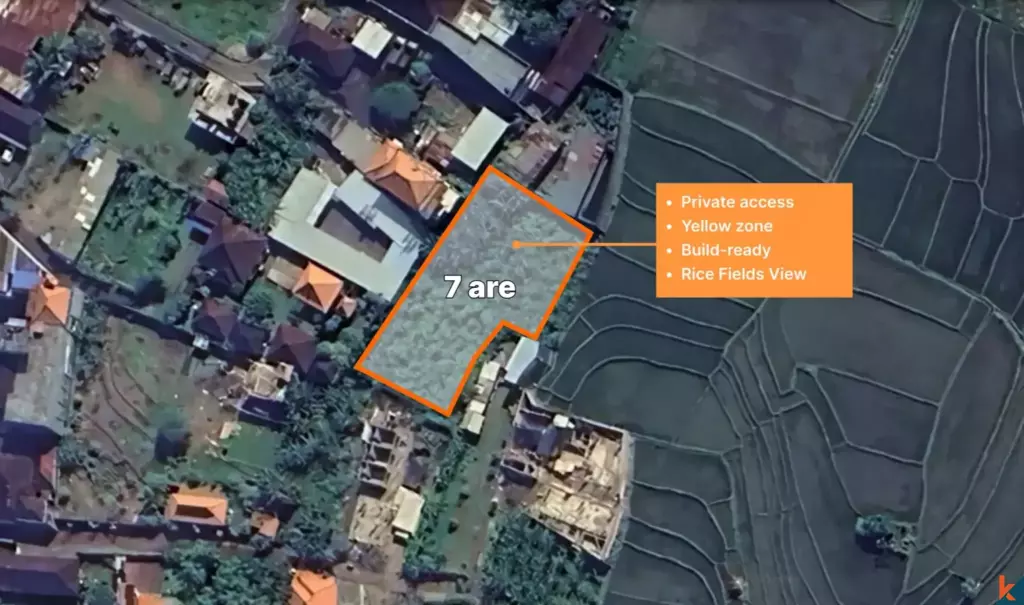 700 m²15 min$ 109052Bali, Buduk
 911 m²15 min$ 248217Bali, Pererenan
 1000 m²10 min$ 280788Bali, Pecatu
Planning a build in Bali?
Get a feasibility view, budget range and timeline from Teville.
Related guides
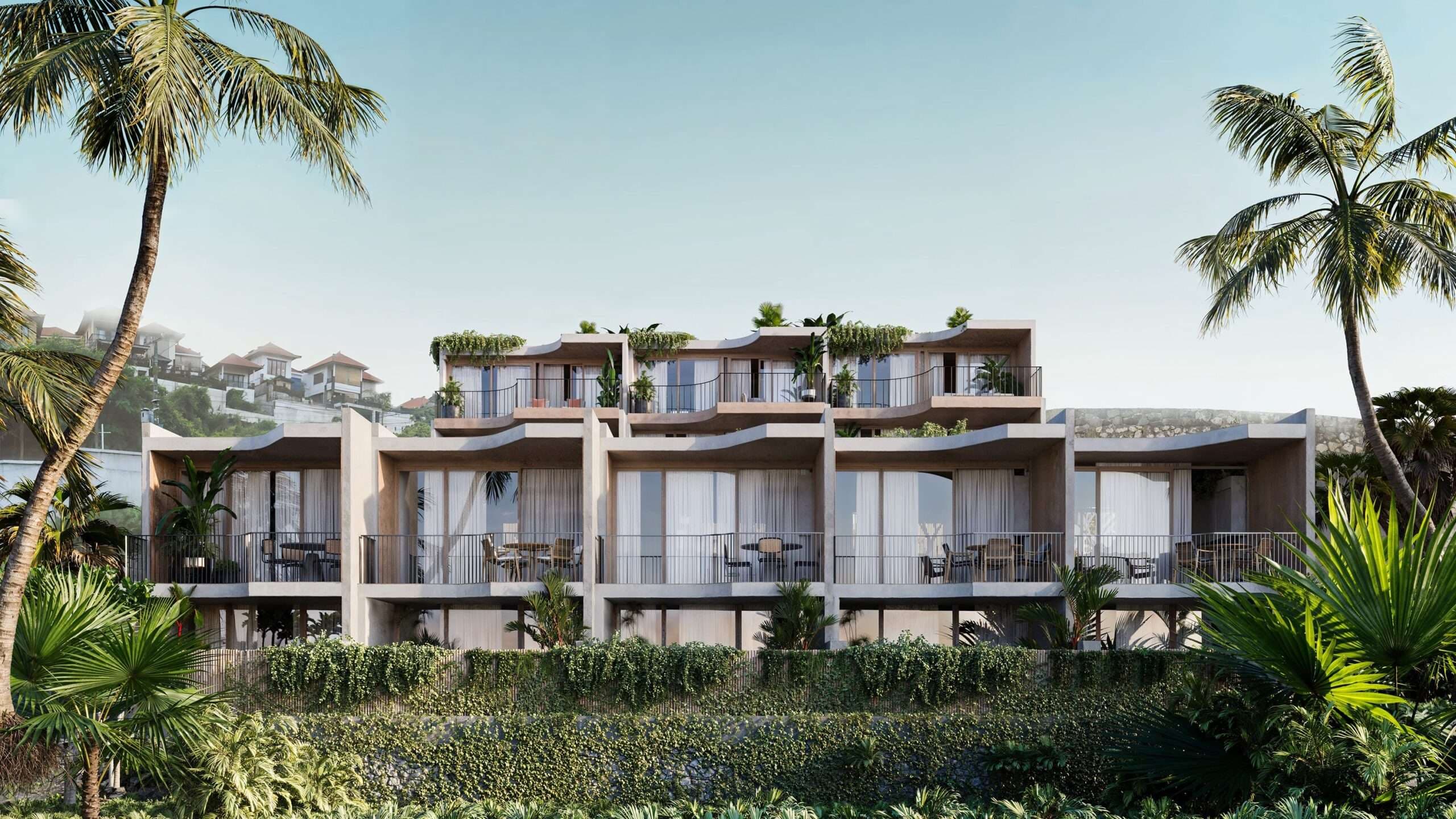
Marine-Grade Fixings for Bali Joinery: Corrosion Protocols
Explore marine-grade fixings and corrosion protocols for Bali coast joinery. Learn materials, maintenance tips, and best practices to extend timber durability.
10 min read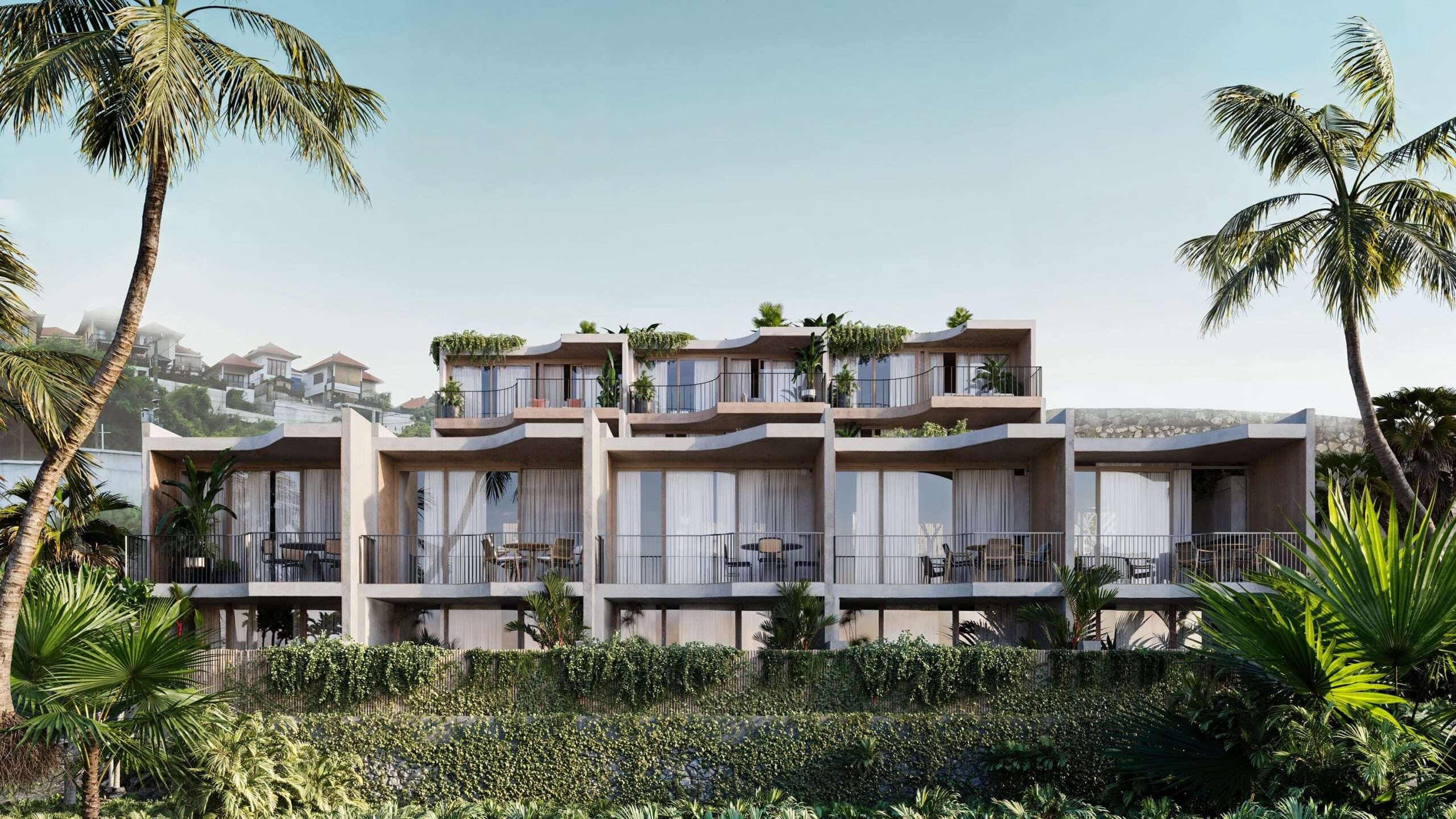
Prefinished Timber Joinery: Silicone Seals Fixings Bali
Professional prefinished timber joinery installation in Bali with silicone seals and fixings for durable weatherproof performance and a premium finish.
10 min read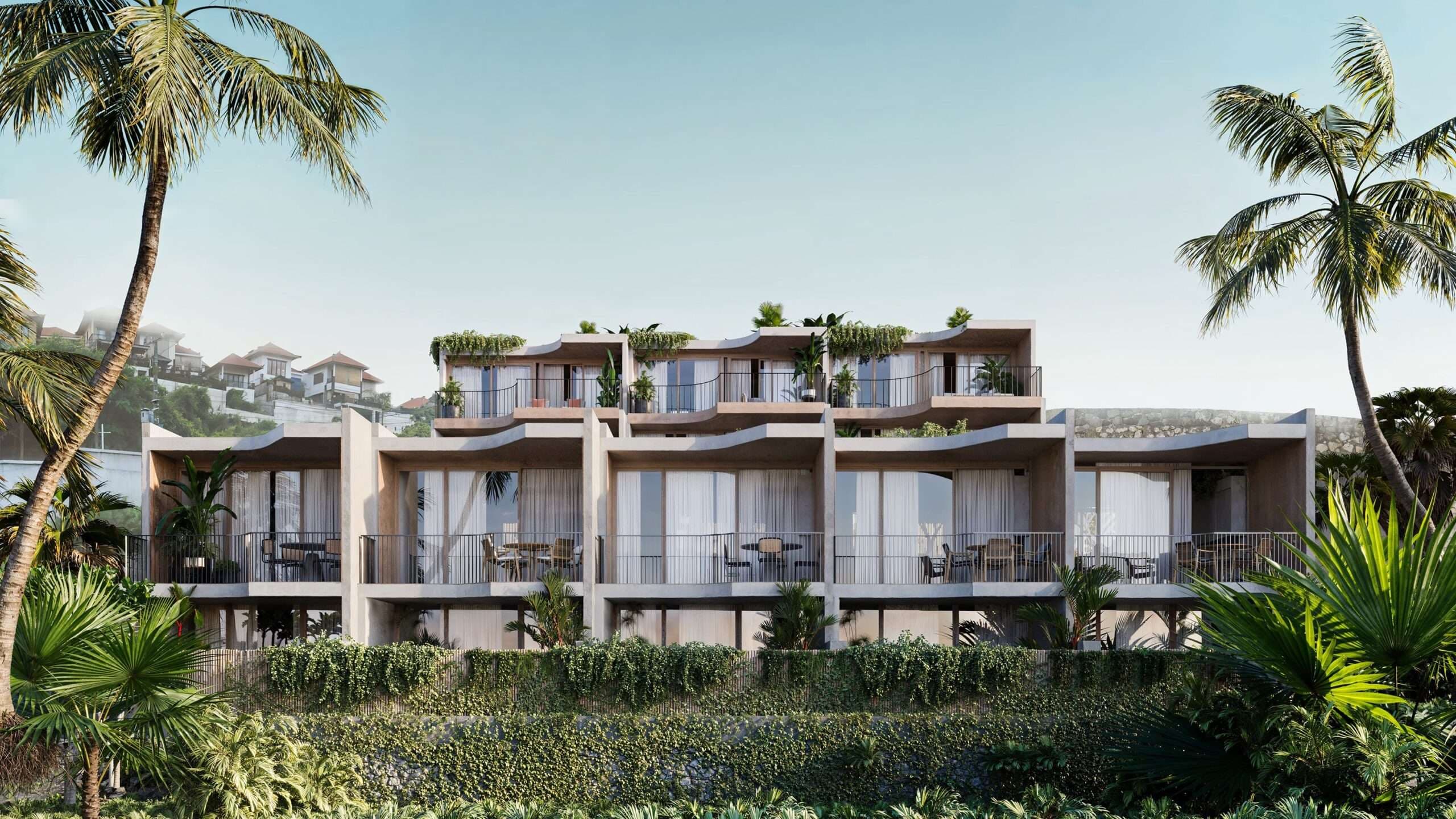
Polished Concrete Microtopping: Surface Prep Sealants Bali
Discover Bali s polished concrete microtopping: expert surface prep, durable sealants, and a flawless finish for modern floors with minimal maintenance.
9 min read