Prefinished Timber Joinery: Silicone Seals Fixings Bali
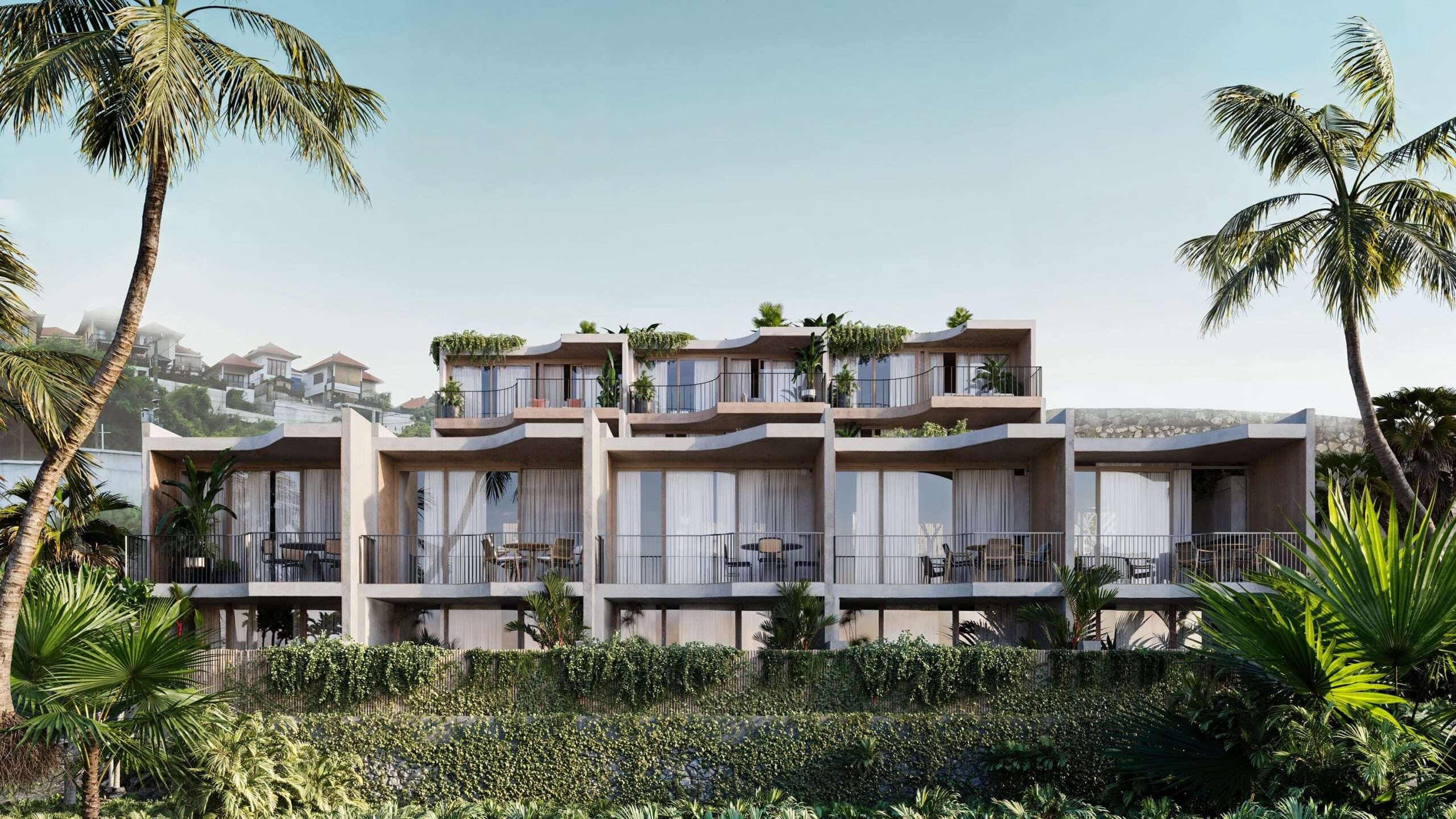
Prefinished Timber Joinery Installation: Silicone Seals & Fixings in Bali
1) Specific Problem/Question
How do you install prefinished timber joinery in Bali so it stays tight, quiet, and watertight in a hot, humid, salt-laden climate? The challenge is avoiding damage to factory finishes while achieving durable joints, clean silicone lines, and corrosion-proof fixings. In renovation Bali scenarios and new Bali villa construction alike, many failures trace to the last 5%—silicone seals and fixings. This guide details Teville’s finishing protocol for wardrobes, doors, vanity units, kitchens, windows, and built-ins to deliver long-term performance without compromising aesthetics.
2) Technical Deep Dive: What “good” looks like in Bali
Climate loads define the detailing. Bali’s ambient RH frequently sits at 70–95% with daily temperature swings, micro-condensation in air-conditioned interiors, and salt aerosol near the coast. Timber wants to move; finishes want to stay pristine; fasteners want to corrode. Our objective is a resilient interface design: allow micro-movement, prevent capillary water ingress, isolate dissimilar materials, and protect prefinished surfaces.
Prefinished surfaces need non-destructive handling. Factory-finished timber (UV-oiled, PU-lacquered, melamine, veneer) arrives ready to install; sanding is not an option. We protect faces with low-tack masking films and use padded cradles. Any trimming is constrained to concealed edges, then sealed immediately with end-grain sealer to avoid moisture wicking.
Movement management. For interior finishing Bali, we design expansion gaps at three scales:
- Component gaps (0.5–1.0 mm) at hinge and slide lines for quiet operation.
- Perimeter gaps (3–6 mm) around carcasses and frames to walls/ceilings, sealed with low-modulus silicone and a backer rod where width ≥6 mm.
- Service penetrations (2–4 mm) around plumbing/electrical to avoid rigid lock-in, finished with mildew-resistant silicone compatible with the finish.
Silicone selection. In renovation Bali projects, acetoxy silicones can stain metals and etch cement-based substrates. We standardize on neutral-cure architectural-grade silicone (ASTM C920 or ISO 11600 compliant) with fungal resistance for wet areas. On oil-finished timber, we verify adhesion with a solvent wipe test and primer when manufacturer specifies. Color-matched silicones (translucent, warm white, teak, charcoal) make joints disappear.
Joint design. Durable silicone needs correct geometry: width-to-depth ratio near 2:1 with a bond-breaker/backer rod to prevent three-sided adhesion. Bite thickness is controlled (typically 3–6 mm) to absorb movement without cohesive failure. In Bali’s humidity, skim time shortens; we tool within 2–4 minutes with a non-staining tooling fluid (or dry tooling) to protect the finish.
Fixings that survive Bali. We specify ISO 3506 stainless steel (A2/304 interior; A4/316 coastal/exposed) or coated carbon steel with proven salt-spray performance. Head types: Torx or square drive to avoid cam-out on delicate edges. Pilot holes and countersinks are mandatory; confirmat screws for engineered boards; hidden brackets/plates where loads dictate. Avoid direct contact of stainless with wet concrete or dissimilar metals—use nylon isolators.
Substrate reality check. Villas often have out-of-plumb walls and hollow plaster finishes. We use scribe fillers, adjustable hanging rails, and packers in high-density PVC or hardwood (sealed on all sides) to bridge to structure. Adhesives: low-VOC construction adhesive compatible with PU/UV finishes; never use expanding foams against prefinished faces.
Interfaces that matter.
- Wet zones (vanities, kitchens, window stools): Neutral-cure, fungicide silicone with continuous capillary break under stone or solid surface, and sealed end grain at cutouts.
- Doors/windows: Perimeter compression seals and precise threshold detailing; silicone as secondary weather seal, not the only barrier.
- Furniture installation against AC supply walls: Vapor barrier or standoff cavity to avoid condensation; ventilated plinths.
Acclimatization. Prefinished timber should stabilize to 8–12% MC for interiors. We stage material in conditioned rooms 48–72 hours pre-install. Rapid installation off a hot truck into a chilled bedroom is a warp risk—and a warranty issue.
Quality control. We test sample beads on offcuts, cross-hatch adhesion after cure, and salt-mist spot checks for hardware. For high-spec doors, we bench-fit perimeter seals and latch strike to certify 2–3 mm uniform margins, then transfer settings on site.
Teville’s finishing teams coordinate with villa utilities (MEP) so penetrations are pre-positioned, enabling clean collars and sleeves, not on-the-fly cuts that compromise finishes. See how we sequence work in our Construction Process.
3) Materials & Standards
Timber and boards
- Solid hardwoods and engineered veneer fronts; moisture content 8–12% for AC interiors, up to 14% in naturally ventilated spaces.
- Engineered boards (ply, MDF-HMR, blockboard) with sealed edges; use D3/D4 glue lines in wet-prone areas (per EN 204 classification).
Finishes
- UV oils and hardwaxes: allow micro-repair, need adhesion checks for silicone; avoid solvent-laden cleaners before sealing.
- PU/AC lacquer: robust but requires neutral-cure silicone to prevent edge staining; mask aggressively to protect sheen.
- Laminates/melamine: good dimensional stability; confirm silicone primer requirements for low-energy surfaces.
Silicones
- Neutral-cure, low-modulus sealant, ISO 11600 F/G 25LM or ASTM C920 Class 25 for movement accommodation.
- Mildew-resistant (sanitary grade) for bathrooms/kitchens; color-matched options for premium joinery lines.
- Closed-cell PE backer rods sized 25–30% oversize to ensure lateral pressure and correct depth control.
Fixings & hardware
- ISO 3506 stainless screws: A2/304 interior; A4/316 coastal or semi-exterior exposures.
- Confirmat screws for chipboard/particleboard carcasses; Euro hinges and soft-close slides with corrosion-resistant coatings.
- Concealed steel brackets with isolators; nylon anchors in brittle masonry; chemical anchors where loads are high.
Ancillary materials
- Isopropyl alcohol (IPA 70–90%) for final cleaning; lint-free wipes.
- Low-tack painter’s tape, edge protectors, and felt pads; end-grain sealers; non-staining tooling agent.
Applicable guidance (use manufacturer instructions as the controlling document):
- ASTM C920 / ISO 11600 for silicone performance and movement class.
- EN 204 (D3/D4) for adhesives in moisture exposure.
- ISO 3506 for stainless fasteners selection.
- Local codes and supplier datasheets in Indonesia; coordinate with project specifications and warranty terms.
Explore Teville’s executed details across Bali villa construction in our Portfolio and Villa Projects.
4) Step-by-Step Process (Teville Method)
1. Site survey and measurement
- Laser-scan openings and wall planes; record plumb/flatness deviations and service points.
- Confirm AC strategy and proximity to exterior walls to anticipate condensation paths.
2. Acclimatization and staging
- Store joinery in conditioned area; unwrap on breathable racks; log temperature/RH and timber MC.
- Apply protective films to prefinished faces and edges immediately after inspection.
3. Dry fit and templating
- Mock up cabinets/frames; scribe filler panels to walls/ceilings; pre-drill pilot holes and countersinks.
- Pre-assemble doors/drawers; verify margins and hardware action; adjust slides/hinges on bench.
4. Substrate preparation
- Locate structure with detectors; install packers to bring mounting plane true and square.
- Seal packers and raw cut edges; install isolation tape over fragile finishes before fixings are driven.
5. Fixings installation
- Use A2/A4 stainless screws sized to bite into structure by ≥30 mm; torque by hand for the last quarter-turn to avoid crush marks.
- Hidden brackets used for heavy stones or floating benches; verify load paths; add anti-lift screws where needed.
6. Service coordination
- Pre-drill neat collars for plumbing/electrical; maintain 2–4 mm annulus for silicone; label circuits; pressure-test before closing.
- In furniture installation near wet zones, install drip trays and vent slots at plinths.
7. Silicone sealing
- Mask edges with low-tack tape; install backer rod where joint ≥6 mm; wipe with IPA; allow flash-off.
- Gun neutral-cure silicone continuously; avoid starts/stops at sight lines; tool within 2–4 minutes to slight concave profile.
- Remove tape immediately; protect from dust and water for 24 hours; full cure typically within 24–48 hours in Bali humidity.
8. Door/window perimeter seals
- Fit compressible perimeter seals to frames; ensure latch side compression 2–3 mm; tune hinges to avoid rattle.
- Use silicone as secondary seal at frame-to-wall; maintain expansion gap under thresholds above wet floors.
9. QA and documentation
- Adhesion pull tests on sacrificial beads; verify joint width/depth; record silicone batch and cure dates.
- Salt-spray rated hardware documented; photo record concealed fixings; compile O&M manual.
10. Handover and maintenance
- Client walkthrough: demonstrate cleaning, re-caulking intervals (2–5 years wet zones), and hinge/slide tuning.
- Schedule first-year inspection to catch settlement or seasonal movement.
For complex renovations Bali, this sequence reduces rework and protects finishes while trades overlap. Our finishing foreman locks the sealant works behind dust control and prior to final clean to guarantee blemish-free beads.
5) Costs & Timeline (Indicative)
Every project’s geometry and access vary; below are typical ranges for interior finishing Bali work. These do not constitute a quote; use our Cost Estimation to receive a project-specific budget and program.
- Silicone sealing to joinery per linear meter: IDR 60,000–140,000 (neutral-cure, masked, tooled, color-matched where available).
- Wet-area sanitary silicone per linear meter: IDR 80,000–180,000 (fungal-resistant, backer rod as required).
- Perimeter frame-to-wall sealing (doors/windows): IDR 120,000–250,000 per linear meter including backer rod and primer if specified.
- Fixings and concealed bracket installation: IDR 200,000–450,000 per point depending on load class and substrate.
- Hardware upgrade (A4/316 coastal spec): +10–25% over A2/304.
Timeline
- Acclimatization: 2–3 days typical.
- Wardrobe set (3–4 m run): 1–2 days install + 0.5 day sealing/QA.
- Kitchen (6–8 m run, without stone): 3–5 days install + 1 day sealing/QA; add 1–2 days after benchtop install for final seals.
- Door set (frame, leaf, seals): 2–4 hours each after frames are set true.
Programs integrate with villa utilities, stone templating, and appliance commissioning. Weather and coastal logistics can extend lead times; we buffer cure periods for high humidity.
6) FAQ: Prefinished Timber Joinery, Silicone Seals & Fixings in Bali
Q1. Why neutral-cure silicone for timber?
Neutral-cure avoids acetic acid off-gassing that can corrode metals and stain mineral substrates. It adheres better to coated timber and laminates, with less risk of edge discoloration.
Q2. Will silicone stick to oil-finished wood?
Yes, with the right product and surface prep. We perform IPA wipe, ensure no fresh oil residue, and use primers if the manufacturer requires. Always bead-test on an offcut first.
Q3. What about mould growth on silicone?
Use sanitary-grade silicone with fungicides in bathrooms/kitchens, maintain ventilation, and avoid harsh cleaners that abrade the surface. Replace beads proactively every 2–5 years in wet zones.
Q4. Can I use acetoxy silicone anywhere?
We avoid it near metals, cement-based grout, and delicate finishes. It can be acceptable for certain glass-to-glass joints away from metal, but neutral-cure is our default in Bali villas.
Q5. Which screws are best near the coast?
A4/316 stainless offers superior pitting resistance in salt air. For interior concealed areas further inland, A2/304 is typically sufficient. Always isolate from wet concrete and dissimilar metals.
Q6. Do you seal the bottom edges of panels?
Yes. All cut ends and edges, especially at sink and floor interfaces, are sealed with end-grain sealer and/or silicone to block capillary uptake.
Q7. How big should the gap be for silicone?
Most perimeter joints perform best at 3–6 mm width. We maintain a 2:1 width-to-depth ratio using backer rod; too deep leads to failure, too shallow cannot absorb movement.
Q8. Can we install joinery before MEP rough-in?
No. Coordinate with villa utilities first. Penetrations created after install often chip finishes and force oversized seals. Teville sequences MEP, plaster, prime, then joinery and sealing.
Q9. Will stainless screws stain timber?
Not if you use genuine stainless and avoid contact with wet cement or pool chemicals. Black streaks usually come from carbon steel contamination or acidic cleaners.
Q10. How do you keep silicone lines crisp?
Low-tack masking, consistent bead pressure, immediate tooling, and clean t
 3173 m²6 month(s)from 125.000 USD
TALA FOUR
 172 m²8 month(s)from 120.000 USD
Keshava
 3104 m²11 month(s)from 99.000 USD
TALA 100
 3124 m²6 month(s)from 123.000 USD
TALA 8
 2144 m²11 month(s)from 104.000 USD
Narayana
 1from 198.000 USD
Private: Haridas Villas
 164 m²7 month(s)from 79.000 USD
Private: Haridas Villas, Tegallalang
 3180 m²7 month(s)from 142.000 USD
Vasudeva
 4344 m²16 month(s)from 290.000 USD
Radha
 3127 m²9 month(s)from 177.000 USD
Mukunda
164 m²7 month(s)from 79.000 USDTALA TWO

Want to calculate?
Start With Real Numbers, Not Guesses
Before finalizing your finishing works plan, check realistic cost ranges for your Bali villa project.
Available lands
 220 m²2 min$ 66565Bali, Cemagi
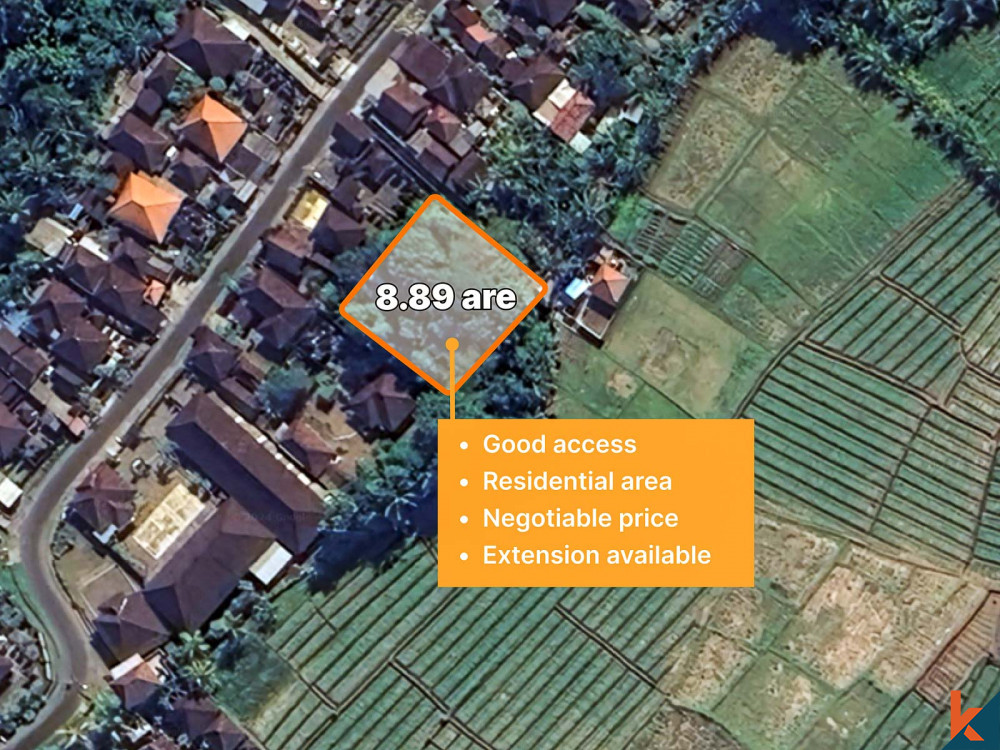 889 m²15 min$ 145612Bali, Cepaka
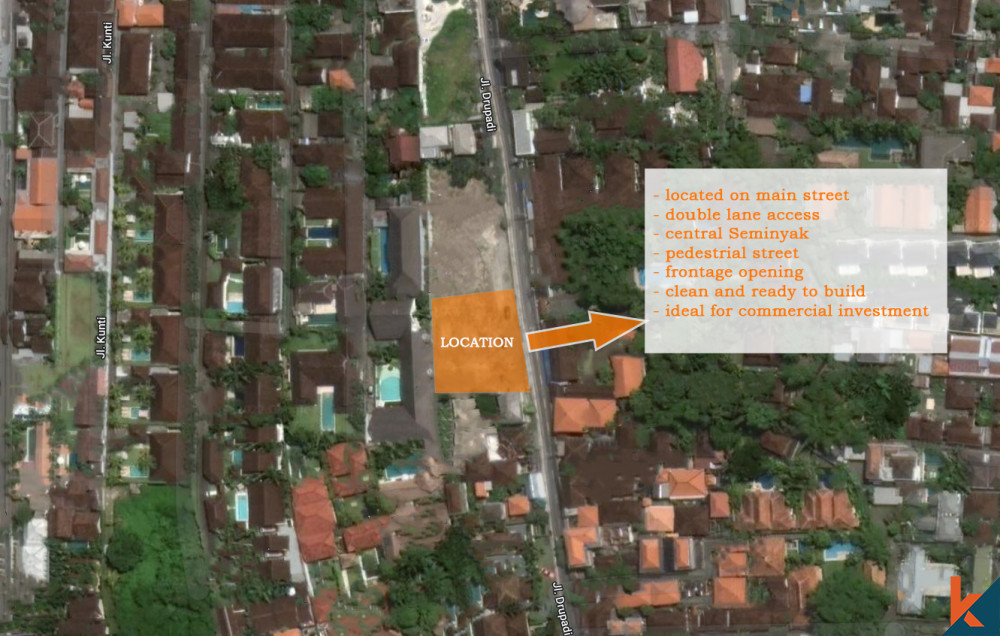 1000 m²5 min$ 350431Bali, Drupadi
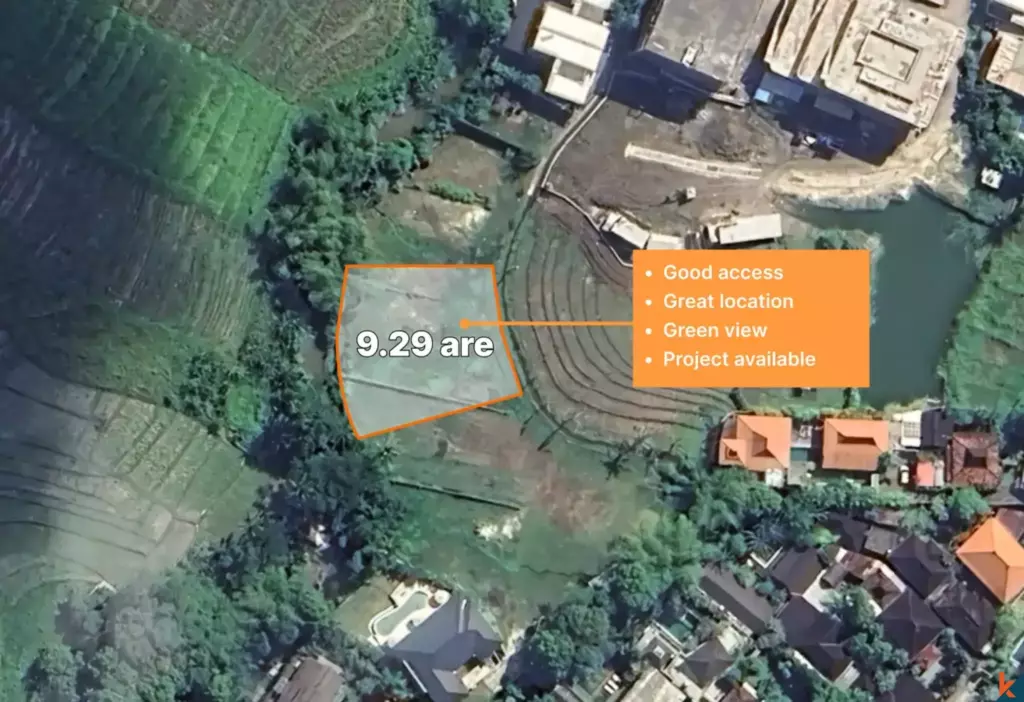 928 m²15 min$ 910123Bali, Pererenan
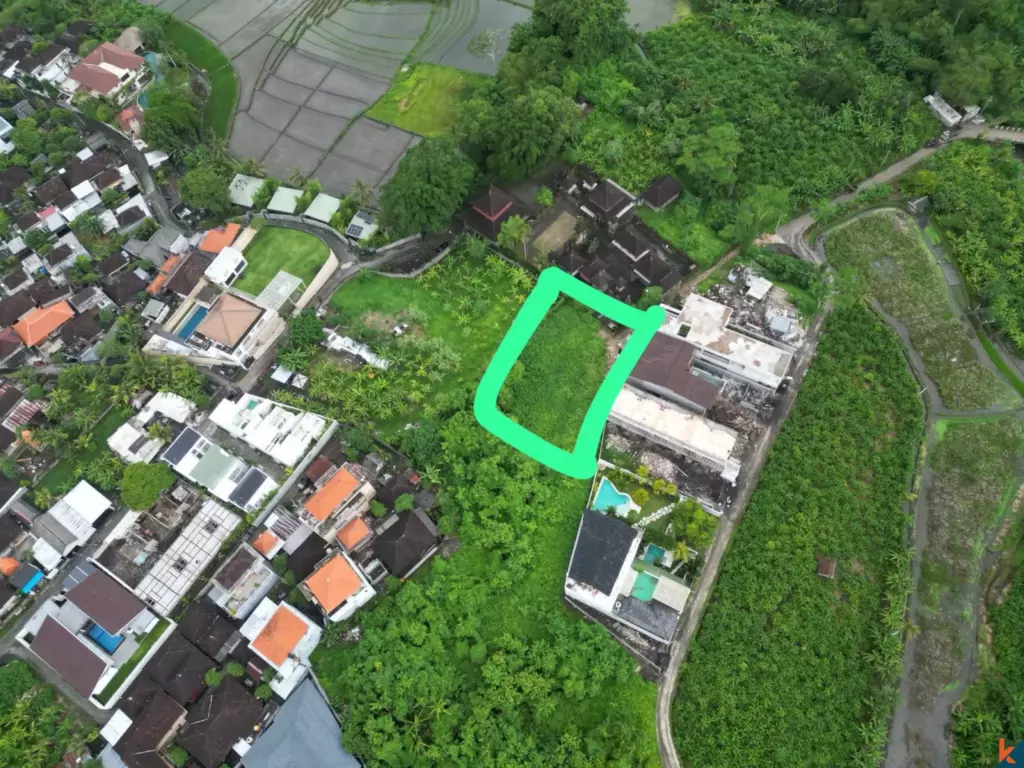 600 m²12 min$ 101970Bali, Mengwi
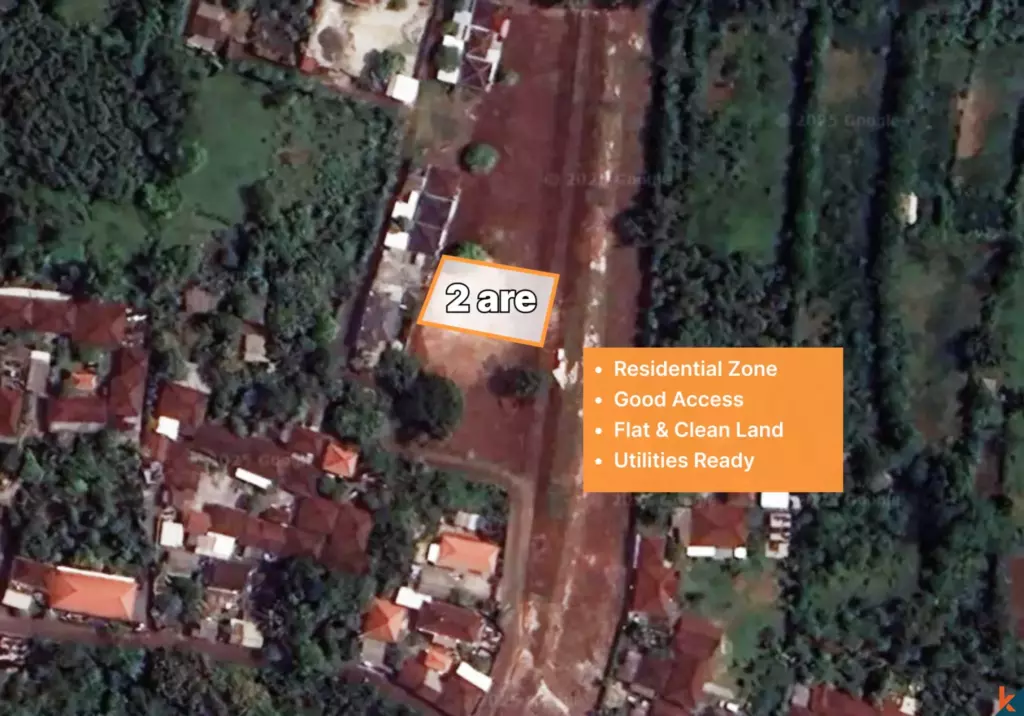 200 m²5 min$ 59113Bali, Bukit
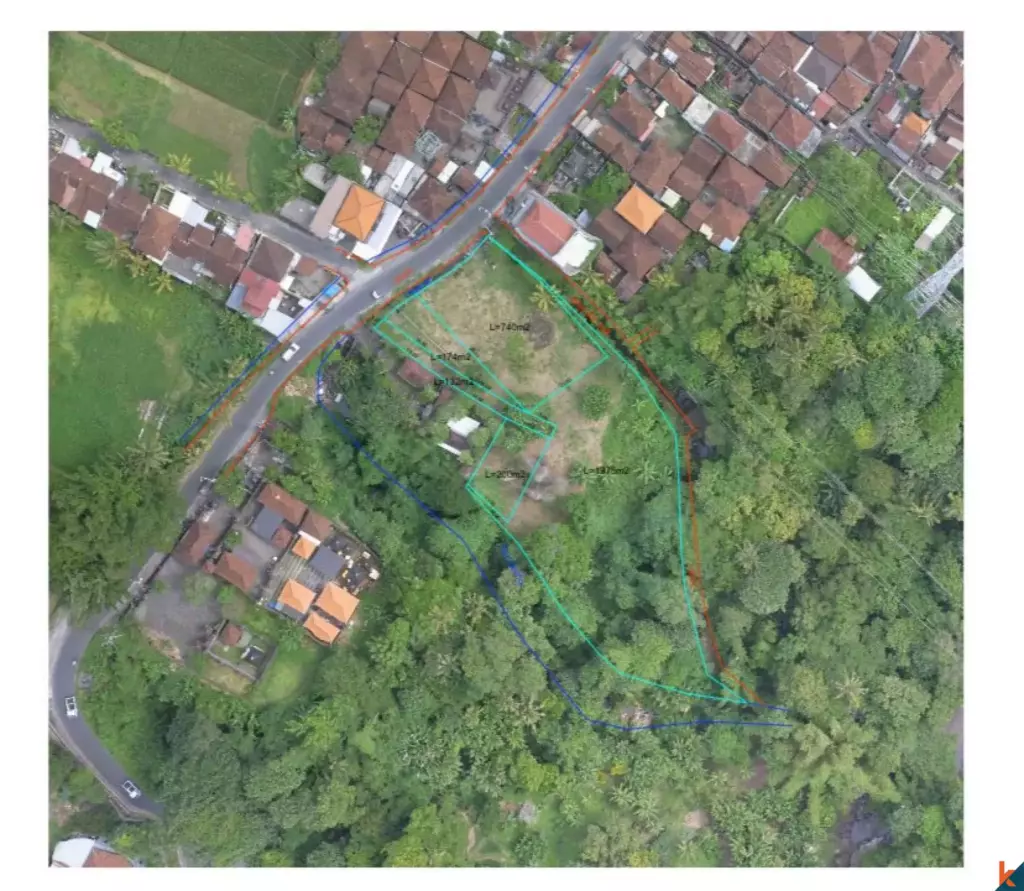 200 m²11 min$ 89286Bali, Tabanan
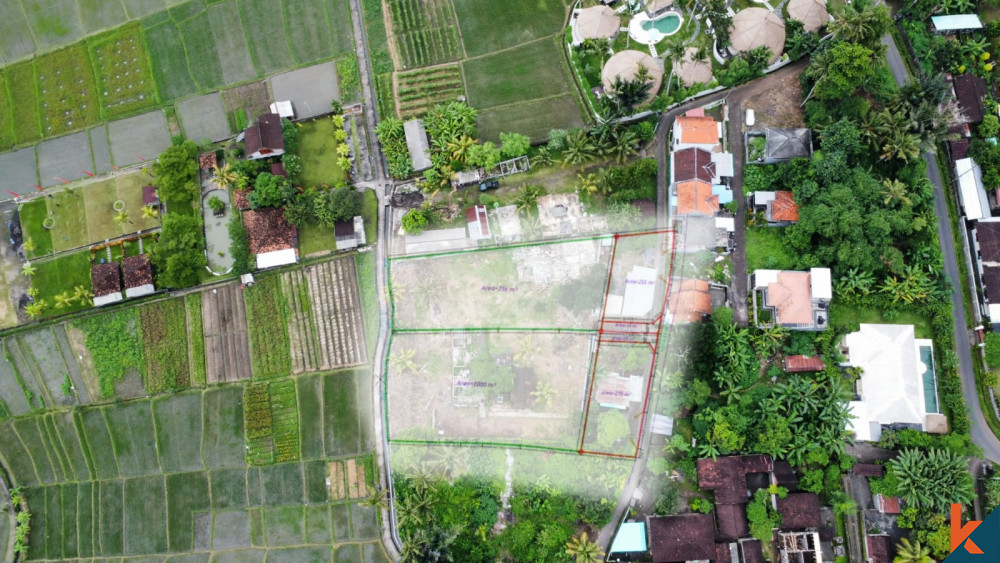 3100 m²20 min$ 272968Bali, Tabanan
 3700 m²15 min$ 738177Bali, Tabanan
 5000 m²8 min$ 424877Bali, Ungasan
 2200 m²15 min$ 508005Bali, Canggu
 3000 m²15 min$ 1246921Bali, Tabanan
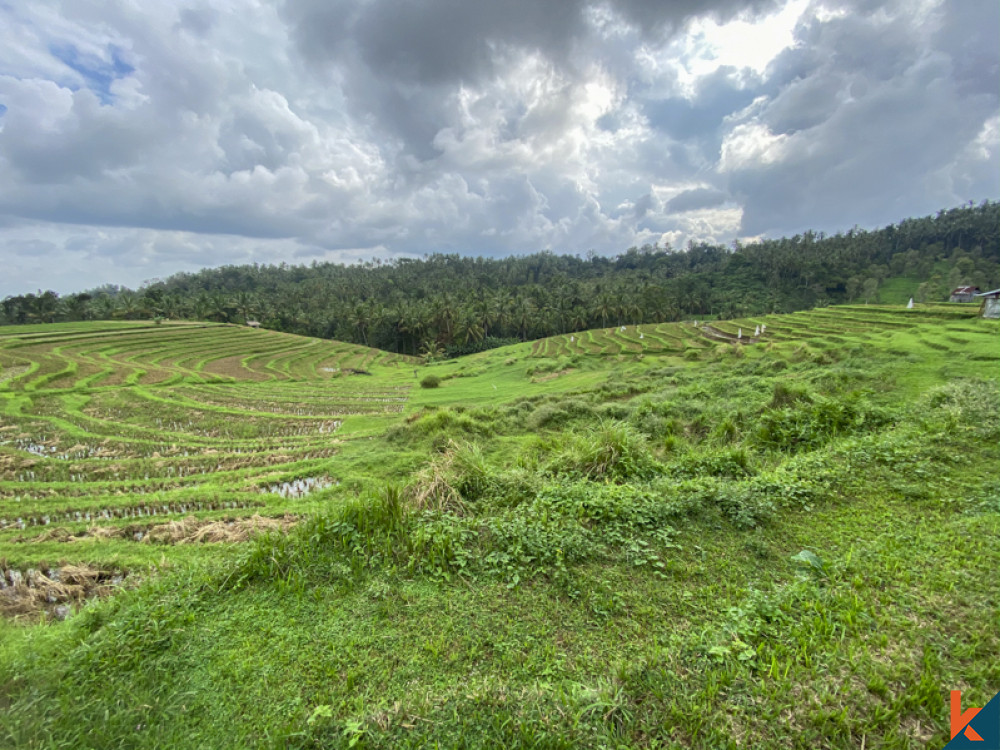 6000 m²30 min$ 55419Bali, Tabanan
 1000 m²10 min$ 280788Bali, Pecatu
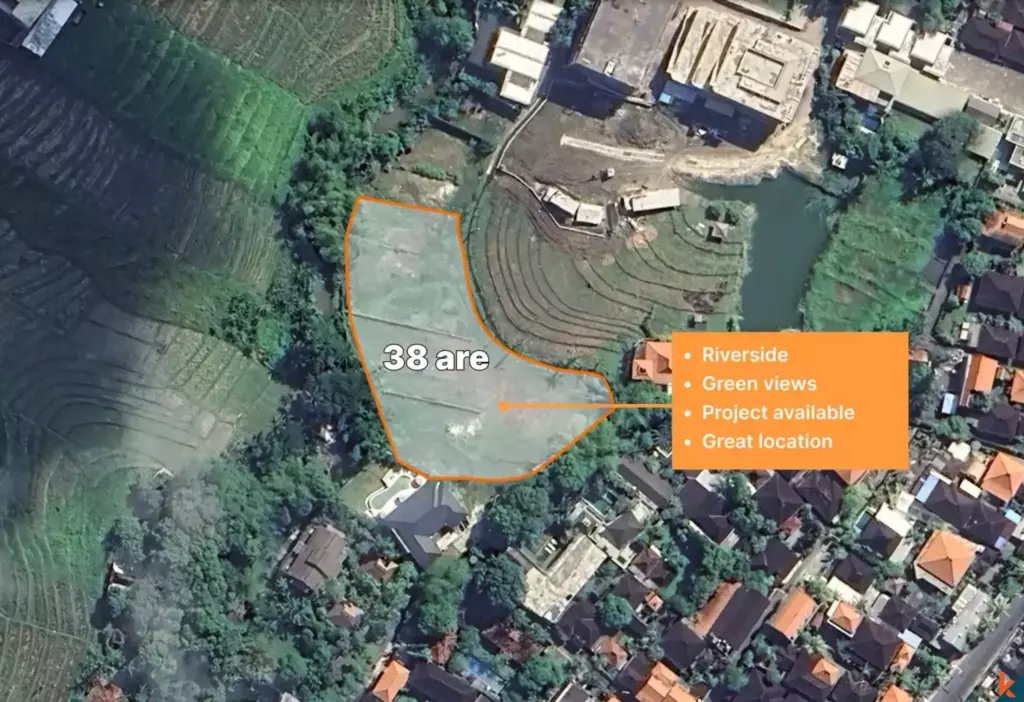 3800 m²15 min$ 100616Bali, Pererenan
Planning a build in Bali?
Get a feasibility view, budget range and timeline from Teville.
Related guides
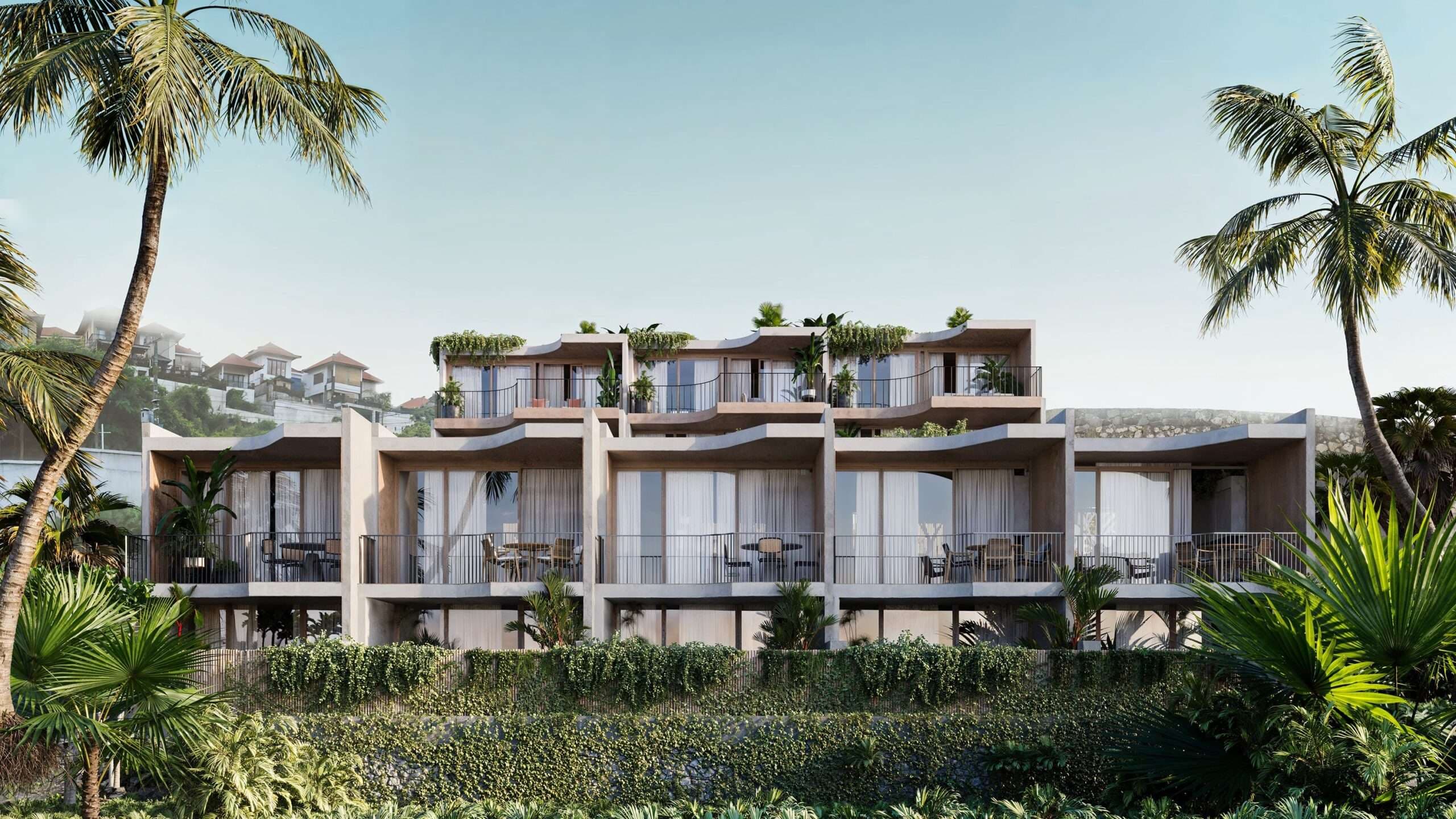
Marine-Grade Fixings for Bali Joinery: Corrosion Protocols
Explore marine-grade fixings and corrosion protocols for Bali coast joinery. Learn materials, maintenance tips, and best practices to extend timber durability.
10 min read
Resin-Infused Plaster Finishes: Anti-Salt Systems Bali
Expert technical guide: Resin-Infused Plaster Finishes: Anti-Salt Systems Bali
8 min read
Polished Concrete Microtopping: Surface Prep Sealants Bali
Discover Bali s polished concrete microtopping: expert surface prep, durable sealants, and a flawless finish for modern floors with minimal maintenance.
9 min read