Concealed Ductwork Insulation Condensate Drainage Bali
Concealed Ductwork Insulation & Condensate Drainage Bali: A Finishing Works Guide
In Bali’s humid, salt-laden climate, concealed HVAC ducts hidden in ceilings, walls, and joinery are prone to condensation, mold, and finish damage if not insulated and drained correctly. This Bali area guide explains how Teville (PT. The Haridas Villas) engineers, installs, and finishes concealed duct insulation and condensate drainage to protect interiors, maintain comfort, and extend system durability. We focus on the fine details that matter in Bali villa construction, interior finishing Bali, renovation Bali, furniture installation, and villa utilities—so beautiful ceilings, cabinetry, and wall finishes stay flawless over time.
Technical Deep Dive: What Makes Concealed Ducts Succeed in Bali
Concealed ducts operate in tight, often unconditioned cavities—above gypsum ceilings, inside wardrobe soffits, between roof decks, or behind feature walls. Supply air commonly runs at 12–14°C, while room setpoints hover around 24–26°C with 60–80% RH. This delta drives condensation on metal and surfaces below dew point unless insulation and vapor barriers are continuous and properly sealed.
Thermal and vapor control: We specify closed-cell elastomeric insulation (e.g., NBR/PVC) 13–25 mm for supply and 9–19 mm for return/transfer ducts in conditioned plenum zones. For unconditioned spaces (roof voids, exterior chases), we step up to 25–32 mm equivalent R-value or use fibrous glass duct wrap with reinforced vapor barrier (FSK/ASJ). The critical finishing point: vapor barrier integrity. Every seam, hanger penetration, damper boss, and access collar must be sealed using compatible contact adhesive, pressure-sensitive foil tape, or mastic to avoid sweat points that telegraph as ceiling stains.
Thermal bridges at hangers: In concealed zones, strap hangers can create cold spots. We use insulation saddles, clevis isolators, and vapor-stop gaskets so the insulation layer stays continuous. Where ducts pass studs or noggins, we oversize openings and sleeve with insulated collars to maintain thickness and avoid compressing insulation.
Air leakage and dew point: A leaky duct increases latent load and cools cavity air, pushing nearby finishes below dew point. We seal longitudinal seams and transverse joints per SMACNA class, then test for leakage before closing ceilings. Duct tightness, combined with correct insulation thickness, keeps adjacent gypsum and paint films out of the condensation range.
Condensate from coils and ducts: Fan coil units (FCUs) and AHUs within or feeding concealed runs generate condensate. Additionally, return paths crossing humid voids can accumulate moisture if air is poorly mixed. We address both with proper coils’ primary/secondary pans, P-traps and vents sized to fan negative static, and continuous, sloped drains to safe discharge points. Any horizontal duct sections under negative pressure that include a cooling coil must have a trap with seal depth matched to static pressure (rule-of-thumb: minimum 50–75 mm water column for typical villa fans).
Access and maintainability: Finishing excellence includes invisible access. We integrate flush access panels into gypsum or concealed panels into joinery modules so traps, strainers, and cleanouts are serviceable. Without access, missed maintenance leads to overflows and stained ceilings—avoidable with thoughtful detailing.
Acoustics and finishes: Insulation choice affects acoustics in bedrooms and spas. Elastomeric insulation provides good thermal and acceptable acoustic damping; in noise-sensitive zones we add internal liner sections (Perforated metal with glass fiber) where airflow velocities demand attenuation, while ensuring the vapor barrier remains on the exterior. Grille and diffuser necks receive insulated collars to prevent “sweating ring” halos on finished ceilings.
Coastal durability: Bali’s salt air can corrode hangers and cladding. We specify galvanized or aluminum duct for concealed runs, stainless fasteners in coastal zones, and anti-corrosion primer on hangers. Where short exterior transitions are unavoidable, UV-stable jacketing (PVC/aluminum) is mandatory even for “concealed” ducts that briefly pass outdoors.
Furniture installation and built-ins: When ducts pass through wardrobes, vanity bulkheads, or bedhead features, the cavity microclimate can be stagnant and humid. We preserve clearances (typically 25–50 mm around insulated ducts), add vent slots to avoid dead air pockets, and line adjacent timber with moisture-resistant finishes. Insulation is carried unbroken across transitions and sealed against cabinetry penetrations to protect lacquer and veneer.
These measures underpin long-term finish quality. Our mechanical detailing is coordinated with ceiling framing, lighting, and millwork early—minimizing compromises during renovation Bali or new villa utilities fit-out.
Materials & Standards for Bali Conditions
Insulation:
- Closed-cell elastomeric (13–32 mm): High moisture resistance, clean edges, ideal for concealed villa spaces. Use UV-jacketed variants for semi-exposed runs.
- Fibrous glass duct wrap with FSK/ASJ (25–50 mm): For larger trunks or unconditioned voids; ensure vapor barrier laps are sealed and protected from site damage.
- Pre-insulated phenolic panels (select cases): Lightweight with high R-value; edge-sealing is critical for vapor continuity.
Condensate drainage:
- uPVC (PN10) or HDPE piping for drains; copper acceptable near coils with dielectric isolation. Minimum slope 1% (1:100), cleanouts at changes of direction >45°.
- P-traps sized to fan negative static; include primer ports or auto-priming arrangements where evaporation risk is high.
- Secondary/overflow pans under FCUs with float switches interlocked to shut down cooling on fault.
Hardware and finishes:
- Hangers with insulation saddles; corrosion protection suitable for coastal zones.
- Foil tapes (UL 181 or equivalent), compatible contact adhesives, and vapor-barrier mastics.
- Access panels rated to match ceiling fire/smoke characteristics; discrete finish to align with interior finishing Bali expectations.
Standards and references:
- SMACNA HVAC Duct Construction for joint classes and hangers.
- ASHRAE guidance (e.g., 62.1 ventilation, 90.1 energy envelope) for good practice.
- Applicable SNI mechanical and fire-safety requirements; local authority approvals as required.
- Manufacturer instructions for adhesives, jacketing, and elastomeric insulation thickness.
Teville aligns detailing with these references and adapts to Bali’s humidity, salt exposure, and finishing demands. See how we coordinate across trades in our construction process and explore relevant portfolio casework.
Step-by-Step Process: From Mock-up to Finished Ceiling
1) Coordination and mock-up
- Review ceiling heights, lighting, sprinkler, and furniture installation drawings.
- Run dew point check for concealed voids; select insulation thickness accordingly.
- Build a 1:1 mock-up: duct section with hanger, damper, collar, and access panel to verify clearances and finishing lines.
2) Fabrication and pre-insulation prep
- Fabricate ducts to SMACNA class; deburr edges to avoid cutting vapor barriers.
- Prime hangers/angles against corrosion; fit insulation saddles.
- Stage elastomeric tubes/sheets or duct wrap in dry, shaded area; pre-cut pieces by node to reduce on-ceiling trimming.
3) Insulation installation
- Apply elastomeric insulation to straight runs; bond seams with approved adhesive, roll tight; tape external laps on FSK wraps with matching foil tape.
- Maintain full thickness around bends and fittings; use mitered pieces and preformed elbows to prevent compression.
- Seal all penetrations: hanger rods, damper spindles, sensor grommets—apply mastic and patch wraps to restore the vapor barrier.
- Insulate diffuser collars and short flexible connectors; avoid long flex runs that sag and invite condensation.
4) Condensate drainage
- Install primary pan under coil/fan assembly; ensure pitch towards outlet.
- Fit P-trap sized to negative static; add vent and cleanout. Minimum slope 1% to discharge; support pipe every 1.2–1.5 m.
- Route to approved sanitary point or safe outdoor area with air gap; avoid tying into dirty drains without traps and vents.
- Provide secondary pan with float switch to prevent ceiling damage if primary blocks.
5) Quality control before closing ceilings
- Leak test ducts to specified class; smoke-pencil check on joints.
- Infrared scan on chilled circulation to detect cold bridges; rectify any cool spots on finish side.
- Hydro test drains with water fill and observe for 15–30 minutes; verify trap seal depth and venting action.
- Photograph as-built, tag access panels, and label drains behind finishes.
6) Finishing integration
- Set access panels flush; align with gypsum module and paint schedule.
- Coordinate wardrobe/bulkhead duct passages; add ventilation slots discreetly to avoid stagnant cavities.
- Caulk around penetrations with vapor-tight sealant before final painting or veneer closing.
7) Commissioning and handover
- Start fans, verify condensate flow under load; prime traps.
- Measure supply temperatures, cavity RH, and check for any “sweating” at collars or grilles.
- Provide O&M: cleaning intervals, trap priming notes, and seasonal checks. Include our villa projects examples to illustrate service access strategies.
Costs & Timeline in Bali
Every property is different, but for planning concealed duct insulation and condensate drainage during Bali villa construction or renovation Bali:
- Elastomeric insulation (13–19 mm) supply and install: typically IDR 200,000–450,000 per linear meter of medium duct (includes adhesives, tapes, fittings).
- Fibrous glass wrap with FSK (25–38 mm): IDR 180,000–350,000 per linear meter, size-dependent.
- Condensate drains (uPVC/HDPE, traps, vents, cleanouts): IDR 60,000–150,000 per linear meter; P-trap assemblies IDR 250,000–600,000 each.
- Secondary pans and float switches: IDR 500,000–1,500,000 per FCU.
- Access panels (finished to match interiors): IDR 300,000–700,000 each.
Typical timelines: 7–14 days to insulate and drain a single villa floor zone post-duct rough-in; 2–4 weeks for full-villa concealed runs coordinated with ceilings, lighting, and furniture installation. Add 1–2 days for leak testing, IR scanning, and condensate flow checks before closing finishes. For a tailored plan and sequencing in your project, use our cost estimation form.
FAQ: Concealed Duct Insulation & Drainage in Bali
Why is insulation so critical in Bali?
High humidity and warm ambient temperatures elevate dew point. Cold supply ducts in concealed voids will sweat without a continuous vapor barrier and adequate R-value, staining ceilings and fostering mold.
What insulation thickness do you recommend?
Commonly 13–19 mm elastomeric on supply in conditioned voids; 25–32 mm equivalent where ducts run in hot roof spaces or exterior chases. Diffuser collars and branch takeoffs also require full-thickness wraps.
Elastomeric vs fibrous glass—what’s better?
For tight, concealed villa spaces, closed-cell elastomeric resists moisture ingress and is easier to keep vapor-tight. Fibrous wrap is effective on larger trunks if FSK laps are meticulously sealed and protected from site damage.
How do you stop grilles from “sweating”?
Insulate the diffuser neck and plenum, seal the vapor barrier to the back of the ceiling board, and avoid overcooling with low fan speed in high humidity. Correct airflow and airtight collars prevent cold bleed into gypsum.
What slope and trap do condensate drains need?
Minimum 1% slope with cleanouts at direction changes. Trap seal depth should exceed fan negative static (often 50–75 mm). Include a vent downstream of the trap to prevent gurgling and loss of seal.
Can drains share with other plumbing?
They should discharge
 172 m²8 month(s)from 120.000 USD
Keshava
 3104 m²11 month(s)from 99.000 USD
TALA 100
 164 m²7 month(s)from 79.000 USD
TALA TWO
 1from 198.000 USD
Private: Haridas Villas

Want to calculate?
 3180 m²7 month(s)from 142.000 USD
Vasudeva
 3124 m²6 month(s)from 123.000 USD
TALA 8
 3127 m²9 month(s)from 177.000 USD
Mukunda
 4344 m²16 month(s)from 290.000 USD
Radha
 3173 m²6 month(s)from 125.000 USD
TALA FOUR
 2144 m²11 month(s)from 104.000 USD
Narayana
164 m²7 month(s)from 79.000 USDPrivate: Haridas Villas, Tegallalang
Start With Real Numbers, Not Guesses
Before finalizing your finishing works plan, check realistic cost ranges for your Bali villa project.
Available lands
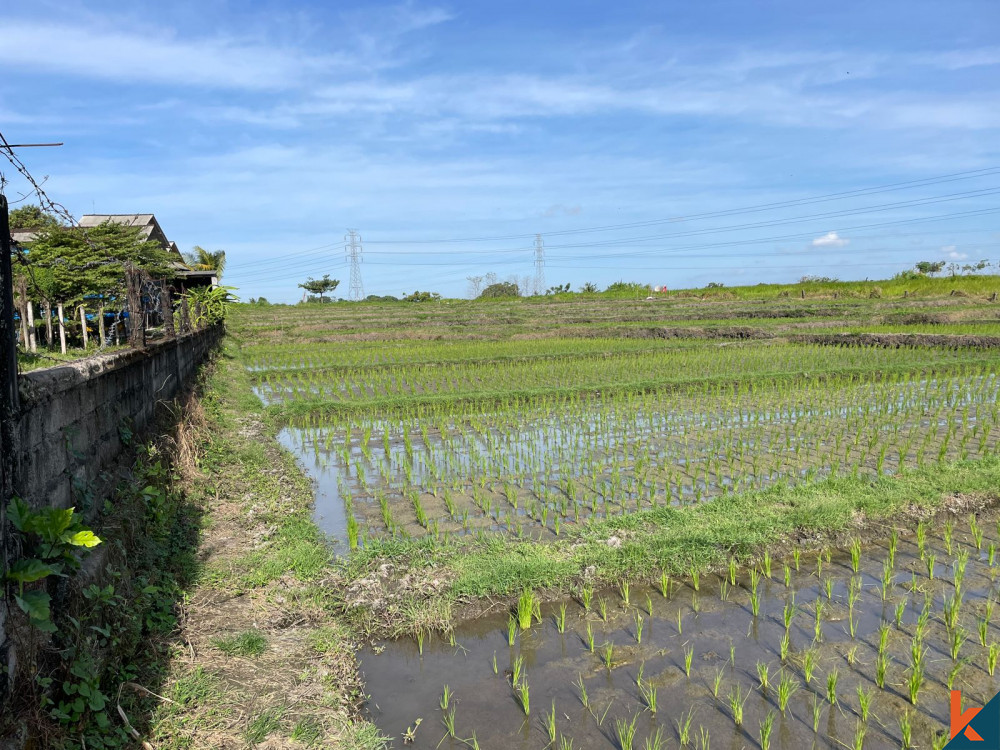 2850 m²15 min$ 315887Bali, Tabanan
 2000 m²15 min$ 110837Bali, Karangasem
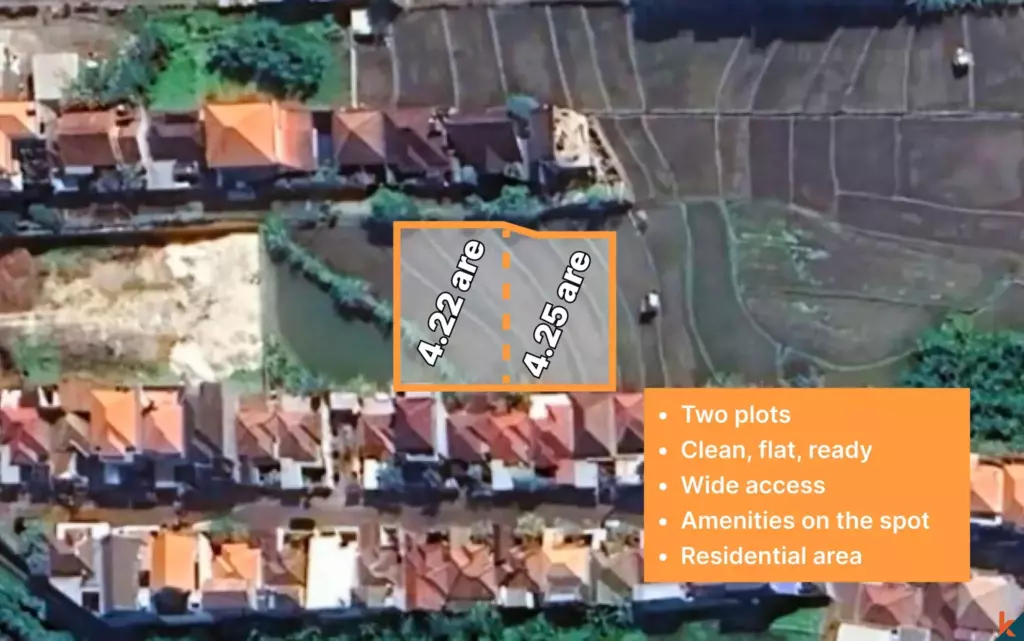 422 m²15 min$ 93547Bali, Kerobokan
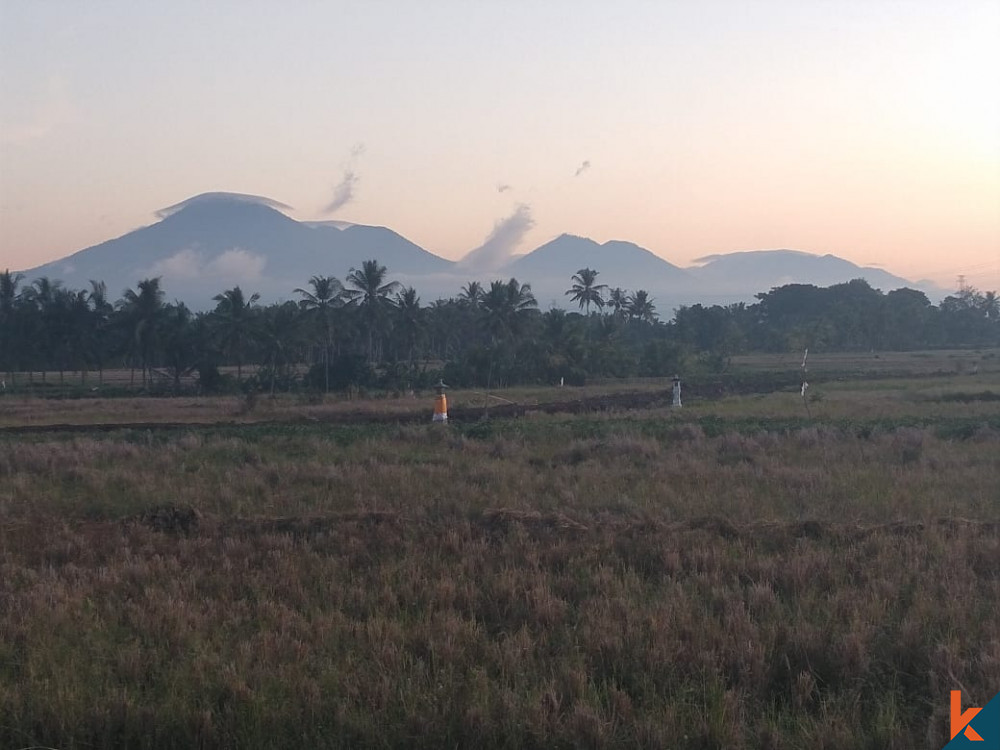 1950 m²7 min$ 150092Bali, Tabanan
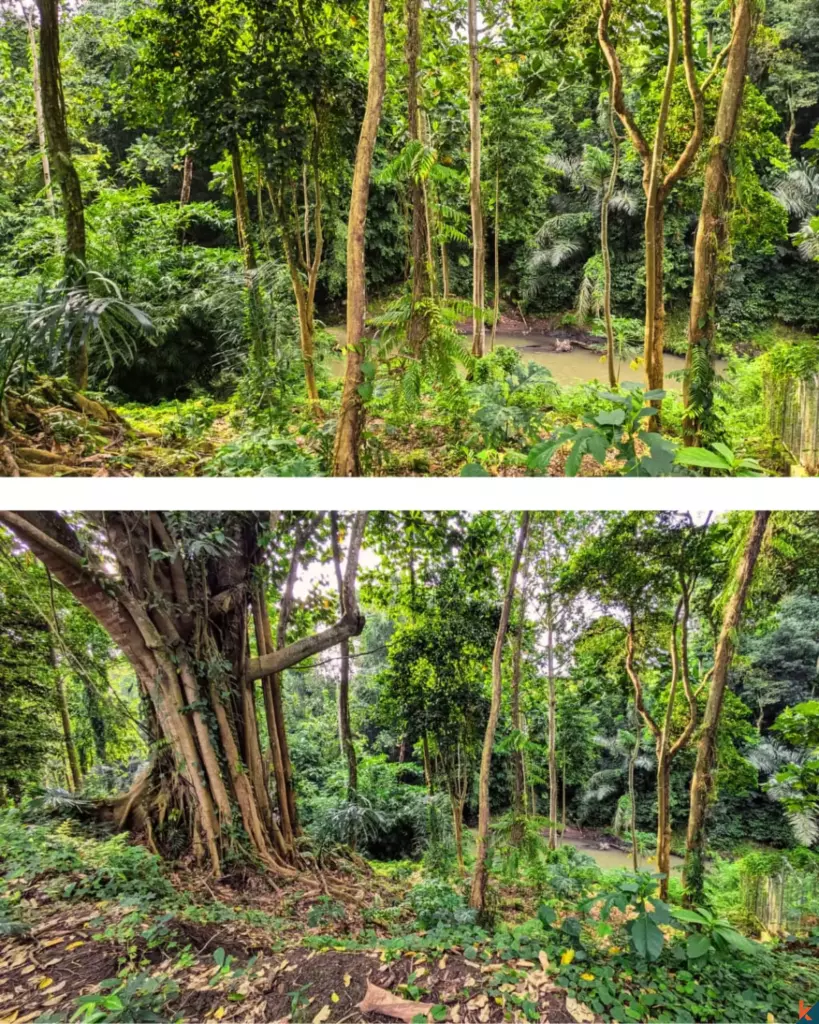 3300 m²15 min$ 449889Bali, Tabanan
 2800 m²15 min$ 310345Bali, Tabanan
 1100 m²8 min$ 280419Bali, Ungasan
 680 m²15 min$ 110751Bali, Pererenan
 250 m²15 min$ 40025Bali, Munggu
 515 m²7 min$ 570813Bali, Canggu
 2000 m²5 min$ 1440887Bali, Pecatu
 1000 m²10 min$ 123154Bali, Jimbaran
 960 m²15 min$ 91034Bali, Mengwi
 1300 m²10 min$ 312192Bali, Kutuh South Bali
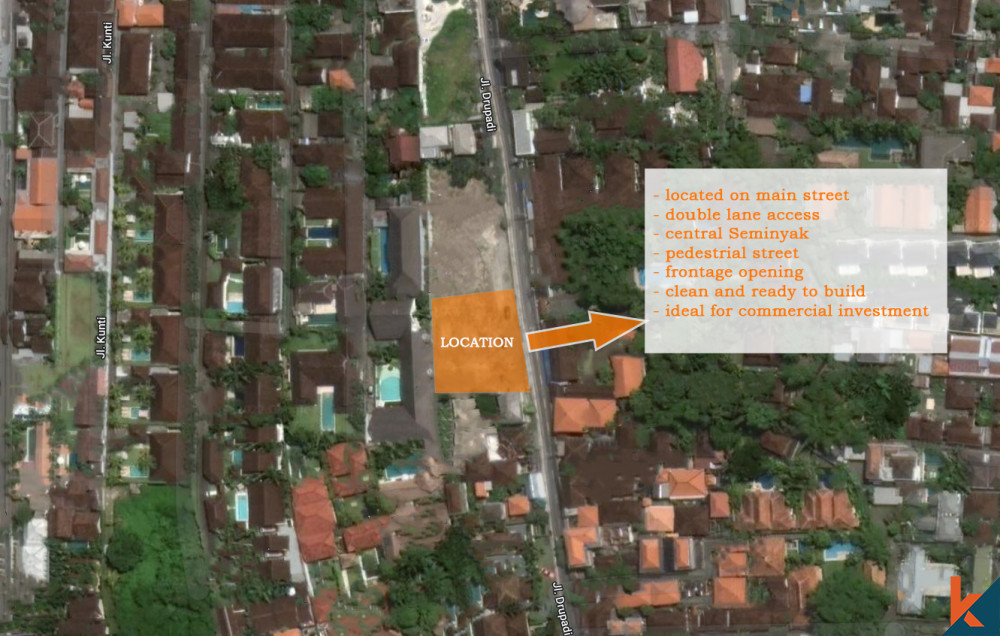 1000 m²5 min$ 350431Bali, Drupadi
Planning a build in Bali?
Get a feasibility view, budget range and timeline from Teville.
Related guides
Marine-Grade Fixings for Bali Joinery: Corrosion Protocols
Explore marine-grade fixings and corrosion protocols for Bali coast joinery. Learn materials, maintenance tips, and best practices to extend timber durability.
10 min read
Resin-Infused Plaster Finishes: Anti-Salt Systems Bali
Expert technical guide: Resin-Infused Plaster Finishes: Anti-Salt Systems Bali
8 min read
Prefinished Timber Joinery: Silicone Seals Fixings Bali
Professional prefinished timber joinery installation in Bali with silicone seals and fixings for durable weatherproof performance and a premium finish.
10 min read