Epoxy Anchoring for Heavy Joinery: Bali Fixing Protocols

Epoxy Anchoring for Heavy Joinery: Fixing Protocols Bali
Specific Problem/Question
How do you securely fix heavy joinery and furniture to Bali’s concrete, brick, and lightweight block walls so it stays true, safe, and crack-free over time? In Bali villa construction and renovation, we routinely hang 100–300 kg kitchen runs, tall wardrobes, timber stair stringers, stone vanities, pergola brackets, and condenser frames onto substrates exposed to humidity, salts, and thermal cycles. This guide explains Teville’s finishing-grade epoxy anchoring protocol tailored to Bali, ensuring durable, plumb installations without damaging finishes.
Technical Deep Dive
Epoxy anchoring creates a high-strength bond between a threaded element (stud or rebar) and a mineral substrate (reinforced concrete, brick, or AAC). Unlike expansion anchors that induce radial stress, epoxies transfer load along the embedment length, which is crucial for finished walls where cracking and spalling must be avoided. For interior finishing Bali projects and renovation Bali works, we prefer injection epoxies that cure predictably in tropical conditions and provide high pull-out resistance with minimal substrate stress.
Key performance drivers:
- Substrate type and condition: Bali sites range from cast-in-place concrete beams/columns (fc’ 20–30 MPa), plastered red brick (bata merah), hollow block (batako), to AAC (bata ringan). Concrete offers the highest capacity; brick and AAC require sleeves/sieves to confine resin and distribute load. Moisture is ever-present—epoxy must be compatible with damp holes and chloride-laden coastal air.
- Hole geometry and cleanliness: Drill diameter must match the anchor/epoxy system (e.g., M12 stud into 14–16 mm hole). Cleanliness governs bond: blow–brush–blow cycles with a hole brush sized to the bore and oil-free air or vacuum extraction. Any dust film can halve capacity. Standing water must be removed; damp is acceptable only if the product allows.
- Resin selection and temperature: In Bali’s 28–34°C ambient, gel time shortens and viscosity drops. Choose a “warm climate” or “tropical” formulation with workable pot life at 30°C and verified performance in damp holes. Store cartridges in shade at ~20–25°C; hot cartridges dispense too thinly and increase sagging in overhead holes.
- Embedment and spacing: For heavy joinery plates using M10–M16 studs, effective embedment (hef) typically ranges 8–12 × diameter in sound concrete. In masonry, capacity follows the brick/web strength; sleeves increase reliability. To prevent concrete cone overlap failure, respect manufacturer spacing (often ≥ 8–10 × diameter) and edge distance (≥ 6–10 × diameter). For tight furniture plates, 100–150 mm (≈4–6 in) spacing is common—always verify against data sheets and on-site substrate tests.
- Load path and fixtures: Finishing excellence requires restraining not only vertical shear but also torsion and prying from cantilevered shelves, long cabinet rails, and stair loads. Use continuous steel rails or timber ledgers to distribute load across multiple anchors and align anchors into compression zones where possible. Add non-shrink grout/packers behind plates to avoid point loading plaster.
- Environmental durability: Coastal Bali (Canggu, Uluwatu) introduces chlorides; upland Ubud brings persistent humidity. Choose epoxies with high chemical resistance and stainless or hot-dip galvanized studs. Seal exposed holes and plate perimeters to prevent moisture ingress behind finishes. UV isn’t a bond issue in hidden holes, but exposed resin should be capped.
Applications in furniture installation and villa utilities:
- Kitchen/wardrobe rails: M8–M12 studs into concrete tie-beams; for brick/AAC, use injection sleeves and increase anchor count; add continuous steel rail for even load.
- Stair stringers and handrail posts: M12–M16 studs into concrete landings/walls with design embedment; verify edge distance to prevent spalling adjacent to nosings.
- Vanity frames and stone counters: Shear plus moment anchoring; pack behind frames; specify stainless studs in wet areas; seal penetrations.
- AC condenser and utility brackets: Dynamic loads and vibration—use four-point anchoring with stainless hardware; proof-load after cure; add neoprene isolators.
- Timber pergola shoes to ring beams: Consider uplift and lateral; use M16 with increased embedment; protect from driving rain.
Quality finishing means the anchor detail is invisible yet aligned, plumb, and quiet—no hollow sounds, no cracked plaster, and no seasonal loosening. Teville integrates these protocols during how we build so joinery lands cleanly at final fix without rework.
Materials & Standards
We specify systems with verified data sheets and approvals suited to tropical, damp conditions, and mixed substrates commonly found in Bali villa construction:
- Epoxy systems:
- QUIKRETE High Strength Anchoring Epoxy (high bond, damp-tolerant variants noted in sheet)
- Mapei Epoxy Anchoring Guide (selection for masonry and concrete, temperature curves)
- Simpson Strong‑Tie EP‑XP (tested in cracked concrete and wet holes; high temperature performance)
- Studs and accessories: Threaded studs grade 8.8 or better; in wet/coastal zones use A4/316 stainless or hot-dip galvanized. Use washers/plates sized to distribute load on rails/fixtures. For brick/AAC, injection sleeves (mesh sieves) prevent resin loss.
- Drilling/cleaning: SDS-Plus/Max rotary hammers; carbide bits per manufacturer hole diameters; hollow dust-extraction bits preferred. Nylon/steel hole brushes sized to bore. Oil-free compressed air or vacuum.
- Sealers and patching: Non-shrink grout to backfill voids behind plates; elastomeric sealant around penetrations in wet rooms; paint/cover caps for exposed ends.
Reference standards and guidance used in our engineering checks and site QA:
- Design and qualification: ICC‑ES/ETA reports for epoxy anchors in cracked/uncracked, dry/wet conditions (follow manufacturer tables for hef, spacing s, edge distance c).
- Workmanship practices: Manufacturer installation instructions; epoxy bonding principles per West System epoxy basics for substrate prep and clamping analogies relevant to joinery interfaces.
- Research references: Cone breakout and spacing behavior documented in transportation and infrastructure studies (e.g., Texas Transportation research).
Standards ensure we do not over-rely on rule-of-thumb. For finishing works, we balance code-backed embedment with architectural constraints, then increase anchor count or add rails to distribute loads when edge distances are restricted.
Step-by-Step Process
Teville’s site protocol for epoxy anchoring heavy joinery in Bali conditions:
- 1) Survey and mark-out
- Verify substrate (rebar scan for concrete; tap/borescope for brick/AAC). Avoid drilling into services.
- Confirm finished levels and datum lines; check plumb of walls. Decide anchor positions to clear tile joints and avoid edges/corners.
- Select anchor size/quantity based on fixture loads and available embedment. For brittle masonry, plan sleeves and add redundancy.
- 2) Select epoxy and hardware
- Choose epoxy rated for damp holes and 30°C ambient with adequate gel time. Store cartridges in cool box on hot days.
- Specify stud grade and corrosion class (stainless for wet rooms/seaside). Pre-cut studs to avoid cutting on finished site.
- 3) Drill accurately
- Use sharp, diameter-correct bits (e.g., 14 mm for M12 where required by data sheet). Depth: hef + dust allowance.
- For overhead/vertical holes, consider hollow extraction bits to minimize dust. Keep bit perpendicular; use drilling jigs for long rails.
- In brick/AAC, drill into solid webs; if hollow, oversize slightly for sleeve per manufacturer instruction.
- 4) Clean the hole thoroughly
- Blow–brush–blow sequence repeated twice: compressed air (≥6 bar, oil-free), nylon brush to full depth, then final blow. Vacuum acceptable where air not feasible.
- Remove standing water; damp is acceptable only for damp-rated epoxies.
- 5) Prepare and inject epoxy
- Fit static mixer; purge initial resin until color is uniform; discard the first bead.
- Insert nozzle to hole bottom and backfill while withdrawing to avoid voids. Fill ~2/3 for solid concrete; full with sleeve in masonry.
- Control waste and protect finishes with masking; keep resin off exposed surfaces.
- 6) Insert studs and align
- Rotate stud slowly while inserting to full depth; excess should bead at the surface (wipe neatly, cap if exposed).
- Do not disturb during gel; use temporary bracing/jigs to keep rails plumb and level.
- 7) Cure and verify
- Respect cure times at measured substrate temperature; at 30°C, many systems achieve handling strength in 2–6 hours, full cure longer as per sheet.
- Perform torque check where applicable or proof-load test (25–40% of design) on critical anchors like stair/utility brackets.
- 8) Install fixtures
- Use continuous rails/ledgers to spread load across multiple anchors. Pack behind plates with non-shrink grout or shims to eliminate gaps.
- Tighten nuts incrementally and in sequence; avoid prying the finish layer. Re-check plumb/level of joinery.
- Seal perimeters in wet areas to stop moisture ingress. For coastal sites, apply corrosion-inhibiting coating to exposed metal.
- 9) Documentation and handover
- Record epoxy batch, ambient/substrate temperature, cure times, and any tests performed. Photograph concealed anchors before closing up.
- Include care notes for housekeeping teams (do not overload new shelves before full cure; avoid chemical cleaners at anchor points).
These steps are integrated with our construction process so joinery and utilities land once, cleanly, and stay true. See examples across our portfolio and villa projects.
Costs & Timeline
Cost depends on anchor count, substrate, and access. Typical ranges for Bali finishing and furniture installation:
- Materials: Epoxy cartridges and mixers: mid- to high-spec tropical formulations cost more than standard resins but deliver reliability in damp conditions. Stainless hardware adds premium in wet/coastal zones.
- Labor: Skilled installers with dust extraction, scanning, and testing gear reduce rework and finish damage—key to renovation Bali jobs where surfaces are complete.
- Testing/QA: For critical elements (stair rails, condenser frames), factor proof-load or torque testing and documentation.
Timeframe guidance (per workface):
- Small furniture rail (4–6 anchors): 2–4 hours including marking, drilling, cleaning, injection, and brace-up; cure window per product before final fix.
- Kitchen run/wardrobes (12–24 anchors): 1 day for anchoring, plus cure; install and adjust next day.
- Stair/utility brackets: Similar to kitchen rails, with added testing time.
Cure times vary by brand and temperature; many systems allow light handling after 2–6 hours at ~30°C, with full strength after 12–24+ hours. We schedule around this to protect finishes and keep the program moving without compromising durability. For a tailored estimate aligned to your villa utilities or joinery scope, use our cost estimation form.
FAQ Block
For heavy joinery, yes—epoxy reduces radial stress and the risk of cracking tiles/plaster, delivers higher pull-out in short edge distances, and allows anchoring in varied substrates including brick and AAC with sleeves.
Follow manufacturer data. As a practical finishing reference for M10–M12, spacing of 100–150 mm (≈4–6 in) on rails often ensures overlapping concrete cones for good load sharing, with edge distances ≥60–100 mm where possible. Actual values depend on anchor diameter, embedment, and substrate—our engineers confirm against the product’s ICC/ETA tables.
Use a resin approved for damp/wet holes, remove standing water, and warm/cool materials to control viscosity and gel time. Many premium epoxies perform well in damp substrates; always check the data sheet.

Want to calculate?
 3173 m²6 month(s)from 125.000 USD
TALA FOUR
 164 m²7 month(s)from 79.000 USD
Private: Haridas Villas, Tegallalang
 3124 m²6 month(s)from 123.000 USD
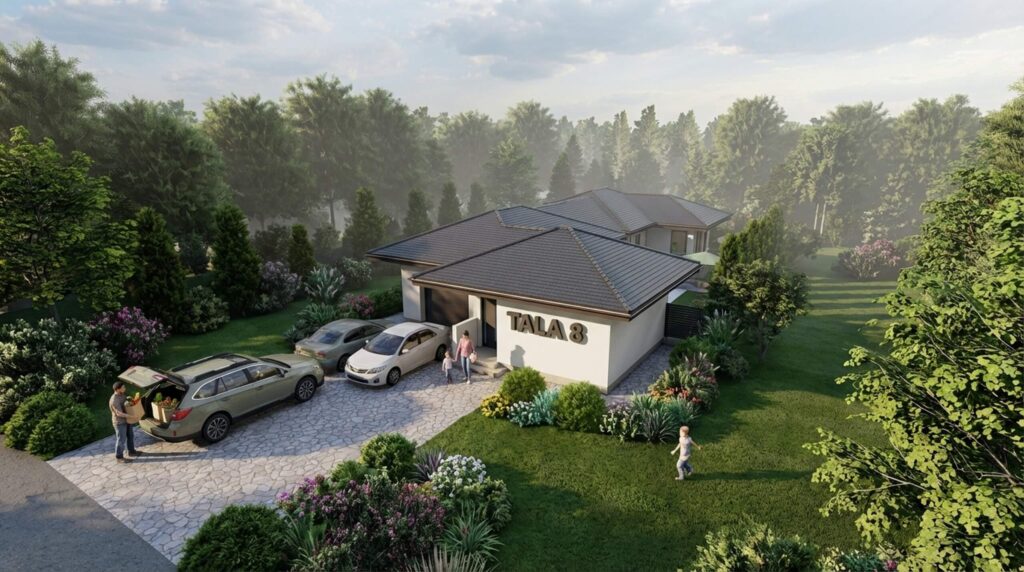
TALA 8
164 m²7 month(s)from 79.000 USDTALA TWO
 172 m²8 month(s)from 120.000 USD
Keshava
 3104 m²11 month(s)from 99.000 USD
TALA 100
 1from 198.000 USD
Private: Haridas Villas
 2144 m²11 month(s)from 104.000 USD
Narayana
 3127 m²9 month(s)from 177.000 USD
Mukunda
 3180 m²7 month(s)from 142.000 USD
Vasudeva
 4344 m²16 month(s)from 290.000 USD
Radha
Start With Real Numbers, Not Guesses
Before finalizing your finishing works plan, check realistic cost ranges for your Bali villa project.
Available lands
 7250 m²56 min$ 235714Bali, Tabanan
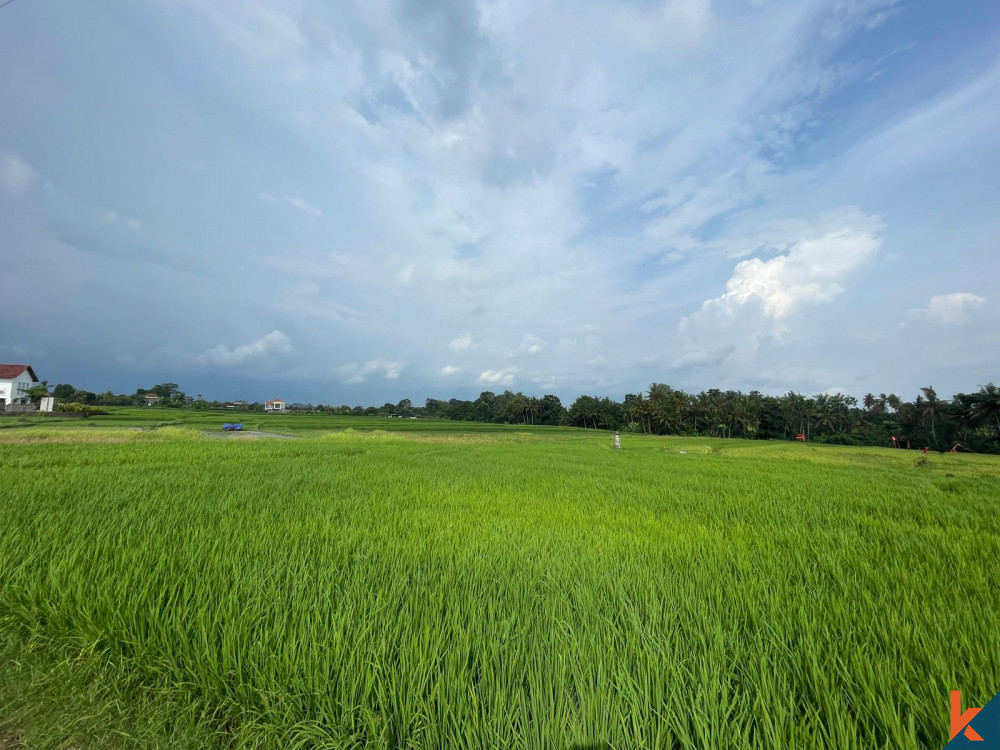 770 m²5 min$ 163578Bali, Kedungu
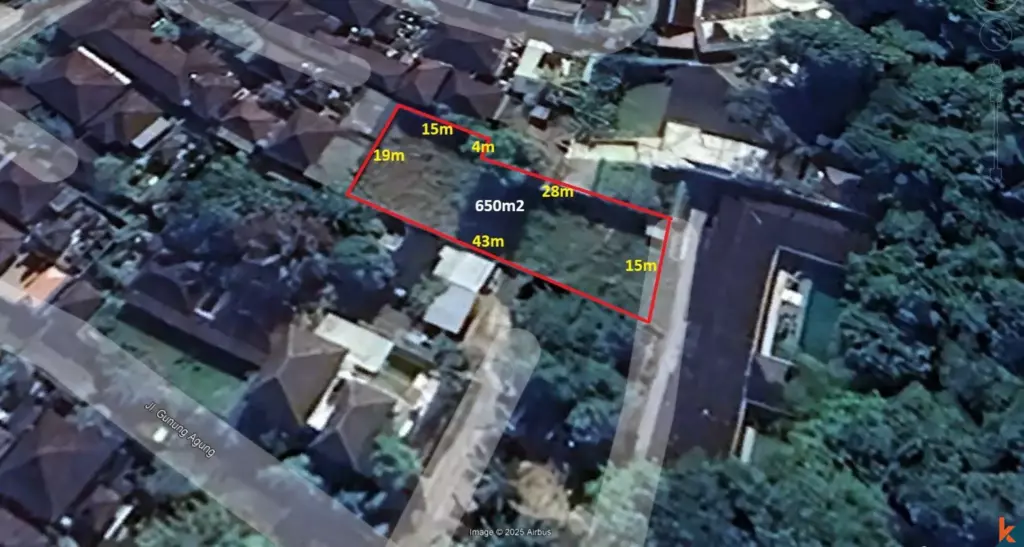 660 m²10 min$ 175567Bali, Mengwi
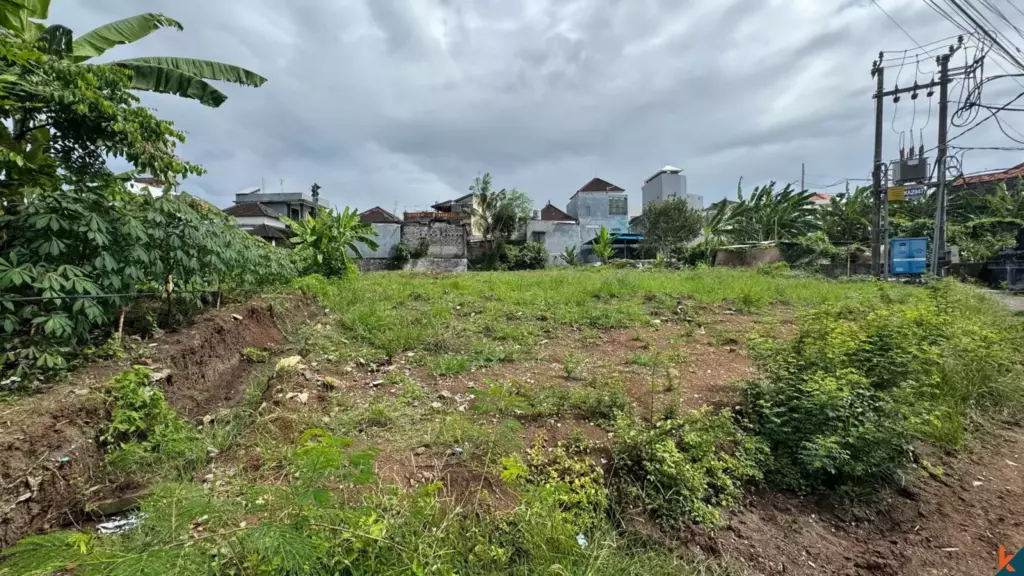 800 m²10 min$ 307882Bali, Tibubeneng
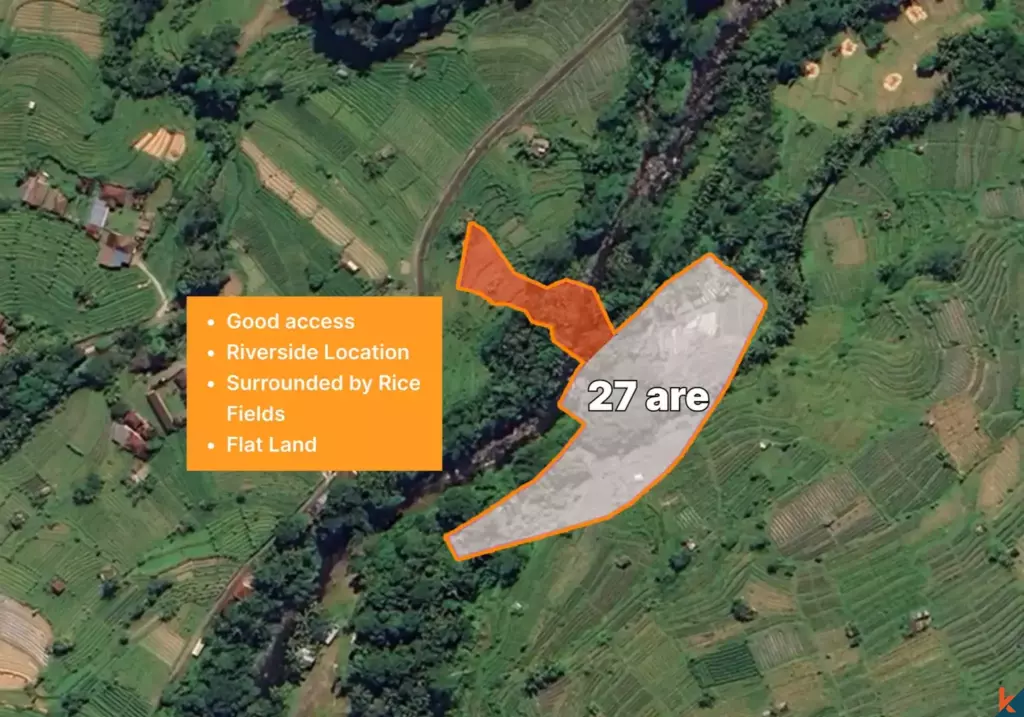 2700 m²30 min$ 314224Bali, Sidemen
 7900 m²25 min$ 413485Bali, Tabanan
 4270 m²10 min$ 394397Bali, Ubud
 1000 m²10 min$ 384852Bali, Canggu
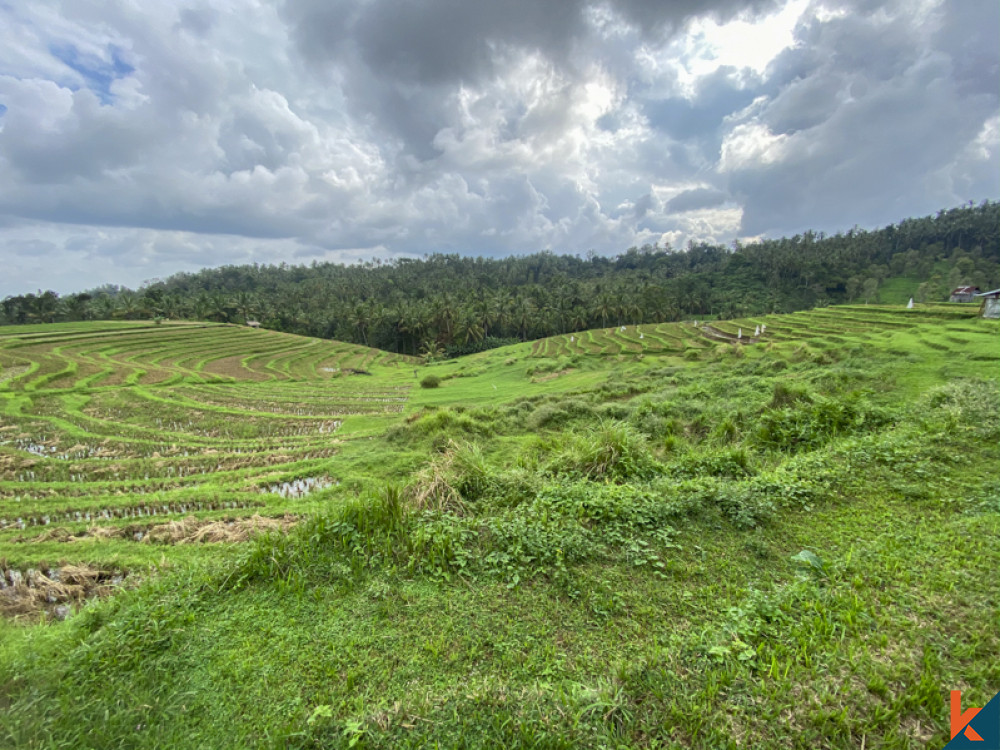 6000 m²30 min$ 55419Bali, Tabanan
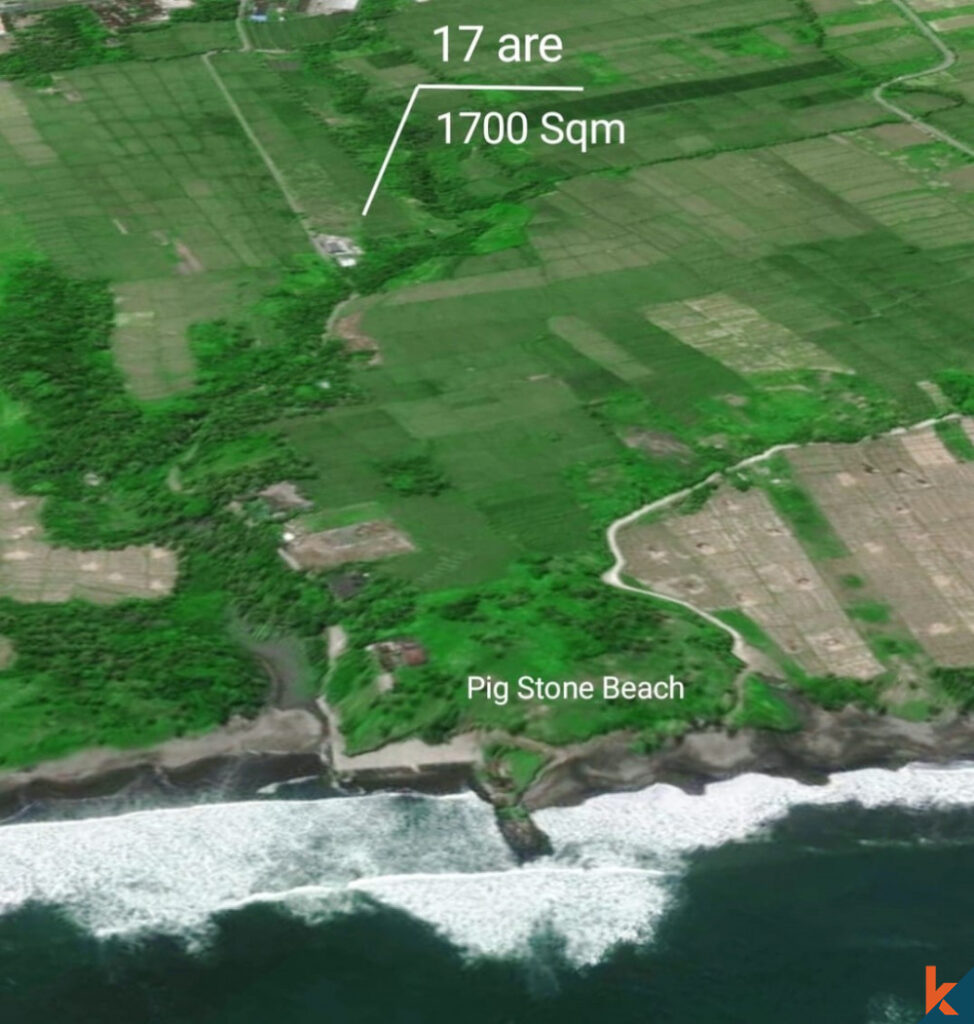 1720 m²2 min$ 241478Bali, Tabanan
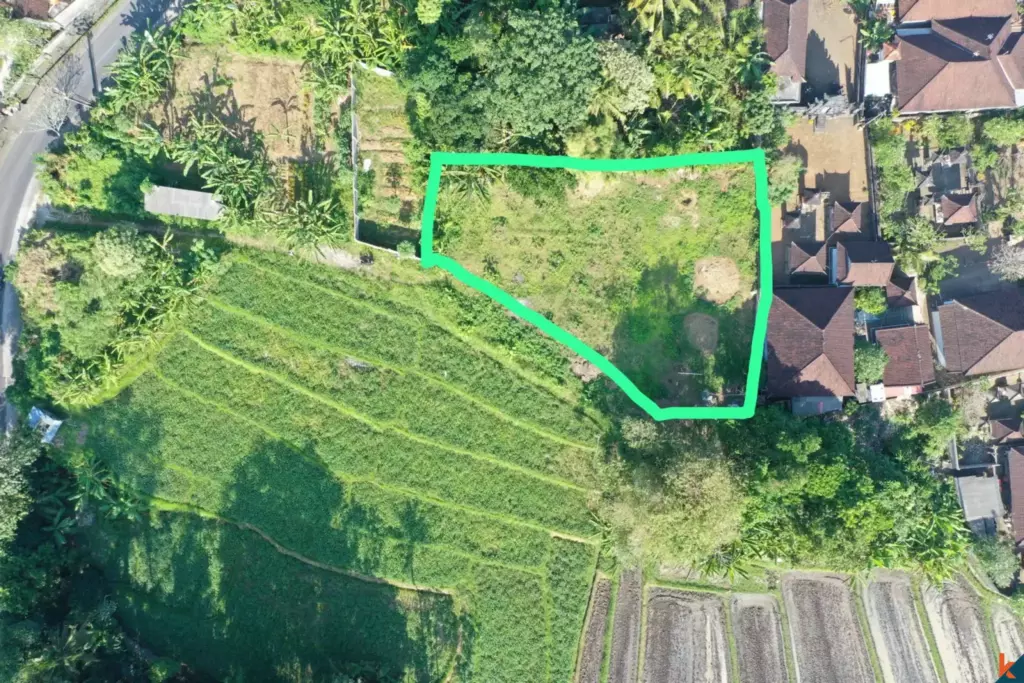 911 m²15 min$ 248217Bali, Pererenan
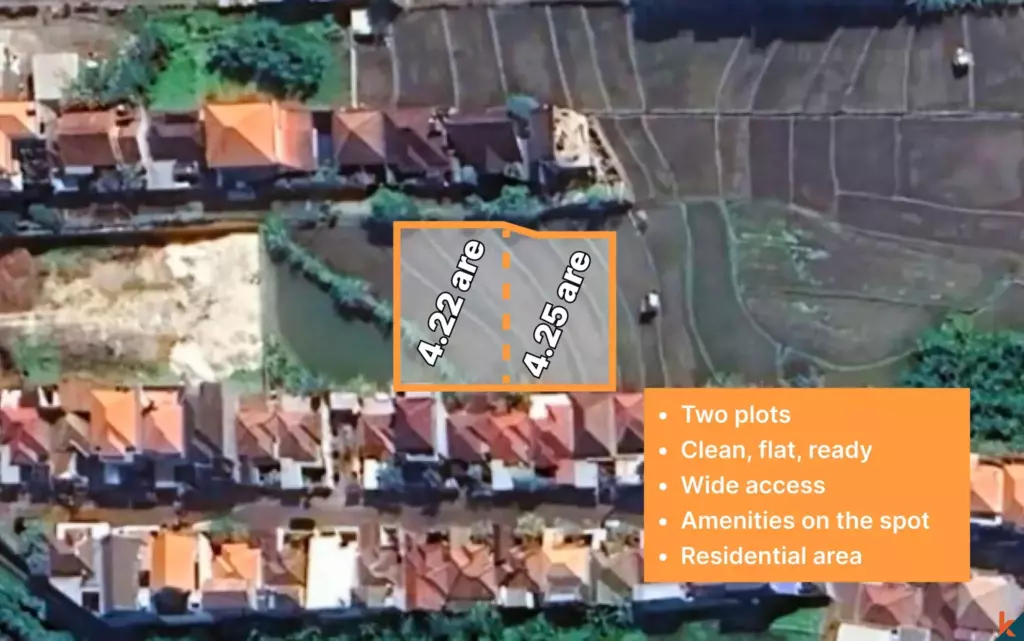 422 m²15 min$ 93547Bali, Kerobokan
 1660 m²10 min$ 343448Bali, Kerobokan
 1700 m²10 min$ 632257Bali, Kuta
 1000 m²10 min$ 230911Bali, Kerobokan
Planning a build in Bali?
Get a feasibility view, budget range and timeline from Teville.
Related guides

Marine-Grade Fixings for Bali Joinery: Corrosion Protocols
Explore marine-grade fixings and corrosion protocols for Bali coast joinery. Learn materials, maintenance tips, and best practices to extend timber durability.
10 min read
Resin-Infused Plaster Finishes: Anti-Salt Systems Bali
Expert technical guide: Resin-Infused Plaster Finishes: Anti-Salt Systems Bali
8 min read
Prefinished Timber Joinery: Silicone Seals Fixings Bali
Professional prefinished timber joinery installation in Bali with silicone seals and fixings for durable weatherproof performance and a premium finish.
10 min read