Ceramic Tile Waterproofing Membrane Details for Bali Wet Areas
Ceramic Tile Waterproofing Membrane Details for Bali Wet Areas
1) Specific Problem/Question
How do we reliably waterproof ceramic-tiled wet areas in Bali’s tropical climate so they stay watertight, resist mold, and avoid cracked grout or lifting tiles? The challenge is not only liquid water but also constant humidity, thermal cycling, and micro-movement from structural and substrate changes. This Bali area guide explains the correct membrane selection and installation sequence Teville uses in bathrooms, showers, spas, poolsides, balconies, and service areas during interior finishing Bali and renovation Bali works—so your finishes remain clean, durable, and easy to maintain.
2) Technical Deep Dive: What Works in Bali’s Climate and Why
In Bali, waterproofing under ceramic tile fails most often for two reasons: moisture management, and movement accommodation. High ambient humidity drives vapor into assemblies; heavy rainfall and salt-laden air load external areas; and temperature swings from sun to shower create expansion/contraction. A successful assembly must be both watertight and flexible.
Preferred system architecture for ceramic tile areas includes:
- Stable substrate: Quality screed (M5–M10) with correct slope to drains (1.5–2%) and low residual moisture. Avoid “green” screed under sheet membranes.
- Bonded sheet membrane with proven crack-bridging and vapor tightness. Products like SikaCeram Sealing Membrane A are designed for wet rooms, balconies, and pools, offering flexibility, decoupling, and reliable waterproofing for interior/exterior applications—even over heated floors.
- Perimeter and penetrations treated with compatible bands, preformed corners, and collars. This is where most leaks originate.
- Tile adhesive meeting international standards and compatible with the membrane’s surface chemistry, typically cementitious polymer-modified thinset or reactive adhesive where specified.
- Grout selected for joint width and exposure, with movement joints honored and sealed elastically.
Why sheet membranes for Bali: Compared to liquid-applied membranes, modern bonded sheet membranes provide consistent factory-controlled thickness, high elongation, and predictable vapor control across variable site conditions. They bridge cracks and limit vapor diffusion, protecting sensitive substrates and preventing efflorescence and mold behind tile. On balconies and external showers, their vapor resistance reduces blistering risks from solar heating.
Renovation overlay scenarios are common in Bali villas. When existing tiles must remain, an indoor-rated sheet option like SikaCeram Sealing Membrane W can be applied over old ceramics after proper cleaning, profiling, and priming, enabling new tile finishes without a full demolition. This is especially efficient in hospitality renovations where downtime is critical.
Crack-bridging and decoupling: Masonry and screeds shrink and move seasonally. A membrane with crack-bridging capacity decouples the brittle tile layer from minor substrate movement, reducing grout cracking and tenting. This is vital over new slabs, heated floors, and on upper-level bathrooms exposed to sun on the underside of cantilevered slabs.
Vapor management: In continuously humid zones—steam-prone showers, enclosed bathrooms without cross-ventilation, external wet kitchens—membranes that are water- and vapor-tight maintain tile adhesion and prevent mold growth in hidden layers. The membrane should integrate with ventilation strategy (extraction fans) to keep assemblies dry.
Drain and threshold detailing: In Bali, curbless showers and open-plan wet zones are popular. The membrane must be clamped or bonded to a compatible drain body with integrated flange. At door thresholds or balcony edges, turn the membrane up behind the finish and tie into metal drip edges to prevent capillary backflow.
Furniture installation and villa utilities coordination: Mounting vanities, shower screens, or towel warmers must not puncture the waterproof layer. Pre-plan sleeve inserts or use surface-mount hardware with sealed anchors set after membrane, with chemical anchor adhesives and gaskets. For villa utilities, coordinate piping locations; use membrane collars at pipe penetrations and flexible sealants at escutcheons. Electrical boxes in splash zones require gasketed covers with sealant-compatible backings.
Teville’s control points include substrate flatness (≤3 mm deviation over 2 m), compressive strength verification, moisture testing before bonding, adhesive open-time control in tropical heat, and a documented flood test where applicable. These ensure the finishing sequence is predictable and durable for Bali villa construction.
3) Materials & Standards
Membranes:
- SikaCeram Sealing Membrane A – flexible, waterproof, and vapor-tight sheet membrane for wet rooms, poolsides, balconies; interior/exterior; suitable over heated floors; designed for decoupling and crack-bridging; easy application and good adhesion (see datasheet above).
- SikaCeram Sealing Membrane W – flexible sheet for indoor wet rooms and walls/floors; overlays existing ceramic tile for renovation; suitable over heated floors; high waterproofing reliability and compatibility with tile adhesives (see datasheet above).
Ancillary sealing components:
- Elastic sealing bands, inside/outside corners, and pipe collars compatible with the chosen membrane system.
- Bonding adhesive/mortar as specified by the membrane manufacturer (cementitious or reactive), selected per substrate and exposure.
- Drain flanges, clamping rings, and metal edge/drip profiles with corrosion resistance appropriate to marine humidity.
Tile adhesives and grouts:
- Adhesives conforming to international benchmarks (e.g., ISO 13007/EN 12004, C2S1/S2 where flexibility is demanded). For exterior balconies or heated floors, prefer deformable (S1/S2) thinsets.
- Grouts per ISO 13007/EN 13888. Use improved cementitious grouts (CG2) with additives for low absorption; consider epoxy grouts (RG) in heavy-duty or spa areas.
Reference standards (for design intent and QA; regional codes may vary):
- EN 14891 (bonded waterproofing under tiles) – performance requirements and testing for waterproofing membranes beneath ceramic tiling.
- ETAG 022 (guideline for wet room kits) – system approach to wet area waterproofing.
- ANSI A118.10 (US) – for context on membrane performance; useful benchmark though US-focused.
Climate-specific considerations:
- UV and heat: For sun-exposed terraces/balconies, ensure membrane and accessories are rated for exterior use and protected by tile assembly.
- Salt air: Prefer stainless or marine-grade metals at drains and trims; avoid galvanic corrosion at interfaces.
- Biological growth: Detail to avoid water traps; promote drainage and ventilation to minimize mold risk.
Teville applies manufacturer system warranties and our internal QA from How We Build, integrating product data, site testing, and controlled installation sequencing into every finishing package.
4) Step-by-Step Process (Teville Method)
Stage 1 – Assessment and design
- Survey wet zones (bathrooms, showers, spas, laundry, balconies) and confirm water sources, overflow risks, and drainage points. Map all villa utilities penetrations.
- Choose membrane: exterior-capable sheet (e.g., SikaCeram A) for balconies/poolsides; indoor overlay sheet (e.g., SikaCeram W) for renovations over existing tile.
- Detail movement joints aligned with substrate breaks and perimeter junctions; specify drain type and flange compatibility.
Stage 2 – Substrate preparation
- Verify structural readiness; screed compressive strength adequate; moisture below manufacturer limit. Achieve slope to drain 1.5–2% (balconies often 2%).
- Ensure flatness: correct high spots and fill low areas. Remove laitance, dust, oil, and salts. For renovation overlays, clean existing tiles with alkaline cleaner, mechanical abrasion where needed, and appropriate primer.
- Set vertical upturns: chase or level for minimum 100–150 mm membrane upstands at walls/thresholds; higher for showers or external edges.
Stage 3 – Priming and detailing
- Prime per substrate and adhesive requirements to improve adhesion and regulate suction.
- Install preformed internal/external corners at all wall/floor intersections. Fit sealing collars to pipe penetrations; reinforce niches/benches in showers.
- Dry-fit drain assemblies. Confirm flange height accommodates membrane and tile build-up; pre-slope to drain is mandatory.
Stage 4 – Membrane installation (sheet)
- Apply the specified bonding adhesive with appropriate notched trowel; respect open time in tropical temperatures.
- Lay sheets carefully, pressing with a roller or float to expel air. Overlap seams per datasheet (commonly 5–10 cm) or use adhesive/band at joints.
- Turn membrane up walls/curbs; integrate with corners, bands, and collars to maintain continuity. At balconies, tie into metal drip edge and turn down to prevent backflow.
- At drains, fully bond the membrane to the clamping/bonding flange; roll firmly to ensure watertight contact.
Stage 5 – Quality checks and flood test
- Visually inspect seams, upturns, and penetrations; repair voids or fish-mouths immediately.
- Where feasible, perform a 24-hour flood test for showers and internal wet zones. Mark waterline and confirm no drop; inspect rooms below.
- Document results with photos and QA checklist signed by supervisor and client’s representative.
Stage 6 – Tiling
- Use compatible, deformable thinset adhesive; key-in and apply with correct notch to achieve ≥80–95% coverage (exterior/wet areas toward 95%).
- Back-butter porcelain or large-format tiles; control lippage with leveling systems as needed. Maintain movement joints per design; avoid bridging them with mortar or grout.
- Grout after cure with specified grout type; seal perimeter and change-of-plane joints with sanitary-grade elastomeric sealant.
Stage 7 – Fixtures, furniture, and utilities
- For furniture installation (vanities, shower benches, partitions), use non-penetrating brackets where possible. If penetration is unavoidable, drill after tile setting, inject chemical anchors, and seal with gaskets and compatible sealant. Pre-planned sleeves are ideal.
- Fit drains, grates, and trims in stainless or marine-grade finishes. Seal escutcheons at pipe penetrations without blocking movement.
- Run final water tests at fixtures; verify drainage flow and absence of ponding or backflow at thresholds.
Stage 8 – Handover and maintenance
- Provide care instructions: avoid aggressive acids, maintain sealant joints, and keep ventilation operational.
- Schedule periodic inspections for exterior balconies/terraces, especially after monsoon seasons.
5) Costs & Timeline (Indicative)
Important: Final costs depend on area size, substrate condition, access, detailing complexity, and material selection. We never promise financial returns; the goal is durable, high-quality finishing. Use our Cost Estimation form for a project-specific quote.
- Membrane system (installed): IDR 350,000–900,000 per m², depending on exterior rating, decoupling performance, and accessory density (corners, bands, collars).
- Preparation and screeding: IDR 150,000–400,000 per m² for slope correction, moisture mitigation, and priming.
- Tile setting (labor + adhesive + grout): IDR 300,000–1,000,000 per m², influenced by tile size, layout complexity, and grout type (epoxy at upper range).
- Penetration detailing: IDR 150,000–350,000 per point for collars, special trims, and sealants.
- Drain assemblies and trims: IDR 750,000–3,000,000 per unit depending on stainless grade and design.
Typical timeline per wet area (bathroom 6–10 m²):
- Assessment and design: 0.5–1 day.
- Substrate prep and priming: 1–2 days (plus drying as required).
- Membrane installation and QA: 1 day.
- Flood test: 1 day (24-hour test).
- Tiling and grouting: 2–3 days (tile format dependent).
- Fixtures/furniture/utilities and sealants: 0.5–1 day.
On larger villas, areas are sequenced to minimize interference with other Bali villa construction trades and to keep schedules efficient.
6) FAQ Block
Q1: Sheet or liquid membrane—what’s better for Bali?
A: Both can work when properly detailed. For Bali’s humidity and variable substrates, high-quality sheet membranes offer consistent thickness, excellent crack-bridging, and strong vapor control—ideal for showers, balconies, and pool surrounds. Teville frequently specifies sheet systems like SikaCeram Sealing Membrane A or W for predictable performance.
Q2: Can I tile directly over existing tiles during a renovation?
A: Yes, provided the existing tiles are sound and properly prepared. Indoor-rated sheet membranes such as SikaCeram Sealing Membrane W can be installed over existing ceramics after cleaning, abrasion, and priming, then retiled. This reduces demolition time

Want to calculate?
 3173 m²6 month(s)from 125.000 USD
TALA FOUR
 164 m²7 month(s)from 79.000 USD
TALA TWO
 3127 m²9 month(s)from 177.000 USD
Mukunda
 3180 m²7 month(s)from 142.000 USD
Vasudeva
 3104 m²11 month(s)from 99.000 USD
TALA 100
 1from 198.000 USD
Private: Haridas Villas
 172 m²8 month(s)from 120.000 USD
Keshava
 2144 m²11 month(s)from 104.000 USD
Narayana
164 m²7 month(s)from 79.000 USDPrivate: Haridas Villas, Tegallalang
 3124 m²6 month(s)from 123.000 USD
TALA 8
 4344 m²16 month(s)from 290.000 USD
Radha
Start With Real Numbers, Not Guesses
Before finalizing your finishing works plan, check realistic cost ranges for your Bali villa project.
Available lands
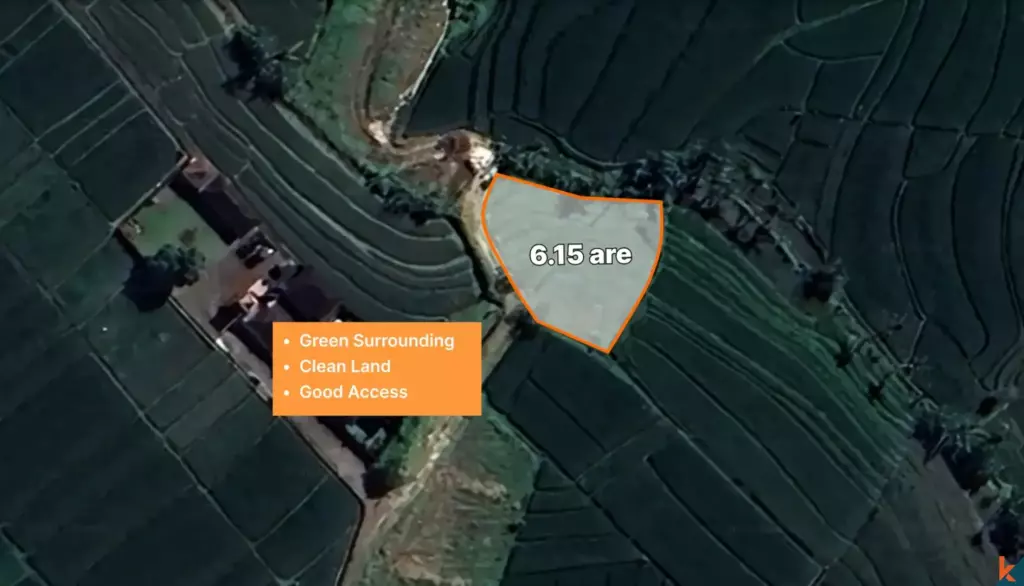 615 m²15 min$ 113608Bali, Tabanan
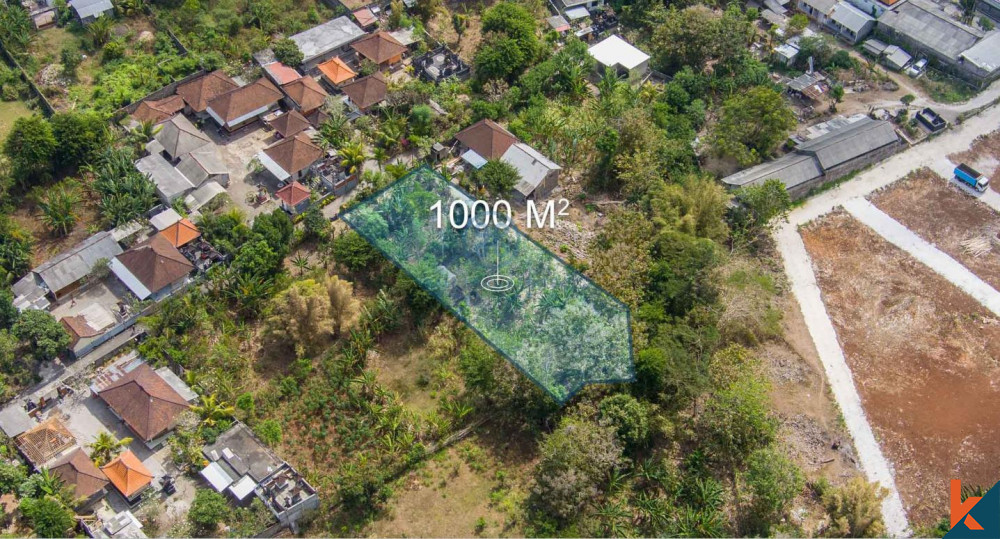 1000 m²8 min$ 134544Bali, Bukit
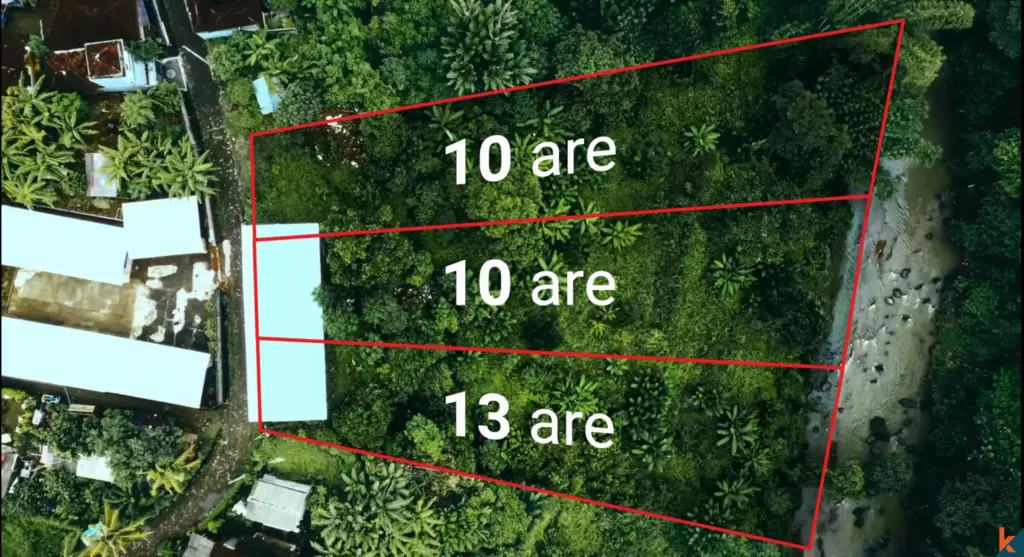 1000 m²10 min$ 303571Bali, Tabanan
 770 m²5 min$ 163578Bali, Kedungu
 300 m²55 min$ 32475Bali, Tegelalang
 13000 m²1 min$ 920567Bali, Pekutatan
 260 m²5 min$ 51872Bali, Kedungu
 700 m²15 min$ 162500Bali, Tabanan
 550 m²5 min$ 217629Bali, Tabanan
 800 m²8 min$ 113300Bali, Ungasan
 204 m²5 min$ 40899Bali, Kedungu
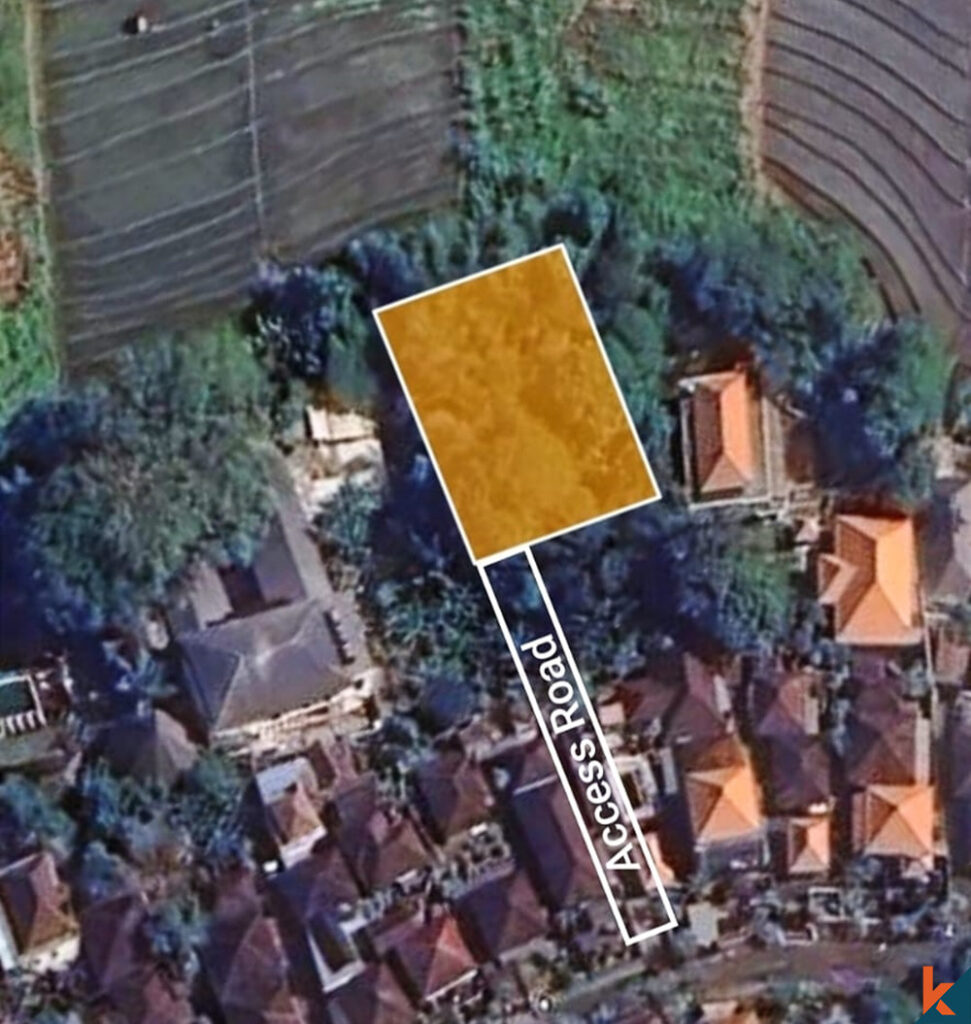 700 m²7 min$ 400000Bali, Canggu
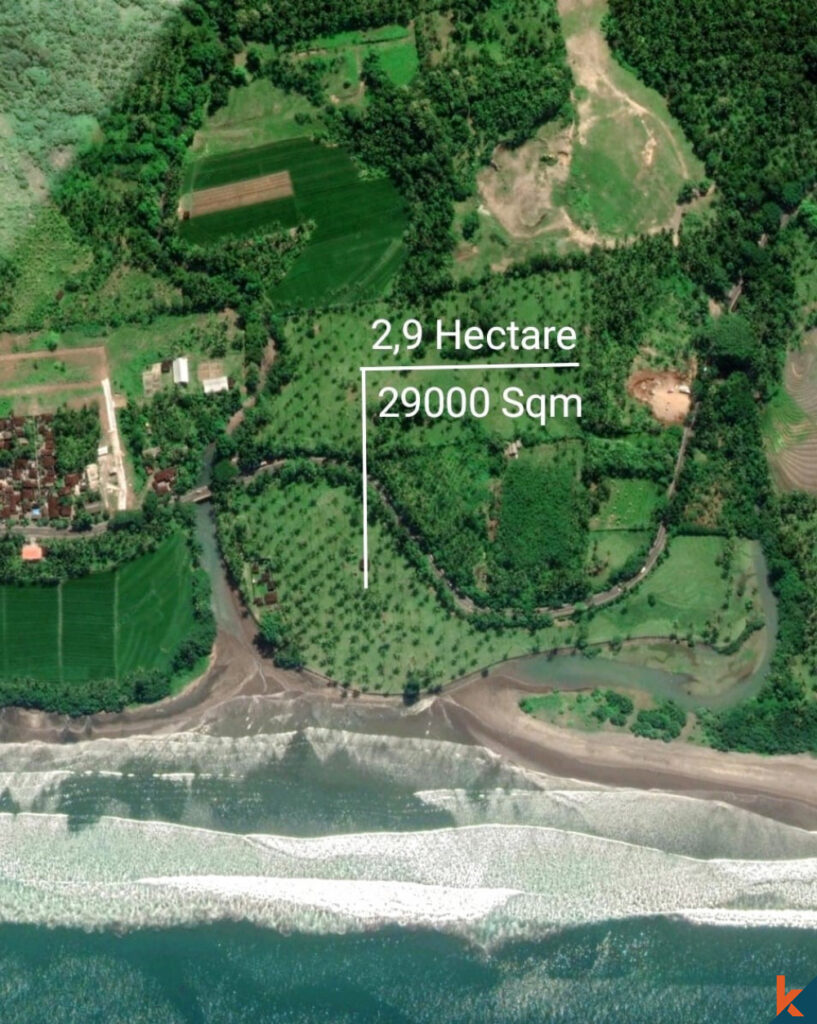 29000 m²6 min$ 3857143Bali, Tabanan
 2000 m²10 min$ 243842Bali, Mengwi
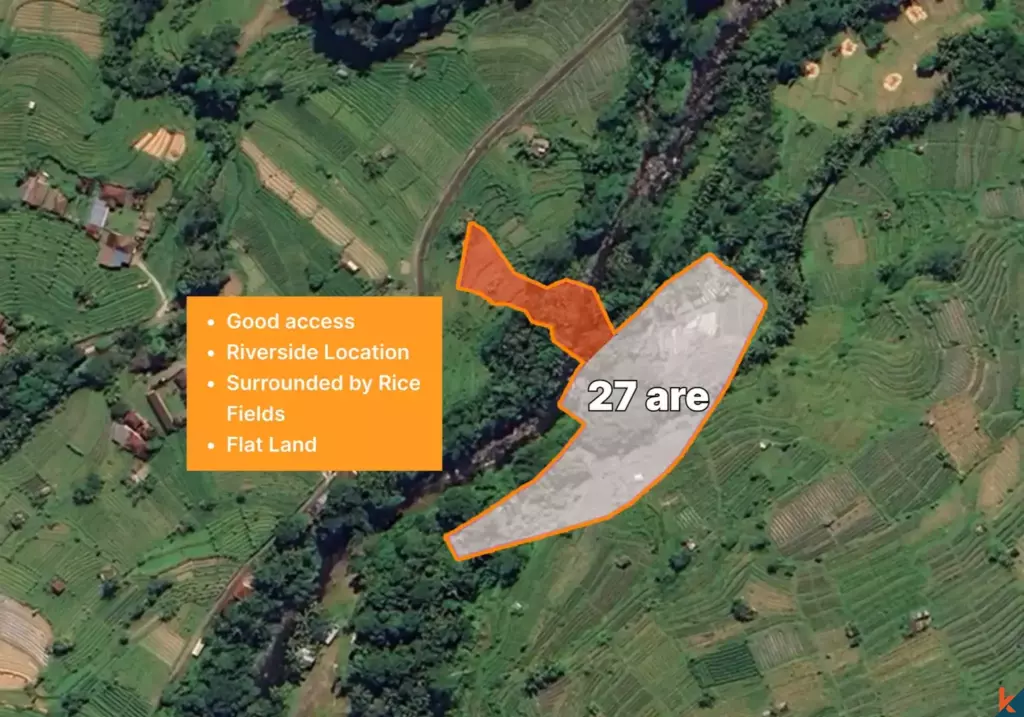 2700 m²30 min$ 314224Bali, Sidemen
Planning a build in Bali?
Get a feasibility view, budget range and timeline from Teville.
Related guides
Marine-Grade Fixings for Bali Joinery: Corrosion Protocols
Explore marine-grade fixings and corrosion protocols for Bali coast joinery. Learn materials, maintenance tips, and best practices to extend timber durability.
10 min read
Resin-Infused Plaster Finishes: Anti-Salt Systems Bali
Expert technical guide: Resin-Infused Plaster Finishes: Anti-Salt Systems Bali
8 min read
Prefinished Timber Joinery: Silicone Seals Fixings Bali
Professional prefinished timber joinery installation in Bali with silicone seals and fixings for durable weatherproof performance and a premium finish.
10 min read