Underfloor Heating Retrofit: Electric Mat Spec Controls Bali
Underfloor Heating Retrofit: Electric Mat Spec & Controls Bali
Specific Problem/Question
Can electric underfloor heating mats be retrofitted into existing Bali villas without compromising finishes, durability, or safety—and how should thermostatic controls be specified for tropical performance? In renovation Bali projects, owners want warm, quick-drying bathroom and living floors without raising levels excessively or damaging stone, tile, or microcement finishes. This Bali area guide explains exactly how Teville engineers specify electric mat systems, sensors, and Wi‑Fi controls to achieve premium comfort, reliable moisture management, and long service life in Bali’s humid, coastal climate.
Technical Deep Dive: Electric Mat Spec and Controls for Bali Retrofits
Electric underfloor heating mats are thin, twin-conductor heating cables pre-fixed on a mesh. For retrofit work in Bali villa construction and interior finishing Bali, they offer minimal build-up, fast installation, and precise zone control—ideal for bathrooms, spa rooms, bedrooms, and select living areas. We focus on mats at approximately 150–200 W/m²; 200 W/m² is common for fast response in tiled bathrooms, while 150 W/m² can suit larger living areas with adequate insulation.
Power and coverage: A 200 W/m² mat covering 5 m² delivers roughly 1 kW (≈4.3 A at 230 V). Indonesia’s supply is nominally 230 V, 50 Hz. Thermostats are typically rated 16 A; any zone over ≈3.5 kW must be split or switched via a contactor. We size conductors and protective devices accordingly (e.g., 2.5 mm² cable with a 16 A MCB/RCD for typical single-zone loads; confirmation by calculation is mandatory).
Response and layering: On concrete slabs or rendered screeds common in Bali, mats are embedded either in a 3–6 mm self-leveling compound (SLC) before tiling, or directly within the thinset under tile/stone. For microcement, we prefer SLC encapsulation for uniform heat spread. Insulation boards (XPS or PIR, cement-faced) significantly reduce heat loss to slab—critical for energy efficiency and faster heat-up. In humid, coastal conditions, closed-cell boards with proper priming and alkaline-resistant mesh/tape at joints enhance durability and prevent moisture-related failures.
Substrate preparation: Tropical humidity, salt-laden air, and variable construction quality demand meticulous prep. We verify slab moisture content, remove contaminants, and prime with compatible primers (SBR or manufacturer-specified). In wet rooms, we combine heating with a full waterproofing membrane (e.g., liquid-applied, compatible with heat; observe cure windows before energizing). Movement joints and perimeter isolation strips prevent reflective cracking and allow thermal expansion.
Controls and sensors: Modern Wi‑Fi thermostats from reputable kits (e.g., SmartHeat SH-Mat via Underfloor Heating Shop or ProWarm) offer dual-sensor logic (air + floor) and app scheduling. For Bali we prioritize: floor sensor control in bathrooms to limit surface temperature to 28–32°C for comfort and finish protection; air + floor guard in living spaces; and “adaptive learning” to pre-heat before occupancy. We install a spare floor sensor in a second conduit as redundancy—a small detail that prevents future tile demolition if a sensor fails.
Safety: Twin-conductor, low-EMF mats with robust cold-lead splices are industry standard. Protection includes a 30 mA RCD/RCBO on each zone, correct earthing, and bond continuity to metallic drains/grids as required. In shower or bath areas, thermostat location must satisfy local code zoning; where needed, place the thermostat outside the bathroom with floor sensor entry via conduit. IP ratings of any in-zone component must suit splash risk.
Zoning strategy: Comfort-focused zoning is key to renovation Bali projects. Typical small bath: 2–4 m² heated area; master bath: 4–6 m²; bedroom vanity zones: 1–2 m²; living/dining accents: 6–20 m². Avoid running mats beneath fixed cabinets, sanitary blocks, or heavy furniture installation footprints that restrict heat dissipation. We mirror the as-built drawing with “no-heat” zones to protect adhesives and furnishings.
Finish compatibility: Stone and porcelain tiles are ideal; microcement is excellent with proper mesh and SLC encapsulation. For engineered wood, limit surface temperature to ≤27°C and use low-R flooring (<0.15 m²K/W). Adhesives and membranes must be heat-rated and alkali-resistant. Grout should be flexible; Deformability class S1/S2 tile adhesives are preferred.
Commissioning and lifecycle: Before, during, and after covering, we log conductor resistance and insulation resistance (megger at 500 V DC), issuing a test certificate. We prohibit energizing until adhesives/membranes fully cure (often 7–28 days; follow manufacturer data). Properly installed systems have minimal maintenance: periodic thermostat checks, firmware updates for Wi‑Fi controllers, and visual inspection of junction boxes.
Smart features: App-based control supports weekly schedules, holiday mode, and usage insights. For villa utilities and smart-villa ecosystems, we integrate via open APIs or bridge modules (e.g., Google Home/Apple/IFTTT), always ensuring a hard safety interlock remains local (thermostat + RCD). In Bali’s variable occupancy patterns, schedules and geofencing reduce unnecessary runtime while preserving comfort and surface drying in wet areas.
Why Teville: As a finishing quality specialist, Teville coordinates substrate remediation, moisture control, electrical protection, and finish compatibility under one roof. Our construction process and portfolio show how technical detailing safeguards tropical performance and long-term durability.
Materials & Standards
Core components we specify for Bali villa construction retrofits:
- Heating mats: Twin-conductor, shielded, low-EMF, self-adhesive mesh; typical 150–200 W/m²; cold leads ≥3.0 m length, robust factory joint. Brands/kits comparable to SmartHeat SH-Mat and ProWarm are accepted when documented to IEC/CE standards.
- Thermostats: 230 V, 50 Hz, 16 A rating; Wi‑Fi-enabled with floor + air sensor, open window detection, adaptive start. Include at least one spare floor sensor.
- Insulation boards: XPS/PIR cement-faced boards (6–20 mm) with compatible washers/adhesive; closed-cell for humidity resistance.
- Adhesives & SLC: Polymer-modified, flexible tile adhesive (S1/S2); heat-rated SLC for encapsulation; flexible grout.
- Waterproofing: Liquid-applied or sheet membranes compatible with heated floors; heat and alkalinity tolerant.
- Electrical protection: RCBO/RCD 30 mA; MCB type C (as calculated); properly sized conductors (often 2.5 mm² for 16 A); isolator where required.
- Conduits & boxes: Conduit for cold leads and dual floor sensors; deep box for thermostat and terminations; corrosion-resistant accessories for coastal zones.
- Test equipment: Multimeter and insulation tester (500 V DC) for pre-cover and post-cover verification.
Applicable guidance and norms (project-specific code path confirmed during design):
- IEC 60335-2-96 (Household and similar electrical appliances—Safety—Particular requirements for flexible sheet heating elements).
- CE/UKCA product conformity where applicable; manufacturer data sheets for thermal limits.
- PUIL/Indonesian electrical practice aligned with IEC for RCD protection and bathroom zoning; SNI materials where specified.
- IP ratings: Thermostats and junction devices placed outside splash zones unless IP-rated for in-zone installation.
Note: We vet adhesives/membranes for continuous service at typical underfloor temperatures and for resistance to Bali’s humidity and salts. All compatibility is confirmed in writing prior to installation.
Step-by-Step Process
1) Technical survey and design brief
- Measure rooms, note finish types, door thresholds, drainage falls, and existing heights to limit build-up.
- Confirm available power, panel capacity, and RCD availability; map potential zones and loads.
- Define control strategy: per-room thermostats, schedules, integration with villa utilities and smart home.
2) Substrate evaluation and moisture control
- Assess slab/screed soundness, flatness (target ≤3 mm over 2 m after prep), and moisture (CM test where necessary).
- Plan remedial works: crack stitching, patch repairs, grinding, or self-leveling pre-skim.
3) Layout planning
- Draw heated vs no-heat zones (beneath vanities, WCs, built-ins remain unheated).
- Fix thermostat position outside wet zones; route conduits for cold leads and two floor sensors to mid-floor area, centered between cable runs, 500–600 mm into the heated field.
- Calculate mat coverage (avoid overlap or crossing). Confirm total watts vs thermostat and circuit ratings.
4) Electrical preparation
- Install dedicated RCBO-protected circuits where loads warrant; verify earth continuity and bonding.
- Provide a double-pole isolator if required by location and code.
5) Insulation board installation (where used)
- Prime substrate per product data; bed cement-faced boards with flexible adhesive; mechanically fix with corrosion-resistant washers/plugs.
- Tape and mesh board joints; ensure level transitions at thresholds.
6) Waterproofing (wet areas)
- Apply compatible liquid membrane; reinforce corners and penetrations; observe curing times.
- In some assemblies, mats are placed over the membrane then encapsulated in SLC; in others beneath a heat-approved membrane—follow manufacturer sequence.
7) Mat dry-lay, testing, and fixing
- Dry-lay mats to confirm coverage; avoid under fixtures. Cut mesh (never cable) to turn.
- Record conductor resistance and insulation resistance; values must match manufacturer tolerances.
- Adhere mats to substrate; keep cold lead junctions fully supported and within the encapsulation layer.
8) Sensor placement
- Install primary and spare floor sensors in separate conduits leading to the thermostat box; sensor tips between cable runs, not touching heating cable.
9) Encapsulation
- Option A: Apply 3–6 mm heat-rated SLC to fully cover cable; de-air with spiked roller; allow to cure.
- Option B: Trowel flexible tile adhesive; bed tiles, maintaining even coverage to avoid hotspots.
10) Tiling/microcement finishing
- Use S1/S2 adhesives and flexible grout; respect movement joints; verify flatness and levels, crucial for luxury finishes.
- For microcement, follow manufacturer mesh/basecoat/topcoat cycles with specified cure intervals.
11) Final electrical terminations and testing
- Terminate cold leads and sensors at thermostat; torque terminals per spec.
- Repeat resistance and insulation tests; log results for warranty and handover.
12) Commissioning and programming
- Do not energize until all adhesives/membranes cure (often 7–28 days).
- Program Wi‑Fi thermostats: schedules, max floor temp, vacation mode; integrate with smart home if required.
13) As-built documentation and care
- Issue drawings marking heated areas to guide future furniture installation and drilling restrictions.
- Provide O&M manual, test sheets, and app access credentials.
Teville’s coordinated method prevents the common retrofit failures—sensor loss,
 3124 m²6 month(s)from 123.000 USD
TALA 8
 1from 198.000 USD
Private: Haridas Villas
 4344 m²16 month(s)from 290.000 USD
Radha
 3127 m²9 month(s)from 177.000 USD
Mukunda
 3104 m²11 month(s)from 99.000 USD
TALA 100
 3173 m²6 month(s)from 125.000 USD
TALA FOUR

Want to calculate?
 164 m²7 month(s)from 79.000 USD
Private: Haridas Villas, Tegallalang
164 m²7 month(s)from 79.000 USDTALA TWO
 3180 m²7 month(s)from 142.000 USD
Vasudeva
 2144 m²11 month(s)from 104.000 USD
Narayana
 172 m²8 month(s)from 120.000 USD
Keshava
Start With Real Numbers, Not Guesses
Before finalizing your finishing works plan, check realistic cost ranges for your Bali villa project.
Available lands
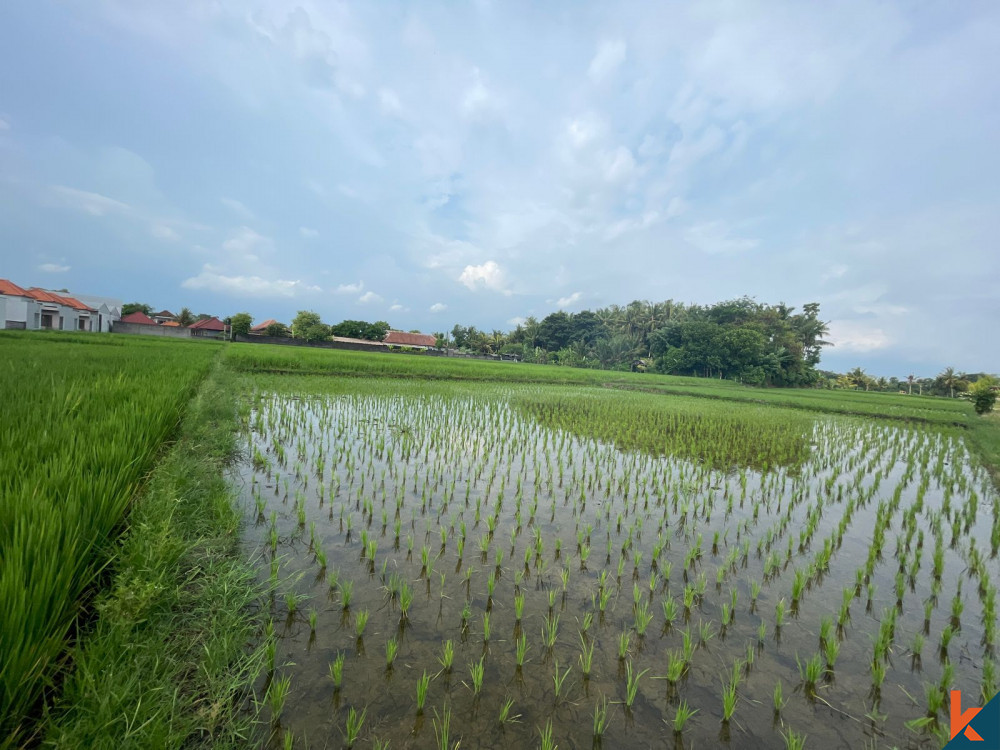 2500 m²5 min$ 609606Bali, Kedungu
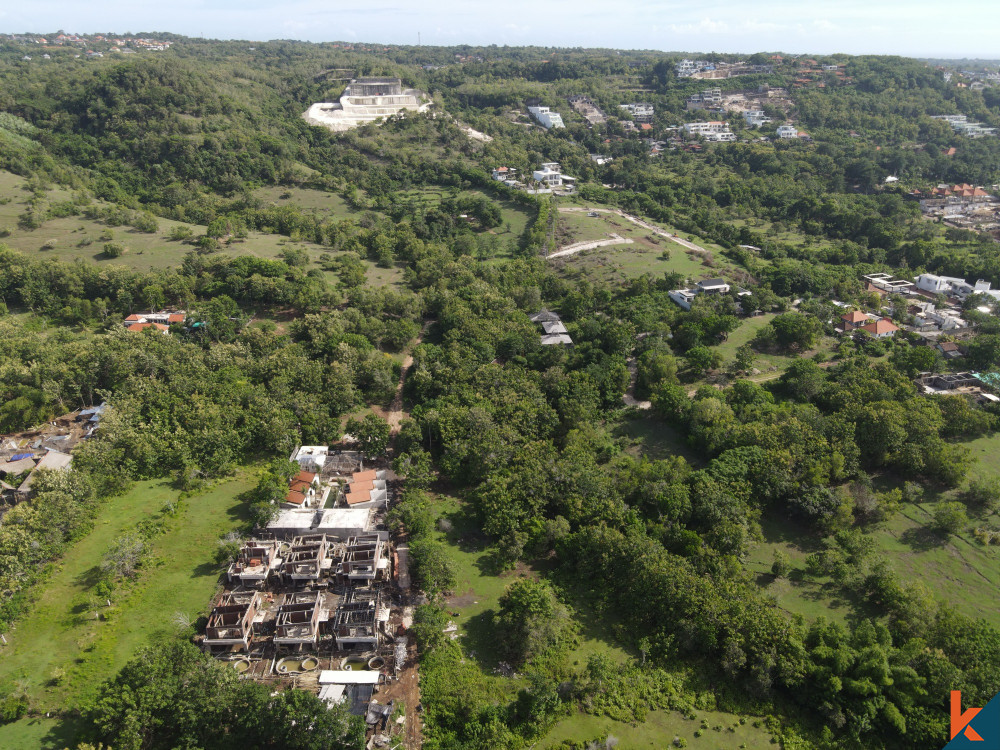 1000 m²10 min$ 280788Bali, Pecatu
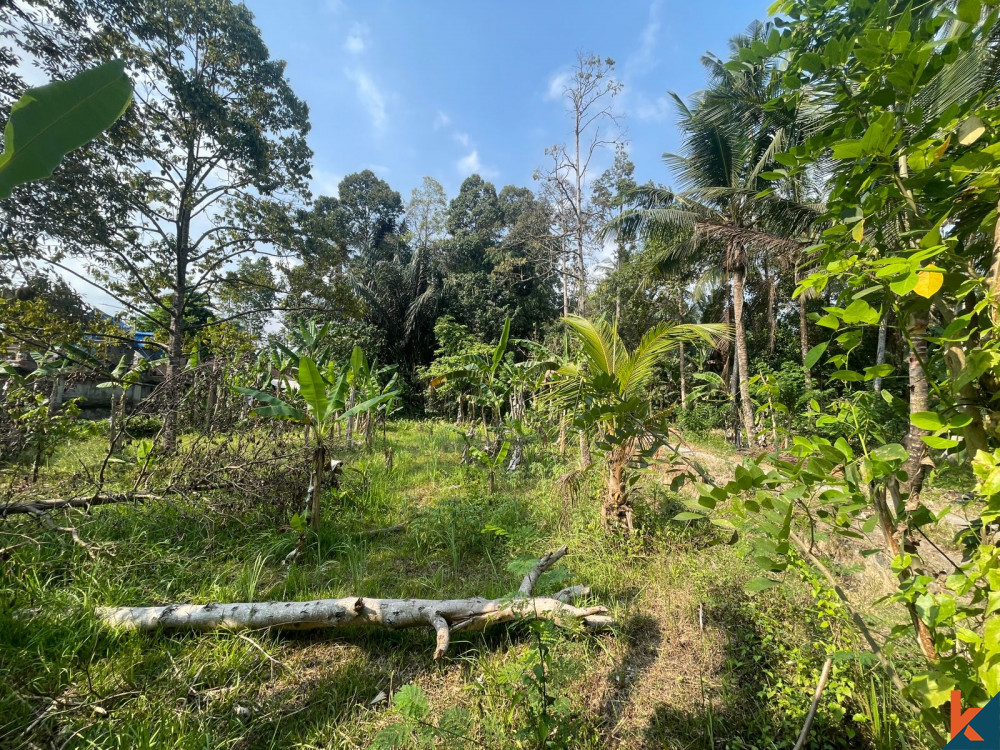 700 m²15 min$ 90517Bali, Central Bali
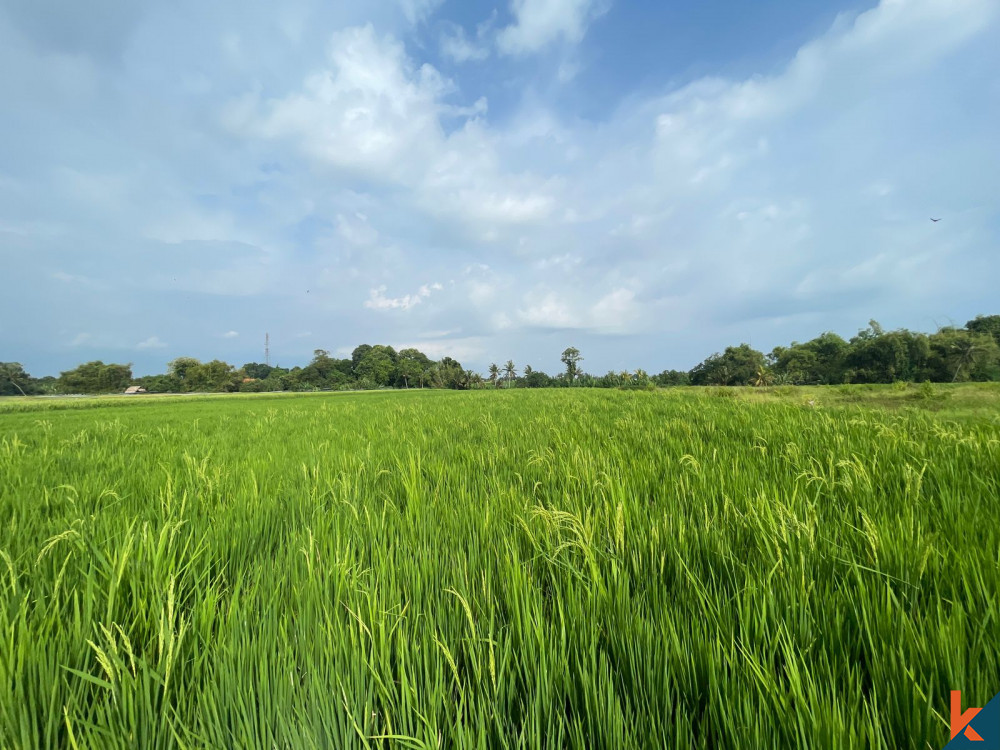 2800 m²2 min$ 713793Bali, Kedungu
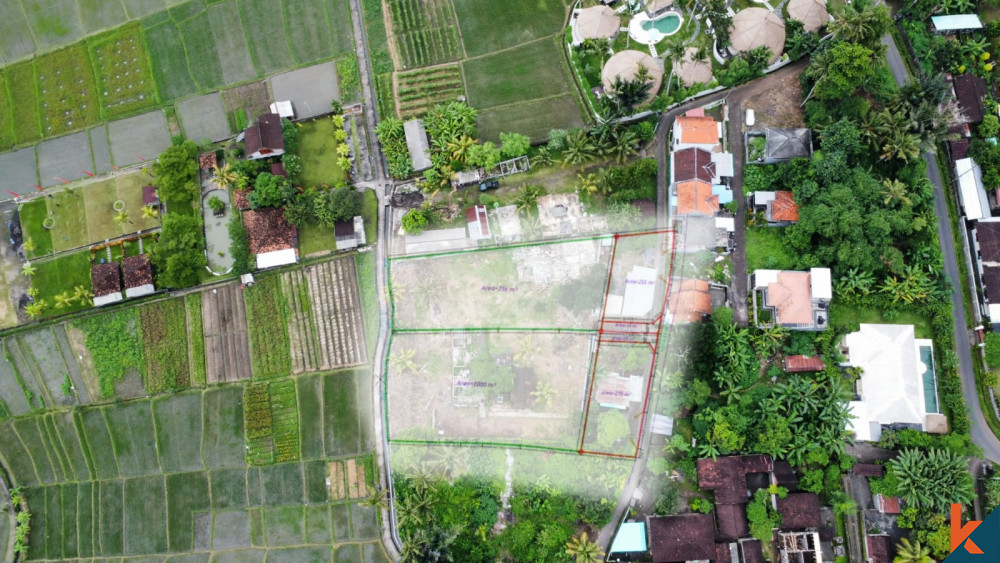 3100 m²20 min$ 272968Bali, Tabanan
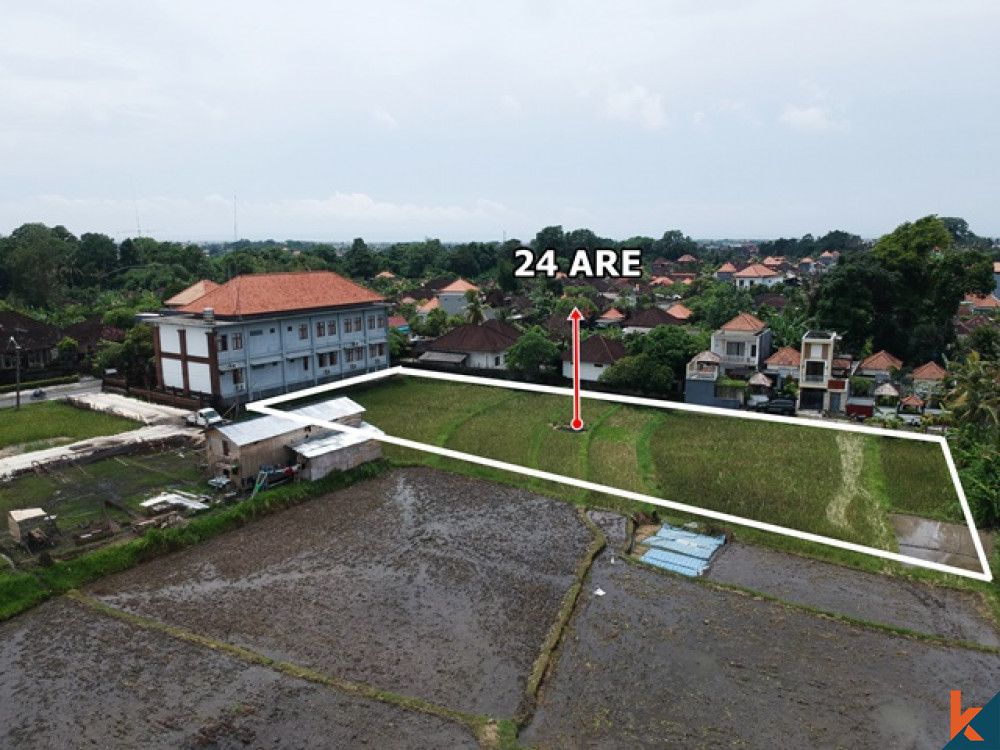 2400 m²7 min$ 496552Bali, Canggu
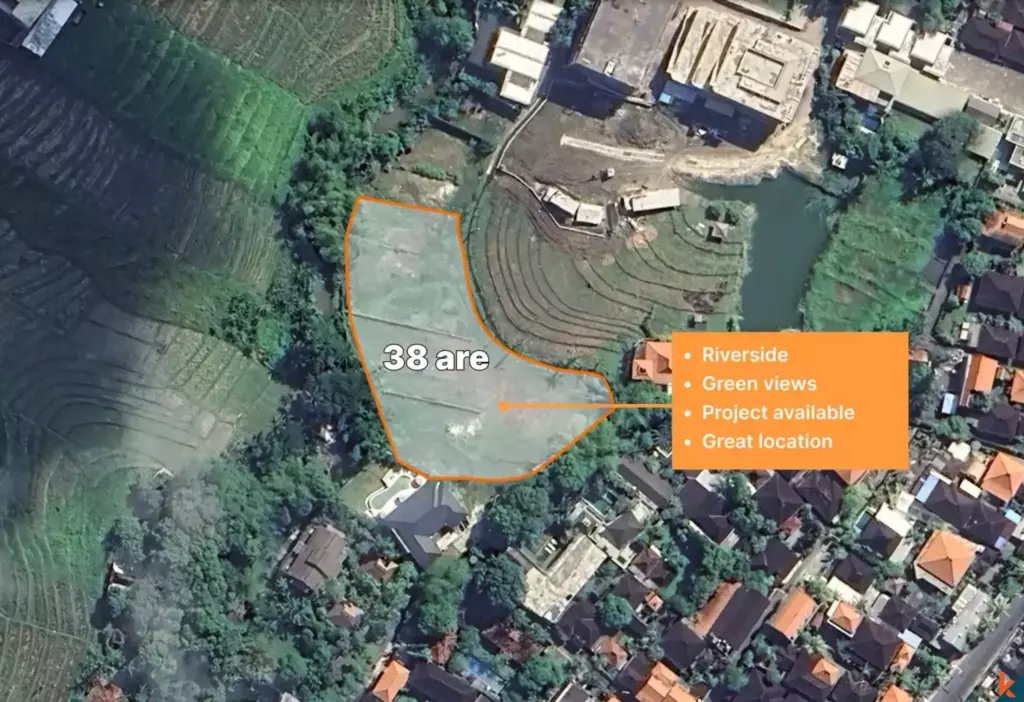 3800 m²15 min$ 100616Bali, Pererenan
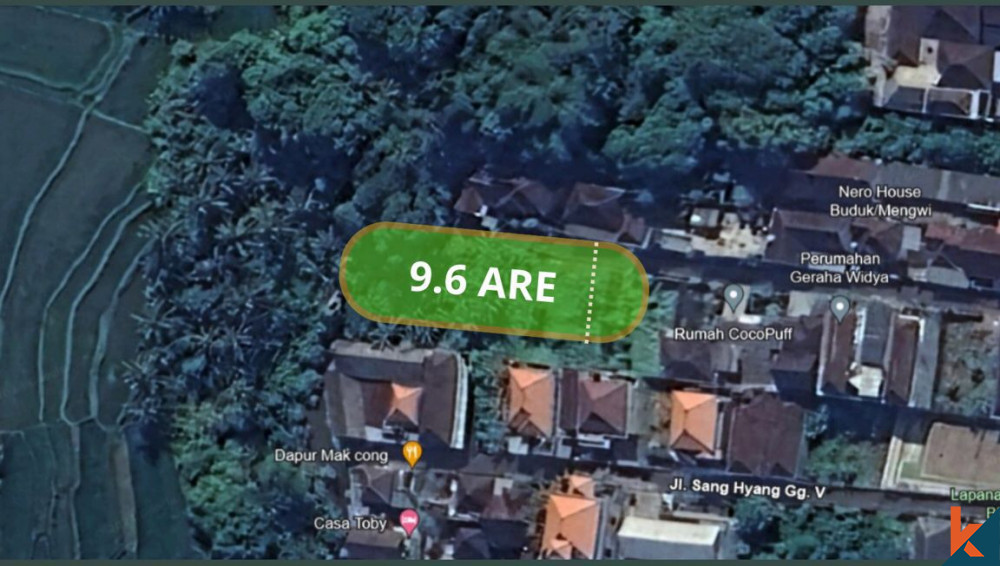 960 m²15 min$ 91034Bali, Mengwi
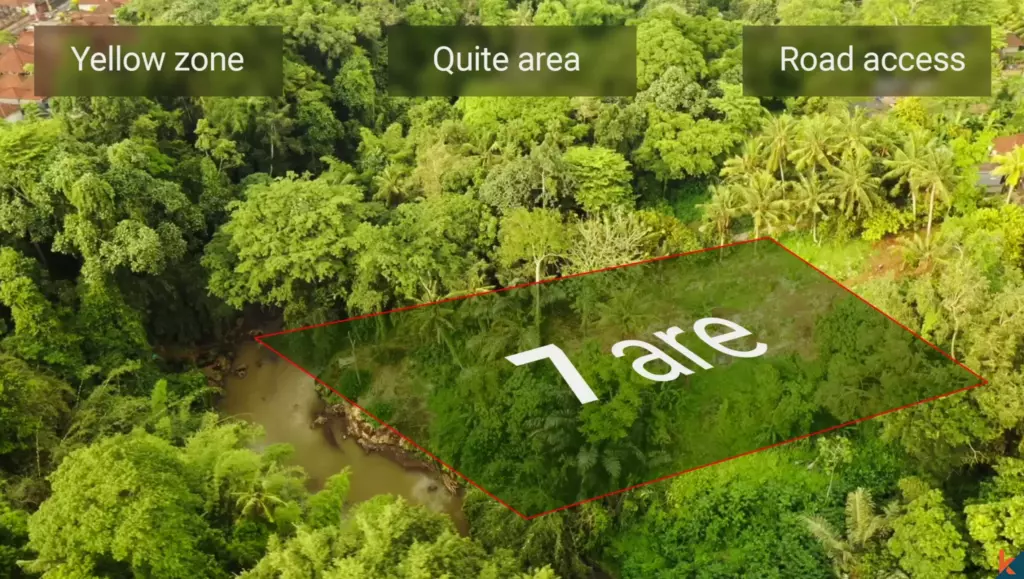 700 m²15 min$ 162500Bali, Tabanan
 420 m²15 min$ 41897Bali, Tabanan
 608 m²15 min$ 310377Bali, Seminyak
 300 m²55 min$ 32475Bali, Tegelalang
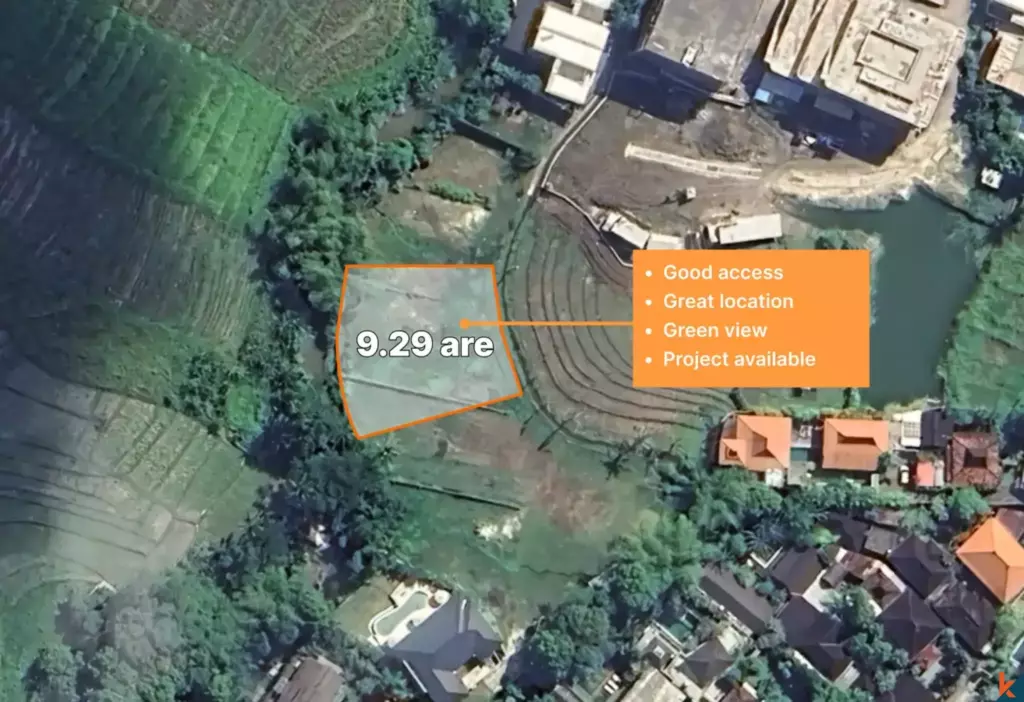 928 m²15 min$ 910123Bali, Pererenan
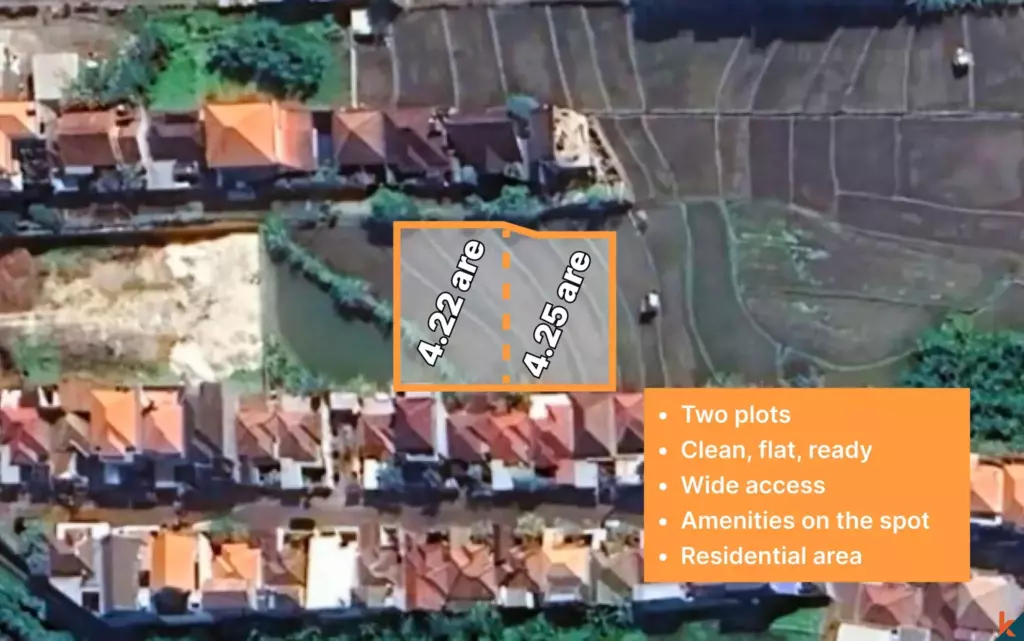 422 m²15 min$ 93547Bali, Kerobokan
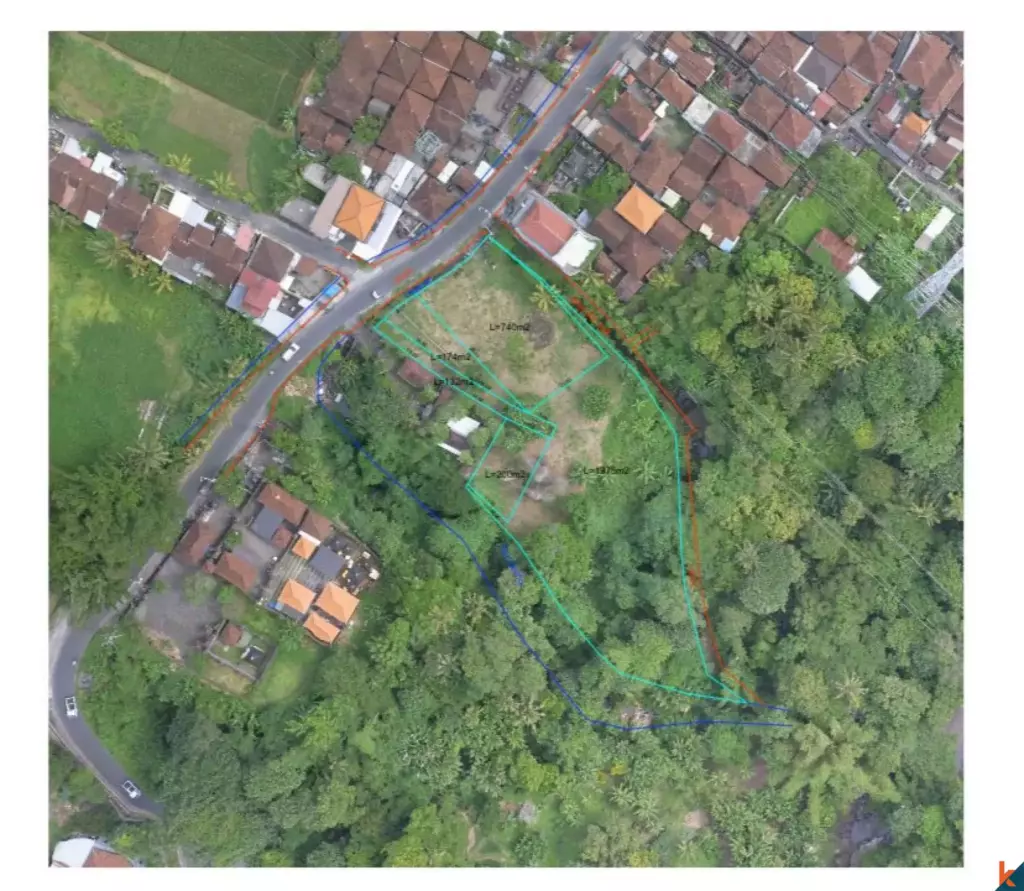 200 m²11 min$ 89286Bali, Tabanan
Planning a build in Bali?
Get a feasibility view, budget range and timeline from Teville.
Related guides
Marine-Grade Fixings for Bali Joinery: Corrosion Protocols
Explore marine-grade fixings and corrosion protocols for Bali coast joinery. Learn materials, maintenance tips, and best practices to extend timber durability.
10 min read
Resin-Infused Plaster Finishes: Anti-Salt Systems Bali
Expert technical guide: Resin-Infused Plaster Finishes: Anti-Salt Systems Bali
8 min read
Prefinished Timber Joinery: Silicone Seals Fixings Bali
Professional prefinished timber joinery installation in Bali with silicone seals and fixings for durable weatherproof performance and a premium finish.
10 min read