Concealed Low-Voltage Data Power Trunking Bali: Routing Seals
Specific Problem/Question
How do you route and seal concealed low-voltage data and power trunking in a Bali villa so it stays invisible, safe, serviceable, and protected from humidity, termites, and salt air? In Bali villa construction and renovation Bali projects, the challenge is to integrate structured cabling, PoE devices, AV, and control wiring into walls, floors, and furniture without cracking finishes, inviting moisture, or causing electrical interference. This Bali area guide explains Teville’s specification, routing logic, and sealing details that deliver premium interior finishing Bali quality and long-term durability for villa utilities.
Technical Deep Dive: Routing and Sealing for Concealed Low-Voltage
Concealed trunking is a continuous pathway system that carries multiple cable types behind plaster, in floor screeds, or within cabinetry. For villas, it must balance four imperatives: aesthetics (zero visual clutter), maintainability (future pull-throughs), environmental resilience (tropical humidity, termites, coastal air), and electromagnetic compatibility (power vs data separation). Teville designs trunking as part of finishing works—not as an afterthought—coordinating wall finishes, tile joints, furniture installation, and mechanical systems to prevent rework.
System anatomy
A typical concealed pathway includes a primary trunk (uPVC LSZH or powder-coated aluminum), compartment dividers, branch conduits to outlets, draw-wires, and sealed junctions. For wet or coastal exposures, gaskets, compression cable glands, and end caps elevate the ingress rating to IP44–IP54 inside habitable zones and higher where needed (plant rooms, exterior-adjacent walls). Metallic trunking is bonded to earth; nonmetallic receives reinforced clip spacing and termite-resistant supports.
Routing logic in Bali villas
- Walls: Dado-height or skirting-level runs avoid window lintels and minimize chases through load-bearing masonry. We align routes with tile grout lines and plaster control joints to prevent telegraphing and cracking.
- Floors: In screeds, we maintain cover thickness and avoid crossing planned floor drains. For timber floors, we adopt shallow, ventilated channels with brush-sealed access points to mitigate condensation.
- Ceilings: Bulkhead runs serve lighting control and Wi‑Fi APs. Acoustic ceilings get decoupled hangers so cable trays don’t bridge sound isolation.
- Furniture integration: Behind headboards, wardrobes, and kitchen plinths we embed mini-trunking with brush plates, keystone bezels, and removable toe-kick panels. Flexible conduits bridge to movable elements (islands, sliding units) with strain relief.
Power–data coexistence
Interference and code compliance drive separation. We specify multi-compartment trunking with metallic dividers or maintain 50–200 mm separation in parallel runs, crossing at 90°. PoE loads (APs, cameras, keypads) share the low-voltage compartment; mains outlets are isolated, with RCDs and surge protection upstream. For AV and office areas we use Cat6A or Cat7 with shield bonding per manufacturer instructions to control crosstalk and induced noise.
Sealing strategy in a humid, coastal climate
- Ingress control: Gasketed lids, silicone-free elastomer seals, and IP-rated glands at device boxes and panel entries. End caps and blank modules close unused apertures to deter insects.
- Condensation mitigation: Avoid cold bridges by decoupling metallic trunking from exterior walls; add foam backers behind plates; route in conditioned zones where possible.
- Termite and corrosion resistance: Use treated fasteners (A2/A4 stainless), borate-treated timber packers, and UV-stable LSZH plastics. For coastal villas, choose aluminum trunking with powder coat or anodizing, and non-hygroscopic gaskets.
- Fire and acoustics: Intumescent collars or sealants at all penetrations between fire/smoke zones; acoustic mastic where trunking breaches sound-rated partitions. Labels document tested systems for future works.
Finishing integrity
The trunking’s cover sits flush with the substrate. We apply bonding primers, then skim coats to project datum, preventing ridging. Screw spacing follows manufacturer data to avoid oil-canning. Where outlets sit in stone or tile, we pre-core and edge-seal holes; expansion joints are respected with flexible couplers across breaks. All visible plates align to a common datum line for clean sightlines in premium interiors.
Because concealed systems determine serviceability, we design minimum 30% spare capacity, pull cords in main runs, and mapped junction points. As-built drawings and QR-coded labels inside access plates allow future upgrades without invasive demolition—vital for high-end furniture installation and later technology refreshes in Bali villas.
Materials & Standards
Material selection is performance-led and adapted to Bali’s tropical conditions:
- Trunking bodies: LSZH uPVC (low smoke, zero halogen) for residential interiors; powder-coated aluminum for coastal exposure or high impact zones. For control panels, wiring ducts per established ranges (e.g., products similar to ABB’s wiring duct and trunking) can be referenced for enclosure work.
- Compartments and dividers: Metallic or composite dividers for EMC separation. Brush seals and keystone-compatible bezels for data terminations.
- Seals and glands: Neoprene/EPDM gaskets, IP-rated compression glands, and end caps. Intumescent sealants/collars at fire barriers; acoustic sealant at sound partitions.
- Fasteners and supports: A2/A4 stainless screws, corrosion-resistant clips, and termite-resistant backers.
- Cables: Cat6A/Cat7 F/UTP or S/FTP for data; LSZH jacketed control and speaker cables; segregated mains per local code.
Standards and guidance we align with include:
- Indonesian PUIL (Peraturan Umum Instalasi Listrik) and PLN requirements for electrical installations.
- IEC 60364 principles for LV installations; IEC 60529 for IP ratings.
- TIA‑568.2‑D / ISO/IEC 11801 for structured cabling performance and testing.
- BS EN 50085 (cable trunking systems) for construction and test methods; UL 94 for material flammability where applicable.
- Firestopping tested to EN 1366‑3 or ASTM E814 where rated separations are penetrated.
For integrated wall trunking with outlet modules, modular systems like those found from reputable manufacturers (e.g., European wall trunking akin to solutions by MP Bolagen) demonstrate the principle of neat power–data integration. Teville specifies equivalent, code-compliant systems appropriate for the Bali market and project design intent.
Step-by-Step Process
1) Survey and coordination
- Document existing construction, finishes, and furniture plans; identify wet areas, exterior-adjacent walls, and sound/fire partitions.
- Load schedule: Wi‑Fi APs, PoE cameras, intercoms, blinds, AV, workstations, spa/pool controls. Confirm power–data terminations and head-end locations.
- Coordinate with Teville’s construction process to lock routes before plastering, tiling, or cabinetry fabrication.
2) Trunking design
- Select trunking sections and materials; size for current fill plus ≥30% spare capacity.
- Define separation strategy (multi-compartment or spacing) and crossing rules.
- Detail sealing: IP class targets, gaskets, glands, and penetration fire/acoustic seals.
- Draw reflected ceiling, wall, and floor plans; issue coordinated elevations for outlet alignment.
3) Substrate preparation
- Chase masonry with depth stops and dust extraction; avoid structural reinforcement.
- Prime channels; install termite-resistant backers where trunking abuts timber.
- Set fixings at specified spacing; for aluminum sections, use isolating washers on exterior walls to reduce thermal bridges.
4) Installation of trunking and branches
- Install main runs level; torque screws uniformly to compress gaskets without distortion.
- Fit compartment dividers; mount access points at planned junctions.
- Run branch conduits to device boxes with swept bends; pull draw-wires.
- Seal ends and unused knockouts with caps; brush plates for open service apertures.
5) Cable pulling and terminations
- Pull cables respecting bend radius and lubricant use as approved by manufacturer.
- Terminate data on shield-compatible keystones or patch panels; maintain pair twist to within 13 mm. Bond shields where required.
- Terminate power on isolated devices; verify segregation and mechanical protection.
6) Sealing and finishing
- Apply intumescent/acoustic seals at penetrations; photograph for records.
- Fit IP-rated glands at device entries; compress evenly for a water/dust-tight seal.
- Close lids; check gasket continuity; label sections discreetly at access points.
- Plaster skim, tile, or panel to flush. Align plates with cabinetry lines for clean sightlines.
7) Testing, documentation, and handover
- Electrical verification: continuity, insulation resistance, RCD checks.
- Data certification: field test to TIA‑568.2‑D for Cat performance.
- Thermal imaging and endoscopic inspection of concealed routes where practical.
- Issue as-builts, test reports, and maintenance guidance. Add QR labels at key access points.
This disciplined sequence is how Teville protects interior finishing Bali quality while ensuring future serviceability. See our portfolio and villa projects for integrated utilities and furniture installation examples.
Costs & Timeline
Every villa utilities scope is unique, but indicative ranges for Bali help planning:
- Design and coordination: 1–2 weeks depending on renovation Bali complexity.
- Procurement: 1–3 weeks for specialty trunking, gaskets, and devices.
- Rough-in (per villa zone): 3–10 days for routing, mounting, and branch conduits.
- Cable pulling and terminations: 2–5 days aligned with device count.
- Testing and handover: 1–2 days for full reports.
- Materials: LSZH uPVC trunking and accessories typically IDR 80,000–250,000 per meter; aluminum 250,000–600,000 per meter; IP glands 50,000–150,000 each; brush plates/keystone modules 80,000–250,000 each; floor boxes 900,000–2,500,000 each.
- Labor: Installation and finishing 120,000–250,000 per meter depending on substrate and finish level; fire/acoustic penetration sealing 250,000–700,000 per penetration; certification testing as per scope.
These are planning figures only; final cost depends on finishes, routes, and device density. For a tailored estimate, use our cost estimation form. We avoid cost shortcuts that compromise durability in Bali’s climate.
FAQ: Concealed Trunking, Routing & Seals in Bali
Q: Trunking vs. conduit—what’s better for villas?
A: Conduits are discrete pipes; trunking is a serviceable pathway with removable covers and compartments. For multi-service, upgradeable villas, concealed trunking with branches offers cleaner finishing and future access.
Q: Can this be retrofitted without demolishing finishes?
A: Yes, via skirting/dado trunking, ceiling bulkheads, and furniture-integrated routes. We sequence works to minimize disturbance and match existing finishes in renovation Bali projects.
Q: How do you prevent mold and condensation?
A: Keep runs in conditioned zones, decouple metal from cold exterior walls, use non-hygroscopic gaskets, and avoid dead-end cavities. Brush-sealed access points allow micro-venting while blocking dust and insects.
Q: Will coastal air corrode my system?
A: We specify A2/A4 stainless fasteners, aluminum trunking with durable coatings, and LSZH plastics. Interfaces are sealed; dissimilar metals are isolated to prevent galvanic corrosion.
Q: How is power separated from data?
A: By multi-compartment trunking or spacing per standard, with 90° crossings and shield/bonding practices for Cat6A/Cat7. This preserves network performance for streaming and control systems.
Q: What about Wi‑Fi performance—do concealed runs help?
A: Yes. Concealed PoE cab

Want to calculate?
 1from 198.000 USD
Private: Haridas Villas
 3173 m²6 month(s)from 125.000 USD
TALA FOUR
 3104 m²11 month(s)from 99.000 USD
TALA 100
 3180 m²7 month(s)from 142.000 USD
Vasudeva
 3127 m²9 month(s)from 177.000 USD
Mukunda
 3124 m²6 month(s)from 123.000 USD
TALA 8
 164 m²7 month(s)from 79.000 USD
Private: Haridas Villas, Tegallalang
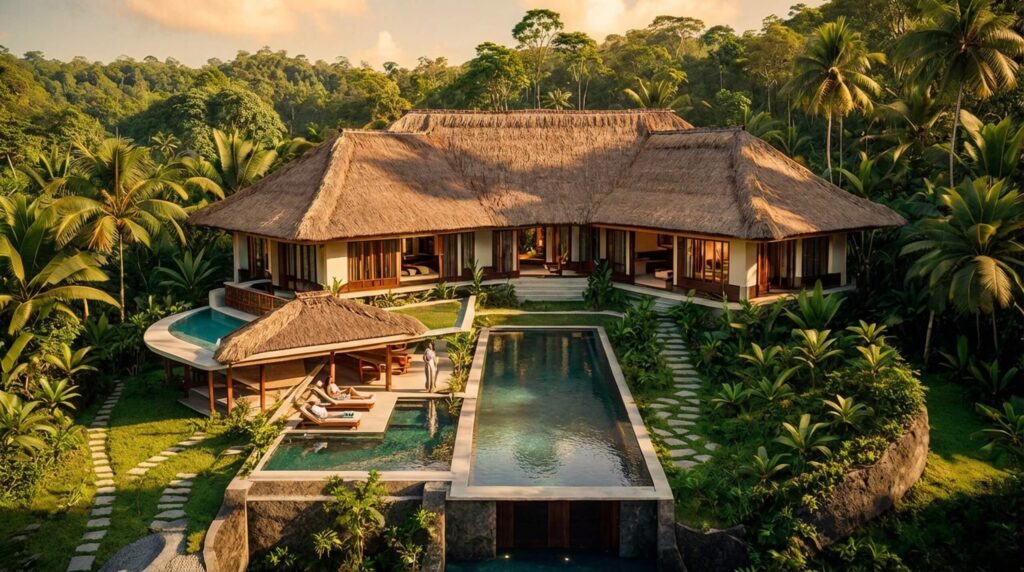 2144 m²11 month(s)from 104.000 USD
Narayana
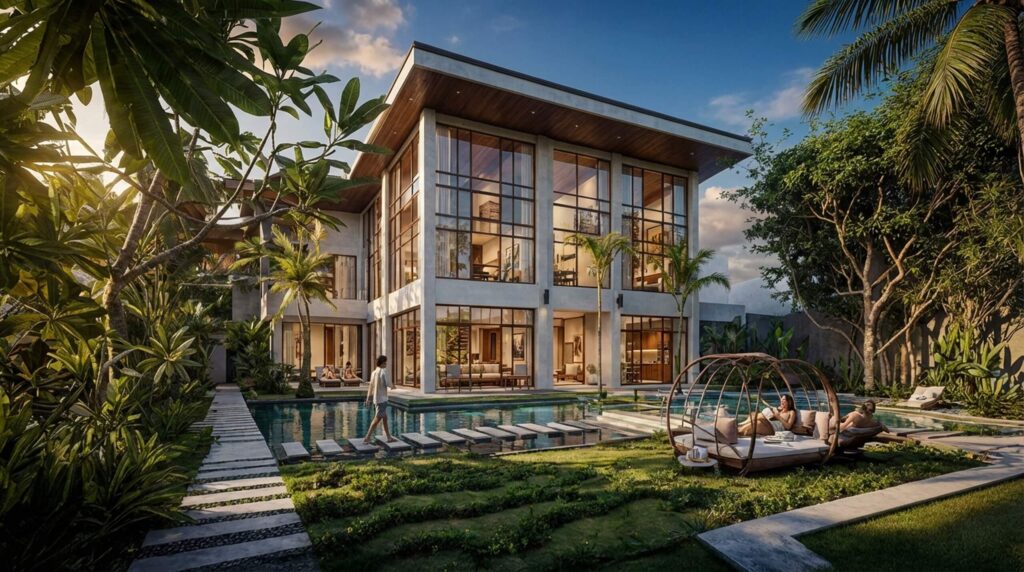 4344 m²16 month(s)from 290.000 USD
Radha
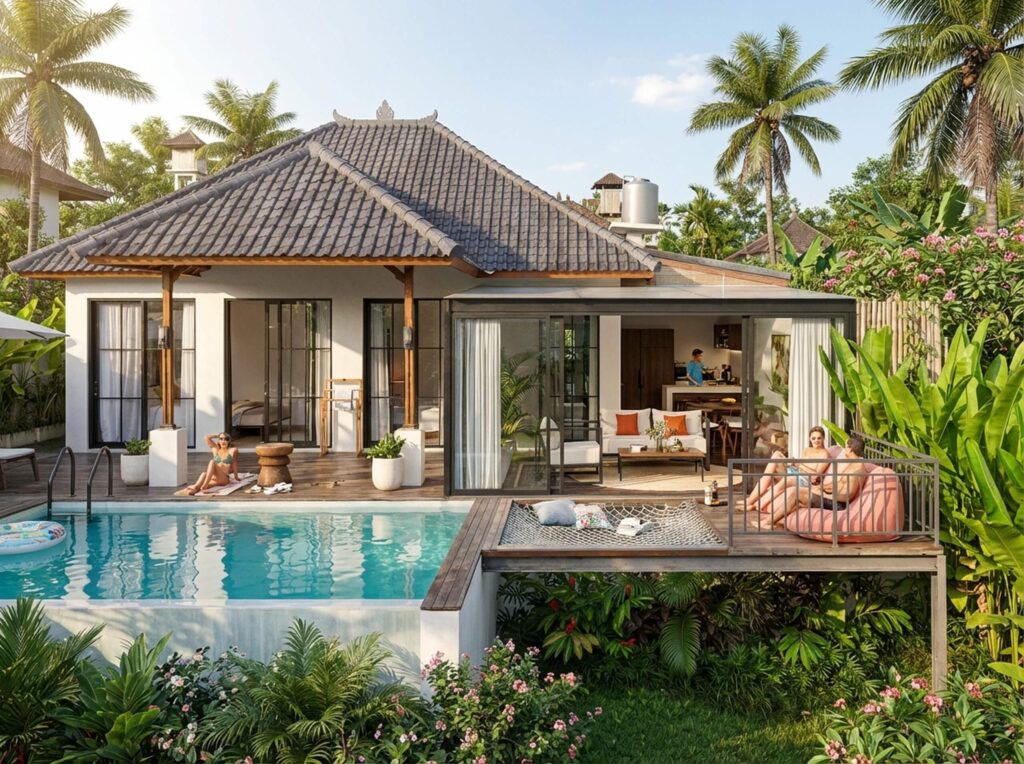 172 m²8 month(s)from 120.000 USD
Keshava
164 m²7 month(s)from 79.000 USDTALA TWO
Start With Real Numbers, Not Guesses
Before finalizing your finishing works plan, check realistic cost ranges for your Bali villa project.
Available lands
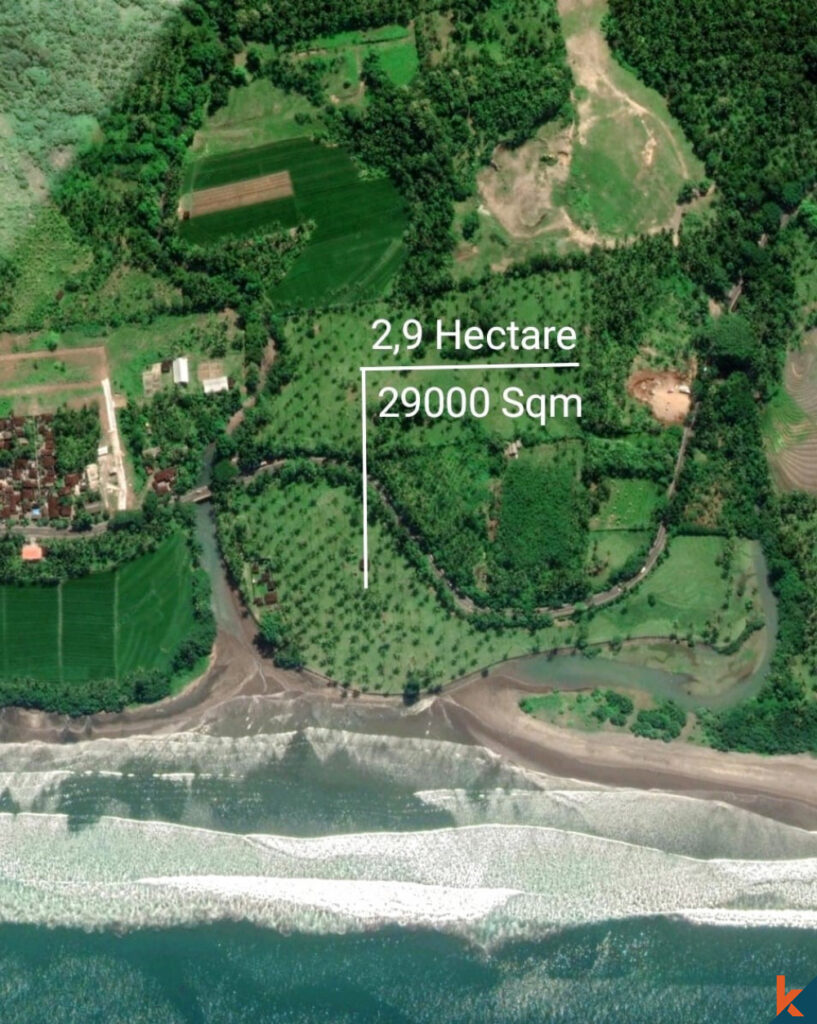 29000 m²6 min$ 3857143Bali, Tabanan
 2200 m²3 min$ 183842Bali, Berawa
 1430 m²5 min$ 209862Bali, Klungkung
 700 m²8 min$ 165517Bali, Umalas
 7000 m²36 min$ 284483Bali, Gianyar
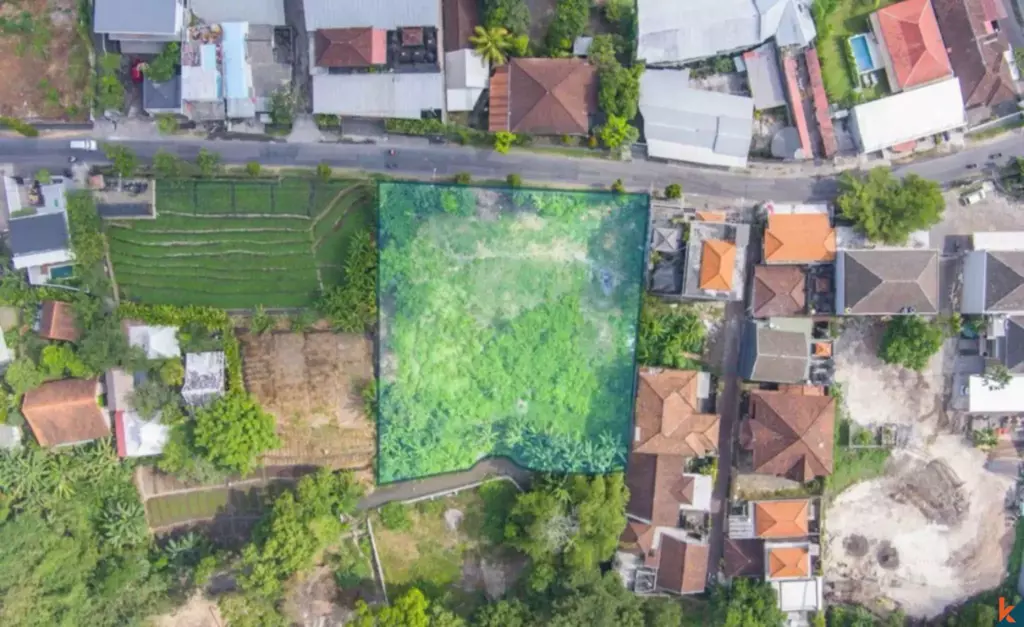 2230 m²15 min$ 410573Bali, Padonan
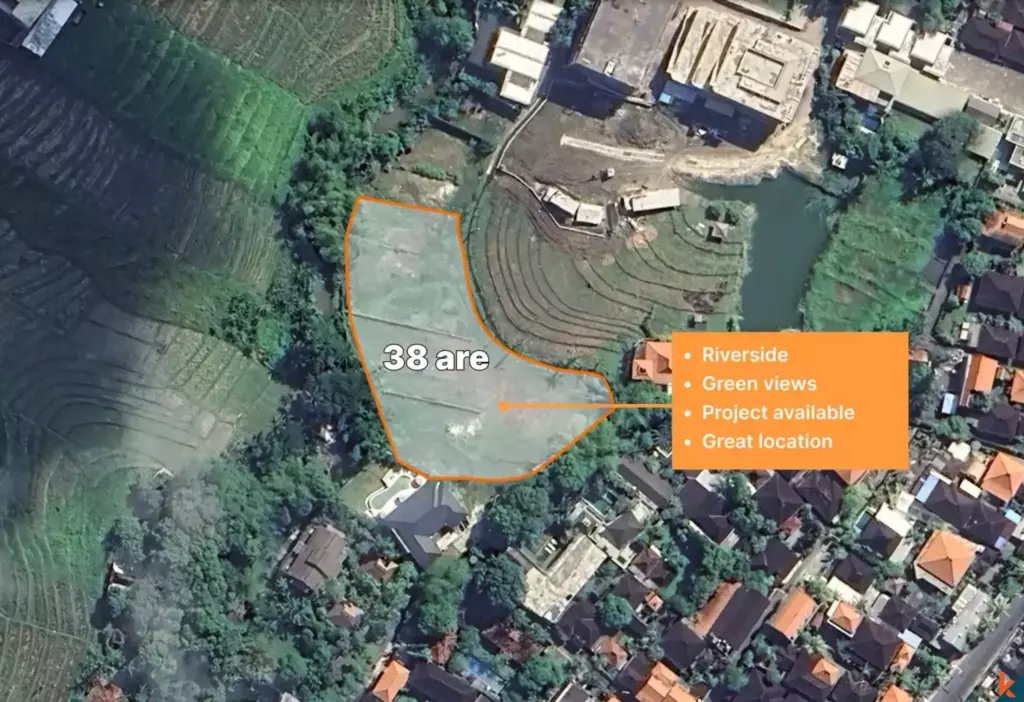 3800 m²15 min$ 100616Bali, Pererenan
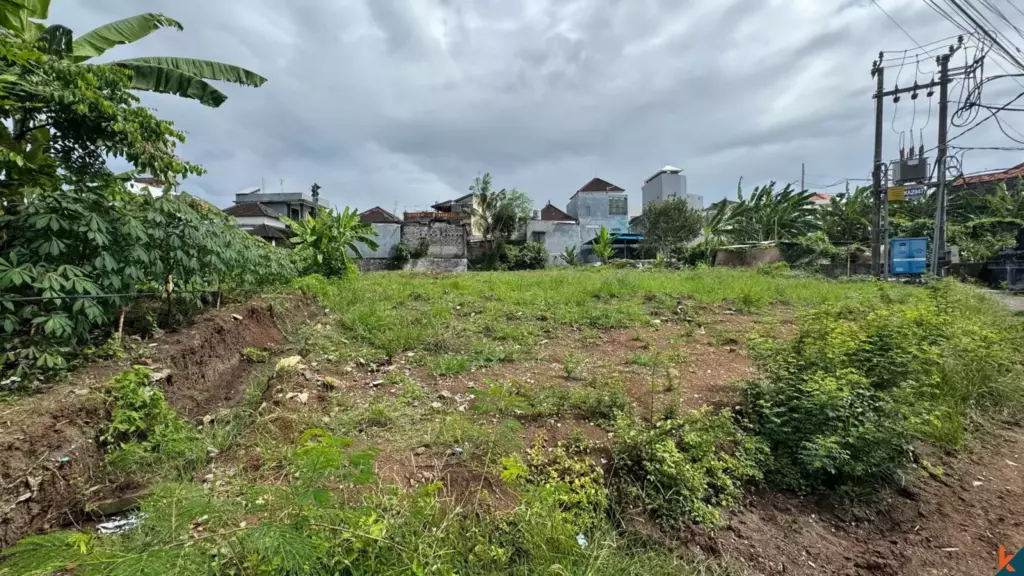 800 m²10 min$ 307882Bali, Tibubeneng
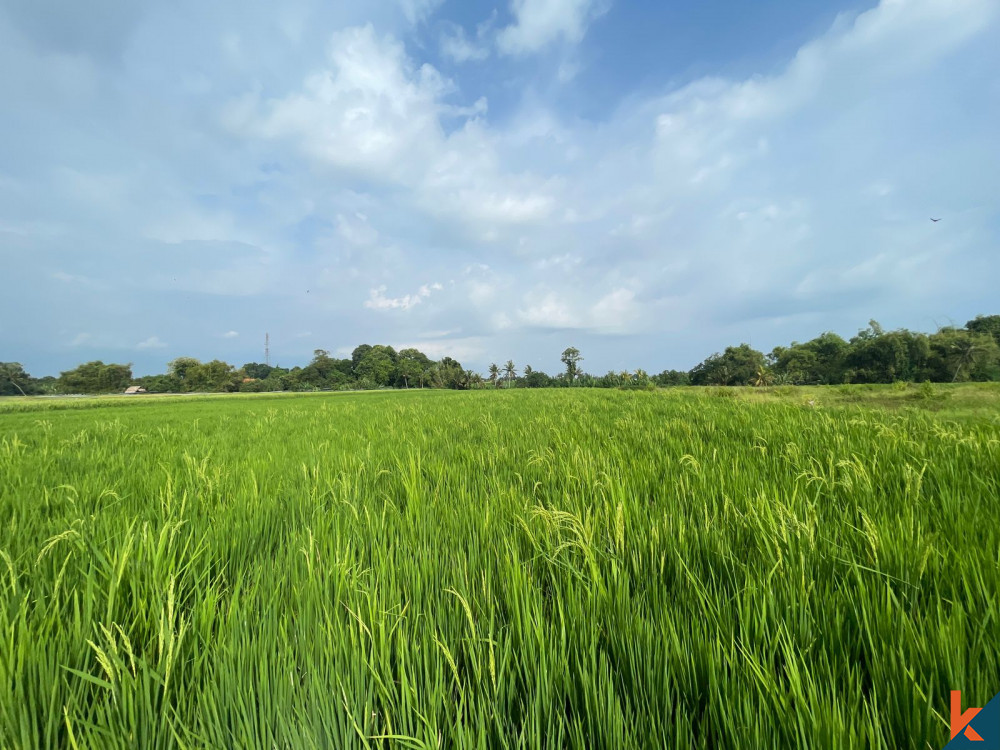 2800 m²2 min$ 713793Bali, Kedungu
 1158 m²12 min$ 291996Bali, Mengwi
 1660 m²10 min$ 343448Bali, Kerobokan
 911 m²15 min$ 248217Bali, Pererenan
 3700 m²15 min$ 738177Bali, Tabanan
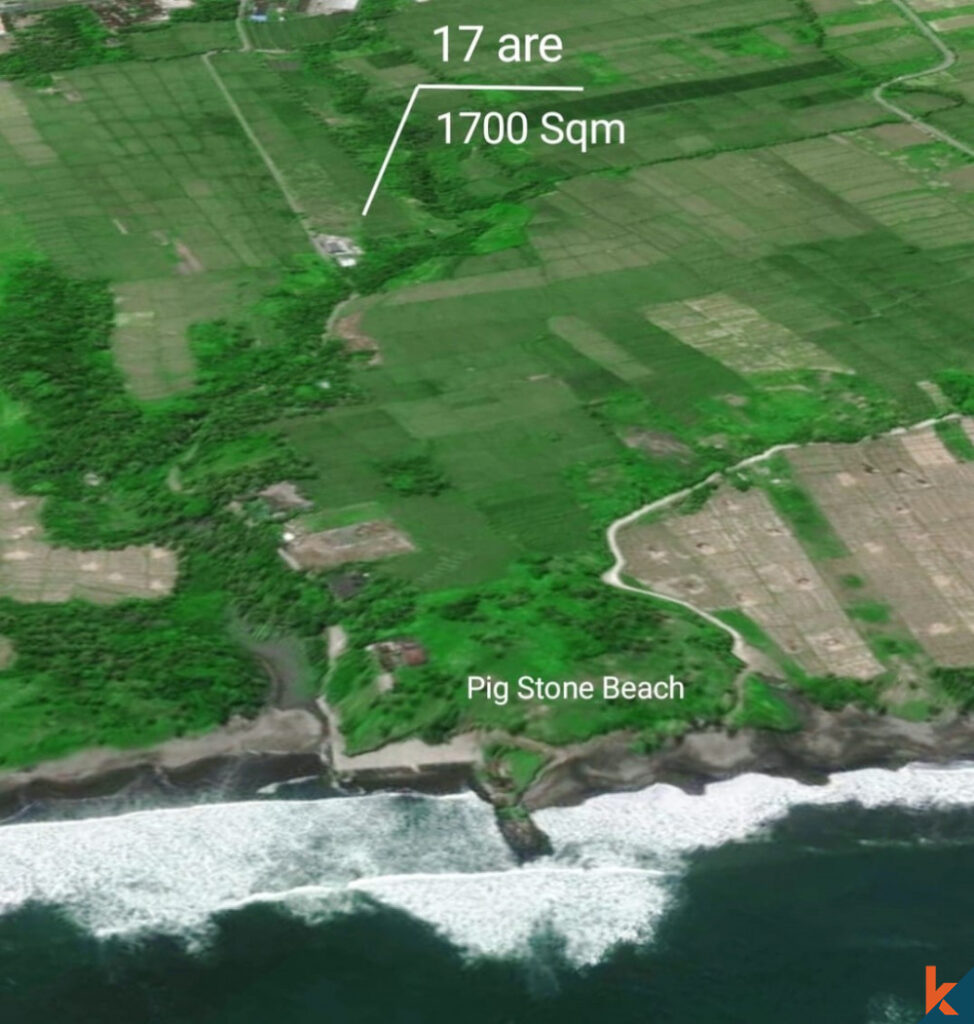 1720 m²2 min$ 241478Bali, Tabanan
 1230 m²15 min$ 132543Bali, Tegallalang
Planning a build in Bali?
Get a feasibility view, budget range and timeline from Teville.
Related guides
Marine-Grade Fixings for Bali Joinery: Corrosion Protocols
Explore marine-grade fixings and corrosion protocols for Bali coast joinery. Learn materials, maintenance tips, and best practices to extend timber durability.
10 min read
Resin-Infused Plaster Finishes: Anti-Salt Systems Bali
Expert technical guide: Resin-Infused Plaster Finishes: Anti-Salt Systems Bali
8 min read
Prefinished Timber Joinery: Silicone Seals Fixings Bali
Professional prefinished timber joinery installation in Bali with silicone seals and fixings for durable weatherproof performance and a premium finish.
10 min read