Epoxy Resin Stair Nosing: Installation Anti-Slip Bali

Epoxy Resin Stair Nosing Installation & Anti-Slip Finish Bali — A Bali Area Guide by Teville
Slippery stair edges are a top-3 maintenance and safety issue in Bali villas and resorts due to humidity, rain splash, salt air, and fine sand. Owners ask us: how do we make stairs safer without sacrificing aesthetics—and make it last in the tropics? This Bali area guide explains, in technical depth, how Teville (PT. The Haridas Villas) specifies and installs epoxy resin stair nosing with an engineered anti-slip finish for new builds and renovation Bali projects, ensuring durable, elegant edges that stay safe in wet conditions.
Technical Deep Dive: What Works in Bali’s Tropical Conditions
In Bali’s coastal and upland microclimates, stair edges face unique loads: frequent wetting/drying cycles, ultraviolet exposure on open risers and landings, abrasive sand tracking, algae growth in shaded zones, and thermal movement between cool interiors and sun-heated exteriors. Epoxy resin stair nosing—either as prefabricated epoxy-based nosing profiles or as cast-in-place epoxy edge builds—performs well when the system is correctly selected, substrates are properly prepared, and a graded anti-slip finish is integrated. The difference between a long-lived installation and premature debonding is almost always in the details.
Teville’s technical approach centers on four control points:
- Substrate condition and moisture: Concrete, terrazzo, stone, or hardwood treads must be clean, sound, and within acceptable moisture limits. Moisture-tolerant epoxy primers are used on damp concrete; for timber, we verify moisture content and stabilize movement at the nosing zone.
- Profile geometry and bond line: We ensure a continuous, compressed adhesive bed under the nosing and a uniform overhang (typically 3–5 mm beyond the riser line) for edge definition and drip control on exterior stairs.
- Anti-slip texture tuned to use: Exterior or pool-adjacent stairs need a higher wet slip resistance than internal corridors. We adjust aggregate type (quartz, aluminum oxide, or ceramic bead), size, and broadcast rate to achieve a target wet pendulum value and comfortable foot feel.
- UV and color stability: For exterior or daylight-exposed stairs, we protect epoxy with a UV-resistant aliphatic polyurethane or polyaspartic topcoat to reduce yellowing and chalking, while maintaining texture.
Material compatibility dictates performance. For prefabricated epoxy resin nosing strips, we pair the product with a solvent-free, 100% solids epoxy adhesive designed for stair profiles. For cast-in-place epoxy edges (for custom stone or polished concrete stairs), we use a filled epoxy mortar to form the arris and integrate anti-slip granules into the final coat. On porous substrates, primers lock down dust and increase bond area; on dense stones, we may use an adhesion promoter to wet the surface energy adequately.
Surface preparation is critical. Light contamination (body oils, sunscreen, cooking oils) is common in hospitality villas. We degrease, then mechanically abrade. On concrete, diamond grind to a CSP 2–3 profile; on stone, use a fine diamond cup to degloss; on timber, sand with 60–80 grit and vacuum thoroughly. Edges are squared and chipped zones are repaired with epoxy mortar to achieve a crisp, straight nosing line.
Environmental windows matter. Epoxy chemistry is sensitive to substrate and ambient temperature, humidity, and dew point. In Bali, late afternoon humidity spikes and evening dew can condense on cool surfaces and cause amine blush or bonding issues. We control timing: install and topcoat in mid-morning to early afternoon windows, monitor dew point spread (≥3 °C above surface temp), and allow staged curing with forced ventilation. For exterior stairs, temporary rain protection is mandatory during cure.
Slip resistance is engineered, not guessed. We typically target wet slip classifications consistent with international guidance for wet barefoot or shod traffic, adjusting by area use. Aluminum oxide provides durable microtexture for beach-adjacent villas with tracked sand, while rounded glass beads suit internal stairs for a smoother feel with adequate grip. Topcoats are applied at controlled film builds to avoid burying the texture.
Detailing edges and transitions reduces maintenance. We seal end cuts and mechanical fixings, caulk transitions to skirting or stringers with a compatible elastomeric sealant, and ensure drainage on exterior flights to prevent ponding at landings. Finally, we specify a maintenance protocol that protects the microtexture (no waxes or silicone polishes) and addresses microbial growth with pH-neutral cleaners.
Our approach aligns with established installation principles. For further reading on basic stair nosing installation steps—measuring, cutting, adhesive application, and securing—see the general guides from manufacturers such as stairnosingsuk.co.uk. Teville adapts these fundamentals to Bali’s climate and project realities, integrating moisture control, UV-stable finishing, and hospitality-grade slip resistance for Bali villa construction and renovation Bali projects.
Materials & Standards: What We Specify and Why
Teville selects materials that balance bond strength, durability, aesthetics, and serviceability in tropical conditions:
- Epoxy resin stair nosing: Prefabricated epoxy-based profiles or composite profiles with epoxy inserts. We assess hardness, edge radius, and compatibility with chosen adhesive and topcoat.
- Adhesives and primers: 100% solids, low-VOC, moisture-tolerant epoxy adhesives; primers matched to substrate porosity. For dense stone or existing terrazzo, an adhesion promoter may be used.
- Anti-slip aggregates: Silica/quartz (angular), aluminum oxide (high durability), or ceramic/glass beads (rounded). We select size (e.g., 0.3–0.6 mm for interior comfort; 0.5–1.0 mm for exterior durability) and broadcast rates to meet target slip ratings.
- Topcoats: Aliphatic polyurethane or polyaspartic clear/colored topcoats with UV stability for exterior or sunlit interiors. For shaded interiors, pigmented epoxy topcoats may be specified over the nosing zone.
- Ancillary: Stainless countersunk screws (if mechanical fixing is required), color-matched elastomeric sealant, masking tapes, alignment jigs, and temporary protection.
Standards and performance criteria we reference in design and QA/QC include international norms commonly used in Bali projects:
- Slip resistance: Wet pendulum testing (e.g., methods comparable to ASTM E303/BS 7976/AS 4586) to reach wet classifications appropriate for area use (e.g., higher class near pools and entries).
- Abrasion resistance: Coating wear per methods such as ASTM D4060 (Taber abrasion) to ensure the anti-slip texture remains effective under sand abrasion.
- Adhesion: Pull-off tests (e.g., ASTM D4541 or equivalent) on representative mock-ups where needed, targeting robust bond values on prepared substrates.
- Environmental durability: UV exposure resistance for exterior topcoats and chemical splash resistance to household/sanitary cleaners used in villa operations.
We align specifications with relevant Indonesian practice and project documentation while benchmarking against international standards for transparency and measurable performance. For hospitality villas and heavy-traffic rentals, we typically elevate requirements for abrasion and slip resistance beyond residential minimums.
Step-by-Step Process: From Assessment to Finish
1) Assessment and Mock-Up
We survey stair geometry, substrate type, exposure (interior/exterior), and traffic patterns. We confirm whether the stair nosing will integrate with finishes like timber overlays, terrazzo, or stone cladding, and whether lighting or villa utilities (e.g., LED strip at riser) will be coordinated. A sample mock-up is prepared to validate color, texture, and slip rating before full execution.
2) Surface Preparation
- Cleaning: Degrease with approved cleaners, rinse, and dry. Remove old coatings or unstable materials.
- Mechanical profile: Diamond grind concrete to a uniform profile; abrade stone to break polish; sand timber to fresh wood. Vacuum and solvent wipe as required.
- Repairs: Fill chips and voids at nosing edge with epoxy repair mortar; re-establish a straight arris using a straightedge guide.
- Moisture control: Check substrate moisture. If elevated, use moisture-tolerant primer or an approved moisture mitigation system, and schedule work to avoid dew condensation.
3) Measure, Mark, and Cut
Each tread is measured individually to account for wall skew or skirting variations. Nosing profiles are marked and cut with a mitre or fine-tooth saw; edges are dressed with a file. Dry-fit verifies uniform overhang and alignment line. Always use PPE and secure workpieces during cutting, per general steps outlined by manufacturer installation guides.
4) Prime and Pre-Fit
Prime the substrate where required. On dense stone, apply adhesion promoter. Position spacers to maintain consistent overhang and to avoid adhesive starvation at the edge.
5) Adhesive Application
Mix 100% solids epoxy adhesive per datasheet (respecting pot life at Bali ambient temperatures). Apply a continuous bead and back-butter the profile to avoid voids. For heavy-use commercial stairs or dynamic substrates, we may pre-drill for optional mechanical fixings; holes are countersunk and sealed after installation.
6) Position and Secure
Set the nosing carefully, align to control line, and apply firm, even pressure for 30–60 seconds to seat the adhesive bed. Remove squeeze-out neatly. Temporary clamping or taping holds the profile during initial cure. On timber, expansion allowances are considered at stringers and edges.
7) Anti-Slip Finish Integration
- Masking: Mask adjacent finishes for a clean edge reveal.
- Texture build: Apply the first resin coat over the nosing surface, broadcast aggregate to refusal (exterior) or at a calibrated rate (interior), then back-roll lightly to level as specified.
- Topcoat: After cure and de-flaking, seal with UV-stable polyurethane or polyaspartic topcoat, balancing texture exposure with cleanability. Color can highlight the nosing for visual contrast where code or safety demands.
8) Curing, Protection, and QA
Maintain dry, dust-free conditions; shield exterior stairs from rain and dew. We verify bond lines, alignment, texture uniformity, and visual quality. Where required, on-site slip tests or tactile checks are performed. Handback is coordinated with villa operations to stage reopening.
9) Handover and Maintenance
We provide a simple care plan: routine cleaning with pH-neutral detergent, no waxes or silicone polishes, periodic inspection of edges, and re-topcoating cycles based on traffic and UV exposure. For beach properties, we advise higher cleaning frequency to reduce sand abrasion.
Costs & Timeline: What to Expect in Bali
Actual cost depends on stair count, substrate condition, access, material selection, and whether the work is part of broader interior finishing Bali scopes. The following are indicative ranges for planning in Bali context; final pricing is confirmed after site survey and mock-up:
- Epoxy resin stair nosing supply and install: Typically priced per linear meter of nosing, varying with profile type and complexity.
- Anti-slip finish (aggregate + topcoat): Included at the nosing and, if requested, can be extended onto the first 100–200 mm of the tread for added safety.
- Preparation and repairs: Budget for substrate rectification (grinding, patching, moisture mitigation) where existing stairs show defects.
Timeline:
- Assessment and mock-up: 1–3 days including approvals.
- Installation (typical 12–18 treads): 1–2 days for prep and fitting, plus 1 day for anti-slip system and topcoat.
- Cure and handover: Light foot traffic within 12–24 hours for many topcoats; full cure and chemical resistance often 3–7 days, adjusted for Bali humidity and temperature.
We schedule works to minimize disruption in active villas and coordinate with furniture installation logistics and villa utilities tie-ins if lighting or controls are integrated into the stair run. For detailed budgeting, see Teville’s process and request a tailored estimate via our cost estimation form.
FAQ: Epoxy Resin Stair Nosing & Anti-Slip in Bali
Is epoxy stair nosing suitable for exterior stairs in Bali?
Yes—when paired with UV-stable topcoats and correctly textured anti-slip finishes. We also detail drip edges and ensure water shedding to prevent ponding at landings.
What slip resistance level do I need near pools or entryways?
Wet, barefoot or shod zones need higher wet pendulum values. We select aggregate size/type to reach robust wet classifications suited to your use while maintaining comfort underfoot.
Will the finish yellow in sun?
Neat epoxy can yellow under UV. We prevent this with aliphatic polyurethane or polyaspartic topcoats that protect color and texture on sunlit or outdoor stairs.
Can you install over timber stairs?
Yes. We check timber moisture content, stabilize the nosing edge, use compatible primers/adhesives, and allow for subtle movement. The anti-slip topcoat is tuned for barefoot comfort.
How do I clean anti-slip textures without clogging them?
Use pH-neutral cleaners and soft brushes. Avoid waxes or silicone polishes that can reduce friction. For beach villas, rinse frequency is increased to remove sand that accelerates wear.
What if a nosing is damaged?
Localized repairs are practical: remove the affected section, prep the substr
 3173 m²6 month(s)from 125.000 USD
TALA FOUR
 2144 m²11 month(s)from 104.000 USD
Narayana
 4344 m²16 month(s)from 290.000 USD
Radha

Want to calculate?
 3124 m²6 month(s)from 123.000 USD
TALA 8
 3180 m²7 month(s)from 142.000 USD
Vasudeva
 164 m²7 month(s)from 79.000 USD
Private: Haridas Villas, Tegallalang
 3104 m²11 month(s)from 99.000 USD
TALA 100
164 m²7 month(s)from 79.000 USDTALA TWO
 3127 m²9 month(s)from 177.000 USD
Mukunda
 172 m²8 month(s)from 120.000 USD
Keshava
 1from 198.000 USD
Private: Haridas Villas
Start With Real Numbers, Not Guesses
Before finalizing your finishing works plan, check realistic cost ranges for your Bali villa project.
Available lands
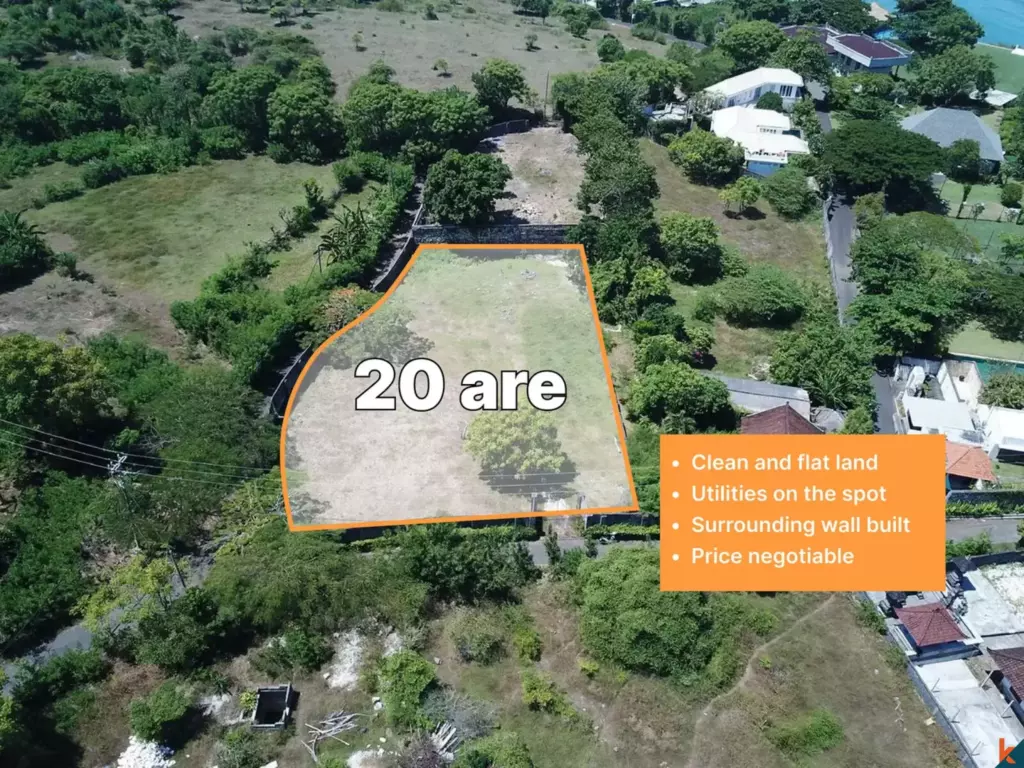 2000 m²5 min$ 738916Bali, Ungasan
 18900 m²2 min$ 6912931Bali, Pecatu
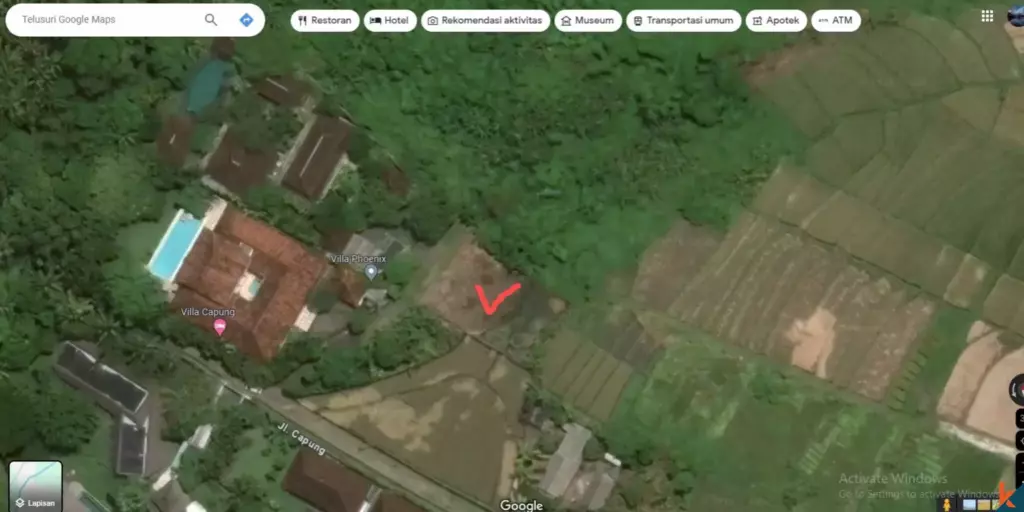 444 m²10 min$ 111000Bali, Tabanan
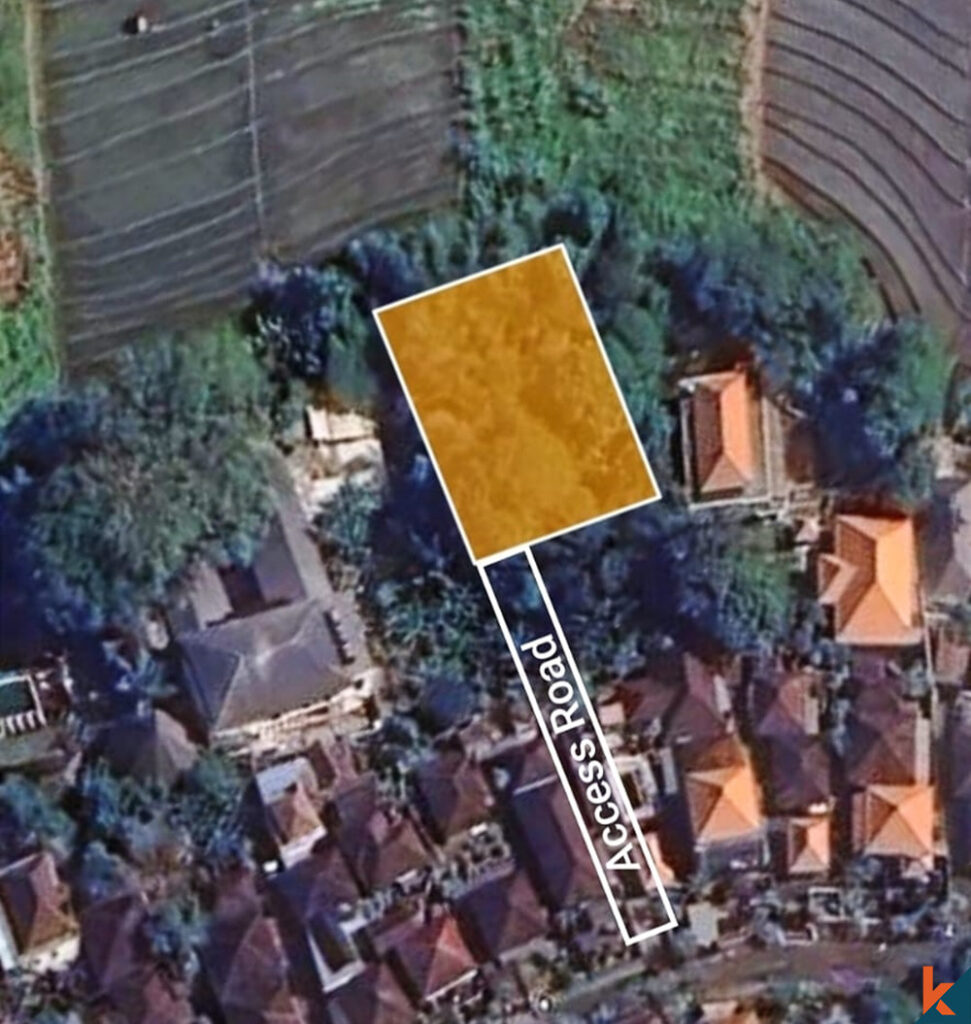 700 m²7 min$ 400000Bali, Canggu
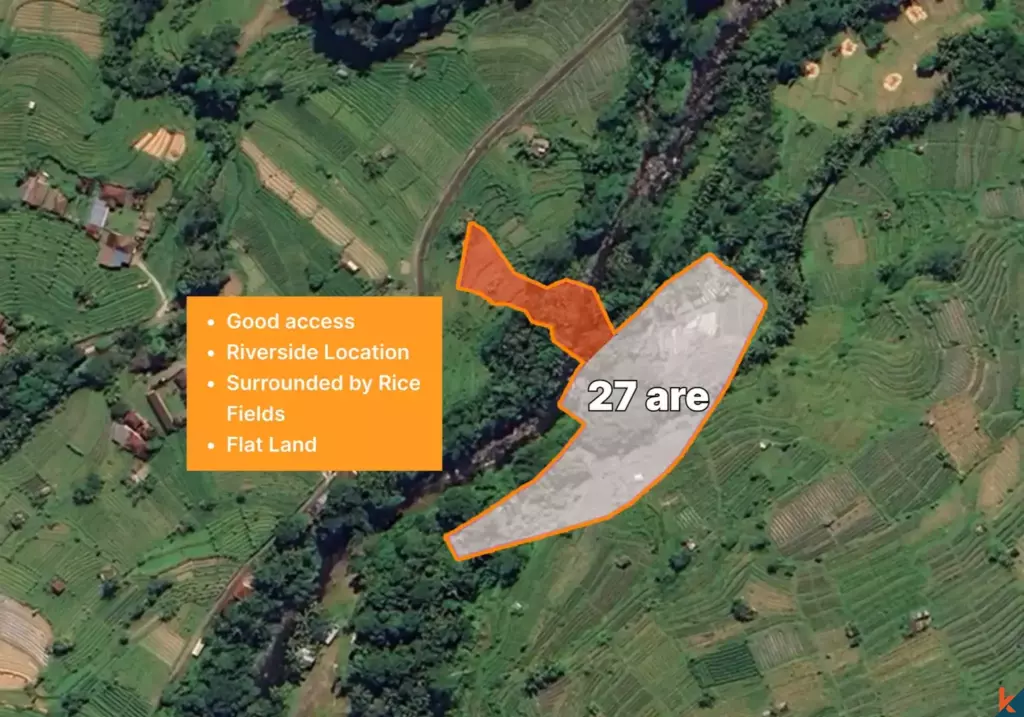 2700 m²30 min$ 314224Bali, Sidemen
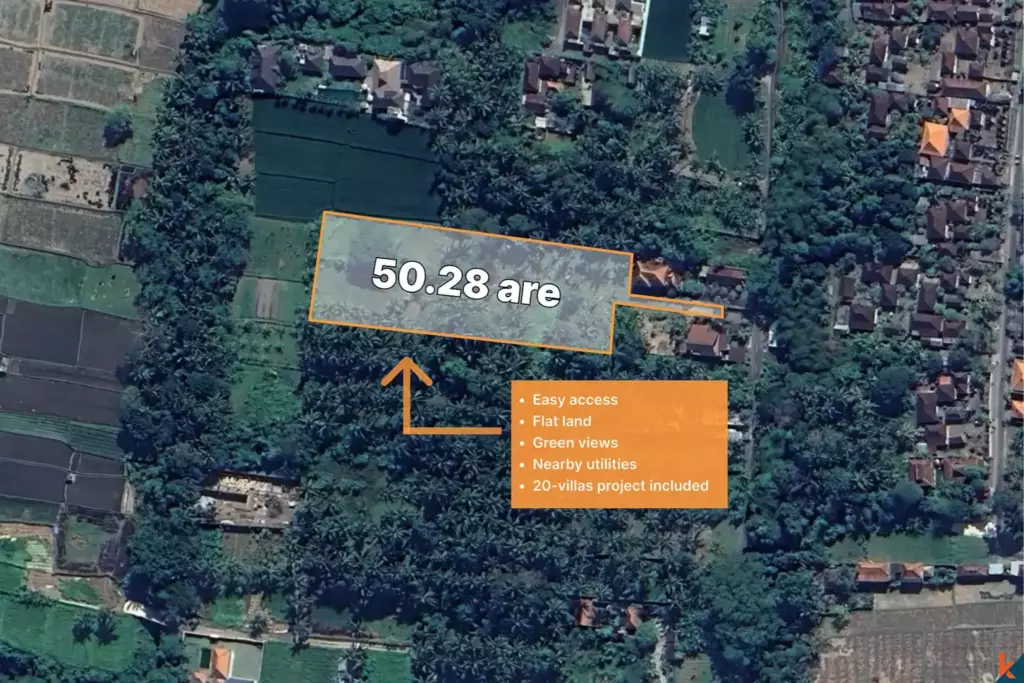 5028 m²10 min$ 361000Bali, Ubud
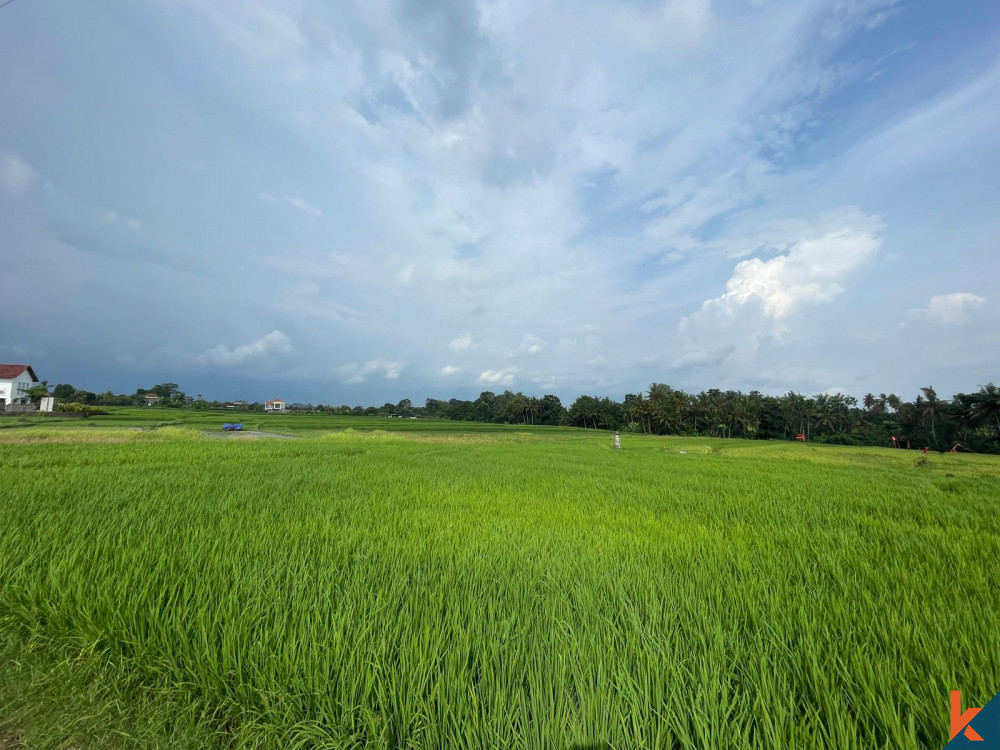 770 m²5 min$ 163578Bali, Kedungu
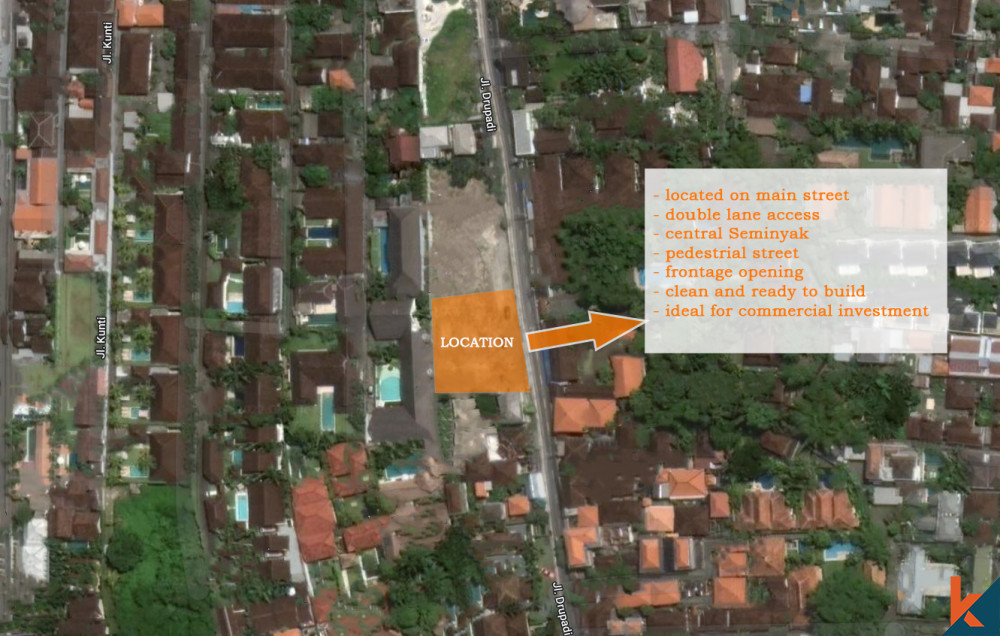 1000 m²5 min$ 350431Bali, Drupadi
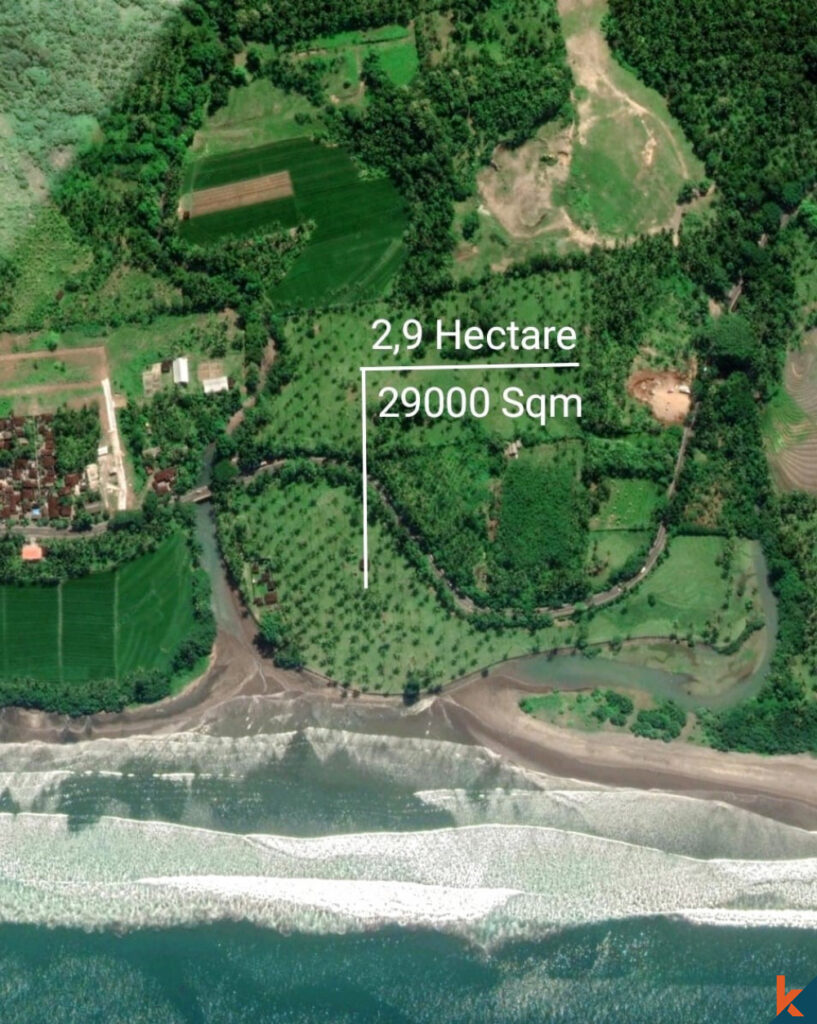 29000 m²6 min$ 3857143Bali, Tabanan
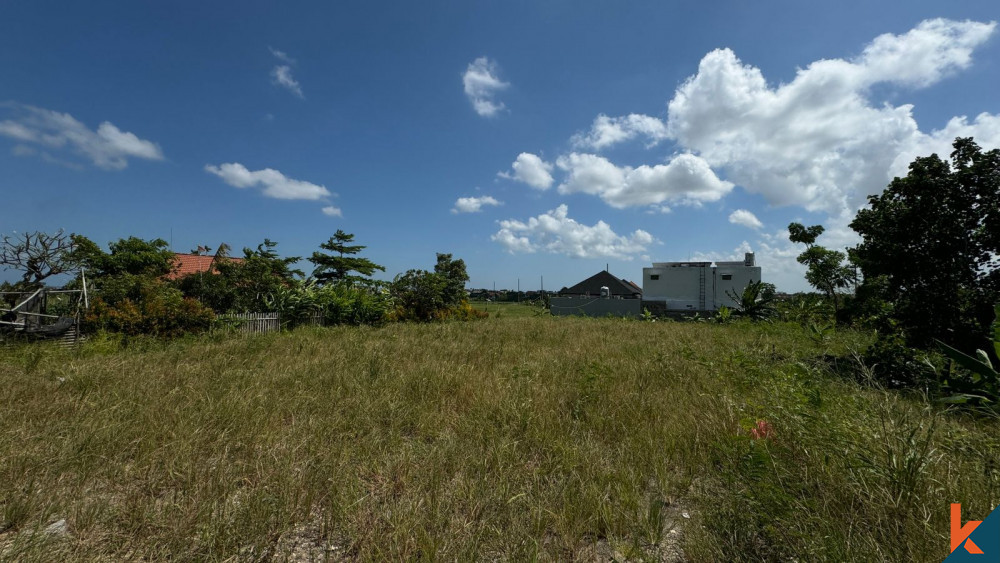 1000 m²10 min$ 384852Bali, Canggu
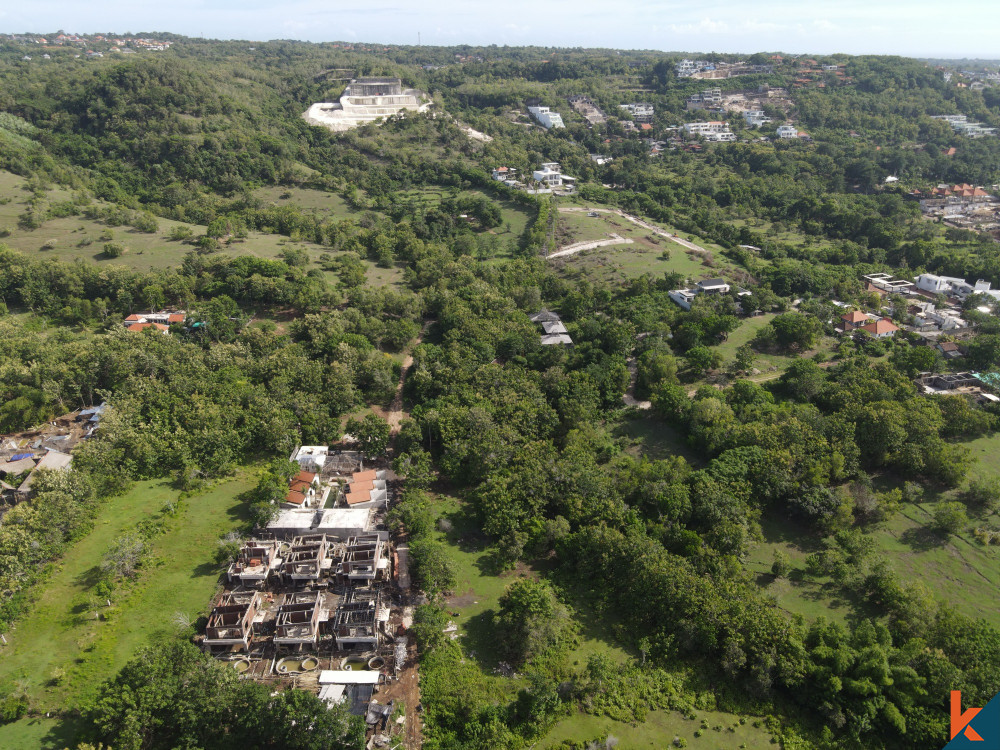 1000 m²10 min$ 280788Bali, Pecatu
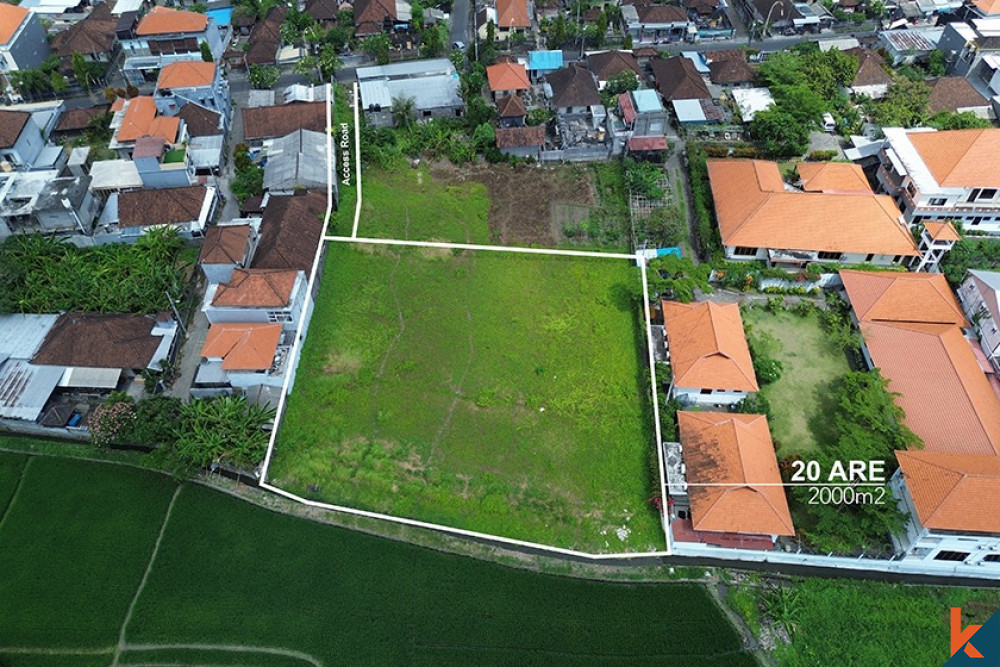 2000 m²15 min$ 261700Bali, Babakan
 2000 m²5 min$ 1440887Bali, Pecatu
 700 m²8 min$ 165517Bali, Umalas
 3900 m²10 min$ 432266Bali, Tabanan
Planning a build in Bali?
Get a feasibility view, budget range and timeline from Teville.
Related guides

Marine-Grade Fixings for Bali Joinery: Corrosion Protocols
Explore marine-grade fixings and corrosion protocols for Bali coast joinery. Learn materials, maintenance tips, and best practices to extend timber durability.
10 min read
Resin-Infused Plaster Finishes: Anti-Salt Systems Bali
Expert technical guide: Resin-Infused Plaster Finishes: Anti-Salt Systems Bali
8 min read
Prefinished Timber Joinery: Silicone Seals Fixings Bali
Professional prefinished timber joinery installation in Bali with silicone seals and fixings for durable weatherproof performance and a premium finish.
10 min read