Bali Wetroom Renovation: Cement Board Lining Drain Details
Bali Wetroom Renovation: Cement Board Lining & Drain Details
1) Specific Problem/Question
Your Bali wetroom keeps leaking, grout goes black, and the drain smells after holidays? In the tropics, continuous humidity, saline air, and intermittent villa occupation punish poor waterproofing and bad drain detailing. The most reliable fix is a full lining upgrade: fiber-cement board over walls/ceilings, a bonded waterproofing system, and a correctly specified drain with proper slopes and venting. This Bali area guide explains, in technical depth, how Teville delivers durable, mold-resistant wetrooms by focusing on two failure points—cement board lining and drain assemblies—within a renovation scope that protects finishes, furniture, and villa utilities.
2) Technical Deep Dive: Why Cement Board Lining + Correct Drain Detailing Wins in Bali
Gypsum-based boards tolerate air-con dryness, not Balinese steam. Masonry-only bathrooms can work, but micro-cracking from thermal cycling, minor settlement, or shrinkage lets vapor penetrate and fuels efflorescence. Fiber-cement boards (FCB) bring dimensional stability, mold resistance, and a predictable, flat substrate for tiles or microcement, provided they are fastened with corrosion-resistant screws and fully integrated with a surface-applied waterproofing membrane.
Cement board is not waterproof; it is water-durable. The waterproofing membrane must be on the surface, continuous, reinforced at corners, and bonded to a compatible drain flange. In a tropical environment, this keeps vapor at the face, reducing moisture storage in the wall build-up and speeding drying between uses—critical for odor and mold control.
Drain technology choices define longevity. Traditional clamping ring drains with a concealed pan membrane can last, but they rely on weep holes that easily clog with Balinese fine sand and hair. Bonded-flange drains (point or linear) are better for surface membranes: the membrane terminates at the drain’s flange, water never travels under the tile bed, and the assembly dries quickly. For large-format tiles and level-access entries, linear drains at the wall (single-plane slope) simplify setting out and minimize lippage risks. For compact wetrooms, a center point drain with a symmetrical 1:50–1:60 fall is robust and economical.
Slopes are non-negotiable. We specify 2.0% nominal fall to the drain (±0.5% tolerance) with plane consistency across the field; ponding accelerates biofilm and odor. Door thresholds and adjacent dry zones receive break-slope detailing or concealed channels if truly level entries are required. At the drain, set the grate 1–1.5 mm below finished tile to avoid water standing on tile edges.
Hardware selection must resist corrosion. Balinese coastal air and bathroom cleaners attack inferior alloys. Grates, screws, and trim should be 316 stainless steel; 304 is acceptable in midland areas, but 316 is safer for longevity. Fasteners for cement board: ceramic-coated or stainless bugle-head screws; avoid zinc-only. All embedded metals must be isolated from dissimilar metals to prevent galvanic corrosion in constantly damp microclimates.
Venting and trap seal integrity matter in villas that may stand vacant. Use a 50 mm trap seal depth to resist wind-induced or siphon-induced loss. Where vents cannot be routed easily, specify an approved air admittance valve (AAV) in an accessible, ventilated cavity as a last resort, and consider mechanical trap seal devices to prevent evaporation during long vacancy periods. Greywater routing must connect to the correct branch, with hair/silt interceptors to protect the septic or STP common in Bali villa construction.
Movement joints and transitions are frequent leak origins. All plane changes get alkali-resistant mesh reinforcement embedded in the first coat of membrane, then flexible sanitary silicone (neutral cure) on the finished surface. In large wetrooms (>3 m in any direction), integrate movement joints in the tile field in line with substrate joints, filled with silicone or an engineered profile.
Finally, detail penetrations with intent: mixer bodies, shower rails, niches, and cabinetry fixings often pierce the waterproofing after the fact. We pre-sleeve and seal all penetrations with gaskets or liquid flashing compatible with the main membrane. Furniture installation—benches, vanities, mirrors—uses pre-set anchors; no on-site “surprise drilling” through the finished membrane. This is the discipline that distinguishes interior finishing Bali projects that last from those that fail in a year.
3) Materials & Standards
- Cement board: Fiber-cement board 8–12 mm thick for walls; 12 mm for ceilings in wet zones. Factory-primed faces preferred. Compliance with manufacturer instructions is mandatory.
- Fasteners: Stainless or ceramic-coated cement-board screws, 32–41 mm length; edge spacing 200 mm, field spacing 300 mm; corrosion class fit for coastal use.
- Tape & compounds: Alkali-resistant fiberglass mesh tape; polymer-modified thinset per ANSI A118.4 or A118.15 for bedding/taping.
- Waterproofing: Liquid-applied or sheet membranes conforming to ANSI A118.10 (waterproofing) and A118.12 (crack isolation) where required. Use preformed internal/external corners and compatible sealants.
- Adhesives & grout: Tile adhesive C2TE/S1 performance (deformable, slip-resistant, extended open time). Grout: polymer-modified or epoxy for stain resistance; epoxy in commercial or heavy-use villas.
- Drains: Bonded-flange linear or point drains in 316 stainless, hair trap included, flow ≥0.6–0.9 L/s for rain-shower heads. Height-adjustable frames to suit tile thickness.
- Pipelines: Hot/cold PPR with heat-fusion joints; waste uPVC/PVC with solvent-weld joints, 1–2% pipe fall. Follow SNI 8153 (Plumbing systems in buildings) and good international practice.
- Sealants: Neutral-cure sanitary silicone, ASTM C920, mildew-resistant, color-matched where visible.
- Finishes: R10–R11 slip-rated porcelain for safety; microcement acceptable with compatible membrane and topcoat system; avoid highly porous stones unless fully resin-treated.
- Ventilation: IP-rated exhaust fan with backdraft damper; ensure make-up air slot under door.
Where Indonesian SNI standards apply (e.g., SNI 8153 for plumbing), Teville coordinates with local AHJ requirements and pairs them with robust international references (ANSI/ISO, TCNA), then validates on-site through testing and documentation.
4) Step-by-Step Process We Use at Teville
- 1. Diagnostic survey: Moisture mapping, borescope checks, and drain camera as needed. Confirm existing substrate, slope accuracy, and plumbing layout. Document for the renovation Bali scope.
- 2. Protection & strip-out: Protect adjacent finishes. Remove sanitaryware, glass, cabinetry. Strip tiles and render to sound substrate. Cap utilities and set temporary waste control.
- 3. Plumbing rough-in: Re-route hot/cold PPR and waste to suit new drain position (linear-at-wall or centered). Add vent or AAV. Pressure test at ≥6 bar for 2 hours; leak test wastes.
- 4. Substrate correction: True-up walls with mortar or plane with shims for framed partitions. Ensure plane tolerance ±2 mm over 2 m. Treat cracks with epoxy injection or membrane-compatible crack-bridging.
- 5. Cement board install: Fit 8–12 mm boards horizontally or vertically per layout; 3 mm gaps between sheets; stagger joints. Screw as specified; avoid overdriving. Back-block recessed niches.
- 6. Taping & pre-seal: Mesh tape on all seams/angles; bed in polymer-modified thinset. Prime absorbent substrates as required by the membrane manufacturer.
- 7. Drain and screed works: Install bonded-flange drain at design height. Build pre-slope screed at 2% fall. For linear drains at wall, ensure continuous single-plane slope. Cure screed per spec.
- 8. Waterproofing system: Apply first coat; embed corner band/tapes and collar gaskets around penetrations. Second coat at right angles to the first. Achieve total DFT per datasheet (typically 1.2–1.6 mm dry for liquids). Terminate onto drain flange per manufacturer instructions.
- 9. Flood test: Plug drain and flood to 25–30 mm depth for 24–48 hours (72 hours in cool, shaded rooms). Record and sign off. No tiling before pass.
- 10. Tiling: Comb adhesive with appropriate trowel; back-butter large tiles. Maintain falls; keep linearity for linear drains. Movement joints per layout. Lippage ≤1 mm.
- 11. Grouting & sealant: Grout after adhesive cure. Tool sanitary silicone at all plane changes and perimeters. Seal natural stone if specified.
- 12. Furniture installation: Fit pre-planned anchors; install benches, vanities, mirrors, and glass with 316 SS fixings. Seal all penetrations. Avoid post-waterproofing drilling; if unavoidable, use gaskets/liquid flashing.
- 13. Commissioning: Flow tests for drains (hair trap access), trap seal verification, ventilation check, final clean. Handover care guide and maintenance schedule.
For a deeper look at how these stages integrate with broader Bali villa construction, see our process overview: How We Build and browse relevant wet area details in our Portfolio and Villa Projects.
5) Costs & Timeline (Indicative, Bali 2026)
- Diagnostic & design detailing: IDR 3–8 million (survey, drawings, shop details).
- Demolition & disposal: IDR 300–600k/m² depending on access and substrate hardness.
- Cement board lining: IDR 350–600k/m² including boards, fasteners, taping.
- Waterproofing (membrane + accessories): IDR 300–700k/m² depending on system (liquid vs sheet) and complexity (niches, benches).
- Drain assemblies: Point drain 316 SS: IDR 1.5–3.0 million; linear 600–1000 mm: IDR 3.5–8.0 million (with hair trap, bonding flange).
- Screed & tiling: IDR 400–900k/m² adhesive and setting; grout upgrade (epoxy) add IDR 150–300k/m².
- Plumbing alterations: IDR 3–10 million typical (scope-driven; hot/cold PPR, waste, vent/AAV).
- Fixtures & glass: Highly variable; provided on specification. Furniture installation priced per item.
Timeline (typical single wetroom, clear access):
- Survey and detailing: 3–5 days
- Strip-out and rough-in: 3–6 days
- Cement board + screed: 2–4 days (plus curing)
- Waterproofing + flood test: 3–5 days
- Tiling + grouting: 4–7 days
- Fixtures, furniture, commissioning: 2–4 days
Total: about 3–4 weeks, subject to drying/curing, inspection slots, and custom items. For a project-specific estimate, use our cost form: Teville Cost Estimation.
6) FAQ
No. Cement board resists degradation by water but is not waterproof. A surface-applied membrane is required for a durable wetroom in Bali.
Point drains are economical and suit compact rooms. Linear drains excel with large-format tiles and barrier-free entries by enabling a single-plane slope.
Target 2% (1:50). Keep consistency; avoid local depressions. Set the grate slightly below the surrounding tile to prevent standing water.
 1from 198.000 USD
Private: Haridas Villas
 3104 m²11 month(s)from 99.000 USD
TALA 100
 3124 m²6 month(s)from 123.000 USD
TALA 8

Want to calculate?
 164 m²7 month(s)from 79.000 USD
Private: Haridas Villas, Tegallalang
 3127 m²9 month(s)from 177.000 USD
Mukunda
 4344 m²16 month(s)from 290.000 USD
Radha
 3180 m²7 month(s)from 142.000 USD
Vasudeva
 3173 m²6 month(s)from 125.000 USD
TALA FOUR
 2144 m²11 month(s)from 104.000 USD
Narayana
164 m²7 month(s)from 79.000 USDTALA TWO
 172 m²8 month(s)from 120.000 USD
Keshava
Start With Real Numbers, Not Guesses
Before finalizing your finishing works plan, check realistic cost ranges for your Bali villa project.
Available lands
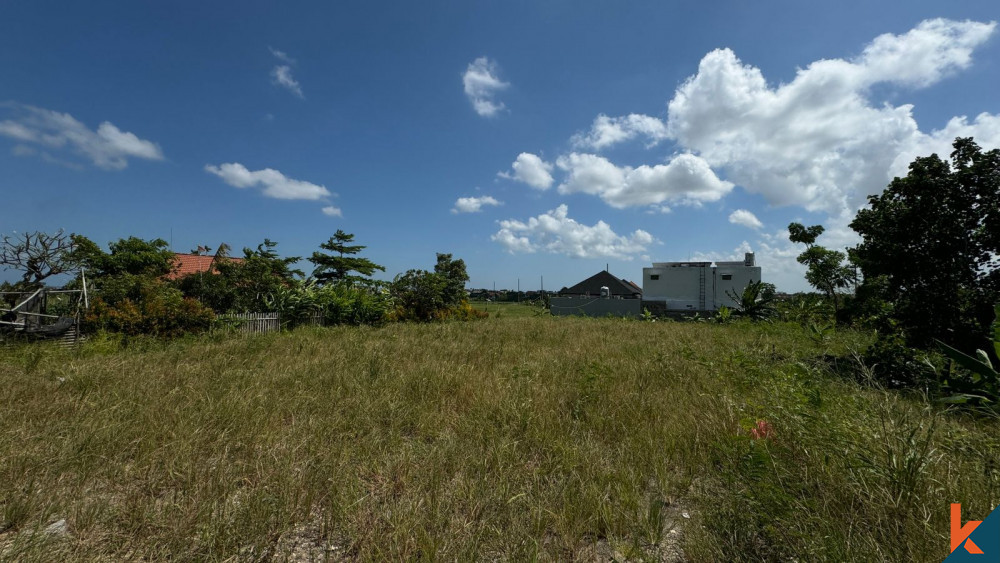 1000 m²10 min$ 384852Bali, Canggu
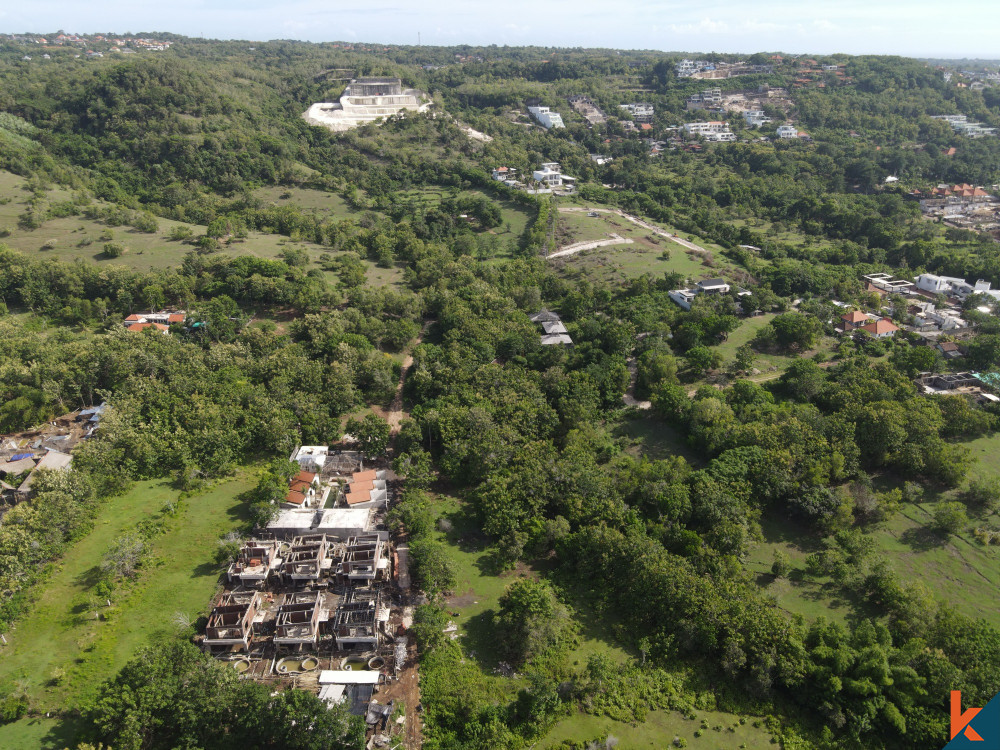 1000 m²10 min$ 280788Bali, Pecatu
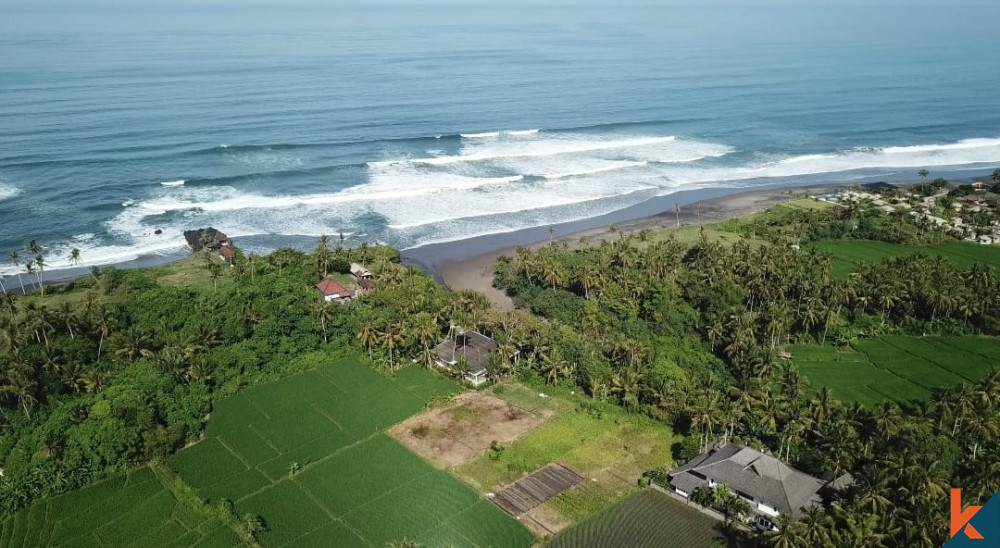 3000 m²15 min$ 1246921Bali, Tabanan
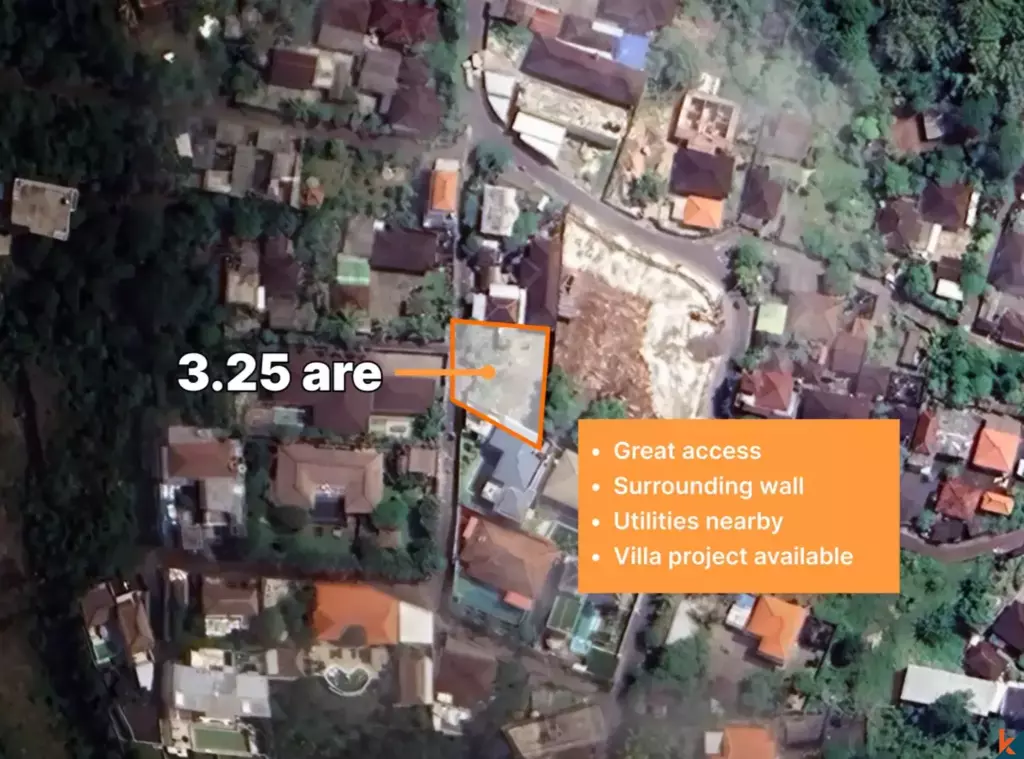 325 m²15 min$ 44472Bali, Ungasan
 1230 m²15 min$ 132543Bali, Tegallalang
 260 m²5 min$ 51872Bali, Kedungu
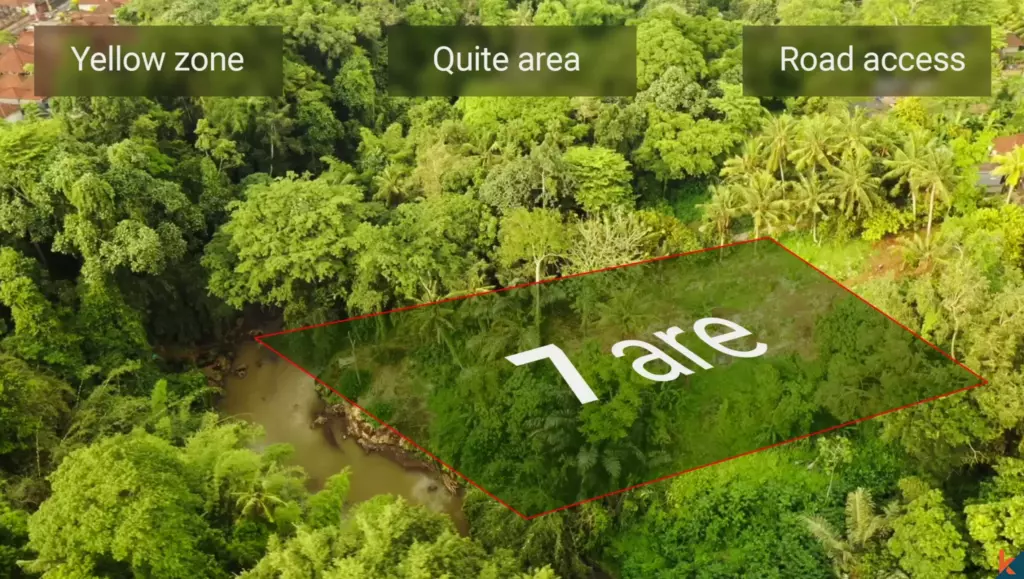 700 m²15 min$ 162500Bali, Tabanan
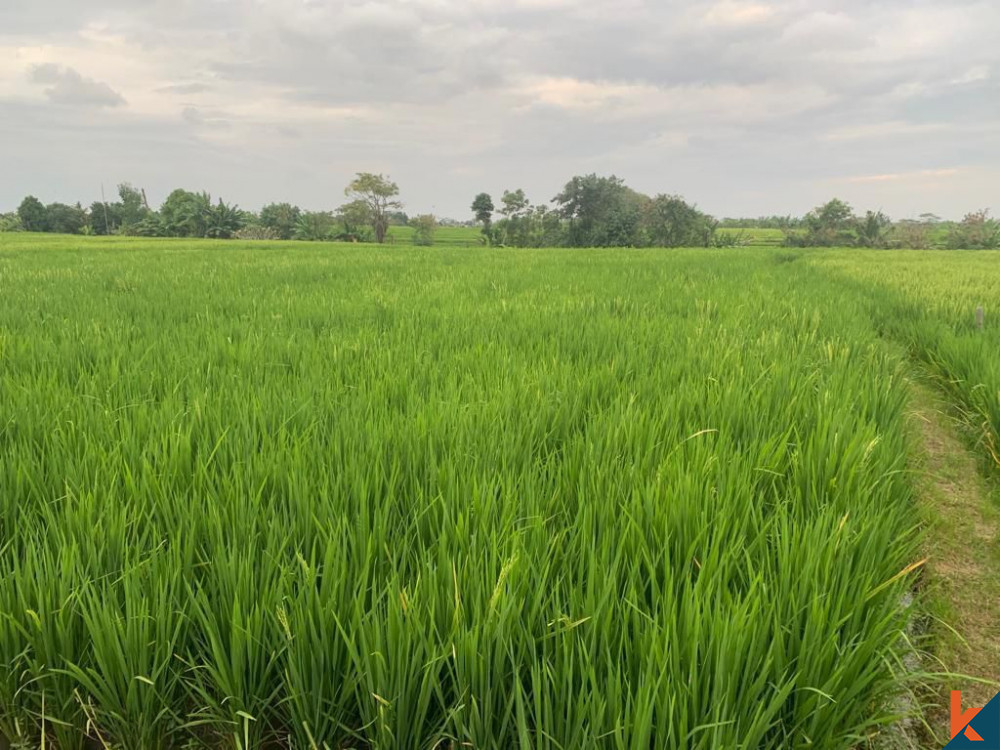 800 m²5 min$ 295567Bali, Seseh
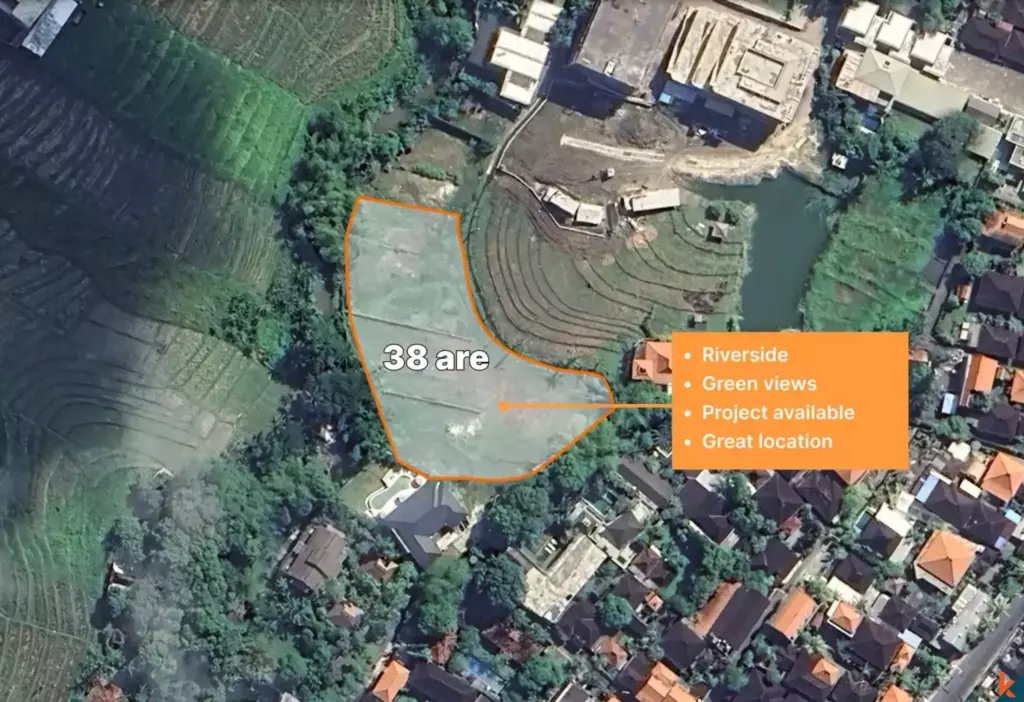 3800 m²15 min$ 100616Bali, Pererenan
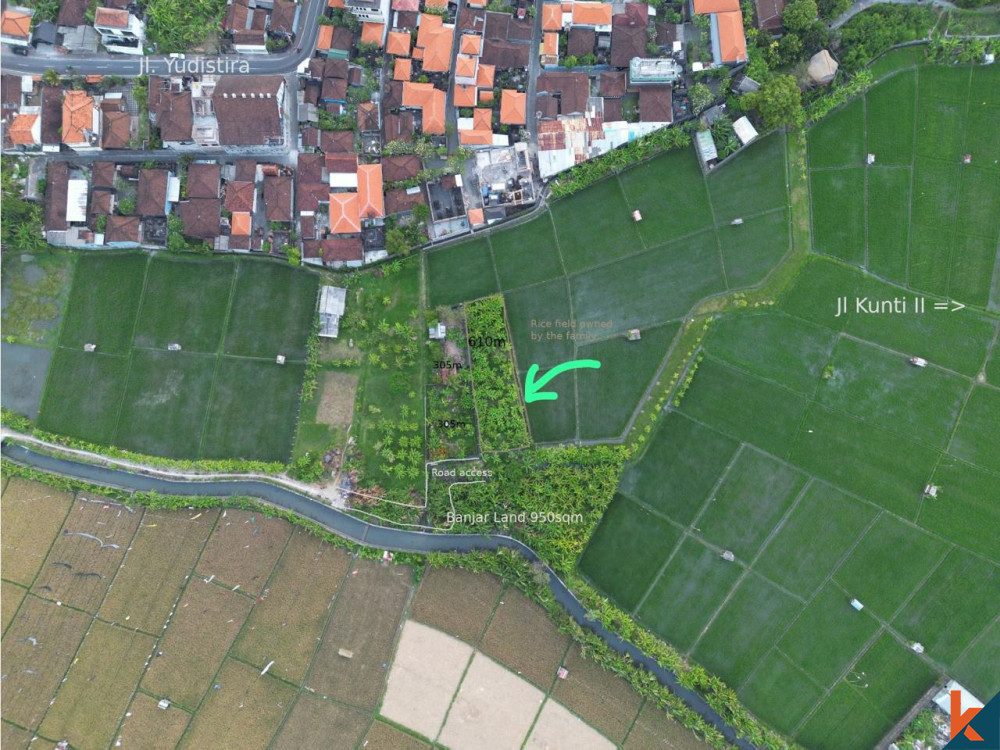 610 m²10 min$ 165271Bali, Seminyak
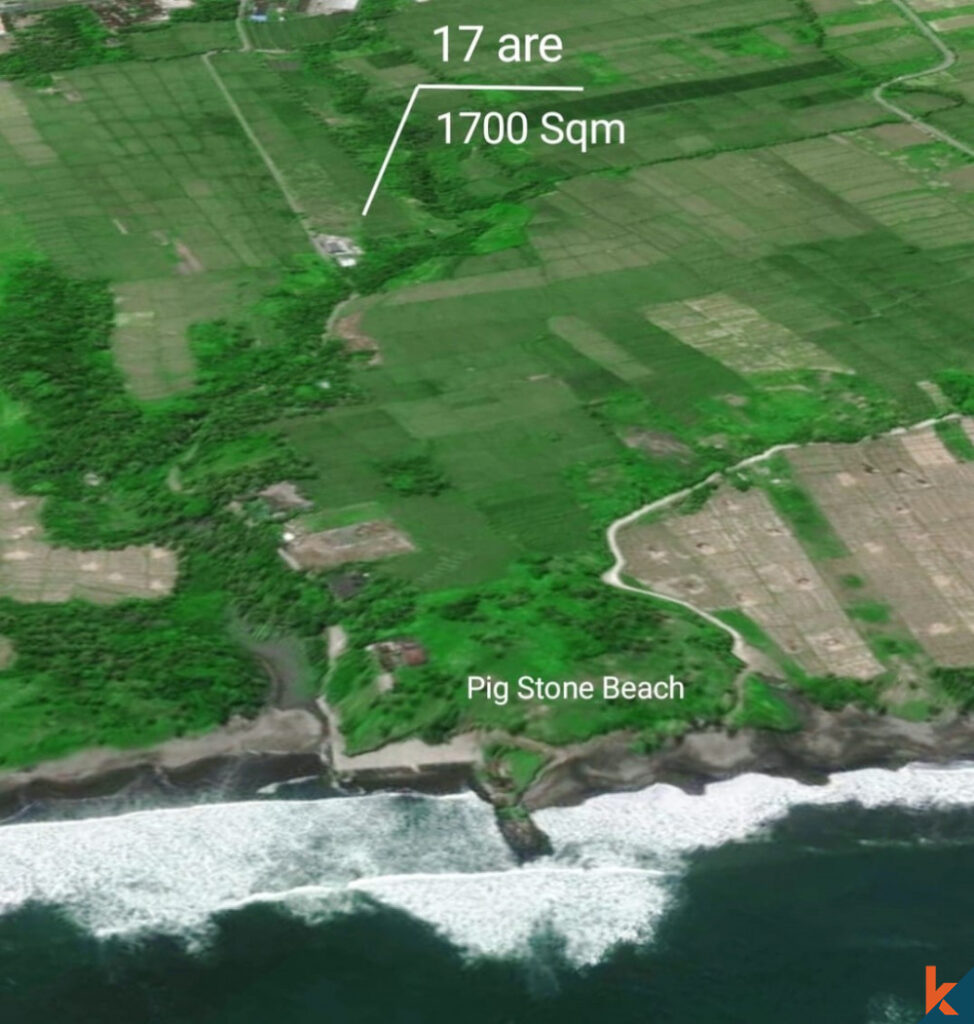 1720 m²2 min$ 241478Bali, Tabanan
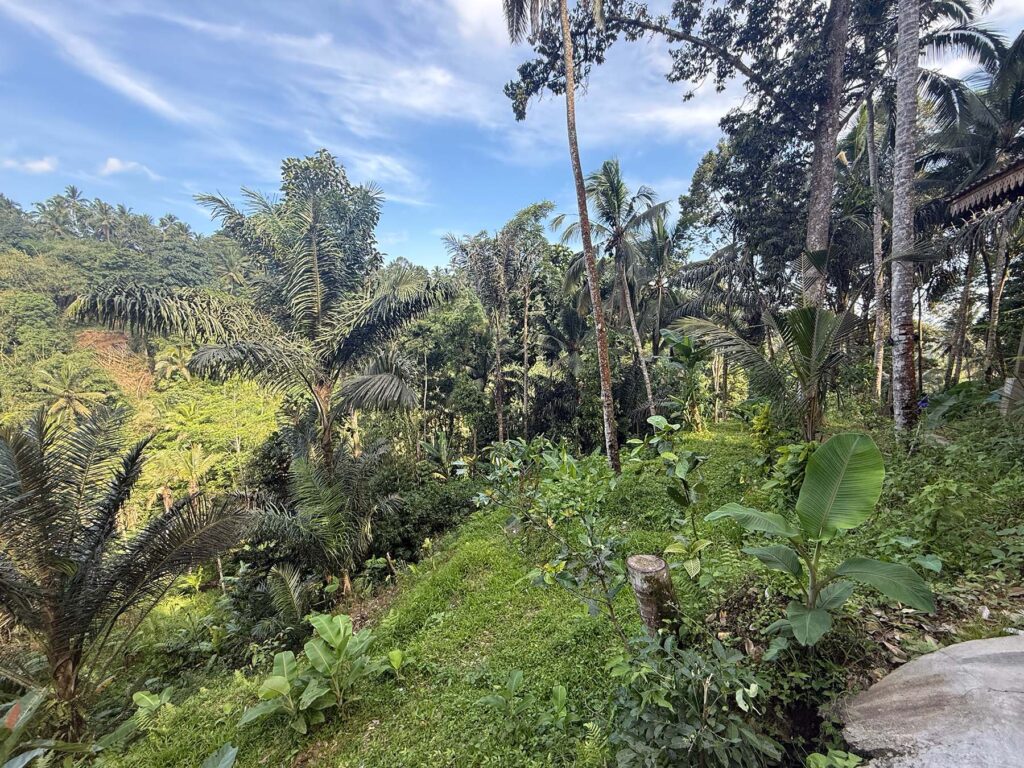 300 m²55 min$ 32475Bali, Tegelalang
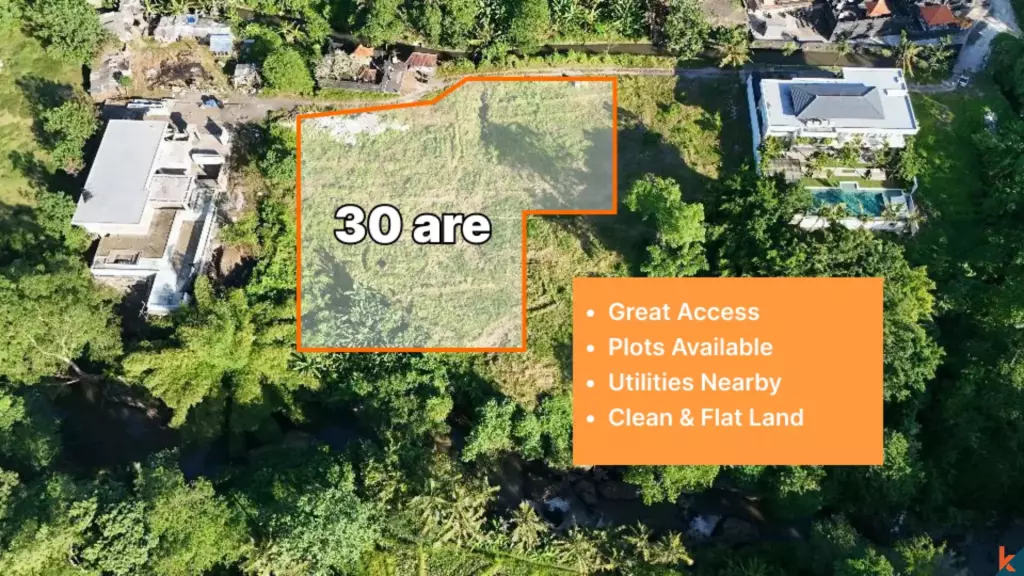 3000 m²15 min$ 738916Bali, Cepaka
 7250 m²56 min$ 235714Bali, Tabanan
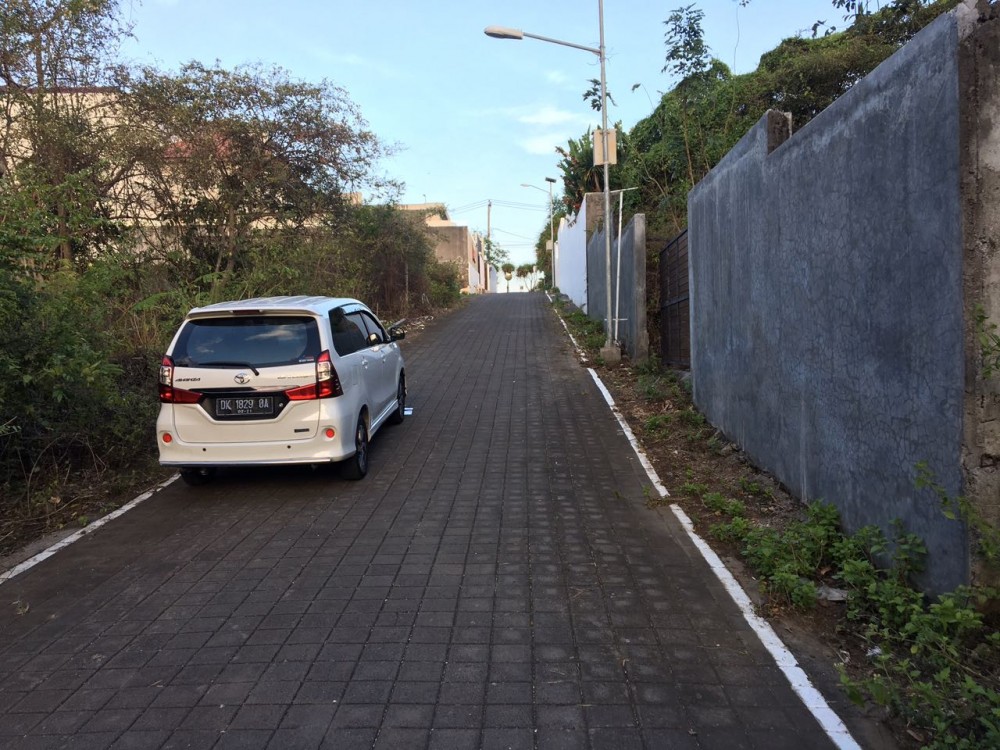 1000 m²10 min$ 123154Bali, Jimbaran
Planning a build in Bali?
Get a feasibility view, budget range and timeline from Teville.
Related guides
Marine-Grade Fixings for Bali Joinery: Corrosion Protocols
Explore marine-grade fixings and corrosion protocols for Bali coast joinery. Learn materials, maintenance tips, and best practices to extend timber durability.
10 min read
Resin-Infused Plaster Finishes: Anti-Salt Systems Bali
Expert technical guide: Resin-Infused Plaster Finishes: Anti-Salt Systems Bali
8 min read
Prefinished Timber Joinery: Silicone Seals Fixings Bali
Professional prefinished timber joinery installation in Bali with silicone seals and fixings for durable weatherproof performance and a premium finish.
10 min read