Tile-to-Timber Thresholds: Expansion Moisture Detailing in Bali
Tile-to-Timber Thresholds: Expansion & Moisture Detailing in Bali
Specific Problem/Question
In Bali’s tropical climate—high humidity, salt air, monsoon rains, and aggressive cleaning routines—tile and timber floors meet under constant hygrothermal stress. The hard, dimensionally stable tile and the moisture-responsive timber expand and contract at different rates. Without correct expansion gaps, moisture stops, and durable transition profiles, thresholds crack, tent, or wick water into the subfloor. How do we detail a clean, flush, and long-lasting tile-to-timber threshold during finishing works, renovation, furniture installation, and utility integration for Bali villas?
Technical Deep Dive: What Actually Moves—and Why It Fails
Movement mechanics at the junction
Tile (especially porcelain) is dense and dimensionally stable. Timber—solid or engineered—responds to ambient humidity, surface wetting, air-conditioning cycles, and sun exposure. In Bali, daily swings from 70–90% RH outside to 50–60% RH inside air-conditioned rooms are common. Timber equilibrates slowly, expanding tangentially more than radially; tile hardly moves but the subfloor (screed/structural slab) does. The tile-to-timber threshold becomes a stress concentrator: differential movement, temperature gradients, and cleaning water all converge here.
Typical failures we see in renovation Bali projects:
- Tenting/lippage at the joint when no compressible movement zone is provided.
- Edge cupping of timber from repeated wet mopping along the joint, drawing moisture across the grain.
- Cracked grout lines where rigid grout is mistakenly run through to the timber edge.
- Capillary wicking from damp screeds under tile into timber, especially without a damp-proof membrane (DPM) or with voided primers.
- Corrosion of metal trims near the coast when non-marine-grade alloys are used.
Moisture sources unique to Bali villas
Even with covered terraces, wind-driven rain reaches thresholds. Daily wet cleaning, outdoor showers, pool splash, and balcony irrigation add surface water. Below the surface, screeds may retain construction moisture for weeks. Rising damp is prevalent in ground floors without a DPM. Meanwhile, strong AC can drive the timber side to a lower equilibrium moisture content than the tile side, creating a gradient exactly at the junction. If the villa utilities route chilled lines nearby, condensation can raise local RH at the floor level if lines aren’t insulated.
Threshold geometry and profiles
A functional threshold must do three things: accommodate movement, block bulk water, and protect both edges. We achieve this with:
- Compressible movement joint (soft joint): a 6–10 mm gap over a backer rod, sealed with a flexible sealant. This is the working “expansion tank.”
- Transition profile: anodized aluminum or stainless steel with a central movement zone, or a simple T-profile where heights are flush. For steps in level, a reducer profile provides a gentle ramp while keeping a soft joint beneath or adjacent.
- Moisture barrier strategy: an epoxy or PU DPM below timber zones, continuous waterproofing in wet areas, and capillary breaks at exterior interfaces.
Finishing priorities
As a finishing specialist, Teville prioritizes:
- Flatness and datum control to achieve true flush transitions compliant with accessibility needs.
- Movement joint design that is visible, serviceable, and color-matched—but never rigidly grouted.
- Edge protection to prevent chipping of tile and end-grain damage to timber.
- Compatibility testing among primers, adhesives, membranes, and sealants in Bali’s humidity.
On our How We Build page we outline the sequencing principles that keep moisture, movement, and finishes in balance. For built results, see recent portfolio and villa projects.
Materials & Standards That Work in the Tropics
- Tile: Porcelain BIa (water absorption ≤0.5%) for exterior-adjacent and wet zones. Rectified edges need precise jointing and protection at thresholds.
- Tile adhesive: Polymer-modified thinset meeting ISO 13007 C2S1 (or C2S2 for heavy movement/thermal swing zones). Use deformable mortars over heated screeds or sun-exposed terraces leading into timber areas.
- Grout: Flexible, low-absorption cementitious with additives or epoxy grout adjacent to wet areas; never run grout through the movement joint at the timber edge.
- Timber: Engineered wood with a stable multi-ply core for AC zones; tropical hardwoods for non-AC, well-shaded areas. Target in-service moisture content 12–16% interior AC, 16–18% non-AC. Pre-acclimatize on site.
- Underlays/primers: Moisture-tolerant acoustic underlays for timber; acrylic primers on absorbent screeds; epoxy DPM where screed RH is elevated (≤75% in-situ RH or ≤3% CM equivalent before timber install).
- Sealants: Neutral-cure silicone, MS polymer, or polyurethane certified to movement capability (e.g., ISO 11600 F-25LM or ASTM C920). Use closed-cell backer rods to control sealant geometry.
- Transition profiles: Anodized aluminum (marine-grade anodization) or stainless steel 316 for coastal exposure. Avoid raw brass in salt-laden air unless sealed and maintained.
- Waterproofing: Liquid-applied membranes with compatible bond breakers at movement joints; continue membrane under the tile up to the threshold, and integrate with DPM under timber.
- Fasteners/ancillaries: Stainless 304/316 screws near coasts; termite deterrence via borate treatment at timber edges where skirtings intersect thresholds.
Where applicable, follow Indonesian SNI requirements and manufacturer data sheets. International references such as ISO 13007 (adhesives), ISO 11600/ASTM C920 (sealants), and in-situ RH testing methodologies (ASTM F2170 or equivalent) provide performance benchmarks. Teville aligns product choices with local availability and Bali villa construction realities.
Step-by-Step Process: Teville’s Threshold Detailing
1) Survey and moisture diagnostics
- Measure screed flatness (2 m straightedge; aim ≤3 mm deviation).
- Test screed moisture (in-situ RH). If >75% RH, specify epoxy DPM before timber.
- Identify nearby villa utilities (AC condensate/chilled lines). Ensure insulation and leak tests before finishing.
2) Datum and level strategy
- Agree a finished-floor-level (FFL) datum. If tile and timber have different build-ups, design a reducer or feathered self-leveling layer to meet flush.
- Plan drainage falls at exterior doors so surface water moves away from timber edges.
3) Substrate preparation
- Tile side: repair hollows, prime per adhesive data sheet.
- Timber side: grind high spots, vacuum dust, apply epoxy DPM if required; prime for underlay adhesion.
4) Membrane and underlay
- Install liquid waterproofing under tile in wet/exterior zones, carry membrane to within 10–15 mm of the planned joint.
- Install acoustic/moisture underlay under timber, lapped per manufacturer, without bridging the movement gap.
5) Dry layout and mock-up
- Set tile module so a full or neatly cut tile lands at the threshold with a protected edge.
- Place the transition profile dry to confirm height, reveal, and aesthetic.
6) Tile installation to the joint
- Use C2S1/C2S2 adhesive with proper trowel notch; achieve ≥90% coverage at edges.
- Stop tile 6–10 mm short of the joint line/profile cavity; do not fill with grout.
7) Timber installation away from the joint
- Acclimatize boards on site (stacked, ventilated) for 3–7 days depending on season.
- Install timber with recommended adhesive or floating method; maintain 10–15 mm perimeter gaps, including at the threshold line.
8) Install the profile or define the soft joint
- If using a profile: mechanically fix or bed per instructions; confirm the movement zone is centered over the joint.
- If using a soft joint only: insert closed-cell backer rod sized 25–30% larger than the gap for a snug fit, depth to achieve a 1:2 sealant width-to-depth ratio (e.g., 8 mm wide, 4 mm deep).
9) Sealant application
- Prime joint flanks if required by the sealant system.
- Gun in MS polymer/silicone, tool to concave profile for elastic movement. Color-match to grout or timber tone.
10) Edge protection and finishing
- Seal exposed timber end grain with compatible sealer before final coat.
- Apply final finishes to timber (oil/lacquer) after sealant cures to avoid contamination.
11) Quality checks
- Confirm flushness across the threshold (aim ≤2 mm lippage).
- Water test surface flow in wet-adjacent zones—no ponding against timber.
- Document materials, batch numbers, and cure times.
12) Protection and handover
- Protect thresholds with breathable covers during furniture installation to avoid point loads and impact damage.
- Provide maintenance instructions for re-sealant intervals and cleaning.
This disciplined sequence is standard in Teville’s interior finishing Bali workflows and is coordinated with other trades to prevent rework. See our construction process for broader sequencing, and explore case examples where these details appear in practice.
Costs & Timeline in Bali Context
Costs vary by product grade, access, and exposure (coastal vs inland). Typical 2026 order-of-magnitude ranges for a high-quality threshold package:
Transition profile (marine-grade anodized aluminum or SS316): IDR 250, 164 m²7 month(s)from 79.000 USD
TALA TWO
 3180 m²7 month(s)from 142.000 USD
Vasudeva
 3173 m²6 month(s)from 125.000 USD
TALA FOUR
 3127 m²9 month(s)from 177.000 USD
Mukunda
 2144 m²11 month(s)from 104.000 USD
Narayana
 172 m²8 month(s)from 120.000 USD
Keshava
 3124 m²6 month(s)from 123.000 USD
TALA 8

Want to calculate?
 3104 m²11 month(s)from 99.000 USD
TALA 100
 1from 198.000 USD
Private: Haridas Villas
164 m²7 month(s)from 79.000 USDPrivate: Haridas Villas, Tegallalang
 4344 m²16 month(s)from 290.000 USD
Radha
Start With Real Numbers, Not Guesses
Before finalizing your finishing works plan, check realistic cost ranges for your Bali villa project.
Available lands
 5000 m²8 min$ 424877Bali, Ungasan
 200 m²5 min$ 59113Bali, Bukit
 550 m²15 min$ 164594Bali, Mengwi
 700 m²20 min$ 90517Bali, Cepaka
 700 m²8 min$ 165517Bali, Umalas
 770 m²5 min$ 163578Bali, Kedungu
 700 m²15 min$ 90517Bali, Central Bali
 600 m²10 min$ 206897Bali, Canggu
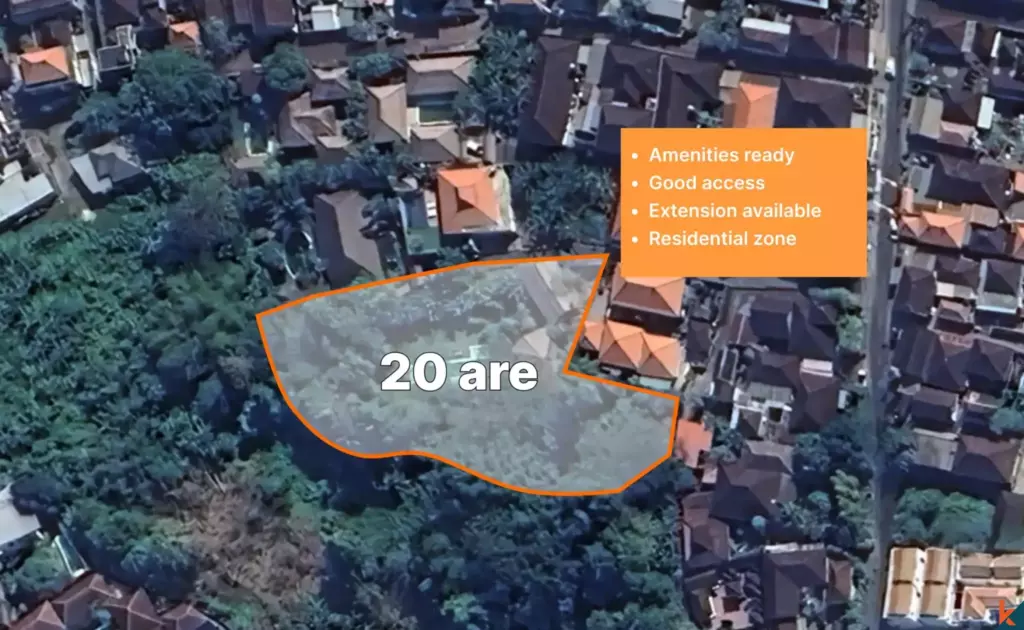 2000 m²15 min$ 523000Bali, Canggu
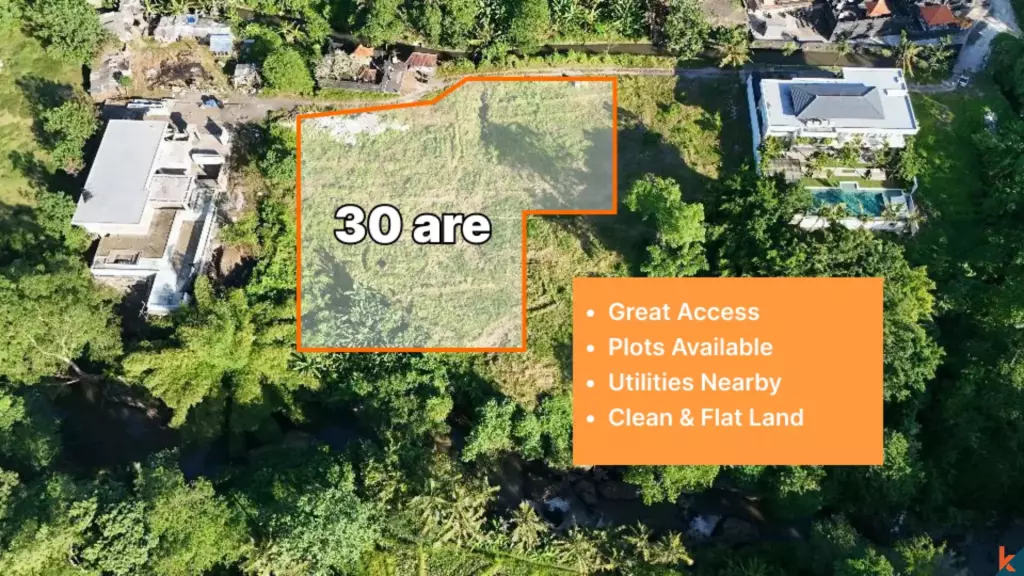 3000 m²15 min$ 738916Bali, Cepaka
 680 m²15 min$ 110751Bali, Pererenan
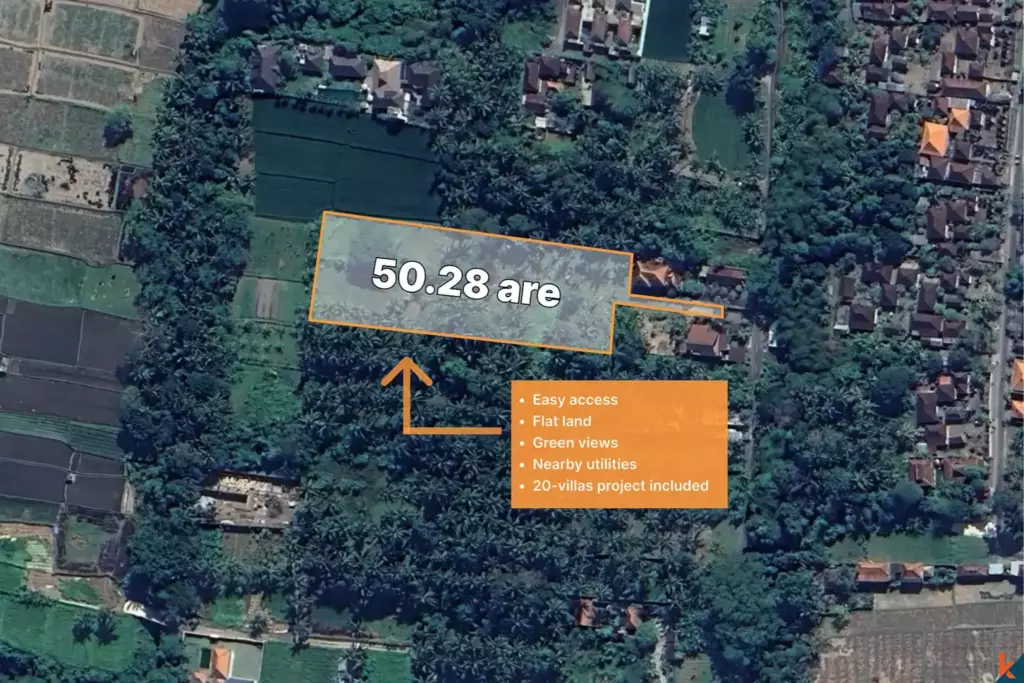 5028 m²10 min$ 361000Bali, Ubud
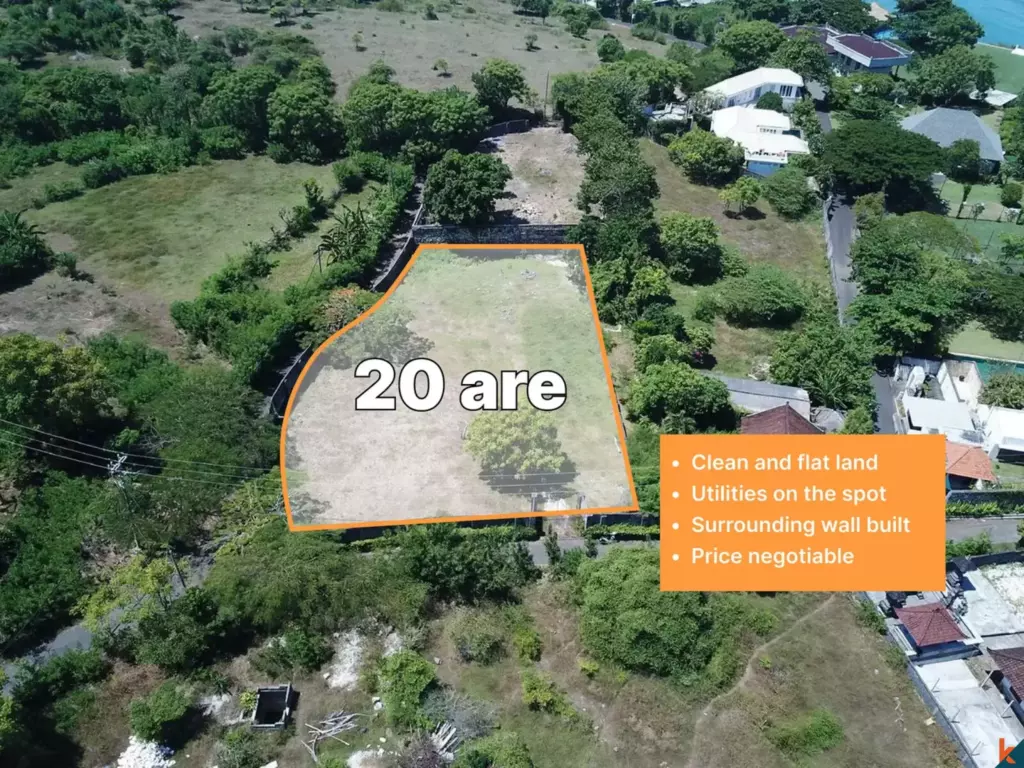 2000 m²5 min$ 738916Bali, Ungasan
 250 m²15 min$ 40025Bali, Munggu
 260 m²5 min$ 51872Bali, Kedungu
Planning a build in Bali?
Get a feasibility view, budget range and timeline from Teville.
Related guides
Marine-Grade Fixings for Bali Joinery: Corrosion Protocols
Explore marine-grade fixings and corrosion protocols for Bali coast joinery. Learn materials, maintenance tips, and best practices to extend timber durability.
10 min read
Resin-Infused Plaster Finishes: Anti-Salt Systems Bali
Expert technical guide: Resin-Infused Plaster Finishes: Anti-Salt Systems Bali
8 min read
Prefinished Timber Joinery: Silicone Seals Fixings Bali
Professional prefinished timber joinery installation in Bali with silicone seals and fixings for durable weatherproof performance and a premium finish.
10 min read