Moisture-Tolerant Tile Grout Joint Prep for Bali Villas
Moisture-Tolerant Tile Grout Systems & Joint Prep for Bali Villas
1) Specific Problem/Question
In Bali’s tropical humidity, salt-laden coastal air, and frequent wet areas, the weakest link in tile finishes is often grout and joint preparation. Cracking, efflorescence, mold, and debonding typically begin at poorly detailed or moisture-intolerant joints. The question every owner and designer should ask in 2026: which grout systems truly tolerate constant moisture, and how should joints be prepared and detailed to protect bathrooms, pools, terraces, and service zones in Bali villas? This Bali area guide from Teville focuses on finishing precision that lasts.
2) Technical Deep Dive: Why Moisture-Tolerant Grouts + Correct Joint Prep Matter
Teville’s finishing teams approach grout and joint preparation as a moisture-management system, not a cosmetic fill. In Bali villa construction, failure usually traces to one or more of the following: high substrate moisture, inadequate movement joints, wrong grout type, aggressive cleaning chemicals, or insufficient cure before exposure to water. A technical response aligns materials, detailing, and site sequencing to Bali’s climate realities.
Climate drivers in Bali:
- Ambient RH often 70–95%; dew points promote condensation on cool tile surfaces.
- Monsoon rain and lateral splash on façades and terraces keep joints damp for days.
- Coastal chlorides increase corrosion risk on reinforcement near pool surrounds; salts aggravate efflorescence.
Grout system choices for wet exposure:
- High-performance cementitious (polymer-modified) grout (CG2 WA): Improved abrasion and water resistance. Suitable for wet rooms and covered terraces when the substrate moisture is controlled and joints are well detailed. Ideal where a traditional look is desired and cleaning is moderate.
- 100% solids epoxy grout (RG / ANSI A118.3): Near-zero water absorption, high chemical resistance, excellent for pools, spas, commercial kitchens, and shower floors. More demanding to install but provides best-in-class moisture tolerance and stain resistance.
- Specialty pool-grade polymer grout: Formulated specifically for constant immersion and aggressive water chemistry. Example: water-resistant, pool-tile grout systems such as those offered by Sider-Crete perform reliably in submerged zones when applied per manufacturer instructions.
Joint preparation is non-negotiable: Even premium grout fails if joints are contaminated, too shallow, or if the substrate is still wet. For interior finishing Bali conditions, we verify moisture content in screeds/render; tile industry guidance requires substrate moisture to be under approximately 2% by mass for reliable adhesion and curing in many ceramic/porcelain systems (see Roca’s technical notes on installation and moisture limits: Roca Tile). This aligns with best practice for reducing efflorescence, fungal growth risk, and bond loss.
Movement and perimeter joints: In Bali’s heat swings and UV load, tiles expand and contract. Without movement joints—generally 3–4 m grids outdoors, per industry norms—and soft perimeter joints at walls and drain interfaces, grout will crack or tent. We specify elastomeric sealant (ASTM C920 class) with backer rod in movement zones, and cementitious or epoxy grout only in static field joints.
Interfaces with villa utilities: Wet-room drains, shower mixers, cleanouts, and pipe collars are prime leak points. Teville details compression seals around penetrations, flexible collars over membranes, and switch to sanitary-grade silicone (mold-resistant) where differential movement is expected. This utility-focused joint strategy prevents micro-channels that siphon water under tiles.
Finishing coordination with furniture installation: After grouting, grout lines are vulnerable to abrasion and chipping during move-in. We stage furniture delivery after initial cure, use ram board/Corflute protection, and fit felt glides. This avoids early micro-damage that later becomes water ingress sites in renovation Bali scenarios.
Cleaning and chemistry: Acid washes can burn cementitious grouts and strip polymer films. In Bali’s warm water, chemical reactions accelerate. We standardize pH-neutral cleaning for routine care and specify acid-test protocols only for cement haze, with controlled dwell times and immediate neutralization. For epoxy grout, use manufacturer-approved cleaners only.
Why Teville’s approach is different: As a finishing-quality specialist, we don’t substitute resin sealants for correct detailing. We start with substrate moisture control, robust movement design, and a grout category matched to exposure—then protect the installation through commissioning. See our process overview at How We Build and explore relevant case finishes in our Portfolio and Villa Projects.
3) Materials & Standards
Primary materials:
- Polymer-modified cementitious grout, classified to EN 13888 as CG2 WA (improved, reduced water absorption and high abrasion resistance) or ISO 13007 counterpart; ANSI A118.7 for U.S.-classed high-performance cement grouts.
- Epoxy reaction-resin grout, EN 13888 RG / ISO 13007 RG; ANSI A118.3. Ideal for pools, spas, wet kitchen floors, and high-stain bathrooms.
- Elastomeric sealants (ASTM C920) for movement, perimeter, and change-of-plane joints. UV- and mildew-resistant silicones or hybrid polyurethanes depending on exposure.
- Backer rods (closed-cell) sized to achieve 2:1 width-to-depth ratios in movement joints.
- Bonding primers where specified, crack repair mortars/epoxy injections, and penetrating sealers for cementitious grout in high-stain but non-immersed areas.
Key standards and guidance:
- EN 13888 / ISO 13007: Grout classification and performance metrics.
- ANSI A108 series and A118.3/A118.7: Installation and grout performance in North American practice.
- ASTM C920: Sealant performance; selection for movement joints and exterior exposure.
- Manufacturer instructions for pool-rated polymer grouts (e.g., Sider-Crete).
- Moisture checks to ensure substrates are under ~2% by mass where required (see Roca Tile guidance).
For Bali villa construction, Teville harmonizes EN/ISO classifications with local supply chains and tropical site conditions. We prequalify brands based on salt-spray proximity, UV stability, cleanability, and real-world installer feedback from interior finishing Bali projects.
4) Step-by-Step Process (Teville Field Method)
Step 1: Survey and moisture diagnostics
- Map wet exposure: full immersion (pools), intermittent splash (showers/terraces), and dry interiors.
- Check screed/render moisture; target under ~2% by weight before grout and critical primers. Use carbide (CM) or electronic meters calibrated to substrate type.
- Identify microcracks, hollow spots, and substrate flatness; repair before grouting.
Step 2: Joint design and movement layout
- Define field joint widths per tile size and exposure (e.g., 2–5 mm interior, 5–8 mm exterior; wider for stone with expansion dynamics).
- Set movement joints at 3–4 m grids outdoors; 6–8 m indoors or per tile/finish manufacturer limits. Always detail perimeter and change-of-plane joints as soft joints.
- Coordinate with villa utilities: sleeve penetrations, fit compression grommets, and preplan drain collars and flange heights.
Step 3: Surface and joint preparation
- Rake joints clean to ≥2/3 tile thickness; remove thinset peaks and dust.
- Repair cracks using low-shrink mortar or epoxy injection; feather minor pits with polymer patch.
- Degrease and rinse; ensure surface is dry to specification. Avoid pre-wetting when epoxy grouting; for cementitious grout, dampen tiles lightly (not the joint) if allowed.
Step 4: Masking and protection
- Tape sensitive stone, timber thresholds, and fixtures. Protect drains to avoid resin fouling.
- Install backer rod and primer in movement joints; do not fill these with cementitious/epoxy grout.
Step 5: Mix and place grout
- Cementitious (CG2 WA): Mix by weight, allow slake, re-mix; work diagonally with rubber float. Initial wash with damp sponge after partial set; final buff with microfiber. Maintain temperature 18–30°C.
- Epoxy (RG): Pre-condition components, mix fully; place in small areas; use epoxy-safe pads and emulsifiers for wash. Maintain joint fullness; avoid over-washing that hollows joints.
- Pool-grade polymer grout: Follow manufacturer-specific pot life, immersion wait times, and wash protocol (see Sider-Crete link above).
Step 6: Curing and commissioning
- Prevent rain and flooding for 24–48 hours (cementitious) and as specified for epoxy. For pools, respect full chemical resistance cure—often 7 days—before chlorination/shock.
- Maintain ventilation in bathrooms to reduce early condensation.
Step 7: Sealants and interfaces
- Install ASTM C920 sealant at perimeters, movement joints, and changes of plane with proper joint geometry and primer.
- At utilities and drains, tool sanitary silicone for a concave profile that sheds water.
Step 8: Handover, care, and furniture move-in
- Issue cleaning plan: pH-neutral detergents; avoid aggressive acids/alkalis, especially on cementitious grout.
- Schedule furniture installation after minimum cure; protect floors with boards and lift furniture—no dragging. Fit felt pads to legs to prevent grout edge chipping.
- Plan inspection at 1–3 months to check early movement joints and reseal if needed.
5) Costs & Timeline (2026 Bali Context)
Typical cost ranges (materials + skilled labor):
- High-performance cementitious grout (CG2 WA): ~IDR 60,000–120,000/m² for standard interior; exterior/exposed wet zones ~IDR 100,000–160,000/m² depending on joint width, tile size, and access.
- Epoxy grout (RG): ~IDR 180,000–320,000/m²; complex mosaics, submerged or chemical-exposed areas trend to the upper band.
- Movement joint sealant (ASTM C920): ~IDR 90,000–180,000 per linear meter including backer rod and primer, influenced by width and façade access.
- Moisture mitigation/repairs: Localized crack repair and patching ~IDR 70,000–150,000/m²; extensive moisture conditioning adds time/cost.
Timeline benchmarks:
- Preparation and masking: 0.5–1 day per 50–80 m², depending on complexity.
- Grouting: 1–2 days per 80–120 m² (cementitious); 1–2 days per 50–80 m² (epoxy).
- Cure/commission: light foot traffic after 24 h (cementitious) / as specified for epoxy; full chemical exposure typically after 7 days. Pools: fill and balance chemicals only after manufacturer’s immersion cure window.
For project-specific estimates, Teville provides detailed take-offs and sequencing aligned with your renovation Bali program: Cost Estimation.
6) FAQ Block
A: For showers, terraces, and kitchens with frequent wetting but moderate chemicals, a CG2 WA polymer-modified grout is balanced and cost-effective. For pools, spas, and heavy-stain zones, epoxy (RG) gives superior moisture and chemical resistance. We sometimes mix strategies: epoxy on floors and polymer grout on walls for aesthetics and budget control.
A: No. Grout is part of the finish, not the waterproofing. We rely on a continuous membrane under tiles, then select moisture-tolerant grout and correct joint detailing to manage surface water. This layered approach is essential in interior finishing Bali projects.
A: Very. Elevated moisture drives efflorescence, weakens cementitious grout, and interferes with bond. Industry guidance, including Roca’s installation notes, references low substrate moisture before setting and grouting. We verify and delay or condition substrates if readings are high.
A: Yes, for constant immersion and tropical temperature swings, use immersion-rated systems. Pool-grade polymer or epoxy grouts—such as solutions by Sider-Crete—deliver the moisture and chemistry performance general-purpose grouts cannot.
A: We align soft joints with grout grid lines, color-match sealants, and use clean profiles. In terraces, we combine joints with slope breaks or thresholds. The goal is invisible performance—movement accommodation without visual clutter.
A: Quality epoxies are UV-stable in most interior and submerged uses. For full exterior sun exposure, we specify UV-rated formulations and realistic color expectations. Light, mineral tones weather best.
A: Con
 3127 m²9 month(s)from 177.000 USD
Mukunda
 3124 m²6 month(s)from 123.000 USD
TALA 8
 164 m²7 month(s)from 79.000 USD
TALA TWO
 1from 198.000 USD
Private: Haridas Villas
 4344 m²16 month(s)from 290.000 USD
Radha
164 m²7 month(s)from 79.000 USDPrivate: Haridas Villas, Tegallalang
 2144 m²11 month(s)from 104.000 USD
Narayana

Want to calculate?
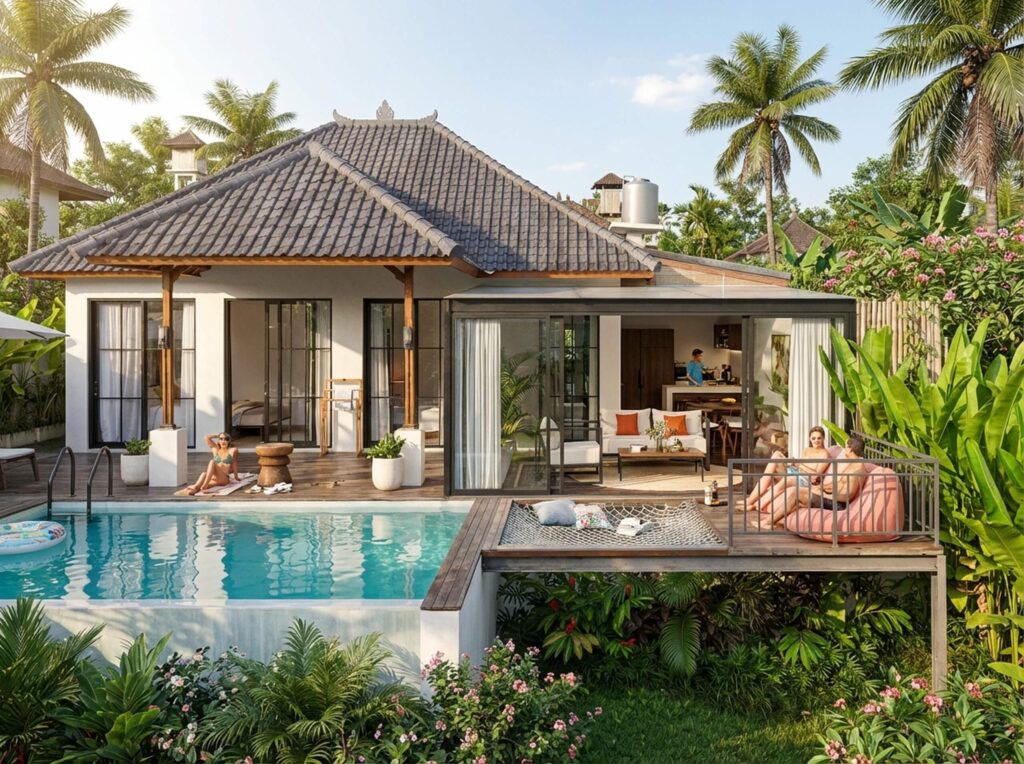 172 m²8 month(s)from 120.000 USD
Keshava
 3173 m²6 month(s)from 125.000 USD
TALA FOUR
 3104 m²11 month(s)from 99.000 USD
TALA 100
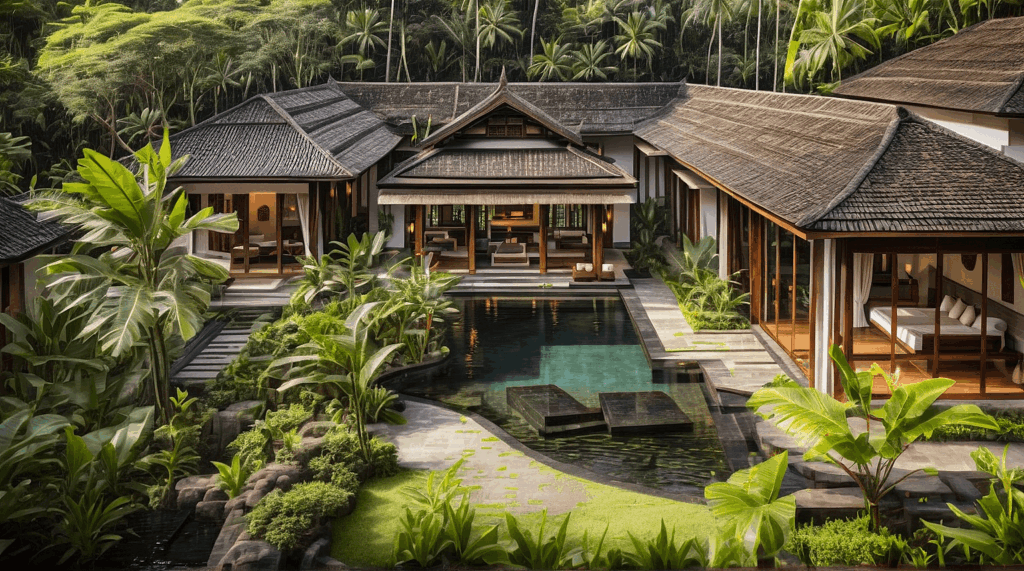 3180 m²7 month(s)from 142.000 USD
Vasudeva
Start With Real Numbers, Not Guesses
Before finalizing your finishing works plan, check realistic cost ranges for your Bali villa project.
Available lands
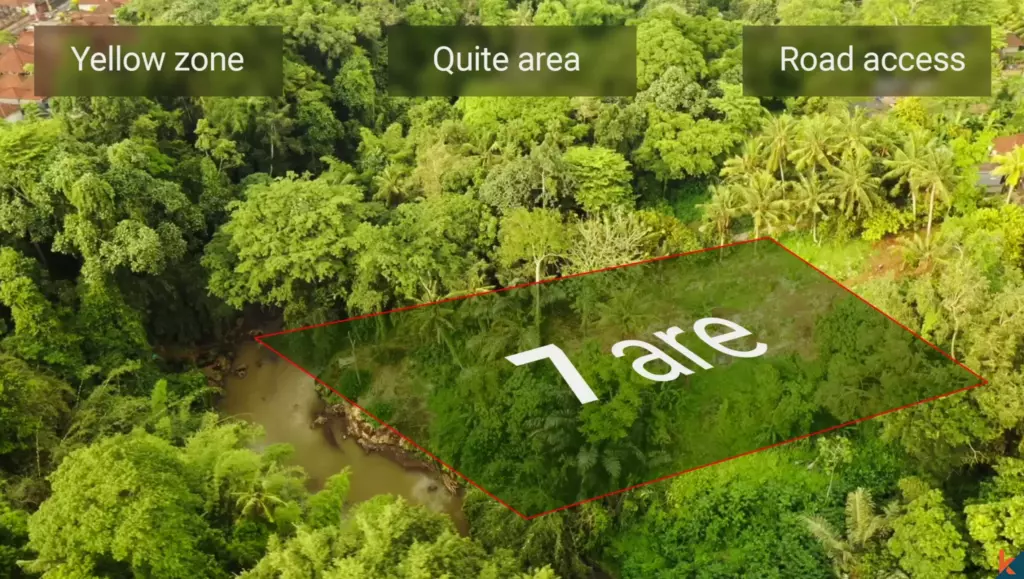 700 m²15 min$ 162500Bali, Tabanan
 7900 m²25 min$ 413485Bali, Tabanan
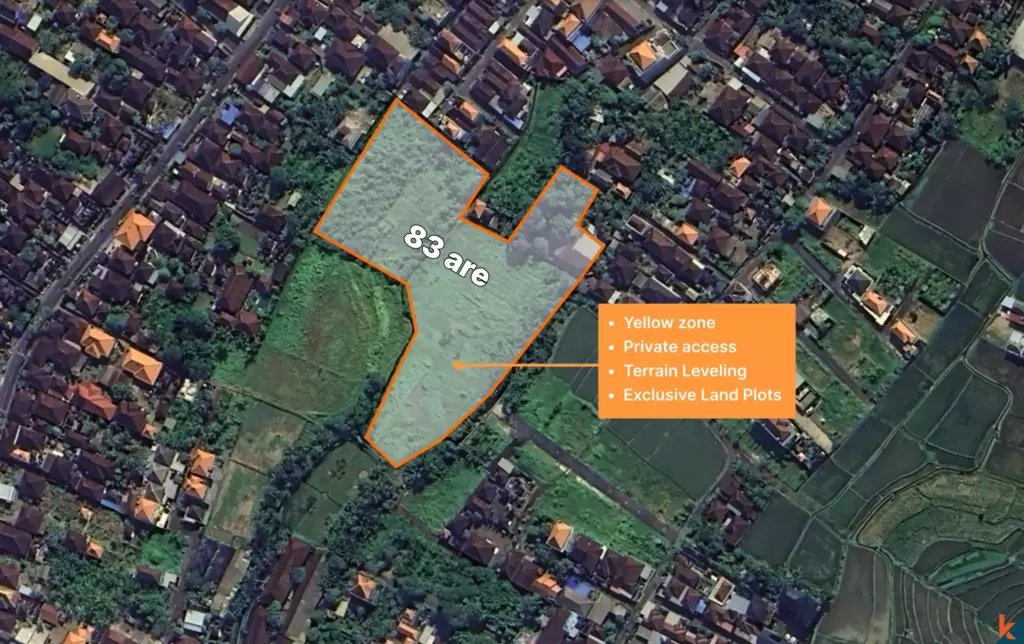 8313 m²15 min$ 716670Bali, Buduk
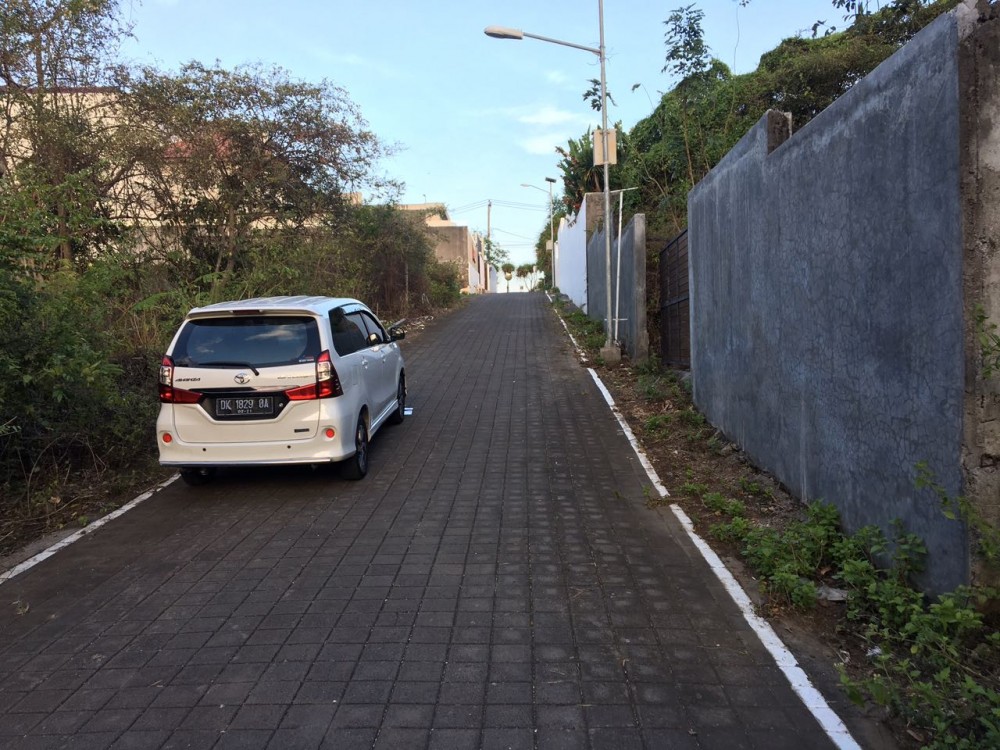 1000 m²10 min$ 123154Bali, Jimbaran
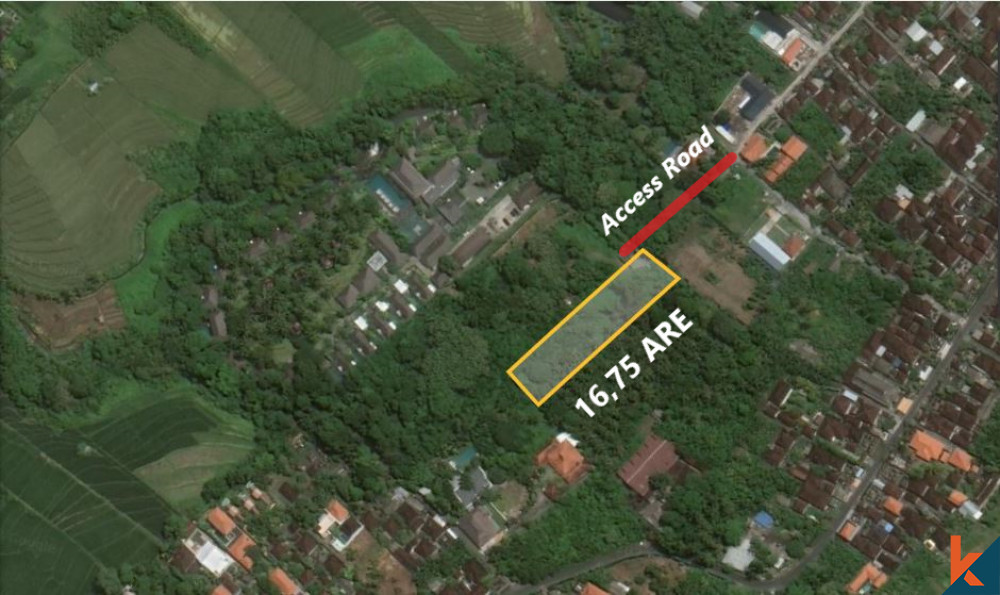 7500 m²5 min$ 206281Bali, Kedungu
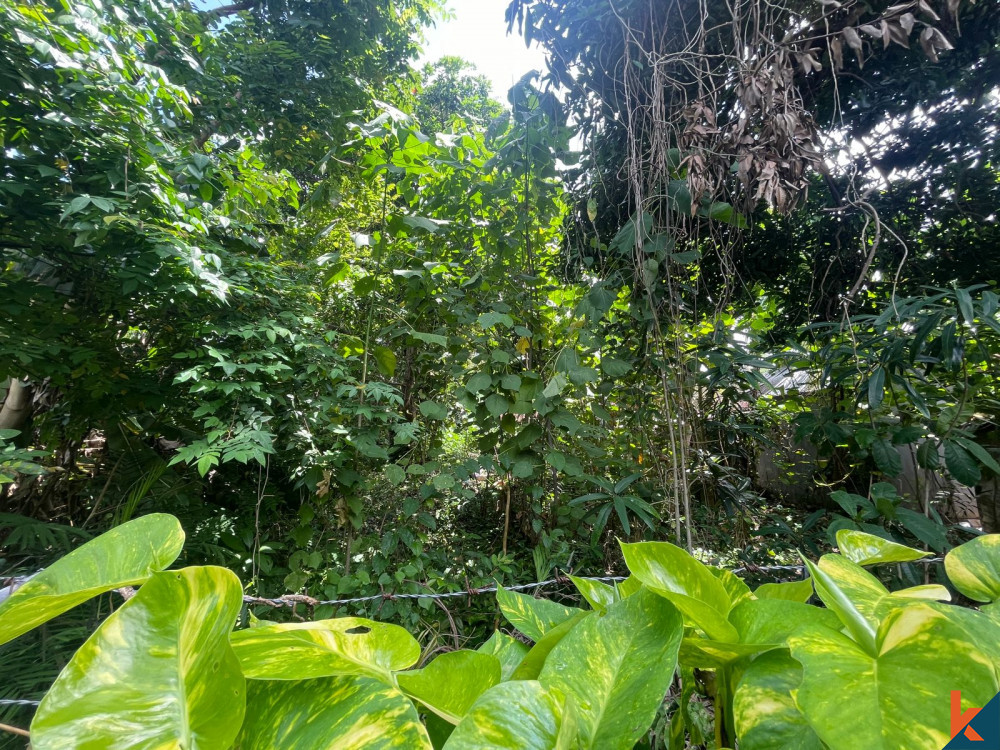 608 m²15 min$ 310377Bali, Seminyak
 1000 m²10 min$ 280788Bali, Pecatu
 700 m²20 min$ 90517Bali, Cepaka
 1720 m²2 min$ 241478Bali, Tabanan
 680 m²15 min$ 110751Bali, Pererenan
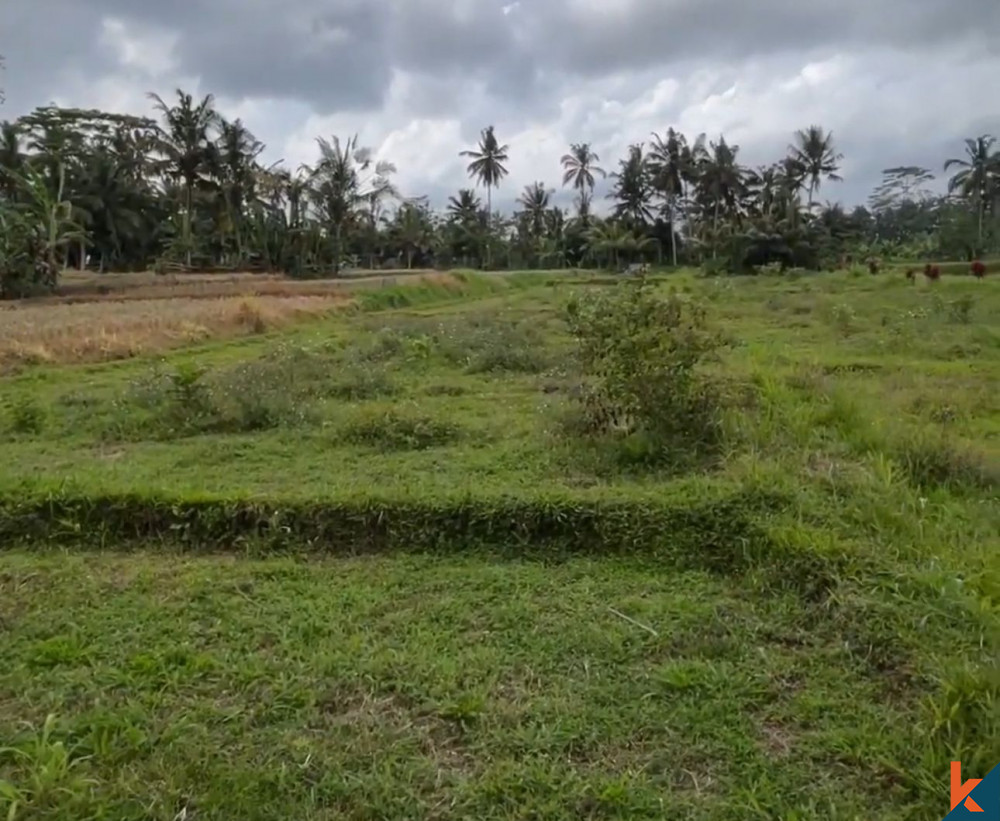 3100 m²15 min$ 257697Bali, Tegallalang
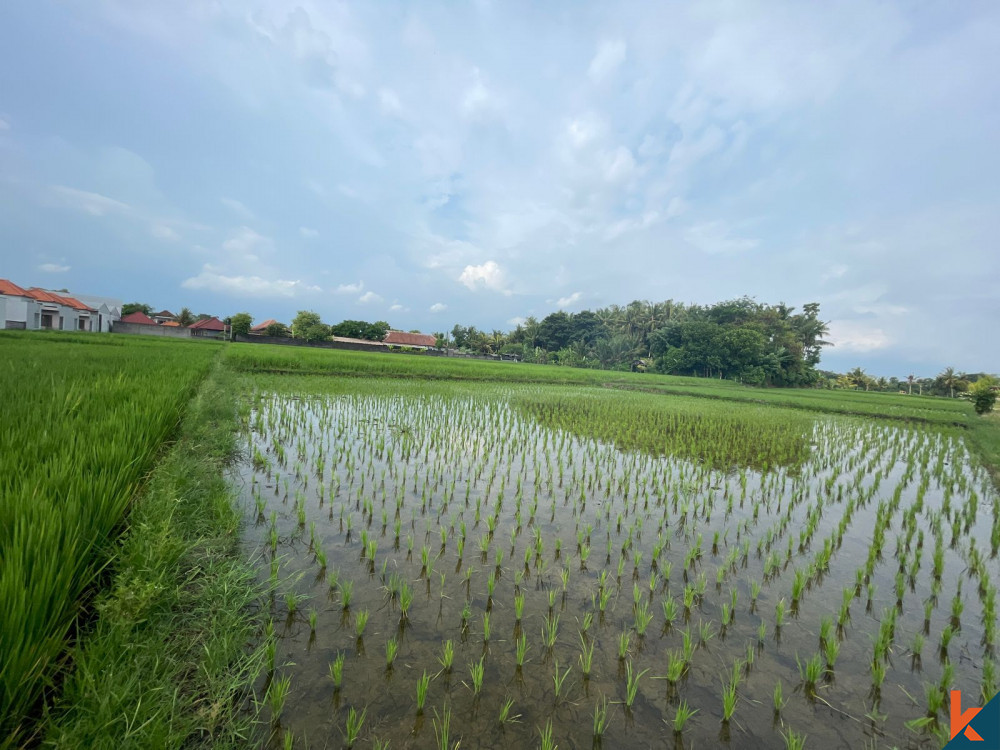 2500 m²5 min$ 609606Bali, Kedungu
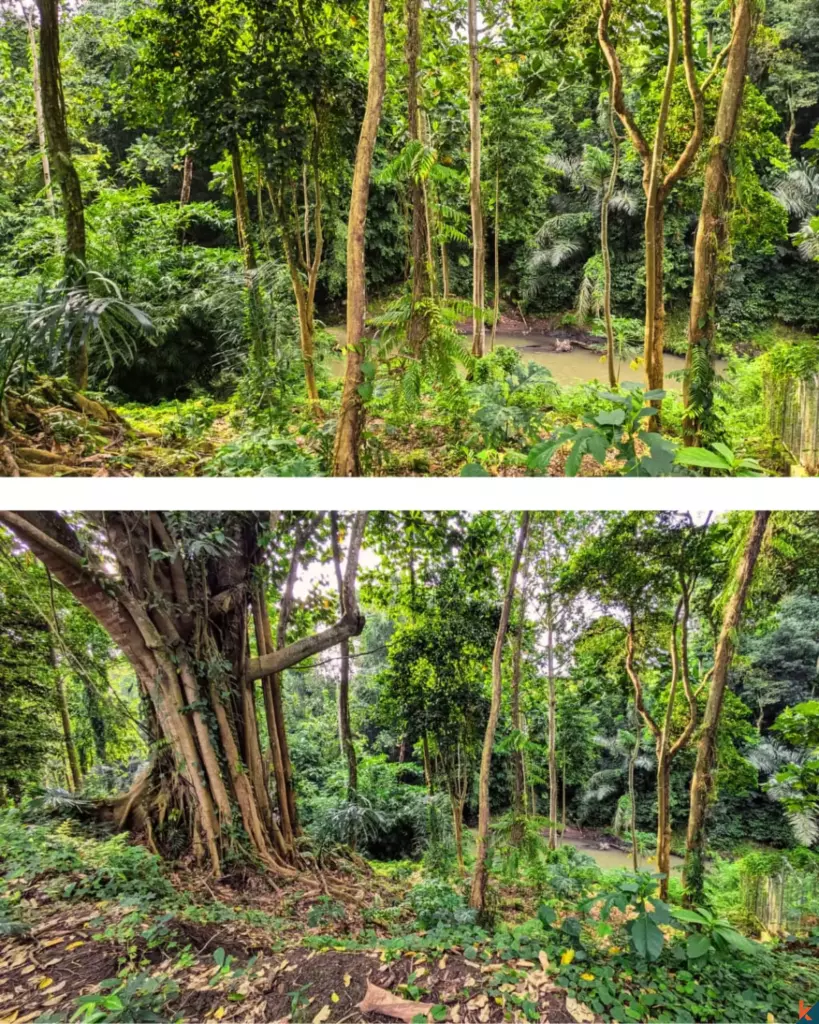 3300 m²15 min$ 449889Bali, Tabanan
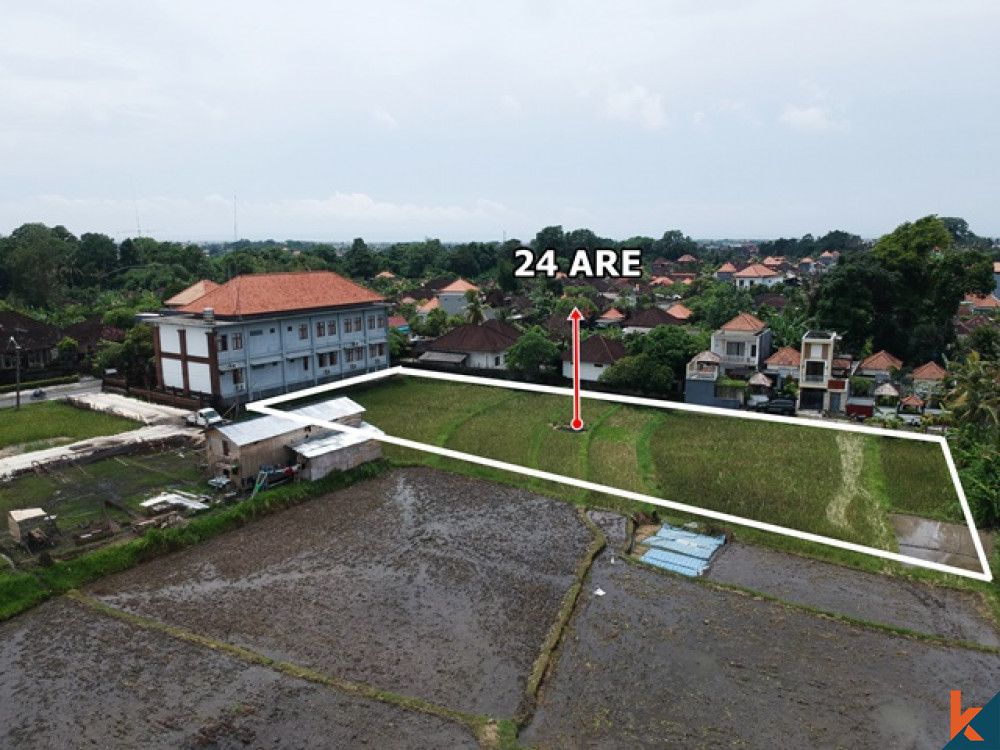 2400 m²7 min$ 496552Bali, Canggu
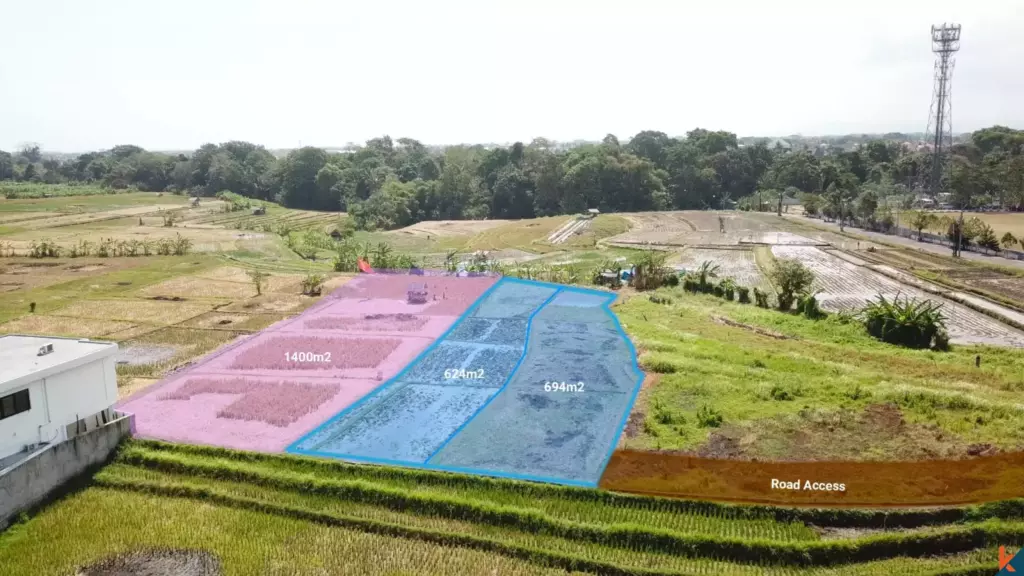 1362 m²15 min$ 335468Bali, Tumbak
Planning a build in Bali?
Get a feasibility view, budget range and timeline from Teville.
Related guides
Marine-Grade Fixings for Bali Joinery: Corrosion Protocols
Explore marine-grade fixings and corrosion protocols for Bali coast joinery. Learn materials, maintenance tips, and best practices to extend timber durability.
10 min read
Resin-Infused Plaster Finishes: Anti-Salt Systems Bali
Expert technical guide: Resin-Infused Plaster Finishes: Anti-Salt Systems Bali
8 min read
Prefinished Timber Joinery: Silicone Seals Fixings Bali
Professional prefinished timber joinery installation in Bali with silicone seals and fixings for durable weatherproof performance and a premium finish.
10 min read