Concealed HVAC Duct Routing Condensate Drainage in Bali

Concealed HVAC Duct Routing & Condensate Drainage in Bali: Finishing-Grade Execution for Villas and Renovations
How do you route concealed HVAC ducts and design condensate drainage in a Bali villa without sweating ceilings, swollen joinery, staining, or service headaches? In Bali’s tropical humidity and coastal salinity, the finishing details matter as much as the equipment. This Bali area guide explains exactly how Teville handles concealed duct routing and condensate management during interior finishing, renovation, furniture installation coordination, and utilities integration—so the ceiling lines stay crisp, the air quiet, and the system durable in the tropics.
Technical Deep Dive: What “Concealed” Really Requires in Bali
In concealed ducted systems (VRF/VRV or slim-duct splits), the finishing contractor becomes the de facto performance guardian. Airflow, acoustics, condensate hydraulics, and corrosion control must be locked-in while maintaining clean lines and service access. Below are the key technical pillars we apply across Bali villa construction and renovation projects.
Airflow design inside finished spaces
For quiet interiors, we target low face velocities and controlled static pressure. Typical supply duct velocities of 2.5–3.5 m/s and return of 1.5–2.5 m/s keep noise down and minimize whistling at slots and grilles. We locate linear diffusers to “wash” glazing and curtain pockets while avoiding short-circuiting to returns. Bulkhead dimensions are set to maintain throw distance and avoid draughts at seating and beds. Flexible ducts are kept very short (usually under 1.5 m) and pulled straight to prevent friction loss and booming. Fan coils are elastically isolated and connected with flexible connectors so vibration doesn’t print through gypsum ceilings.
Routing within ceilings, bulkheads, and millwork
Teville resolves routes early with interior designers: over wardrobes, along corridors, within coffered ceilings, and behind pelmets. We protect ceiling heights by planning continuous trunk runs and compact plenums. We avoid structural notching entirely and never “pinch” ducts through beam zones; instead, we detour via planned bulkheads or wardrobes. Diffusers inside furniture are spaced off panels to prevent condensation and staining; we add backer plates and acoustic liner to decouple airflow from cabinetry. Clearances from downlights are maintained to avoid thermal hotspots that encourage condensation. Penetrations through walls and slabs are precisely sleeved and sealed to stop air leakage and pests.
Condensate hydraulics for the tropics
Humidity in Bali can sit above 80% for long periods. That means long, reliable condensate drainage is mission-critical. We prioritize gravity drains with continuous fall—typically 1–2% slope (10–20 mm per meter)—from the fan coil to an acceptable discharge or trapped sanitary connection with an air gap. At each indoor unit, we install a deep-seal trap sized for the unit’s negative pressure. As a rule of thumb, 50–75 mm trap seal depth works for most ducted fan coils; manufacturer data and measured static are used to finalize. Each drain run gets a cleanout and a vent/anti-siphon tee to stop gurgling and loss of seal. Drains are insulated (closed-cell elastomeric) to prevent sweating on ceilings and in cabinetry.
When gravity is impossible
Bali villas often have low bulkheads and long runs past beams. In those cases, we use quiet condensate pumps with integral check valves, vibration isolation, and accessible reservoirs. We place serviceable pumps directly beneath dedicated access panels and add high-level float switches to shut the fan coil if water rises. We isolate pump discharge lines from finished surfaces and keep bends to a minimum, avoiding noise transfer into bedrooms.
Moisture, mold, and finish protection
We use closed-cell insulation on cold ducts and drainpipes with sealed jacket seams, paying attention to hanger penetrations and valve stations where vapor barriers typically fail. Returns built as ceiling plenums are fully air-sealed and separated from roof voids to avoid dusty, moist air ingestion. We use moisture-resistant gypsum or cement board at bulkheads near cold surfaces and specify antimicrobial liner in sections near the coil to discourage mold growth. Diffuser perimeters are gasketed; paint films are breathable but not porous.
Acoustics and vibration
Concealed does not mean silent by default. We mount fan coils on neoprene pads, decouple hangers, and insert flexible connectors at discharge/return to avoid structure-borne noise into gypsum. Supply trunks include short acoustic lining near the fan coil to smooth turbulence. We avoid “elbow close to outlet” geometries that cause hiss at linear slots. Return grilles are upsized to keep pressure low over bedrooms.
Corrosion and coastal durability
Saline air affects hardware quickly. We specify galvanized or aluminum ductwork with protected edges, stainless fasteners (A2/A4), and UV-protected insulation jackets where runs touch ventilated voids. Drain lines use uPVC rated for hot climates, solvent-welded and strapped with corrosion-resistant clamps. Exterior penetrations receive marine-grade sealants; all metal edges are treated to avoid rust bleed through paint.
Access and maintainability
“Invisible” only works if service is easy. We align 600×600 mm (or per manufacturer) access panels with fan coils, traps, filters, and pumps. We tag every panel discreetly and map it for the homeowner. Each drain trap gets a flush tee reachable without dismantling cabinetry. Filters slide out in the direction of the access panel, not over a wardrobe. Every decision protects the finishes while ensuring routine care can be done in minutes.
Integration with bathrooms and kitchens
Where returns share zones with bathrooms or kitchens, we establish air paths that prevent odors (transfer grilles and undercuts are balanced, and bathroom exhaust remains independent). Kitchen hoods receive separate ducting and make-up air planning so the concealed AC doesn’t fight negative pressure that can unseal condensate traps.
Materials & Standards: What Holds Up in Bali
We combine manufacturer installation manuals with international guides (ASHRAE/SMACNA best practices) and local building norms to deliver durable finishing work. Key materials and choices include:
- Ductwork: Galvanized steel (with reinforced edges) or pre-insulated PIR for short runs; aluminum for coastal zones; sealed longitudinal seams; radius elbows with turning vanes for quiet airflow.
- Insulation: Closed-cell elastomeric (≥9 mm on drains, 13–19 mm on cold ducts depending on dewpoint). All seams contact-adhesive bonded and taped with compatible, high-humidity-rated tapes. UV jacket in ventilated roof spaces.
- Condensate pipes: uPVC, 20–32 mm ID for typical ducted fan coils; solvent-weld fittings; long-radius bends; unions and tees for cleanouts. Insulate condensate where it passes through warm cavities to prevent sweating.
- Traps and vents: Fabricated or modular deep-seal traps sized to unit static; anti-siphon breather tees; secondary drain connections where provided by the unit.
- Hardware: Stainless or coated hangers; neoprene isolation pads; flexible connectors; acoustic liner near discharge; vibration-decoupled pump mounts.
- Access panels: Flush, paintable panels with gasketed frames; corrosion-resistant latches; dimensions per equipment service requirements.
- Sealants and gaskets: Non-hardening mastic for ducts, marine-grade sealant at exterior penetrations, closed-cell gaskets at diffusers and grilles, intumescent firestop at rated penetrations where applicable.
- Finishes: Moisture-resistant (MR) gypsum or cement board for bulkheads near cold surfaces; high-quality primers and breathable topcoats to avoid blistering; careful edge-sealing at linear slots within timber ceilings or millwork.
While specific Indonesian standards vary by project class, our detailing aligns with manufacturer requirements for concealed ducted and VRF/VRV units (slope, trap, access, service clearances) and recognized best practice. We coordinate with MEP engineers and local inspectors as needed and document the installation in as-built drawings for the owner’s maintenance file. See our Construction Process for how these standards flow through design, procurement, and finishing.
Step-by-Step Process: From Ceiling Line to Clean Drain
 1from 198.000 USD
Private: Haridas Villas
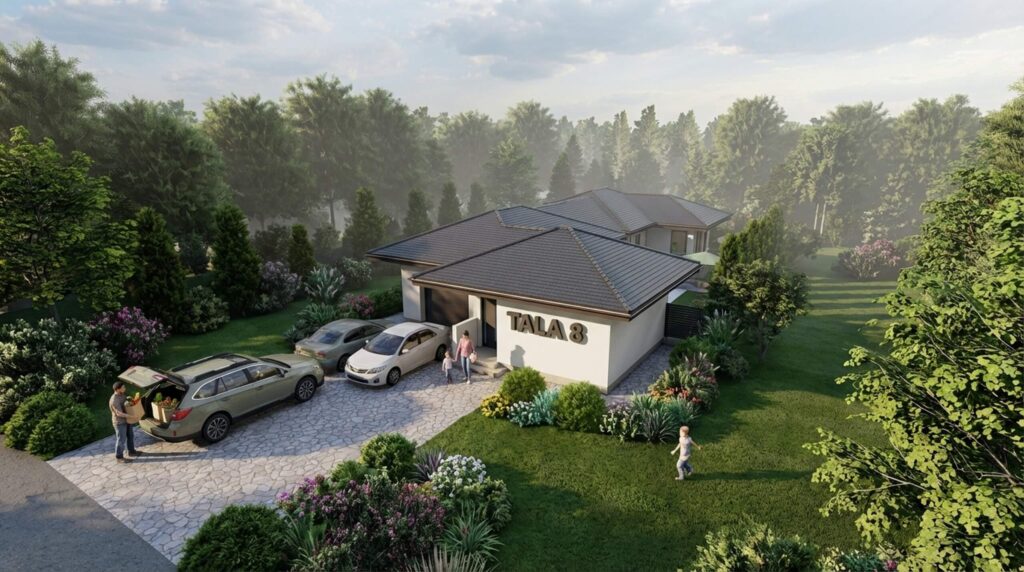 3124 m²6 month(s)from 123.000 USD
TALA 8
 3104 m²11 month(s)from 99.000 USD
TALA 100
 164 m²7 month(s)from 79.000 USD
Private: Haridas Villas, Tegallalang
 3173 m²6 month(s)from 125.000 USD
TALA FOUR
 4344 m²16 month(s)from 290.000 USD
Radha
164 m²7 month(s)from 79.000 USDTALA TWO
 172 m²8 month(s)from 120.000 USD
Keshava
 3180 m²7 month(s)from 142.000 USD
Vasudeva
 2144 m²11 month(s)from 104.000 USD
Narayana

Want to calculate?
 3127 m²9 month(s)from 177.000 USD
Mukunda
Start With Real Numbers, Not Guesses
Before finalizing your finishing works plan, check realistic cost ranges for your Bali villa project.
Available lands
 800 m²5 min$ 295567Bali, Seseh
 7250 m²56 min$ 235714Bali, Tabanan
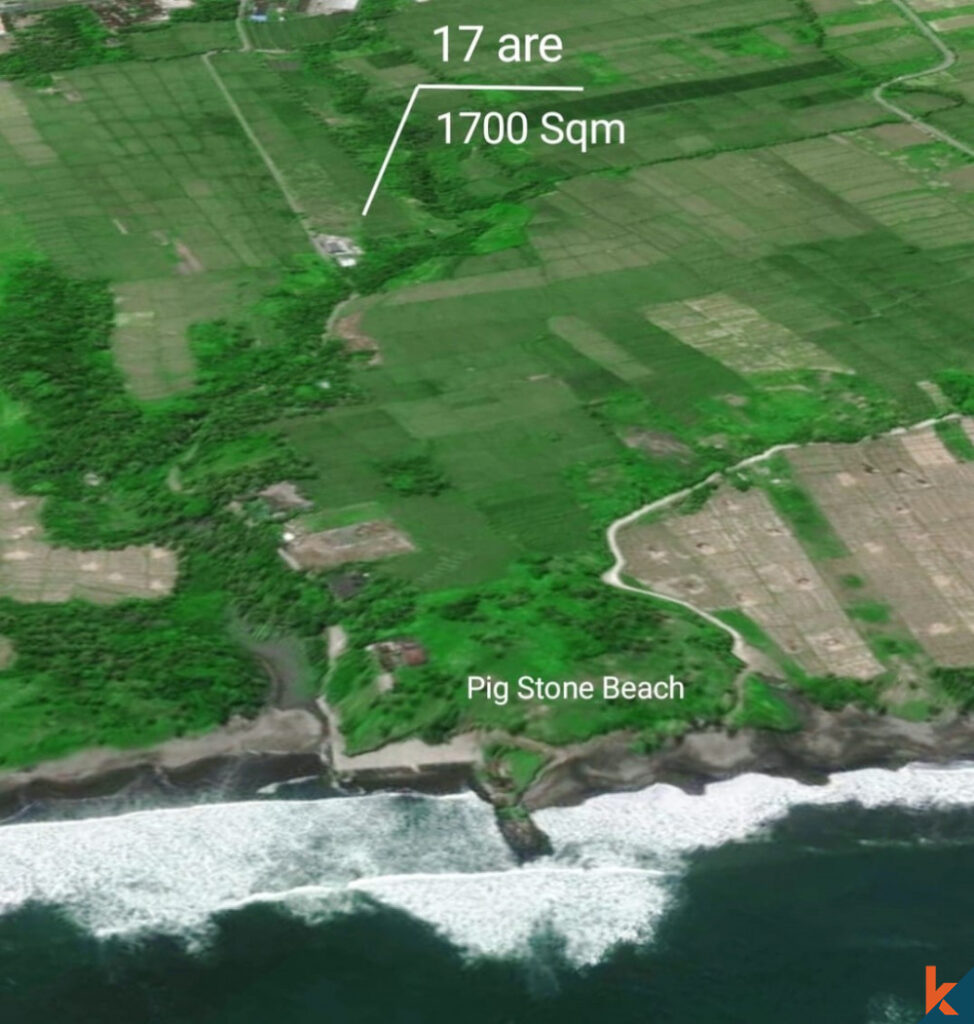 1720 m²2 min$ 241478Bali, Tabanan
 1000 m²10 min$ 384852Bali, Canggu
 250 m²15 min$ 40025Bali, Munggu
 608 m²15 min$ 310377Bali, Seminyak
 515 m²7 min$ 570813Bali, Canggu
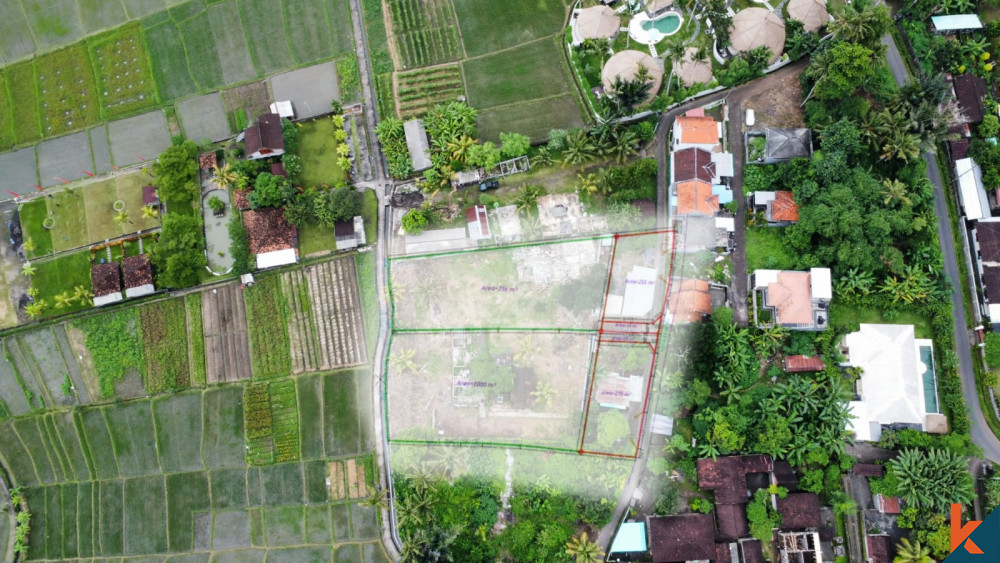 3100 m²20 min$ 272968Bali, Tabanan
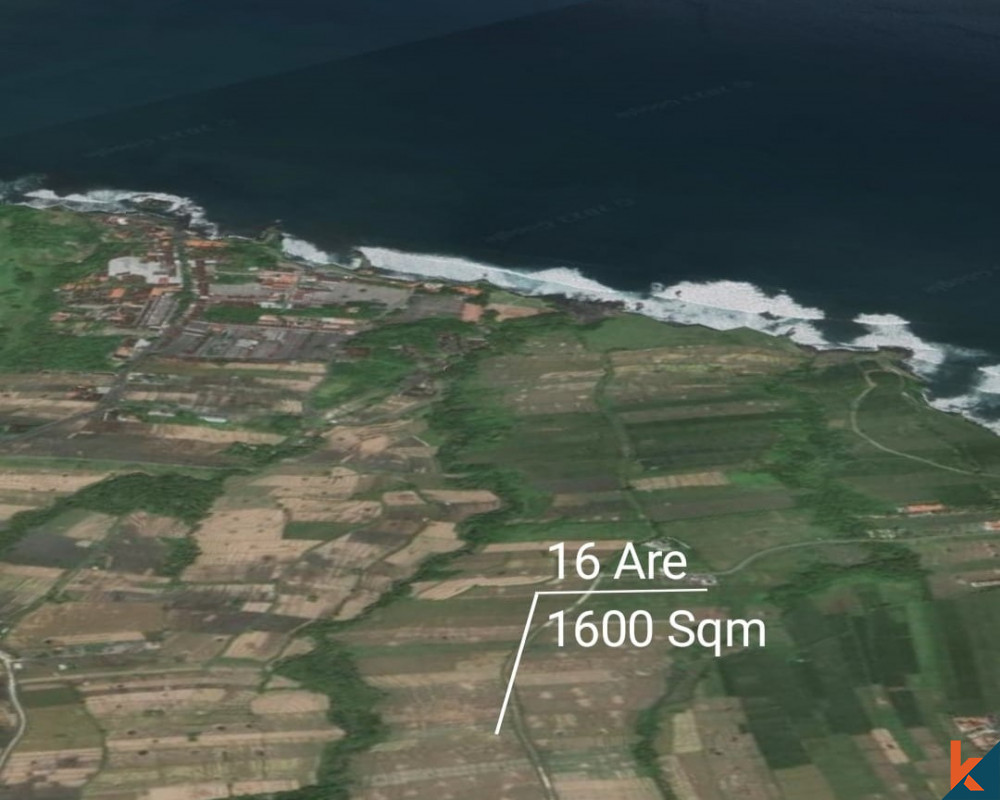 1600 m²32 min$ 266010Bali, Tabanan
 3254 m²5 min$ 631800Bali, All
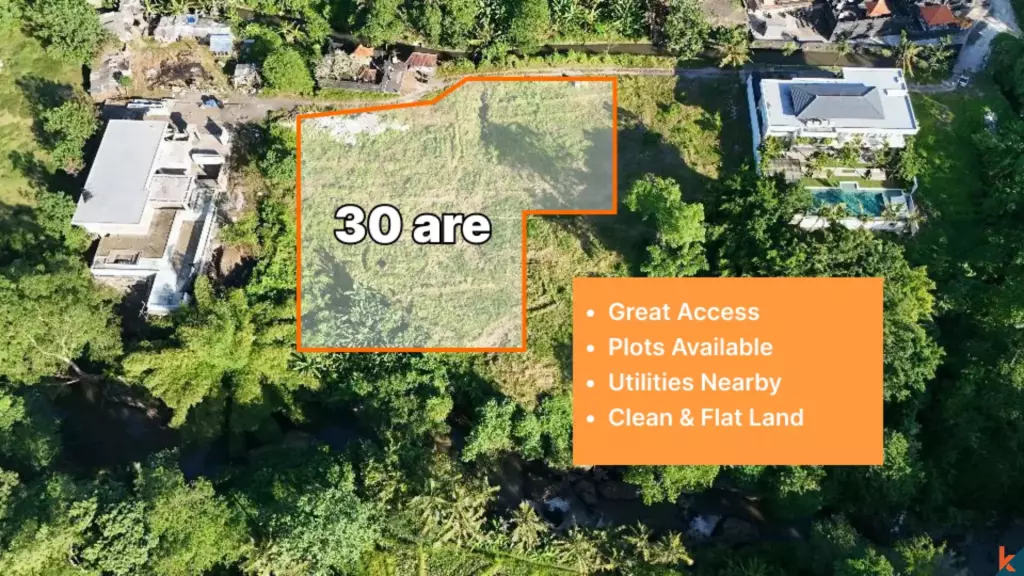 3000 m²15 min$ 738916Bali, Cepaka
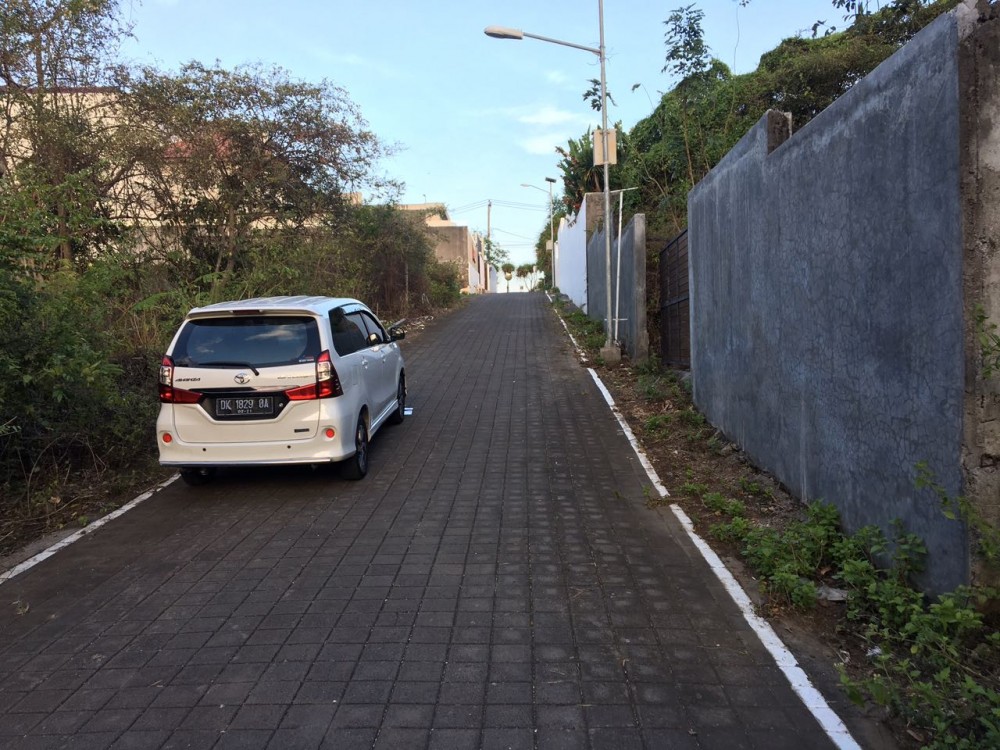 1000 m²10 min$ 123154Bali, Jimbaran
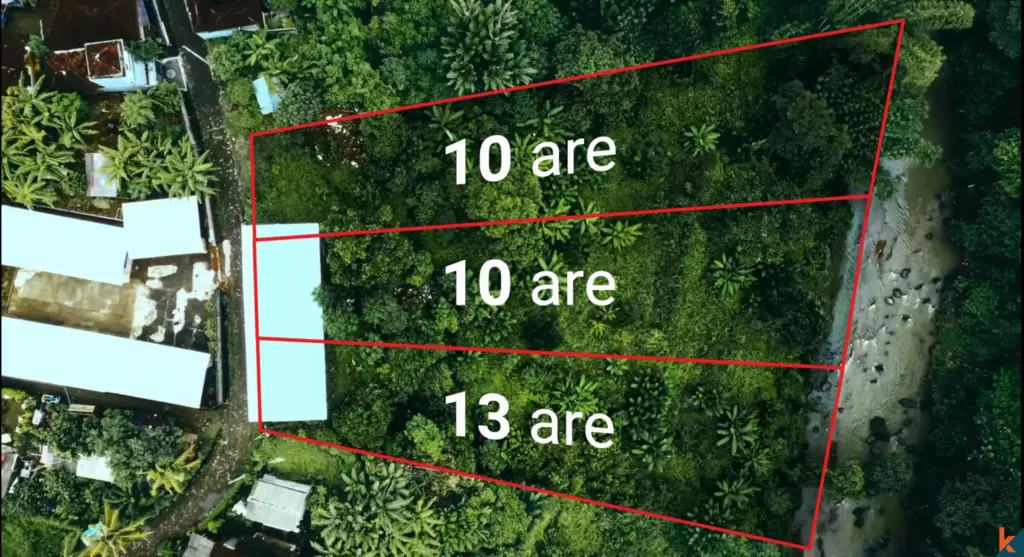 1000 m²10 min$ 303571Bali, Tabanan
 420 m²15 min$ 41897Bali, Tabanan
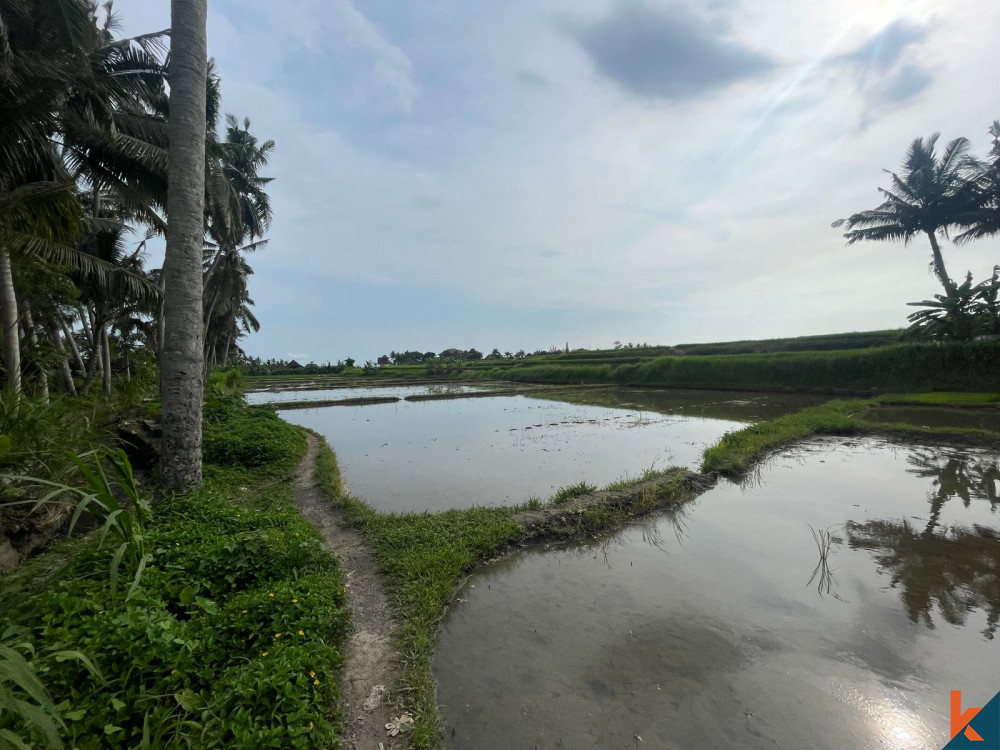 4270 m²10 min$ 394397Bali, Ubud
Planning a build in Bali?
Get a feasibility view, budget range and timeline from Teville.
Related guides

Marine-Grade Fixings for Bali Joinery: Corrosion Protocols
Explore marine-grade fixings and corrosion protocols for Bali coast joinery. Learn materials, maintenance tips, and best practices to extend timber durability.
10 min read
Resin-Infused Plaster Finishes: Anti-Salt Systems Bali
Expert technical guide: Resin-Infused Plaster Finishes: Anti-Salt Systems Bali
8 min read
Prefinished Timber Joinery: Silicone Seals Fixings Bali
Professional prefinished timber joinery installation in Bali with silicone seals and fixings for durable weatherproof performance and a premium finish.
10 min read