PEX Manifold Retrofits in Bali: Routing, Sleeves Isolation
PEX Manifold Retrofits: Routing, Sleeves & Isolation for Bali Villas
Specific Problem/Question
Many Bali villas built between 2005–2020 rely on mixed, joint-heavy plumbing (PVC, galvanized, PPR) hidden behind stone and plaster. When leaks, low pressure, or hot-water scalding appear, owners face invasive chiseling, damaged finishes, and recurring failures. How do we retrofit to a clean, serviceable PEX manifold system—using correct routing, sleeves, and isolation—without compromising interior finishing, furniture installation, and villa utilities, and while ensuring durability in Bali’s tropical, coastal climate?
Technical Deep Dive
At Teville (PT. The Haridas Villas), we retrofit to a centralized PEX manifold with a star topology: each fixture receives a dedicated, continuous run of PEX from the manifold, eliminating hidden joints. This approach reduces leak risk, simplifies maintenance, and stabilizes pressure at simultaneous demand—critical for high-occupancy villas in Seminyak, Canggu, Uluwatu, and Ubud.
Manifold placement and cabinetization. We recess a powder-coated steel or stainless (316 grade for coastal) manifold cabinet in a serviceable area: plant room, under-stair niche, or inside a vanity plinth behind a removable access panel. The cabinet includes: labeled ports, zone isolation valves, balancing valves for hot-water branches, drain/fill cocks, optional mixing valve, sediment screen, and an overflow tray with drain or leak sensor. In Bali’s humidity, we add ventilation slots and anti-condensation lining to prevent mold.
Routing strategy for finished villas. We prioritize ceiling voids and service chases to avoid floor demolition under stone or terrazzo. Where walls must be chased, we keep to vertical/horizontal runs, respect cover to reinforcement, and maintain a minimum bend radius to manage thermal expansion. Soft bends over elbows reduce noise and head loss. For furniture integration, we coordinate with cabinetry lines so manifold doors align invisibly within vanity or wardrobe modules—key for interior finishing Bali standards.
Sleeves: protection, replaceability, and movement. Every PEX line runs inside an oversize sleeve (corrugated HDPE or smooth PVC), from manifold to fixture zone. Sleeves provide three benefits: a) mechanical protection when passing through concrete or masonry, b) acoustic and thermal decoupling to prevent pipe “tick” and sweating stains, and c) future replaceability—allowing draw-out/draw-in of PEX without opening finishes. At penetrations, we install EPDM grommets or bushings; at slabs, we terminate with compression glands to block vapor and pests.
Isolation logic by zone. We break the system into logical zones: each bathroom cold/hot pair, kitchen, laundry, outdoor shower, staff quarters, pool shower, and garden taps. Each zone receives a pair of quarter-turn isolation valves at the manifold, plus fixture-level mini-isolators where feasible (WC, basin). Villa managers can shut an area during maintenance without impacting guests elsewhere—an operational must for renovation Bali properties.
Thermal controls for tropical hot water. Solar heaters in Bali can push storage temps above 70°C by midday. PEX must be protected with thermostatic mixing at 49–50°C delivery to bathrooms, and a pressure/temperature relief system at the heater. If recirculation is used (large villas), we specify oxygen-barrier PEX or PEX-AL-PEX on the recirc loop, bronze/stainless pumps, a timer/thermostat strategy to curb energy waste, and swing check valves to prevent crossflow.
Hydraulics and noise. We size main trunks to keep velocity below ~2 m/s, add water-hammer arrestors near quick-closing fixtures, and specify pressure-reducing valves where booster sets produce >4 bar. In coastal Bali, salt air accelerates dezincification; we use DZR brass or 316SS for exposed valves and unions. Clip spacing and elastomeric isolation mounts avoid resonance through partition walls—a frequent nuisance behind headboards.
Expansion, UV, and condensation. PEX expands; we accommodate with sleeve clearance, soft bends, and controlled clip intervals. Bali’s UV is intense: PEX remains in sleeve or concealed; on rooftops we use UV-stable conduit or aluminum jacketing. For cold lines in humid air, we insulate sleeves or pipe-in-sleeve to prevent condensation drips that stain timber or stone.
Water quality and filtration. Groundwater or PDAM supply can carry sediment and variable chlorine. We prefilter (100–200 micron then 20–50 micron) upstream of the manifold and specify PEX with high chlorine resistance. Where silica or hardness is elevated, we integrate treatment to protect fittings and mixers—preserving finishing hardware longevity.
Documentation and traceability. Every circuit is labeled at the manifold and on the as-built plan, with QR-coded tags linking to our digital twin. This supports fast isolation, simplifies future furniture installation adjustments, and aligns with Teville’s process discipline for Bali villa construction.
Materials & Standards
- PEX tubing: Potable-grade PEX-a or PEX-b, rated for 6–10 bar working pressure, hot-water service to 70°C continuous. For recirculation trunks, use oxygen-barrier PEX or PEX-AL-PEX. Color-coded (red/blue) or marked for clear identification.
- Manifold: Modular brass (DZR) or stainless steel with integrated flow meters/balancing on hot, isolation on each branch, drain ports, and gauges. Cabinet powder-coated, or 316SS in coastal zones (Canggu, Uluwatu, Sanur).
- Valves & fittings: DZR brass compression or expansion fittings; 316SS unions outdoors. Mini-isolators at fixtures where accessible. Avoid mixed-metal stacks that promote galvanic corrosion.
- Sleeves & penetrations: Oversized corrugated HDPE or smooth PVC conduits with EPDM grommets, termite-resistant seals where they interface with barriers, and proper fire/smoke blocking per villa’s specification.
- Insulation & acoustic: Closed-cell elastomeric insulation on cold lines where not fully sleeved; neoprene isolation clips; acoustic matting behind cabinets as needed.
- Ancillaries: Water-hammer arrestors, PRVs, thermostatic mixing valves, check valves, sediment filters, leak sensors with auto-shutoff (preferred for rental villas).
- Fixings & hardware: 304/316 stainless screws/anchors in coastal exposure; zinc-coated acceptable in dry interiors.
- Sealants & finishes: Neutral-cure silicone around sleeves; low-VOC adhesives/caulks for interior finishing.
Standards and guidance. We align with relevant Indonesian SNI plumbing requirements, manufacturers’ 2026 installation manuals, and international best practice for manifold/star systems. Pressure testing follows manufacturer guidance (typically 1.5× highest operating pressure). Where villas include fire-rated separations, we use tested penetration systems.
All selections reflect Bali’s tropical humidity, salt-laden air near the coast, and the expectation of easy serviceability within high-quality finishes and custom millwork.
Step-by-Step Process
1) Diagnostic survey and planning. We review complaints (leaks, low pressure, temperature swings), inspect plant (tanks, heaters, pumps), and map fixtures. Non-destructive scanning (GPR/ferroscan) identifies rebar and existing pipes. We define zones and agree manifold location aligned with furniture access and villa utilities strategy.
2) Protection and access. We protect floors, stone walls, and timber with coverings and dust control. Access openings are marked on grid lines to keep chases plumb/level, minimizing future crack risk and easing finishing touch-ups.
3) Manifold cabinet set-in. We recess and anchor the cabinet, verify alignment with cabinetry, and provide condensate/overflow strategy. Main isolation, PRV (if required), and filters are mounted with adequate service clearances.
4) Routing and sleeves. From the cabinet, we install oversized sleeves to each zone. Penetrations are core-drilled with rebar cover maintained. In ceilings, sleeves run above the gypsum frame with support clips and acoustic spacers. In masonry, we chase to controlled depth, line the chase, and avoid tight corners—favoring soft bends.
5) Pulling PEX-in-sleeve. We attach draw heads and lubricant suitable for potable systems, then pull continuous PEX runs from manifold to zone termination. No hidden joints are permitted. Excess is trimmed after confirming fixture reach and bend radius.
6) Termination and fixture stubs. At each wet room, we finish in a small recessed pocket or vanity base. We install mini-isolators, service loops, and secure plates to prevent movement. Where the design demands, we integrate access hatches within joinery—seamless with furniture installation quality norms.
7) Thermal and control hardware. We install a thermostatic mixing valve for the hot circuit, check valves to prevent crossover, water-hammer arrestors at fast-acting fixtures, and optional recirculation loop hardware with timers and aquastats for larger villas.
8) Pressure testing. We cap terminations, fill and purge air, then pressure test at 1.5× operating pressure (commonly 9–10 bar for systems running at 4–6 bar). Hold for a minimum of 2 hours with recorded readings; repeat after 24 hours if the program allows. No finishing is closed until tests pass.
9) Insulation, sealing, and finishing. We insulate cold lines (or sleeves) where condensation risk exists, seal penetrations with EPDM and neutral-cure silicone, install acoustic isolation clips, and close chases with compatible plasters/adhesives to match adjacent textures and paint. Cabinet doors align with millwork reveals for invisible integration—core to interior finishing Bali expectations.
10) Commissioning. We balance hot branches, set PRV output, calibrate mixing valve to 49–50°C, and program leak sensors. We label every circuit, update the as-built, and train villa staff on isolation protocols for each zone.
11) Handover and documentation. The owner receives test certificates, product data, maintenance schedules, and a QR-linked manifold map. This integrates with Teville’s project documentation and portfolio standards.
Costs & Timeline
Typical ranges (guidance, not a quote):
 4344 m²16 month(s)from 290.000 USD
Radha
 3124 m²6 month(s)from 123.000 USD
TALA 8
 1from 198.000 USD
Private: Haridas Villas
 3127 m²9 month(s)from 177.000 USD
Mukunda

Want to calculate?
 172 m²8 month(s)from 120.000 USD
Keshava
 164 m²7 month(s)from 79.000 USD
Private: Haridas Villas, Tegallalang
 3180 m²7 month(s)from 142.000 USD
Vasudeva
 3104 m²11 month(s)from 99.000 USD
TALA 100
164 m²7 month(s)from 79.000 USDTALA TWO
 2144 m²11 month(s)from 104.000 USD
Narayana
 3173 m²6 month(s)from 125.000 USD
TALA FOUR
Start With Real Numbers, Not Guesses
Before finalizing your finishing works plan, check realistic cost ranges for your Bali villa project.
Available lands
 3254 m²5 min$ 631800Bali, All
 250 m²15 min$ 40025Bali, Munggu
 2000 m²5 min$ 738916Bali, Ungasan
 1700 m²10 min$ 392549Bali, Nusadua
 500 m²15 min$ 124692Bali, Kaba Kaba
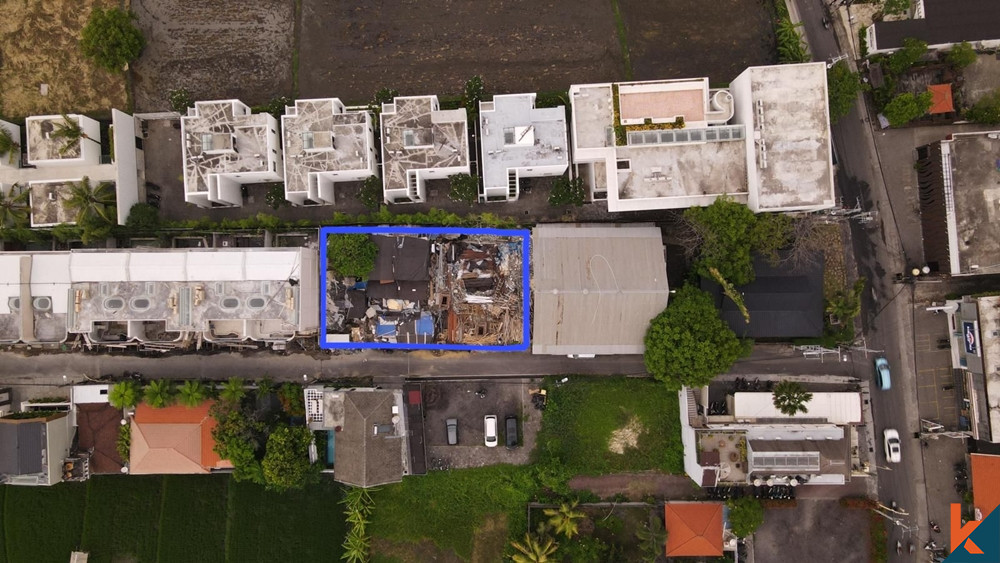 515 m²7 min$ 570813Bali, Canggu
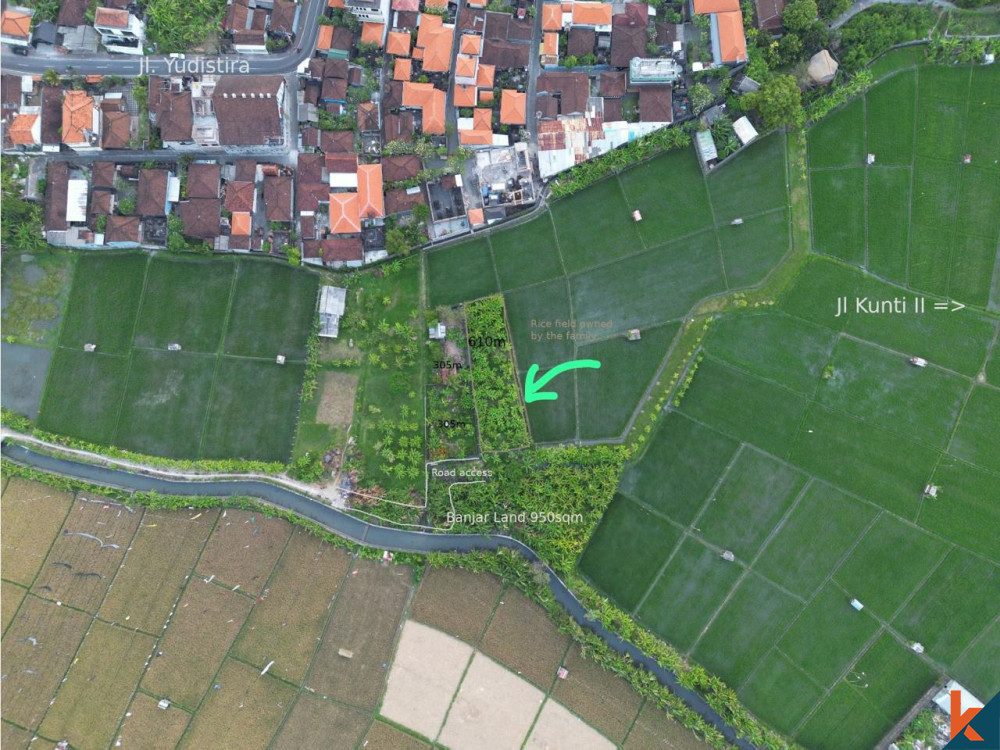 610 m²10 min$ 165271Bali, Seminyak
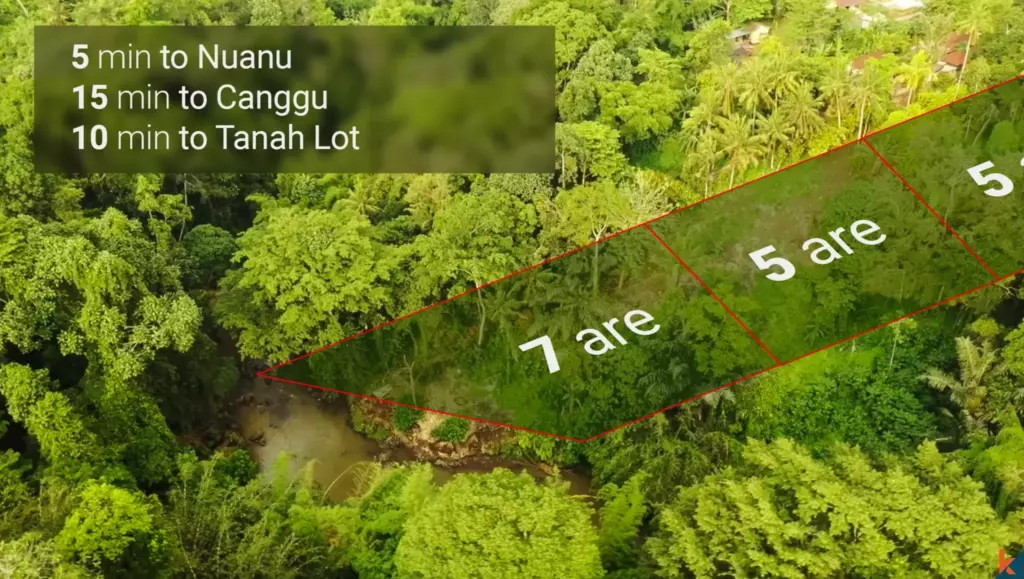 500 m²10 min$ 107143Bali, Tabanan
 3300 m²15 min$ 449889Bali, Tabanan
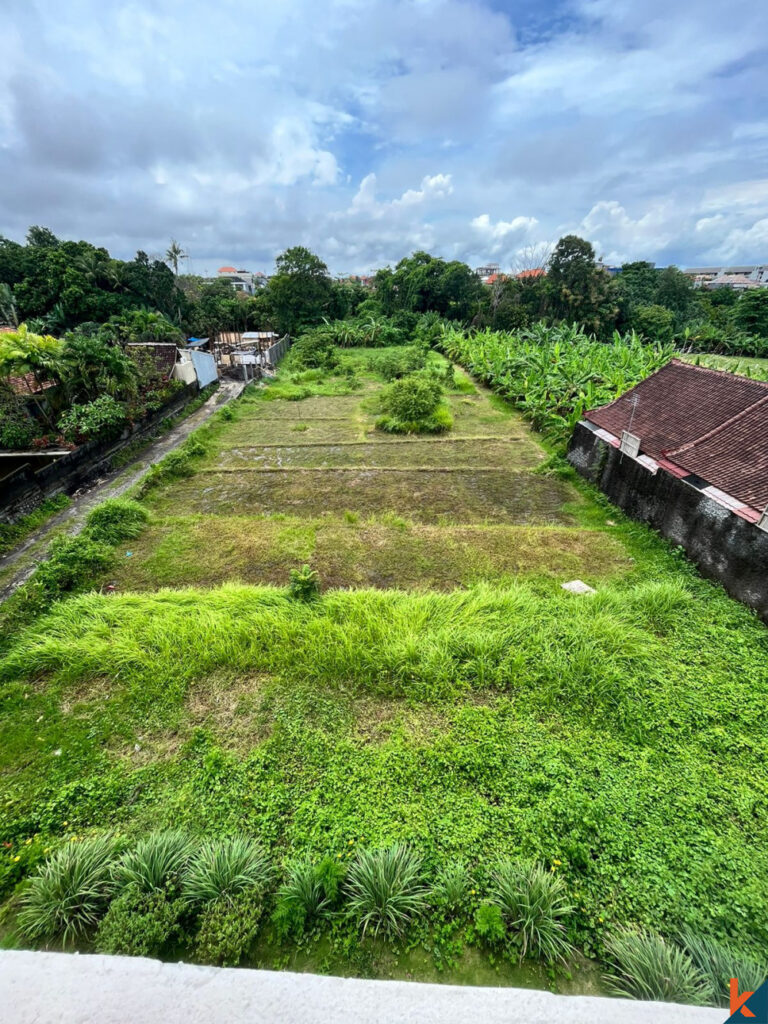 2680 m²10 min$ 1732759Bali, Pererenan
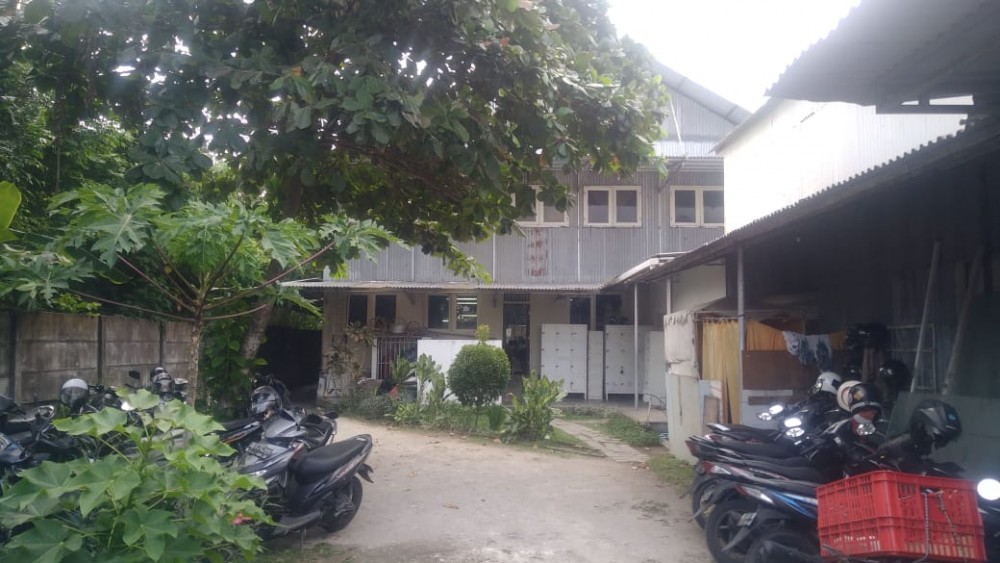 2200 m²3 min$ 183842Bali, Berawa
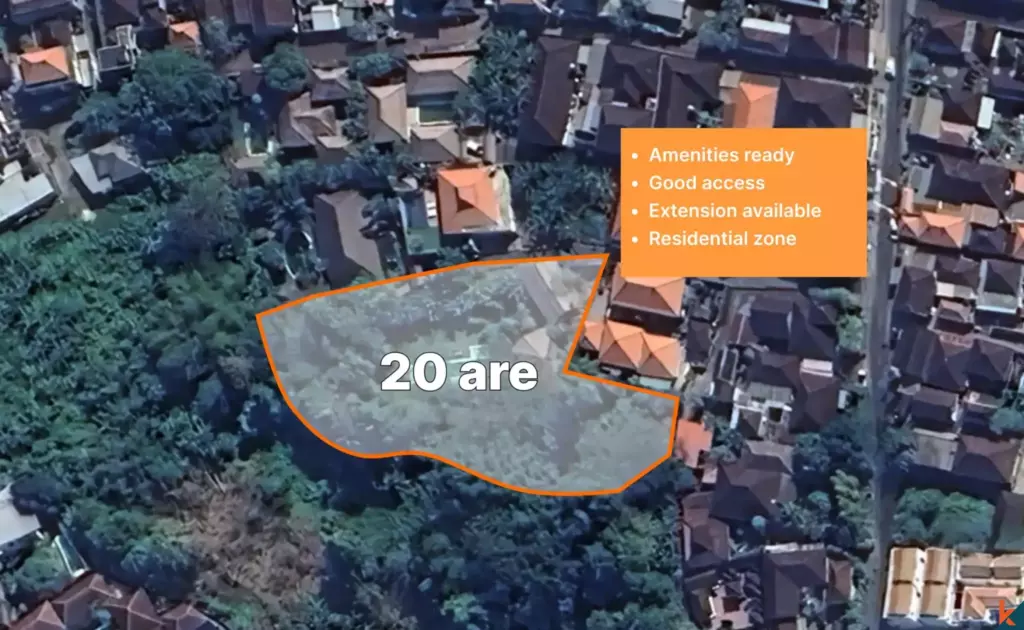 2000 m²15 min$ 523000Bali, Canggu
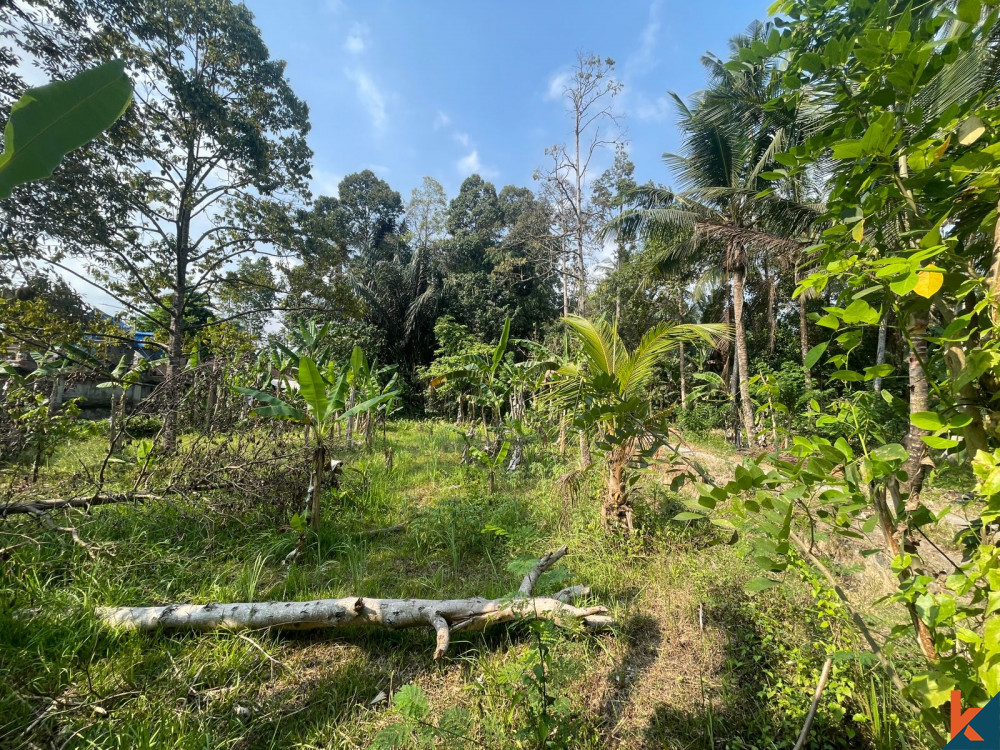 700 m²15 min$ 90517Bali, Central Bali
 7000 m²36 min$ 284483Bali, Gianyar
 13000 m²1 min$ 920567Bali, Pekutatan
Planning a build in Bali?
Get a feasibility view, budget range and timeline from Teville.
Related guides
Marine-Grade Fixings for Bali Joinery: Corrosion Protocols
Explore marine-grade fixings and corrosion protocols for Bali coast joinery. Learn materials, maintenance tips, and best practices to extend timber durability.
10 min read
Resin-Infused Plaster Finishes: Anti-Salt Systems Bali
Expert technical guide: Resin-Infused Plaster Finishes: Anti-Salt Systems Bali
8 min read
Prefinished Timber Joinery: Silicone Seals Fixings Bali
Professional prefinished timber joinery installation in Bali with silicone seals and fixings for durable weatherproof performance and a premium finish.
10 min read