Moisture-Barrier Laminate: Bali Underlay Fixing Protocol
Moisture-Barrier Laminate Flooring: Underlay & Fixing Protocol Bali
Bali Area Guides — Finishing Works, Renovation, and Utilities Integration
1) Specific Problem/Question
In Bali’s tropical climate—high ambient humidity, wet-season spikes, salt-laden breezes, and concrete subfloors that can wick moisture—laminate flooring fails early if the moisture pathway isn’t controlled. The core question for interior finishing Bali projects is: what underlay and fixing protocol ensures a durable, movement-tolerant, moisture-safe floating laminate floor that withstands Bali conditions, integrates with villa utilities, and remains serviceable during renovation and furniture installation without voiding warranties or trapping moisture?
2) Technical Deep Dive: What Works in Bali (And Why)
Laminate is a floating system with a wood-fiber core that is inherently sensitive to moisture. In Bali villa construction, most living spaces sit on or above concrete slabs, and even first-floor timber substrates face high relative humidity (RH). Without a correctly specified vapor barrier and underlay assembly, subfloor vapor pressure and seasonal RH swings can telegraph through the plank core, causing peaking, gapping, swelling, and edge curl. Our protocol centers on three controls: vapor, flatness, and movement.
Vapor control on concrete: Over concrete, a non-permeable polyethylene vapor barrier of approximately 0.006 inches (6 mil) is industry standard to limit upward vapor migration; seams must be overlapped and sealed, and the sheet turned up at walls at least 25 mm to form a pan behind skirtings. This approach is consistent with mainstream installation literature and moisture-mitigation briefs (see Lowe’s laminate installation guide and Sika moisture barriers). The goal is to decouple the laminate from capillary rise and daily vapor drive.
Vapor and moisture in timber substrates: For plywood or board subfloors, we confirm moisture content ≤12% before installation—a common manufacturer threshold noted in installation guidance (e.g., Lowe’s). Ventilation below the deck is crucial; in enclosed crawl spaces we specify cross-ventilation and, where needed, ground vapor suppression to prevent seasonal spikes affecting the laminate core.
Underlay selection in a humid climate: Underlay is not just “foam.” In Bali, we specify a closed-cell foam (2–3 mm) with integrated vapor retarder or, for high-risk slabs, a separate 6-mil poly sheet plus a premium underlay with additional acoustic damping (especially in villas with hard surfaces and double-height volumes). Cork underlay is serviceable but only when installed over a robust vapor barrier and with clear manufacturer approval, since cork can store moisture. Reference overviews such as The Spruce to understand underlay roles, but we finalize selection per site conditions.
Waterproof isn’t “under-proof”: “Waterproof” laminate often relies on surface and edge treatments. It still requires subfloor moisture management and an uninterrupted vapor layer, as highlighted in product installation guidance (see Simba Flooring waterproof laminate guide). We always treat the assembly as a system, not a plank-only promise.
Flatness and movement: Bali renovations frequently involve laying laminate over old tile or uneven screeds. We require slab flatness to within 3 mm over 2 m (or the stricter limit per the laminate brand). Localized self-leveling compound (SLC) or skim leveling achieves this. Floating laminate needs expansion clearances: 10–12 mm at all vertical interruptions, more for spans over 10 m or rooms joined by narrow doorways. Movement joints must be respected; never “fix” the floor through to the subfloor at cabinets or islands.
Fixing protocol: acclimation and assembly: Planks acclimate on site for ≥48 hours in closed conditions at service RH (manufacturer ranges vary; many recommend ~35–65% RH). Over-tropical conditions demand staged acclimation with air-conditioning/dehumidification active. We use click systems compatible with tropical swings (consult Pergo installation for representative tolerances). Long walls guide plank direction; joints are staggered; end-joint offsets meet brand minimums. Door frames are undercut to allow floating continuity and moisture-barrier upturns.
Wet zones and utilities interfaces: Kitchens, laundry nooks, and AC condensate paths are critical risk points in Bali villas. We detail barrier continuity beneath dishwashers and fridges, add leak pans/float switches where practicable, and seal services penetrations with flexible tapes compatible with polyethylene films. Bathrooms and exterior thresholds are strict transition points: laminate terminates on the dry side with a metal T or reducer profile; we do not continue laminate into open wet bathrooms. This is a finishing decision that directly impacts longevity.
Furniture installation and renovation sequencing: Heavy, fixed cabinetry should not be anchored through the laminate. We install built-ins first, then run laminate to a concealed perimeter gap and scribe kickboards/skirts for clean lines. For island units requiring rigidity, we fix them to the substrate before flooring, then bridge with laminate leaving expansion on all sides. During renovation Bali projects, we map existing moisture pathways (balcony door leaks, rising damp at perimeter beams) before finalizing the floor—cosmetics come last, but moisture strategy comes first.
Quality assurance: At Teville, our finishing supervisors document every seam tape, barrier upturn, and movement gap with photos and checklists. This aligns product warranties with real-world climate performance and avoids the common Bali failure modes: trapped vapor, bridged expansions, and subfloor unevenness telegraphing into the click system.
3) Materials & Standards
Vapor barrier: 6-mil (0.15 mm) polyethylene sheet for concrete substrates. Seams overlapped 200 mm and taped with polyethylene-compatible tape; turned up walls ≥25 mm behind skirting. See guidance parallels in Lowe’s guide and moisture-mitigation systems summarized by Sika.
Underlay: Closed-cell foam 2–3 mm with ≥200 kPa compressive strength and integrated vapor film, or separate film + premium acoustic underlay (particularly for upper floors or villas requiring sound control). Cork underlay only over a tested, impermeable barrier and per laminate brand approval (overview).
Laminate planks: EN 13329-compliant laminate with AC4–AC5 abrasion class for villas. Edge impregnation or hydrophobic coatings preferred for tropical exposure; follow manufacturer installation rules (e.g., Simba, Pergo as representative documents).
Subfloor prep: Cement-based self-leveling compound (SLC) for deviations; moisture-tolerant primers per manufacturer. Flatness target ≤3 mm over 2 m. For existing tiles, degrease, abrade glossy surfaces, regrout voids, and level as needed.
Testing tools: Pinless concrete moisture meter, in-slab RH probes (ASTM F2170) where indicated; calcium chloride (ASTM F1869) for reference on MVER when assessing adhesive-backed accessories. Internal RH/temperature data logging during acclimation.
Accessories: Expansion profiles, T-moldings at doorways, reducers to tile/stone, moisture-resistant skirting boards, flexible acoustic sealant (back-of-skirting only), polyethylene seam tape, and metal trims at wet thresholds.
Compliance note: We align to brand-specific instructions first, then to international norms (EN/ASTM) for testing/flatness and to local build conditions. Indonesia’s SNI references for flooring are applied when applicable for substrate works; however, laminate system warranties typically defer to manufacturer installation manuals.
4) Step-by-Step Process (Teville Protocol)
Preconstruction and Utilities Coordination
- Survey & moisture map: Identify water sources: balcony doors, planter interfaces, AC condensate routes, kitchen and laundry points. Record slab RH/temperature; inspect drainage and damp-proofing continuity.
- HVAC plan for acclimation: Ensure temporary AC/dehumidification is available to stabilize interior RH prior to plank delivery and through installation.
- Renovation sequencing: Complete wet trades, curing, and any waterproofing ahead of laminate works. Finalize heavy furniture installation points and set whether islands/cabinets will be pre-fixed to subfloor.
Subfloor Preparation
- Demolition/clean: Remove fragile coatings, old adhesive ridges, and debris. Vacuum thoroughly.
- Flatness correction: Check with 2 m straightedge; mark highs/lows. Grind peaks; apply SLC to lows. Cure per data sheet.
- Repairs: Fill shrinkage cracks and control joints with compatible fillers; do not bridge structural movement joints—plan expansion trims above.
- Moisture verification: For concrete, perform RH probe tests (ASTM F2170) if history is unknown or failures are suspected. While floating floors are less adhesive-sensitive, moisture data informs barrier design and risk mitigation.
Vapor Barrier Installation (Concrete)
- Lay 6-mil polyethylene: Sheets run perpendicular to the intended plank direction to simplify seams.
- Seams & upturns: Overlap 200 mm; tape with poly-compatible tape. Turn up at all walls and columns ≥25 mm to form a tray behind skirting.
- Penetrations: Wrap and tape tightly around services (water lines, floor boxes). Do not puncture unnecessarily; repair any damage immediately.
- Wet thresholds: Terminate barrier beneath metal transition at bathrooms/exterior doors; maintain a defined stop line to prevent water tracking under the laminate zone.
Underlay Installation
- Underlay type: If using underlay with integrated vapor film, follow manufacturer seam-taping instructions. Otherwise, install underlay over the separate poly barrier without bonding (floating to floating).
- Acoustics: For upper floors or echo-prone spaces, select higher IIC/STC-rated underlays; ensure compressive strength resists furniture point loads.
Acclimation and Layout
- Acclimate planks ≥48 hours: Stack flat, unopened, in the install area at service RH with HVAC running. Confirm plank moisture equilibrium if manufacturer specifies.
- Layout: Plank direction along the longest wall or light path. Balance cuts so edge rows are not slivers (<1/3 plank width).
- Door frames: Undercut so laminate and underlay slide beneath, preserving movement and barrier continuity.
Installation (Floating)
- Starter row: Snap a true line; use spacers to maintain 10–12 mm perimeter expansion (more if manufacturer specifies for large spans).
- Clicks & staggering: Assemble per brand angle/lock method; maintain end-joint offset (typically ≥300 mm). Protect click edges; reject damaged planks.
- Movement joints: At doorways or transitions between rooms, insert T-moldings or expansion trims as required by the plank manufacturer for field size and room geometry.
- Wet-adjacent areas: Stop laminate short of splash zones; install metal transitions with sealant beneath trim—not on top of the plank joints.
Perimeter Finishing & Furniture
- Skirtings: Fix skirtings to the wall only, not through the planks. Apply a minimal bead of flexible sealant at the back of skirting to limit vapor convection without immobilizing the floor.
- Built-ins/islands: Pre-fix to subfloor before laminate. Run laminate to within expansion gap; conceal under plinths/kickboards with scribed finish.
- Appliances: Use glides/panels to distribute loads; ensure dishwasher/refrigerator niches include leak pans or water alarms where feasible within villa utilities.
Quality Control & Handover
- Inspection: Verify expansion gaps, barrier continuity, and profile installations. Photograph and record in Teville’s finishing log (our process).
- Cleaning: Dry clean only; no wet mopping during the first week. Provide maintenance guide to villa staff.
- Defect liability: Schedule a post-wet-season check for Bali villas to confirm movement joints and trims remain secure.
5) Costs & Timeline (Indicative for Bali)
Pricing varies by brand, acoustic specification, substrate condition, and site logistics. Typical ranges for interior finishing Bali projects:
 3173 m²6 month(s)from 125.000 USD
TALA FOUR
 3180 m²7 month(s)from 142.000 USD
Vasudeva
 2144 m²11 month(s)from 104.000 USD
Narayana
 3124 m²6 month(s)from 123.000 USD
TALA 8
 172 m²8 month(s)from 120.000 USD
Keshava
 3104 m²11 month(s)from 99.000 USD
TALA 100
 164 m²7 month(s)from 79.000 USD
TALA TWO

Want to calculate?
 4344 m²16 month(s)from 290.000 USD
Radha
 3127 m²9 month(s)from 177.000 USD
Mukunda
164 m²7 month(s)from 79.000 USDPrivate: Haridas Villas, Tegallalang
 1from 198.000 USD
Private: Haridas Villas
Start With Real Numbers, Not Guesses
Before finalizing your finishing works plan, check realistic cost ranges for your Bali villa project.
Available lands
 2850 m²15 min$ 315887Bali, Tabanan
 3000 m²15 min$ 738916Bali, Cepaka
 3100 m²15 min$ 257697Bali, Tegallalang
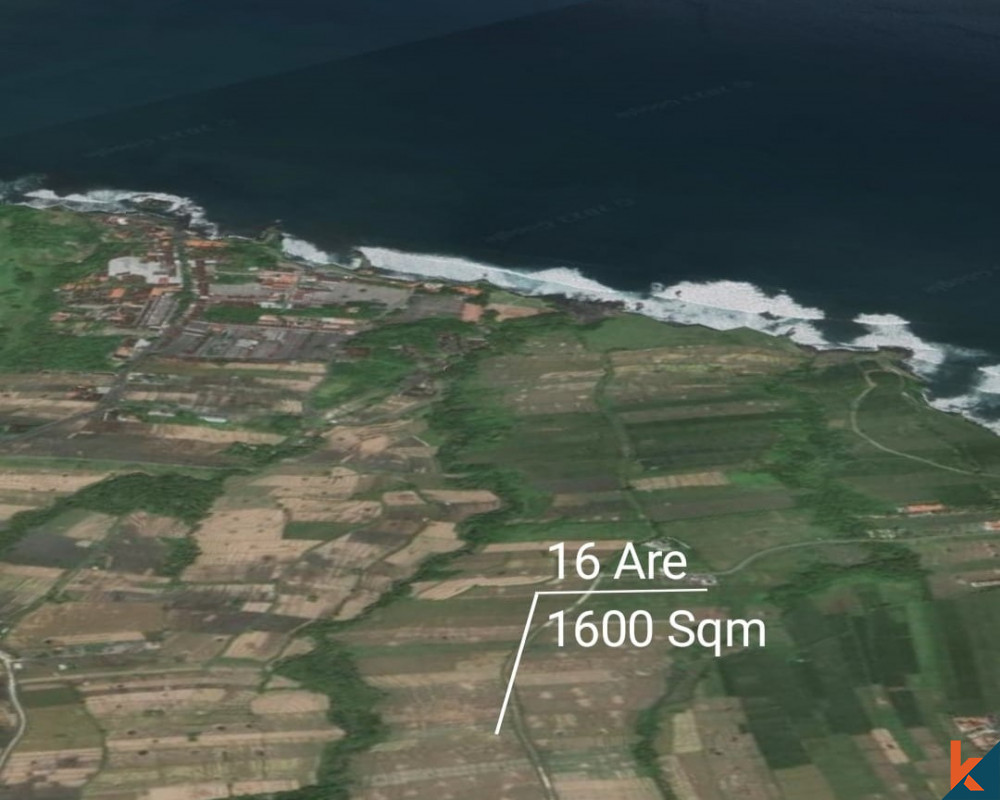 1600 m²32 min$ 266010Bali, Tabanan
 6000 m²30 min$ 55419Bali, Tabanan
 5815 m²5 min$ 815740Bali, Tabanan
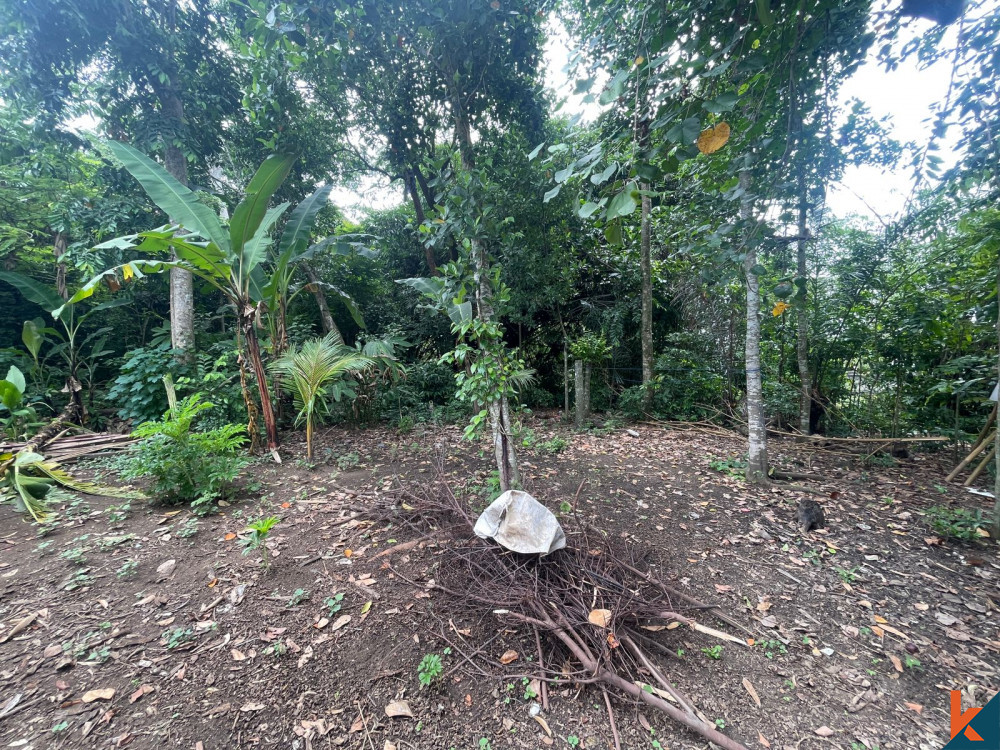 420 m²15 min$ 41897Bali, Tabanan
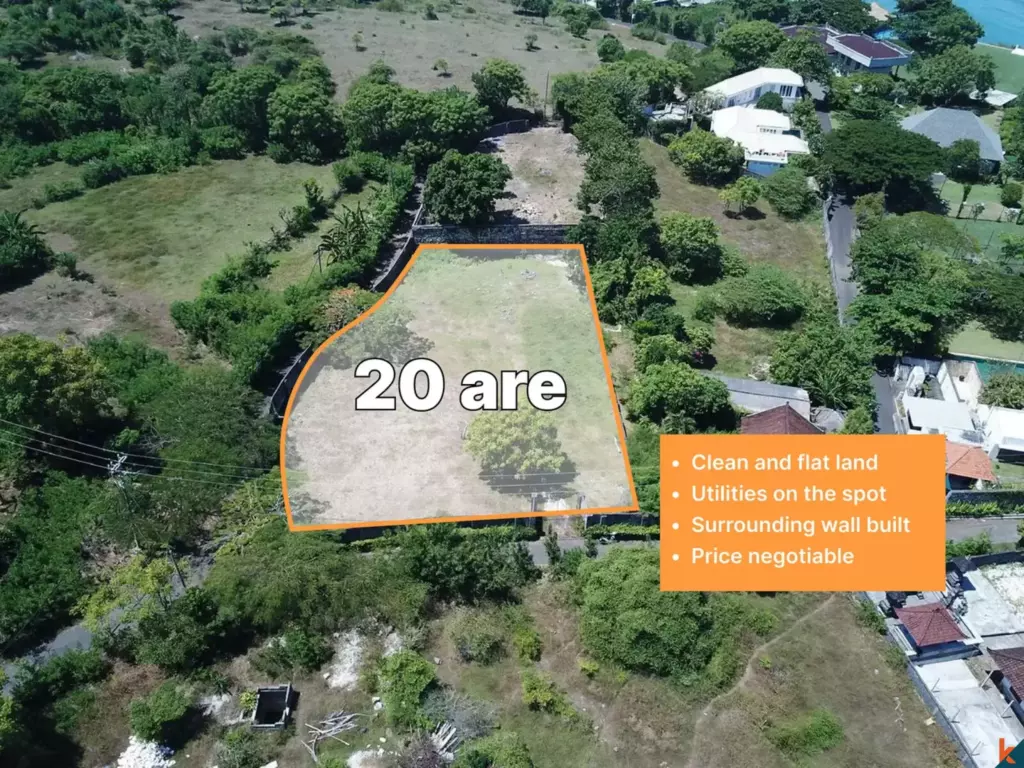 2000 m²5 min$ 738916Bali, Ungasan
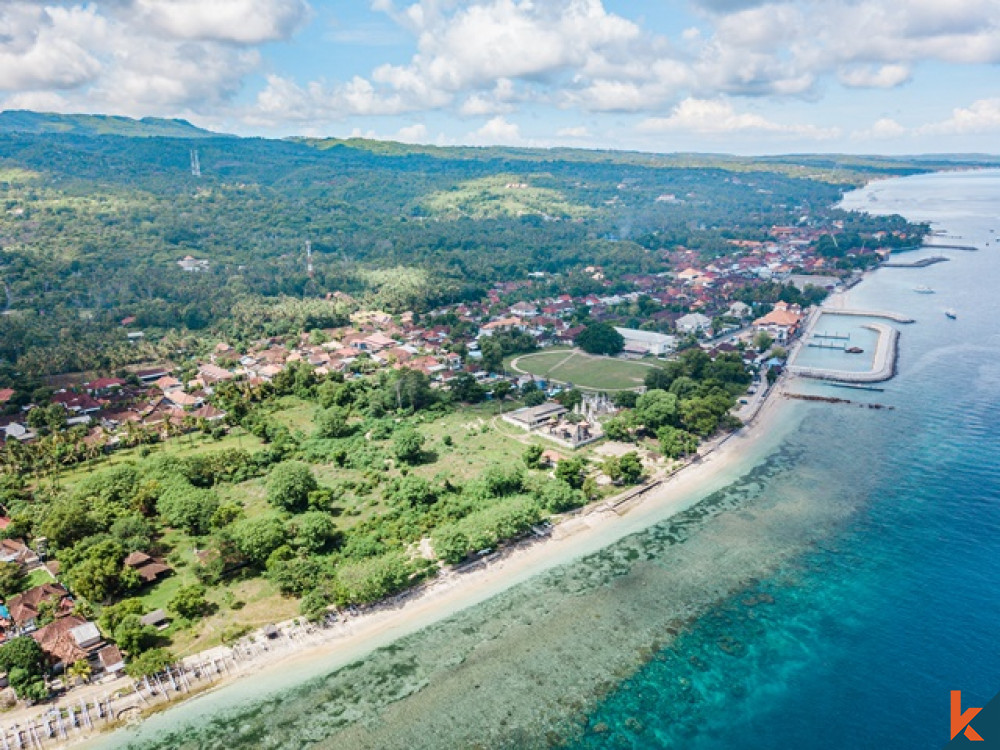 3254 m²5 min$ 631800Bali, All
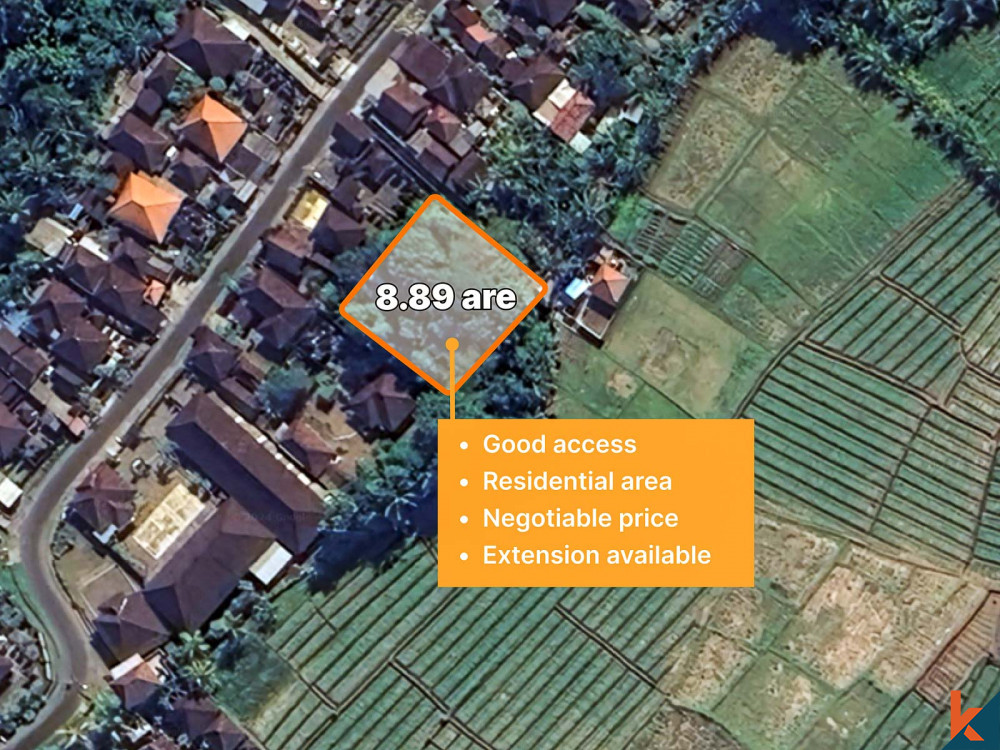 889 m²15 min$ 145612Bali, Cepaka
 1533 m²5 min$ 165666Bali, Cepaka
 515 m²7 min$ 570813Bali, Canggu
 1230 m²15 min$ 132543Bali, Tegallalang
 585 m²8 min$ 165702Bali, Mengwi
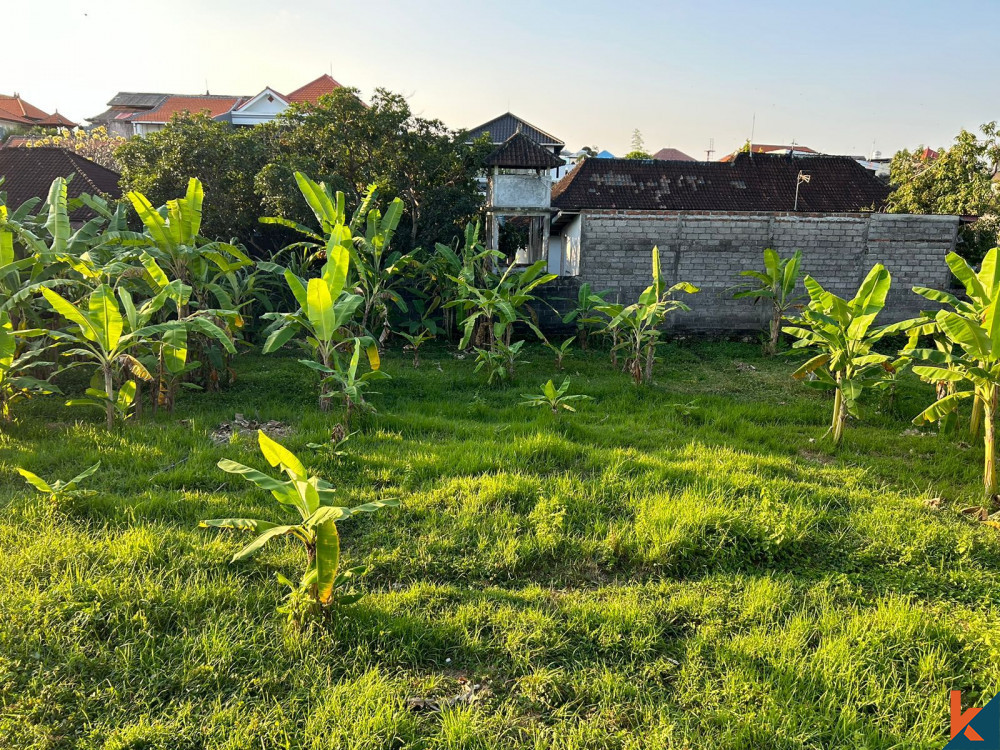 1660 m²10 min$ 343448Bali, Kerobokan
Planning a build in Bali?
Get a feasibility view, budget range and timeline from Teville.
Related guides
Marine-Grade Fixings for Bali Joinery: Corrosion Protocols
Explore marine-grade fixings and corrosion protocols for Bali coast joinery. Learn materials, maintenance tips, and best practices to extend timber durability.
10 min read
Resin-Infused Plaster Finishes: Anti-Salt Systems Bali
Expert technical guide: Resin-Infused Plaster Finishes: Anti-Salt Systems Bali
8 min read
Prefinished Timber Joinery: Silicone Seals Fixings Bali
Professional prefinished timber joinery installation in Bali with silicone seals and fixings for durable weatherproof performance and a premium finish.
10 min read