Bali Shower Waterproofing Tile Adhesive Protocols for Showers
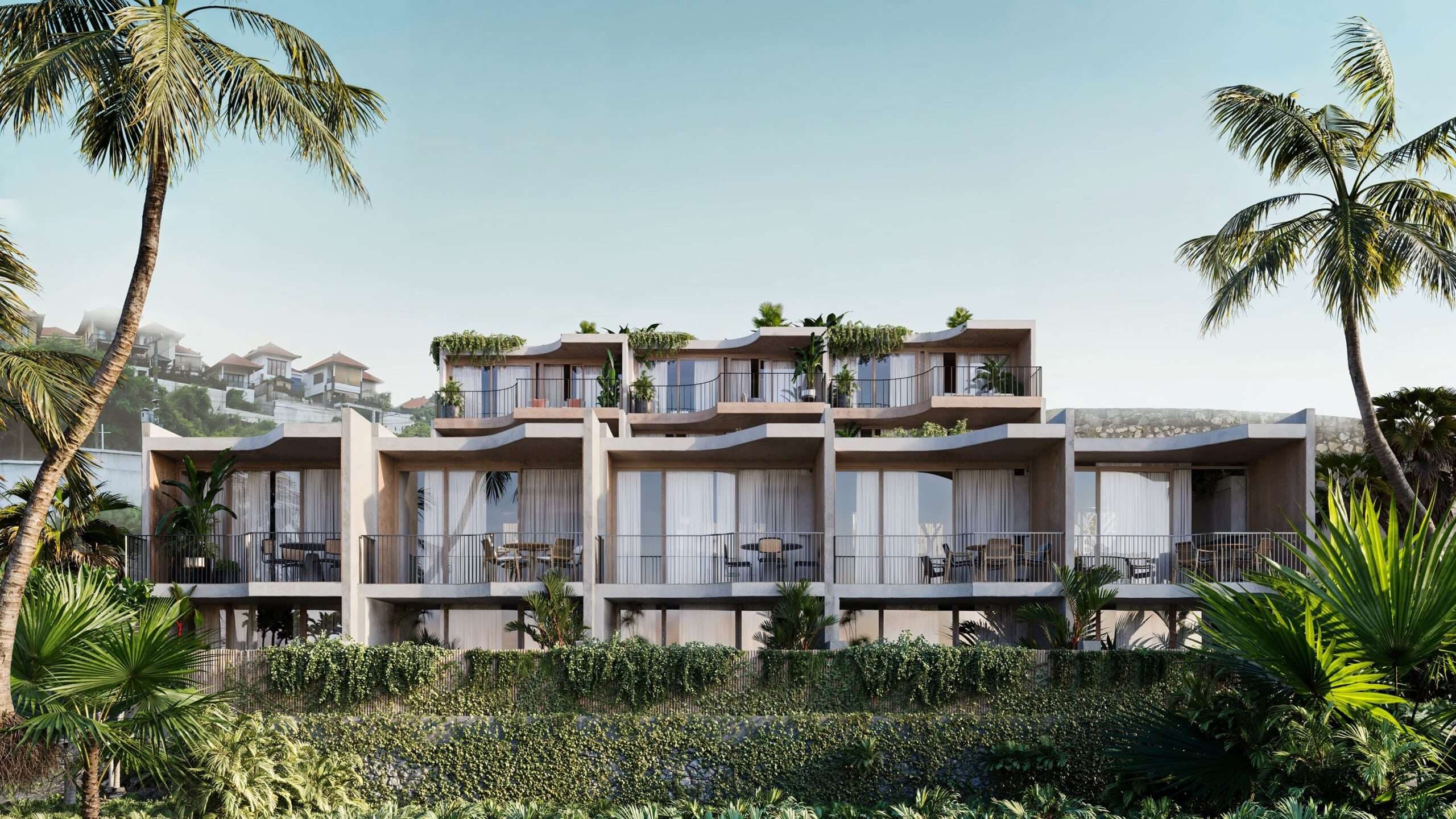
Waterproofing & Tile Adhesive Protocols for Bali Showers
Specific Problem/Question
Why do showers in Bali fail prematurely—leaks, loose tiles, moldy grout—even when they look beautifully finished on day one? The island’s wet tropical climate, elevated humidity, salt-laden air, and temperature swings put extreme stress on shower assemblies. The core issue isn’t the tile; it’s the waterproofing and adhesive system beneath. This Bali area guide explains Teville’s technical protocol for waterproofing and tile adhesion in showers—optimized for interior finishing Bali conditions, renovation Bali constraints, and long-term durability—so your Bali villa construction avoids hidden moisture damage and costly rework.
Technical Deep Dive: What Makes Bali Showers Different
Showers in Bali experience persistent atmospheric moisture, rapid wet/dry cycling, and saline aerosols near the coast. These conditions accelerate adhesive softening, efflorescence, and micro-movement at substrates. To achieve durable finishing, Teville treats the shower as a sealed, flexible, pressure-managed system—rather than just a tiled room.
Drainage Geometry and Hydrostatic Control
- Falls: Minimum 1:60 (≈1.7%) to 1:50 (2%) to the waste. Steeper falls for textured stone to reduce film water.
- Continuous falls: No back-falls or birdbaths; ensure screed planes are true before membrane.
- Drain interface: Use a bonding or clamping flange drain compatible with liquid membranes; integrate a puddle flange to prevent capillary creep around the waste.
Substrate Stability in Humid Tropics
- Movement: AAC block, lightweight plaster, and framed partitions experience greater thermal/hygrometric movement. We specify deformable adhesives (S1/S2) and strategic movement joints.
- Moisture content: Verify with plastic sheet test (ASTM D4263) or manufacturer-specified RH; damp, not wet, screeds are acceptable for polymer-modified cement membranes—standing water is not.
- Salt and contaminants: Near-coast air deposits salts on walls. Mechanical abrasion and detergent wash precede priming to avoid bond loss and efflorescence.
Membrane Choice and Build-Up
In Bali’s climate, two-part flexible cementitious membranes or high-performance liquid-applied systems rated for crack-bridging are preferred. We target total dry film thickness per datasheet (typically 1.2–1.5 mm for Class III membranes) and reinforce all changes of plane, niches, benches, and penetrations with fabric.
Rain and ambient moisture slow curing; plan for extended drying windows. Where fast turnover is essential, use rapid-setting systems to reduce exposure to ambient moisture and unplanned wetting (Mapei).
Adhesives and Curing Over Membranes
Tiling over non-porous membranes lengthens adhesive cure. In Bali, double the standard curing time is often necessary to reach full strength, especially for large-format tiles and dense stones (Mapei). We specify C2TES1 or C2TES2 deformable adhesives with extended open time and reduced slip. Where weather uncertainty or high humidity is expected, fast-setting variants help lock tiles before atmospheric moisture affects hydration.
Efflorescence Management
Efflorescence stems from soluble salts mobilized by water. Prevention is layered: proper falls, continuous membrane, controlled water pathways at the drain, low-alkali polymer-modified mortars, and correct timing (avoid installation when heavy rain is forecast within 48 hours; keep areas protected during cure) (Mapei).
Interfaces and Accessories
- Perimeter and plane-change joints: Always silicone (neutral cure), not grout. Movement joints every 2.5–3 m or at structural breaks.
- Fixtures/furniture installation: Use sealed anchors and gaskets for glass screens, towel bars, vanities, and cabinetry. Penetrations through tile must be pre-planned and sealed at the membrane level wherever possible to protect villa utilities.
- Ventilation: Adequate extraction reduces interstitial condensation, improving adhesive and grout longevity.
Teville’s approach—documented in our construction process and portfolio—integrates these factors during finishing and renovation to protect your shower assembly from the inside out.
Materials & Standards That Withstand Bali’s Climate
- Waterproofing membranes: Liquid-applied, flexible, crack-bridging membranes meeting EN 14891 (Class CM O2P) or equivalent; for Australian reference, Class III per AS/NZS 4858 for high-movement wet areas. Target DFT ≥ 1.2 mm (verify with a wet film gauge).
- Primers: Manufacturer-approved primers to lock dusty screeds/plasters and improve bond on dense substrates.
- Adhesives: ISO 13007 / EN 12004 C2 (improved) cementitious adhesives with T (reduced slip), E (extended open time), and S1 or S2 deformability. For large-format porcelain and stone, S2 preferred on walls and floors.
- Grouts: CG2WA high-performance cement grouts (water-repellent, abrasion-resistant) or RG epoxy grouts for maximum chemical and water resistance—recommended for floors, niches, and hotel-grade hygiene.
- Sealants: Neutral-cure sanitary silicones (fungicide-added) compatible with natural stone where applicable.
- Ancillaries: Alkali-resistant reinforcement fabric, bond breakers at internal corners, pre-formed collars for penetrations, and compatible bonding/clamping flange drains.
We align with global wet-area best practices and adapt to Bali’s microclimates. Where Indonesian (SNI) references apply, we follow manufacturer approvals and international classifications to guarantee compatibility. Our finishing specifications prioritize durability in interior finishing Bali projects and renovation Bali scopes, consistent with the wet tropical recommendations outlined by Mapei. Brand selections are vetted for tropical performance and lifecycle support in Bali’s supply chain.
Step-by-Step Process: Teville’s Shower Protocol
- Assessment & Planning
- Survey substrates (concrete, screed, AAC/plaster, cement board). Check flatness and plumb (±2 mm over 2 m).
- Confirm service locations for villa utilities (drain center, mixer, head, niche). Pre-plan penetrations to avoid post-membrane drilling.
- Schedule around weather: avoid heavy rain or forecast within 48 hours; protect openings (Mapei).
- Substrate Preparation
- Mechanical abrasion to remove laitance and salt deposits; vacuum clean.
- Moisture check: no standing water; substrates can be SSD (saturated surface dry) for cementitious membranes.
- Repair cracks with flexible repair mortar; fill voids. Create 10–15 mm sand-cement coves at wall-floor junctions.
- Falls & Screed
- Install bonded screed with polymer additive to achieve 1:60–1:50 falls to drain. Minimum thickness 30–40 mm at high points.
- Finish dense and closed; cure per spec before waterproofing.
- Priming
- Apply manufacturer-specified primer to walls and floor. Differentiate primers for porous vs dense surfaces.
- Waterproofing—First Coat
- Install bond breaker tape at all plane changes; embed alkali-resistant mesh/fabric over corners, niches, and around penetrations.
- Apply first coat evenly to achieve ~50% of target DFT; coat up walls to at least 2000 mm height in showers and 150 mm beyond wet zones.
- Waterproofing—Second Coat
- Apply perpendicular to first coat for coverage; verify wet film thickness. Dress membrane into the drain’s bonding flange/puddle flange.
- Protect from water, foot traffic, and condensation during cure. In Bali, allow extended cure times per datasheet; avoid rain exposure.
- Flood Test
- After full cure, 24–48 h flood test (extend if cool/humid). Mark waterline; inspect drops and below-floor spaces. Remediate before tiling.
- Tiling—Adhesive Application
- Select C2TES1/S2 adhesive. Back-butter large-format tiles; use directional troweling toward drain on floors.
- Control open time: set only as many tiles as can be placed within adhesive’s E rating. In wet/humid conditions, prefer rapid-setting options.
- Maintain joint widths allowing movement (≥2–3 mm for pressed porcelain; larger for stone and mixed formats).
- Curing Over Membranes
- On non-porous membranes, double nominal cure before grouting—especially for dense porcelain and natural stone (Mapei).
- Maintain ventilation; avoid forced drying that can cause curling or differential shrinkage.
- Grouting
- Use CG2WA cement grout for general applications or RG epoxy for floors/niches and hospitality-grade hygiene.
- Tool joints fully; avoid washing out polymer content. Protect from early water exposure.
- Movement Joints & Sealant
- Silicone at all perimeters, corners, changes in substrate, and around penetrations. Use backer rod to control depth; avoid three-sided adhesion.
- Fixtures, Furniture & Final Checks
- Install shower screens, vanities, and accessories using sealed fixings and gaskets. Pre-drill only where planned; seal to membrane layer when possible.
- Commission mixer and waste; test under flow and spray angles. Document with photos for the project file.
For examples of execution standards, review Teville’s villa projects and portfolio.
Costs & Timeline (Bali 2026 Benchmarks)
Indicative ranges for a typical 900 x 1200 mm shower with full-height wall tiling (materials + labor, excluding premium stone and custom glass):
- Substrate prep and screed: IDR 1.5–2.5 juta
- Waterproofing system (primer, membrane, fabrics, drain interface): IDR 2.0–3.5 juta
- Tile adhesive (C2TES1/S2) and setting labor: IDR 3.0–5.0 juta
- Grouting (CG2WA or epoxy on floors/niches): IDR 1.0–2.0 juta
- Silicone, movement joints, accessories sealing: IDR 0.8–1.5 juta
- Total typical: IDR 8.3–14.5 juta per shower (tile supply, glass, and fixtures excluded)
Timelines (weather/ventilation dependent):
 1from 198.000 USD
Private: Haridas Villas
 3127 m²9 month(s)from 177.000 USD
Mukunda
 3173 m²6 month(s)from 125.000 USD
TALA FOUR
 172 m²8 month(s)from 120.000 USD
Keshava
 164 m²7 month(s)from 79.000 USD
TALA TWO
164 m²7 month(s)from 79.000 USDPrivate: Haridas Villas, Tegallalang
 3104 m²11 month(s)from 99.000 USD
TALA 100
 2144 m²11 month(s)from 104.000 USD
Narayana
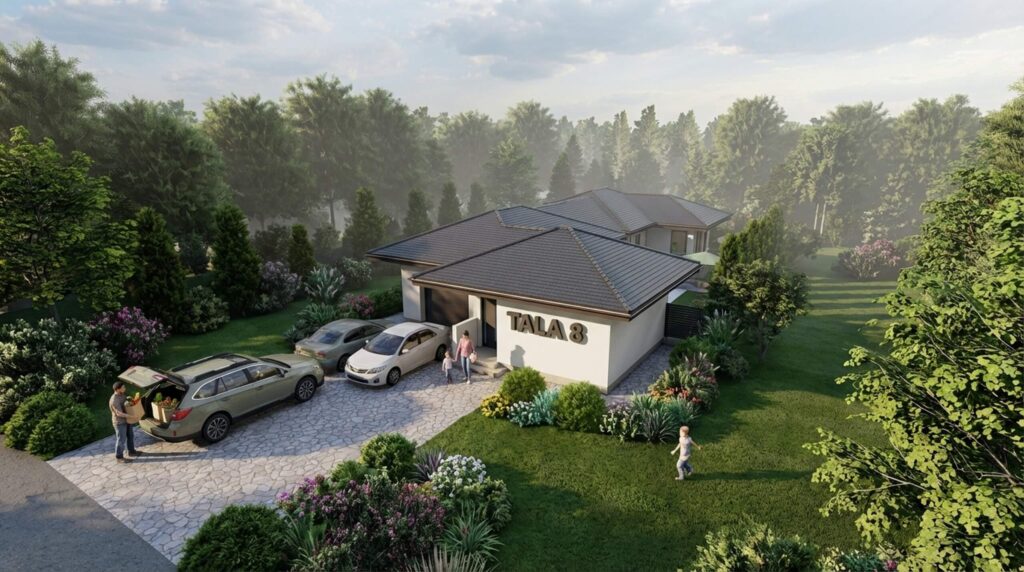 3124 m²6 month(s)from 123.000 USD
TALA 8
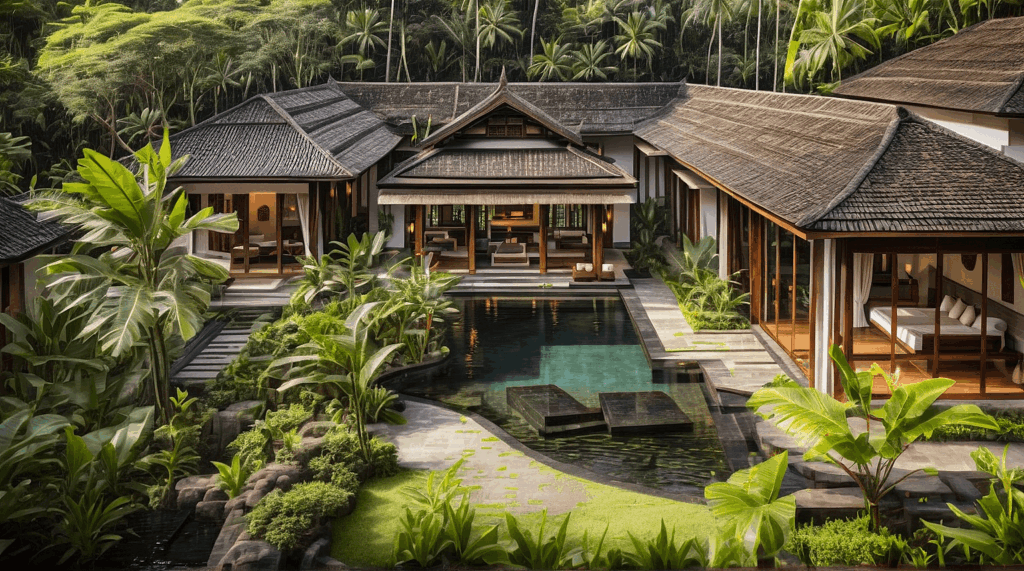 3180 m²7 month(s)from 142.000 USD
Vasudeva
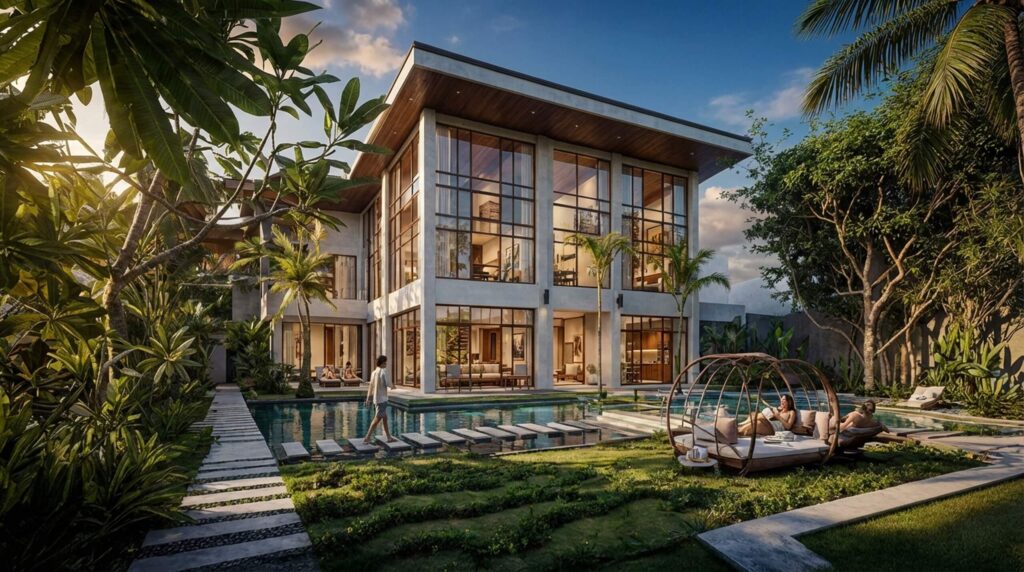 4344 m²16 month(s)from 290.000 USD
Radha

Want to calculate?
Start With Real Numbers, Not Guesses
Before finalizing your finishing works plan, check realistic cost ranges for your Bali villa project.
Available lands
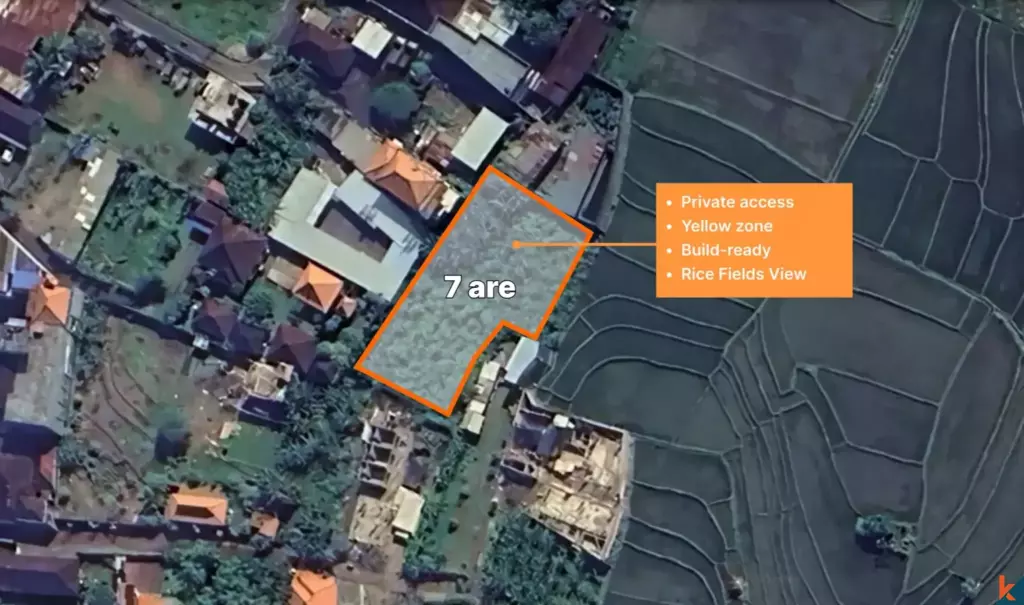 700 m²15 min$ 109052Bali, Buduk
 1000 m²10 min$ 303571Bali, Tabanan
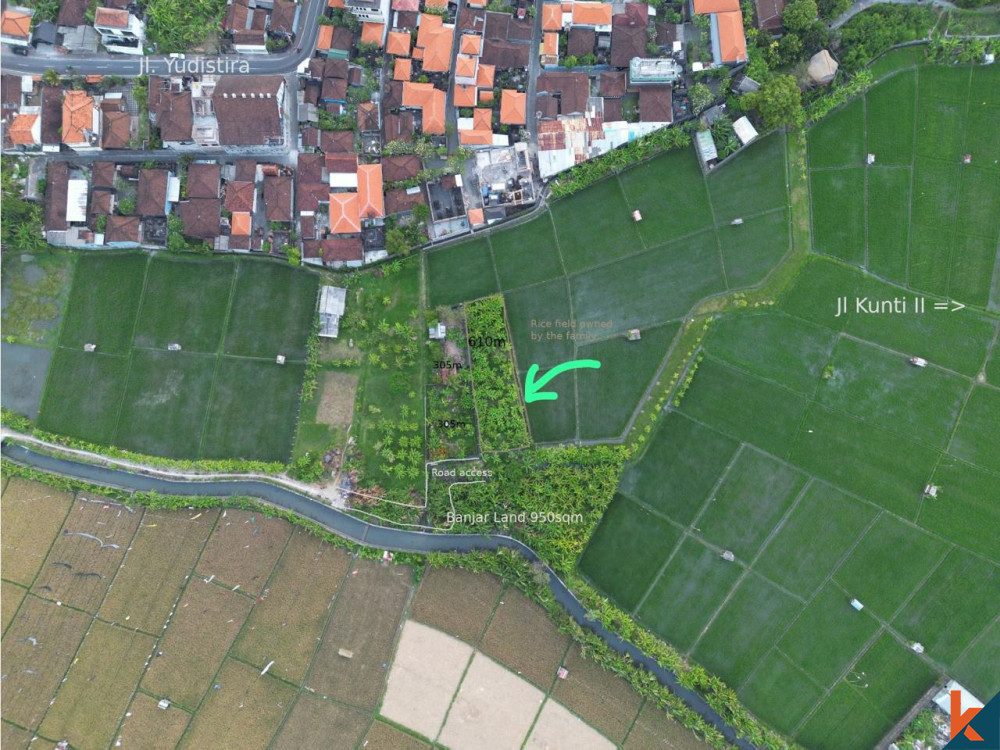 610 m²10 min$ 165271Bali, Seminyak
 2800 m²2 min$ 713793Bali, Kedungu
 550 m²15 min$ 164594Bali, Mengwi
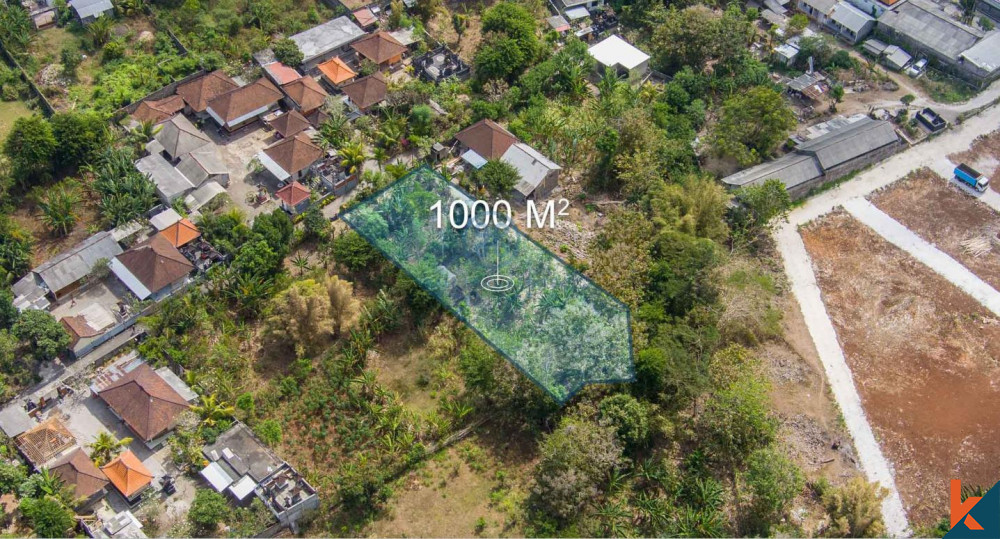 1000 m²8 min$ 134544Bali, Bukit
 800 m²10 min$ 307882Bali, Tibubeneng
 7900 m²25 min$ 413485Bali, Tabanan
 608 m²15 min$ 310377Bali, Seminyak
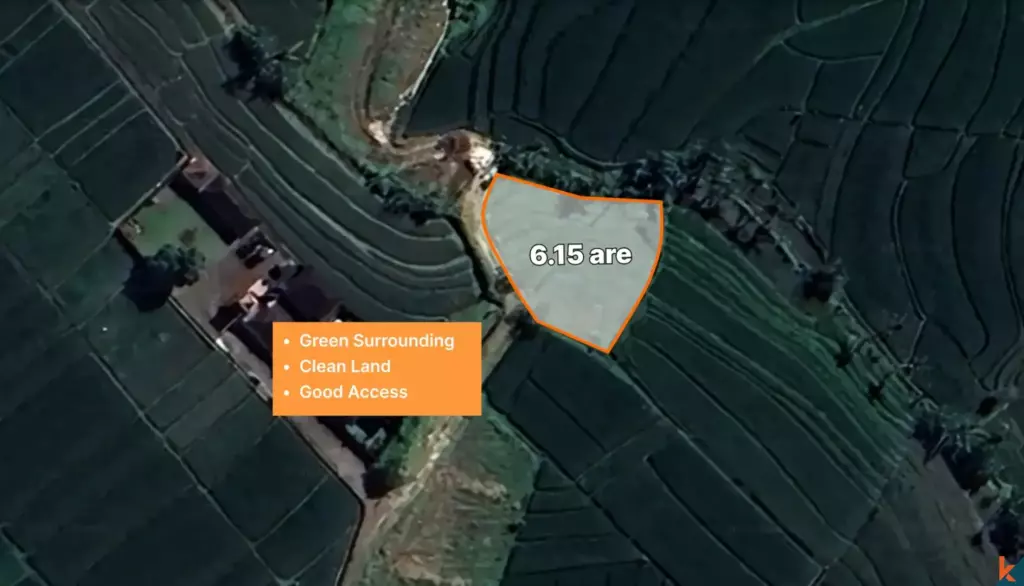 615 m²15 min$ 113608Bali, Tabanan
 4270 m²10 min$ 394397Bali, Ubud
 680 m²15 min$ 110751Bali, Pererenan
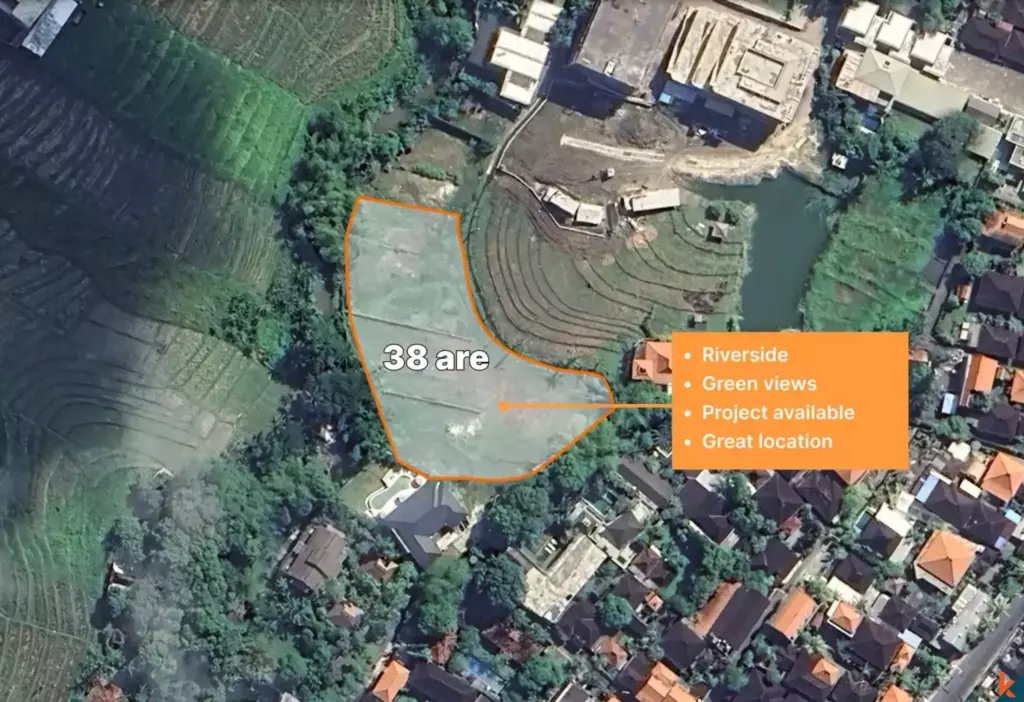 3800 m²15 min$ 100616Bali, Pererenan
 18900 m²2 min$ 6912931Bali, Pecatu
 600 m²10 min$ 206897Bali, Canggu
Planning a build in Bali?
Get a feasibility view, budget range and timeline from Teville.
Related guides
Marine-Grade Fixings for Bali Joinery: Corrosion Protocols
Explore marine-grade fixings and corrosion protocols for Bali coast joinery. Learn materials, maintenance tips, and best practices to extend timber durability.
10 min read
Resin-Infused Plaster Finishes: Anti-Salt Systems Bali
Expert technical guide: Resin-Infused Plaster Finishes: Anti-Salt Systems Bali
8 min read
Prefinished Timber Joinery: Silicone Seals Fixings Bali
Professional prefinished timber joinery installation in Bali with silicone seals and fixings for durable weatherproof performance and a premium finish.
10 min read