Bali Stainless Steel Fasteners Anti-Corrosion Coatings
Stainless Steel Fasteners & Anti-Corrosion Coatings for Bali Interiors: What Fails, Why It Fails, and How We Fix It
In Bali’s humid, salt-laden air, interior metalwork and joinery often corrode from the inside out—hinge screws rust under lacquered doors, bathroom accessories loosen, and hidden cabinet brackets stain timber with brown “tea” marks. The problem isn’t the visible hardware; it’s usually the unseen fasteners and the wrong coating system. This Bali area guide explains the exact grades of stainless, the right anti-corrosion coatings, and the installation controls Teville applies to furniture installation, interior finishing, renovation, and villa utilities so your villa interiors age gracefully—not prematurely.
Technical Deep Dive: Interior Fasteners in a Tropical-Marine Microclimate
The Bali Interior Reality
Even “indoors” in Bali can mean semi-open pavilions, wind-driven salt aerosols, intermittent air-conditioning, and daily humidity spikes over 80%. Bathrooms act like salt fog chambers due to shower aerosols and cleaning agents; kitchens add chlorides from food prep and detergents. Air-handling units create cold spots where condensation forms on fasteners behind panels. These microclimates drive pitting corrosion, tea staining, and thread seizure (galling) on stainless steel if grade selection and installation aren’t precise.
Why SUS316 (A4) Beats SUS304 (A2) Here
Chloride attack is the primary interior risk in Bali. SUS316 (also called A4 in ISO 3506) includes molybdenum, improving pitting resistance dramatically over SUS304 (A2). That’s why Teville specifies SUS316L/A4-70 or A4-80 for bathrooms, kitchens, pool-adjacent rooms, ocean-view rooms, and semi-open living areas. We reserve SUS304/A2 for stable, fully conditioned, low-chloride rooms and non-critical furniture internals. For semi-exposed interiors and soffits, Anti-UV SUS316 cladding nails are proven performers against both UV and corrosion (see anti-UV SUS316 nails).
Failure Modes We See—and Prevent
- Tea staining: Brown surface discoloration on stainless near beaches or wet rooms. Root causes: poor grade selection, surface contamination, and stagnant moisture. Prevention: A4 grade, passivated/electropolished heads, good drainage/ventilation, and correct cleaning.
- Pitting and crevice corrosion: Hidden under washers, within threads, or beneath sealant lines. Prevention: A4 fasteners, non-absorbent gaskets, proper torque to avoid micro-gaps, and periodic inspection.
- Galvanic corrosion: Dissimilar metals (e.g., stainless screw into carbon-steel bracket) in a wet chloride environment. Prevention: isolate with nylon/fiber washers, powder-coat or epoxy-coat the carbon steel, use compatible anchors.
- Galling (thread seizure): Stainless-on-stainless friction welds under load. Prevention: slow-speed drivers, controlled torque, and a small amount of PTFE or moly anti-seize; prefer rolled threads and property class A4-70/A4-80.
- Tannin/chemical staining in hardwoods: Iron contamination from carbon-steel bits or screws causes black stains in teak/ulin. Prevention: stainless fasteners only, clean drill bits, vacuum dust, and seal end-grain.
Application-Specific Notes
- Furniture & cabinetry: Use A4 wafer-head or countersunk screws with deep threads for hardwood and engineered boards. For chipboard/MDF interiors, consider twin-thread A4 screws; pre-drill to 70–80% shank diameter to avoid splitting in teak/ulin. Countersink lightly to keep lacquer edges intact.
- Stone/tile fixtures: In wet rooms, pair A4 screws with nylon plugs or A4 chemical anchors. Seal the penetration with neutral-cure silicone; avoid acetic silicones near some stones.
- Utilities (MEP supports): For AHU/FCU enclosures and bathroom pipe brackets, use A4 studs/washers; isolate from painted carbon steel with nylon washers and epoxy-coated brackets. Ensure drainage/condensate lines don’t drip onto fastener heads.
- Semi-open ceilings/soffits: A4 ring-shank nails or A4 screws for cladding strips; anti-UV SUS316 nails are appropriate where sunlight and humidity meet.
Installation Controls that Matter
- Pilot holes: 85–90% core diameter in hardwood; full-depth; clean swarf to prevent tannin reactions.
- Torque control: Use torque-limiting drivers; overtightening crushes fibers and traps moisture; undertightening creates crevices.
- Lubrication and Loctite: A dot of PTFE/moly anti-seize to prevent galling; medium-strength removable threadlocker for vibration-prone fittings (away from high-heat sources).
- Surface hygiene: Passivation or electropolishing on exposed heads reduces tea staining; wipe with isopropyl alcohol before handover.
Our approach is documented across how we build and validated in portfolio results specific to Bali villa construction and interior finishing Bali projects.
Materials & Standards: What to Specify and Why
- Grades and property classes: ISO 3506-1 designations:
- A2 (≈304) for low-chloride, fully conditioned interiors only.
- A4/A4L (≈316/316L) as default for wet rooms, kitchens, ocean-view, semi-open spaces. Use property class A4-70 for general fixing, A4-80 for higher loads.
- Forms: Countersunk (DIN 7997 wood), pan/wafer head, socket cap (DIN 912), self-tapping (DIN 7981), ring-shank nails, cladding nails with UV stabilizers.
- Anchors: A4 expansion anchors for dense substrates; A4 threaded studs with vinylester/epoxy chemical anchors in wet zones; nylon plugs for light-duty interiors.
- Coatings for associated metals:
- Epoxy primer + polyurethane topcoat: On carbon-steel brackets/frames near stainless fasteners; target total DFT 125–175 μm for interiors.
- Zinc-flake systems: On small carbon-steel parts where weight/heat limits apply.
- PTFE/moly dry-film lubricants: On stainless threads to mitigate galling and aid disassembly.
- Testing and reference standards:
- ISO 3506 (stainless fasteners, grades/properties).
- ASTM B117 / ISO 9227 (salt spray exposure benchmarking of coated assemblies).
- ISO 12944 (corrosion protection paint systems—for interior carbon steel near chlorides, use C4-interior logic when near coast).
- ASME/ISO dimensional standards (e.g., DIN/ISO series) to ensure tool compatibility.
- Local sourcing: Indonesia-based manufacturers such as Bilal Fasteners supply 304 and 316 screws to international specs. For open or semi-exposed interiors, Anti-UV SUS316 cladding nails are suitable where sunlight and humidity coexist.
Teville cross-checks mill certs and property classes, then batch-tests torque, pull-out, and hole sizing on the actual project substrates before approval. See our villa projects for comparable use cases in renovation Bali and furniture installation scopes.
Step-by-Step Process We Use at Teville
1) Zone Mapping and Schedule
- Classify each room by chloride and humidity exposure: wet (bathrooms, spa), damp (kitchens, laundries), ocean-facing conditioned rooms, fully conditioned interiors, semi-open spaces.
- Generate a fastener schedule: A4 default for wet/damp/semi-open; A2 permitted only for fully conditioned, non-coastal interior carcasses with no water contact.
2) Substrate Trials
- Run pull-out tests in representative timbers (teak, ulin) and engineered boards to confirm pilot diameters and thread selection.
- If fixing to masonry/stone, trial nylon plugs vs. chemical anchors; verify edge distances and embedment without tile cracking.
3) Procurement and Verification
- Source from approved suppliers (e.g., Bilal for 316 screws) with ISO 3506 property class documentation.
- Request passivation/electropolish for visible heads in high-risk zones; confirm coating specs on any carbon-steel brackets (epoxy + PU DFT and cure data).
4) Surface Prep and Isolation
- Degrease stainless heads; avoid ferrous contamination from tools—dedicated stainless bits and clean drivers only.
- Isolate stainless from carbon steel with nylon/fiber washers; coat bare cuts on brackets with epoxy touch-up.
5) Drilling and Pilot Holes
- Hardwoods: pilot = 85–90% of screw core; countersink with sharp bit to avoid lacquer chipping; vacuum dust to limit tannin staining.
- Masonry/tile: low-impact drilling through tile, then hammer drill for substrate; blow-out dust; insert A4-rated plug or inject resin for A4 studs.
6) Fastening and Torque Control

Want to calculate?
 2144 m²11 month(s)from 104.000 USD
Narayana
 1from 198.000 USD
Private: Haridas Villas
 164 m²7 month(s)from 79.000 USD
TALA TWO
 3127 m²9 month(s)from 177.000 USD
Mukunda
 172 m²8 month(s)from 120.000 USD
Keshava
164 m²7 month(s)from 79.000 USDPrivate: Haridas Villas, Tegallalang
 4344 m²16 month(s)from 290.000 USD
Radha
 3124 m²6 month(s)from 123.000 USD
TALA 8
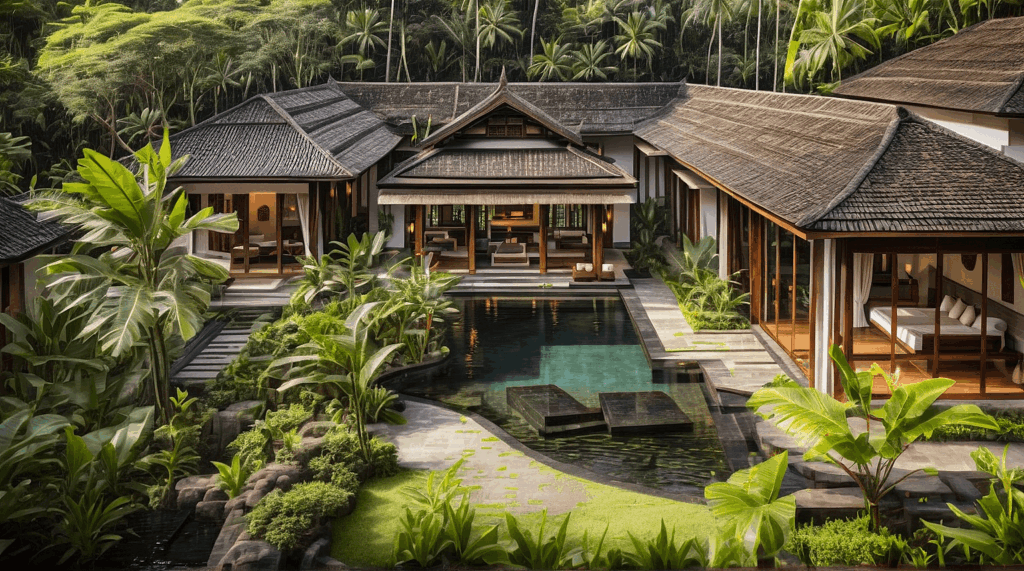 3180 m²7 month(s)from 142.000 USD
Vasudeva
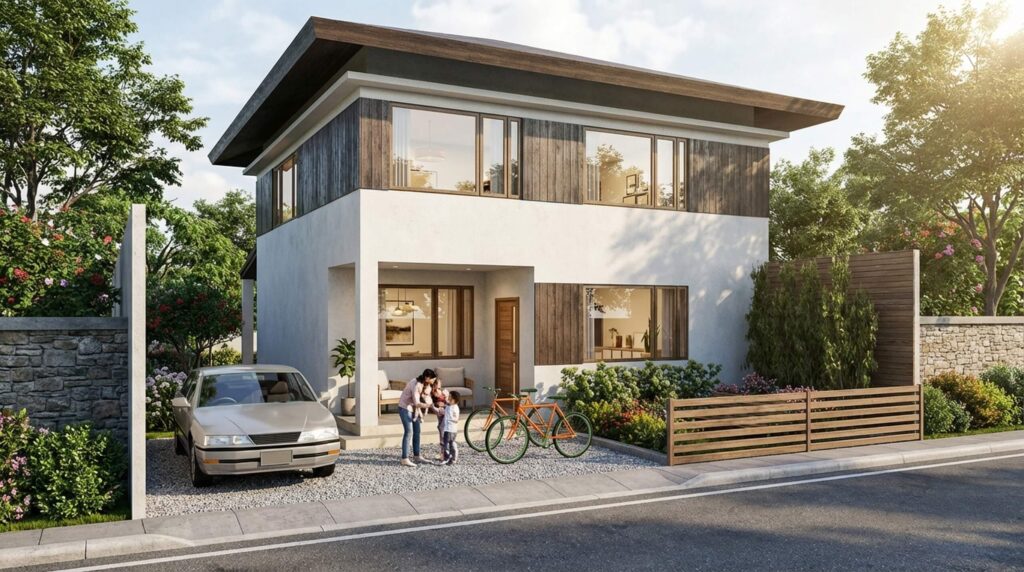 3173 m²6 month(s)from 125.000 USD
TALA FOUR
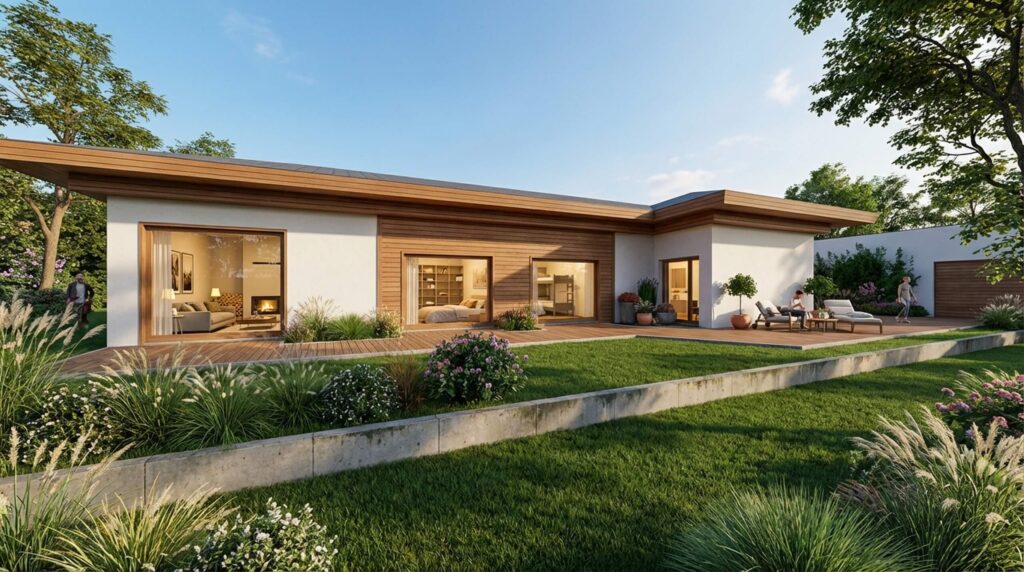 3104 m²11 month(s)from 99.000 USD
TALA 100
Start With Real Numbers, Not Guesses
Before finalizing your finishing works plan, check realistic cost ranges for your Bali villa project.
Available lands
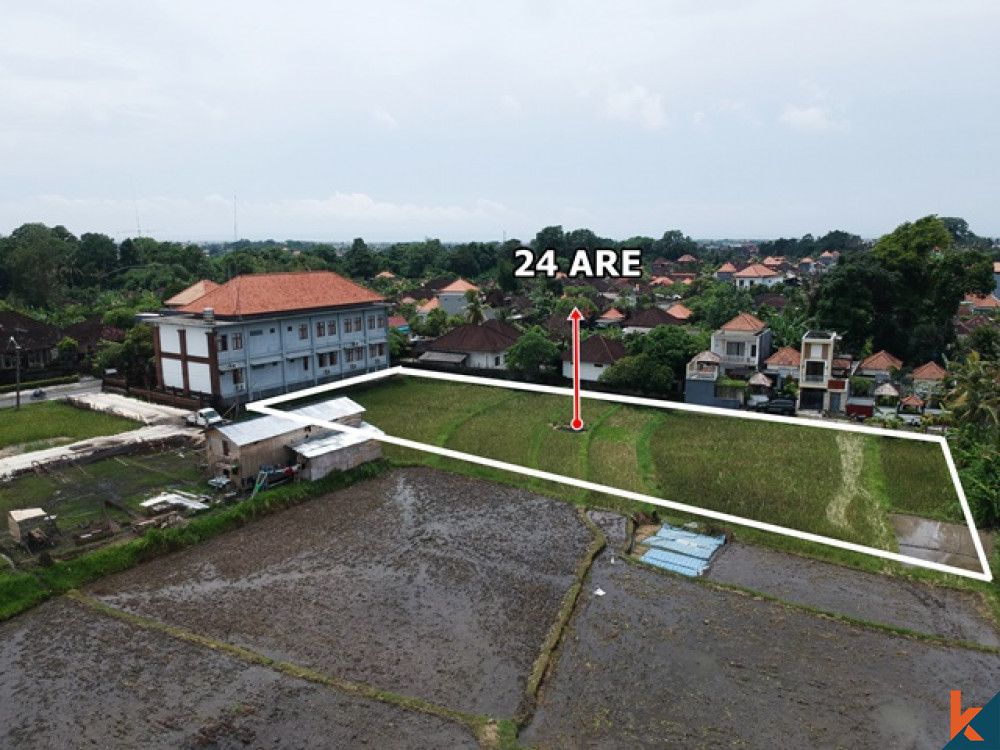 2400 m²7 min$ 496552Bali, Canggu
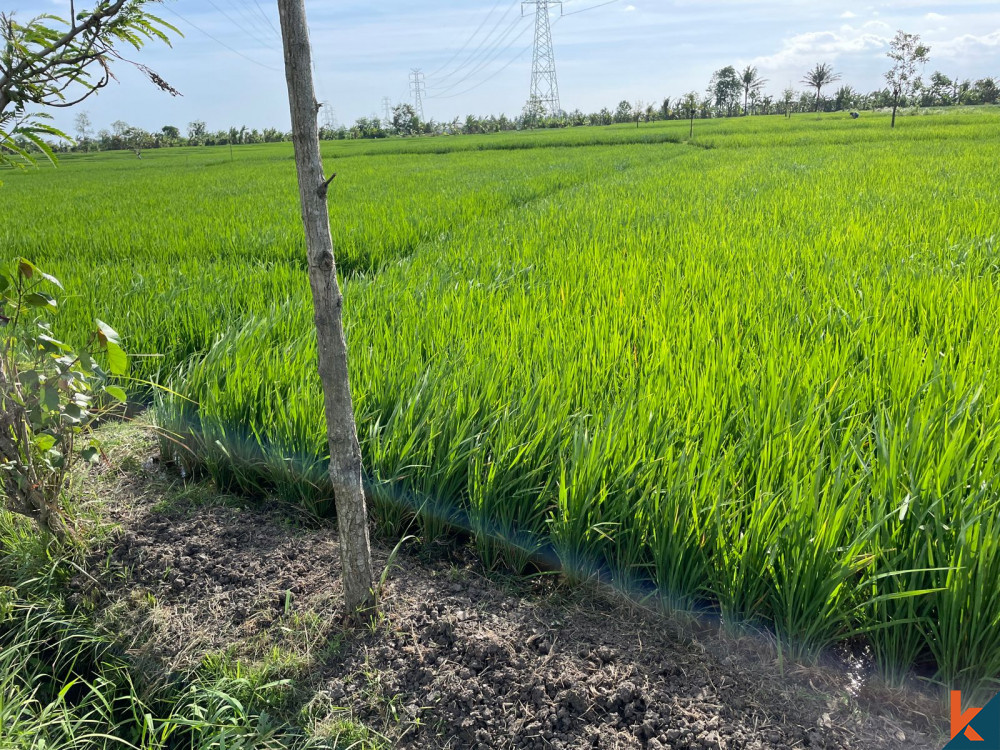 2800 m²15 min$ 310345Bali, Tabanan
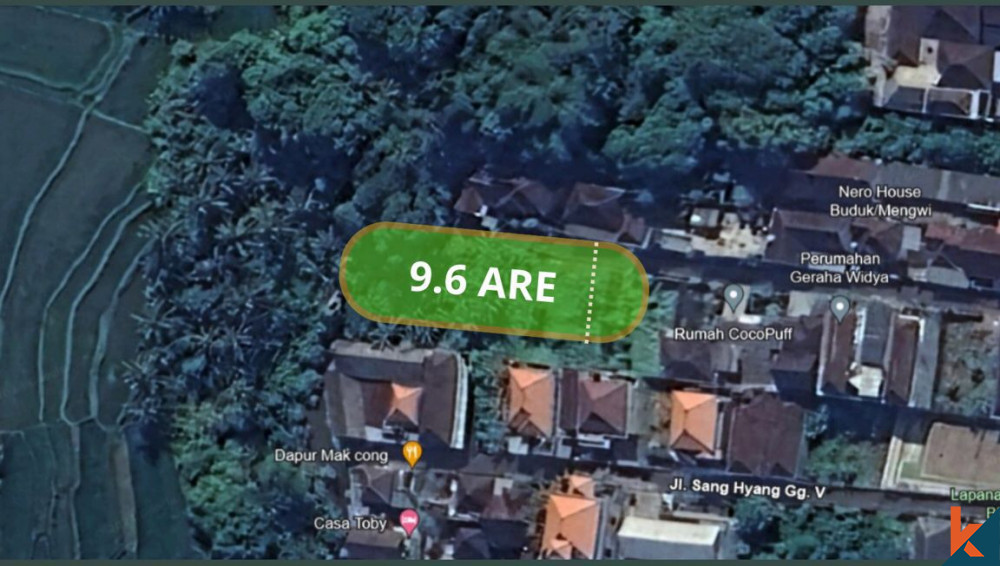 960 m²15 min$ 91034Bali, Mengwi
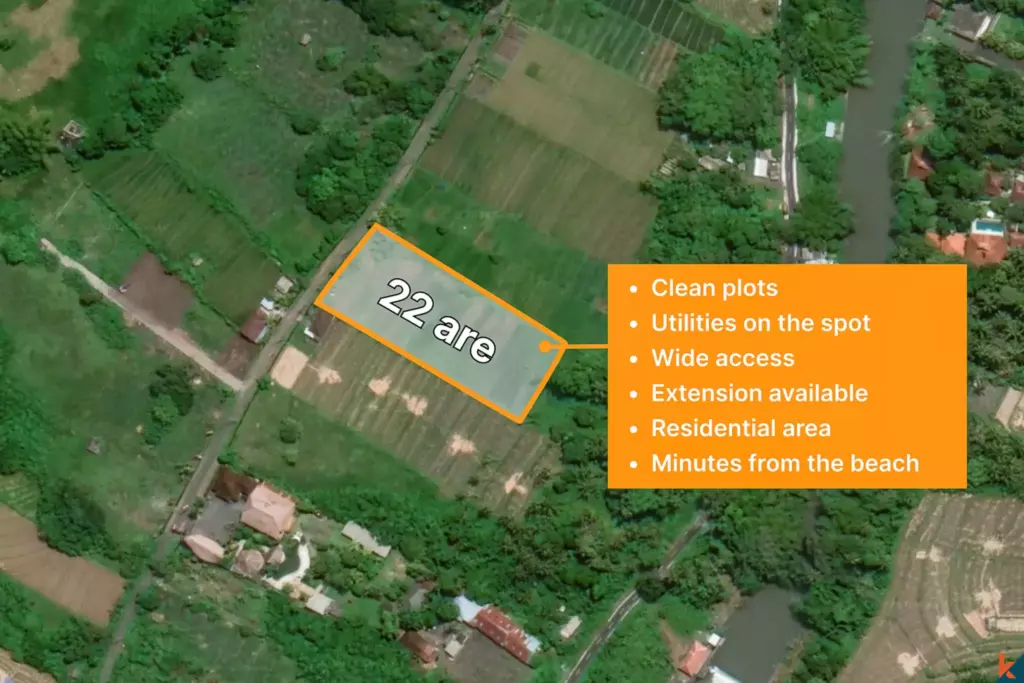 550 m²5 min$ 217629Bali, Tabanan
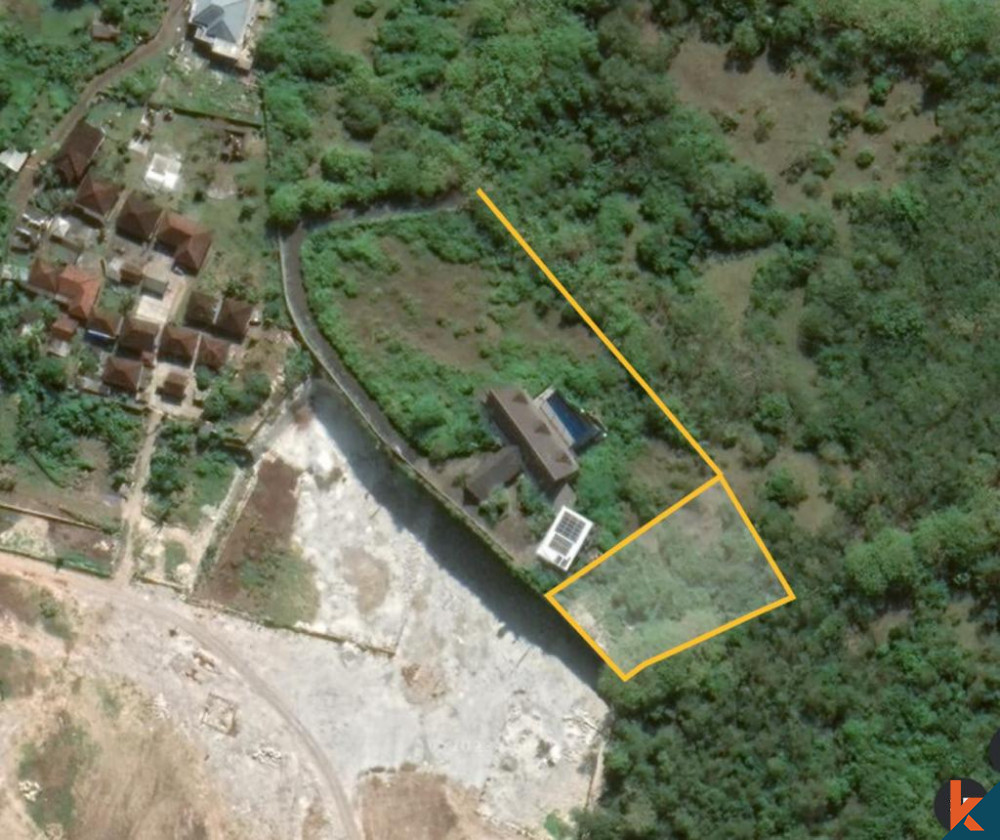 1700 m²10 min$ 392549Bali, Nusadua
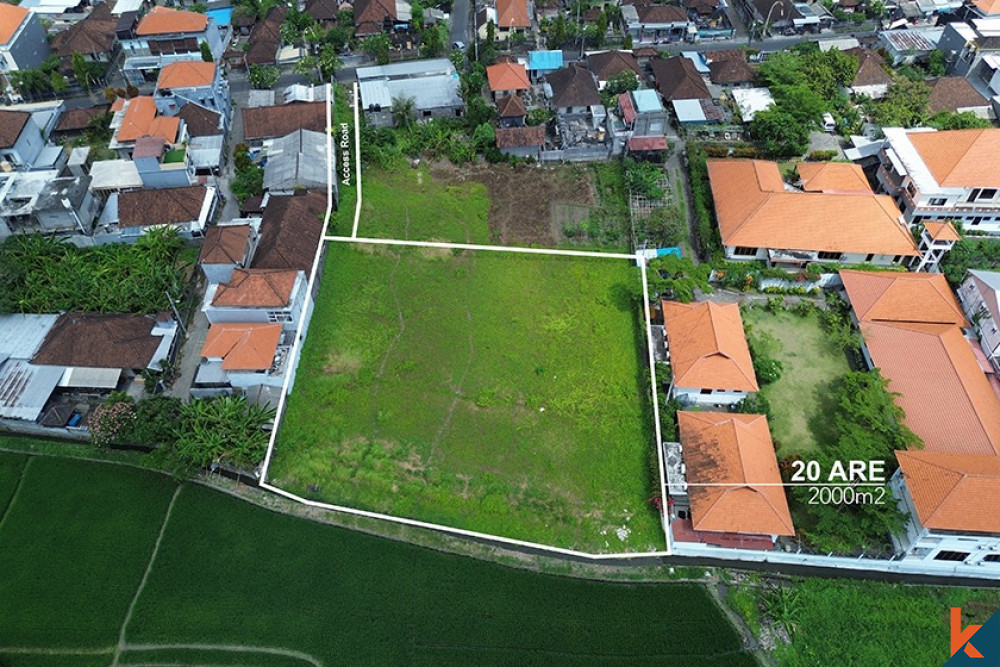 2000 m²15 min$ 261700Bali, Babakan
 250 m²15 min$ 40025Bali, Munggu
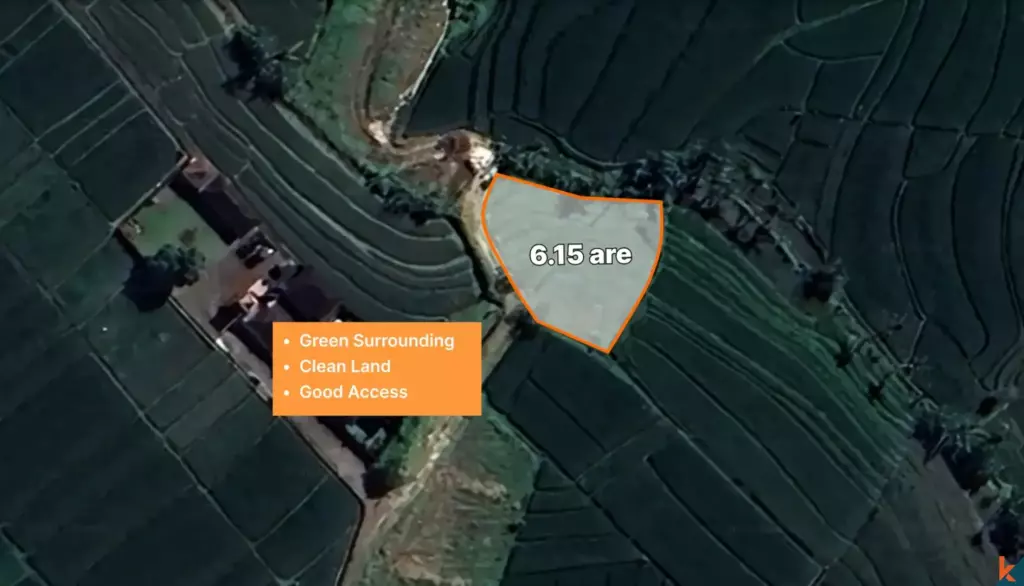 615 m²15 min$ 113608Bali, Tabanan
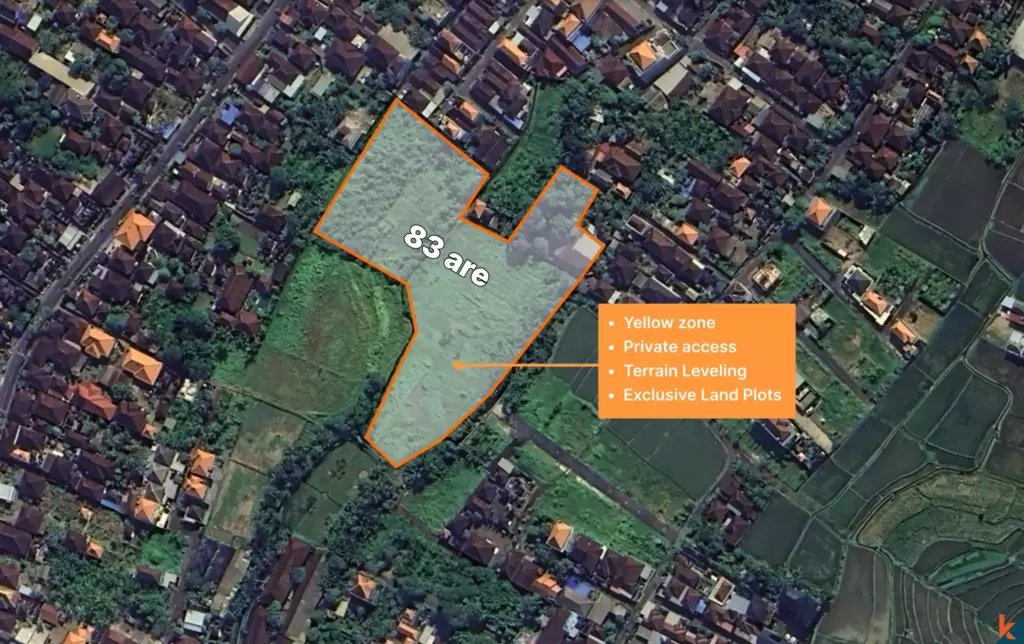 8313 m²15 min$ 716670Bali, Buduk
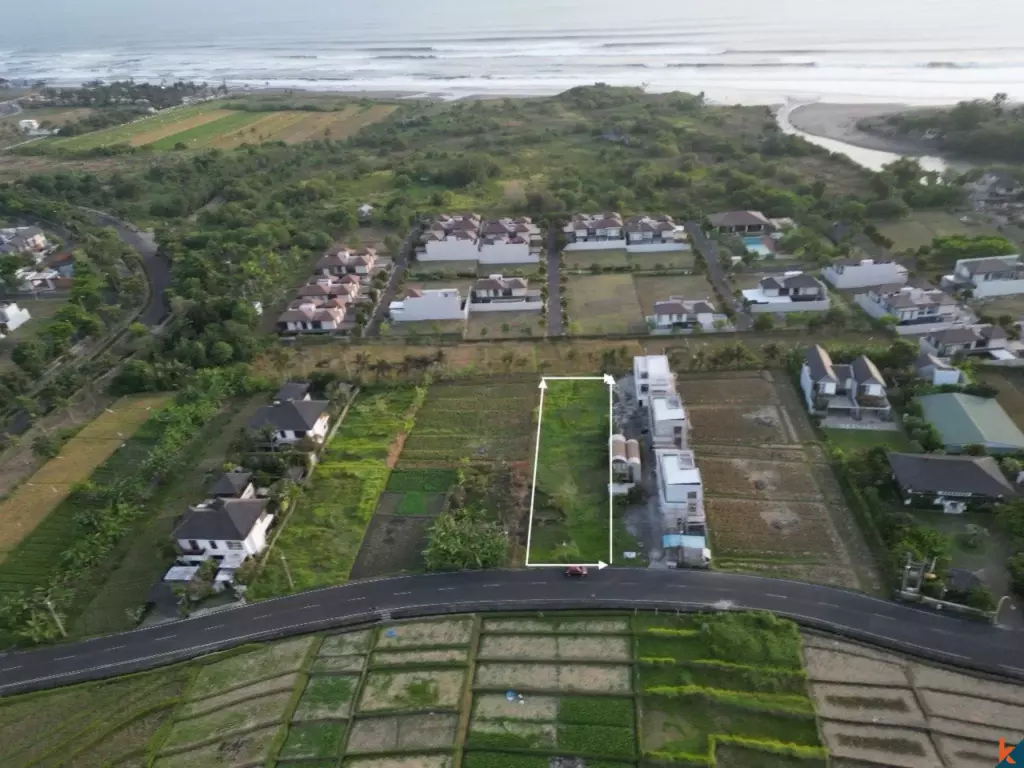 1410 m²15 min$ 390702Bali, Tabanan
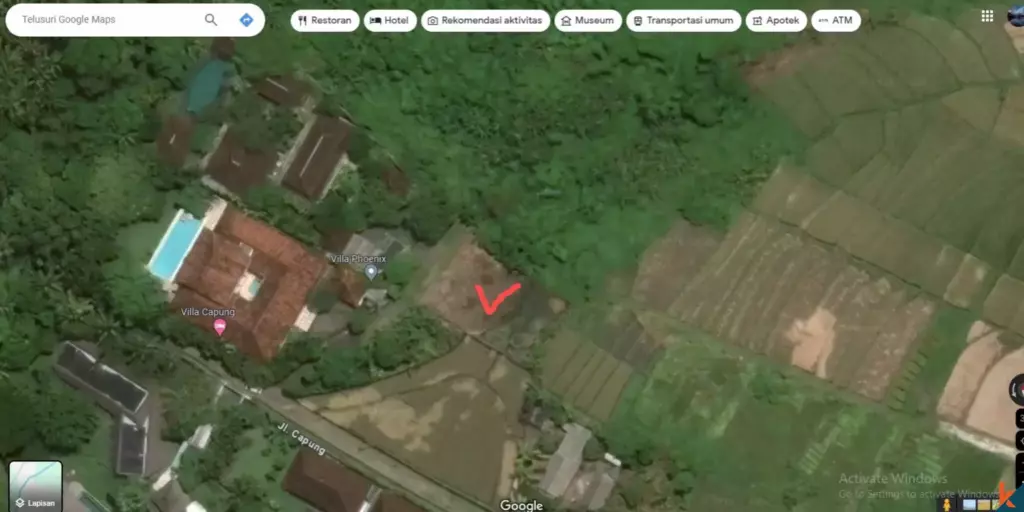 444 m²10 min$ 111000Bali, Tabanan
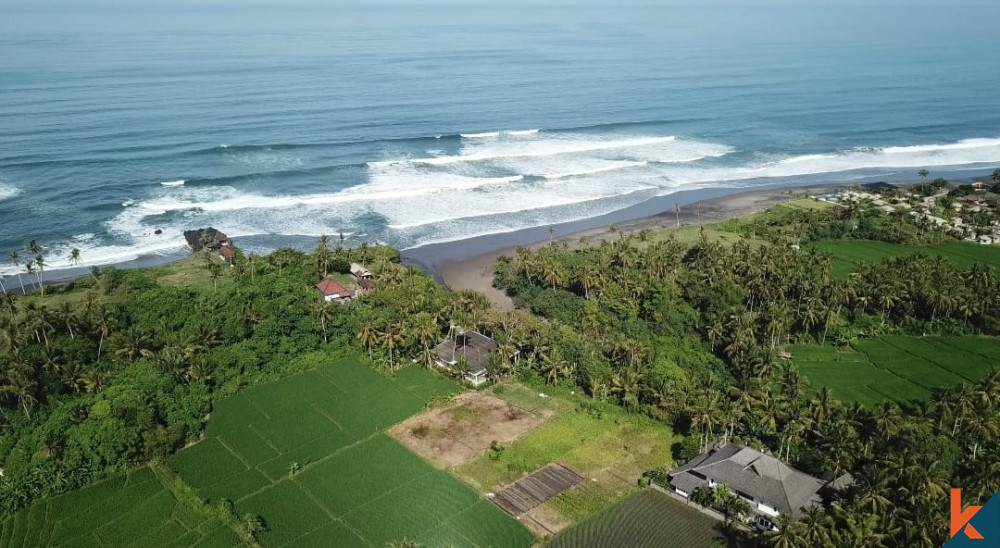 3000 m²15 min$ 1246921Bali, Tabanan
 3900 m²10 min$ 432266Bali, Tabanan
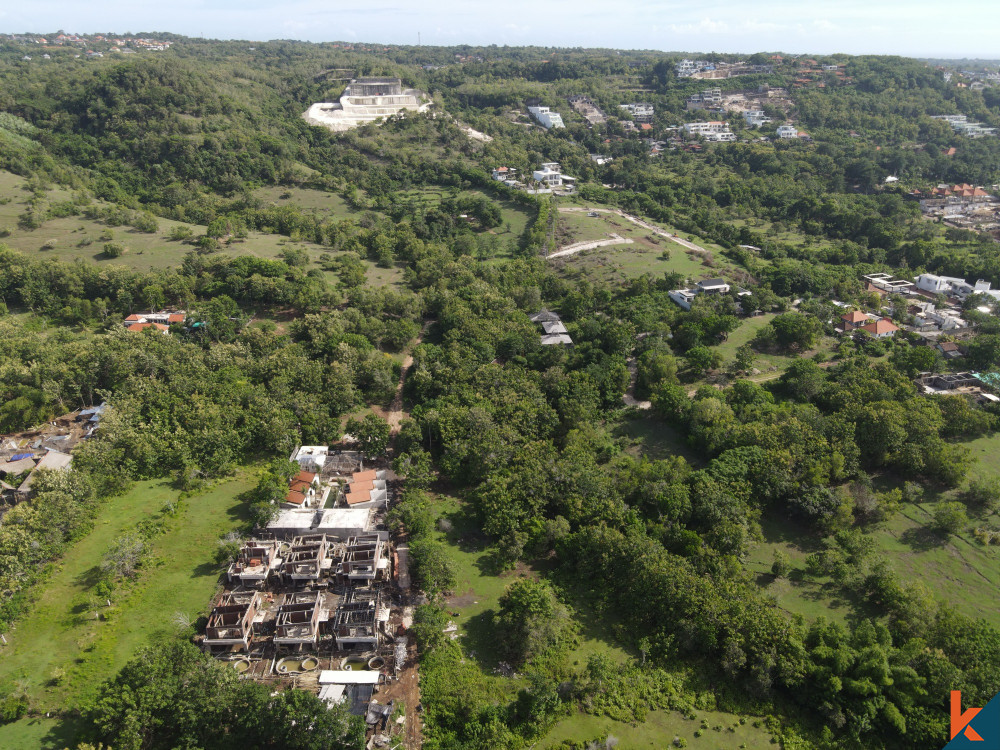 1000 m²10 min$ 280788Bali, Pecatu
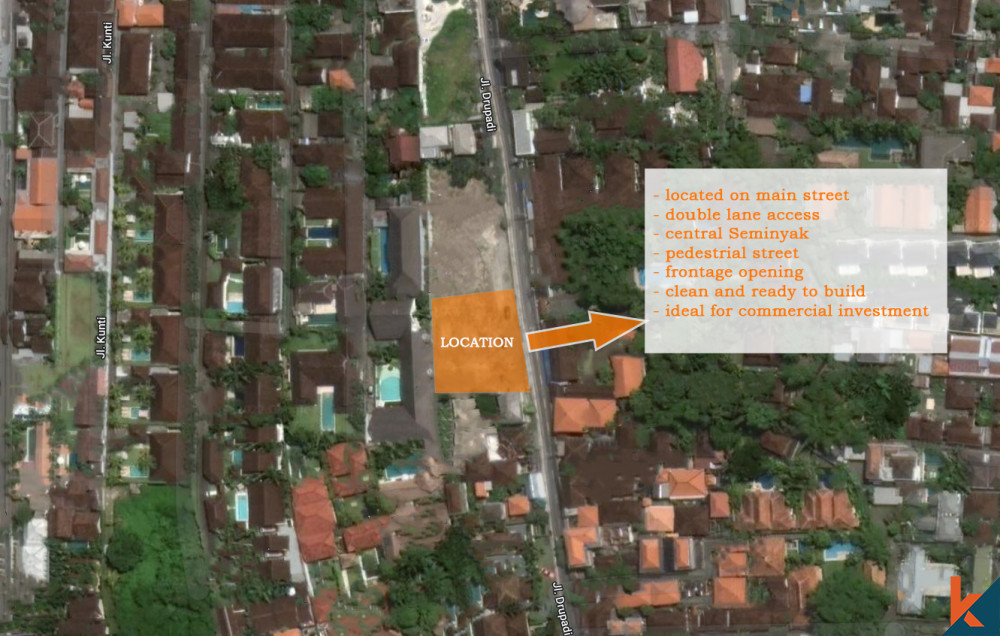 1000 m²5 min$ 350431Bali, Drupadi
Planning a build in Bali?
Get a feasibility view, budget range and timeline from Teville.
Related guides
Marine-Grade Fixings for Bali Joinery: Corrosion Protocols
Explore marine-grade fixings and corrosion protocols for Bali coast joinery. Learn materials, maintenance tips, and best practices to extend timber durability.
10 min read
Resin-Infused Plaster Finishes: Anti-Salt Systems Bali
Expert technical guide: Resin-Infused Plaster Finishes: Anti-Salt Systems Bali
8 min read
Prefinished Timber Joinery: Silicone Seals Fixings Bali
Professional prefinished timber joinery installation in Bali with silicone seals and fixings for durable weatherproof performance and a premium finish.
10 min read