Interior Joinery Finishing: Moisture-Resistant Sealants Bali

Interior Joinery Finishing: Moisture-Resistant Sealants in Bali
1) The Specific Problem
In Bali’s tropical climate, interior joinery is constantly challenged by high humidity, salt-laden air, and daily temperature swings from air-conditioned interiors to warm, wet exteriors. Timber swells, laminates edge-lift, stone darkens along joints, and black mold forms where beads fail. Homeowners see gaps around skirting, vanity tops, wardrobes, and kitchen panels—often within months of handover. The question is simple: which moisture-resistant sealants and installation methods ensure durable, hygienic, aesthetically clean joints for interior finishing, renovation, furniture installation, and villa utilities in Bali?
2) Technical Deep Dive: What Actually Works in Bali’s Climate
Interior joinery finishing is a system, not just a bead of caulk. Success comes from the right material, joint design, surface preparation, and curing conditions. In Bali, moisture, movement, and compatibility are the three critical factors.
Movement and joint design. Timber cabinetry (teak, merbau, engineered veneers) and plywood substrates expand and contract with humidity; stone and tiles move differently; gypsum, aluminium, and glass have their own coefficients. A compliant joint must accommodate these differential movements. As a rule, use a 2:1 width-to-depth ratio, with a closed-cell backer rod to control depth and prevent three-sided adhesion. Avoid thin skim beads: low-modulus sealants need body to stretch without tearing.
Sealant families and where to use them indoors:
- Neutral-cure sanitary silicone: Excellent long-term water resistance and mold-resistant options for wet areas. Use for shower perimeters, vanity splashbacks, undermount sinks, and stone interfaces. Neutral-cure avoids acetic acid off-gassing and minimizes staining on natural stone.
- MS polymer (hybrid) sealants: Highly versatile, good adhesion to timber, painted surfaces, and many plastics; generally paintable; very low shrinkage. Ideal for skirtings, door frames, wardrobe plinths, kitchen panels, and AC duct interfaces where paint finish continuity matters.
- Polyurethane (PU) sealants/adhesives: Strong adhesion and toughness, useful for sub-assemblies and concealed joints. For visible finish lines, prefer MS or neutral-cure silicone for better stain resistance and UV stability near windows.
- High-performance acrylics: Paintable and easy to tool, but standard acrylic latex struggles in Bali’s humidity. If used, specify moisture-resistant, elastomeric interior grade and limit to low-exposure, paint-only trim joints.
Substrate compatibility. Tropical hardwoods contain oils and extractives that can inhibit adhesion. Degrease with solvent (isopropyl alcohol or acetone, as per datasheet), allow flash-off, and use manufacturer-recommended primers on dense or oily woods. Natural stone (marble, limestone) can stain from plasticizers; choose “stone-safe” neutral-cure silicones and perform a 48-hour mock-up test on offcuts. For laminates and veneered MDF, sand lightly (P180–P240), vacuum, solvent-wipe, and prime if specified. For aluminium or powder-coated trims, abrade lightly and solvent-wipe.
Mold and bio-growth resistance. In Bali, beads around vanities and kitchen backsplashes are chronically damp from condensation and cleaning cycles. Use fungicide-enhanced sanitary silicones compliant with recognized fungistatic testing (e.g., ISO 846) for wet-adjacent joints. Maintain joint ventilation: continuous beads should not trap water behind panels—design drip edges and weep paths where pertinent.
Air infiltration and condensation. AC-driven negative pressure and warm humid exterior air cause condensation at gaps behind wardrobes, service risers, and AC closets. A continuous air-seal with MS polymer around penetrations and cabinet backs reduces warm air leaks that drive hidden moisture. This is as much a utilities issue as a finishing one; sealing around conduits, drain lines, and duct sleeves protects joinery from interstitial moisture.
Joint dimensions and movement class. For most interior joinery interfaces, 6–10 mm joint width with low-modulus, 25% movement-rated products is appropriate. Over narrow gaps (<4 mm), tooling quality and primer use become critical; consider opening the joint slightly to achieve the correct profile.
Product selection. Global building chemistries used in comparable climates emphasize water ingress and air infiltration control. For example, Sika’s joint sealing systems highlight protection against water damage and air leakage, relevant to interior finishing in humid regions like Bali (see Sika New Zealand). While local availability varies, the performance principles—neutral-cure for stone/wet, MS for paintable trim, correct primers—remain constant.
Curing and program sequencing. Most moisture-cure hybrids and silicones require adequate ambient humidity to cure, which Bali provides, but air-conditioning can over-dry interiors at the joint line. Maintain 40–70% RH during cure, avoid aggressive cleaning for 72 hours, and sequence sealant after final sanding and first coats of finish, before last coats, to avoid contamination and ensure clean transitions. Protect beads from wood oils wicking out during cure by observing the primer recommendations.
Quality assurance. Always conduct adhesion tests (ASTM C794 peel guidance) on actual site materials, and mock up at least three typical details: stone-to-joinery, skirting-to-plaster, and wet-area sanitary joints. Confirm color match, gloss, and tool finish under project lighting.
3) Materials & Standards
Core materials for interior moisture-resistant sealing:
- Neutral-cure sanitary silicone (stone-safe, fungicide-enhanced) for wet-adjacent and stone interfaces.
- MS polymer hybrid, paintable, low-modulus for trim, skirting, door frames, wardrobe plinths, AC/utility penetrations.
- PU adhesive/sealant for concealed assembly joints, where toughness is preferred over paintability.
- High-performance acrylic (moisture-resistant) for low-exposure painted trim if specified.
- Closed-cell backer rods sized at 25–50% larger than joint width to ensure compression fit.
- Bond-breaker tape (polyethylene) where backer rod is impractical to avoid three-sided adhesion.
- Primers matched to substrate and sealant chemistry (oily hardwood/stone/metal primers as per datasheet).
- Solvent cleaners (isopropyl alcohol or acetone) and lint-free cloths for degreasing oily tropical timbers.
- Masking tapes with clean-release adhesive for crisp lines on lacquered and painted surfaces.
- Tooling spatulas and finishing fluids approved by the sealant manufacturer.
Applicable standards and guidance:
- ISO 11600 classification (F/G; LM/HM) for sealant movement capability and modulus—target LM class indoors to accommodate timber movement.
- ASTM C920 performance for elastomeric joint sealants as a benchmark for adhesion/durability.
- ISO 846 (microbial resistance) for sanitary silicones in high-humidity interiors.
- VOC/IAQ: EC1/EC1 Plus or equivalent low-emission classifications for healthy interiors.
- Manufacturer data sheets for primer requirements, substrate prep, and cure profiles—follow strictly.
Reference solutions from established providers emphasize water and air-sealing performance that translates well to Bali’s conditions; see joint sealing insights by Sika New Zealand for principles applicable to interior finishing. Teville aligns product selection with these standards, validated through mock-ups and site adhesion tests.
4) Step-by-Step Process We Use at Teville
Teville’s finishing workflow is designed for Bali villas where humidity, salt, and AC cycles are realities. Our process integrates finishing, renovation details, furniture installation, and villa utilities.
- 1. Survey & detailing. Identify all joinery interfaces: skirtings to plaster, vanity tops to walls, wardrobes to floors/walls, kitchen splashbacks, window boards, and utilities (pipes, drains, conduits). Produce detail sketches showing joint widths, backer rod locations, and sealant types.
- 2. Climate conditioning. Acclimate timber and panels to 45–65% RH for 72 hours minimum. Stabilize AC to avoid cold-surface condensation during works.
- 3. Moisture checks. Verify timber moisture content (target 12–15% for interiors). Postpone sealing if substrates are visibly wet or condensing.
- 4. Mock-ups. Build three representative joints; test adhesion, stain behavior on stone, and tooling finish. Approve color and sheen.
- 5. Surface preparation. Mask finishes. Lightly abrade paint/varnish where needed. Vacuum, solvent-wipe oily woods and metals. Allow full solvent flash-off. Apply primers as specified and respect open times.
- 6. Joint backing. Install closed-cell backer rod with uniform depth; where depth is shallow, apply bond-breaker tape. Target 2:1 width:depth ratio.
- 7. Application. Gun sealant continuously, slightly overfilling. Tool within open time using approved tooling fluid; form concave profile to shed moisture. Clean masking while the bead is still green.
- 8. Curing protection. Maintain RH 40–70%, avoid drafts over cold surfaces, and prevent contact with cleaning agents for 72 hours. Do not apply lacquer or paint over silicone; for paintable areas, use MS polymer.
- 9. Integration with finishes. Sequence as follows: first coats of lacquer/paint → sealant installation → final coats/polish. This produces crisp terminations without contaminating beads.
- 10. Utilities air-seal. Seal gaps at AC closets, bathroom risers, and kitchen service penetrations with MS polymer to reduce warm air ingress that causes condensation behind cabinets.
- 11. Sanitary details. Use neutral-cure sanitary silicone at vanity and sink perimeters; for natural stone, confirm “stone-safe” type. Maintain weep gaps below vanity carcasses where appropriate.
- 12. QA/QC. Visual inspection under raking light, adhesion probe test at sample joints, and incidental water-splash checks in wet-adjacent zones. Log batch numbers for traceability.
- 13. Handover & care. Provide care notes: no abrasive cleaners; pH-neutral only. Inspect sanitary joints annually and renew if bio-growth is visible or if adhesion loss is detected.
See how Teville integrates this methodology within complete construction processes and portfolio projects across Bali villa construction and renovation Bali scopes.
5) Costs & Timeline
Typical cost ranges (guidance only; project-specific):
- MS polymer interior trim joints (skirting, frames, wardrobes): IDR 35,000–120,000 per linear meter depending on joint complexity, primers, and access.
- Sanitary neutral-cure silicone (vanity, shower perimeter, stone-safe): IDR 90,000–180,000 per linear meter due to higher material grade and tooling care.
- Utilities air-sealing (penetrations, AC closets): IDR 50,000–140,000 per penetration or meter, reflecting coordination with MEP access.
Program durations:
- 3–5 bedroom villa, full interior joinery sealing: typically 3–6 working days, staged by room to coordinate with painting and furniture installation.
- Cure to light service: 24 hours for hybrids/silicones in Bali humidity; full cure and cleaning-safe: 48–72 hours. Avoid aggressive cleaning for 3 days.
- Renovation Bali projects with occupancy: plan phased night or off-hour works and extended masking time.
For a tailored estimate and sequencing plan integrated with interior finishing Bali scopes, contact Teville via our cost estimation page. We align budgets and timelines with final finishes to protect quality without compromise.
6) FAQ: Interior Joinery Sealants in Bali
Q1. Which sealant for timber-to-stone at a vanity?
Neutral-cure, stone-safe sanitary silicone. Prime the timber if recommended, solvent-wipe both sides, and tool a 6–8 mm concave bead.
Q2. Can I paint over the sealant?
Use MS polymer for paintable joints (skirtings, frames). Do not paint silicone; choose colors to match grout or finish instead.
Available lands
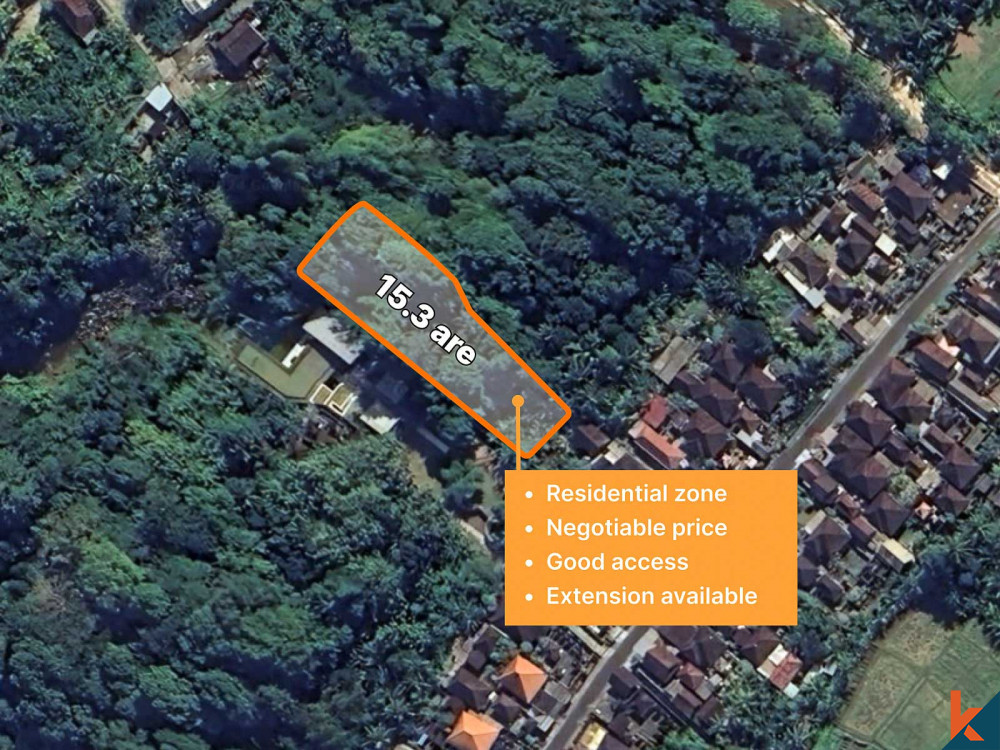 1533 m²5 min$ 165666Bali, Cepaka
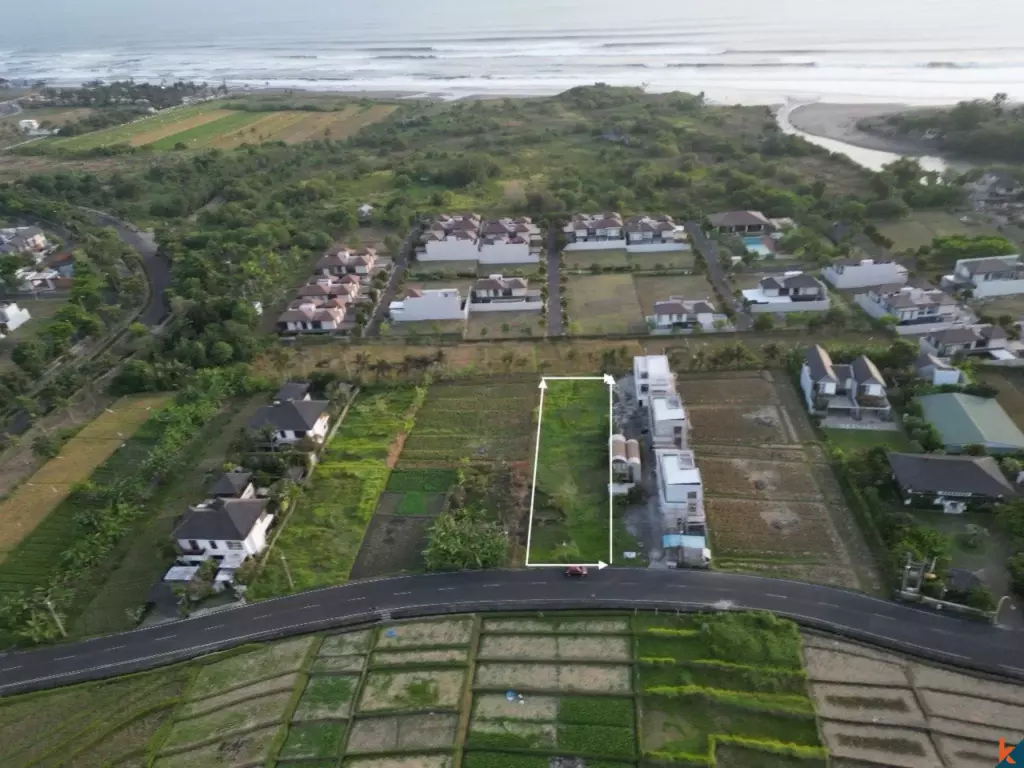 1410 m²15 min$ 390702Bali, Tabanan
 1158 m²12 min$ 291996Bali, Mengwi
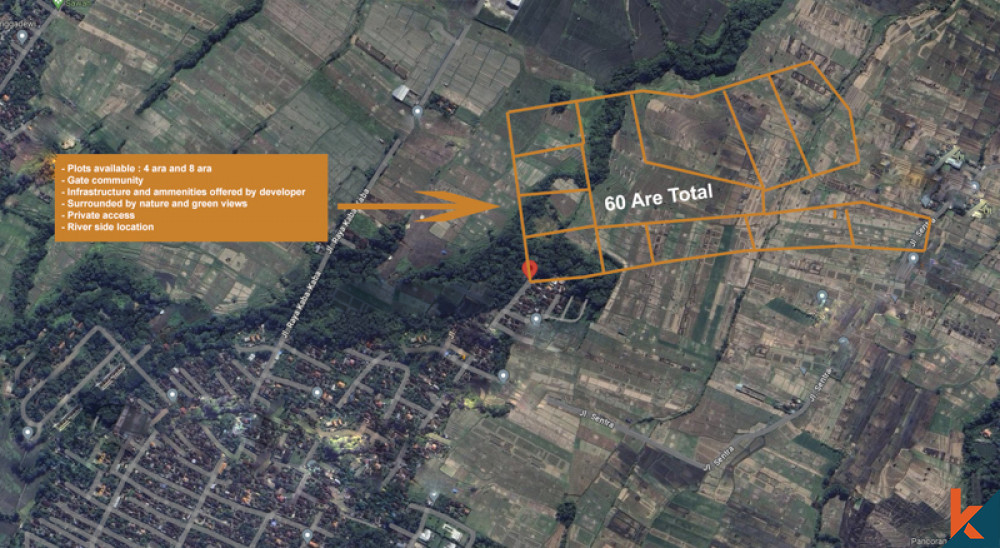 400 m²15 min$ 67192Bali, Tabanan
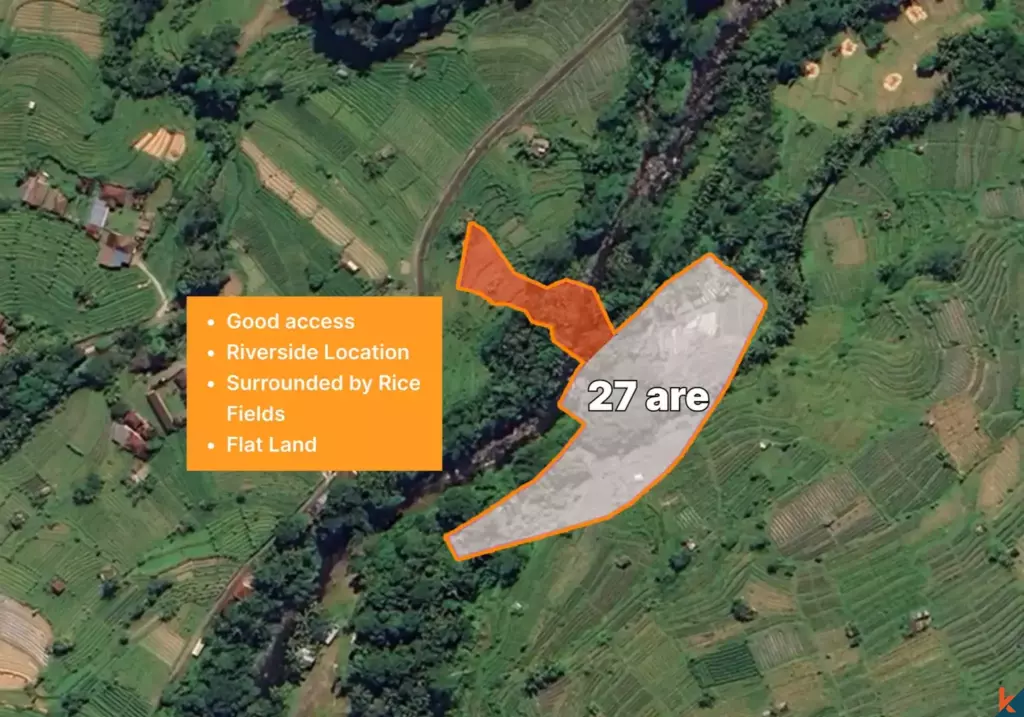 2700 m²30 min$ 314224Bali, Sidemen
 10000 m²19 min$ 232759Bali, Buleleng
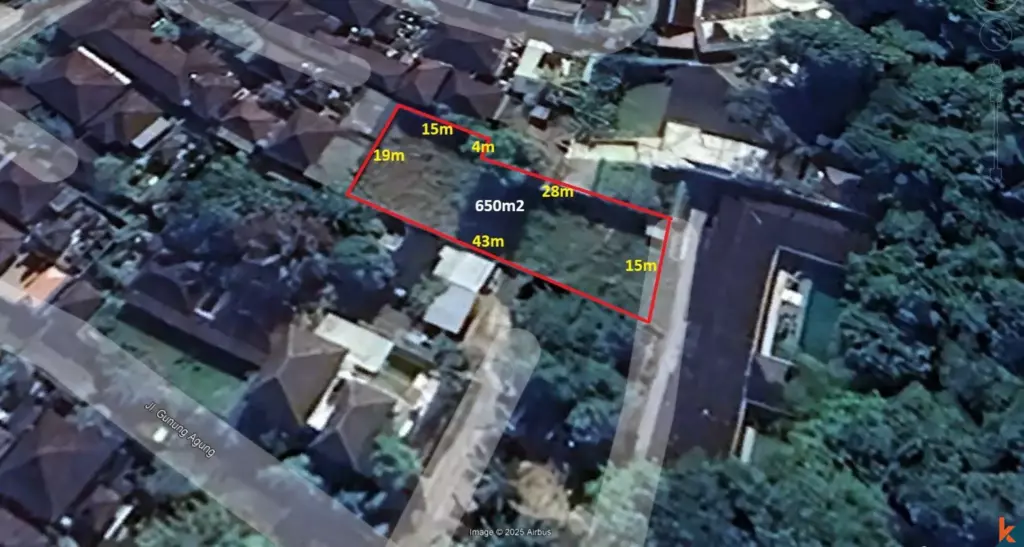 660 m²10 min$ 175567Bali, Mengwi
 3300 m²15 min$ 449889Bali, Tabanan
 600 m²12 min$ 101970Bali, Mengwi
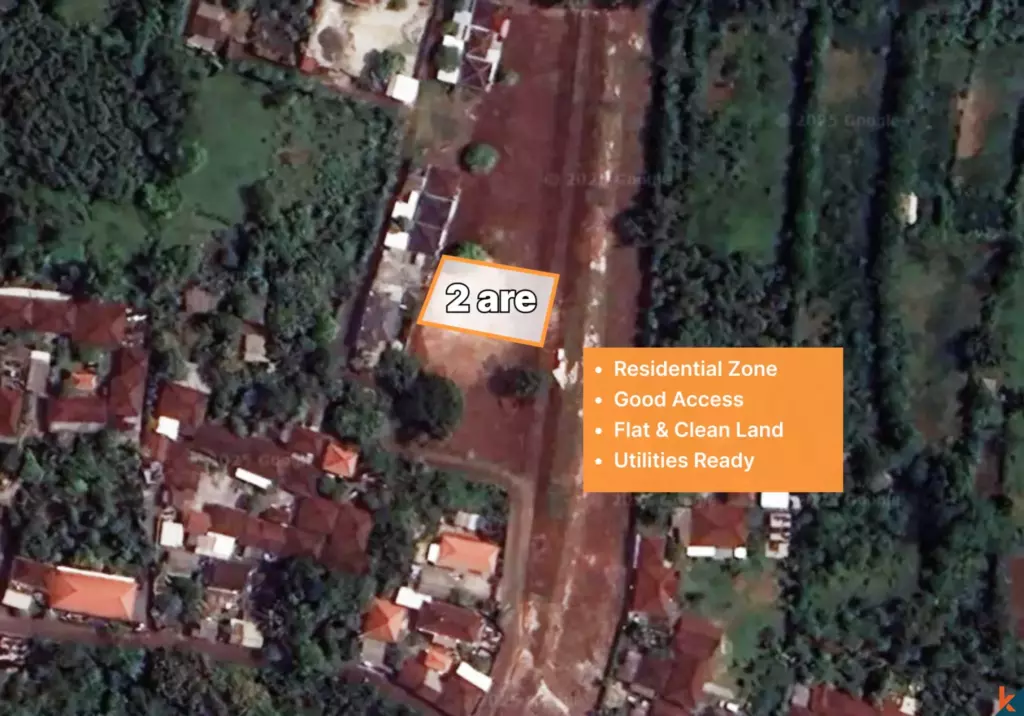 200 m²5 min$ 59113Bali, Bukit
 7900 m²25 min$ 413485Bali, Tabanan
 700 m²15 min$ 90517Bali, Central Bali
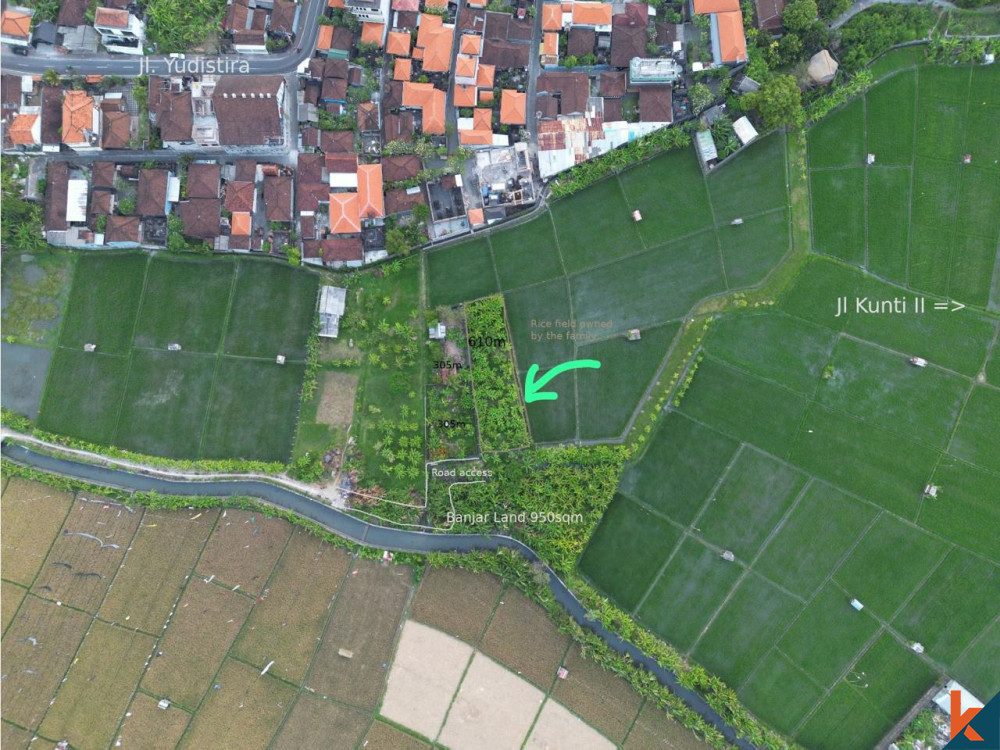 610 m²10 min$ 165271Bali, Seminyak
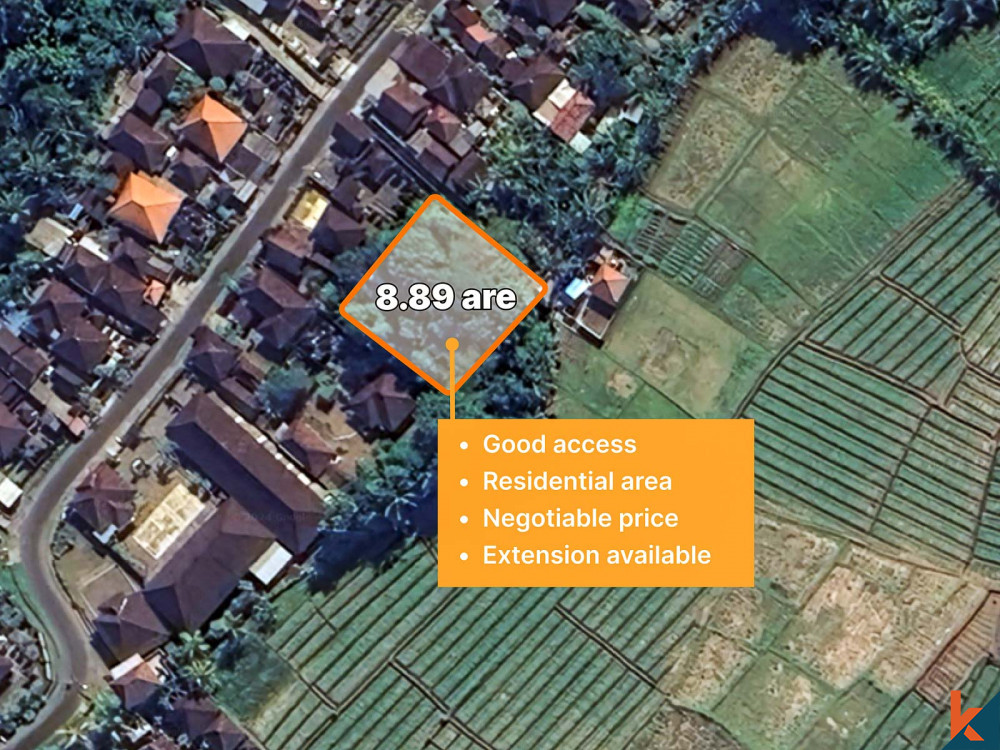 889 m²15 min$ 145612Bali, Cepaka
 250 m²15 min$ 40025Bali, Munggu
Planning a build in Bali?
Get a feasibility view, budget range and timeline from Teville.
Related guides

Marine-Grade Fixings for Bali Joinery: Corrosion Protocols
Explore marine-grade fixings and corrosion protocols for Bali coast joinery. Learn materials, maintenance tips, and best practices to extend timber durability.
10 min read
Resin-Infused Plaster Finishes: Anti-Salt Systems Bali
Expert technical guide: Resin-Infused Plaster Finishes: Anti-Salt Systems Bali
8 min read
Prefinished Timber Joinery: Silicone Seals Fixings Bali
Professional prefinished timber joinery installation in Bali with silicone seals and fixings for durable weatherproof performance and a premium finish.
10 min read