HVAC Condensate Neutralising Drain Routing for Bali Villas
HVAC Condensate Neutralising & Drain Routing for Bali Villas
Specific Problem/Question
In Bali villas, two sources of condensate commonly challenge finishing quality and building durability: large daily volumes from air-conditioning/VRF fan-coils, and acidic condensate from condensing gas water heaters or boilers. Poor routing causes ceiling stains, mold, and odors; unneutralized acidic discharge corrodes pipes, tiles, and metalwork. How should a Bali villa be detailed during finishing or renovation so condensate is safely neutralised, quietly conveyed, and discreetly discharged—without compromising interiors or surrounding landscaping?
Technical Deep Dive
Teville approaches condensate management as a utilities and finishing interface problem: fluid chemistry, gravity hydraulics, and architectural detailing. In Bali’s tropical climate, a single master-suite fan-coil can generate 5–15 liters/day in shoulder season and 30–60+ liters/day in peak humidity. Multiply by multiple indoor units and you quickly have the equivalent of a small graywater line running all day. Meanwhile, condensing appliances (e.g., high‑efficiency gas water heaters used in some villas) produce acidic condensate (often pH 3–5) that must be neutralised before entering sewer, septic, or site drainage.
Gravity first. Wherever feasible, we design fall at 1:100 minimum (prefer 1:80–1:50 over longer runs) with smooth-radius bends to avoid airlocks. Internal diameters: 20 mm is acceptable for single fan‑coil drops; 25–32 mm recommended for combined runs or long horizontals. We avoid teeing more than three fan‑coils into a single horizontal without a cleanout. Every change of direction over 45° gets an accessible cleanout to respect maintenance in Bali’s dusty, coastal environment.
Traps and venting. Negative pressure at fan-coil drain pans can pull the trap dry and blow odors. We use a deep “P” trap (water seal ~50 mm) with an anti-siphon vent (or a trap with integral air admittance feature per manufacturer). In unconditioned ceiling voids, trap primers or periodic priming loops prevent evaporation. A visible tundish in a service niche lets occupants and facility staff see flow (and color) at a glance—excellent for early leak detection without opening ceilings.
Pumps when gravity fails. Villas with elevated indoor units or long horizontal runs often need a condensate pump. We specify quiet, serviceable pumps with vibration-isolated mounts, non-return valves, and an overflow interlock wired to shut the indoor unit on high-level alarm. Discharge heads are calculated with 25–50% safety margin for tropical derating. Discharge lines include a service loop, union fittings, and an isolation valve for safe pump swaps.
Neutralising acidic condensate. For condensing heaters/boilers, we install inline neutraliser cartridges charged with calcite (CaCO3) or calcite/magnesium oxide blend that raises pH to safer levels (typically ≥6). Kits from trusted brands like JJM Alkaline Technologies and Calefactio are widely used by contractors for compliance and performance; see overviews at PexUniverse and JJM. Media sizing is matched to appliance capacity and expected condensate rate; undersized media exhausts quickly in Bali’s high‑use holiday seasons. We provide a by‑passable housing with unions and a clear section or pH sampling port downstream. Replacement intervals vary (6–18 months) depending on appliance hours and inlet pH.
Materials and corrosion. Acid plus Bali’s salty air accelerates corrosion. We keep acidic lines in polypropylene (PP), CPVC, or uPVC rated for condensate; avoid bare copper and low-grade steel in contact with acidic streams. For neutralised (post-cartridge) discharge into septic or site drains, we maintain an air gap and protect landscaped areas from erosion. Any external runs are UV‑stabilised and mechanically protected from monkeys and maintenance traffic on roofs.
Finishing and access. Many Bali villas conceal fan‑coils within wardrobes, ceiling coffers, or joinery. We coordinate with furniture installation to ensure 300×300 mm minimum access panels to traps, pumps, unions, and tundish. Penetrations through tile or stone receive sleeves and flexible collars to prevent cracking from differential movement, and we seal with mildew‑resistant elastomeric sealants. Insulation on cold sections (closed-cell elastomeric, 13–19 mm) prevents sweating that stains gypsum and timber linings common in interior finishing Bali.
Discharge strategy. Options include: (1) neutralised discharge to sanitary (with air break and backflow protection), (2) neutralised discharge to a designated site drain or soakaway designed for continuous low flows, or (3) irrigation dispersal only if pH and volume are appropriate and soils can accept it without ponding—usually not recommended for acidic appliance condensate without robust neutralisation and monitoring. We never connect directly to storm gutters without air gap and filtration; debris backflow is a frequent cause of overflow.
Controls and monitoring. We often add a float switch in drain pans, a high‑level alarm at pump, and a simple downstream pH dip test point for service teams. QR-coded service stickers in the access panel record media changes and pump service dates—small touches that prevent big finishing repairs later.
Materials & Standards
Teville specifies components with durability and serviceability foremost, aligned with manufacturer instructions and applicable Indonesian SNI plumbing standards, plus good practice informed by ASHRAE guidance for condensate management. Key materials:
- Piping: uPVC (schedule-equivalent) for AC condensate; PP or CPVC for acidic appliance condensate upstream of neutraliser. Use UV‑stabilised grades for exterior exposure and solvent-welded joints with proper cure times in humid conditions.
- Neutraliser kits: Inline canisters or tank-type housings with calcite or calcite/magnesium oxide media; unions both sides; clear section or sampling port; wall/floor brackets in 304/316 stainless.
- Traps & vents: Deep P-traps with cleanouts; anti-siphon venting per fan-coil requirements. Where permitted, air admittance valves in concealed spaces with access for maintenance.
- Pumps: Low-noise condensate pumps with backflow preventer, IP-rated for humid spaces, vibration isolators, and float switch interlock to indoor unit. Provide local isolator and drip tray under pump.
- Insulation: Closed-cell elastomeric (≥13 mm) on cold sections and pump reservoirs to avoid sweating in tropical humidity; UV jacket for exterior runs.
- Tundish/air gap: Sight-glass tundish in accessible service niche; minimum 20 mm air gap before entry to any sanitary receptor or tundish tray.
- Ancillaries: Non-staining sealants, pipe sleeves through slabs, stainless fixings, acoustic mounts where lines pass near bedrooms and living spaces.
We comply with equipment manufacturer condensate requirements (trap geometry, maximum head, neutraliser placement). For connection to septic or site drainage, we maintain separation and an air break to protect from backflow contamination. Because local by‑laws can vary across Bali regencies, we confirm routing and discharge acceptability with local authorities and the project’s MEP consultant.
For durability in coastal zones (Canggu, Uluwatu, Sanur), we avoid plain steel brackets and use epoxy-coated or 316 stainless. Timber-rich interiors common in Bali villa construction get additional condensation safeguards—double-insulated sections and drip protection above joinery.
Step-by-Step Process
1) Survey & brief (renovation or new build): Identify all condensate sources: AC/VRF fan-coils, HRV/ERV, dehumidifiers, and any condensing water heaters/boilers. Note heights, potential gravity routes, and finish constraints (stone walls, timber ceilings, built-in wardrobes). Record nearest sanitary receptors and landscaped areas. Agree on access panel locations with the interior designer and furniture team.
2) Engineering & coordination: Calculate daily and peak condensate loads; select pipe diameters, slopes, and neutraliser capacities. Model pump heads if required. Freeze elevations before ceiling closures. Coordinate sleeves through structure and waterproofing with the architect. Issue shop drawings marking traps, cleanouts, tundishes, and service clearances.
3) Rough-in (utilities stage): Install sleeves and supports at designed falls. Set trap assemblies and vents near fan‑coils. Place neutraliser housings on stable, accessible walls with unions and isolation valves. For pumps, mount on anti‑vibration pads with service loop and power isolator. Keep joints clean and fully cured—Bali humidity extends solvent-weld cure; we allow extra time and pressure-test with water, not compressed air.
4) Penetrations & waterproofing: Through wet areas and terraces, use collars and sealant compatible with membranes. Provide air gaps above floor drains or tundish trays; never bury connections in screeds without inspection points. Protect external runs with UV sleeves and mechanical guards.
5) Integration with finishes & furniture installation: Cut and frame neat, aligned access hatches. In joinery housings, line cavities with moisture-resistant board and provide drip shields above timber. Ensure access to pump, trap, and neutraliser without removing cabinets. Soundproof nearby bulkheads to keep bedrooms quiet.
6) Neutraliser commissioning (appliance condensate): Charge media per manufacturer, flush to remove fines, then measure pH at sampling port. Target discharge pH typically 6.0–8.5. Affix service label with media type, install date, and next inspection date. Train villa staff to read the label.
7) System testing: Simulate condensate with water flow at expected peak. Verify slopes, absence of gurgling (indicative of venting issues), pump cut-in/out, and alarm interlock. Confirm visible flow through tundish and that downstream receptors drain freely. Check all penetrations for leaks and wipe test for sweating on insulation.
8) Handover & maintenance plan: Provide QR-coded schematic in access panel. Train staff to clean strainers, test pumps quarterly, and check traps for water seal. For neutralisers: schedule pH checks each 3–6 months in high-use villas. Stock spare media cartridges on site ahead of peak season.
9) Renovation retrofits: Where ceilings are closed, we introduce slimline surface conduits in serviceable corridors, add condensate pumps, and route to a new tundish in a bathroom riser. For sensitive heritage finishes, temporary by-pass routing keeps areas dry while we stage works room-by-room to protect guests and furniture.
Costs & Timeline
Indicative budgets for a typical 3–5 bedroom Bali villa (final numbers depend on layout, finishes, and equipment):
- Design & coordination: IDR 5–15 million (site survey, drawings, authority checks).
- Gravity drain materials: IDR 4–12 million (uPVC/PP piping, traps, insulation, tundish, fittings).
- Condensate pumps: IDR 1.5–5 million per unit supplied/installed, depending on head and noise class.
- Neutraliser kits: IDR 2–6 million per appliance, including unions, brackets, and first media charge.
- Installation labor: IDR 6–20 million (access creation, rough-in, finishing integration, testing).
- Commissioning & documentation: IDR 2–5 million (testing, pH verification, staff training).
Timeline: New build integration typically 3–7 working days spread across rough-in, pre-closing inspection, and final commissioning—aligned to the finishing calendar. Renovation Bali projects vary: a focused retrofit for two fan‑coils with a pump and a neutraliser can be done in 1–2 days; whole-villa upgrades typically 5–10 days, staged to protect interiors and guest operations.
For a tailored estimate aligned with your villa utilities and finish level, request a budget via Teville Cost Estimation.
FAQ
 3173 m²6 month(s)from 125.000 USD
TALA FOUR

Want to calculate?
 3124 m²6 month(s)from 123.000 USD
TALA 8
 164 m²7 month(s)from 79.000 USD
TALA TWO
 3127 m²9 month(s)from 177.000 USD
Mukunda
 172 m²8 month(s)from 120.000 USD
Keshava
 3104 m²11 month(s)from 99.000 USD
TALA 100
 1from 198.000 USD
Private: Haridas Villas
 3180 m²7 month(s)from 142.000 USD
Vasudeva
 4344 m²16 month(s)from 290.000 USD
Radha
 2144 m²11 month(s)from 104.000 USD
Narayana
164 m²7 month(s)from 79.000 USDPrivate: Haridas Villas, Tegallalang
Start With Real Numbers, Not Guesses
Before finalizing your finishing works plan, check realistic cost ranges for your Bali villa project.
Available lands
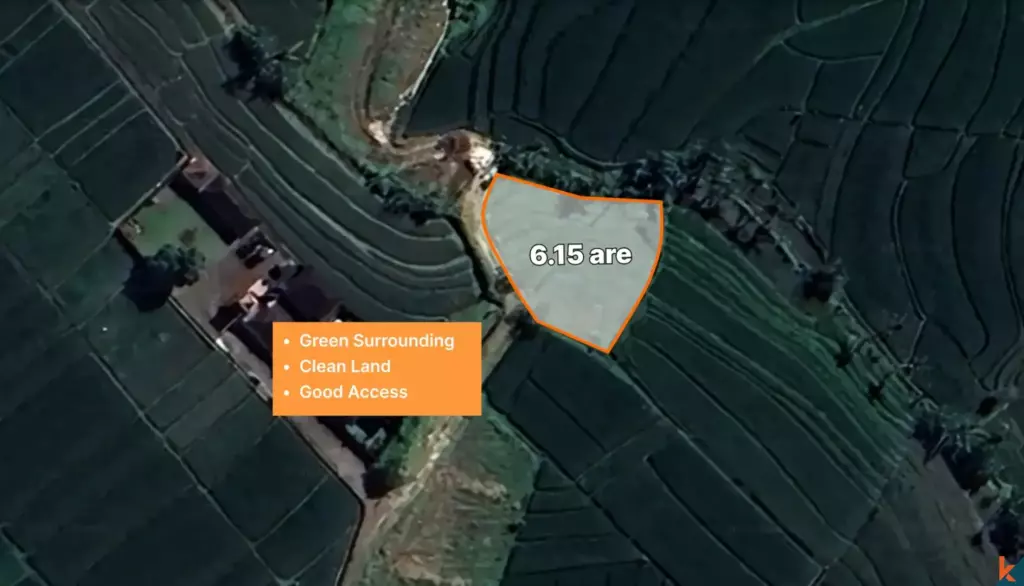 615 m²15 min$ 113608Bali, Tabanan
 2800 m²15 min$ 310345Bali, Tabanan
 325 m²15 min$ 44472Bali, Ungasan
 1350 m²5 min$ 283467Bali, Pecatu
 3900 m²10 min$ 432266Bali, Tabanan
 2500 m²5 min$ 609606Bali, Kedungu
 2000 m²15 min$ 110837Bali, Karangasem
 1230 m²15 min$ 132543Bali, Tegallalang
 800 m²5 min$ 295567Bali, Seseh
 1100 m²8 min$ 280419Bali, Ungasan
 2130 m²10 min$ 495776Bali, Pecatu
 2680 m²10 min$ 1732759Bali, Pererenan
 2000 m²15 min$ 523000Bali, Canggu
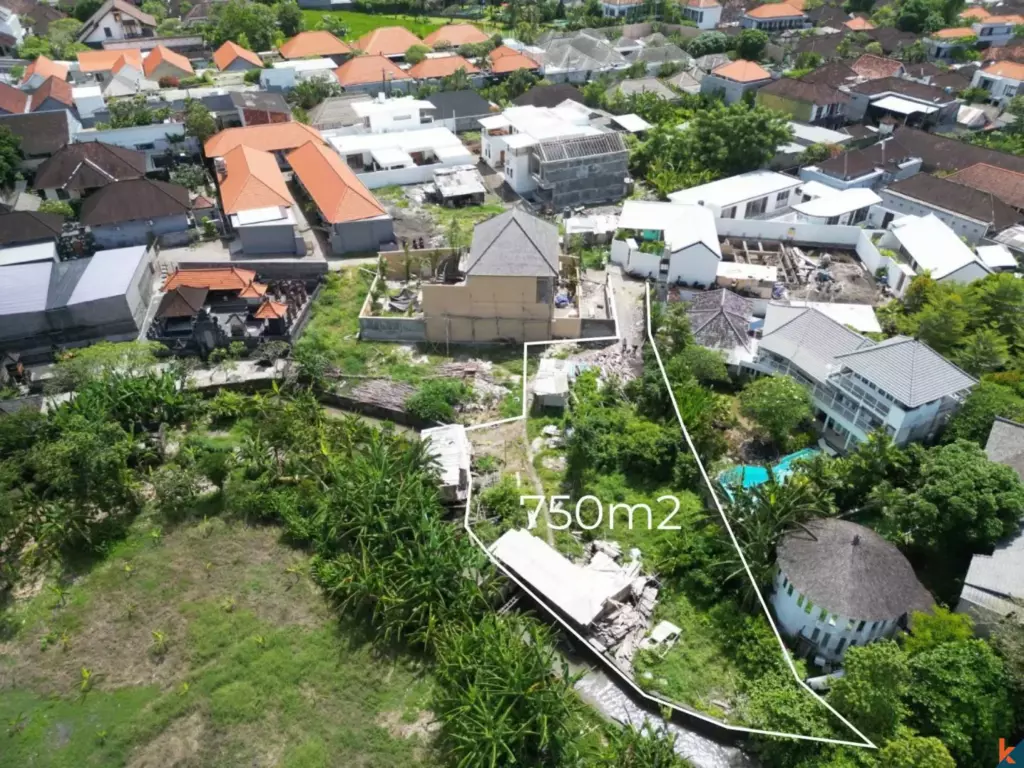 750 m²15 min$ 187038Bali, Kerobokan
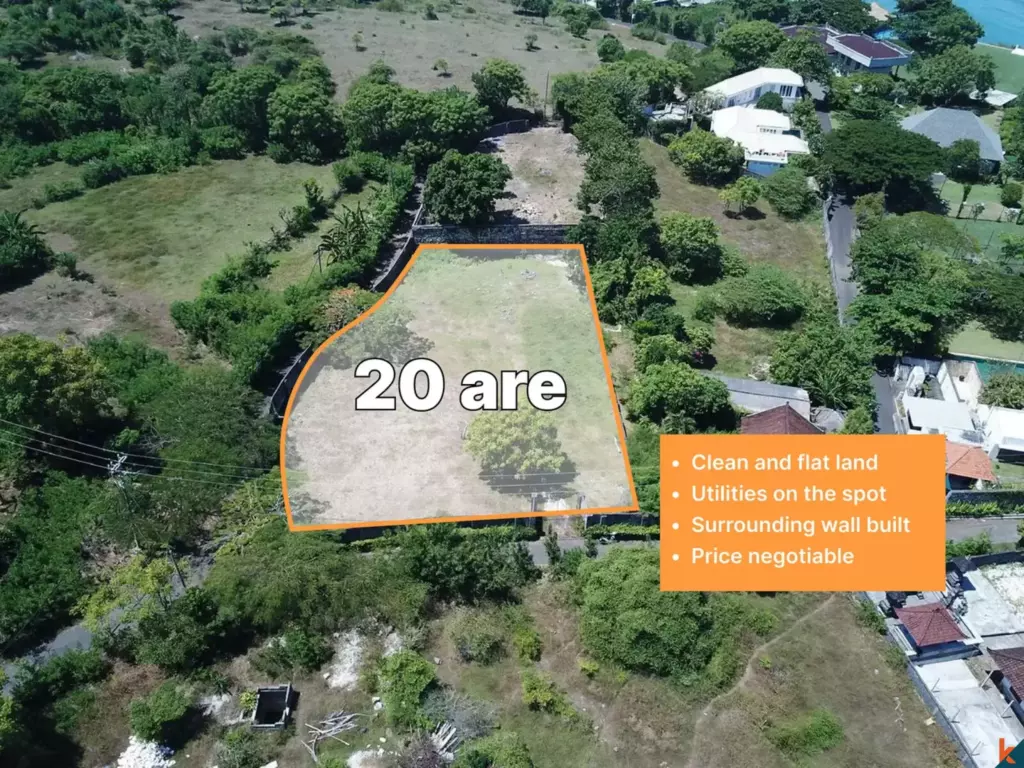 2000 m²5 min$ 738916Bali, Ungasan
Planning a build in Bali?
Get a feasibility view, budget range and timeline from Teville.
Related guides
Marine-Grade Fixings for Bali Joinery: Corrosion Protocols
Explore marine-grade fixings and corrosion protocols for Bali coast joinery. Learn materials, maintenance tips, and best practices to extend timber durability.
10 min read
Resin-Infused Plaster Finishes: Anti-Salt Systems Bali
Expert technical guide: Resin-Infused Plaster Finishes: Anti-Salt Systems Bali
8 min read
Prefinished Timber Joinery: Silicone Seals Fixings Bali
Professional prefinished timber joinery installation in Bali with silicone seals and fixings for durable weatherproof performance and a premium finish.
10 min read