Low-VOC Two-Pack Paint Application Curing Protocols Bali
Low-VOC Two-Pack Paint Application & Curing Protocols Bali
1) Specific Problem/Question
How do we achieve durable, low-odor, professional-grade finishes in Bali’s hot, humid, salt-laden climate using low-VOC two-pack (2K) coatings—on doors, cabinetry, built-ins, metalwork, bathroom utilities enclosures, and high-wear surfaces—without defects like blushing, amine haze, solvent entrapment, or early chalking? This guide details Teville’s field-proven protocols for mixing, applying, and curing 2K epoxies and polyurethanes in Bali villas and renovations, balancing indoor air quality, finish quality, and long-term performance.
2) Technical Deep Dive
Two-pack (2K) coatings combine a resin base with a hardener; crosslinking delivers superior abrasion, chemical, and moisture resistance—critical for interior finishing Bali and high-spec Bali villa construction. In Bali, high relative humidity (RH 70–95%), rapid temperature swings, and marine salts amplify common coating risks. The protocol below is optimized for cabinetry and furniture-grade finishes, door sets, metal stair strings/railings, bathroom and laundry utilities cabinets, and selected concrete substrates.
Chemistry and selection
- 2K epoxy: Exceptional adhesion, build, and chemical resistance; best for priming metals, sealing concrete, and back-of-house or utility areas. Some low-VOC options exist; e.g., Manor Promastic 600 CT (example 4:1 mix with activator; heavy-duty low-VOC epoxy primer/topcoat; see product note).
- 2K polyurethane (incl. acrylic-urethane): UV-stable, harder, finer aesthetic finish; preferred for visible wood/MDf cabinetry and door finishing; low-VOC waterborne 2K systems offer reduced odor for renovation Bali projects.
Humidity and dew point control
- Target ambient 20–32°C, RH 45–65%. If RH exceeds 70%, deploy dehumidifiers/air movers. Maintain substrate temperature at least 3°C above dew point to prevent condensation-induced blushing or amine bloom.
- Salt-laden air near the coast accelerates corrosion on metals; enhanced surface prep and compatible epoxy primers are mandatory.
Substrates
- Wood (teak, meranti) and MDF: Moisture content ≤12%. Seal end grain. For MDF, lock fibers with suitable sealer before build coats to avoid fiber raise.
- Concrete: Moisture testing prior to coating; epoxy primes improve adhesion and moisture tolerance in plant rooms and service corridors.
- Steel/Aluminum: Proper profile (mechanical abrasion or blasting) and salt removal. Epoxy primer before polyurethane topcoats.
Mixing, induction, pot life
- Adhere to the manufacturer’s ratio by volume/weight. Example ratios: 4:1 (epoxy) and 2:1 or 4:1 (polyurethane). If an induction period is specified (commonly 10–15 min for certain epoxies), respect it for full crosslink activation.
- Pot life shortens in Bali heat; mix small batches and stage personnel to avoid over-gelling mid-application.
Application parameters
- Equipment: HVLP for furniture-grade and door sets (fine atomization), conventional/air-assisted airless for larger panels and metalwork. Use clean, dry oil-free air.
- Film control: Set wet film thickness (WFT) using a comb gauge; convert to target dry film thickness (DFT) based on solids content. Avoid heavy coats that trap solvent under humid conditions.
- Flash and recoat: Many low-VOC systems specify short flash times between coats. Automotive-grade references cite 3–5 min flashes at ~21°C (70°F) and handling at ~2 hours (see PPG). In Bali’s warmth, flash can be similar or slightly quicker, but high RH slows solvent release; verify by touch and WFT reduction rather than clock alone.
- Base-to-clear/top: Allow base to dry minimum 30 minutes up to 24 hours depending on system and climate (general low-VOC 2-stage guidance); in humid rooms, longer is safer to prevent intercoat condensation.
Ventilation and curing
- Cross-ventilation with filtered intake and controlled exhaust. Use dehumidifiers to keep RH under control during cure. For cabinetry rooms, establish temporary curing booths with plastic sheeting and positive pressure.
- Short-bake/IR assistance can accelerate cure, but temperature ramp must be gradual to prevent solvent popping.
Defect control
- Amine blush (epoxy): Waxy surface under high RH; wash with warm water and mild detergent, scuff, and recoat.
- Blushing (polyurethane): Milky cast from moisture absorption; improve ventilation/dehumidification and extend flash times.
- Orange peel/sags: Adjust fluid tip, pressure, distance, and WFT; apply cross-coats.
Teville’s supervisors lock these variables into a job-specific application plan before any spray is pulled—critical for consistent furniture installation finishes, door leaf/lining sets, built-ins, and exposed metal on stairs, pergolas, and utility cabinets.
3) Materials & Standards
Product selection
- Cabinetry/doors: Low-VOC waterborne 2K polyurethane for low odor and superior clarity. Match with compatible sanding sealer and high-build primer for MDF.
- Metal (indoor/outdoor): Low-VOC 2K epoxy primer + 2K polyurethane topcoat for UV stability and corrosion resistance near the coast.
- Concrete utilities: Low-VOC 2K epoxy for plant rooms, laundry, and storage floors; optional satin 2K polyaspartic or polyurethane top for UV and cleanability where exposed.
Reference practices and tests
- Adhesion: Cross-hatch (ASTM D3359) or pull-off (ASTM D4541) on mock-ups.
- WFT/DFT verification: ASTM D4414 wet film; DFT via magnetic gauge on metals.
- Moisture: In-situ RH for slabs (ASTM F2170) where critical; wood moisture meter to verify ≤12%.
Surface preparation
- Wood/MDF: Progressive sanding (P120–P180 prime; P240–P320 intercoat), dust extraction, pore filling as required.
- Metal: Degrease, salt-removal wash, mechanical profile (e.g., SSPC-SP 2/3 hand/power tool cleaning) or blasting where feasible; immediate priming to prevent flash rust.
- Concrete: Grind to remove laitance; vacuum; damp-proofing primer where needed.
Consumables
- Low-VOC compatible reducers, clean-room tack cloths, strainers (190–280 micron), anti-static wipes for MDF, high-quality masking.
- PPE: Respirators with organic vapor cartridges, eye/skin protection; explosion-proof ventilation where required.
All selections are validated with manufacturer datasheets and site mock-ups. For an overview of our quality-led methodology, see Teville’s construction process and portfolio.
4) Step-by-Step Process
Step 1 — Survey, sampling, and climate plan
- Identify substrates, exposure (interior AC, semi-open, coastal), and performance needs (cleanability, chemical resistance, UV stability).
- Measure ambient T/RH and substrate moisture; plan dehumidification and air handling to keep RH 45–65% during application and first 24–48 hours of cure.
- Produce a finish mock-up on identical substrate. Confirm sheen, texture, and DFT.
Step 2 — Substrate preparation
- Wood/MDF: Sand to P180, vacuum, solvent-wipe (where compatible), prime/seal, denib P240–P320. Seal end grain and routed profiles thoroughly.
- Metal: Degrease, salt wash if coastal, create profile, prime with low-VOC 2K epoxy within the same shift.
- Concrete (utilities): Grind, vacuum, moisture check; apply epoxy primer per datasheet.
Step 3 — Masking, cleanliness, and static control
- Isolate a spray zone with plastic curtains; position intake filters and exhaust fans. Maintain slight positive pressure to keep dust out.
- Anti-static wipe MDF/laminate edges; final tack wipe all pieces.
Step 4 — Mixing and conditioning
- Confirm mix ratios; e.g., some epoxies 4:1 with activator (see Manor Promastic 600 CT example: reference). Measure by weight/volume accurately; include reducer only if specified and within VOC limits.
- Strain into gun pots; respect induction time for epoxies if required. Record batch time to track pot life—shorter under Bali heat.
Step 5 — Application (build coats)
- HVLP/air-assisted airless: Tune pressure for fine atomization without excessive overspray. Maintain 150–200 mm gun distance, 50% overlap, cross-coat pattern.
- Apply even WFT (use comb gauge); avoid flooding profiles and edges. In high RH, favor two lighter passes over one heavy pass to minimize blushing and solvent entrapment.
- Flash between coats. Industry guidance cites 3–5 minutes at ~21°C and handling at ~2 hours (PPG), but confirm by surface appearance and light touch under Bali conditions. Extend flash if RH >65%.
Step 6 — Base-to-top/clear timing
- After base build, allow minimum 30 minutes up to 24 hours before clear or topcoat depending on product and environment (low-VOC 2-stage guidance).
- If outside recoat window, scuff-sand (P320–P400), tack, and recoat to ensure intercoat adhesion.
Step 7 — Curing management
- Maintain RH 45–60% and steady temperature for 24–72 hours post-application. For fast turnarounds, introduce gentle warming or IR per product datasheet—ramp slowly to avoid popping.
- Avoid early handling; full mechanical/chemical resistance often develops over 5–7 days even when dust-free in hours.
Step 8 — QA/QC
- Check DFT, adhesion spot tests, gloss/texture uniformity, and color matching across assembled components.
- Rectify defects: Blush—wash and recoat; runs—cure, level-sand, and reapply finish coat; pinholes—spot fill and feather.
Step 9 — Integration with furniture installation and villa utilities
- Pre-finish cabinetry and door sets in controlled environments; protect edges during furniture installation to avoid on-site touch-ups in humid conditions.
- Utilities enclosures (electrical/MEP cabinets, laundry doors): Specify epoxy+polyurethane systems for chemical resistance and cleanability.
- Metal elements (stairs/railings): Complete full system off-site when possible; final touch-ups on-site with careful RH control.
Step 10 — Handover and maintenance
- Provide cure schedule and cleaning protocol (pH-neutral cleaners, no abrasive pads for 14 days). Document product batch numbers and recoat windows for future maintenance.
5) Costs & Timeline
Typical Bali cost ranges (indicative)
- 2K waterborne polyurethane (cabinetry/doors, furniture-grade): IDR 350,000–650,000 per m² including prep, primers, and two to three top coats under controlled conditions.
- 2K epoxy + 2K polyurethane on interior metals: IDR 300,000–550,000 per m² depending on surface profile requirements and corrosion class.
- Utilities concrete floors (epoxy build with optional poly top): IDR 250,000–500,000 per m² per system thickness and moisture mitigation.
Timeline drivers
- Preparation: 1–2 days for a typical villa kitchen/door package (sanding, priming, denibbing, masking).
- Application: 1–3 days based on coat count and part volume.
- Initial cure/handling: 24–72 hours; full cure 5–7 days. Rainy-season RH may add 1–2 days unless dehumidification is deployed.
- Dehumidifier and booth setup can compress schedule while stabilizing quality, particularly vital during renovation Bali works in occupied homes.
For project-specific planning and budgeting aligned to your scope, see Teville’s cost estimation and explore comparable finishes in our villa projects.
6) FAQ Block
Q1: Why choose low-VOC two-pack coatings for Bali villas?
They deliver superior hardness, chemical and moisture resistance, and finish clarity compared to single-pack paints—ideal for cabinetry, doors, and metalwork in humid, coastal environments. Low-VOC systems reduce odor and improve indoor air quality during and after application.
Q2: Are automotive low-VOC timing guides applicable?
Principles like short flash times (3–5 min at ~21°C) and handling at ~2 hours, as noted by PPG, map well to
 3127 m²9 month(s)from 177.000 USD
Mukunda
 3104 m²11 month(s)from 99.000 USD
TALA 100
 3180 m²7 month(s)from 142.000 USD
Vasudeva
 1from 198.000 USD
Private: Haridas Villas
 172 m²8 month(s)from 120.000 USD
Keshava
 164 m²7 month(s)from 79.000 USD
Private: Haridas Villas, Tegallalang
 4344 m²16 month(s)from 290.000 USD
Radha
 2144 m²11 month(s)from 104.000 USD
Narayana
 3173 m²6 month(s)from 125.000 USD
TALA FOUR
 3124 m²6 month(s)from 123.000 USD
TALA 8

Want to calculate?
164 m²7 month(s)from 79.000 USDTALA TWO
Start With Real Numbers, Not Guesses
Before finalizing your finishing works plan, check realistic cost ranges for your Bali villa project.
Available lands
 3300 m²15 min$ 449889Bali, Tabanan
 29000 m²6 min$ 3857143Bali, Tabanan
 200 m²5 min$ 59113Bali, Bukit
 2850 m²15 min$ 315887Bali, Tabanan
 1700 m²10 min$ 392549Bali, Nusadua
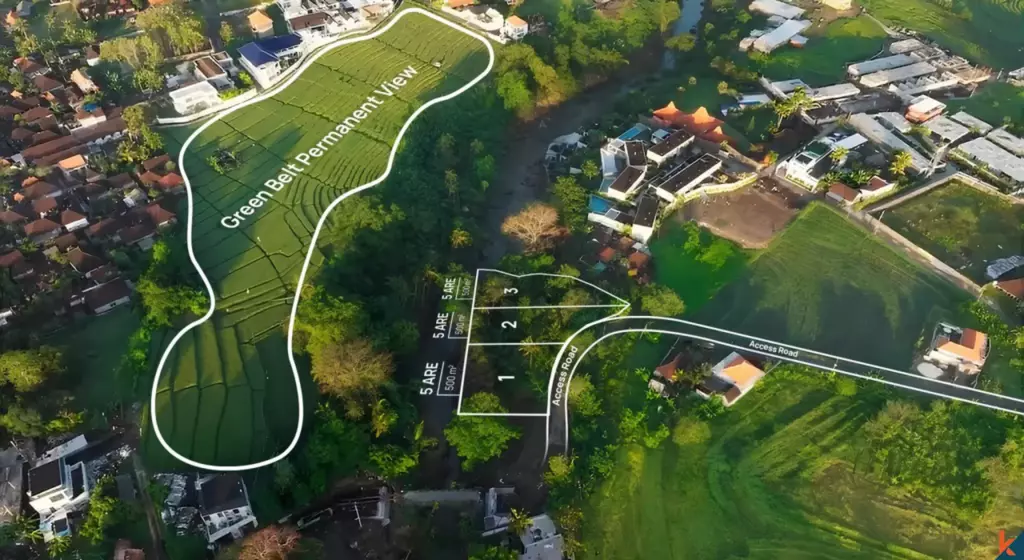 500 m²15 min$ 124692Bali, Kaba Kaba
 2680 m²10 min$ 1732759Bali, Pererenan
 13000 m²1 min$ 920567Bali, Pekutatan
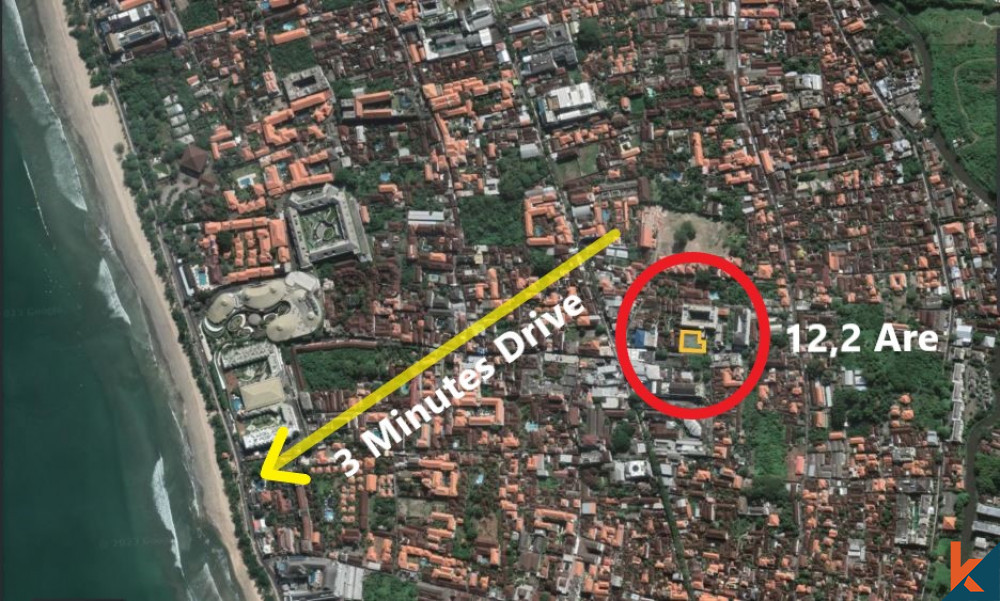 1700 m²10 min$ 632257Bali, Kuta
 7250 m²56 min$ 235714Bali, Tabanan
 515 m²7 min$ 570813Bali, Canggu
 7900 m²25 min$ 413485Bali, Tabanan
 2130 m²10 min$ 495776Bali, Pecatu
 260 m²5 min$ 51872Bali, Kedungu
 204 m²5 min$ 40899Bali, Kedungu
Planning a build in Bali?
Get a feasibility view, budget range and timeline from Teville.
Related guides
Marine-Grade Fixings for Bali Joinery: Corrosion Protocols
Explore marine-grade fixings and corrosion protocols for Bali coast joinery. Learn materials, maintenance tips, and best practices to extend timber durability.
10 min read
Resin-Infused Plaster Finishes: Anti-Salt Systems Bali
Expert technical guide: Resin-Infused Plaster Finishes: Anti-Salt Systems Bali
8 min read
Prefinished Timber Joinery: Silicone Seals Fixings Bali
Professional prefinished timber joinery installation in Bali with silicone seals and fixings for durable weatherproof performance and a premium finish.
10 min read