Epoxy-Grout Flooring Repair: Surface Prep Bonding Bali
Epoxy-Grout Flooring Repair: Surface Prep & Bonding in Bali
Specific Problem/Question
Bali’s tropical climate—high humidity, salt-laden air, and frequent wet–dry cycles—accelerates grout degradation, leading to loose joints, staining, and bond failure around tiles and thresholds. How do we repair epoxy-grout flooring so it reliably adheres to porcelain, natural stone, or concrete substrates and stays durable under villa life, furniture installation, and daily cleaning? This Bali area guide explains, in technical detail, how Teville approaches surface preparation and bonding for epoxy-grout repairs as part of finishing works and renovation Bali projects, ensuring long-lasting performance.
Technical Deep Dive: What Makes Epoxy-Grout Repairs Succeed in Bali
Epoxy-grout systems outperform cementitious grouts for chemical resistance, color stability, and bond strength. Yet, in Bali’s heat and humidity, these benefits only materialize if the substrate is surgically clean, properly profiled, dry within manufacturer tolerance, and primed for mechanical/chemical adhesion. Failures we commonly inspect in Bali villa construction include epoxy debonding from glazed tile shoulders, blistering over damp concrete, and edge-cracking where movement joints were bridged incorrectly.
1) Contaminant Control Is Non-Negotiable
Oils, waxes, skin-care residues, cooking aerosols, silicone sealants, and release agents are ubiquitous in coastal villas. Solvent-wipe degreasing with lacquer thinner or acetone followed by an alkaline detergent wash removes organics that sanding alone can smear deeper. On polished stone, we add an isopropyl alcohol wipe to evaporate residual moisture. This approach aligns with industry best practice: remove contaminants before abrasion so sanding exposes clean, bondable mineral.
2) Manage Moisture in a Humid Climate
Epoxy does not tolerate free moisture or vapor drive. In Bali, we perform at least a surface dryness check and, for concrete or screeds, formal testing:
- ASTM F2170 in-situ RH testing for slabs (target typically ≤75–80% RH for most epoxy systems unless manufacturer allows higher).
- ASTM F1869 MVER (calcium chloride) or ASTM D4263 plastic-sheet check for quick screening.
Bathrooms, pool decks, and ground floors often read above tolerance. In those cases, we specify moisture mitigation: a vapor-reducing epoxy primer or moisture barrier compatible with the selected grout/epoxy system. Without this step, osmotic blistering and whitening are likely.
3) Create a Mechanical Key—Even on Tile
Epoxy adheres best to roughened or micro-profiled surfaces. For non-porous tile shoulders and stone edges, we abrade with 80-grit aluminum-oxide media, scuff the glaze at the joint arris (taking care not to scratch visible faces), and rout the joint to a consistent depth. On concrete repairs or transitions, we target a surface profile of roughly 5–10 mils (125–250 microns) using diamond grinding or shot-blasting—sufficient tooth for primer wet-out and sand broadcast. Acid etching is a last resort; if used, it must be neutralized and fully dried, but mechanical profiling is preferred.
4) Structural and Compatibility Checks
We confirm tiles are well-bonded (no hollow sound), the screed is sound (no friability), and all old mastics or poorly adhered coatings are removed. Epoxy over a weak layer fails cohesively. If the existing coating is a well-adhered epoxy, we degloss/abrade it to a matte finish and solvent-wipe before re-coating.
5) Priming and Sand Broadcast for Bonding
On porous concrete or screed, a low-viscosity epoxy primer improves wet-out and seals pinholes. While some epoxy grouts bond directly to tile edges, a thin primer and fine quartz broadcast (0.4–0.8 mm) where feasible can dramatically improve mechanical interlock at transitions and patches. We remove excess sand and re-vacuum before placement.
6) Mix Discipline in Tropical Heat
Ambient 28–32°C shortens pot life. We store components cool, batch small volumes, and mix strictly by manufacturer ratios (by weight where specified). Over-catalyzing or high-speed whipping introduces heat and air. We pre-condition tools, plan work areas, and stage cleaning water/alcohol for timely final washes. These controls are central to interior finishing Bali quality benchmarks.
7) Tooling, Washes, and Cure Control
After packing epoxy grout into joints, we compact with margin trowels and apply light alcohol- or detergent-aided sponge washes to remove resin film. Excess water is avoided to prevent amine blush. In Bali’s sun, we shade glazed areas to prevent flash cure and keep a stable cure window. Typical light-traffic windows range from 12–24 hours; full cure may need 3–7 days depending on system.
8) Movement Joints Remain Flexible
Never bridge structural or perimeter movement joints with rigid epoxy. We mask these and reinstate them using compatible elastomeric sealants (PU or MS polymer), essential for stress relief under thermal swings, air-conditioning on/off cycles, and furniture installation loads.
Teville integrates these steps within our renovation Bali workflows, coordinating with villa utilities (leaks, condensation lines, bathroom waterproofing) and protecting adjacent finishes and built-ins. See how we stage finishing quality in our Construction Process and explore relevant Portfolio references.
Materials & Standards We Specify
Teville selects materials proven in tropical conditions and aligned with recognized standards:
- Epoxy grouts: 100% solids, non-sag formulations for floors/walls, color-stable for UV-exposed interiors (note: most epoxies are not fully UV-proof; we manage exposure). Suitable for porcelain, ceramic, terrazzo, and many natural stones (pre-test for staining).
- Primers and moisture mitigation: Low-viscosity epoxy primers; vapor-reducing epoxy membranes when RH/MVER exceeds grout tolerance. Profile per ICRI CSP 3–5 where specified.
- Abrasives: 80-grit aluminum-oxide papers, diamond cup wheels for routing and grinding, HEPA dust extraction.
- Aggregates: Silica/quartz 0.4–0.8 mm for broadcast to create a mechanical key at patch interfaces and transitions.
- Sealants: High-performance polyurethane or MS polymer for movement joints; primers as required by manufacturer.
- Testing: ASTM F2170 (RH), ASTM F1869 (MVER), ASTM D4263 (plastic sheet), pull-off adhesion testing where critical (>1.5 MPa typical target for repairs).
We coordinate manufacturer data (e.g., Sika, Mapei, Laticrete, or equivalent) for mix ratios, working time, and cure windows. Product compatibility is verified, and mock-ups confirm aesthetics on sensitive stones. All selections focus on durability, hygiene, and ease of maintenance for Bali villa construction and interior finishing Bali environments.
Step‑by‑Step Process for Epoxy-Grout Flooring Repair
Phase 1: Assessment and Protection
- Survey failure modes: loose grout, cracks, discoloration, efflorescence, hollow tiles, moisture intrusion from bathrooms or villa utilities.
- Mark movement/perimeter joints to remain flexible.
- Protect surroundings: masking at skirtings, cabinetry plinths, door thresholds; install dust barriers and floor protection in circulation paths.
Phase 2: Cleaning and Decontamination
- Dry vacuum joints and adjacent tile faces.
- Solvent-wipe (acetone/lacquer thinner) to lift oils and waxes; follow with alkaline detergent wash. Rinse and allow to flash off.
- For silicone or polish residues, use manufacturer-approved removers; keep off porous stone faces.
Phase 3: Drying and Moisture Testing
- Accelerate drying with fans, gentle heat, or dehumidification. In wet areas, allow extended drying.
- Test slab/screed moisture (ASTM F2170/F1869). If above limits, specify epoxy moisture barrier or wait to dry to tolerance.
Phase 4: Removal and Profiling
- Rout out existing grout to a consistent depth: at least 3–5 mm or 2/3 of tile thickness for deep joints, whichever is practical.
- Abrade tile shoulders and stone edges with 80-grit; diamond-grind concrete patches to ICRI CSP 3–5 (approx. 5–10 mils profile).
- Re-vacuum with HEPA extraction; solvent-wipe dust fines off bonding surfaces.
Phase 5: Priming and Keying
- Apply low-viscosity epoxy primer where specified (porous screed, concrete patches). Avoid pooling.
- Broadcast fine quartz into wet primer for mechanical key; after cure/tack, remove excess sand and vacuum.
Phase 6: Mixing and Placement
- Condition components cool; mix small batches per manufacturer ratio (by weight when indicated). Avoid air entrapment.
- Pack joints firmly with rubber float or margin trowel, working diagonally to joints. Back-butter edges at transitions.
- Strike off excess and compact to eliminate voids.
Phase 7: Tooling, Wash, and Finish
- Initial clean with minimal water and approved detergent or alcohol solution to remove film; change sponges frequently.
- Avoid flooding; check for amine blush and re-wash if necessary per product guidance.
- Detail edges at skirtings, thresholds, and built-in furniture plinths.
Phase 8: Curing, Protection, and Handover
- Respect cure windows: light foot traffic typically after 12–24 hours; delay heavy loads and furniture installation 3–5 days (or per data sheet), longer in shaded cool rooms.
- Reinstate movement joints with elastomeric sealant.
- Provide maintenance guidance: neutral pH cleaners, avoid acids/bleach; monitor wet areas for new leaks.
This method integrates clean-room discipline into finishing works, minimizing call-backs and protecting adjoining finishes. See representative villa scopes in our Villa Projects.
Costs & Timeline in Bali Conditions
Actual costs depend on access, extent, material choice, moisture mitigation, and protection requirements. Typical Bali ranges for planning (materials + labor):
 3127 m²9 month(s)from 177.000 USD
Mukunda
 3173 m²6 month(s)from 125.000 USD
TALA FOUR

Want to calculate?
 3124 m²6 month(s)from 123.000 USD
TALA 8
 3104 m²11 month(s)from 99.000 USD
TALA 100
 172 m²8 month(s)from 120.000 USD
Keshava
 164 m²7 month(s)from 79.000 USD
TALA TWO
 4344 m²16 month(s)from 290.000 USD
Radha
 2144 m²11 month(s)from 104.000 USD
Narayana
 3180 m²7 month(s)from 142.000 USD
Vasudeva
164 m²7 month(s)from 79.000 USDPrivate: Haridas Villas, Tegallalang
 1from 198.000 USD
Private: Haridas Villas
Start With Real Numbers, Not Guesses
Before finalizing your finishing works plan, check realistic cost ranges for your Bali villa project.
Available lands
 3000 m²15 min$ 1246921Bali, Tabanan
 400 m²15 min$ 67192Bali, Tabanan
 2680 m²10 min$ 1732759Bali, Pererenan
 2130 m²10 min$ 495776Bali, Pecatu
 1375 m²10 min$ 447044Bali, Canggu
 3700 m²15 min$ 738177Bali, Tabanan
 7250 m²56 min$ 235714Bali, Tabanan
 700 m²20 min$ 90517Bali, Cepaka
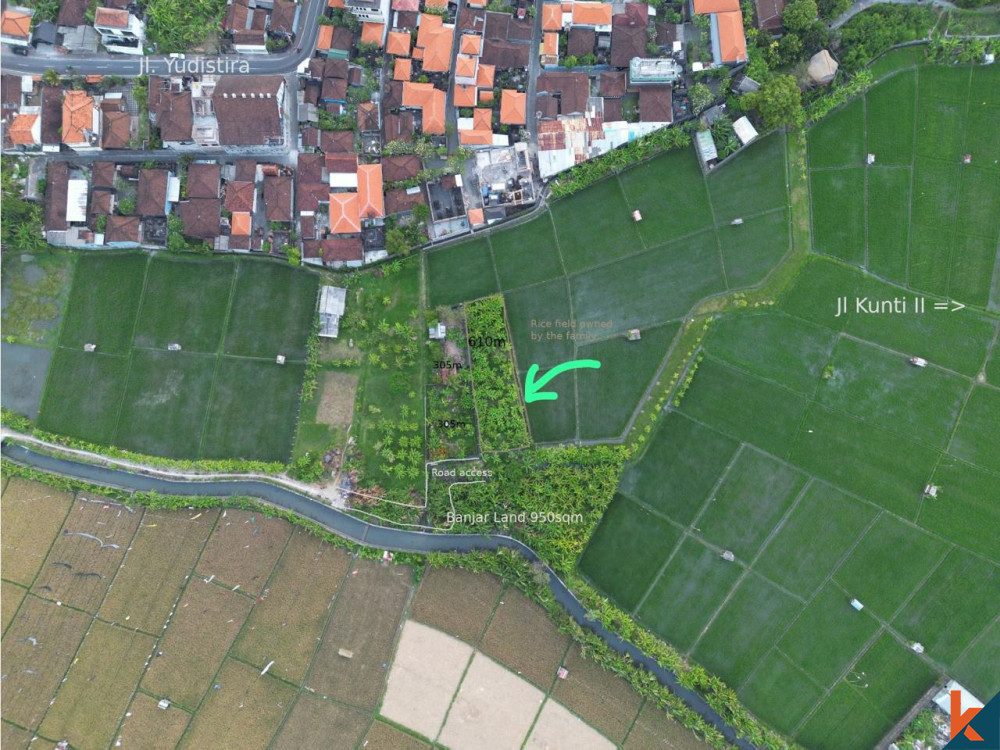 610 m²10 min$ 165271Bali, Seminyak
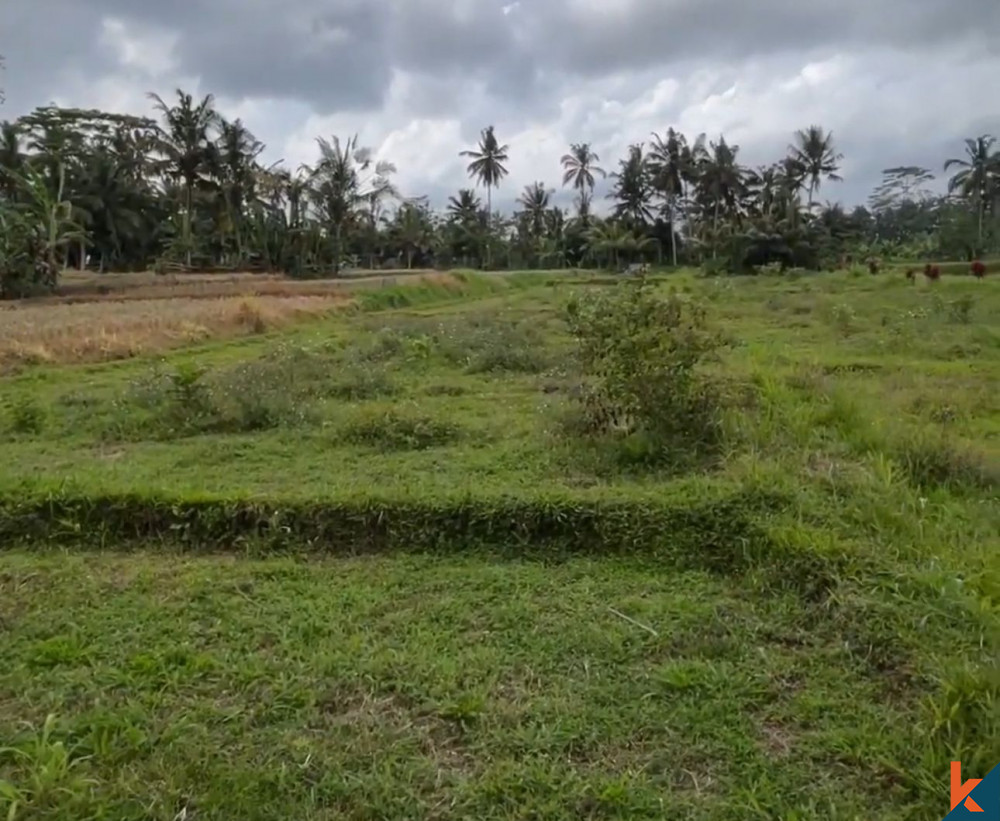 3100 m²15 min$ 257697Bali, Tegallalang
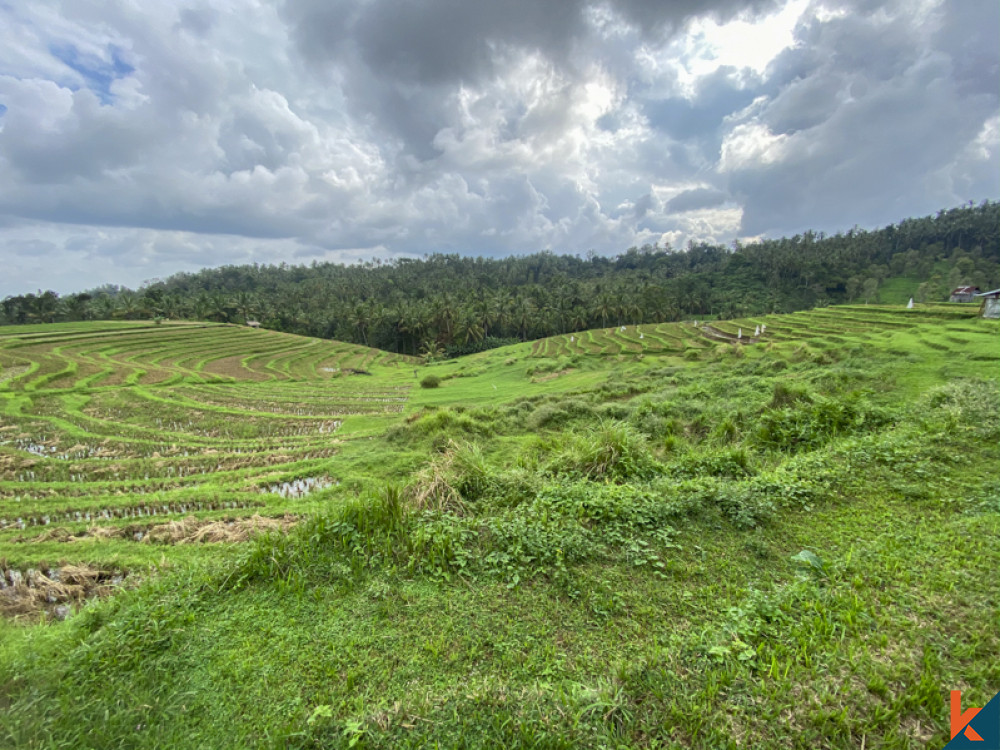 6000 m²30 min$ 55419Bali, Tabanan
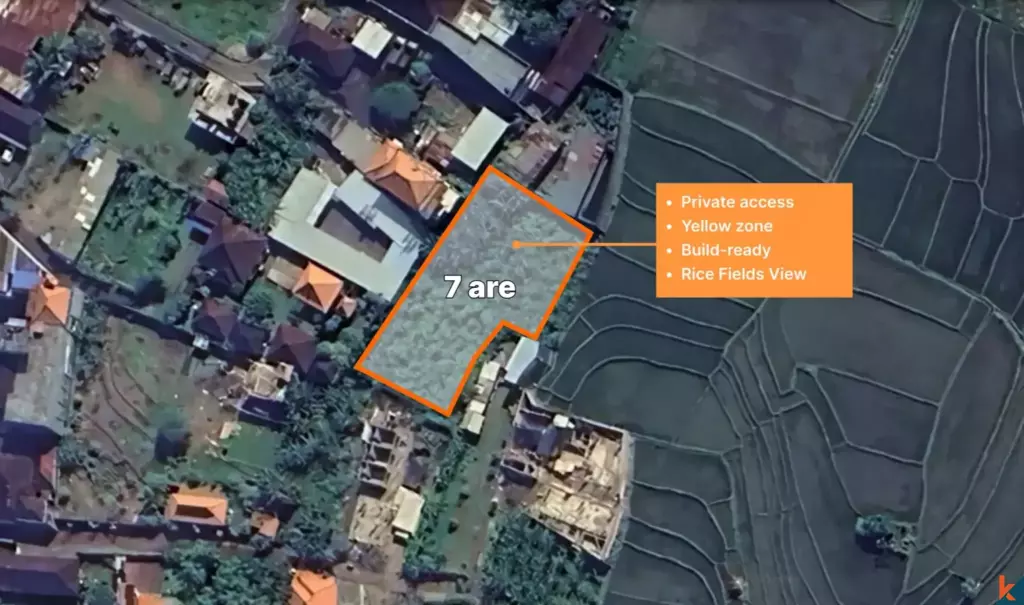 700 m²15 min$ 109052Bali, Buduk
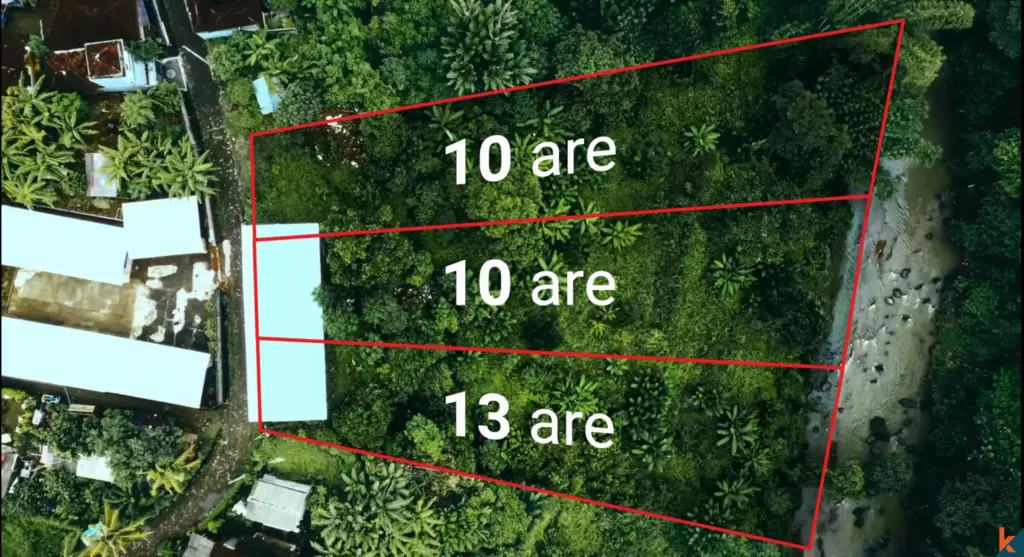 1000 m²10 min$ 303571Bali, Tabanan
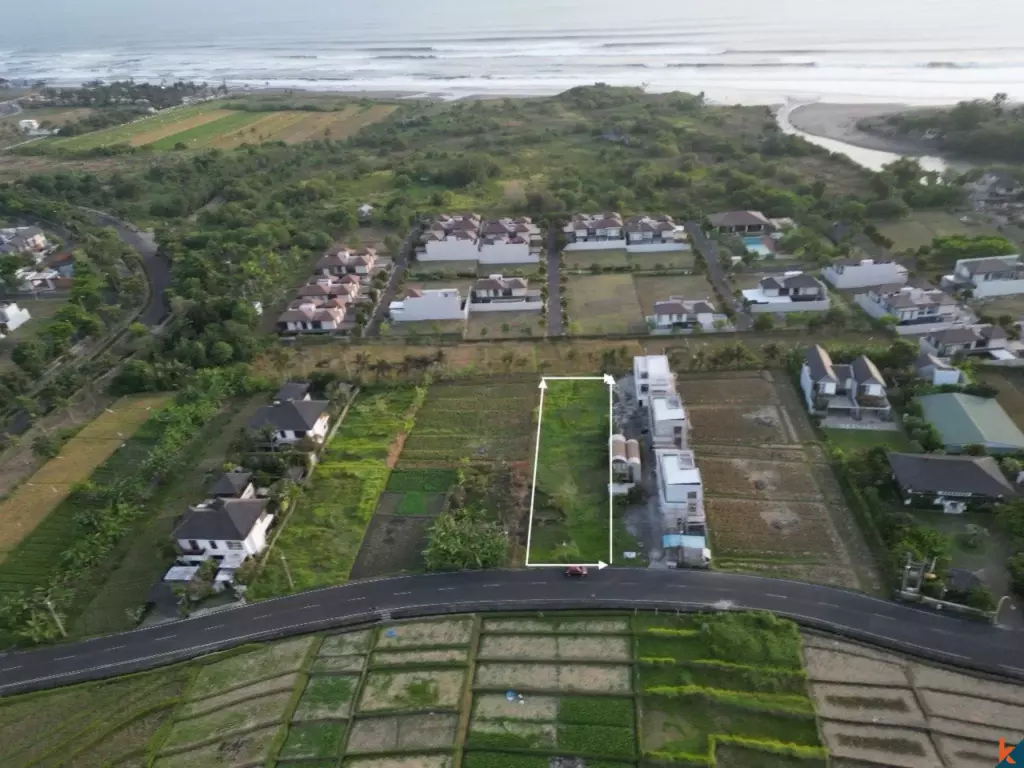 1410 m²15 min$ 390702Bali, Tabanan
 800 m²10 min$ 307882Bali, Tibubeneng
Planning a build in Bali?
Get a feasibility view, budget range and timeline from Teville.
Related guides
Marine-Grade Fixings for Bali Joinery: Corrosion Protocols
Explore marine-grade fixings and corrosion protocols for Bali coast joinery. Learn materials, maintenance tips, and best practices to extend timber durability.
10 min read
Resin-Infused Plaster Finishes: Anti-Salt Systems Bali
Expert technical guide: Resin-Infused Plaster Finishes: Anti-Salt Systems Bali
8 min read
Prefinished Timber Joinery: Silicone Seals Fixings Bali
Professional prefinished timber joinery installation in Bali with silicone seals and fixings for durable weatherproof performance and a premium finish.
10 min read