Resin Bonded Stone Flooring: Prep, Adhesives Sealers Bali
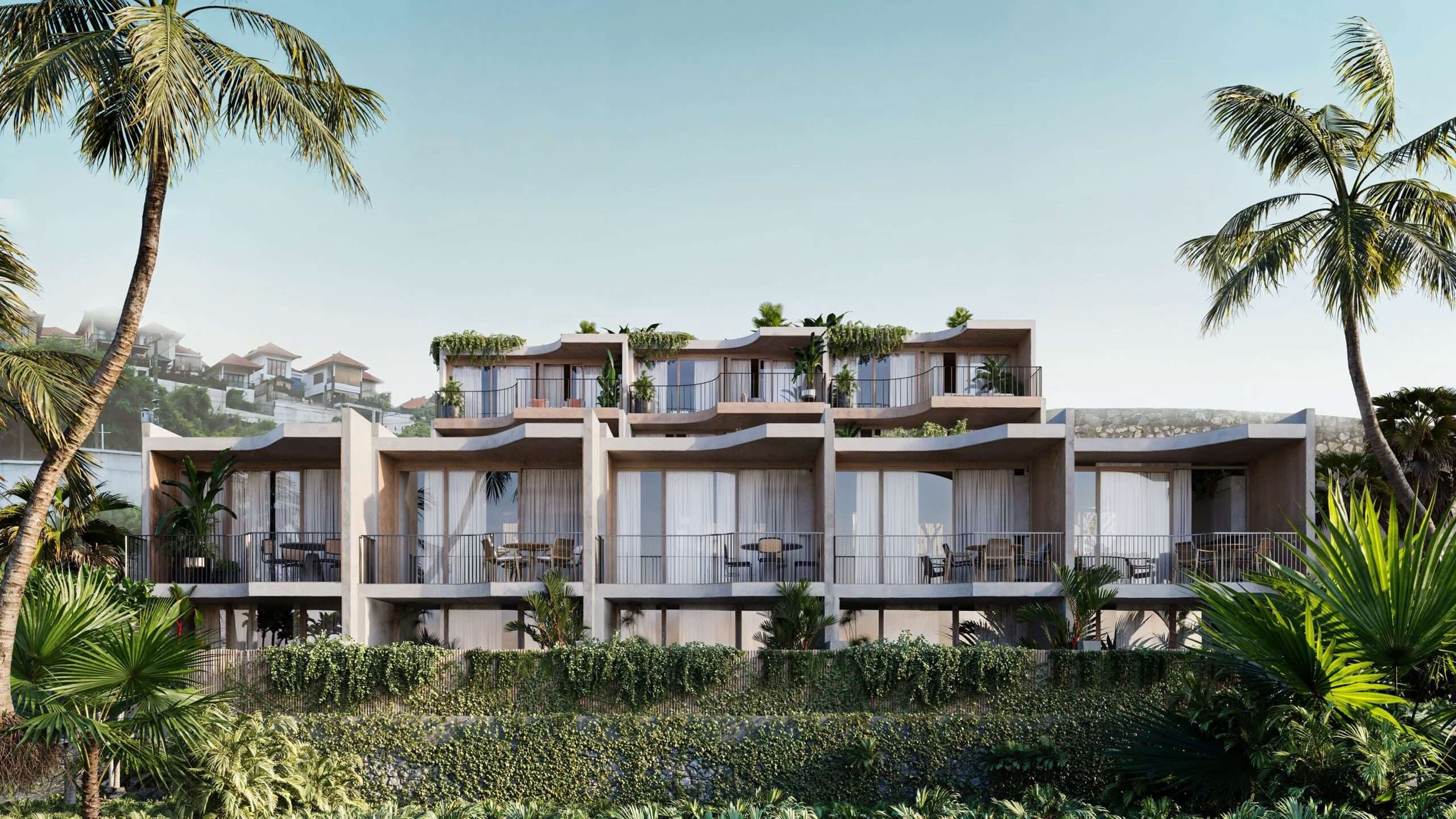
Resin Bonded Stone Flooring: Prep, Adhesives & Sealers in Bali
1) Specific Problem/Question
In Bali’s tropical climate, can a resin bonded stone finish reliably deliver a crisp, slip-resistant, decorative surface on villa paths, terraces, verandas, and entry courts—without premature yellowing, debonding, or algae staining? Owners often see “resin stone” online and expect a quick cosmetic overlay. The reality: success in Bali hinges on meticulous substrate preparation, climate-tuned adhesives, and UV-stable sealing. This Bali area guide explains the exact finishing workflow we use at Teville (PT. The Haridas Villas) to install resin bonded stone flooring that stands up to heat, humidity, salt air, and daily villa use during renovation or new build finishing.
2) Technical Deep Dive: What Makes Resin Bonded Work (or Fail) in Bali
Resin bonded stone is a broadcast system: a tack-coat of high-strength resin is applied to a prepared, primed base, then angular or rounded aggregates are scattered and bonded to the surface. Excess is removed after gel, leaving a textured, non-permeable finish distinct from resin-bound (which mixes stone into the resin to form a permeable layer). For Bali villa construction and renovation Bali contexts, resin bonded is best for light-duty pedestrian zones—paths, courtyards, verandas, feature bands—where slip resistance and decorative stone are priorities. It is generally not recommended for driveways or constant vehicle traffic.
Key climate constraints in Bali:
- High humidity and sudden rainfall: Moisture trapped at the interface is the number one cause of blistering or loss of adhesion. Substrate moisture and dew point checks are mandatory.
- Intense UV and heat: Aromatic binders yellow quickly; select UV-stable (aliphatic) topcoats and aggregates with stable mineral pigments. Elevated temperatures accelerate cure—batch sizes and pot life must be tightly controlled.
- Biological growth: Algae and mold thrive on shaded, damp verandas. Sealers with hydrophobic and anti-algal performance reduce fouling and ease cleaning.
- Salt air near coasts: Salt accelerates surface degradation; choose sealers with good chloride resistance and wash-down-friendly profiles.
Substrate engineering is central. We treat resin bonded as a finish, not a structural layer. Ideal bases are:
- Concrete: C25/30 or better, trowel-finished or lightly broomed, properly cured (28 days typical), with expansion/control joints honored. Pull-off adhesion target ≥1.5 MPa for primers.
- Asphalt/tarmac: Dense binder course, stable and well-compacted. Avoid fresh asphalt outgassing; allow sufficient aging or prime with appropriate systems.
Moisture management: For exterior slabs on grade, vapor drives upward daily. We assess with RH probes or calcium chloride where practical and visually inspect after mechanical prep. If moisture is high, we specify a moisture-tolerant epoxy primer or a vapor mitigation layer compatible with the resin tack-coat.
Adhesive (binder) selection:
- Epoxy tack-coats: Excellent adhesion to concrete, good pot life control. Choose tropical-grade, moisture-tolerant epoxies to resist amine blush and humidity sensitivity.
- Polyurethane (PU): More flexible—useful over asphalt or where thermal movement is expected. Select high-solids, solvent-free systems tuned for hot climates.
- Methyl methacrylate (MMA): Rapid cure for fast return-to-service; requires skilled mixing due to exotherm in Bali’s heat. Strong odor—manage with ventilation and scheduling.
Aggregates: 1–3 mm or 2–5 mm washed, kiln-dried stone. For interior finishing Bali transitions or sheltered verandas, a 1–3 mm blend balances texture and cleanability. Local andesites and river pebbles can be used if they’re properly graded, dried, and tested for staining and compatibility with sealers.
Non-permeability and drainage: Resin bonded surfaces shed water, so slopes matter (1:60 to 1:80 typical). Pair with perimeter drains and avoid ponding; at thresholds, undercut or detail drip edges to prevent backflow into interiors or furniture installation zones.
Sealing strategy: We typically apply a UV-stable aliphatic PU sealer after the broadcast cures to lock fines, reduce algae take-up, and ease cleaning. In shaded gardens or near frangipani, a hydrophobic, anti-stain topcoat is preferred. Re-seal cycles in Bali are usually 18–36 months depending on exposure and maintenance.
Slip resistance: Resin bonded is naturally grippy. For poolside or steep paths we validate with pendulum testing (aim wet PTV ≥55). If a film sealer reduces traction, we broadcast fine anti-slip into the first coat and finish with a clear lock coat.
Renovation overlays: Over sound concrete or even old tiles, resin bonded can deliver a fast facelift if prep is rigorous: deglaze/abrade, repair cracks, install movement joints, and prime for the chosen system. Around villa utilities (inspection covers, drains) we edge-pin and detail neat, removable frames so maintenance access remains clean and flush.
Teville’s role is to choreograph these parameters—substrate, adhesives, aggregates, sealing, and climate timing—so the finish remains beautiful and durable. See our build approach: How We Build and browse Portfolio for finishing benchmarks.
3) Materials & Standards
Substrates
- Concrete: C25/30+, w/c ≤0.5 recommended, broom or power-trowel finish, minimum 75 mm thickness for exterior slabs, joints at 24–36x slab thickness spacing. Moisture checks before coating.
- Asphalt: Dense binder course, ≥40 mm thick, well-compacted. Avoid soft, open-graded wearing courses beneath resin bonded finishes.
Primers and Adhesives
- Moisture-tolerant epoxy primer with pull-off adhesion ≥1.5 MPa on prepared concrete (ASTM D7234 or equivalent).
- PU or MMA tack-coat with manufacturer-specified spread rates; aliphatic systems when used as clear sealers to resist UV yellowing.
Aggregates
- 1–3 mm or 2–5 mm kiln-dried, clean, low-dust content. Bali-sourced andesite/river stone acceptable after washing/drying and stain testing.
Sealers
- Aliphatic polyurethane (clear), UV-stable, abrasion-resistant; optional hydrophobic nano-modified sealer for high shade/biogrowth zones.
Application Conditions
- Ambient: 18–32°C preferred; substrate temp at least 3°C above dew point; RH ≤85% during application and early cure.
- Rain-safe planning: shelters and weather watches during monsoon periods.
Where local codes are silent, we align to established best practice for resin surfacing (e.g., adhesive pull-off per ASTM D7234, slip resistance via pendulum testing). Teville documents mix ratios, batch times, and site RH/T logs in project QA packs. Explore our delivery standards in Villa Projects.
4) Step-by-Step Process (Teville Method)
1. Survey and testing: Map slopes, water paths, and edge terminations. Perform moisture readings, pull-off tests on suspect areas, and note utilities, thresholds, and furniture installation zones to protect.
2. Protection and containment: Mask adjacent finishes, doors, and drains. Erect temporary covers to control rain, overspray, and aggregate scatter—essential during Bali’s wet season.
3. Mechanical preparation: Diamond grind concrete to CSP 2–3, remove laitance and contaminants. HEPA vacuum thoroughly. For tiles, abrade glazing until uniformly dull; address hollow tiles or debonded screed.
4. Repairs and movement control: Route-and-fill cracks with epoxy or flexible PU depending on movement. Honor control joints; install termination beads at edges and transitions into interior finishing Bali areas.
5. Moisture mitigation (if needed): Apply moisture-tolerant epoxy primer or vapor barrier per manufacturer’s rates. Verify cure before proceeding.
6. Priming: Roll/brush primer to achieve continuous film; broadcast fine sand to refusal if specified for mechanical key. Record batch numbers and ambient conditions.
7. Tack-coat mixing: In shaded staging, pre-condition resin parts (cool packs if required). Mix small, repeatable batches to suit pot life at site temperature. Avoid aeration.
8. Tack-coat application: Squeegee and back-roll to target spread rate, ensuring even wet film thickness. Maintain wet edge for consistent broadcast capture.
9. Aggregate broadcast: Within open time, broadcast kiln-dried aggregate to refusal from multiple directions for even coverage. Use calibrated buckets for consistent kg/m².
10. Initial cure: Allow to gel and harden (epoxy: 4–12 h; PU: 3–8 h; MMA: 1–2 h depending on Bali temperatures). Protect from rain and foot traffic.
11. De-flake and recover: Sweep and vacuum loose aggregate for reuse after sieving/drying. Inspect for bald patches; spot-treat if required.
12. Sealing: Apply UV-stable aliphatic PU or hydrophobic clear sealer. For slippery zones, broadcast fine anti-slip into wet first coat; lock with a second coat if specified.
13. Detailing and reinstatement: Trim edges, clean adjoining finishes, re-seat drain grates. Where villa utilities or access hatches exist, ensure clean, removable frames and neat margins.
14. Cure and handover: Light foot traffic typically 12–24 h (MMA can be faster). Full cure 3–7 days. Provide cleaning and maintenance guide (neutral pH washdowns, no aggressive acids), and schedule re-seal cadence.
Our step sequencing is tuned to reduce rework in live villas—critical during renovation Bali projects where neighboring trades and guests may be nearby. See our process detail at How We Build.
5) Costs & Timeline (Indicative for Bali)
- Base preparation: IDR 120,000–300,000 per m² (grinding, crack repairs, moisture mitigation where required).
- Resin bonded system (tack-coat + aggregate + sealer): IDR 600,000–1,200,000 per m² depending on resin chemistry (epoxy/PU/MMA), aggregate type, and sealer specification.
- Complex detailing: IDR 80,000–200,000 per linear meter for terminations, jointing, and utility frames.
Timeline: A typical 80–150 m² villa terrace/path package runs 3–5 working days including prep, weather buffers, and sealing. Cure-to-use varies by binder: MMA 2–6 hours foot traffic, epoxy/PU 12–24 hours; full cure up to 7 days. During monsoon periods, add contingency for rain holds and humidity windows. For precise budgeting aligned to your site, use our calculator: Cost Estimation.
Note: Costs exclude substrate reconstruction, drainage upgrades, or structural works. We avoid quoting returns or financial outcomes; our focus is build quality, longevity, and appearance under Bali conditions.
6) FAQ Block
No. Resin bonded broadcasts stone onto a tack-coat and is generally non-permeable with a textured finish. Resin bound mixes stone within resin to create a thicker, permeable layer. For Bali walkways and decorative bands, resin bonded excels; for permeable driveways, resin bound is considered, but both require climate-specific detailing.
Often yes—if tiles are sound. We abrade the glaze, treat movement joints, and prime with compatible epoxies. Hollow or debonded areas must be rectified before installation.
Properly installed resin bonded achieves excellent wet slip resistance. We verify with pendulum tests and can add fine anti-slip into the sealer for pool adjacencies or steep ramps.
Light aggregates reflect more heat than dark. Sealer sheen also affects feel. We can mock-up sample patches so you can test barefoot comfort at midday Bali sun.
Routine: low-pressure rinse and neutral pH detergent. For algae, use a bio-cleaner compatible with the sealer. Avoid strong acids/bleach that can dull sealers or stone.
Typically every 18–36 months, sooner for coastal, shaded, or high-traffic zones. Re-sealing preserves color, limits algae take-up, and maintains ease of cleaning.
Yes. Use wide feet or PTFE glides to avoid point loads and scuffing. For furniture installation planning, we’ll coordinate floor protection and post-cure move-in.
We design 1:60–1:80 falls and match to slot drains or perimeter channels. Ponding is addressed at the substrate level, not with thicker resin.
Base epoxies may amber slightly; we mitigate with UV-stable aliphatic topcoats and UV-resistant aggregates. Proper sealer selection is critical in Bali sun.
Localized repairs are feasible by re-priming and re-broadcasting, then blending with a light resurface sealer. Aggregate matching is key to a discreet patch.
We generally do not recommend resin bonded for vehicle traffic. For light-vehicle driveways, other systems or resin bound over engineered bases may be evaluated case by case.
We control prep (CSP profile, moisture), climate timing (dew point, RH logs), mix ratios, batch sizes, and slip/seal validation. Review our methodology at How We Build and o
 164 m²7 month(s)from 79.000 USD
Private: Haridas Villas, Tegallalang
 3180 m²7 month(s)from 142.000 USD
Vasudeva
 3127 m²9 month(s)from 177.000 USD
Mukunda
 172 m²8 month(s)from 120.000 USD
Keshava
 3173 m²6 month(s)from 125.000 USD
TALA FOUR
 1from 198.000 USD
Private: Haridas Villas

Want to calculate?
164 m²7 month(s)from 79.000 USDTALA TWO
 2144 m²11 month(s)from 104.000 USD
Narayana
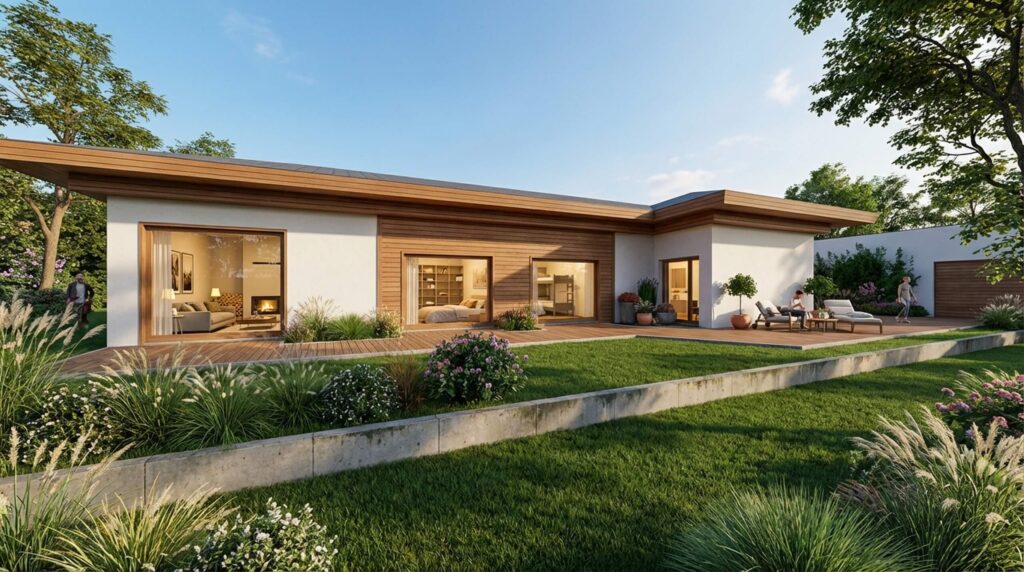 3104 m²11 month(s)from 99.000 USD
TALA 100
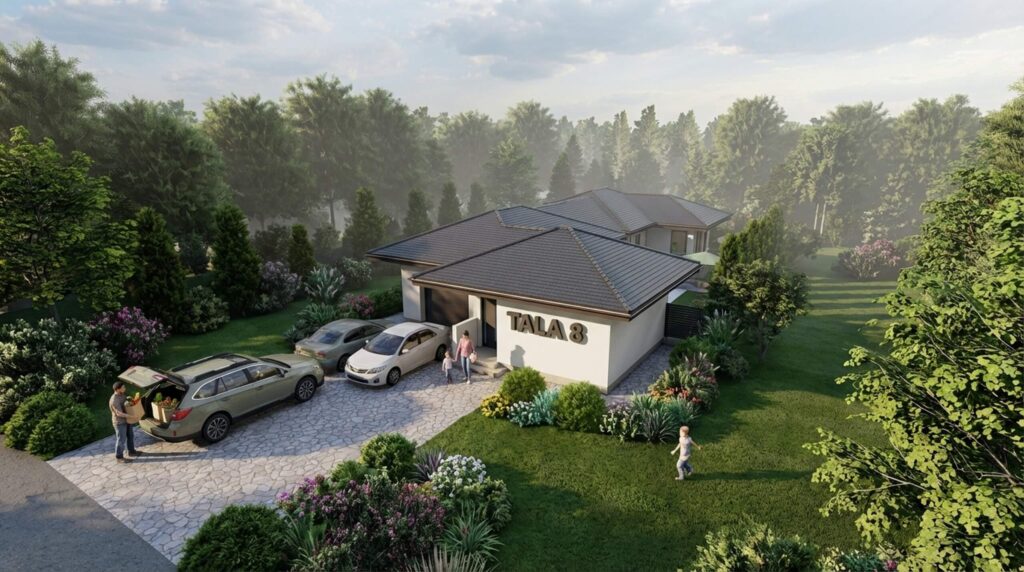 3124 m²6 month(s)from 123.000 USD
TALA 8
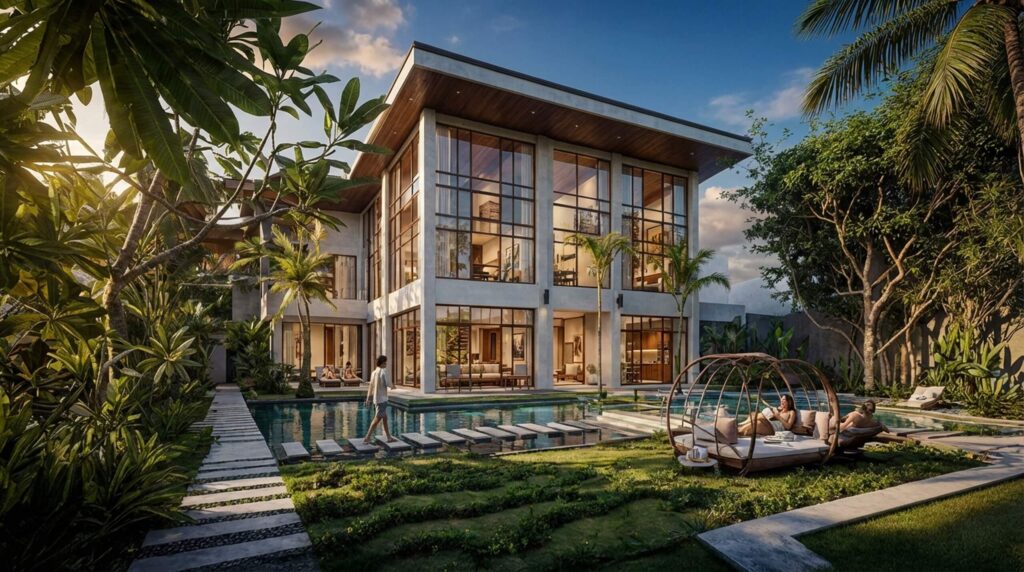 4344 m²16 month(s)from 290.000 USD
Radha
Start With Real Numbers, Not Guesses
Before finalizing your finishing works plan, check realistic cost ranges for your Bali villa project.
Available lands
 2500 m²5 min$ 609606Bali, Kedungu
 5000 m²8 min$ 424877Bali, Ungasan
 250 m²15 min$ 40025Bali, Munggu
 7000 m²36 min$ 284483Bali, Gianyar
 500 m²2 min$ 175862Bali, Cemagi
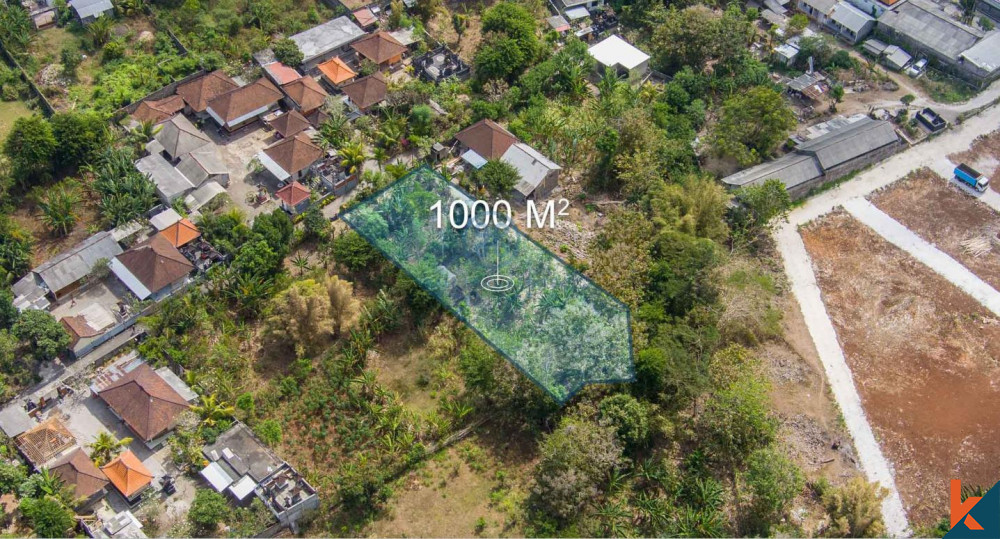 1000 m²8 min$ 134544Bali, Bukit
 1000 m²10 min$ 184729Bali, Kutuh South Bali
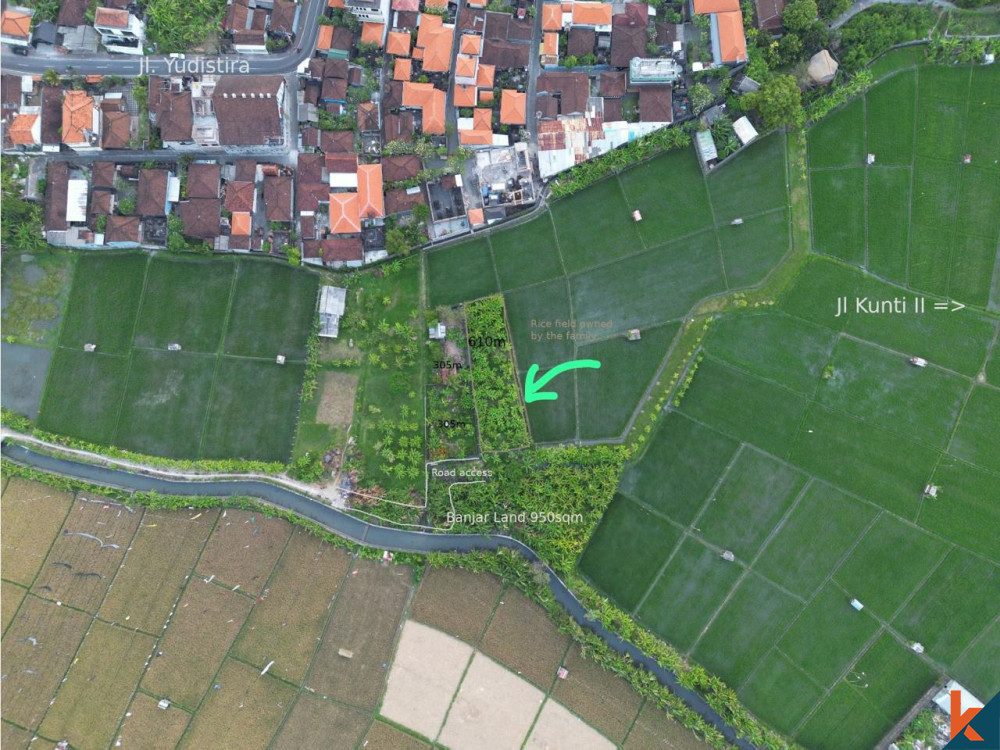 610 m²10 min$ 165271Bali, Seminyak
 1000 m²10 min$ 123154Bali, Jimbaran
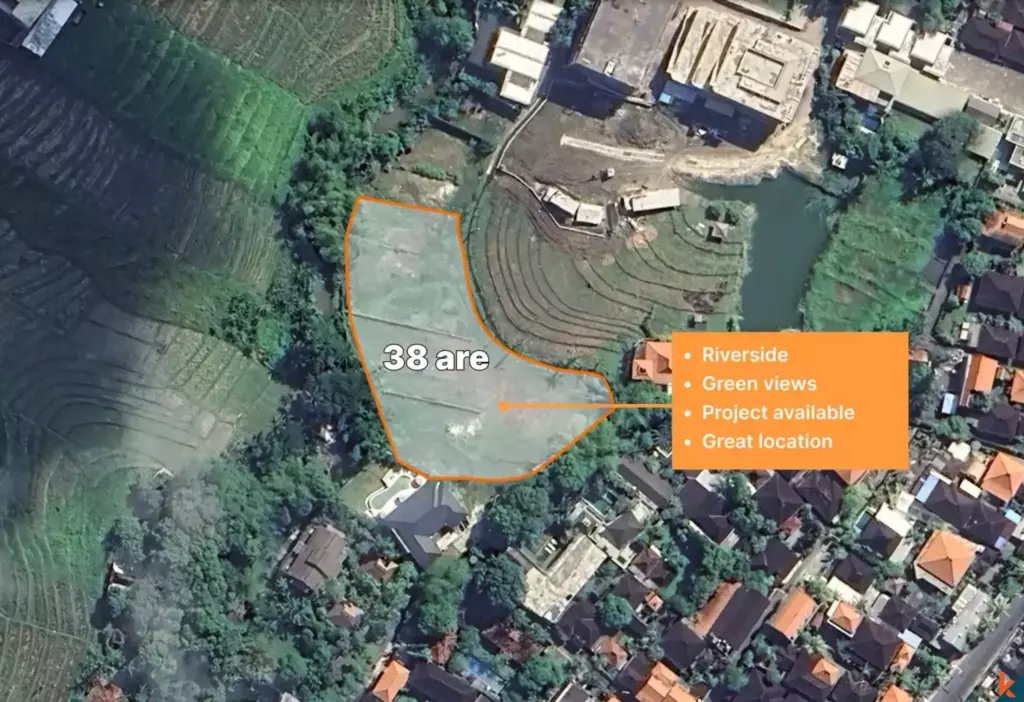 3800 m²15 min$ 100616Bali, Pererenan
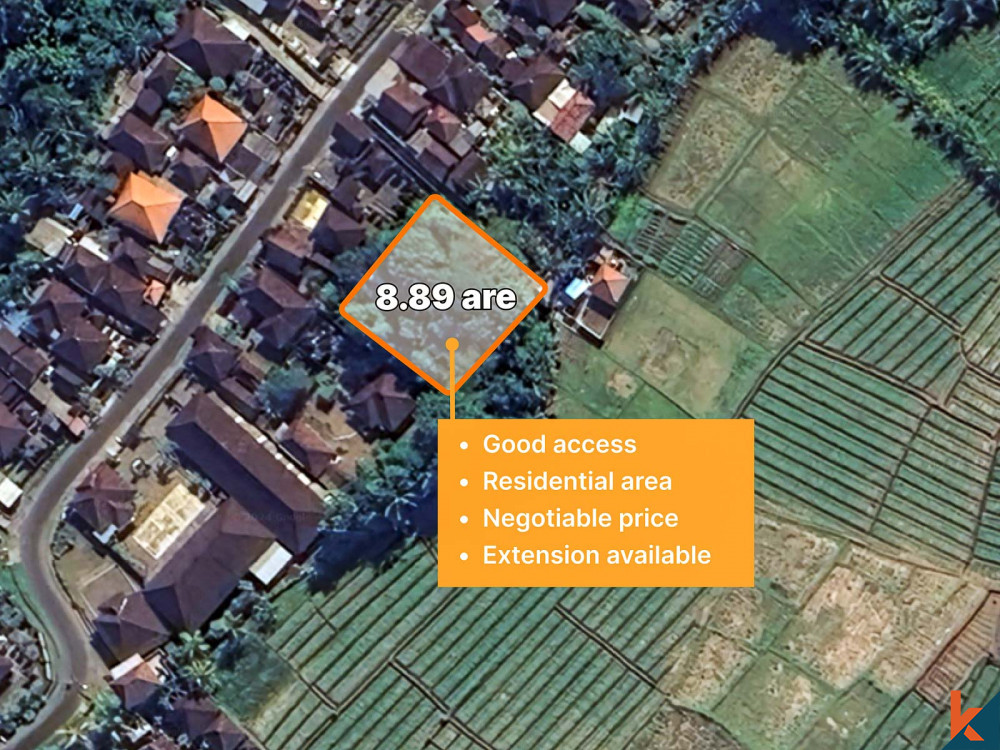 889 m²15 min$ 145612Bali, Cepaka
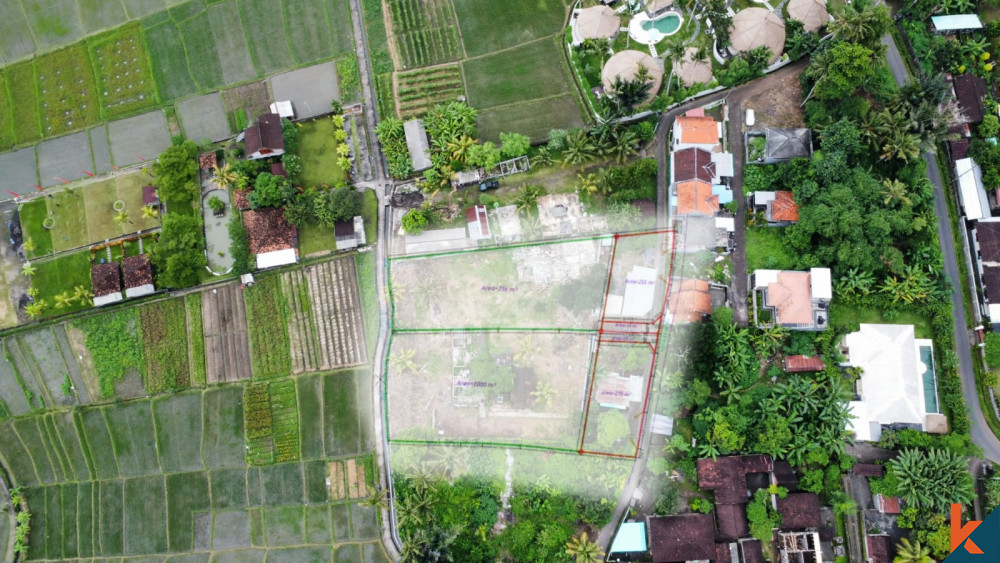 3100 m²20 min$ 272968Bali, Tabanan
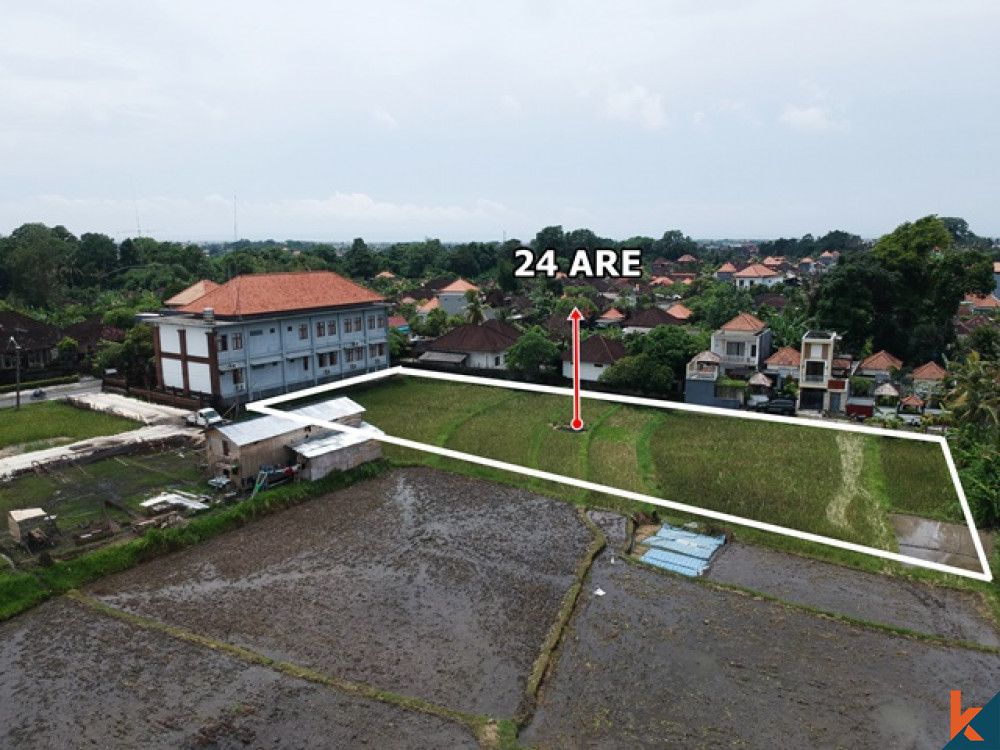 2400 m²7 min$ 496552Bali, Canggu
 1700 m²10 min$ 632257Bali, Kuta
 200 m²11 min$ 89286Bali, Tabanan
Planning a build in Bali?
Get a feasibility view, budget range and timeline from Teville.
Related guides
Marine-Grade Fixings for Bali Joinery: Corrosion Protocols
Explore marine-grade fixings and corrosion protocols for Bali coast joinery. Learn materials, maintenance tips, and best practices to extend timber durability.
10 min read
Resin-Infused Plaster Finishes: Anti-Salt Systems Bali
Expert technical guide: Resin-Infused Plaster Finishes: Anti-Salt Systems Bali
8 min read
Prefinished Timber Joinery: Silicone Seals Fixings Bali
Professional prefinished timber joinery installation in Bali with silicone seals and fixings for durable weatherproof performance and a premium finish.
10 min read