Integrated AV Conduit Routing Flush Plate Detailing Bali
Integrated AV Conduit Routing & Flush Plate Detailing Bali
1) Specific Problem/Question
How do you integrate AV conduits and achieve truly flush plates in a Bali villa without cracking plaster, visible cable clutter, or corrosion after the first monsoon? In renovation Bali projects and new Bali villa construction, the challenge is to deliver invisible AV infrastructure within masonry walls, stone floors, and custom furniture installation while respecting tropical humidity, salty air, and frequent power fluctuations. This Bali area guide explains Teville’s finishing-first approach to clean, durable AV conduit routing and flush plate detailing that looks seamless and performs reliably.
2) Technical Deep Dive — Installation and Finishing Specifics
In Bali’s coastal environment, the detailing of AV infrastructure is not just about hiding wires; it’s a durability and maintenance strategy. Teville’s method aligns routing geometry, material specification, and finish tolerances from the outset so you can service, upgrade, and clean without rework.
Wall types drive conduit strategy. Most villas use AAC block (bata ringan) or brick with cement render. We chase walls with controlled depth (typically 25–35 mm for low-voltage runs, 40–50 mm for mixed or larger bundles) and employ uPVC/LSZH conduits sized to cable bend radii: 20 mm for CAT6, 25–32 mm for multiple datapoints, and 32–40 mm for HDMI/fiber with long-radius sweeps to avoid kinks. For concrete walls or where structure must be preserved, we move routes to ceilings, skirtings, or furniture, using either concealed shadow-gap channels or low-profile raceways. Floor runs across open areas in finished spaces can leverage modular systems; for example, floor raceways like the Smart-Way Floor Raceway provide shallow, configurable pathways with centering guides for precise installation, enabling later reconfiguration without breaking finishes (FSR Inc.).
Flush plate detailing is a finishing discipline. We coordinate back-box set-out to the final finish stack-up: plaster thickness, tile or stone thickness, timber cladding, and any skim/paint layers. For genuine flushness, we use plaster-in frames or routered timber pockets and ensure faceplate planes are 0.5–1.0 mm proud pre-sanding, then brought dead flush during final finishing. Where outlets sit in skirtings or cabinetry, reusable templates help mill accurate openings that align gaskets and screw bosses; systems like Flushtek templates demonstrate how consistent, repeatable cutouts reduce edge chipping and misalignment in baseboards and built-ins.
Humidity and salt require gasketing and corrosion-aware fasteners. In semi-outdoor pavilions and beach-facing rooms, we prefer 316 stainless screws and treated fasteners, plus silicone or EPDM gaskets behind plates to deter moisture and insects. In air-conditioned interiors, 304 stainless or zinc-nickel-coated screws suffice if protected by the plate; we seal the conduit ends with bungs to prevent moist air pumping into boxes. Low-voltage terminations (RJ45, speaker posts, fiber keystones) are isolated from mains to PUIL (Indonesian electrical installation rules) principles, with box separators or minimum clearances.
Furniture integration is a powerful alternative to heavy masonry work during renovation. We often route AV through joinery: TV wall panels, headboards, benches, and kitchen islands. Raceways or cord covers can be concealed under toekicks and behind panels; low-profile options from suppliers like Legrand keep cabling accessible while preserving clean lines. Inside joinery, we decouple outlets from moving timber panels with slotted mounting brackets and flexible conduits to accommodate seasonal movement, and we ventilate AV shelves to protect amplifiers from heat and humidity.
Routing geometry must serve serviceability. Every concealed run includes pull strings and accessible junction points outside wet areas. We normalize bend radii (≥4x cable diameter) and limit cumulative 90° turns to two per pull; if more are needed, we insert a pull box. HDMI runs are either in 32 mm conduits with long sweeps or converted to active/fiber HDMI modules to avoid future incompatibility. For multi-zone audio, we star-route speakers to the rack, avoiding series wiring that complicates future upgrades.
Ceiling details matter in Bali’s exposed timber and gypsum contexts. In timber ceilings, we drill through purlins sparingly (non-structural zones) and strap conduits along rafters with stainless clips, keeping a 20 mm clearance from hot lighting drivers. In gypsum ceilings, we run flexible LSZH conduits above the board, drop to plaster-in plates for in-ceiling speakers and projectors, and provide safety wires for heavy fixtures. All penetrations between conditioned and unconditioned zones get foam or putty firestop equivalents where code requires, plus insect mesh where appropriate.
Finishing sequence is coordinated with our construction process. Boxes and conduits are installed, tested, and photographed before closing up. Plasterers float to the frames, carpenters rout plate pockets, then painters achieve final flush. Only after floors are protected do we pull cables and terminate—never before wet trades are finished. Final plates and modules are installed at handover to avoid corrosion and paint contamination.
3) Materials & Standards
Material specificity underpins longevity in Bali’s climate:
- Conduits: uPVC or LSZH conduits with solvent-weld fittings; 20–40 mm diameters depending on bundle size. Long-radius elbows preferred to protect HDMI/fiber.
- Cables: CAT6A (solid copper) for network/PoE and control; OFNP/LSZH fiber for backbone or long HDMI-over-fiber runs; oxygen-free copper for speakers (2.5–4.0 mm² depending on length/power).
- Back boxes: Galvanized or polymer boxes with separators for LV/MV segregation; adjustable-depth frames for flush alignment with stone or timber.
- Plates and modules: Modular systems with replaceable keystones; anodized aluminum, powder-coated steel, or high-grade polymers with UV and salt resistance. Gasketed plates for semi-outdoor zones.
- Fasteners: 316 stainless near coast/semi-outdoor; 304 or coated fasteners for interior zones.
- Sealants and gaskets: Neutral-cure silicone or EPDM to resist UV and salt; fine mesh to deter insects at open conduits.
- Raceways: Low-profile aluminum or polymer floor raceways for renovations (e.g., Smart-Way), and cord covers for furniture/retrofitting (Legrand).
Standards and best practices we align with:
- PUIL (Peraturan Umum Instalasi Listrik) for Indonesian electrical installations and segregation of low/high voltage.
- IEC principles for electrical installations and earthing; TIA/EIA guidance for structured cabling (CAT6A, pathways, bend radius).
- UL/IEC-tested firestop products where assemblies require rated penetrations.
- Equipment manufacturer clearances for amplifiers, Wi‑Fi APs, and lighting drivers to manage heat in humid conditions.
Finish alignment tolerances: plate-to-surface flushness within ±0.5 mm in dry areas and ±1.0 mm in wet/semi-outdoor areas; horizontal alignment across banks within ±1.0 mm. For stone or dense timber, we machine pockets with sharp carbide tooling to prevent tear-out, sealing cut edges to reduce moisture ingress. In kitchens and pool pavilions, we prefer IP44+ outlets and gasketed plates even if sheltered.
4) Step-by-Step Process
This is the single process Teville follows to integrate AV conduit routing and flush plate detailing in Bali villas and renovations:
- 1. Discovery & Zoning — We audit spaces (living, cinema, bedrooms, pavilions) and define AV endpoints: displays, speakers, WAPs, control panels, subwoofers, blinds. We establish equipment rack location and cable home runs, respecting acoustic and heat zones.
- 2. Coordination with ID/MEP — We overlay AV routes on architectural, MEP, and furniture drawings, preserving structure and slab post-tension zones. We agree on finish stack-ups (plaster/tile/timber) and set-out heights with the interior designer.
- 3. Pathway Engineering — We size conduits by cable family and future capacity: one spare conduit per major drop. We limit bends, add pull boxes where required, and specify materials by environment class (coastal/semi-outdoor/AC interior).
- 4. Mock-ups — We build a wall and joinery mock-up to verify flushness, gap tolerances, and paint/stone edge finishing. For cabinetry, we trial template-based cutouts (e.g., methods akin to Flushtek) to confirm repeatable accuracy.
- 5. Rough-In — We chase walls, set conduits, and fix back boxes with laser alignment. Conduit mouths are protected with caps. Photographic as-builts are recorded before plastering.
- 6. Raceways & Renovation Options — Where chasing is impractical (heritage concrete, finished slabs), we install low-profile floor raceways for cross-room runs and discrete cord covers under furniture to maintain a clean aesthetic without demolition.
- 7. Finishing Interface — Plasterers float to frame level; tilers and carpenters route perfect pockets to agreed offsets. We maintain a tolerance ledger per room for consistent socket alignment.
- 8. Cable Pull & Testing — After dusty works end, we pull cables with lubricant, verify continuity and wiremap for CAT6A, test speaker polarity and loop resistance, and label both ends.
- 9. Termination & Plate Installation — Keystones are terminated to manufacturer spec; speaker plates, HDMI modules, and power sockets are installed. Gaskets are applied where specified. Plates are torqued evenly to sit perfectly flush.
- 10. Commissioning — We power and test all endpoints (network throughput, HDMI signal integrity, audio noise floor). We adjust WAP locations if RSSI is suboptimal and verify control keypads function across scenes.
- 11. Handover Package — As-builts, test results, cable schedules, photos, and a maintenance guide are delivered via our project portfolio documentation standard. We brief housekeeping on plate cleaning and insect-prevention practices.
- 12. Post-Occupancy Tuning — After furniture installation and drapery, we return to fine-tune acoustics and relocate soft-mounted WAPs if furnishings have altered coverage.
For renovation Bali scenarios, we emphasize non-destructive routing: leverage existing chases, use surface raceways color-matched to skirtings, and integrate outlets in new joinery rather than hacking finished walls. For island counters and desks, we conceal pop-up modules within solid surfaces or grommets at the rear apron, feeding them via flexible conduits to allow removal for service.
5) Costs & Timeline
Budgets vary by villa size, finish complexity, and the degree of retrofitting versus new build. Typical guidance for integrated AV routing and flush plate detailing:
- Design & Coordination — 1–2 weeks for surveys, AV point schedules, and coordinated shop drawings, depending on villa scale and the number of stakeholders.
- Rough-In & Raceways — 1–3 weeks for a standard 3–5 bedroom villa; longer if floor raceway retrofits are extensive or structural limitations require rerouting.
- Finishing Interface — Runs concurrently with plaster, tile, and carpentry works; allow 1–2 weeks of intermittent attendance to set frames and verify tolerances.
- Cable Pull, Termination & Commissioning — 3–7 days depending on the number of drops and complexity (cinema rooms and distributed audio add time).
Cost drivers include the number of AV points, specialty plates (plaster-in, anodized, gasketed), raceway selection, and climate-rated materials (316 stainless, LSZH). Integrating within joinery can reduce wall chasing costs but adds millwork coordination. For an indicative envelope: simple living room upgrades with concealed conduits and flush plates may sit at a modest tier; a whole-villa integrated solution with multi-room audio, network, and cinema provisions moves into a higher tier. For a custom estimate aligned to your finishes and villa utilities plan, use our cost estimation form.
We avoid compressing schedules during wet season; humidity slows plaster drying and raises corrosion risk for early-installed hardware. Teville sequences terminations late to protect finishes, a decision that favors durability over speed.
6) FAQ
A: Yes. We set adjustable frames before stone, rout pockets with templates, and use color-matched filler to create a micro-reveal or dead-flush finish within ±0.5–1.0 mm. Early coordination with the stonemason is essential.
A: We either upsize conduit to 32–40 mm with long-radius sweeps for active cables or use HDMI-over-fiber with keystone modules, preserving upgrade paths without rework.
A: We segregate by PUIL practice using separate boxes or certified partitions. This prevents interference and meets safety expectations.
A: 316 stainless fasteners, anodized or powder-coated plates, EPDM/neutral-cure gasket sealing, and timing final installation after wet trades. We also cap conduits to stop salt-laden air cycling into boxes.
A: Low-profile floor raceways and color-m
 4344 m²16 month(s)from 290.000 USD
Radha
 2144 m²11 month(s)from 104.000 USD
Narayana
 1from 198.000 USD
Private: Haridas Villas
 172 m²8 month(s)from 120.000 USD
Keshava
 3173 m²6 month(s)from 125.000 USD
TALA FOUR
 3124 m²6 month(s)from 123.000 USD
TALA 8
 3127 m²9 month(s)from 177.000 USD
Mukunda

Want to calculate?
 164 m²7 month(s)from 79.000 USD
TALA TWO
 3104 m²11 month(s)from 99.000 USD
TALA 100
 3180 m²7 month(s)from 142.000 USD
Vasudeva
164 m²7 month(s)from 79.000 USDPrivate: Haridas Villas, Tegallalang
Start With Real Numbers, Not Guesses
Before finalizing your finishing works plan, check realistic cost ranges for your Bali villa project.
Available lands
 2700 m²30 min$ 314224Bali, Sidemen
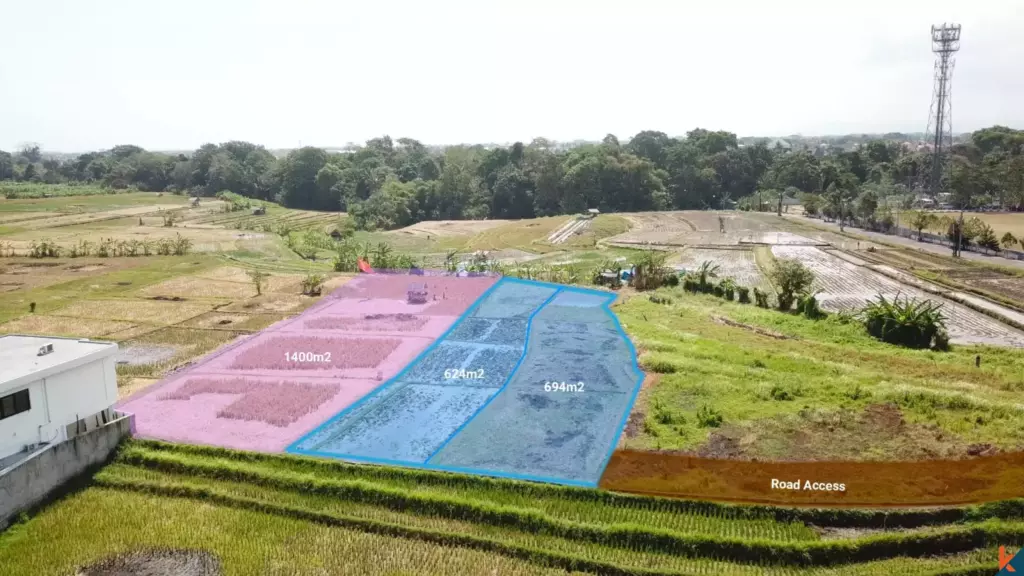 1362 m²15 min$ 335468Bali, Tumbak
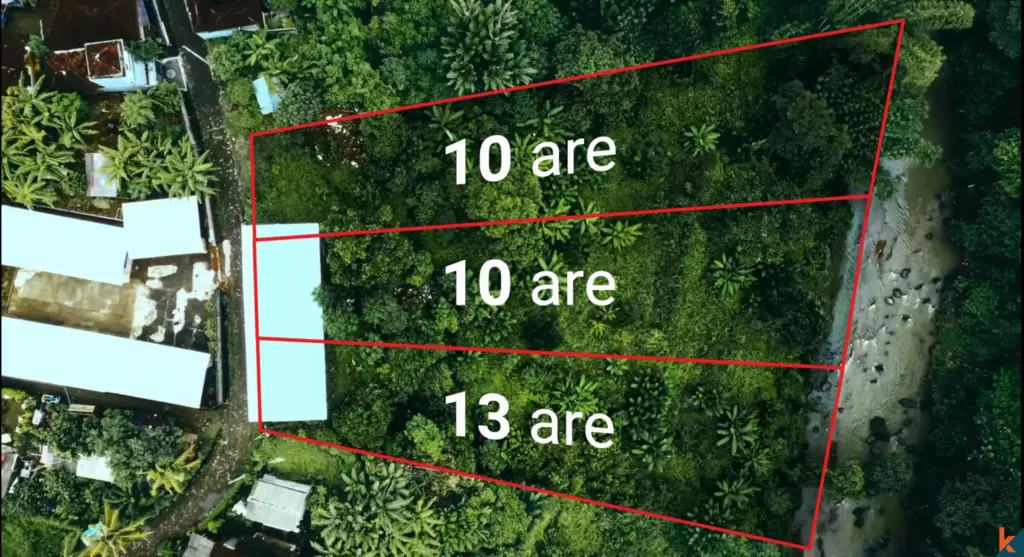 1000 m²10 min$ 303571Bali, Tabanan
 680 m²15 min$ 110751Bali, Pererenan
 770 m²5 min$ 163578Bali, Kedungu
 300 m²55 min$ 32475Bali, Tegelalang
 10000 m²19 min$ 232759Bali, Buleleng
 600 m²12 min$ 101970Bali, Mengwi
 500 m²15 min$ 124692Bali, Kaba Kaba
 1375 m²10 min$ 447044Bali, Canggu
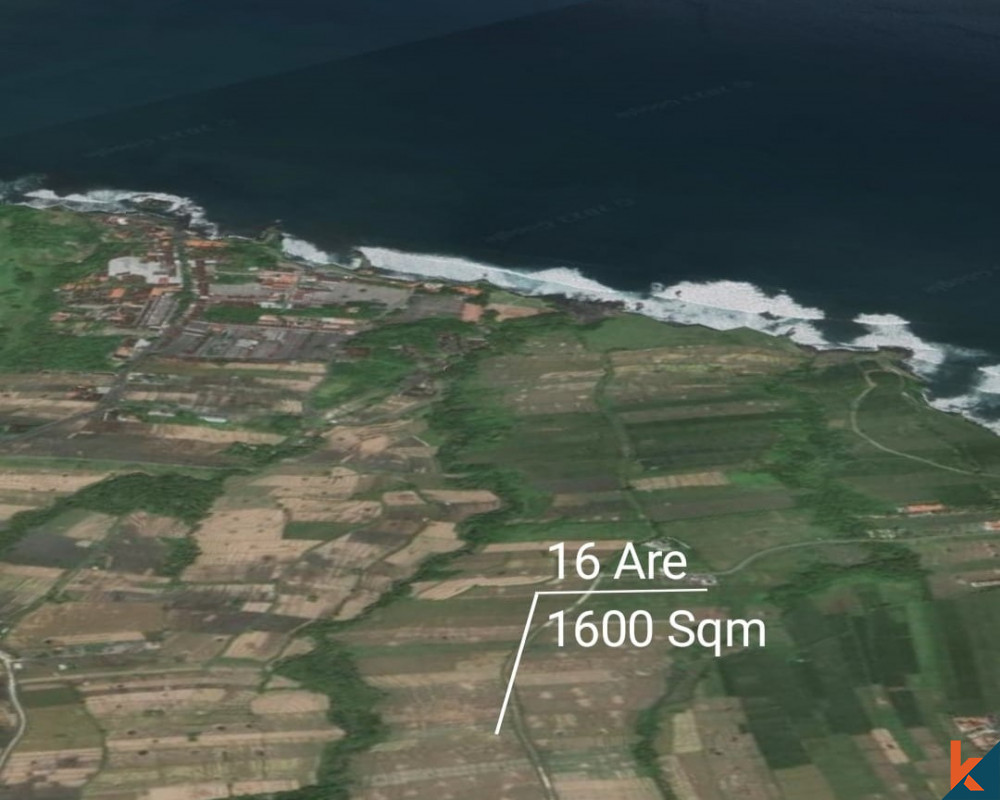 1600 m²32 min$ 266010Bali, Tabanan
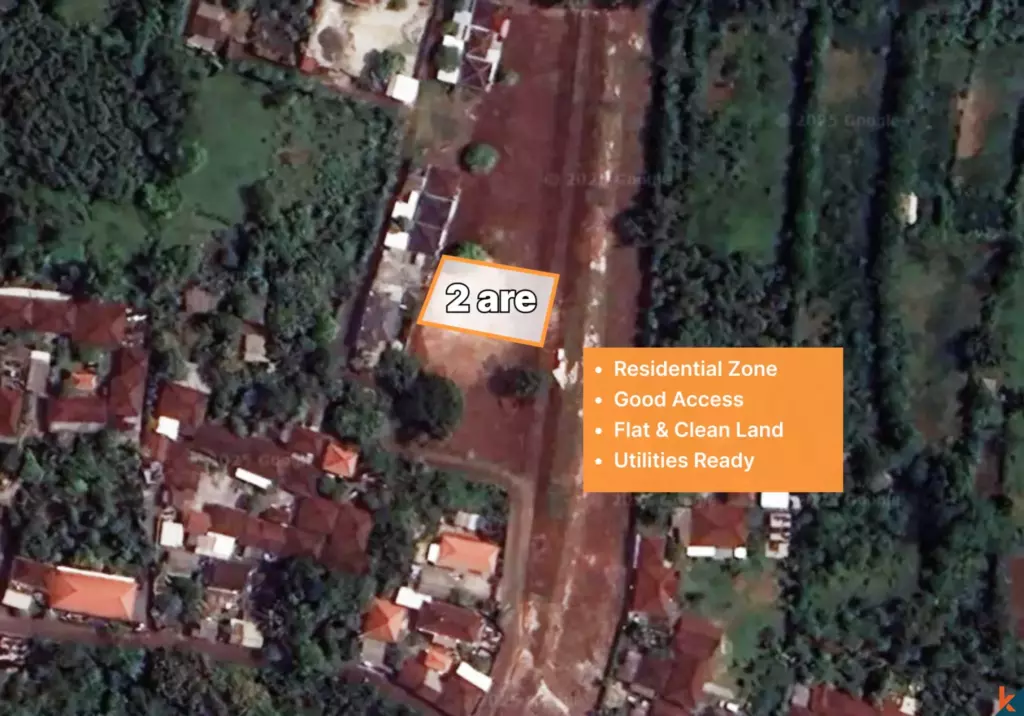 200 m²5 min$ 59113Bali, Bukit
 1000 m²10 min$ 184729Bali, Kutuh South Bali
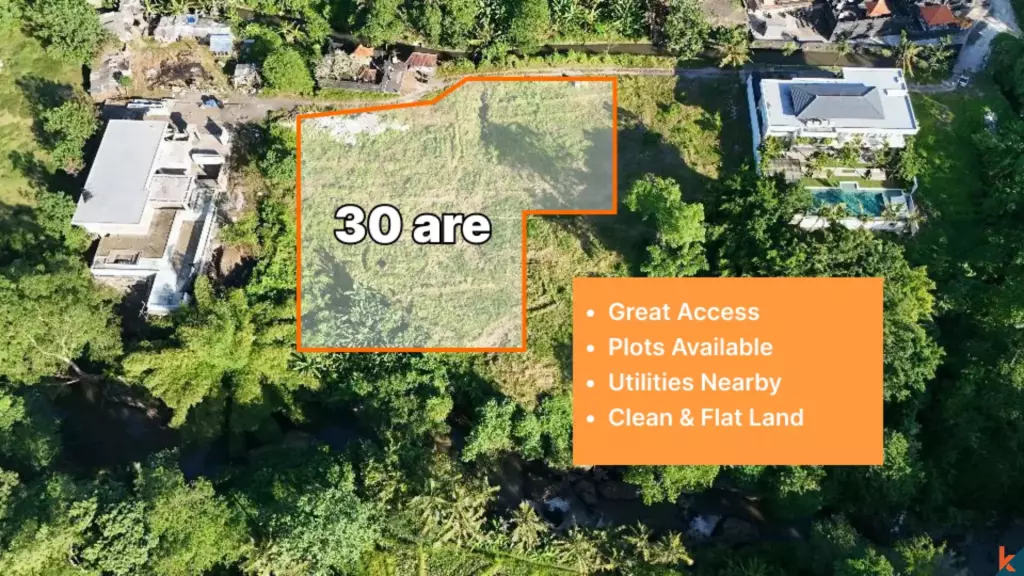 3000 m²15 min$ 738916Bali, Cepaka
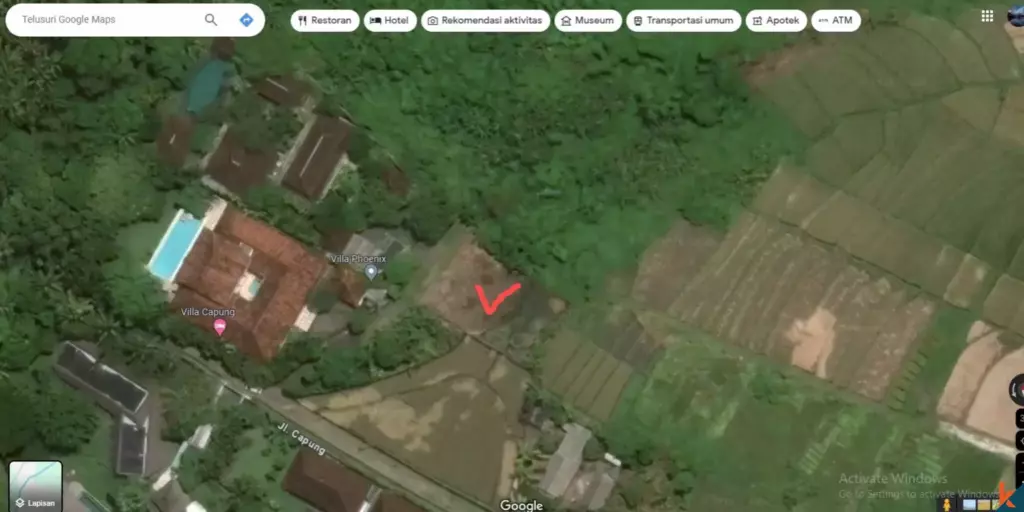 444 m²10 min$ 111000Bali, Tabanan
Planning a build in Bali?
Get a feasibility view, budget range and timeline from Teville.
Related guides
Marine-Grade Fixings for Bali Joinery: Corrosion Protocols
Explore marine-grade fixings and corrosion protocols for Bali coast joinery. Learn materials, maintenance tips, and best practices to extend timber durability.
10 min read
Resin-Infused Plaster Finishes: Anti-Salt Systems Bali
Expert technical guide: Resin-Infused Plaster Finishes: Anti-Salt Systems Bali
8 min read
Prefinished Timber Joinery: Silicone Seals Fixings Bali
Professional prefinished timber joinery installation in Bali with silicone seals and fixings for durable weatherproof performance and a premium finish.
10 min read