Built-in Wardrobe Fixings: Anti-Twist Anchors Corrosion in Bali
Built-in Wardrobe Fixings in Bali: Anti-Twist Anchors and Corrosion Control for Durable Finishing
1) The Specific Problem in Bali’s Climate
Built-in wardrobes concentrate significant point loads into walls that, in Bali villas, are often plasterboard partitions, AAC (hebel) blocks, or rendered brick. In a tropical, coastal environment, humidity and salt accelerate corrosion, while soft or hollow substrates magnify the risk of pull-out, tilt, or racking. The question every finishing contractor must solve is: which fixings and installation method will prevent twist, creep, and corrosion over time—without damaging the wall or the wardrobe? This Bali area guide sets out Teville’s process and standards to achieve safe, durable, and beautiful wardrobe installations.
2) Technical Deep Dive: Load Paths, Anti-Twist Anchors, and Corrosion Strategy
Built-in wardrobes load walls in two dominant ways: vertical shear (weight carried by brackets) and tensile pull-out (top anchors resisting overturning). When doors are opened or drawers are extended, the center of gravity shifts forward, amplifying the overturning moment at the top anchors. The technical objective is to transfer load into the strongest available structure (studs, masonry cores) and to prevent rotation and progressive loosening over the life of the wardrobe.
Anti-twist anchors for hollow walls. In Bali renovations and furniture installation projects, plasterboard partitions are common. Anti-twist or anti-overtighten anchors, such as the Gripit-style self-drive anchors exemplified by the GRIPIT TwistIt (see product overview at cctvimporters.com.au), are engineered to avoid spinning out or crushing the board as torque is applied. Their geometry spreads load on the rear face of the plasterboard and limits installer over-torque, reducing the risk of paper-face tear or cone failure. Anti-twist features stabilize the anchor body, allowing consistent torque to seat the bracket firmly without “freewheeling” that compromises clamping force. These are suitable for securing cabinet back-rails, anti-tip brackets, or light accessories to plasterboard when studs are not available.
For heavier built-ins, toggle or cavity anchors with wings can be used in combination with structural studs. As referenced in furniture anchoring overviews (space-plug.com), correctly selected drywall toggles materially improve safety by increasing rear bearing area, minimizing local crushing, and resisting pull-through. However, no hollow-wall anchor should replace a stud or masonry fixing for primary load paths in Bali villa construction.
Stud-first philosophy. Where gypsum is on metal or timber studs, Teville’s detail prioritizes fixing into studs with stainless screws through a continuous top rail on the wardrobe carcass. Anti-twist anchors then act as stabilizers—controlling yaw and deterring racking—rather than as primary load carriers. On masonry (AAC/hebel or brick), we shift to bonded (chemical) anchors or high-quality nylon/plastic plugs sized to the screw shank and density of the substrate.
Back-rail and bracket strategy. We distribute load with a continuous hardwood or marine-ply back-rail integrated into the wardrobe, fixed at 300–400 mm centers to studs/masonry, plus anti-tip brackets at the top corners. This provides shear capacity while controlling pull-out and preventing twist. Oversized stainless washers under bracket screws increase bearing area and reduce local compressive stress on timber and board faces.
Controlling overtightening and torque. Tropical heat softens some polymers and can relax fastener preload. Anti-overtighten anchor designs reduce paper-face damage during installation; pairing them with torque-limited drivers (low clutch setting) and thread friction modifiers (e.g., a dab of MS polymer behind the bracket) helps maintain clamping force without crushing. Where vibration is expected (soft-closing doors cycling thousands of times), we add a removable medium-strength threadlocker compatible with stainless screws.
Corrosion in Bali—what really matters. Proximity to surf and onshore winds exposes fittings to chlorides. Even indoors, microclimates behind wardrobes trap humid, salt-laden air. Without corrosion resistance, screws pit, threads seize (galling), and anchors lose capacity. Our baseline is A2/304 stainless for inland interiors and A4/316 for coastal or seafront projects. Where dissimilar metals meet (stainless screw into zinc-plated bracket), we insert nylon or EPDM isolators to reduce galvanic coupling. Powder-coated steel brackets receive edge sealing after drilling to protect cut faces.
Substrate-specific details:
– Plasterboard: Anti-twist or toggle anchors only as secondary restraint when no stud; primary fixings into studs with stainless wood or self-drilling screws (EN 14566 compliant). Use 12.5 mm board minimum; double-layer preferred for tall units.
– AAC/hebel: Use high-quality nylon plug designed for aerated concrete or a low-expansion chemical anchor. Pre-drill precisely; avoid hammering which can blow out pores.
– Brick/concrete: Stainless or hot-dip galvanized sleeve anchors or bonded studs; brush and blow holes clean; respect embedment depth.
– Timber framed walls: Stainless screws into studs; avoid treated timber/fastener incompatibility (ACQ requires 316).
Ventilation and moisture management. We maintain a 10–15 mm shadow gap at the back plinth or install concealed vents at the kickboard to reduce moisture accumulation. Where wardrobes back onto wet areas, we add a thin vapor-control layer and seal penetrations with MS polymer to prevent wicking into the carcass and fastener seats.
Inspection and serviceability. Teville builds in inspection access for top brackets and specifies a 6–12 month post-occupancy check. In Bali’s tropics, periodic re-torque and salt wipe-down of exposed fittings meaningfully extend service life.
3) Materials and Standards for Bali Conditions
Material selection is as critical as installation technique in interior finishing Bali projects. Our default palette aligns with corrosivity categories typical of tropical, coastal zones.
- Fasteners: Stainless steel A4/316 for coastal and seafront villas; A2/304 inland. For masonry, stainless A4 screws with nylon plugs, or stainless threaded rod with vinylester/epoxy adhesive in high-load zones. Avoid carbon steel zinc-only screws near the coast.
- Anchors: Anti-twist self-drive plasterboard anchors for light-to-medium duties (e.g., GRIPIT TwistIt type), toggles for larger rear bearing, and bonded anchors for AAC or concrete where high pull-out resistance is required.
- Brackets and rails: Powder-coated or stainless steel L-brackets and continuous marine-ply back-rails (12–18 mm). Seal cut edges and penetrations.
- Wardrobe carcass: Moisture-resistant MDF (MR MDF) or marine plywood; edge-banded and sealed. Use stainless cup hinges and corrosion-resistant drawer slides.
- Isolation materials: Nylon/EPDM washers and bushings to separate dissimilar metals and break galvanic paths.
- Sealants/adhesives: MS polymer adhesives for bracket bedding; neutral-cure where in contact with metals.
Reference standards and guidance (applied pragmatically in renovation Bali contexts):
- ISO 9223 and ISO 12944 guidance on atmospheric corrosivity (Bali coastal = approx. C4–C5; select A4/316 hardware accordingly).
- ASTM B117 salt spray testing—use as an indicator for coated metal performance; prioritize proven coatings in chloride exposure.
- EN 14566 for mechanical fasteners in gypsum systems; use anchors/screws with declared performance for plasterboard.
- Manufacturer data for anchors (e.g., capacity details on anti-twist and toggle anchors from sources like space-plug.com); always verify load ratings in the actual substrate on-site.
Teville applies these materials and standards within our documented build process (how we build) and quality gates established across our portfolio and villa projects.
4) Step-by-Step Process We Use on Site
This is our repeatable method for safe, durable wardrobe fixing in Bali villa construction and renovation.
- 1. Substrate survey: Identify wall type (plasterboard on studs, AAC, brick, concrete). Moisture-map the wall, check for efflorescence, and scan for services (villa utilities)—avoid MEP clashes.
- 2. Layout and datum: Establish finished floor level, wall plumbness, and a top-rail datum line. Mark stud centers with a detector; confirm with pilot probes.
- 3. Hardware selection:
- Plasterboard with studs: Primary stainless screws into studs; anti-twist anchors as secondary stabilizers between studs.
- Single-layer plasterboard, no studs: Toggle anchors or anti-twist anchors used conservatively for light duties; add concealed floor cleats where possible.
- AAC/brick: Nylon AAC plugs or bonded stainless studs for top brackets; verify embedment ≥ manufacturer minimum.
- Seafront zone: Upgrade all exposed fittings to 316 and isolate dissimilar contacts.
- 4. Fabricate back-rail: Fit a continuous marine-ply or hardwood rail to the wardrobe carcass. Pre-drill and seal edges.
- 5. Pre-drill and prepare:
- Plasterboard: Use a sharp hole saw or self-drive anti-twist anchor; avoid over-enlarging holes.
- Masonry: Drill to depth, then brush-blow-brush-blow to clean. For chemical anchors, dry the hole thoroughly.
- 6. Anchor installation:
- Anti-twist anchors: Drive per manufacturer guidance; seat flush without tearing the paper face. Anti-overtighten designs help maintain board integrity.
- Toggles: Ensure wings deploy and bear fully; do a light pull test.
- Chemical anchors: Inject from the bottom up; rotate the rod during insertion; allow full cure per ambient temperature.
- 7. Bracket and rail fixing: Offer the carcass to the wall, align with datum, and install top brackets first into studs/masonry. Apply a thin MS polymer bed behind brackets to damp micro-movements and seal cut coatings. Use torque-limited drivers; add medium-strength threadlocker on stainless threads to reduce vibrational loosening.
- 8. Leveling and shimming: Shim the base plinth to distribute weight to the floor; re-check plumb/level and re-torque the top anchors.
- 9. Corrosion detailing: Install nylon/EPDM isolators where stainless meets coated steel. Seal all penetrations and exposed cut edges of brackets. Avoid bare carbon steel inside the cavity zone.
- 10. Ventilation provision: Incorporate a kickboard vent or rear shadow gap for airflow, critical in Bali’s humidity to avoid condensation and fastener corrosion.
- 11. Proof testing and QA: Conduct a controlled pull test at the top rail (non-destructive check within 30–50% of expected service load). Open/close doors and cycle drawers to verify no creep, squeak, or racking.
- 12. Finish integration: Fit scribe panels, seal perimeter joints, and protect metals from aggressive cleaners. Verify alignment with neighboring finishes during interior finishing Bali works.
- 13. Handover and maintenance plan: Provide owner guidance on salt-wipe intervals, re-torque schedule (6–12 months), and safe load limits. Document anchor types/locations for future renovation Bali updates.
5) Costs and Timeline in Bali
Every site is unique, but the following planning figures help owners and designers budget responsibly for furniture installation.
- Standard inland spec (A2/304 screws, mixed anti-twist/toggle anchors, powder-coated brackets): IDR 250,000–450,000.
- Coastal/seafront spec (A4/316, isolation washers, upgraded brackets): IDR 450,000–850,000.
- Chemical anchor kits for AAC/concrete (per set of 4–6 fixings): IDR 300,000–700,000.
 164 m²7 month(s)from 79.000 USD
TALA TWO
 3180 m²7 month(s)from 142.000 USD
Vasudeva
 2144 m²11 month(s)from 104.000 USD
Narayana
164 m²7 month(s)from 79.000 USDPrivate: Haridas Villas, Tegallalang
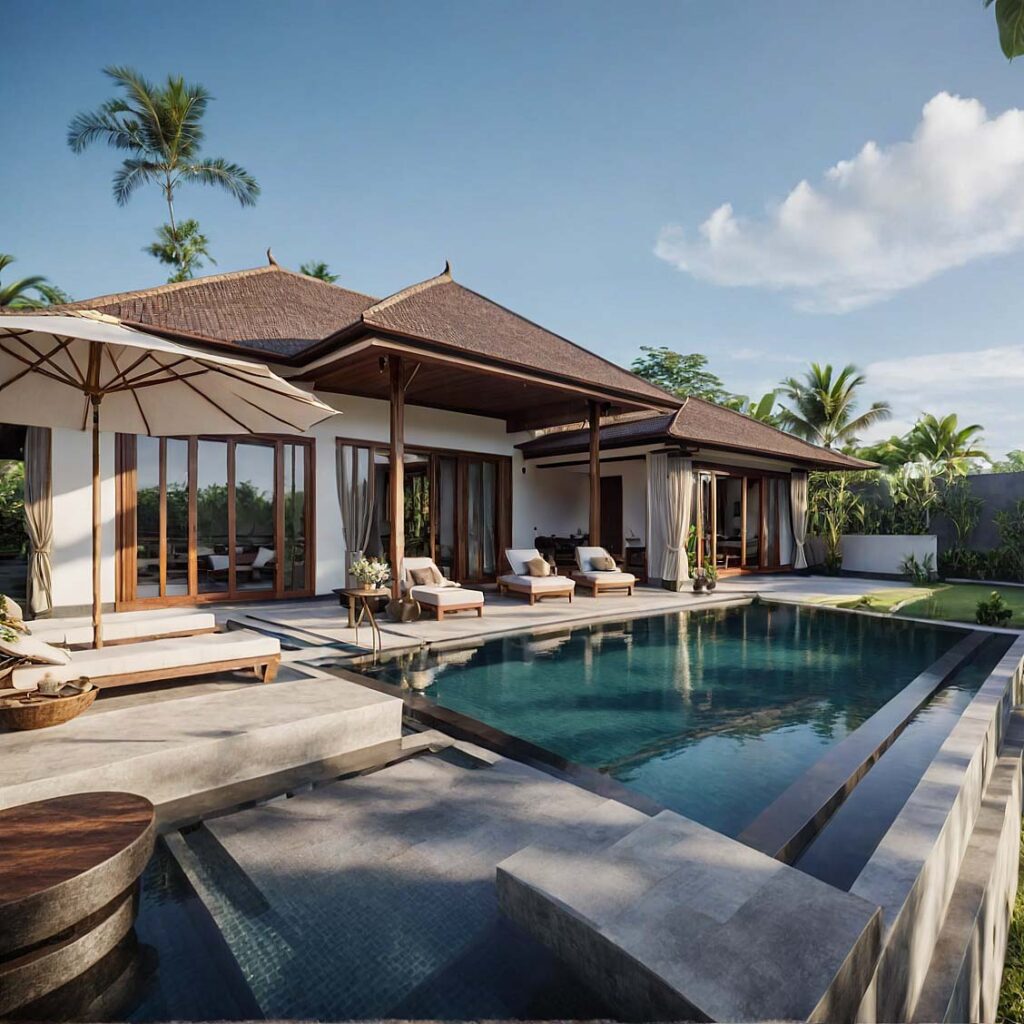 1from 198.000 USD
Private: Haridas Villas
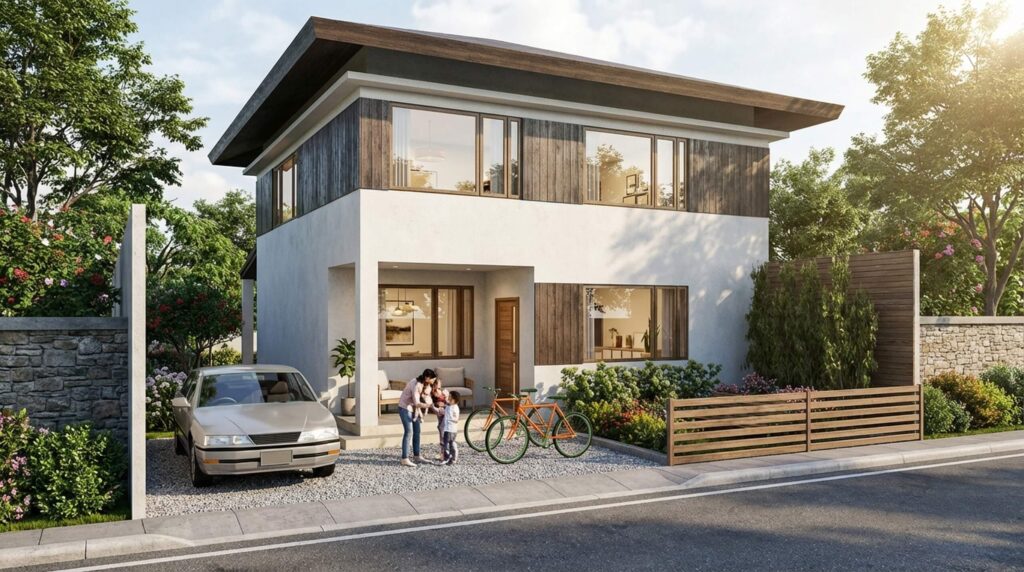 3173 m²6 month(s)from 125.000 USD
TALA FOUR
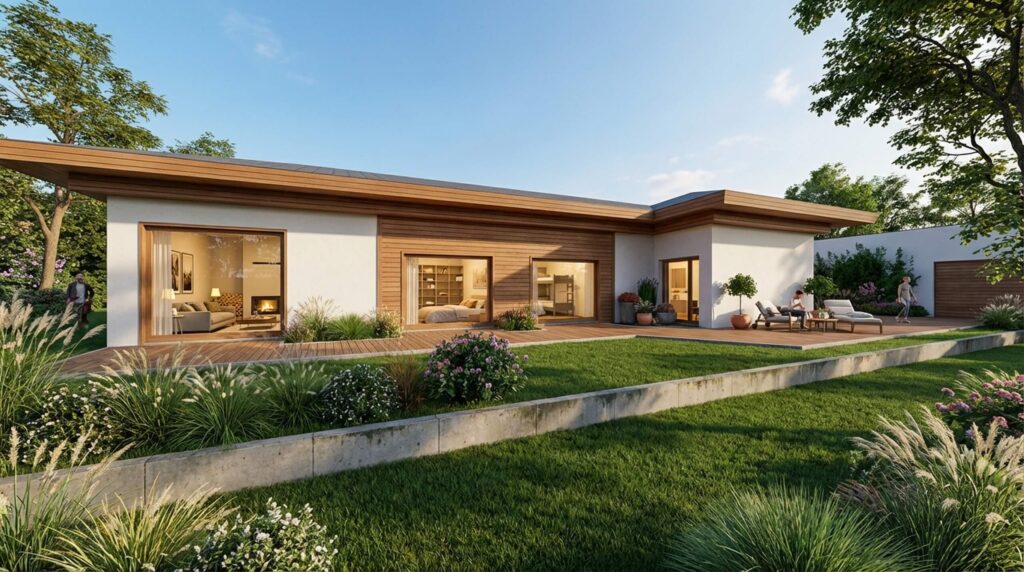 3104 m²11 month(s)from 99.000 USD
TALA 100

Want to calculate?
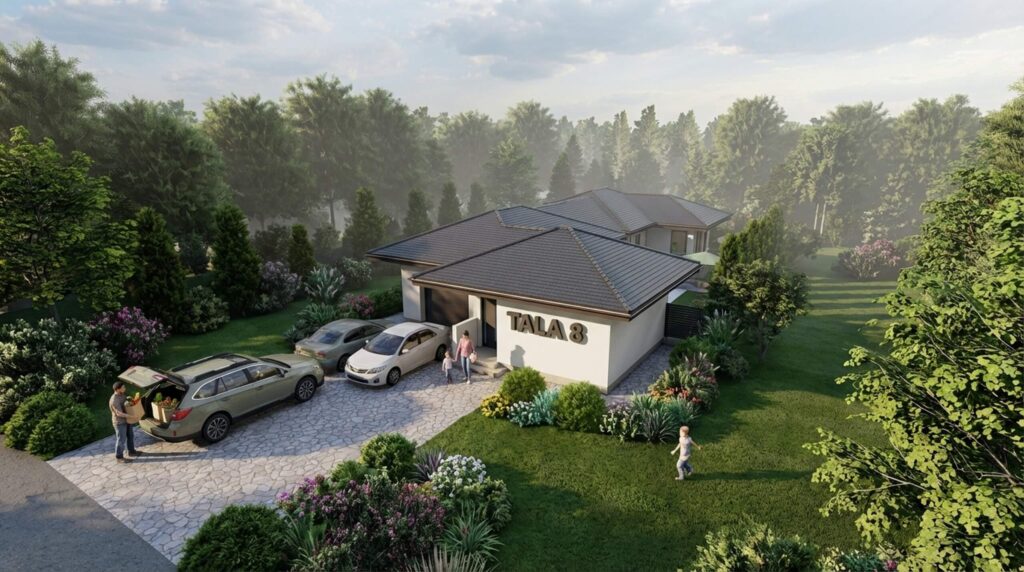 3124 m²6 month(s)from 123.000 USD
TALA 8
 4344 m²16 month(s)from 290.000 USD
Radha
 3127 m²9 month(s)from 177.000 USD
Mukunda
 172 m²8 month(s)from 120.000 USD
Keshava
Start With Real Numbers, Not Guesses
Before finalizing your finishing works plan, check realistic cost ranges for your Bali villa project.
Available lands
 400 m²15 min$ 67192Bali, Tabanan
 550 m²15 min$ 164594Bali, Mengwi
 2000 m²10 min$ 243842Bali, Mengwi
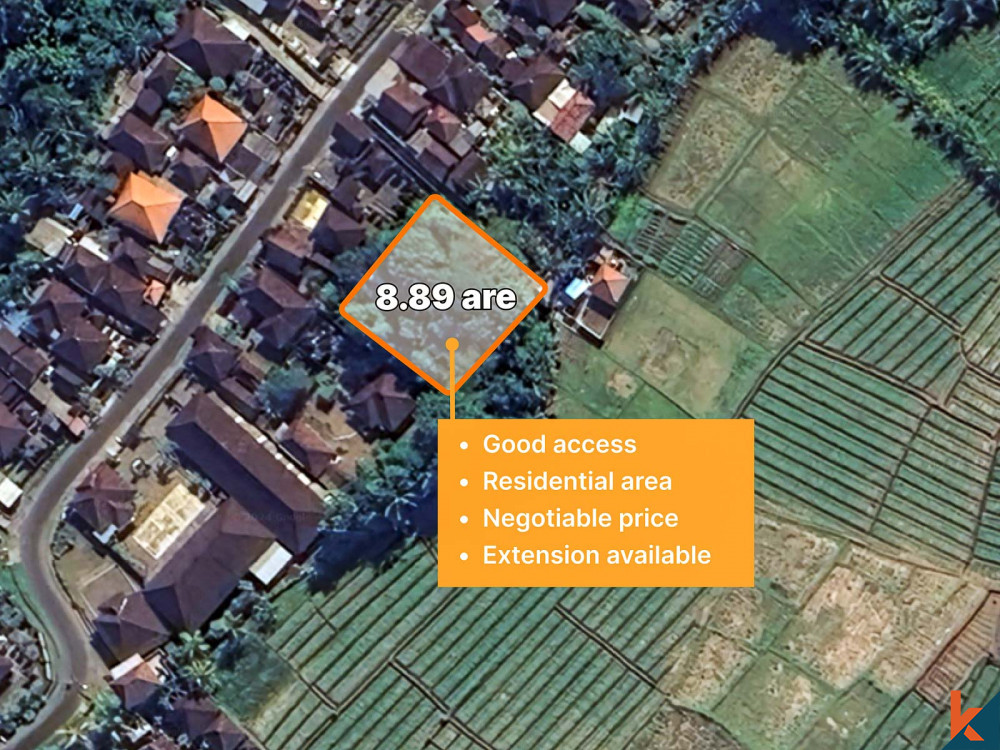 889 m²15 min$ 145612Bali, Cepaka
 3300 m²15 min$ 449889Bali, Tabanan
 220 m²2 min$ 66565Bali, Cemagi
 13000 m²1 min$ 920567Bali, Pekutatan
 700 m²7 min$ 400000Bali, Canggu
 250 m²15 min$ 40025Bali, Munggu
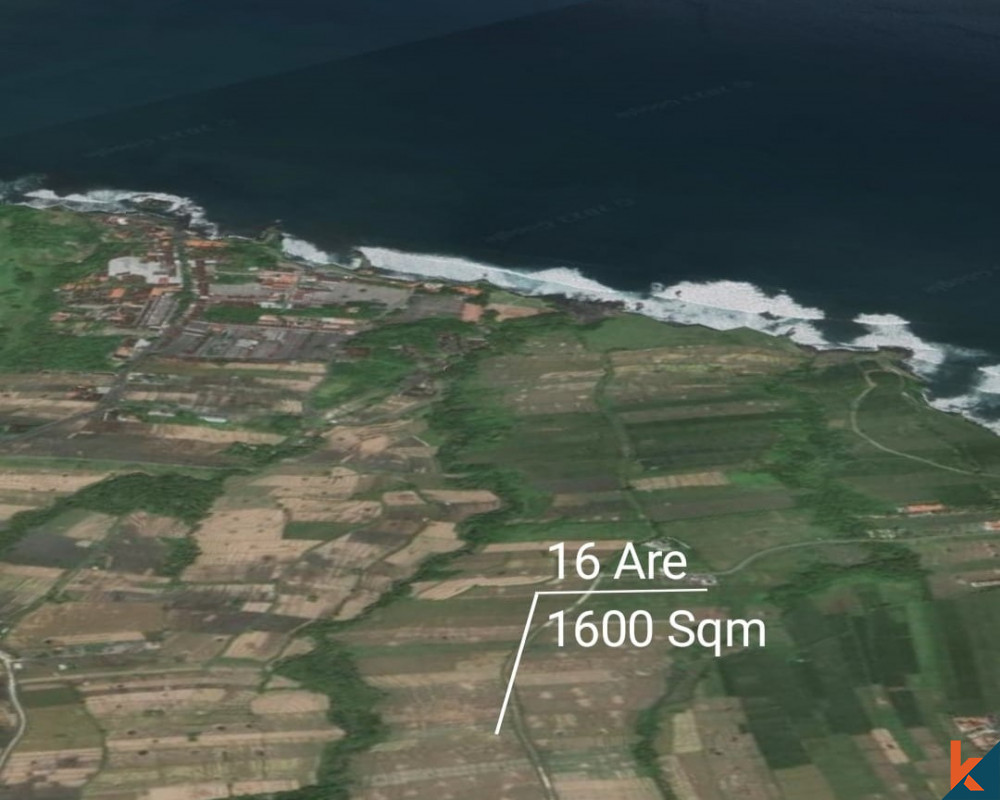 1600 m²32 min$ 266010Bali, Tabanan
 1158 m²12 min$ 291996Bali, Mengwi
 600 m²10 min$ 206897Bali, Canggu
 1000 m²10 min$ 184729Bali, Kutuh South Bali
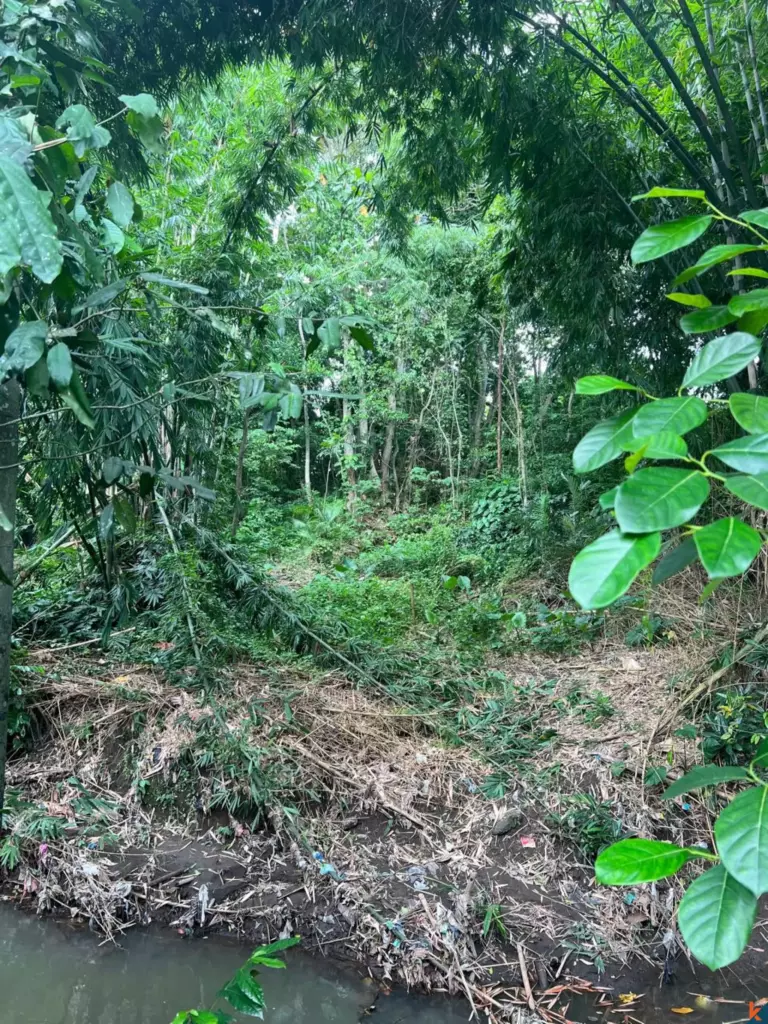 680 m²15 min$ 110751Bali, Pererenan
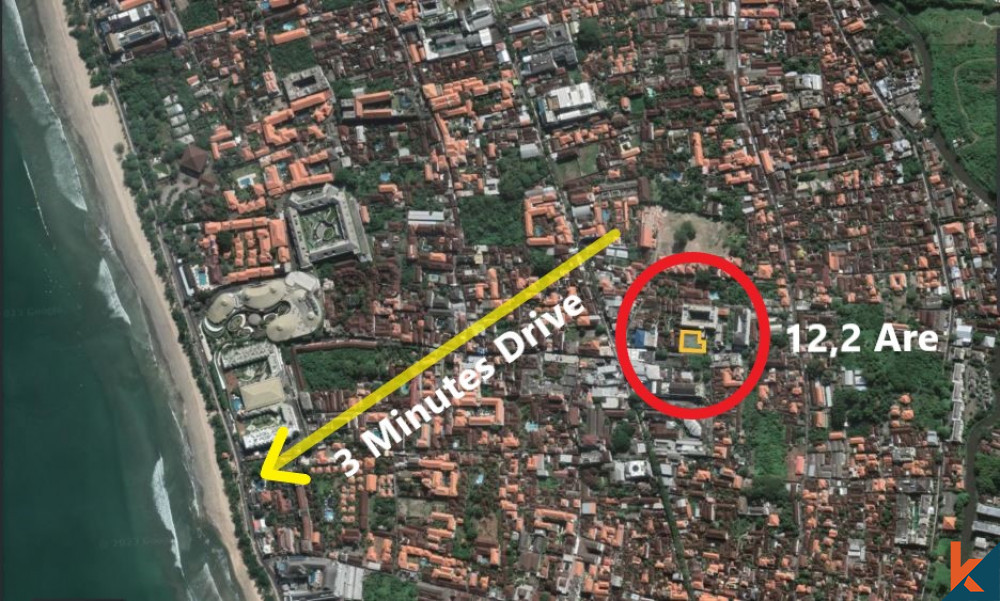 1700 m²10 min$ 632257Bali, Kuta
Planning a build in Bali?
Get a feasibility view, budget range and timeline from Teville.
Related guides
Marine-Grade Fixings for Bali Joinery: Corrosion Protocols
Explore marine-grade fixings and corrosion protocols for Bali coast joinery. Learn materials, maintenance tips, and best practices to extend timber durability.
10 min read
Resin-Infused Plaster Finishes: Anti-Salt Systems Bali
Expert technical guide: Resin-Infused Plaster Finishes: Anti-Salt Systems Bali
8 min read
Prefinished Timber Joinery: Silicone Seals Fixings Bali
Professional prefinished timber joinery installation in Bali with silicone seals and fixings for durable weatherproof performance and a premium finish.
10 min read