Epoxy Waterproofing Tile Prep for Bali Shower Renovations
Epoxy Waterproofing & Tile Prep for Bali Shower Renovations
Specific Problem/Question
Shower failures in Bali villas often show up as stained ceilings below, loose tiles, musty odors, and blackened grout lines within months of “renovation.” The tropical climate magnifies small mistakes: daily thermal swings, year-round humidity, and saline air exploit any gap in waterproofing or tile prep. The practical question for renovation Bali owners and operators is simple: how do we rebuild a shower so it stays watertight, hygienic, and visually crisp for years? This Bali area guide explains Teville’s finishing-first approach using epoxy waterproofing and disciplined tile preparation to deliver durable results in high-use, high-humidity villa bathrooms.
Technical Deep Dive: Why Epoxy and How It Works in Bali
In wet areas, waterproofing is either robust and continuous—or it fails. Epoxy systems excel because they form a dense, chemically crosslinked barrier that resists liquid water, vapor ingress, and biological growth. High-quality epoxy membranes and epoxy grouts do not absorb water, minimizing mold, staining, and freeze–thaw-like expansion cycles that can still occur from chilled AC environments meeting warm humid air. Independent trade references note that well-applied epoxy waterproofing can deliver multi-year performance when correctly maintained, often 5–10 years or more before resurfacing is considered (industry reference; epoxy grout).
For Bali villa construction and interior finishing Bali work, the substrate must be treated as a living system. Concrete slabs and block partitions move with temperature, humidity, live loads, and nearby construction vibration. Our epoxy-first specification is not just about the product; it’s about the integrated build-up that carries the membrane and the tile assembly.
Substrate and Surface Profile
We target an ICRI CSP 2–3 surface profile for concrete through light diamond grinding. Acid etching is avoided due to inconsistent results in humid conditions and the risk of contamination. All laitance, dust, oils, and previous coatings are removed. For autoclaved aerated concrete (AAC) and lightweight block walls common in renovation Bali work, we stabilize with a compatible primer and, where needed, a fiber-reinforced render to provide a monolithic base.
Drainage Geometry and Coving
Showers must shed water at 1–2% (1–2 cm per meter) toward the drain. We form an epoxy-compatible polymer-modified screed to establish falls. At wall-to-floor transitions, we create a 10–15 mm radius cove to eliminate sharp stress risers and allow the epoxy membrane to turn continuously. Linear drains are set dead-level with factory flanges integrated into the epoxy build; point drains receive a clamped flange and bonding ring.
Crack and Joint Treatment
Static cracks are opened, vacuumed, and epoxy-injected or filled with thixotropic epoxy paste. Movement joints at perimeters and substrate breaks are honored through the tile finish with compressible backer rod and neutral-cure silicone. We follow recognized joint placement guidance (similar to TCNA EJ171 principles) adjusted to Bali’s thermal loads.
Epoxy Membrane Build
A typical Teville system is a 100% solids epoxy primer (low viscosity, high penetration) followed by two body coats. The first body coat receives a controlled broadcast of graded silica to deliver a mechanical key for the tile adhesive, critical in humid climates to avoid adhesive “float.” Corners and penetrations (mixer outlets, risers) are detailed with epoxy fillets and a bond breaker tape where flexibility is required. The final epoxy surface is continuous, pinhole-free, and slip-resistant under the tile bed.
Adhesive and Grout Compatibility
Two bonding approaches are proven: a high-performance cementitious tile adhesive (C2TES1/S2 per ISO 13007) onto the roughened, sanded epoxy; or a reaction resin adhesive (R2T) for maximum bond in heavy-use spa suites. We prefer epoxy grout in Bali for hygiene and longevity—its non-absorbency blocks mold and staining and keeps color uniform over time (reference).
Humidity, Cure, and Quality Control
Epoxy chemistry is sensitive to substrate moisture and dew point. In Bali, we time application for stable ambient conditions, confirm substrate moisture with a meter, and ensure surface temperature is at least 3°C above dew point. We conduct wet film thickness checks, pinhole tests, and, where practical, a 24-hour flood test before tiling. This disciplined sequence is why our bathrooms in Teville’s portfolio keep their straight lines and tight joints over seasonal cycles.
For a nuanced comparison of epoxy vs polyurethane in Bali villa wet areas, see our internal guide: Epoxy vs Polyurethane: Bali Villa Wet Areas.
Materials & Standards We Follow
Materials selected for durability, compatibility, and tropical service:
- 100% solids epoxy primer and two-part epoxy body coats (low VOC, shower-safe once cured).
- Graded silica/quartz broadcast for mechanical key and anti-slip profile under tile.
- Polymer-modified screed for falls; fiber-reinforced render for wall trueing as needed.
- High-performance tile adhesives: C2TES1/S2 cementitious or R2T reaction resin (ISO 13007).
- Epoxy grout compliant with ANSI A118.3 for non-absorbent, chemical-resistant joints.
- Neutral-cure sanitary silicone with fungicide for movement joints and perimeters.
- Drain assemblies with clamping flanges and bonding rings compatible with resin membranes.
- Backer rod, bond breaker tape, and sealants for corners, penetrations, and plane changes.
- Epoxy shower prep kits (cleaner, fillers, rollers, notched trowels) streamline site work (example kit).
Standards and guidance we align with in Bali area guide specifications:
- Wet area waterproofing principles: AS 3740 and AS/NZS 4858 (domestic wet area waterproofing/membranes).
- Tile adhesives and grouts: ISO 13007; epoxy grout: ANSI A118.3.
- Tiling and movement joints: BS 5385 and TCNA EJ171 concepts adapted to local conditions.
- Local authority/SNI requirements and manufacturer data sheets govern final parameters.
Our control documentation, checklists, and mock-ups are integrated into the Teville construction process to ensure repeatable finishing quality across renovation Bali projects.
Step-by-Step Process Used by Teville
- Survey and Scope: Map existing failures, moisture ingress paths, and utilities. Confirm drain type, outlet heights, and furniture installation clearances (glass, vanity, WC).
- Protection and Demolition: Dust control, sheeting, and selective strip-out of tiles, render, and screeds down to sound substrate. Preserve plumbing where feasible.
- Drying and Conditioning: Ventilation and dehumidification if substrate is saturated. Target moisture content per epoxy manufacturer before priming.
- Mechanical Surface Prep: Diamond grind floors/walls to CSP 2–3. Vacuum with HEPA; no acid etch in humid Bali environments.
- Crack/Joints Treatment: Chase and fill static cracks with epoxy paste; honor movement joints with backer rod and silicone after tiling.
- Drain Integration: Set linear or point drain to correct height. Install clamping flange or bonding ring; ensure positive connection to planned epoxy membrane.
- Form Falls Screed: Apply polymer-modified screed to 1–2% falls. Cure per data sheet; verify slope with straightedge and laser.
- Coving and Corners: Shape 10–15 mm epoxy-compatible coves at wall/floor transitions to avoid film break at sharp angles.
- Epoxy Priming: Apply 100% solids primer; monitor wet film thickness. Address pinholes using wet-on-wet back-roll.
- Epoxy Body Coats + Broadcast: Two coats. Lightly broadcast graded silica into first coat. Remove excess and inspect for continuity.
- Quality Checks & Flood Test: Pinhole detection and 24-hour flood test where containment allows. Record results in QA log.
- Tile Layout and Cutting Plan: Dry-lay to balance cuts at walls and drains. Confirm joint widths and movement joint locations.
- Tile Adhesive Application: Trowel appropriate C2TES1/S2 or R2T adhesive onto epoxy-sanded surface. Back-butter large-format tiles. Maintain full coverage, especially at wet zones.
- Setting and Alignment: Use leveling clips judiciously. Maintain falls to drain with constant checks.
- Epoxy Grouting: Mix small batches. Pack joints fully and wash with emulsion remover and non-scratch pads to avoid haze.
- Movement Joints and Perimeters: Install backer rod and neutral-cure silicone at changes of plane, perimeters, and door thresholds.
- Fixtures & Furniture Installation: After cure, install shower glass, niche shelves, and vanities; seal all penetrations. Coordinate with villa utilities for mixers, diverters, and traps.
- Commissioning & Handover: Water test, clean-down, and maintenance briefing. Provide data sheets and warranty terms. Add to villa maintenance calendar.
Each step is documented and photographed for traceability, consistent with Teville’s project delivery approach in Bali villa construction.
Costs & Timeline (Guidance for Bali Renovations)
Every site is unique, but for planning purposes in renovation Bali projects:
- Demolition & Prep: Varies with access and protection needs.
- Epoxy Waterproofing (primer + 2 coats + broadcast): Priced per m² depending on geometry and detailing complexity.
- Falls Screed/Render Corrections: Based on thickness and area.
- Tiling (adhesive + setting): Driven by tile size, layout complexity, and drain interfaces.
- Epoxy Grout: Premium over cementitious; worthwhile for hygiene and durability.
- Fixtures/Furniture Installation: Glass, niches, vanity fitting, and sealing per item.
Typical timelines for a standard 1.5–2.5 m² shower compartment:
 3180 m²7 month(s)from 142.000 USD
Vasudeva
 3127 m²9 month(s)from 177.000 USD
Mukunda
 3124 m²6 month(s)from 123.000 USD
TALA 8
 2144 m²11 month(s)from 104.000 USD
Narayana
 164 m²7 month(s)from 79.000 USD
TALA TWO
 3173 m²6 month(s)from 125.000 USD
TALA FOUR
 4344 m²16 month(s)from 290.000 USD
Radha

Want to calculate?
 3104 m²11 month(s)from 99.000 USD
TALA 100
164 m²7 month(s)from 79.000 USDPrivate: Haridas Villas, Tegallalang
 1from 198.000 USD
Private: Haridas Villas
 172 m²8 month(s)from 120.000 USD
Keshava
Start With Real Numbers, Not Guesses
Before finalizing your finishing works plan, check realistic cost ranges for your Bali villa project.
Available lands
 585 m²8 min$ 165702Bali, Mengwi
 2115 m²5 min$ 1139547Bali, Pererenan
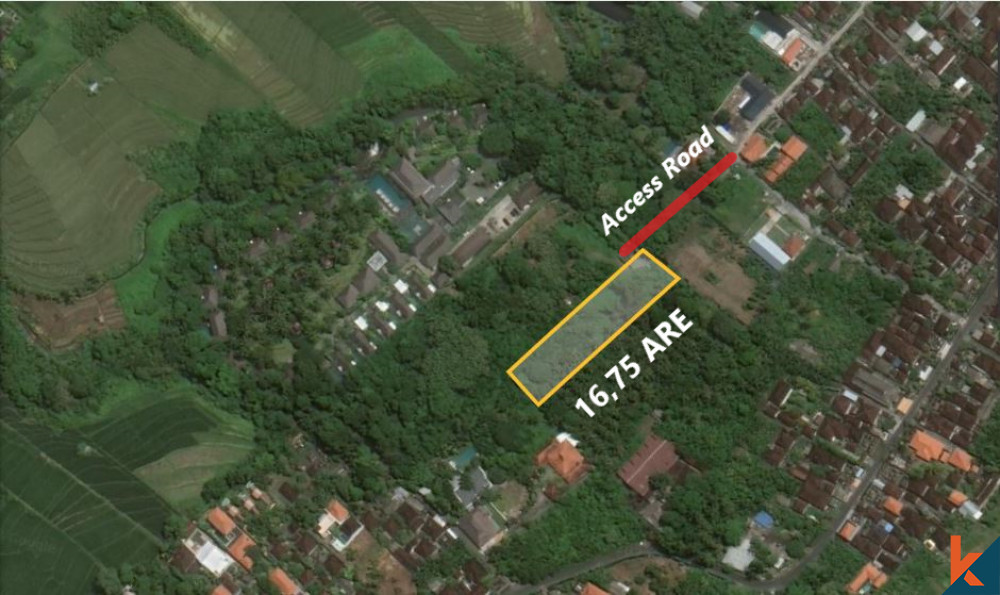 7500 m²5 min$ 206281Bali, Kedungu
 1410 m²15 min$ 390702Bali, Tabanan
 3300 m²15 min$ 449889Bali, Tabanan
 700 m²7 min$ 400000Bali, Canggu
 600 m²10 min$ 206897Bali, Canggu
 515 m²7 min$ 570813Bali, Canggu
 2700 m²30 min$ 314224Bali, Sidemen
 700 m²15 min$ 90517Bali, Central Bali
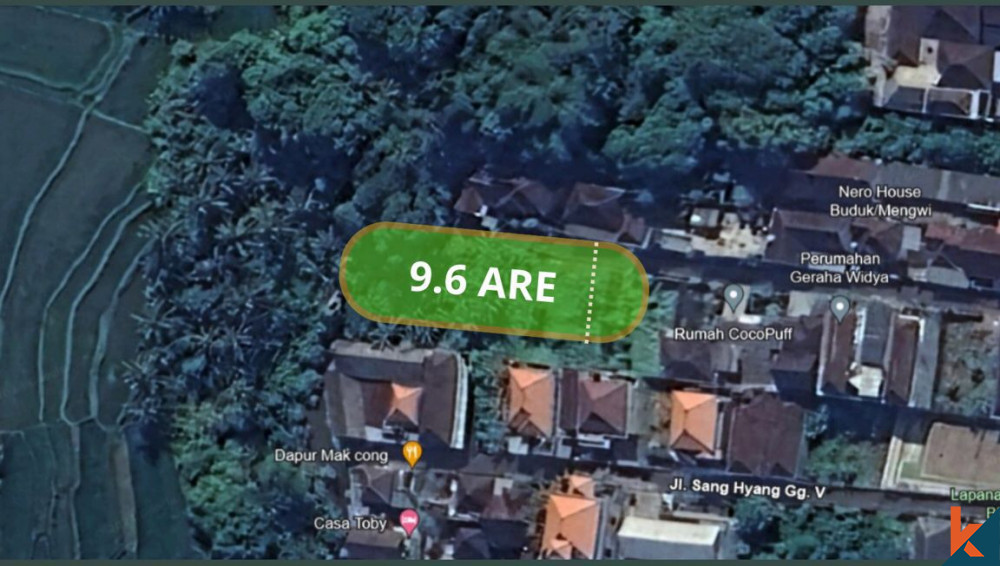 960 m²15 min$ 91034Bali, Mengwi
 7250 m²56 min$ 235714Bali, Tabanan
 550 m²15 min$ 164594Bali, Mengwi
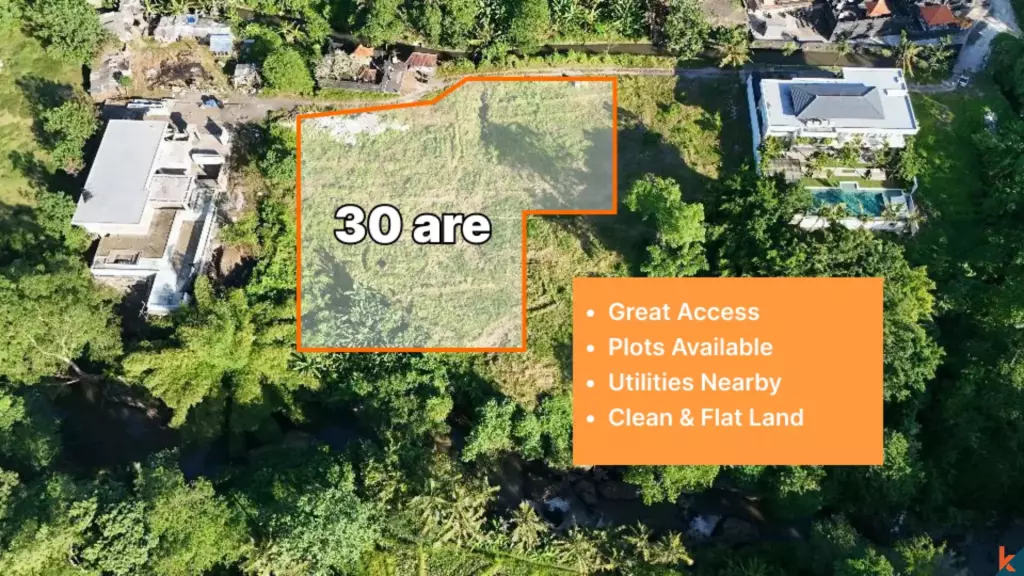 3000 m²15 min$ 738916Bali, Cepaka
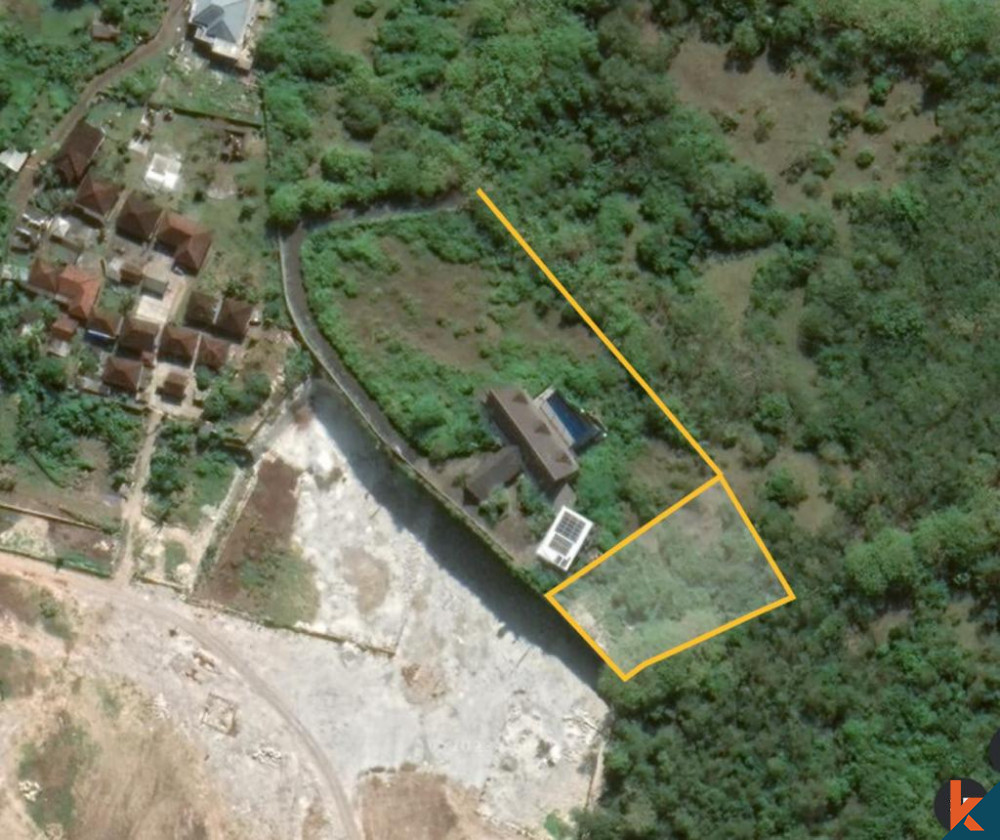 1700 m²10 min$ 392549Bali, Nusadua
Planning a build in Bali?
Get a feasibility view, budget range and timeline from Teville.
Related guides
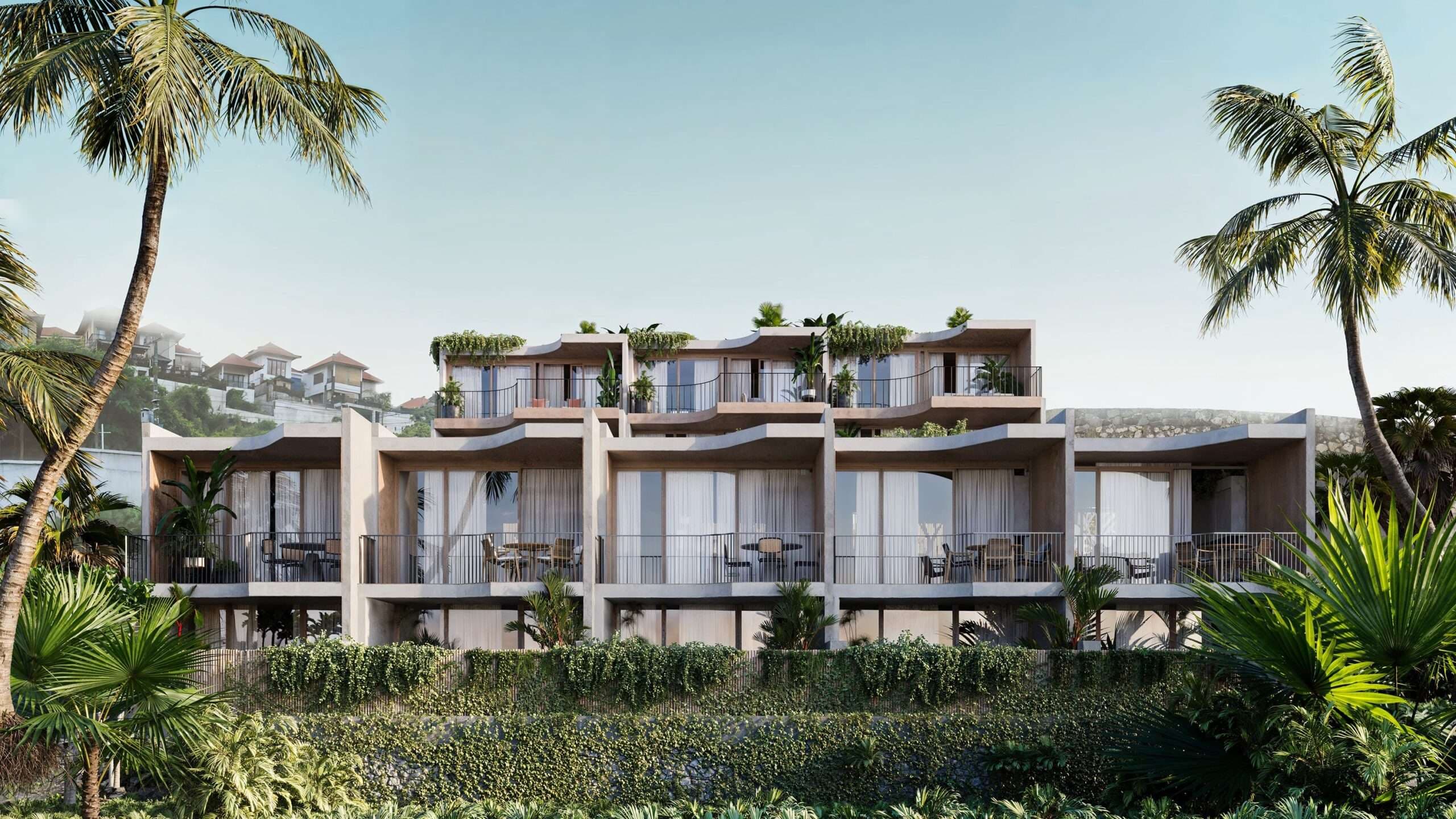
Marine-Grade Fixings for Bali Joinery: Corrosion Protocols
Explore marine-grade fixings and corrosion protocols for Bali coast joinery. Learn materials, maintenance tips, and best practices to extend timber durability.
10 min read
Resin-Infused Plaster Finishes: Anti-Salt Systems Bali
Expert technical guide: Resin-Infused Plaster Finishes: Anti-Salt Systems Bali
8 min read
Prefinished Timber Joinery: Silicone Seals Fixings Bali
Professional prefinished timber joinery installation in Bali with silicone seals and fixings for durable weatherproof performance and a premium finish.
10 min read