Built-In Wardrobe Retrofit: Soft-Close Hardware Moisture Seals
Built-In Wardrobe Retrofit: Soft-Close Hardware & Moisture Seals in Bali
1) The Specific Problem We Solve
Bali’s tropical climate is hard on wardrobes. Sliding doors slam, hinges loosen, drawer runners corrode, and salty humidity creeps inside, warping panels and feeding mould. Many villas inherit older built-ins that look fine outside but squeak, rattle, and trap moisture within. This Bali area guide explains a focused retrofit: adding soft-close hardware to doors/drawers and installing effective moisture seals—without rebuilding the cabinet. As a finishing works specialist, Teville integrates these upgrades cleanly into existing wardrobes so they close gently, stay aligned, and better resist humidity in Bali’s coastal air.
2) Technical Deep Dive: How We Retrofit Soft-Close and Moisture Protection
Retrofitting a built-in wardrobe is a finishing and furniture installation task that demands millimetre-accurate alignment, robust corrosion resistance, and correct seal selection. The primary objectives are threefold:
- Control and decelerate door/drawer movement with soft-close dampers and upgraded runners/hinges.
- Reduce moisture ingress using brush, bulb, or hybrid seals—without trapping humidity inside.
- Improve durability via stainless fasteners, protective finishes, and correct substrate preparation.
Soft-close for sliding wardrobe doors. For top-hung or bottom-rolling sliders, we integrate retrofit soft-close catch mechanisms that mount within or adjacent to the track. Systems such as the Johnson Hardware 1060SOFT Soft Close Kit and Johnson Hardware 1062 Soft Close Kit are engineered to capture the door in the final travel and decelerate it hydraulically for a controlled close. These retrofit modules require:
- A compatible track profile/clearance and adequate door mass (usually above ~10–12 kg per panel for reliable damping).
- Clear landing zones at both ends; we confirm no obstructions, end caps, or stoppers impede the damper hook capture.
- Rigid mounting to avoid “bounce.” We often add a concealed aluminium sub-rail to eliminate flex.
We calibrate the striker position so the soft-close engages ~60–90 mm before the jamb, ensuring the damper fully resets. On double sliders, each leaf receives its own damper; on bypass systems, we add sequencing stops to avoid panel collision. Where the legacy track is corroded or out-of-plane by more than 2 mm, we replace it with anodised aluminium or stainless-steel-based assemblies and re-square the opening first.
Soft-close for hinged doors and interior drawers. Many Bali wardrobes are hinge-based. We replace standard concealed hinges with soft-close, clip-on concealed hinges (35 mm cup) matched to the overlay type (full/half/inset), using 2-screw Euro plates for fine adjustment. We set reveals at 2–3 mm and preload the dampers so doors neither rebound nor stall. For interior drawer boxes, we favour full-extension, soft-close undermount runners with corrosion-resistant coating (or stainless options near the ocean). We confirm cabinet squareness first; drawers need ±0.5 mm lateral tolerance at runners and perfectly parallel sides to avoid “soft-close stall.”
Moisture sealing strategy—resist, don’t suffocate. In Bali’s 70–90% RH, full airtightness can trap moisture. Our goal is to reduce rapid ingress while allowing controlled breathing:
- Perimeter brush pile seals (polypropylene with silicone-fin) along sliding stiles to block dust and drafts while permitting low-pressure equalisation.
- Silicone bulb compression seals at hinged door meeting stiles and head jambs to cushion the soft-close landing and reduce vapour exchange at critical joints.
- Threshold seals or low-profile sweeps with replaceable inserts to limit floor-level humidity influx without scraping floors.
- Micro-ventilation: discreet louvres or grille slots at high and low positions inside the carcass to induce slow convective flow; optional passive desiccant canisters in a service nook.
To protect the substrate, we seal raw edges with 2K polyurethane or edge banding, and we line back-panels or external-wall interfaces with a vapour retarder film to discourage condensation behind the wardrobe. We also re-finish rails, jambs, and exposed particleboard with moisture-resistant coatings to slow swelling.
Hardware and finish durability in marine air. On coastal sites, we prioritize 304/316 stainless fasteners, anodised tracks, and BHMA/EN corrosion-rated hardware. We also isolate dissimilar metals to reduce galvanic corrosion, specify neutral-cure silicone at aluminium interfaces, and apply a thin anti-corrosion wax to steel parts after installation. All moving parts are torqued, thread-locked where appropriate, and accessibility for future maintenance is preserved with removable cover plates.
Ergonomics and utilities. Where vertical reach is an issue, we can integrate a soft-close wardrobe lift bar (e.g., Servetto ClosetPro), mounted to reinforced side gables. We also coordinate low-voltage LED strip lighting with door-actuated sensors and humidity-aware controls, routing cables within concealed channels and selecting IP44+ fixtures suited to Bali’s humidity. This is typical of the “villa utilities meet furniture installation” interface we manage in renovation Bali projects.
Outcome. The retrofitted wardrobe closes silently, resists slam damage, limits moist air exchange, and stays aligned. The details—accurate reveals, corrosion-smart fasteners, clean seal terminations—are what deliver long-term durability in Bali villa construction.
3) Materials & Standards We Specify for Bali Conditions
Core cabinet substrates.
- HMR (moisture-resistant) particleboard or MR plywood for carcasses; WBP plywood where high splash risk exists (adjacent bathrooms).
- Laminate/HPL or high-build 2K polyurethane topcoat with sealed edges. Avoid unfinished MDF in humid zones.
- For sliding doors, dimensionally stable options: balanced veneer layups or HPL on both faces; solid timber stiles with engineered cores to minimise warp.
Soft-close components.
- Sliding dampers: retrofit kits similar to Johnson 1060SOFT/1062, selected by track type, door mass, and travel distance.
- Concealed hinges: soft-close integrated dampers, 35 mm cup, corrosion-resistant plating; matching Euro plates for 3D adjustment.
- Drawer runners: full-extension soft-close undermounts; zinc-nickel or epoxy coating; stainless options in severe marine exposure.
Seals and adhesives.
- Brush pile with central silicone fin for sliders; pile height chosen to maintain friction-free travel.
- Silicone or TPE bulb compression seals for hinged perimeters; shore hardness 40–60A for gentle but firm contact.
- Adhesion via high-tack acrylic tape (VHB class) plus mechanical retention at ends; neutral-cure silicone for mitred junctions; no acidic silicone on metals.
Fasteners and corrosion control.
- SS304 as a baseline; SS316 for front-line coastal villas. Countersunk heads, with pilot holes sized to substrate to avoid splitting.
- Dielectric barriers between stainless screws and aluminium tracks where necessary.
Finishes. 2K polyurethane sealers, marine-grade varnish on timber edges, and periodic wax/teflon lubrication for runners. All cut edges fully sealed to stop wicking.
Standards and performance references.
- ANSI/BHMA A156.14 for sliding door hardware and A156.9 for cabinet hardware class performance.
- EN 1670 (Grade 4/5) or ISO 9227/ASTM B117 salt-spray guidance for corrosion resistance selections.
- IP44+ for integrated lighting within wardrobes; low-voltage compliance and protected routing.
Where local SNI guidance is silent on furniture hardware, we default to these international benchmarks and Teville’s internal QA developed across multiple portfolio villas in coastal and upland microclimates.
4) Step-by-Step Process We Follow On Site
1. Site survey and diagnostics. We laser-scan the opening, check plumb/level/square (±1 mm per 1 m), document door mass, track type, and hinge/drawer inventory. We moisture-map adjacent walls (especially external walls) and inspect for existing corrosion, swelling edges, or hidden mould. We photograph all interfaces for as-built records and client sign-off.
2. Hardware selection and mock-up. Based on door type and weight, we select compatible soft-close kits (e.g., 1060SOFT/1062 for sliders) and hinge/runner models. We choose seals (brush vs bulb) per joint geometry. A small mock-up on a spare panel confirms damper capture distance, friction, and seal compression force.
3. Stabilise and square the carcass. Before any hardware goes in, we correct racking by adjusting wall cleats, shimming base plinths, and re-fixing loose gables. If the track bearer is bowed, we add an aluminium sub-rail planed into plane; no soft-close will perform if geometry is off.
4. Decommission existing moving parts. We remove doors/drawers, label positions, and strip obsolete stoppers. For sliders, we clean tracks with solvent, stone any burrs, and vacuum debris. For hinged doors, we plug and re-drill blown screw holes using hardwood dowels and epoxy to provide fresh bite.
5. Install/replace tracks and guides (if required). On legacy or corroded tracks, we install new anodised tracks with stainless fixings at 300–400 mm centres, using a continuous bead of neutral-cure silicone to isolate dissimilar metals and damp vibration. Floor guides are aligned to maintain panel parallelism.
6. Fit soft-close dampers and strikers. We set damper bodies true to the door’s travel line, then position strikers so the hook engages 60–90 mm before the jamb. On double-acting sliders, both ends receive dampers. We confirm the door’s final landing is fully supported, with no seal over-compression.
7. Upgrade hinges and runners. Hinged doors receive soft-close concealed hinges matched to overlay and door thickness. We bore 35 mm cups with a depth stop and seal raw timber inside the cup. Drawers get full-extension undermount soft-close runners; we correct drawer squareness and shim as needed to maintain smooth deceleration.
8. Apply moisture seals. We degrease contact surfaces, dry fit seals, and mitre corners at 45°. Brush pile runs full height on sliding stiles; bulb seals sit at head and strike for hinged doors. Threshold sweeps are positioned to clear floor finishes without scuff. Adhesion is primarily mechanical (clips or kerfs) with supplementary high-tack tape and neutral-cure silicone at ends to prevent peel.
9. Ventilation and interior protection. We introduce discreet vents (top and bottom) to avoid stagnant air. If the wardrobe backs an exterior wall, we add a vapour retarder behind the back panel and create a 5–10 mm service gap to reduce condensation risk. Edges and cutouts are sealed with 2K PU.
10. Utilities coordination. If adding LED strips and sensors, we route low-voltage cabling in concealed channels, use IP44 fixtures, and provide a serviceable driver location. Optional low-watt dehumidifier or desiccant compartment can be integrated into a top shelf void.
11. Commissioning and calibration. We cycle each door/drawer 20–30 times, fine-tune striker positions, hinge cam adjustments, and runner preload until closures are silent with no rebound. Seal compression is checked so doors remain easy to operate, typically targeting 1–2 mm deflection on bulb seals.
12. Handover and maintenance brief. We issue a maintenance card: periodic wiping of seals, annual light lubrication of runners with a non-staining PTFE spray, and replacement intervals for brush piles (as needed). We document part numbers for easy future servicing.
Each step is executed under Teville’s finishing QA framework—see our construction method overview at How We Build and recent villa projects where similar retrofits formed part of broader interior finishing Bali scopes.
5) Costs & Timeline in Bali
<
 3180 m²7 month(s)from 142.000 USD
Vasudeva
 164 m²7 month(s)from 79.000 USD
Private: Haridas Villas, Tegallalang
164 m²7 month(s)from 79.000 USDTALA TWO
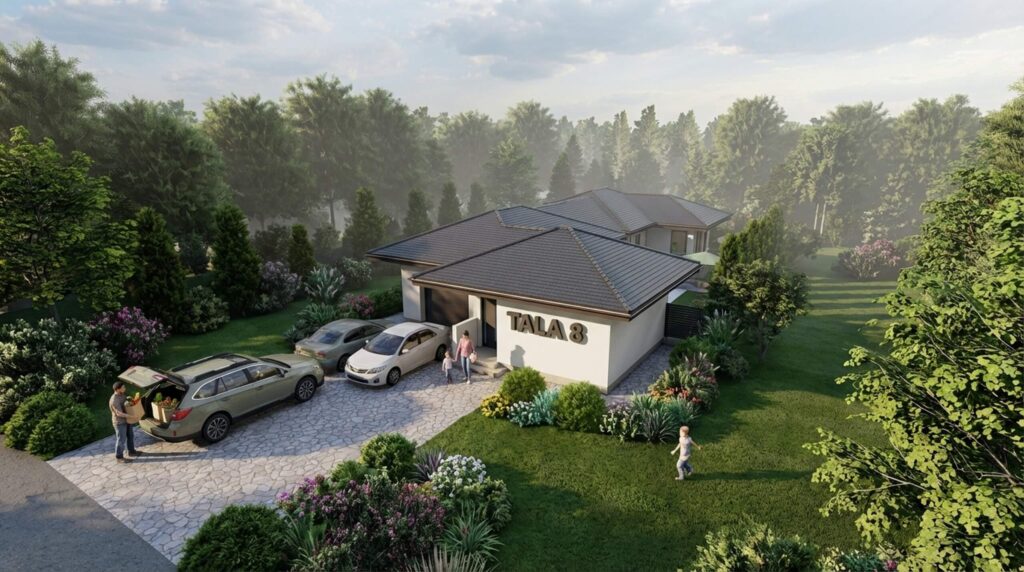 3124 m²6 month(s)from 123.000 USD
TALA 8
 3173 m²6 month(s)from 125.000 USD
TALA FOUR
 4344 m²16 month(s)from 290.000 USD
Radha
 1from 198.000 USD
Private: Haridas Villas
 172 m²8 month(s)from 120.000 USD
Keshava
 2144 m²11 month(s)from 104.000 USD
Narayana

Want to calculate?
 3104 m²11 month(s)from 99.000 USD
TALA 100
 3127 m²9 month(s)from 177.000 USD
Mukunda
Start With Real Numbers, Not Guesses
Before finalizing your finishing works plan, check realistic cost ranges for your Bali villa project.
Available lands
 700 m²15 min$ 162500Bali, Tabanan
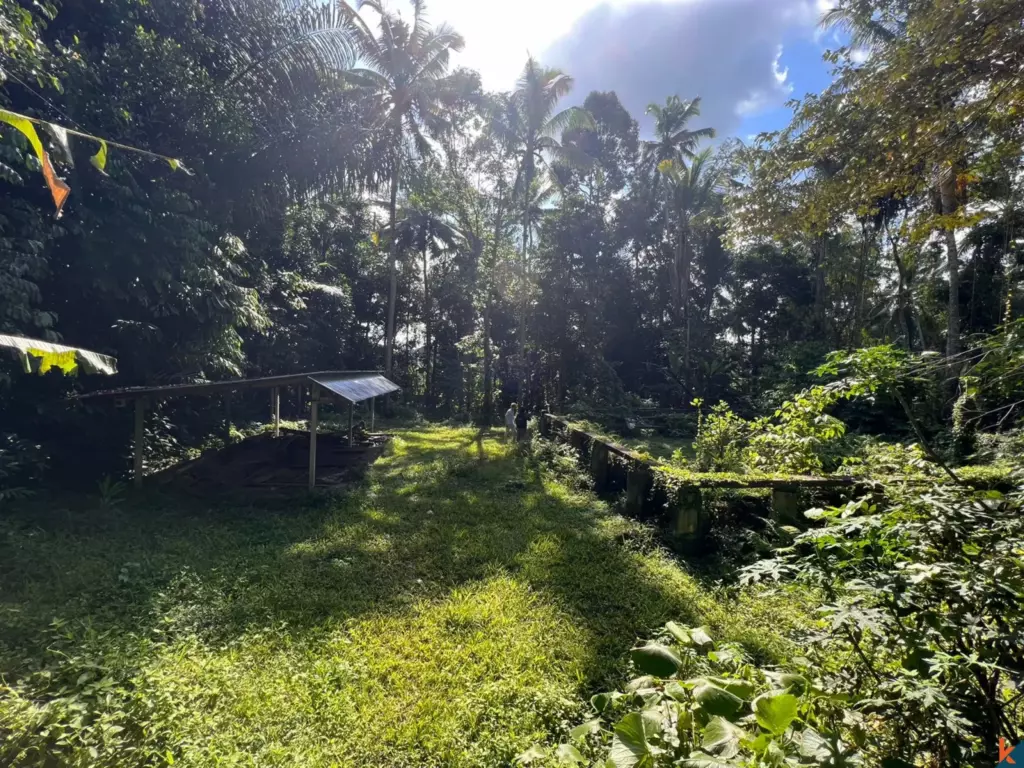 1230 m²15 min$ 132543Bali, Tegallalang
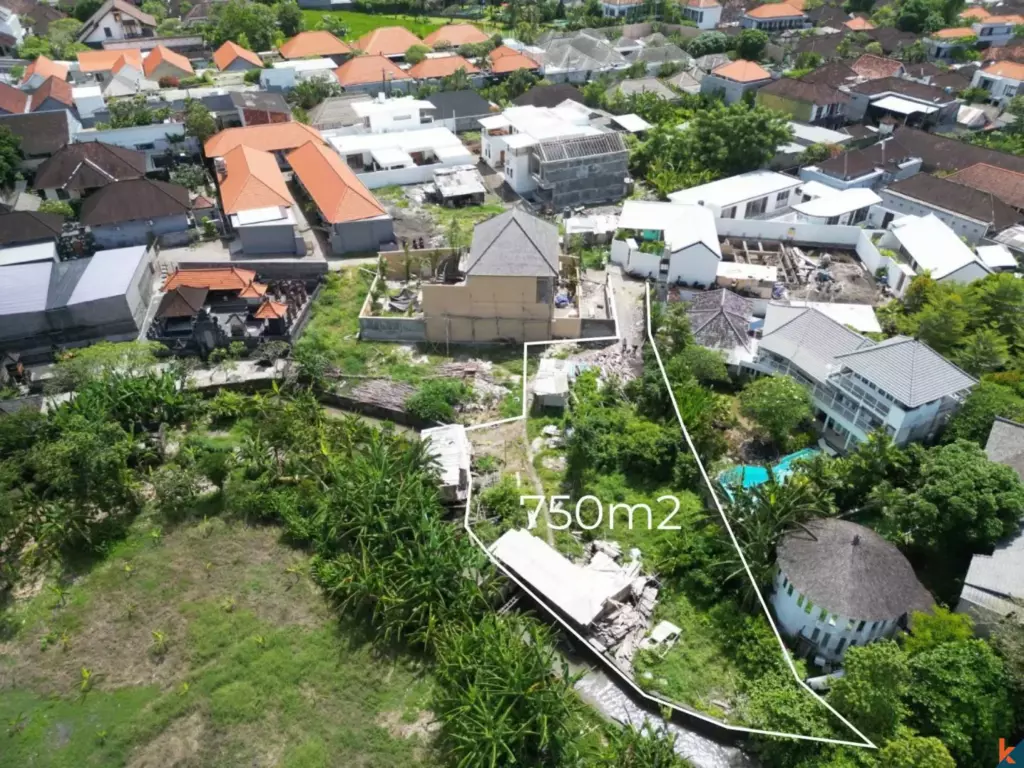 750 m²15 min$ 187038Bali, Kerobokan
 2200 m²3 min$ 183842Bali, Berawa
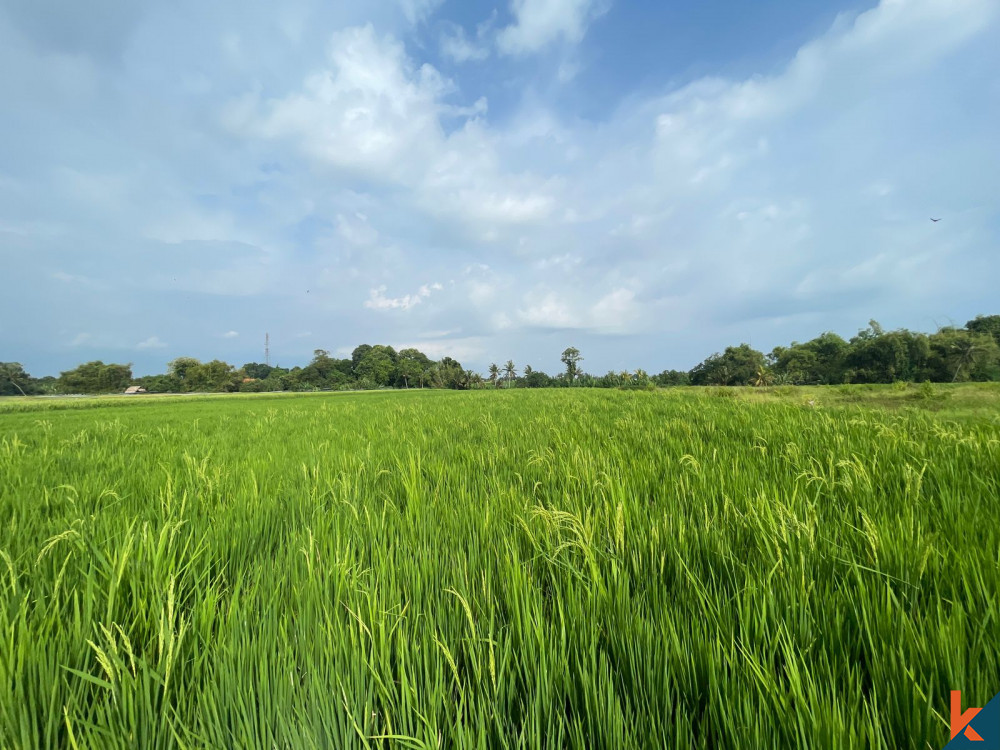 2800 m²2 min$ 713793Bali, Kedungu
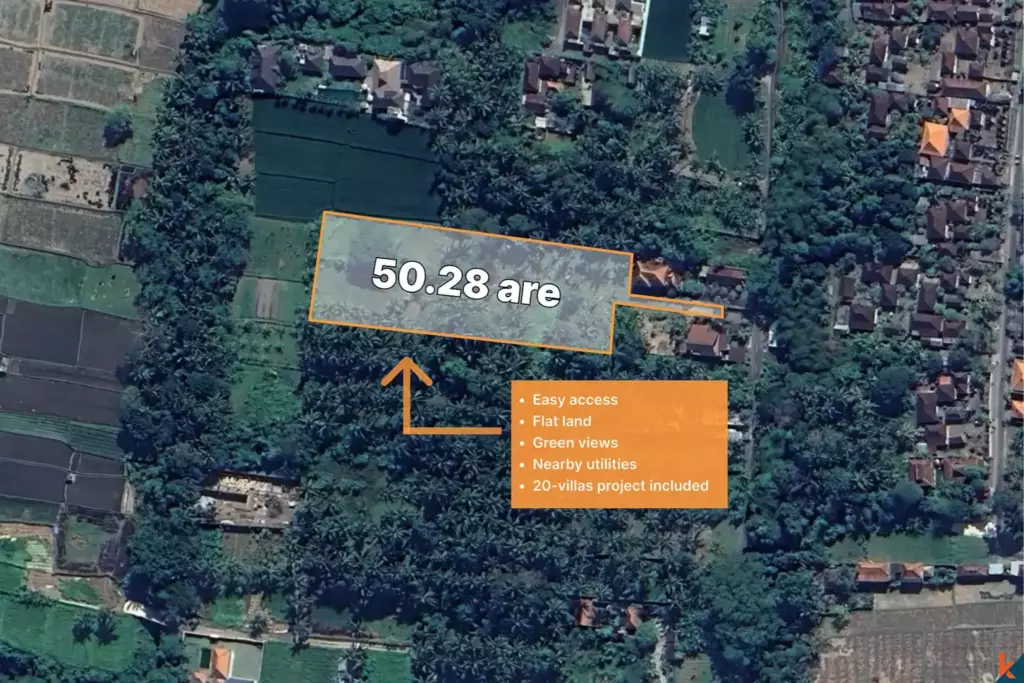 5028 m²10 min$ 361000Bali, Ubud
 700 m²15 min$ 90517Bali, Central Bali
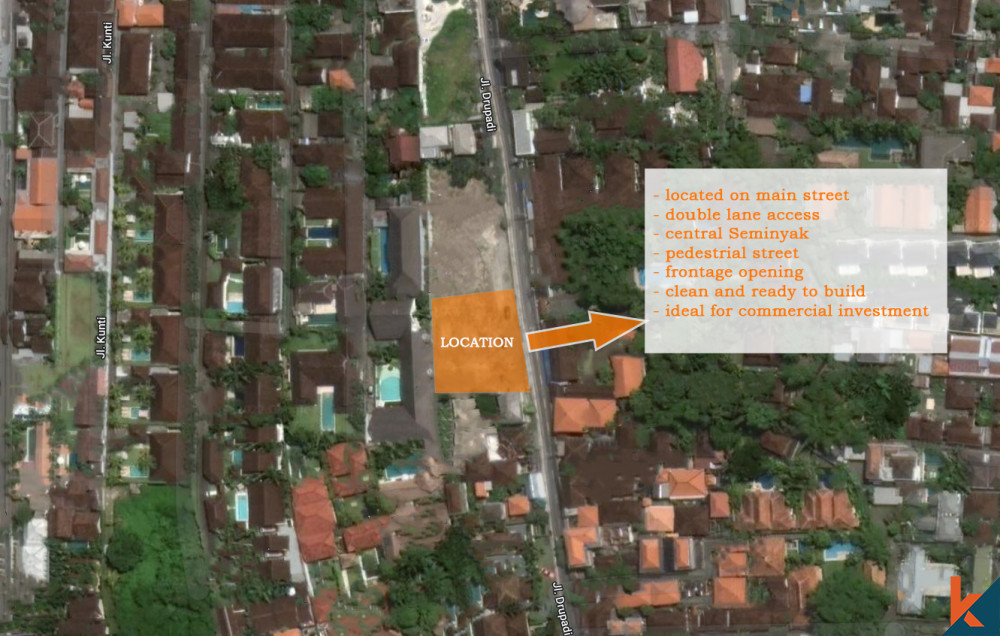 1000 m²5 min$ 350431Bali, Drupadi
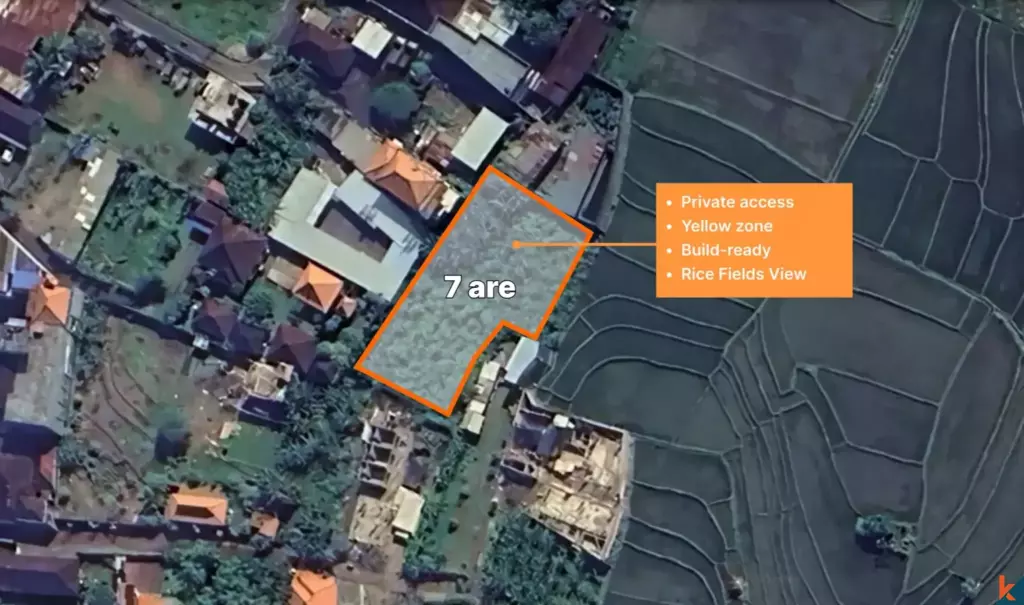 700 m²15 min$ 109052Bali, Buduk
 550 m²15 min$ 164594Bali, Mengwi
 3000 m²15 min$ 1246921Bali, Tabanan
 770 m²5 min$ 163578Bali, Kedungu
 2680 m²10 min$ 1732759Bali, Pererenan
 2000 m²15 min$ 110837Bali, Karangasem
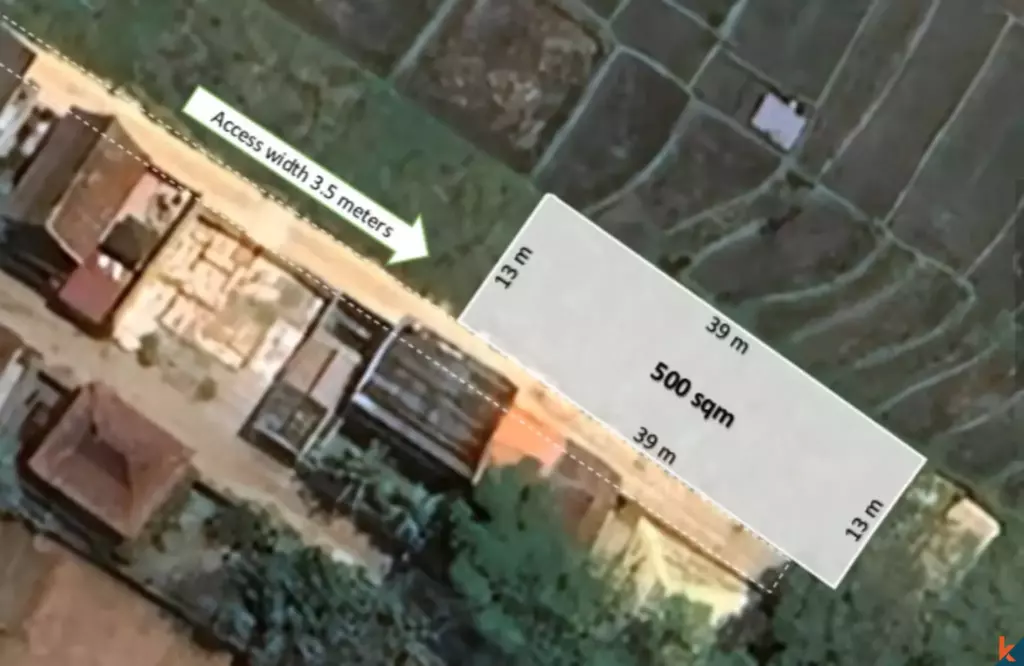 500 m²2 min$ 175862Bali, Cemagi
Planning a build in Bali?
Get a feasibility view, budget range and timeline from Teville.
Related guides
Marine-Grade Fixings for Bali Joinery: Corrosion Protocols
Explore marine-grade fixings and corrosion protocols for Bali coast joinery. Learn materials, maintenance tips, and best practices to extend timber durability.
10 min read
Resin-Infused Plaster Finishes: Anti-Salt Systems Bali
Expert technical guide: Resin-Infused Plaster Finishes: Anti-Salt Systems Bali
8 min read
Prefinished Timber Joinery: Silicone Seals Fixings Bali
Professional prefinished timber joinery installation in Bali with silicone seals and fixings for durable weatherproof performance and a premium finish.
10 min read