Epoxy Primer Two-Pack Paint Sequence for Coastal Bali
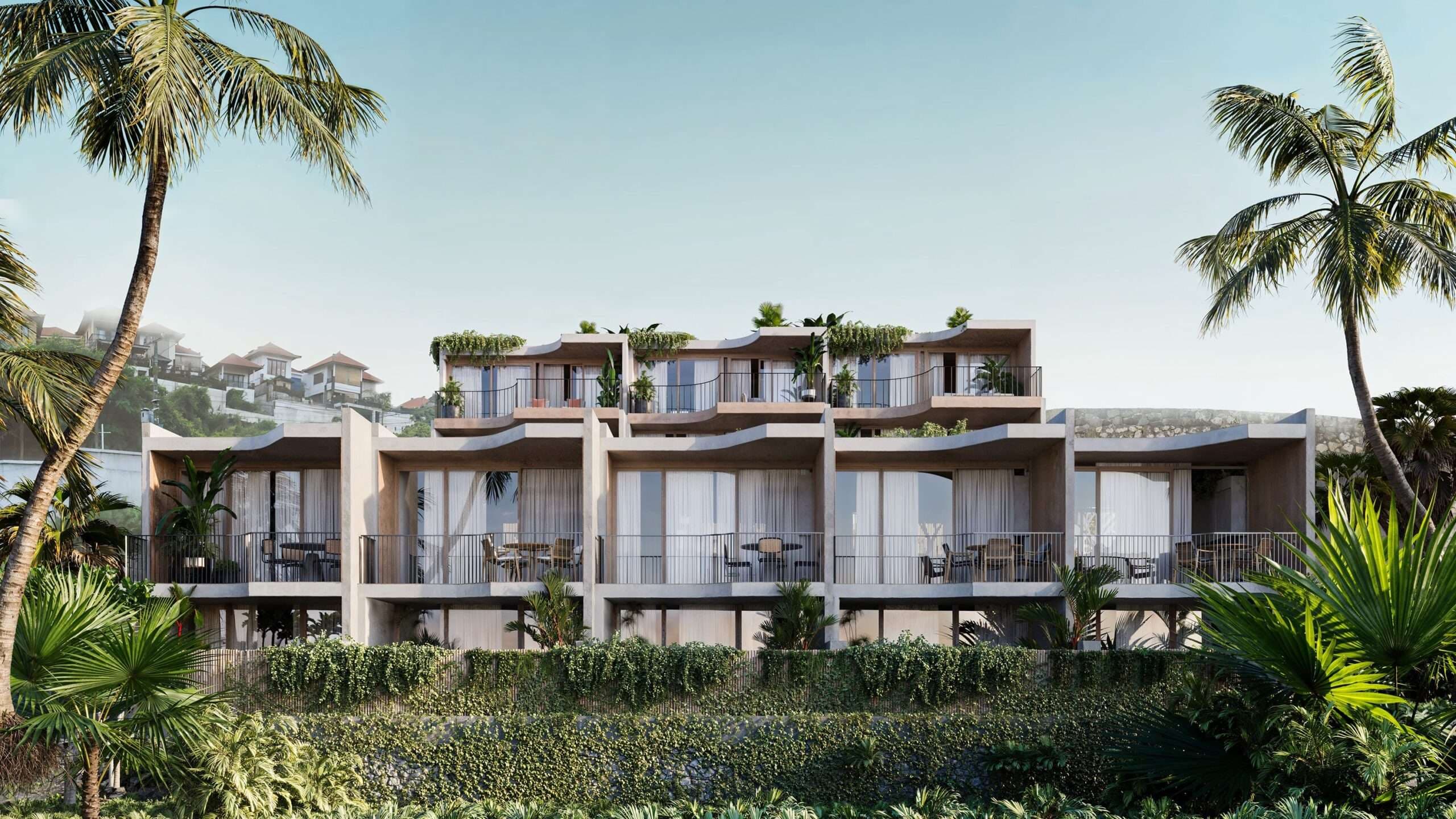
Epoxy Primer & Two-Pack Paint Sequence for Coastal Bali
1) Specific Problem/Question
How do we achieve a durable, high-finish coating on metals, timber, and concrete in coastal Bali—where salt spray, UV, and year-round humidity attack every surface? For Bali villa construction, renovation Bali, furniture installation, and villa utilities, the right epoxy primer and two-pack (2K) topcoat sequence is the difference between a flawless, long-life finish and annual repaint cycles. This Bali area guide details the exact system, sequencing, and controls Teville applies to deliver premium, climate-resilient finishes.
2) Technical Deep Dive
Coastal Bali is a C5-M environment by ISO 12944 criteria: high chloride loading, frequent wetting, intense UV, and temperatures that drive fast curing but also accelerate coating defects. In these conditions, a marine-grade epoxy primer provides the barrier and adhesion foundation, while a two-pack aliphatic polyurethane offers the UV-stable, chemical-resistant top layer. The system must be tailored per substrate and use case (exterior gates and railings, plantroom steel, balcony balustrades, AC compressor frames, pump room pipework, outdoor furniture bases, and exposed concrete features in interior finishing Bali).
Key performance requirements:
- Adhesion and barrier performance: Low-permeability epoxy primer with total DFT 150–300 μm to impede moisture and chlorides.
- UV retention: Aliphatic polyurethane 2K topcoat, 50–75 μm per coat, resisting chalking and fading.
- Surface preparation: Salt decontamination, profile creation, and dew point management to prevent osmotic blistering.
- Edge protection: Stripe coats at welds, edges, and fasteners, where films naturally thin.
- Quality control: WFT/DFT checks, chloride tests, adhesion testing, and documented recoat intervals.
Substrate specifics:
- Carbon steel (gates, frames, plant skids): Best practice is abrasive blast to ISO 8501-1 Sa 2½ with 50–75 μm anchor profile (ISO 8503). Where blasting is impossible (renovation Bali within occupied villas), power tool clean to St 3 plus soluble salt removal. Pre-prime immediately (within 2 hours) to avoid flash rust in Bali humidity.
- Galvanized steel (balustrades, brackets): Sweep blast with fine non-metallic media to lightly roughen without cutting through zinc; alternatively apply a compatible wash primer or conversion treatment. Avoid aggressive blasting that removes galvanizing.
- Aluminium (window trims, outdoor furniture frames): Degrease, abrade with 80–120 grit or Scotch-Brite, solvent-wipe, then prime with epoxy designed for non-ferrous metals. Consider an adhesion-promoting epoxy or etch-compatible system.
- Concrete (pump rooms, soffits, utility plinths): Moisture content below 4–5% (CM method), pH 7–9, laitance removed by diamond grinding. Apply an epoxy sealer/primer to lock the substrate and a build epoxy intermediate before the 2K topcoat when subject to splashes and chemicals.
- Exterior hardwood details near metals: For furniture installation using mixed materials, isolate dissimilar metals, seal timber end-grain, and use flexible sealants to prevent moisture ingress that undercuts coatings at fixings.
System architecture (typical):
- Primer: Marine-grade epoxy such as Interprotect-type epoxy barrier primer; 2 x 75–100 μm DFT coats.
- Intermediate (optional for high exposure): High-build epoxy 100–150 μm DFT for increased barrier thickness.
- Topcoat: Two-pack aliphatic polyurethane, 1–2 coats at 50–75 μm DFT each for UV, color, and chemical resistance.
Environmental controls are decisive in Bali. Substrate temperature must be at least 3°C above dew point; verify with a psychrometric calculation or dew point meter. Avoid early-morning and late-afternoon application when sea breezes lift humidity. Salt must be reduced below ~50 mg/m² (ISO 8502-9 guidance) after freshwater washdowns, especially for ocean-facing elevations. Pot life shrinks rapidly above 30°C; small batch mixing and continuous DFT checks help maintain uniformity. For villa utilities rooms with poor airflow, ensure forced ventilation; solvent-rich 2K systems require strict ignition control and PPE.
Finally, consider detailing. Seal sharp edges to a minimum 2 mm radius with epoxy filler; caulk joints and new/old interfaces; perform stripe coats on weld toes, bolt heads, and cut edges before each full coat. The difference between flawless luxury finishing and recurring repairs in Bali is found at edges, fixings, and penetrations.
3) Materials & Standards
Representative materials for coastal Bali finishing works (verify local availability in 2026):
- Epoxy primer: Marine-grade, solvent-borne, high solids. A commonly specified reference is International Paint Interprotect Epoxy Primer, suitable for marine/coastal exposure (eastmarineasia.com). Always follow the latest TDS and SDS.
- High-build epoxy intermediate: Low-permeability barrier coat for increasing total DFT in splash zones and windward facades.
- Two-pack aliphatic polyurethane topcoat: High UV resistance, color/gloss retention, abrasion and chemical resistance for exterior and utility spaces.
- Ancillaries: Freshwater pressure washer, chloride test swabs, THA/thinners per manufacturer, silica-free abrasives, masking tapes rated for 2K solvents, dew point meter, WFT combs, DFT gauge (magnetic/eddy current), adhesion test kit (ASTM D3359), PPE, ventilation fans, explosion-proof lighting where needed.
Applicable international standards and Bali-relevant guidance:
- ISO 12944: Corrosion protection of steel structures by protective paint systems; target C5-M durability class selections.
- ISO 8501-1, 8502, 8503: Surface cleanliness grades (Sa/St), soluble salt tests, and surface profile methods.
- SSPC/NACE (AMPP): Surface prep and coating application practices for maintenance and renovation works.
- ASTM D4414/D7091: WFT and DFT measurement practices.
- ASTM D3359: Cross-cut adhesion testing.
- SNI references: Where applicable for building finishing and safety; coordinate with project specs and local inspectors.
Compatibility notes:
- Confirm primer-topcoat compatibility from the same manufacturer or via cross-compatibility matrix.
- For galvanized and aluminium, use primers rated for non-ferrous substrates or apply an approved tie-coat.
- Concrete requires epoxy sealing to control outgassing and moisture drive; check moisture limits and consider vapor-barrier strategies in ground-contact areas.
4) Step-by-Step Process
Below is the Teville field-tested sequence for exterior metals and utility-area finishes within Bali villa construction and renovation Bali projects.
0. Planning and mockups
- Define exposure zones (windward/seafront vs leeward/courtyard) and service expectations.
- Select full system with target total DFT and color/gloss. Prepare a mockup panel and on-site sample area.
- Review TDS for mixing, pot life, induction, thinning, and recoat windows for Bali temperatures (28–34°C).
1. Surface assessment and salt removal
- Measure RH, ambient and substrate temperatures, dew point spread (≥3°C).
- Pressure-wash with fresh water to remove salt and contaminants. Where heavy chloride loading exists, perform repeated rinses and test using ISO 8502-6/9 chloride kits until below ~50 mg/m².
- Degrease with solvent or alkaline cleaner. Rinse and dry fully.
2. Mechanical preparation
- Carbon steel: Abrasive blast to Sa 2½, 50–75 μm profile; or St 3 with CSP profile where blasting is restricted. Feather edges at repairs.
- Galvanized steel: Sweep blast (light) or non-etch mechanical abrasion; avoid breaking zinc layer.
- Aluminium: Abrade and solvent-wipe; ensure a uniform, matte scratch pattern.
- Concrete: Grind to remove laitance, vacuum clean; verify moisture and pH.
- Round sharp edges to ≥2 mm radius; fill pits and weld craters with epoxy filler after priming as needed.
3. Environmental control and masking
- Schedule coatings mid-morning to mid-afternoon when dew risk is lowest but avoid peak heat.
- Mask interfaces to stone, timber, or glass. Protect adjacent furniture installation zones and villa utilities equipment.
- Set up ventilation for plantrooms; verify no ignition sources for solvent vapors.
4. Mixing and induction
- Mix epoxy primer components by volume ratio per TDS (commonly 4:1). Mechanically stir base; add hardener slowly; mix 3–5 minutes.
- Allow induction time (10–20 minutes typical) if specified to ensure proper crosslink initiation.
- Strain into lined pots; mix small batches to suit pot life at 30°C; note exotherm—spread material thinly in tray if needed.
5. Stripe coat
- Before each full coat, stripe welds, edges, bolt heads, brackets, and internal corners by brush/mini-roller.
- Target 25–50 μm DFT in stripe coats to build edge thickness.
6. Primer application
- Apply by airless spray (preferred), conventional spray, or roller/brush for small works. Follow WFT target to achieve 75–100 μm DFT per coat.
- Continuously verify WFT with comb gauge and calculate theoretical DFT based on solids by volume.
- Observe minimum and maximum recoat windows; in Bali heat, minimum may be reached within hours, but do not exceed maximum—else intercoat abrasion is required.
7. Intermediate build (optional but recommended in C5-M)
- Apply high-build epoxy to achieve total epoxy barrier of 200–300 μm in splash/sea-facing zones.
- Repeat stripe coat at edges before intermediate application if geometry is complex.
8. Topcoat preparation
- Lightly abrade if outside epoxy recoat window; solvent-wipe to remove amine blush if present (common in humid cure).
- Mix 2K polyurethane per TDS; avoid moisture ingress into mixing containers; use dedicated reducers.
9. Topcoat application
- Apply 1–2 coats at 50–75 μm DFT each. For darker colors on sun-exposed frames, favor higher DFT for UV and heat resilience.
- Maintain wet edge; avoid heavy film on sharp corners where sags form. Monitor for pinholes, craters (from contamination), or blushing.
10. Curing and protection
- Respect dust-free, handle, and full-cure times. Tropics shorten dust-free but not always full chemical cure; protect from sea mist for 48–72 hours.
- Do not install adjacent hardware or furniture until coatings reach handle cure; coordinate trades to avoid mechanical damage.
11. Inspection and documentation
- DFT survey per area and geometry; record average and minimums, especially at edges and fasteners.
- Adhesion test (ASTM D3359) on mockup or discreet area after full cure.
- Punch list corrections: touch-up pinholes, thin spots, or handling damage before handover.
12. Maintenance plan
- Quarterly freshwater rinses on windward elevations and coastal furnishings.
- Annual inspection for chips at corners; spot-prepare and patch using the same primer/topcoat sequence.
- Keep touch-up kits labeled by color code for villa utilities and exterior metals.
See how Teville plans and integrates finishing with build sequencing at How We Build and view related casework in our Portfolio and Villa Projects.
5) Costs & Timeline
Costs vary with access, prep method, geometry, and target DFT. Typical 2026 Bali market guidance for professional application (materials + labor):
 3173 m²6 month(s)from 125.000 USD
TALA FOUR
 164 m²7 month(s)from 79.000 USD
TALA TWO
 2144 m²11 month(s)from 104.000 USD
Narayana

Want to calculate?
 3180 m²7 month(s)from 142.000 USD
Vasudeva
 1from 198.000 USD
Private: Haridas Villas
 4344 m²16 month(s)from 290.000 USD
Radha
 172 m²8 month(s)from 120.000 USD
Keshava
164 m²7 month(s)from 79.000 USDPrivate: Haridas Villas, Tegallalang
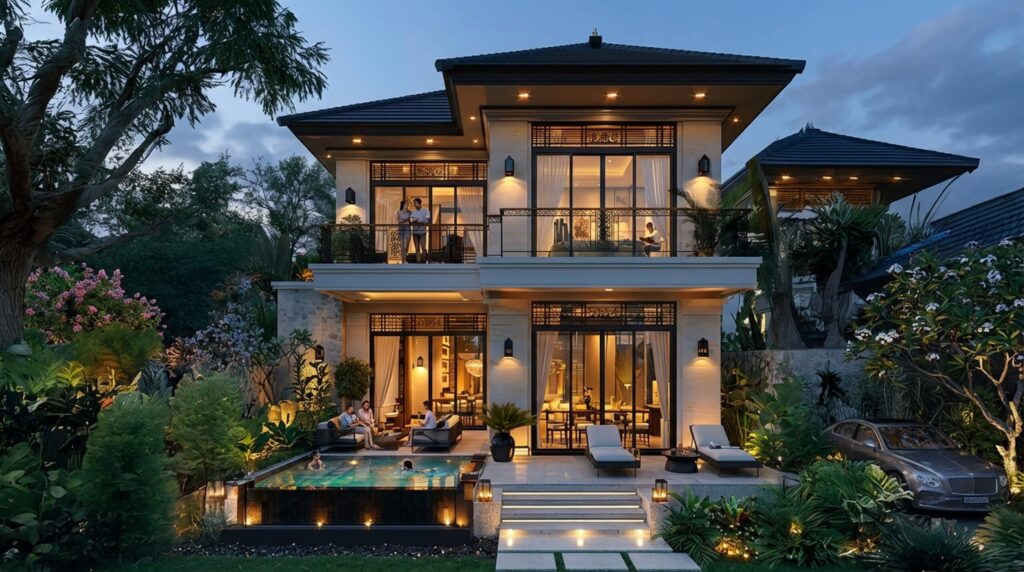 3127 m²9 month(s)from 177.000 USD
Mukunda
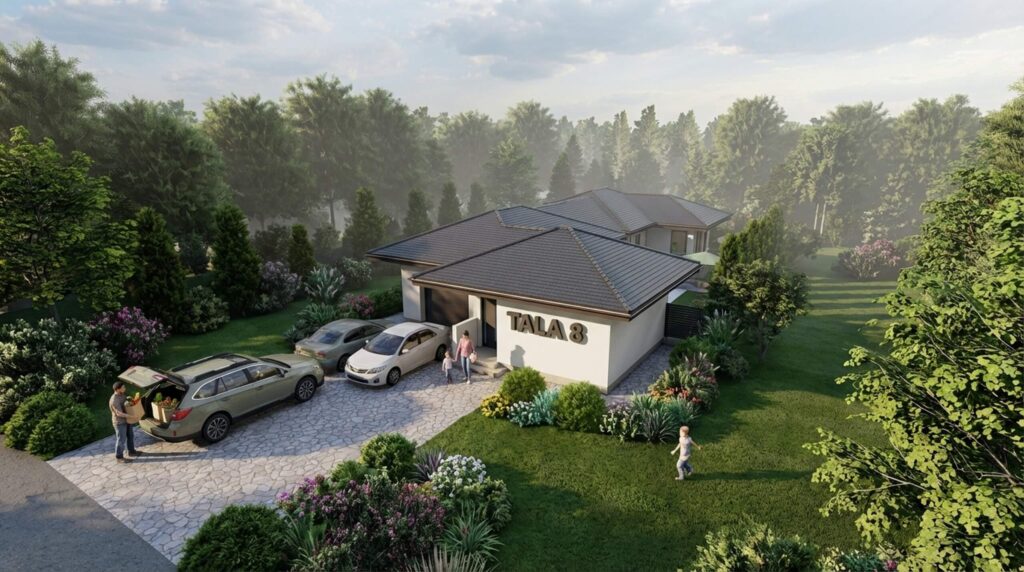 3124 m²6 month(s)from 123.000 USD
TALA 8
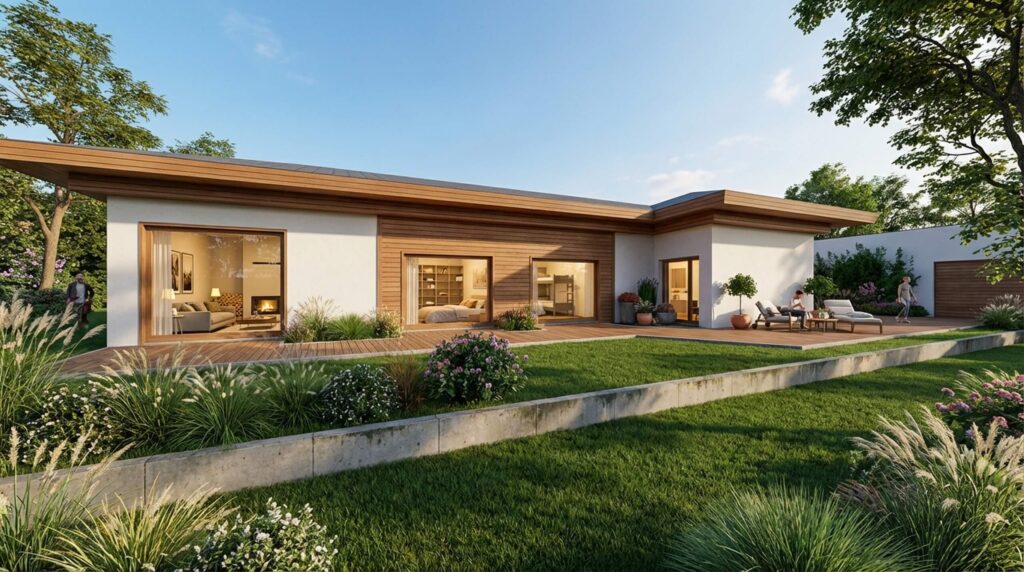 3104 m²11 month(s)from 99.000 USD
TALA 100
Start With Real Numbers, Not Guesses
Before finalizing your finishing works plan, check realistic cost ranges for your Bali villa project.
Available lands
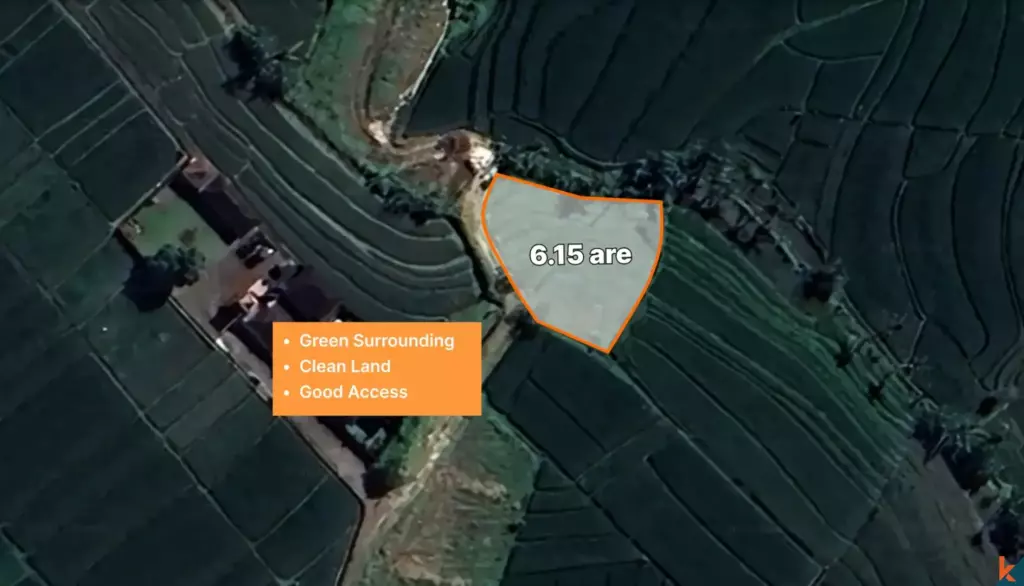 615 m²15 min$ 113608Bali, Tabanan
 6000 m²30 min$ 55419Bali, Tabanan
 204 m²5 min$ 40899Bali, Kedungu
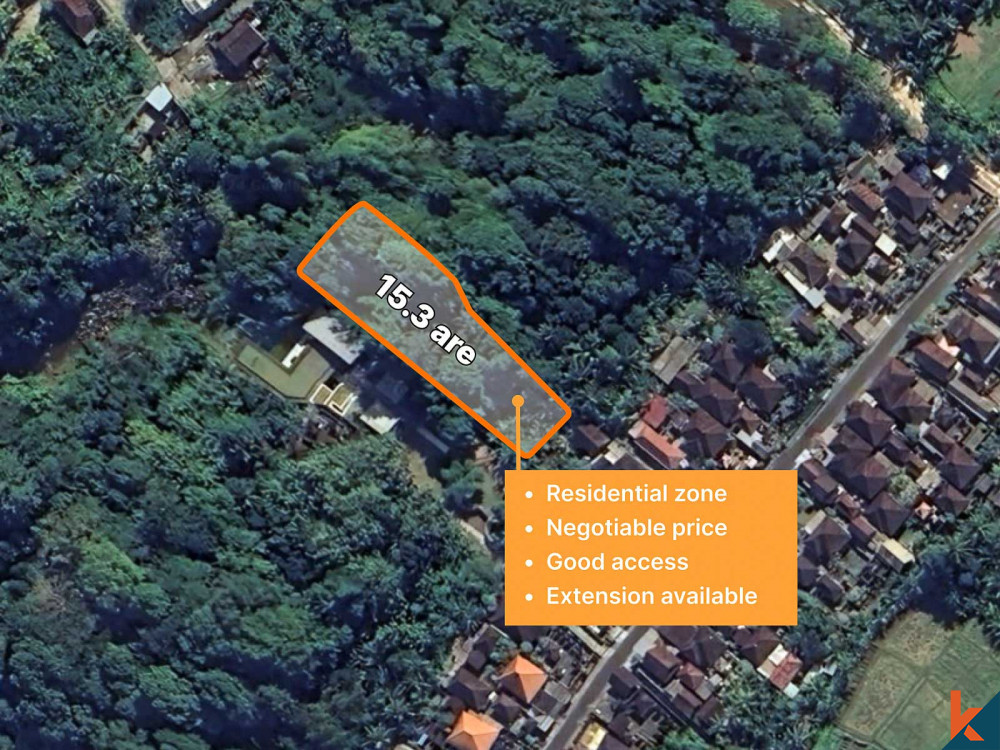 1533 m²5 min$ 165666Bali, Cepaka
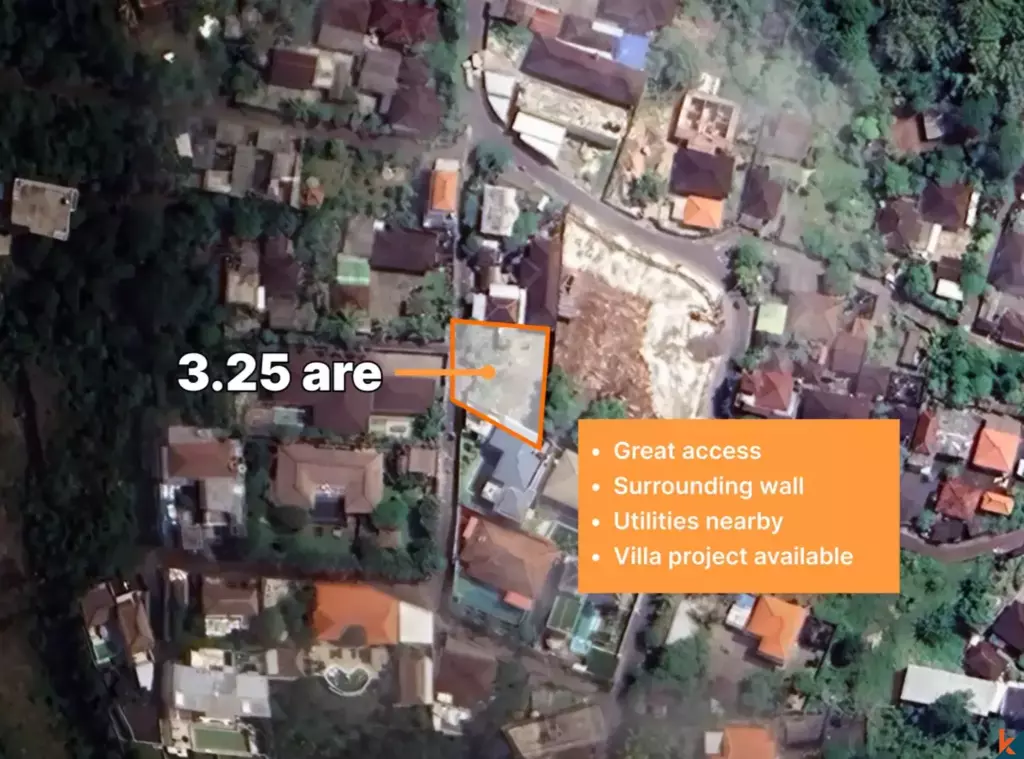 325 m²15 min$ 44472Bali, Ungasan
 7000 m²36 min$ 284483Bali, Gianyar
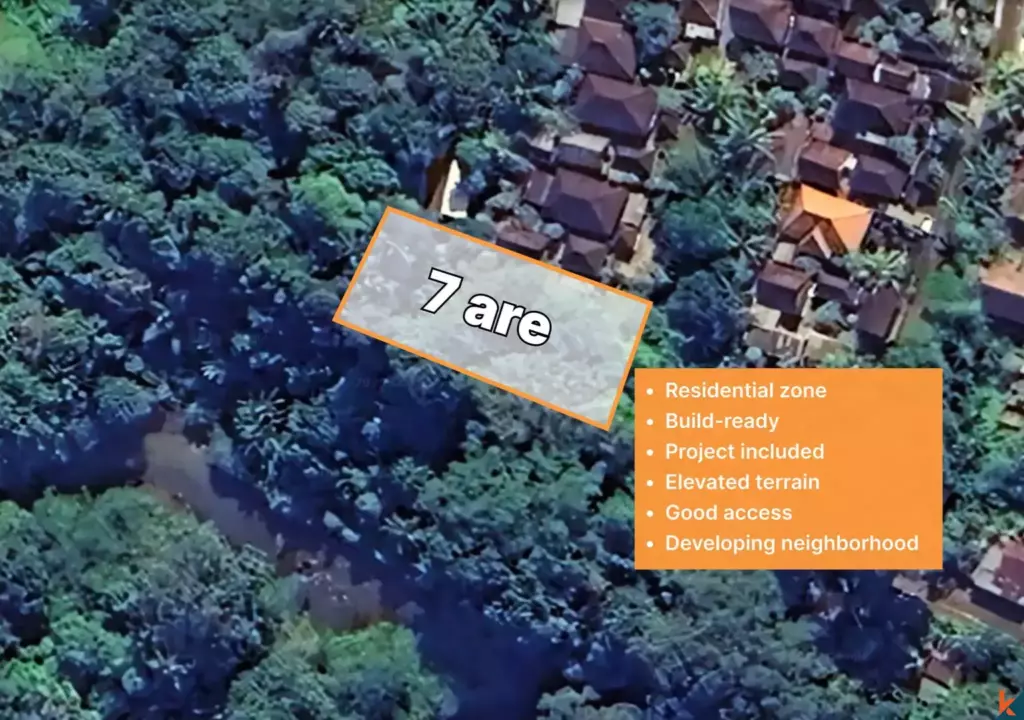 700 m²20 min$ 90517Bali, Cepaka
 1158 m²12 min$ 291996Bali, Mengwi
 2000 m²10 min$ 243842Bali, Mengwi
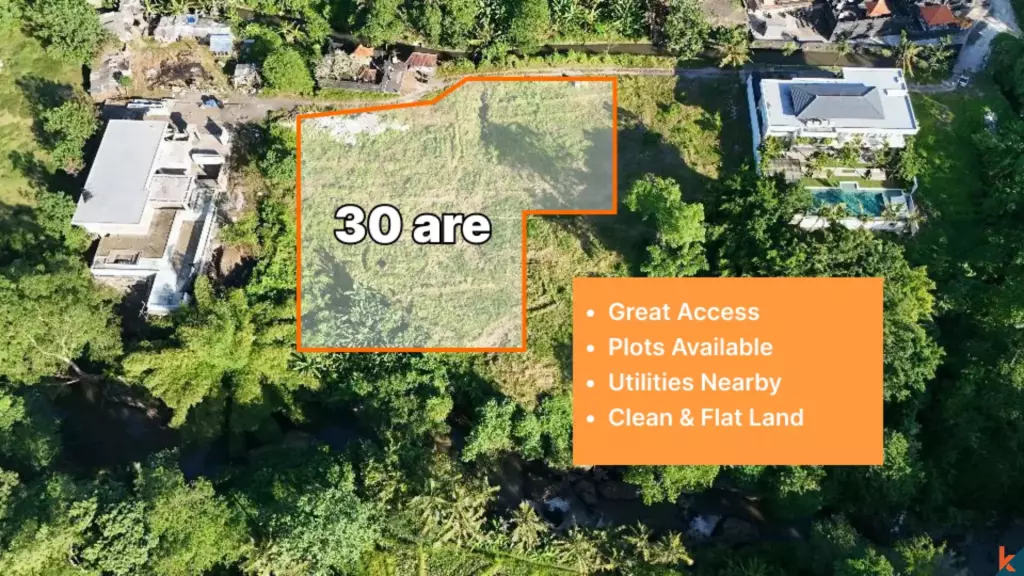 3000 m²15 min$ 738916Bali, Cepaka
 260 m²5 min$ 51872Bali, Kedungu
 5000 m²8 min$ 424877Bali, Ungasan
 1950 m²7 min$ 150092Bali, Tabanan
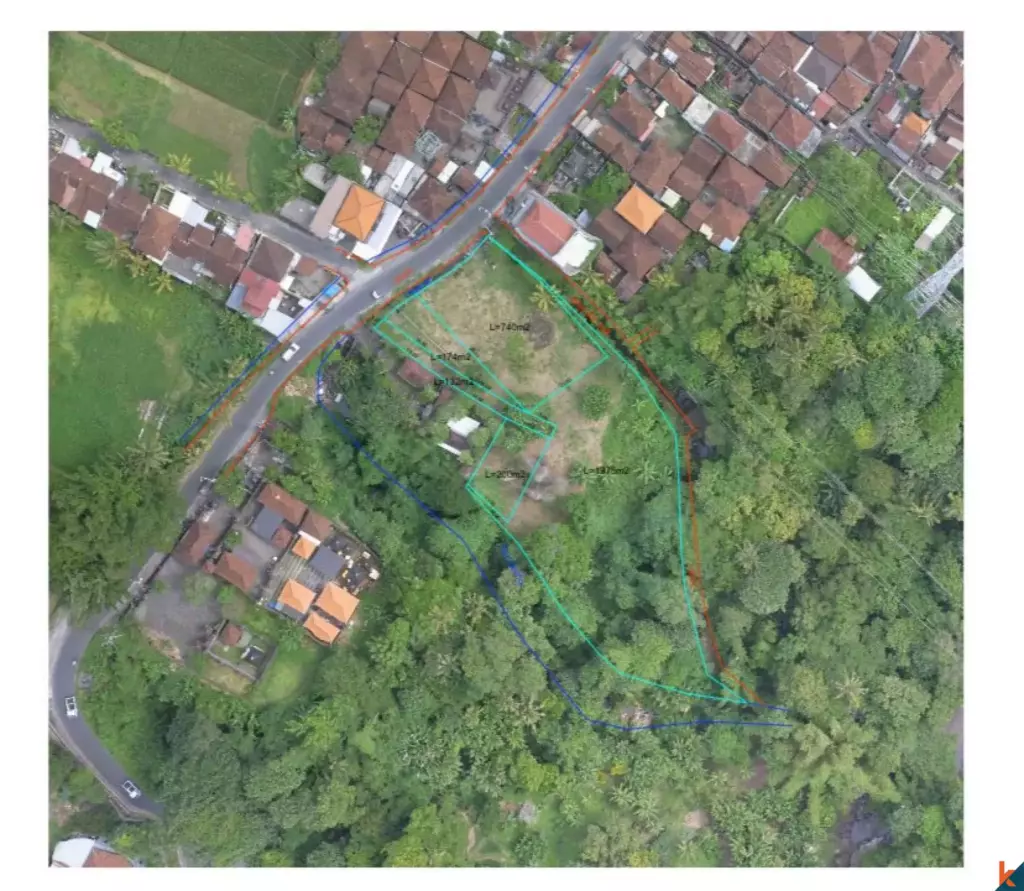 200 m²11 min$ 89286Bali, Tabanan
 3900 m²10 min$ 432266Bali, Tabanan
Planning a build in Bali?
Get a feasibility view, budget range and timeline from Teville.
Related guides
Marine-Grade Fixings for Bali Joinery: Corrosion Protocols
Explore marine-grade fixings and corrosion protocols for Bali coast joinery. Learn materials, maintenance tips, and best practices to extend timber durability.
10 min read
Resin-Infused Plaster Finishes: Anti-Salt Systems Bali
Expert technical guide: Resin-Infused Plaster Finishes: Anti-Salt Systems Bali
8 min read
Prefinished Timber Joinery: Silicone Seals Fixings Bali
Professional prefinished timber joinery installation in Bali with silicone seals and fixings for durable weatherproof performance and a premium finish.
10 min read