Material Substitution Clauses in Bali: Prevent Spec Changes

The Hidden Threat: When Your Premium Marble Becomes Local Ceramic Mid-Construction
You’ve signed a construction contract for your Bali villa specifying Italian porcelain tiles, German sanitary fixtures, and teak hardwood flooring. Three months into the build, your contractor informs you that “equivalent local alternatives” have been installed instead—at significantly lower quality but the same contract price. Without a properly structured material substitution clause, you have limited recourse. This scenario plays out repeatedly across Bali’s construction sites, where vague contractual language around material specifications creates opportunities for cost-cutting substitutions that compromise both quality and property value. The technical challenge isn’t just legal—it’s about establishing enforceable material standards in a tropical environment where supply chain volatility, import restrictions, and local sourcing pressures create constant temptation for unauthorized specification changes.
Engineering the Contractual Framework: Technical Architecture of Material Substitution Controls
Material substitution clauses function as contractual gatekeeping mechanisms, but their effectiveness in Bali villa construction depends entirely on technical specificity and enforcement architecture. A properly engineered clause must address three critical dimensions: material specification precision, approval workflow protocols, and quality verification systems.
Material Specification Precision Standards
Generic descriptions like “high-quality tiles” or “premium fixtures” provide zero contractual protection. Technical specifications must include manufacturer names, product model numbers, material composition standards (ISO, ASTM, or European EN standards), performance ratings, and tropical climate suitability certifications. For example, specifying “Porcelanosa Bottega Caliza 59.6×59.6cm porcelain tile, water absorption <0.5%, slip resistance R10, UV stability rating minimum 7/8" creates enforceable parameters that prevent substitution with inferior products.
In Bali’s tropical environment, material specifications must explicitly address humidity resistance, salt air corrosion resistance (for coastal properties), fungal growth resistance, and thermal expansion coefficients. A substitution clause should mandate that any alternative material must meet or exceed ALL specified performance criteria, not just aesthetic similarity. This technical requirement prevents contractors from substituting materials that look similar but fail under tropical stress conditions.
Approval Workflow Architecture
The substitution approval process requires structured workflow protocols with defined timeframes and documentation requirements. An effective clause establishes a three-tier approval system: preliminary notification (minimum 14 days before proposed substitution), technical documentation submission (including manufacturer specifications, performance test results, and comparative analysis), and formal written approval with site verification requirements.
The preliminary notification must include specific justification categories: material unavailability (with evidence of supplier communication), supply chain disruption (with alternative sourcing attempts documented), or regulatory changes (with official documentation). Vague claims of “better alternatives available” or “cost optimization” should be explicitly prohibited as valid substitution grounds. This prevents opportunistic substitutions driven by contractor profit margins rather than legitimate project needs.
Technical documentation requirements should mandate independent third-party testing reports, not just manufacturer claims. For structural materials, this includes load-bearing certifications; for finishes, tropical climate performance data; for mechanical systems, energy efficiency ratings and warranty comparability. The approval workflow should specify that client silence does not constitute approval—explicit written consent is required, with the burden of proof on the contractor to demonstrate equivalency or superiority.
Quality Verification and Enforcement Mechanisms
Approval alone doesn’t prevent unauthorized substitutions. The clause must establish verification checkpoints throughout construction phases, with material inspection protocols before installation. This includes photographic documentation of packaging, labels, and batch numbers; on-site material testing for critical specifications; and third-party inspection rights at client discretion and contractor expense if substitution is suspected.
Enforcement mechanisms must include financial penalties calibrated to prevent cost-driven substitutions. If a contractor can save 30% by using inferior materials and faces only a 10% penalty if caught, the economic incentive favors violation. Effective clauses establish penalty structures at 150-200% of the cost differential, plus mandatory replacement at contractor expense and project delay compensation. For critical structural or waterproofing materials, penalties should be severe enough to make unauthorized substitution economically irrational.
The clause should also address the “installed material” problem—what happens when unauthorized substitutions are discovered after installation. Clear protocols for removal, disposal, and replacement must be established, with all costs (including consequential damages like schedule delays or damage to adjacent work) borne by the contractor. This creates strong incentive for compliance rather than “ask forgiveness later” approaches common in building permits Bali construction projects.
Hidden Risks: What Technical Due Diligence Misses in Material Substitution Scenarios
The most dangerous material substitution risks aren’t obvious specification downgrades—they’re technically subtle changes that compromise long-term performance while appearing superficially equivalent. In Bali’s construction environment, three categories of hidden risks create particular vulnerability.
Tropical Performance Degradation
Materials that perform identically in temperate climates can fail catastrophically in tropical conditions. A contractor might substitute European-standard waterproofing membrane with a locally-sourced “equivalent” that meets basic waterproofing specifications but lacks UV stabilizers or fungal resistance additives. The substitution appears valid on paper, but within 18-24 months, the membrane degrades, causing water infiltration and structural damage. Without explicit tropical performance criteria in your substitution clause, you have limited recourse.
Similarly, timber substitutions present hidden risks. Replacing specified pressure-treated hardwood with locally-sourced alternatives that lack proper kiln-drying or preservative treatment creates termite vulnerability and dimensional instability. The wood looks identical initially but fails within years rather than decades. Your substitution clause must mandate moisture content testing, preservative treatment verification, and species-specific durability ratings for tropical environments.
Supply Chain Opacity and Counterfeit Materials
Bali’s construction supply chain includes significant counterfeit material circulation—products bearing legitimate brand labels but manufactured in unauthorized facilities with substandard quality control. A contractor might provide “approved” materials with correct packaging and documentation, but the actual products are counterfeits. This risk is particularly acute for electrical components, plumbing fixtures, and structural fasteners where failure consequences are severe.
Effective substitution clauses must include authentication verification requirements: authorized dealer documentation, manufacturer serial number verification, and batch traceability. For critical systems, specify that materials must be procured through manufacturer-authorized distributors with verifiable supply chain documentation. This prevents the “technically compliant but actually counterfeit” scenario that standard clauses don’t address.
The “Equivalent Performance” Interpretation Gap
Contractors and clients often interpret “equivalent performance” differently. A contractor might argue that a substitute tile with identical dimensions and appearance is equivalent, while ignoring differences in slip resistance, stain resistance, or thermal shock resistance. Without explicit definition of which performance parameters constitute “equivalency,” disputes become subjective arguments rather than objective technical assessments.
Your clause must define equivalency across all relevant performance dimensions, weighted by importance. For pool tiles, slip resistance and chemical resistance are critical; for roof materials, wind uplift resistance and thermal performance matter most. The clause should specify that substitutes must meet or exceed the original specification in ALL defined performance categories, not just selected attributes convenient to the contractor’s preferred alternative.
Implementation Protocol: Engineering Material Substitution Controls Into Your Construction Contract
Step 1: Develop Comprehensive Material Specification Schedule
Before contract execution, create a detailed material specification schedule as a contract appendix. This document should list every significant material category (structural, waterproofing, finishes, mechanical systems, fixtures) with specific technical requirements. For each category, include manufacturer/brand, model/product line, technical specifications (with relevant standard references), quantity, and designated installation locations.
Work with your construction partner—firms like Teville’s engineering-driven approach can provide technical input on specification appropriateness for tropical conditions—to ensure specifications are both achievable and appropriate. Unrealistic specifications that can’t be sourced in Bali create unnecessary substitution pressure. The goal is ambitious but achievable standards that reflect genuine quality requirements rather than arbitrary brand preferences.
Step 2: Draft Multi-Layered Substitution Clause Architecture
Structure your substitution clause in three tiers based on material criticality. Tier 1 (structural, waterproofing, electrical/plumbing systems) requires the most stringent approval process: 21-day advance notice, independent engineering review, client approval, and third-party verification before installation. Tier 2 (major finishes, fixtures, mechanical equipment) requires 14-day notice, technical documentation, and client approval. Tier 3 (minor finishes, accessories) allows streamlined approval with 7-day notice and technical equivalency documentation.
Each tier should specify different penalty structures reflecting the consequence of unauthorized substitution. Tier 1 violations might trigger 200% cost differential penalties plus mandatory engineering re-certification; Tier 3 violations might involve 150% penalties and replacement requirements. This calibrated approach focuses enforcement resources on critical materials while maintaining control across all categories.
Step 3: Establish Documentation and Verification Protocols
Define specific documentation requirements for substitution requests: written justification with supporting evidence, complete technical specifications for proposed substitute (including manufacturer data sheets and test reports), comparative analysis showing equivalency or superiority across all relevant performance parameters, cost impact analysis (if any), and schedule impact assessment.
Establish verification checkpoints: pre-delivery inspection rights, on-site material verification before installation, photographic documentation requirements, and sample retention protocols. Specify that contractor must provide 48-hour notice before material delivery for inspection opportunity. For critical materials, require that samples be submitted for independent testing at contractor expense before bulk delivery approval.
Step 4: Integrate Enforcement Mechanisms and Dispute Resolution
Define clear consequences for unauthorized substitutions: immediate work stoppage rights, mandatory removal and replacement at contractor expense, financial penalties as specified by tier, schedule delay compensation, and potential contract termination for repeated violations. Specify that discovery of unauthorized substitution—even after installation—triggers these consequences without limitation period during construction phase.
Establish dispute resolution protocols for substitution disagreements: initial technical review by independent engineer (cost split between parties), binding determination based on objective performance criteria, and expedited resolution timeframe (maximum 7 days) to prevent project delays. This prevents substitution disputes from becoming protracted legal battles that stall construction.
Step 5: Implement Ongoing Monitoring and Compliance Verification
Material substitution control isn’t a one-time contract drafting exercise—it requires active monitoring throughout construction. Establish regular site inspection protocols specifically focused on material verification: weekly material delivery logs review, random sampling and testing of installed materials, photographic documentation of all major material installations, and periodic third-party audits at critical construction milestones.
Consider engaging independent construction monitoring services for high-value projects. The cost of professional oversight (typically 2-3% of construction value) is minimal compared to the risk of discovering major unauthorized substitutions after project completion. This is particularly valuable for clients not based in Bali who can’t conduct frequent personal site inspections.
Cost and Timeline Realities: Material Substitution Control Economics
Implementing robust material substitution controls involves specific costs and timeline considerations that must be factored into project planning. Legal fees for drafting comprehensive substitution clauses with detailed material schedules typically range from IDR 15-25 million (USD 950-1,600) for standard villa projects, increasing to IDR 35-50 million for complex multi-structure developments requiring extensive technical specifications.
Independent engineering review services for substitution request evaluation cost approximately IDR 5-8 million per review, with turnaround times of 5-7 business days. Fo
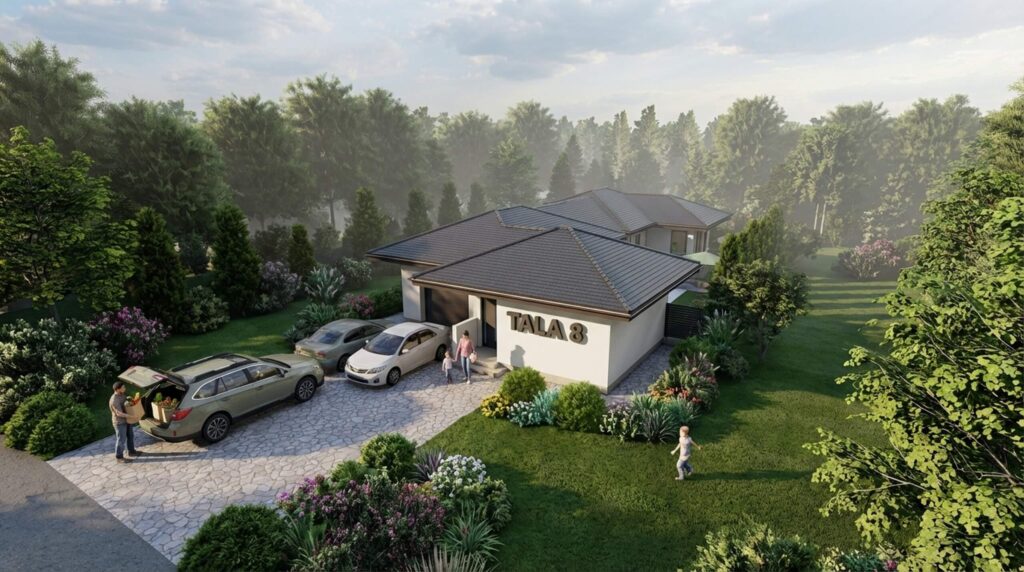 3124 m²6 month(s)from 123.000 USD
TALA 8
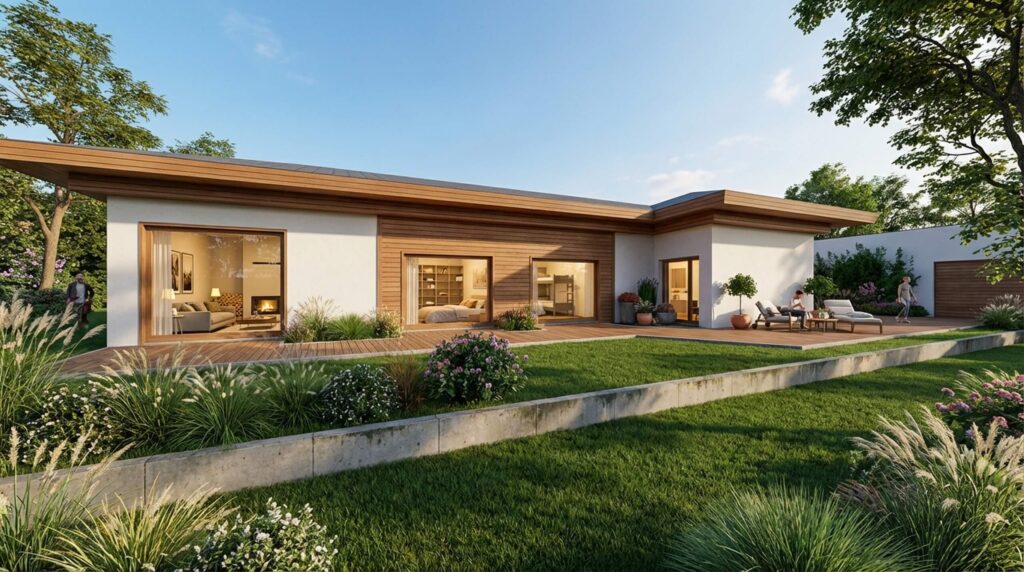 3104 m²11 month(s)from 99.000 USD
TALA 100
 172 m²8 month(s)from 120.000 USD
Keshava
 164 m²7 month(s)from 79.000 USD
TALA TWO
 3173 m²6 month(s)from 125.000 USD
TALA FOUR
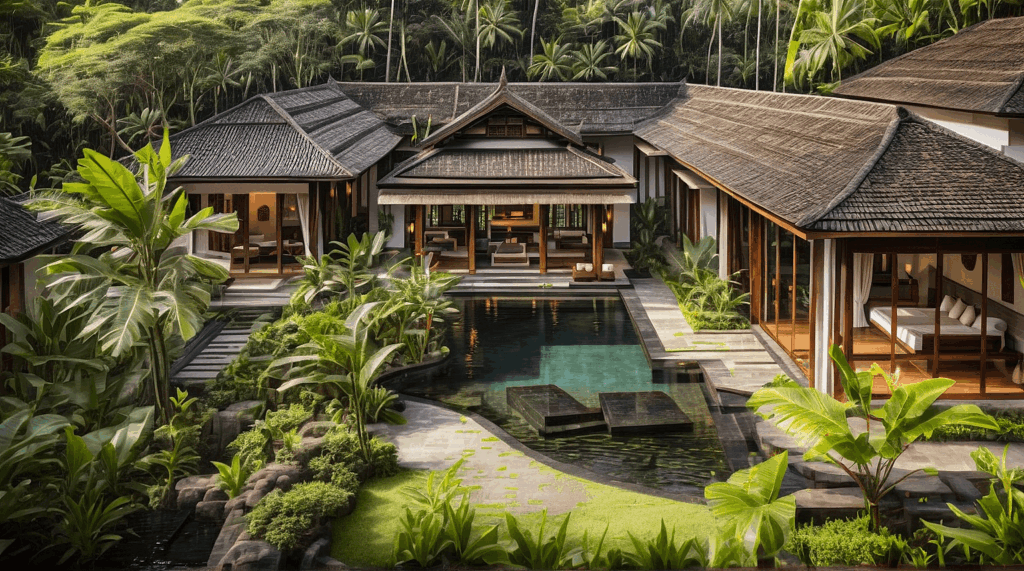 3180 m²7 month(s)from 142.000 USD
Vasudeva
 2144 m²11 month(s)from 104.000 USD
Narayana
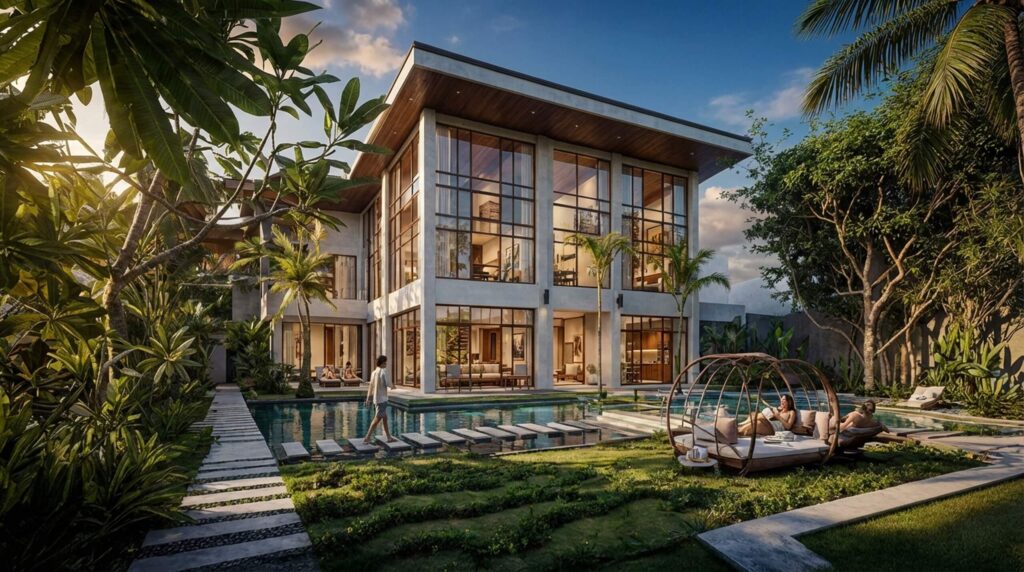 4344 m²16 month(s)from 290.000 USD
Radha
164 m²7 month(s)from 79.000 USDPrivate: Haridas Villas, Tegallalang
 1from 198.000 USD
Private: Haridas Villas
 3127 m²9 month(s)from 177.000 USD
Mukunda

Want to calculate?
Start With Real Numbers, Not Guesses
Before buying land or finalizing a design, check the realistic build cost range for your project in Bali.
Our team reviews your inputs and gives a grounded estimate.
Available lands
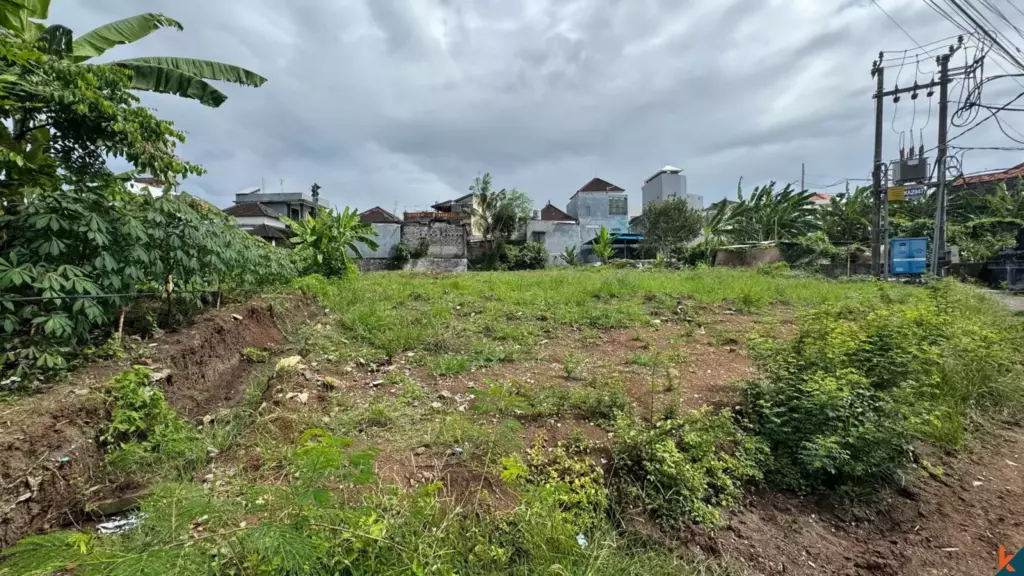 800 m²10 min$ 307882Bali, Tibubeneng
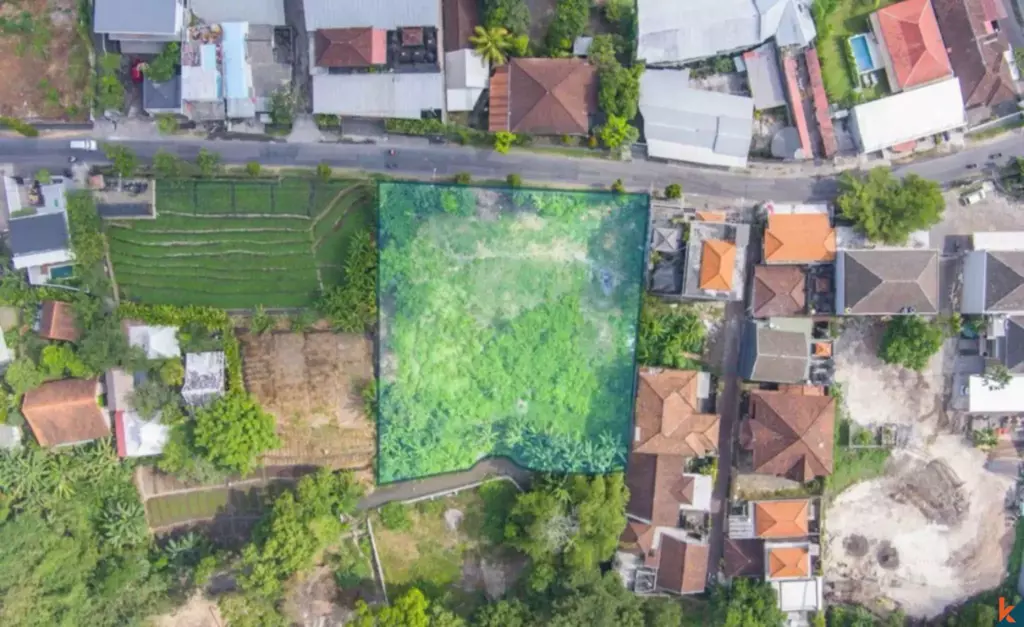 2230 m²15 min$ 410573Bali, Padonan
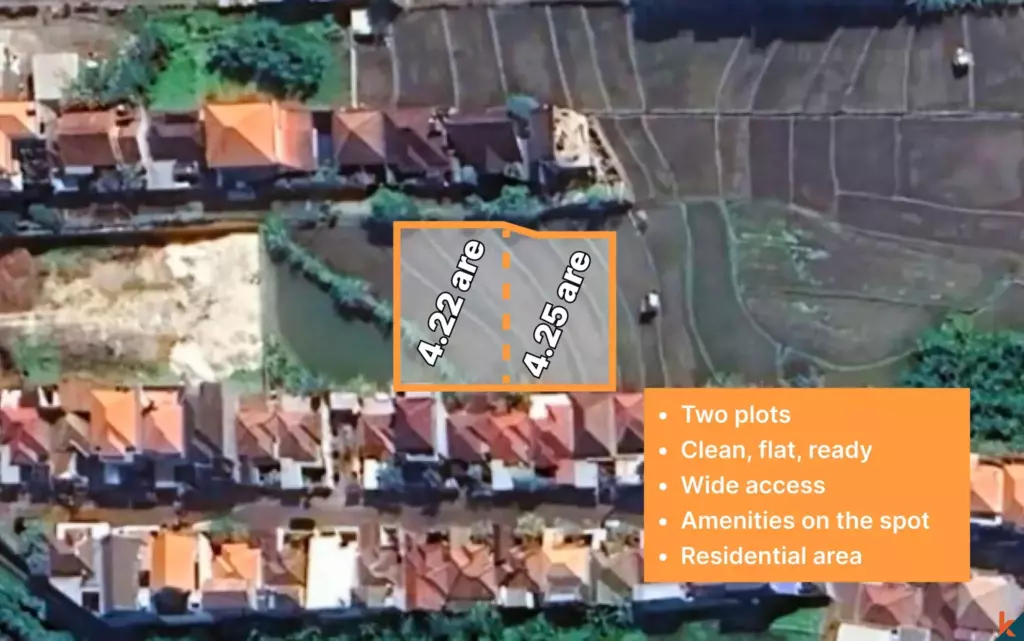 422 m²15 min$ 93547Bali, Kerobokan
 2200 m²3 min$ 183842Bali, Berawa
 5000 m²8 min$ 424877Bali, Ungasan
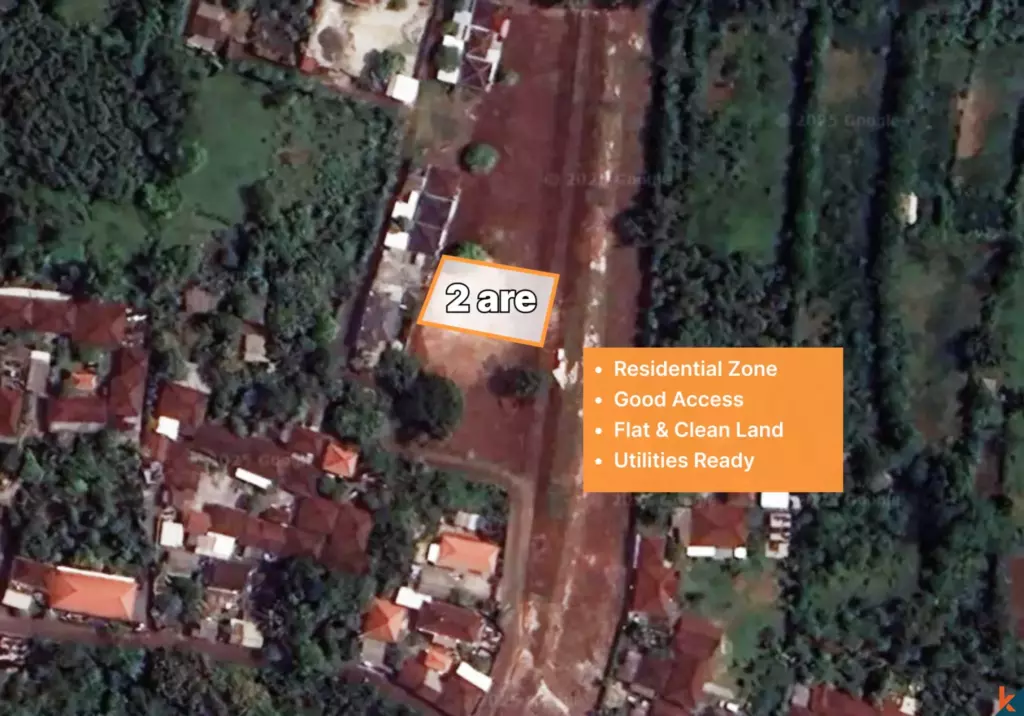 200 m²5 min$ 59113Bali, Bukit
 6000 m²30 min$ 55419Bali, Tabanan
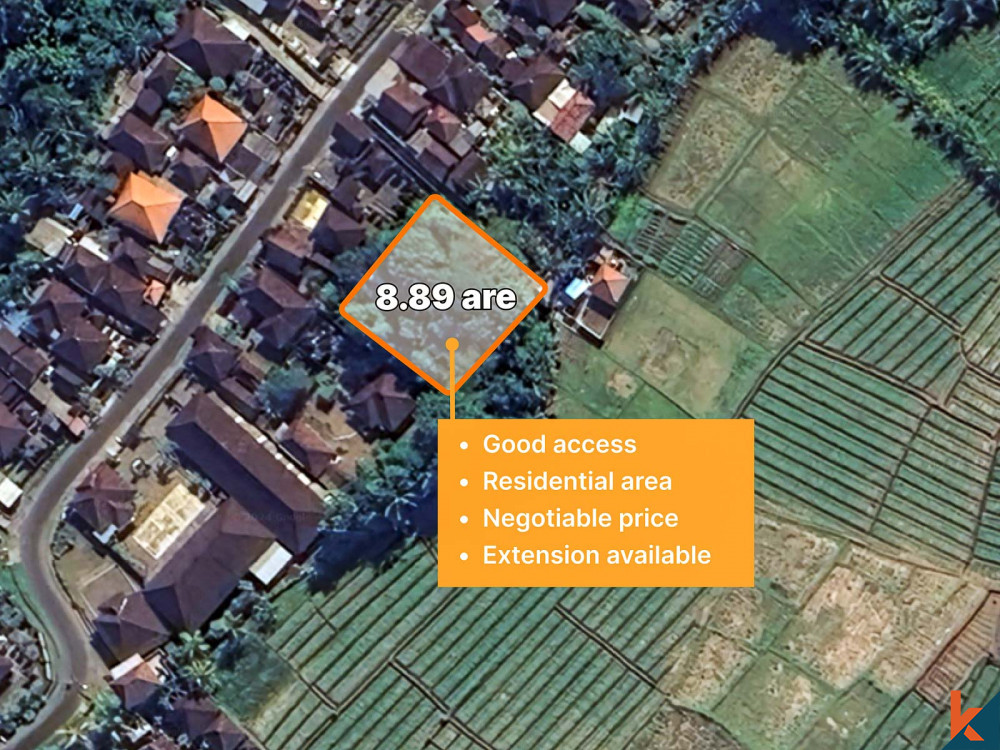 889 m²15 min$ 145612Bali, Cepaka
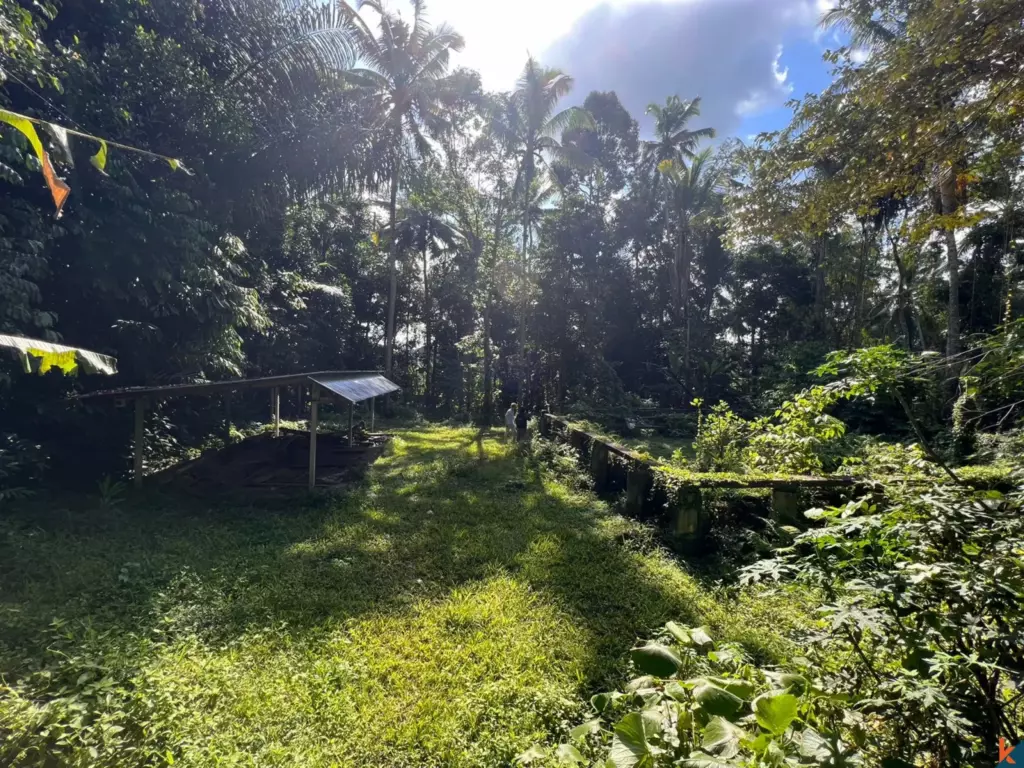 1230 m²15 min$ 132543Bali, Tegallalang
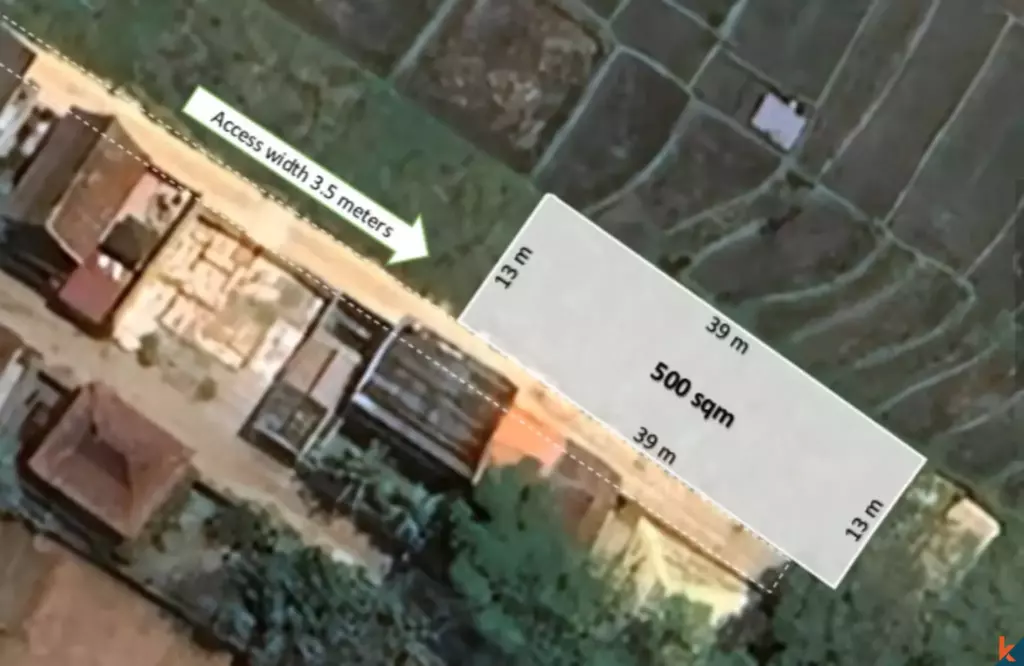 500 m²2 min$ 175862Bali, Cemagi
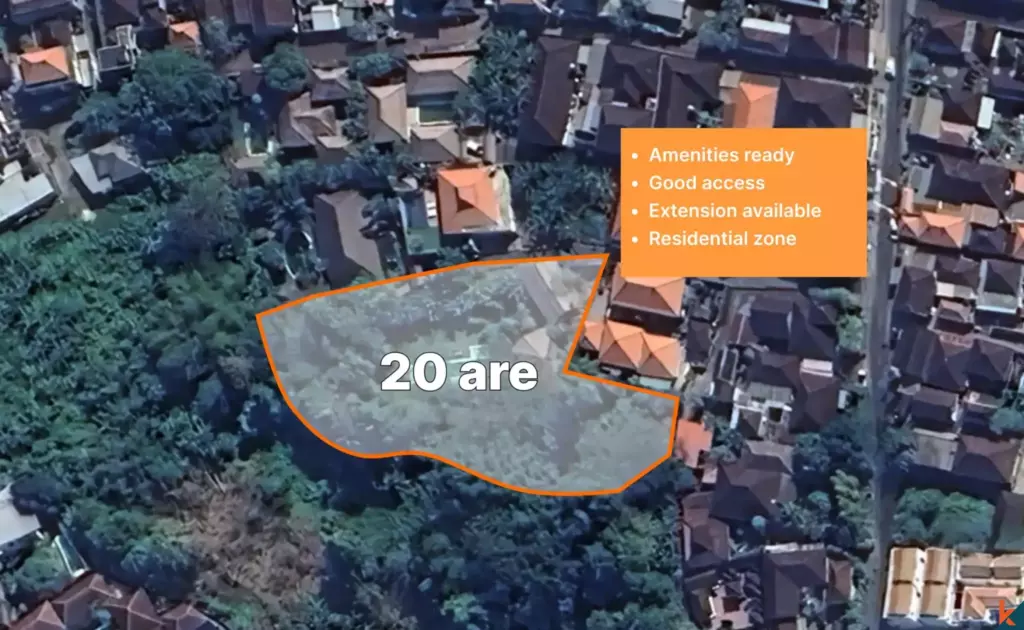 2000 m²15 min$ 523000Bali, Canggu
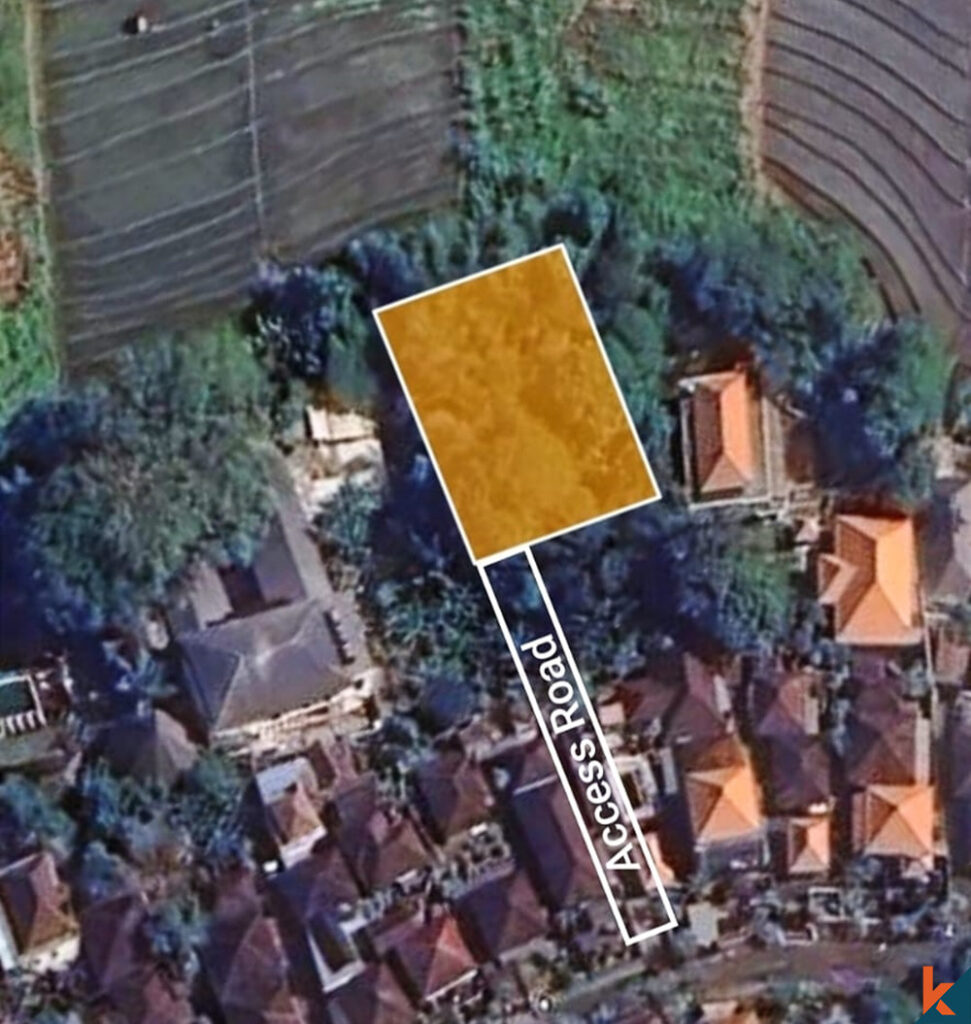 700 m²7 min$ 400000Bali, Canggu
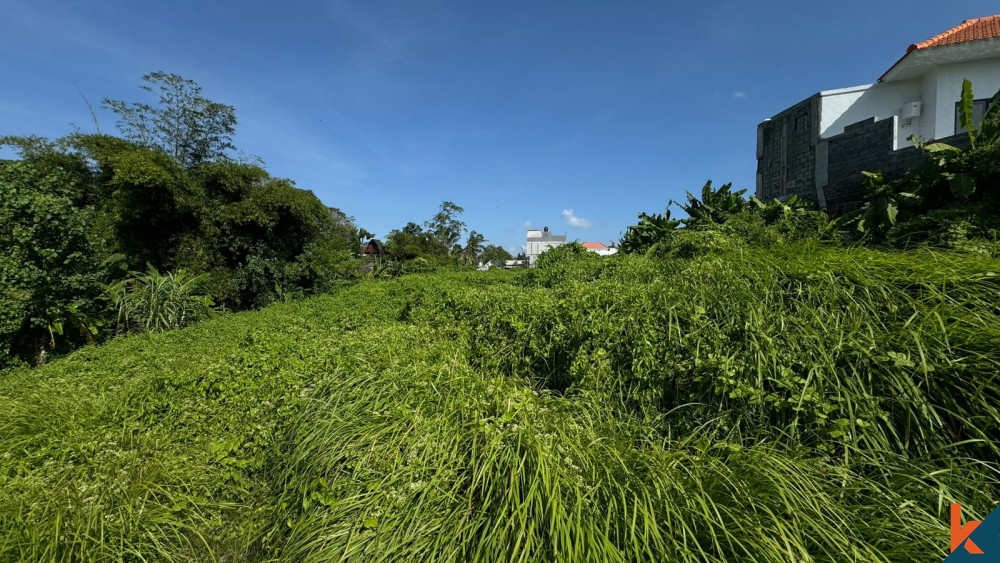 2200 m²15 min$ 508005Bali, Canggu
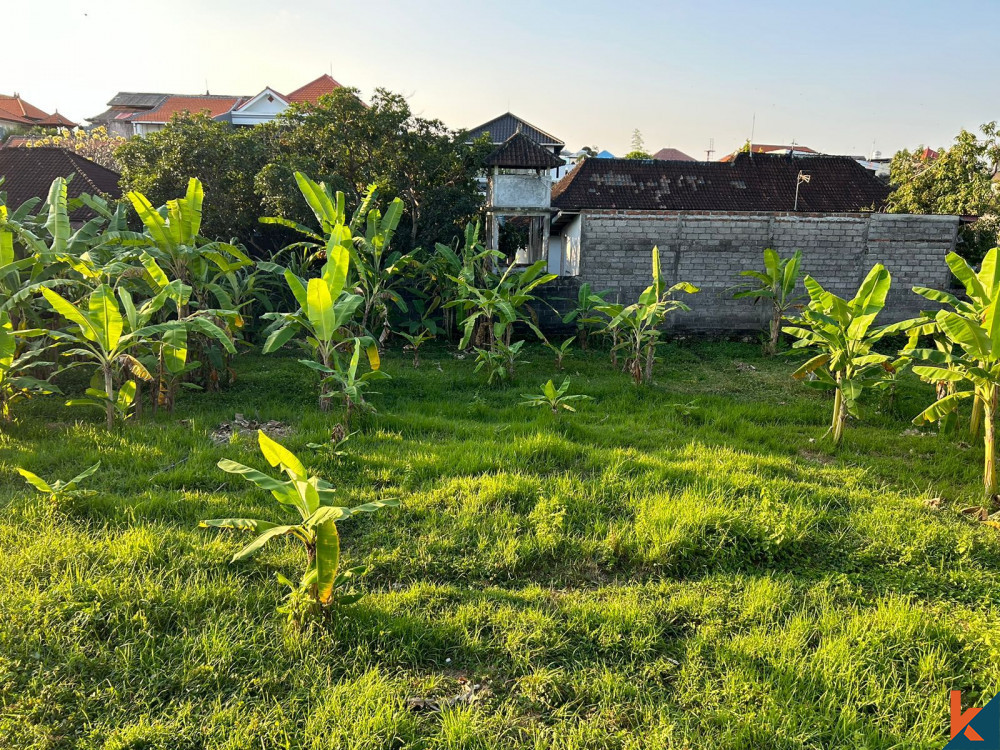 1660 m²10 min$ 343448Bali, Kerobokan
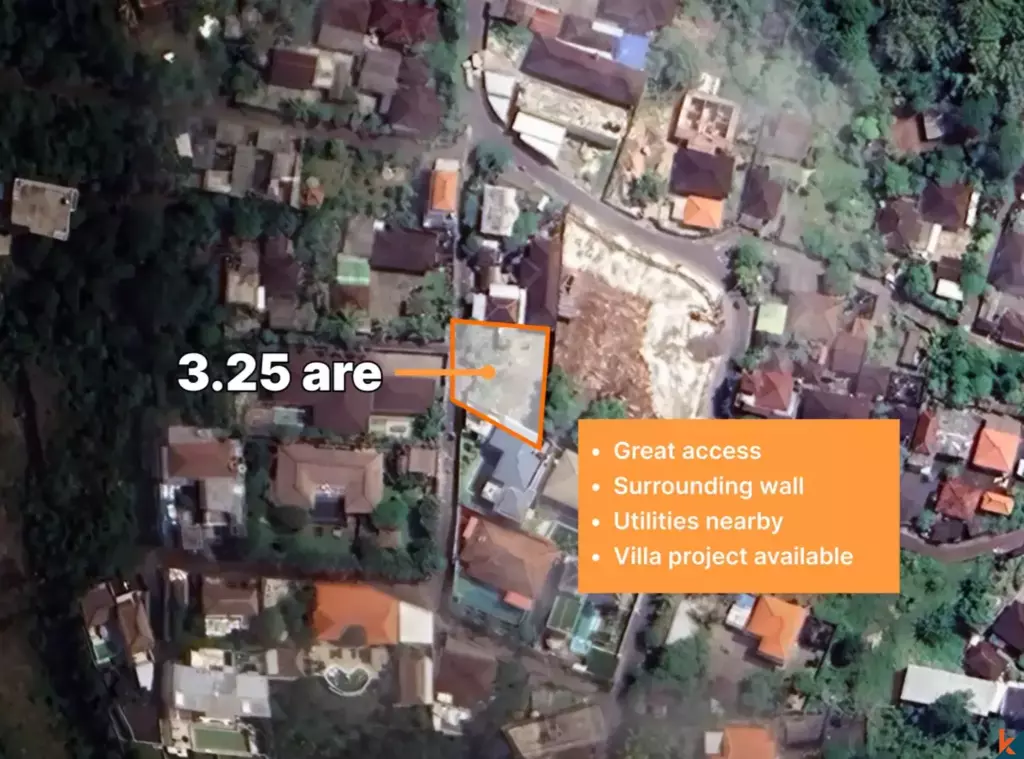 325 m²15 min$ 44472Bali, Ungasan
Planning a build in Bali?
Get a feasibility view, budget range and timeline from Teville.
Related guides

Concealed HVAC Duct Sealing QA Finish Repair Protocols Bali
Expert technical guide: Concealed HVAC Duct Sealing QA Finish Repair Protocols Bali
8 min read
Soft-Close Kitchen Hinge Failures in Bali: Quality Issues
Discover why modular kitchen cabinet soft-close hinges fail in Bali. Learn about quality risks, durability issues, and solutions for homeowners.
10 min read
Built-In Wardrobe Installation Termite Protection in Bali
Learn effective termite protection methods for custom built-in wardrobes in Bali. Expert installation tips to safeguard your furniture from pest damage.
10 min read