Escrow Account Structures for Bali Villa Stage Payments
The Critical Vulnerability: When Stage Payments Disappear Into Bali’s Construction Black Hole
A foreign buyer commits USD $450,000 to a Bali villa construction project, releasing 30% upfront for site preparation and foundation work. Three months later, the contractor vanishes, the site sits abandoned with incomplete foundations, and the buyer discovers their funds were never ring-fenced—spent instead on other projects, operational expenses, or simply withdrawn. This scenario repeats across Bali’s construction landscape because most villa builds operate without proper escrow account structures protecting stage payments. Unlike residential purchases where escrow is standard, Bali villa construction projects rarely implement segregated fund management, leaving buyers exposed to contractor insolvency, fund misappropriation, and project abandonment. The technical challenge isn’t just legal—it’s operational: how do you structure payment releases that align with verified construction milestones while maintaining contractor liquidity and protecting buyer capital in Indonesia’s regulatory environment?
Engineering the Financial Architecture: Escrow Mechanics for Multi-Stage Construction Payments
Escrow account structures for villa construction cost Bali projects require fundamentally different engineering than property purchase escrow. Construction escrow must accommodate 8-12 payment stages over 12-18 months, each tied to measurable physical completion milestones rather than simple document transfers. The technical framework involves three critical components: the escrow vehicle structure, milestone verification protocols, and fund release mechanisms.
Escrow Vehicle Architecture in Indonesian Legal Context
Indonesian banking regulations don’t recognize traditional Western-style construction escrow accounts with automatic conditional releases. Instead, effective structures use a Notarial Escrow Agreement (Perjanjian Escrow Notaris) combined with a dedicated bank account under dual-signatory control. The account is established in the buyer’s name but requires both buyer and notary authorization for withdrawals, with the notary acting as independent verifier of milestone completion before co-signing release instructions.
For foreign buyers, this structure must integrate with their ownership vehicle—whether a PT PMA (foreign investment company) for freehold-equivalent rights or a leasehold arrangement. When using a PT PMA structure, the escrow account becomes a company account with the buyer as director and the notary as temporary co-signatory until project completion. This provides legal standing under Indonesian corporate law while maintaining fund segregation from the contractor’s operational accounts.
Milestone Verification Protocols: Beyond Photographic Evidence
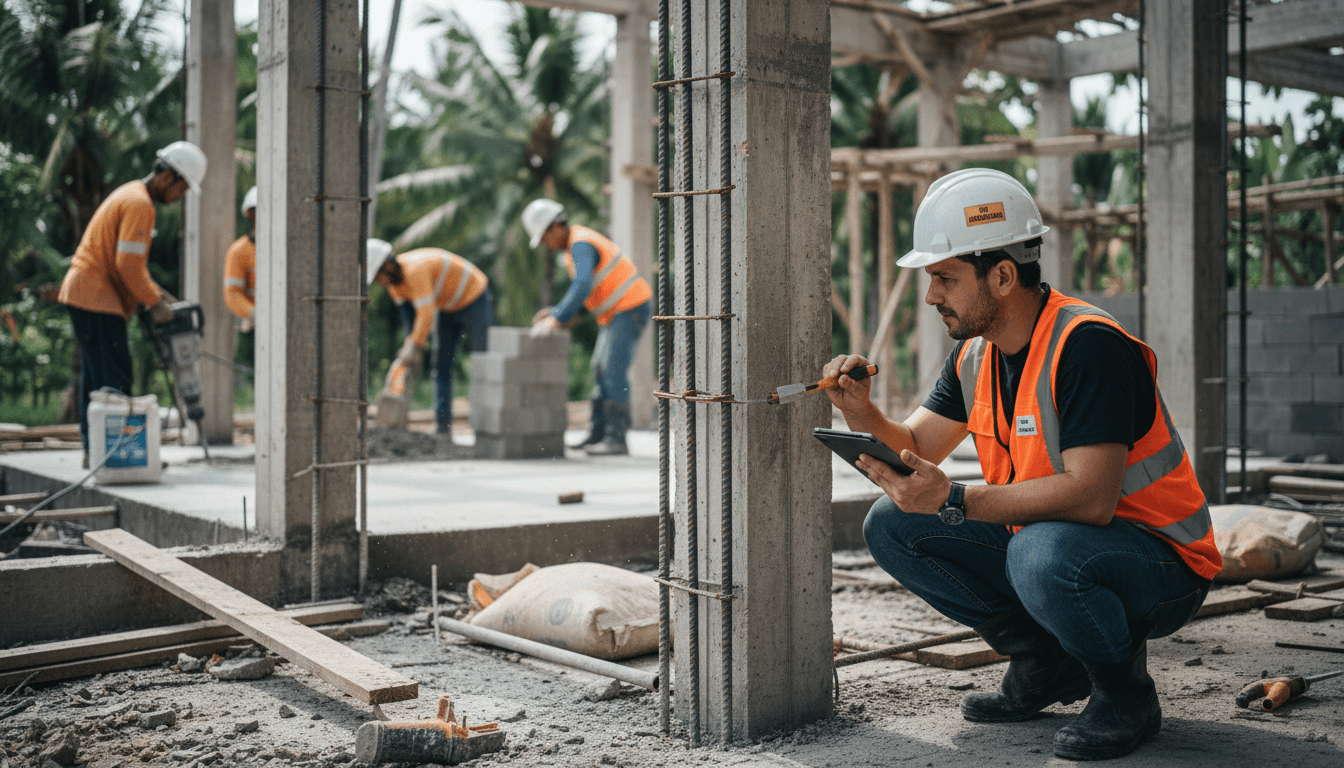
The technical weakness in most escrow attempts is inadequate milestone definition. “Foundation complete” means nothing without engineering specifications. Proper escrow structures for tropical construction engineering require quantifiable verification criteria for each payment stage. Foundation release, for example, should specify: excavation to engineered depth (verified by surveyor measurement), compacted aggregate base achieving 95% modified Proctor density (tested and certified), reinforcement steel placement matching structural drawings (bar diameter, spacing, lap lengths measured), concrete pour completing minimum 25 MPa strength (cylinder test results at 7 days), and waterproofing membrane installed with sealed penetrations (pressure tested).
This level of specification requires an independent quantity surveyor (QS) or structural engineer to conduct site inspections and certify completion before the notary authorizes fund release. The QS produces a milestone completion certificate referencing specific drawing numbers, material test results, and photographic documentation with GPS coordinates and timestamps. This certificate becomes the legal trigger for payment release, not contractor invoices or buyer site visits.
Staged Release Calibration: Balancing Protection and Cash Flow
Escrow structures fail when payment stages don’t align with contractor cash flow requirements for Bali villa construction. A contractor needs 15-20% of total project value for mobilization, material deposits, and initial labor before any visible work appears. Holding 100% in escrow until foundation completion creates contractor insolvency risk. The engineering solution is a hybrid release structure: 10% initial mobilization release upon signed contract and verified site access, 15% upon material delivery and storage verification (steel, cement, aggregates physically on-site and documented), then milestone-based releases of 12-15% for each subsequent stage tied to QS certification.
Critical to this structure is the retention holdback—typically 10% of each payment held in escrow until final completion and defect rectification period (usually 6-12 months post-handover). This retention provides leverage for addressing construction defects, incomplete punch-list items, and warranty claims without requiring legal action. The retention is released in two tranches: 5% at practical completion when the villa is habitable and systems functional, and final 5% after the defect liability period expires with no outstanding claims.
The Hidden Traps: What Sophisticated Buyers Miss in Escrow Structuring
The most dangerous assumption is that any notary-held account constitutes proper escrow. Many Bali transactions use a notary as passive fund holder without verification protocols, milestone definitions, or independent inspection requirements. The notary releases funds based on contractor requests and buyer approval—which provides zero protection if the buyer lacks construction expertise to assess actual completion quality. This “escrow theater” gives false security while offering no real safeguard against substandard work or fund misappropriation.
Another critical oversight is failing to escrow the building permits Bali process costs separately from construction funds. Permit costs (IMB fees, consultant fees, agency processing) typically run USD $8,000-$15,000 and must be paid before construction legally commences. If these funds come from the main construction escrow without separate milestone verification, buyers may pay for permits that are never obtained or are obtained with falsified documents. Proper structures segregate permit costs with release only upon verified IMB issuance and copies of all approved technical drawings.
The material procurement trap catches even experienced buyers. Contractors often request early payment releases for “bulk material purchases” claiming discounts for advance payment. Without proper escrow controls, these funds may be diverted. Effective structures require material delivery verification before release—physical materials on-site, quantities verified by QS against project requirements, and storage security confirmed. For high-value items like imported fixtures, funds should release directly to suppliers with delivery conditional on installation, not to contractors as reimbursement.
Implementation Protocol: Engineering Your Escrow Structure Step-by-Step
Phase 1: Pre-Construction Escrow Design (Weeks 1-2)
Begin escrow structuring during contract negotiation, not after signing. Engage a licensed Indonesian notary experienced in construction escrow (not just property transfer) and a quantity surveyor who will conduct milestone inspections. Draft the Escrow Agreement (Perjanjian Escrow) as a separate document from the construction contract, clearly defining: the escrow account bank and account number, all parties’ roles (buyer, contractor, notary, QS), complete milestone schedule with technical specifications for each stage, payment amounts and percentages for each milestone, verification requirements and inspection protocols, fund release authorization process, dispute resolution procedures, and retention holdback terms.
Simultaneously, develop the Milestone Specification Matrix—a technical document listing each payment stage with corresponding completion criteria. For a typical villa project, this includes: Stage 1 (10%) – Mobilization: site clearing, temporary facilities, material storage, verified site access; Stage 2 (15%) – Foundation: excavation, compaction, reinforcement, concrete pour, waterproofing, all with QS measurements and test results; Stage 3 (15%) – Structure: columns, beams, floor slabs, structural connections, concrete strength verification; Stage 4 (12%) – Roof Structure: timber/steel framing, connections, waterproof membrane, initial covering; Stage 5 (12%) – Walls & Enclosure: masonry, window/door frames, external waterproofing; Stage 6 (12%) – MEP Rough-In: plumbing, electrical, HVAC installation, pressure testing; Stage 7 (10%) – Finishes: flooring, wall finishes, joinery, fixture installation; Stage 8 (9%) – Completion: landscaping, pool, final systems commissioning; Stage 9 (5%) – Practical Completion: punch-list clearance, authority approvals.
Phase 2: Account Establishment and Funding (Weeks 3-4)
Open the dedicated escrow account at a major Indonesian bank (BCA, Mandiri, or CIMB Niaga recommended for foreign client service) in the buyer’s name or PT PMA name with dual-signatory requirements. The account setup requires: notarized escrow agreement, buyer identification and tax number (NPWP), notary identification and license verification, and initial account funding instructions. Transfer the full construction budget plus 10% contingency into this account via international wire transfer, ensuring proper documentation for Bank Indonesia reporting requirements on foreign capital inflows.
Simultaneously, establish the verification protocol with your QS. This includes: site access authorization for inspections, inspection schedule aligned with milestone timeline, reporting format and certification templates, communication protocols for milestone completion notifications, and fee structure (typically 2-3% of construction value paid from escrow in stages parallel to construction payments).
Phase 3: Operational Release Management (Months 1-18)
As construction progresses, implement the release protocol for each milestone: contractor notifies buyer and notary of milestone completion, QS conducts site inspection within 3-5 business days, QS issues completion certificate or deficiency list, if deficiencies exist, contractor rectifies and requests re-inspection, upon certification, notary prepares payment authorization, buyer and notary co-sign release instruction to bank, bank transfers funds to contractor’s account (typically 2-3 business days), and documentation is archived (certificate, photos, payment proof).
Maintain a real-time escrow ledger tracking: original budget allocation by milestone, actual release dates and amounts, remaining balance, retention holdback accumulation, and contingency fund status. This ledger should be shared monthly with all parties, providing transparency and early warning of budget variances.
Financial Reality: Escrow Costs and Timeline Impacts for Bali Villa Projects
Implementing proper escrow account structures adds 3-5% to total project costs and 2-3 weeks to pre-construction timeline, but eliminates 15-25% risk exposure from contractor default or fund misappropriation. Specific cost components include: notary escrow agreement drafting and administration (USD $2,000-$3,500 for 12-18 month project), quantity surveyor milestone inspections and certifications (2-3% of construction value, typically USD $6,000-$12,000 for a USD $400,000 villa), bank account fees and international transfer costs (USD $500-$1,200 annually), and legal review of escrow documentation (USD $1,500-$2,500).
For a typical USD $450,000 villa construction cost Bali project, total escrow structuring and administration costs run USD $12,000-$18,000—approximately 2.7-4% of construction budget. This investment protects against scenarios where 30-50% of funds could be lost to contractor insolvency or misappropriation, representing a risk-adjusted return of 8-15x the escrow cost.
Timeline impacts are front-loaded: escrow structure design and account establishment adds 3-4 weeks before construction can commence, but milestone verification typically adds only 3-5 days per payment stage (not on critical path if inspections are scheduled proactively). Total project duration increases by approximately 2-3 weeks across an 18-month build, primarily from more rigorous completion verification preventing premature stage sign-offs that would require later rework.
Frequently Asked Questions: Escrow Account Structures for Bali Villa Construction
Can Indonesian contractors legally accept escrow payment structures, or do they require direct payment control?
Indonesian construction law doesn’t mandate direct contractor payment control, and professional contractors experienced with foreign clients routinely accept escrow structures. The key is ensuring the payment schedule provides adequate cash flow for material procurement and labor costs. Contractors may resist escrow if they’re accustomed to using client funds for operational expenses across multiple projects—a red flag indicating financial instability. Reputable firms like Teville operate with sufficient working capital to accommodate milestone-based escrow releases because they maintain proper project accounting and don’t co-mingle client funds. If a contractor refuses reasonable escrow terms, consider it a disqualifying risk factor regardless of their portfolio or references.
What happens to escrow funds if the contractor abandons the project mid-construction?
Properly structured escrow agreements include contractor default provisions specifying that unreleased funds remain in escrow under buyer control if the contractor breaches the construction contract. The buyer can then use remaining escrow funds to engage a replacement contractor to complete the work. The challenge is that funds already released for completed stages are gone—this is why milestone verification by an independent QS is critical to ensure you only pay for work actually completed to specification. The retention holdback (10% of each payment) provides additional buffer, as it remains in escrow until final completion. If contractor default occurs at 60% completion, you should have approximately 40% of original budget pl
 4344 m²16 month(s)from 290.000 USD
Radha
 172 m²8 month(s)from 120.000 USD
Keshava
 1from 198.000 USD
Private: Haridas Villas
 3180 m²7 month(s)from 142.000 USD
Vasudeva
 2144 m²11 month(s)from 104.000 USD
Narayana
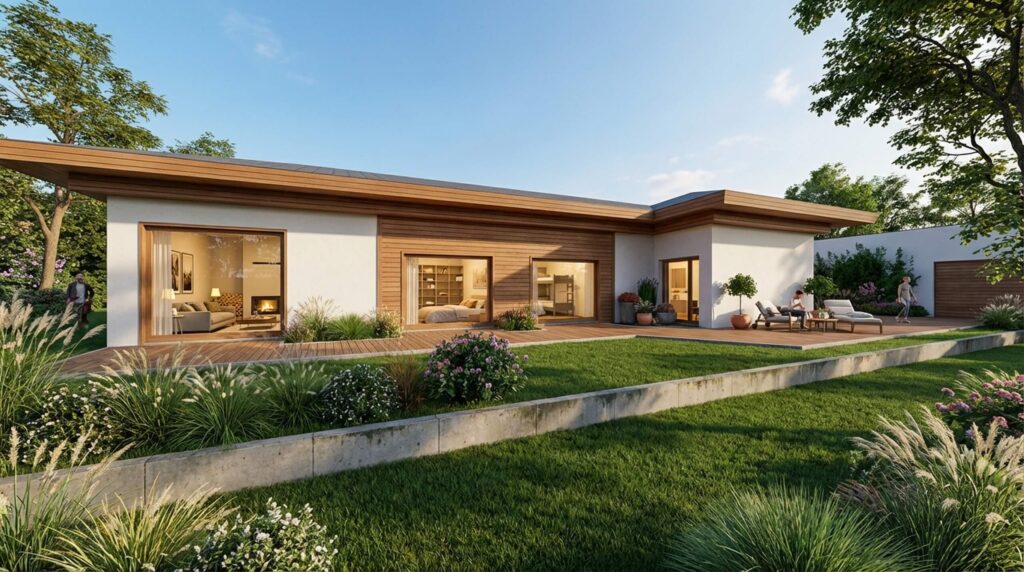 3104 m²11 month(s)from 99.000 USD
TALA 100

Want to calculate?
 3127 m²9 month(s)from 177.000 USD
Mukunda
 164 m²7 month(s)from 79.000 USD
Private: Haridas Villas, Tegallalang
 3173 m²6 month(s)from 125.000 USD
TALA FOUR
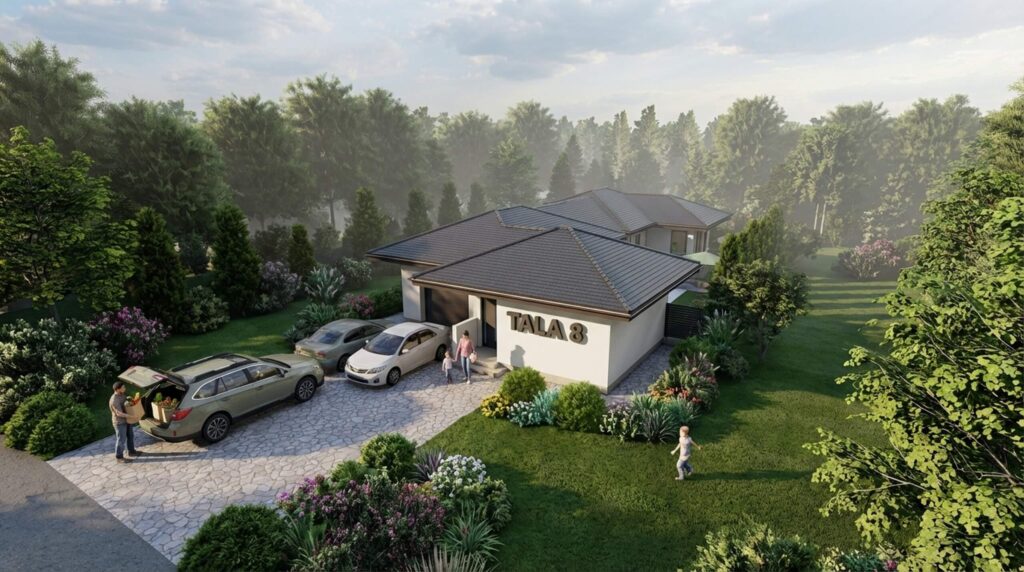 3124 m²6 month(s)from 123.000 USD
TALA 8
164 m²7 month(s)from 79.000 USDTALA TWO
Start With Real Numbers, Not Guesses
Before buying land or finalizing a design, check the realistic build cost range for your project in Bali.
Our team reviews your inputs and gives a grounded estimate.
Available lands
 260 m²5 min$ 51872Bali, Kedungu
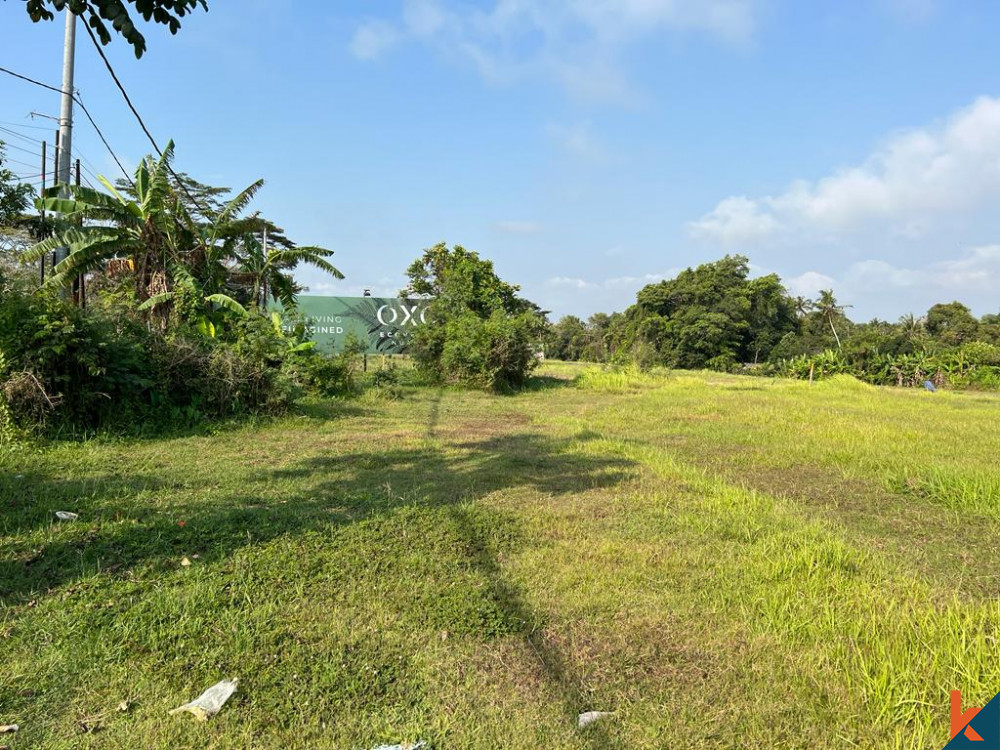 550 m²15 min$ 164594Bali, Mengwi
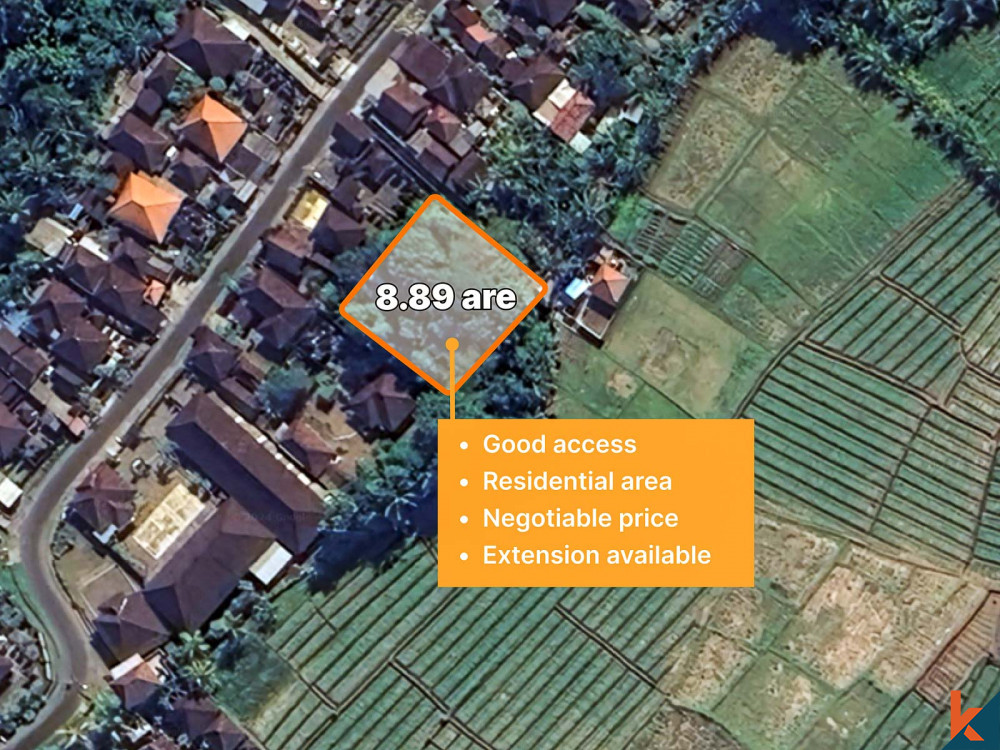 889 m²15 min$ 145612Bali, Cepaka
 250 m²15 min$ 40025Bali, Munggu
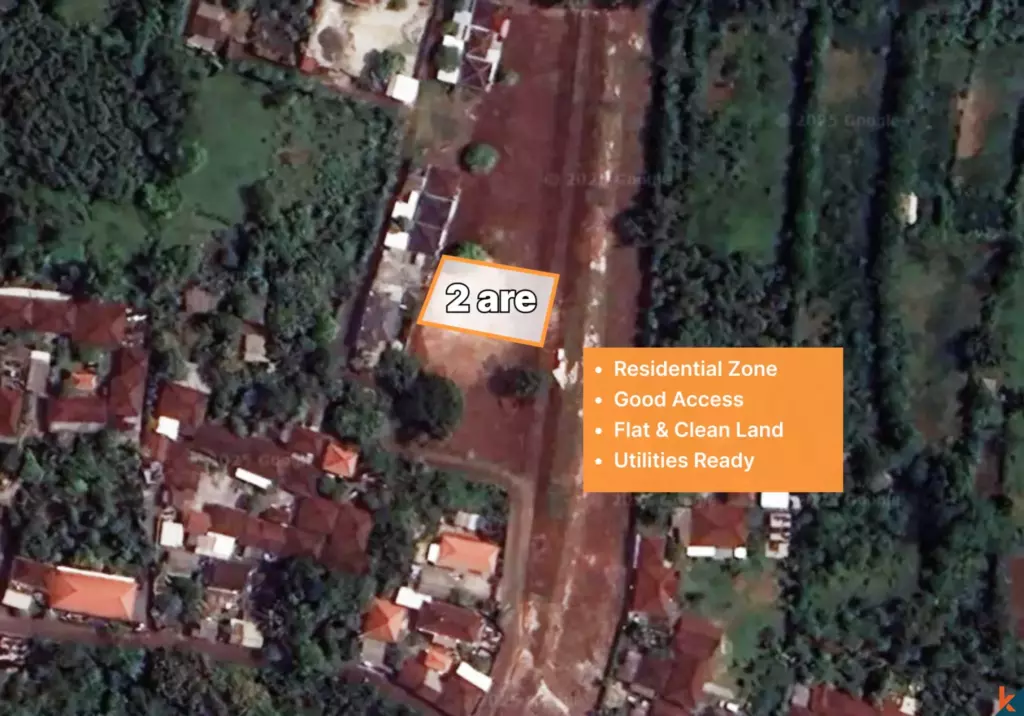 200 m²5 min$ 59113Bali, Bukit
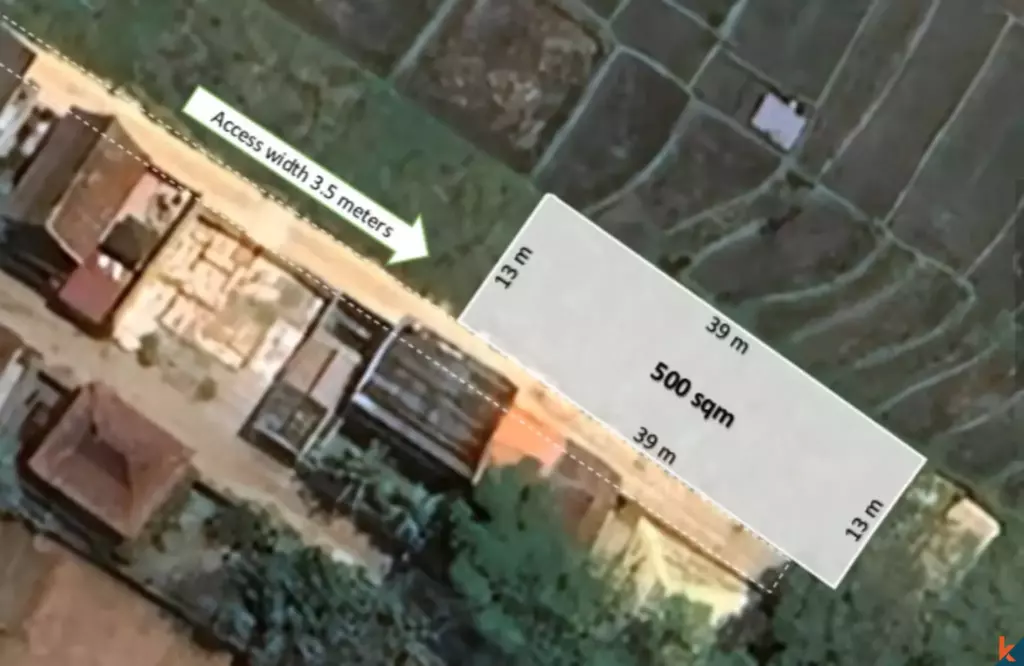 500 m²2 min$ 175862Bali, Cemagi
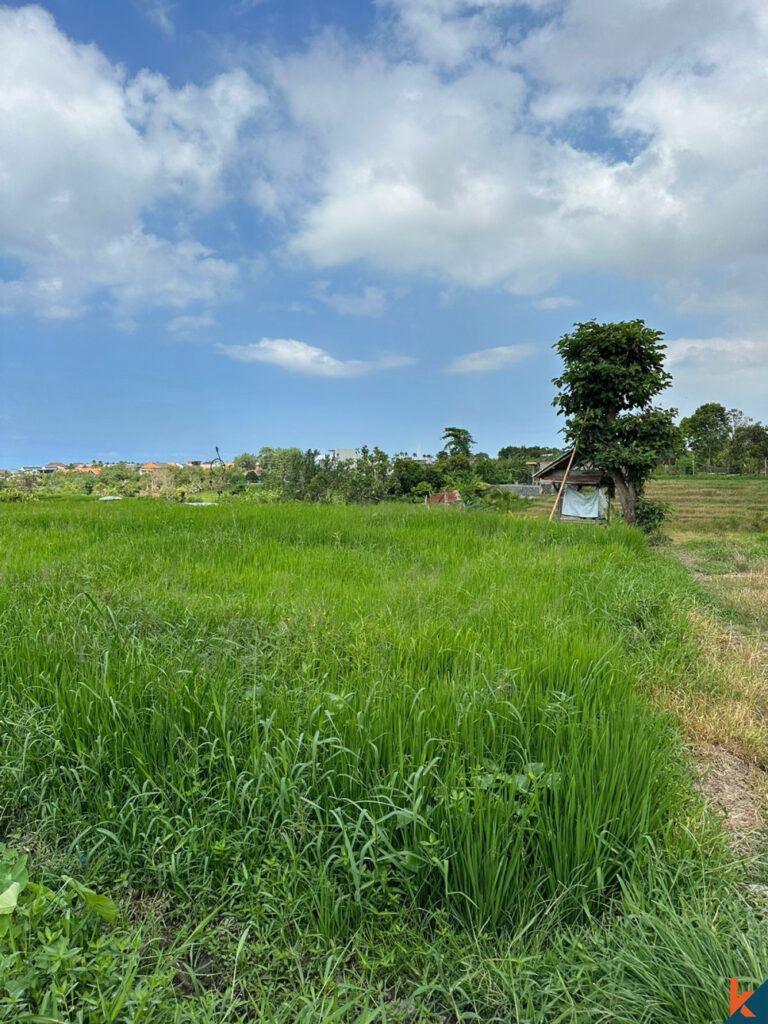 1375 m²10 min$ 447044Bali, Canggu
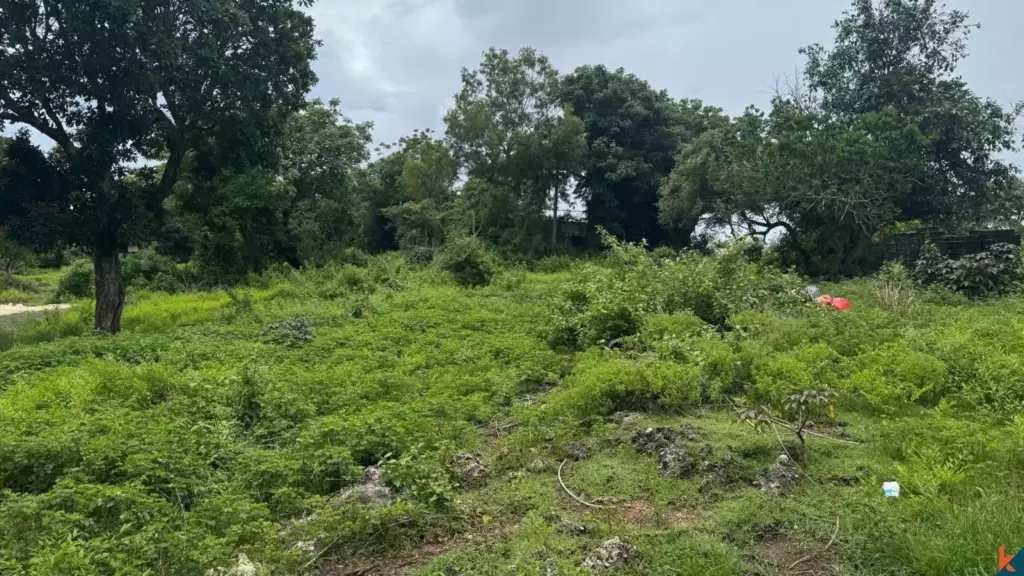 1300 m²10 min$ 312192Bali, Kutuh South Bali
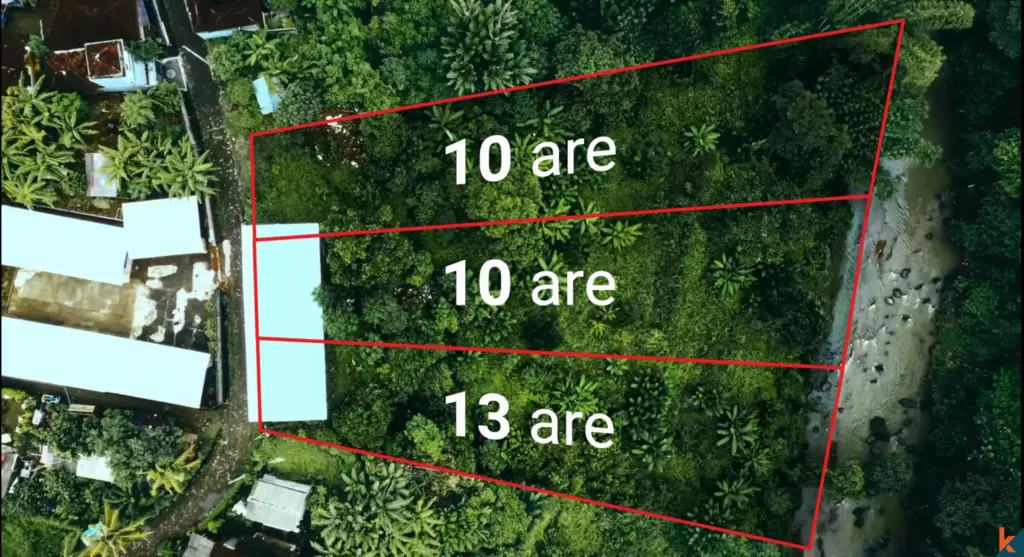 1000 m²10 min$ 303571Bali, Tabanan
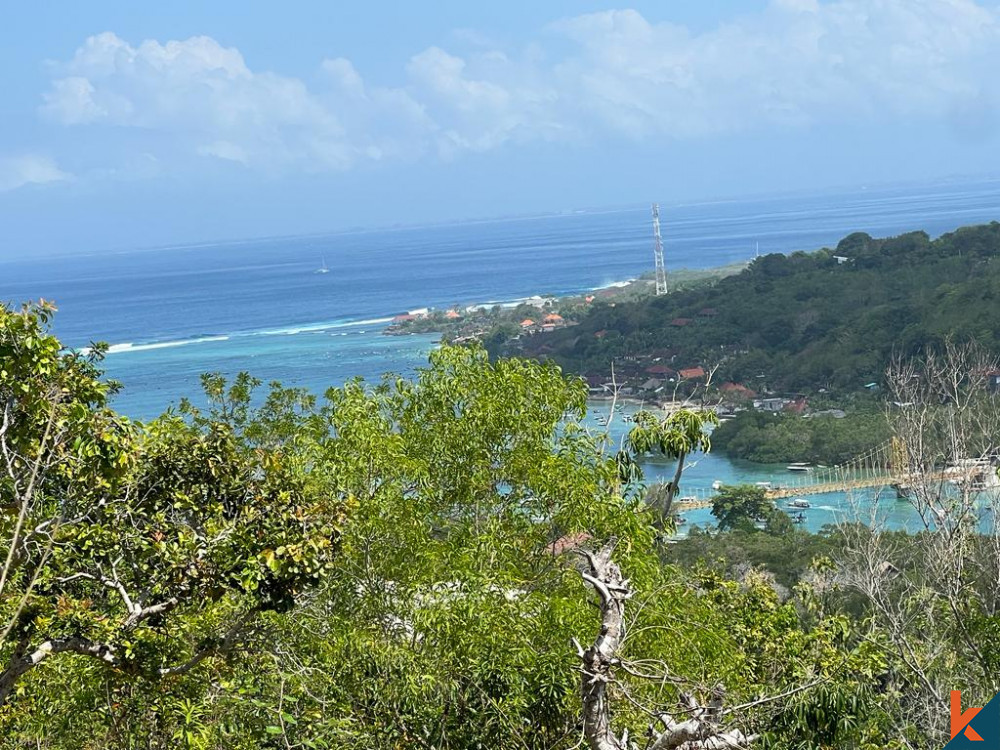 1200 m²2 min$ 155172Bali, Klungkung
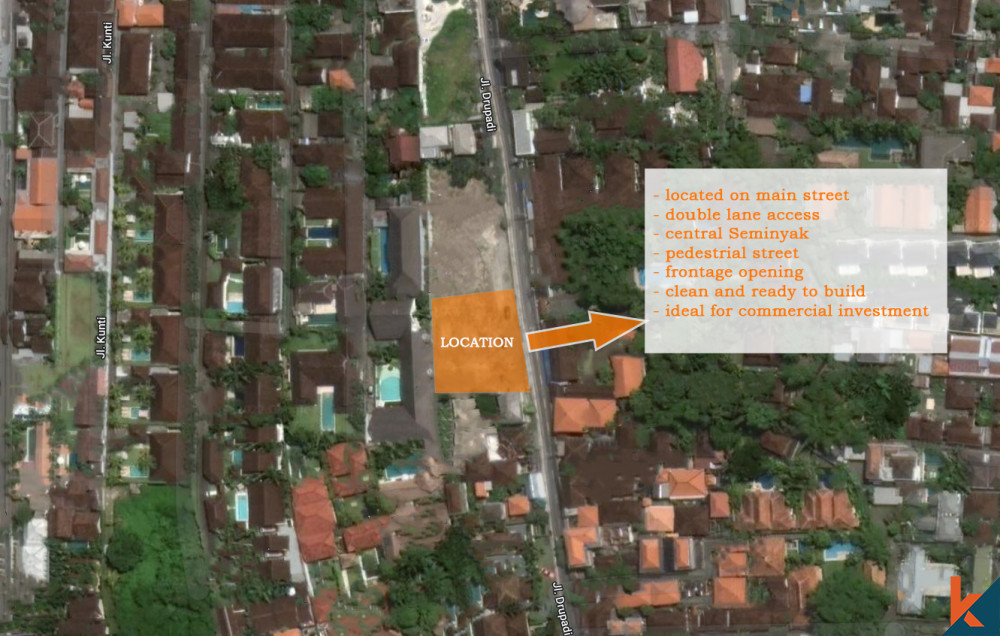 1000 m²5 min$ 350431Bali, Drupadi
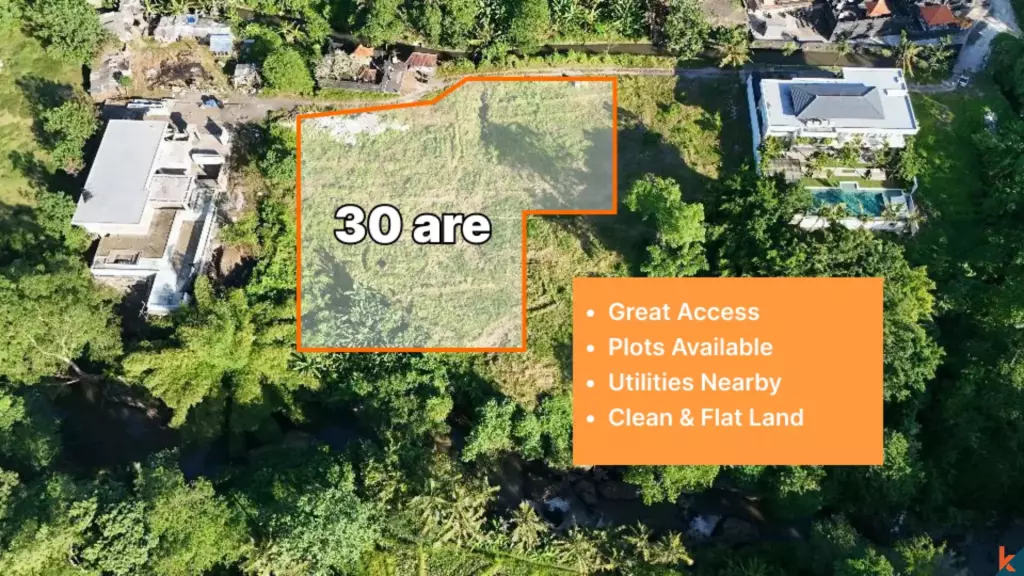 3000 m²15 min$ 738916Bali, Cepaka
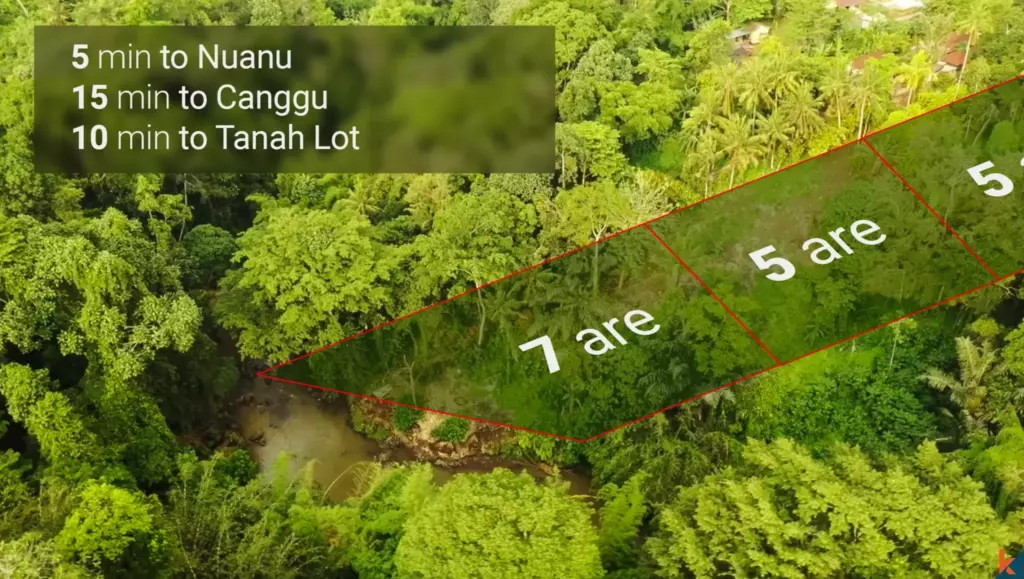 500 m²10 min$ 107143Bali, Tabanan
 3254 m²5 min$ 631800Bali, All
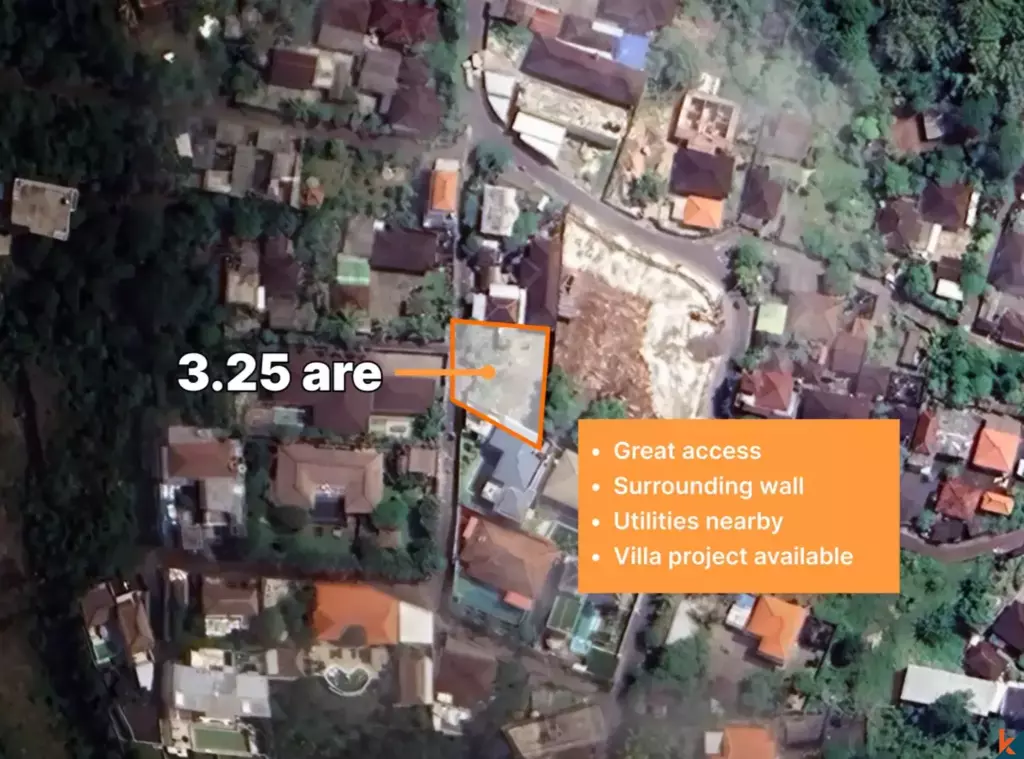 325 m²15 min$ 44472Bali, Ungasan
Planning a build in Bali?
Get a feasibility view, budget range and timeline from Teville.
Related guides

Concealed HVAC Duct Sealing QA Finish Repair Protocols Bali
Expert technical guide: Concealed HVAC Duct Sealing QA Finish Repair Protocols Bali
8 min read
Soft-Close Kitchen Hinge Failures in Bali: Quality Issues
Discover why modular kitchen cabinet soft-close hinges fail in Bali. Learn about quality risks, durability issues, and solutions for homeowners.
10 min read
Built-In Wardrobe Installation Termite Protection in Bali
Learn effective termite protection methods for custom built-in wardrobes in Bali. Expert installation tips to safeguard your furniture from pest damage.
10 min read