Villa Construction Costs in Bali: 2024 Budget Planning Guide
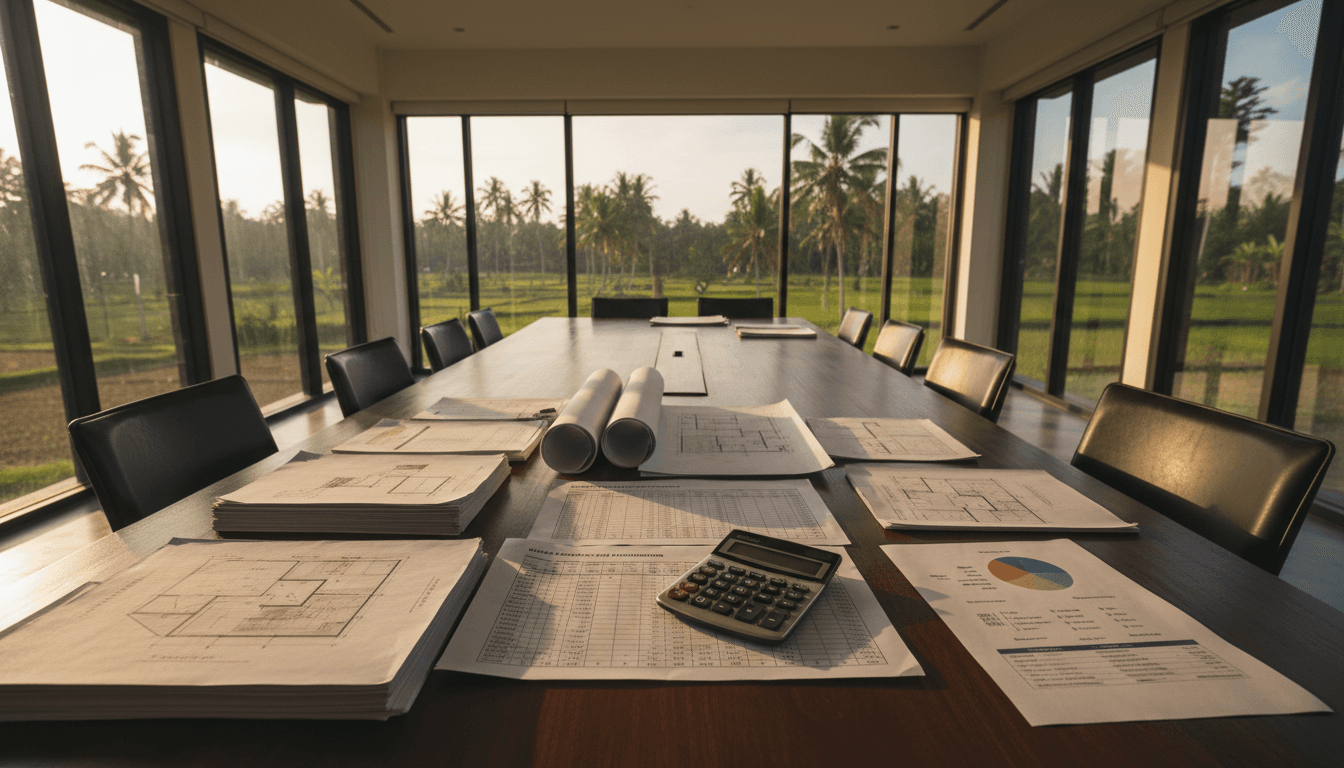
# Villa Construction Cost Bali: Complete Budget Planning Guide for 2026
Building a villa in Bali represents an exciting investment opportunity, but understanding the true costs involved is essential for success. Whether you’re planning a luxury retreat, rental property, or personal residence, villa construction cost Bali considerations extend far beyond simple per-square-meter calculations. This comprehensive guide breaks down every financial aspect of villa construction in Bali, helping you plan a realistic budget that accounts for materials, labor, permits, and the unique challenges of tropical construction.
As Bali’s property market continues to evolve in 2026, construction costs have stabilized within predictable ranges, but the difference between budget and premium builds can significantly impact your long-term return on investment. With proper planning and expert guidance, you can navigate the complexities of Balinese construction regulations, material selection, and contractor management to deliver a villa that meets both your vision and financial objectives.
The Hidden Challenges of Villa Construction Budget Planning in Bali
Many property investors underestimate the complexity of budgeting for villa construction in Bali, leading to cost overruns, project delays, and compromised quality. The tropical island environment presents unique challenges that directly impact construction costs and long-term maintenance requirements.
Why Standard Construction Budgets Fail in Bali
Traditional construction budgeting methods often fall short in Bali’s unique context. The island’s tropical climate, with high humidity levels exceeding 80%, intense UV exposure, salt-laden coastal air, and monsoon rains lasting several months, demands specialized materials and construction techniques that significantly affect costs. Many developers who budget based on temperate climate standards discover too late that their materials deteriorate rapidly, requiring expensive repairs within just a few years.
The regulatory landscape adds another layer of complexity. Foreign ownership restrictions, zoning regulations that vary by district, building permit requirements involving multiple government agencies, and environmental compliance standards all influence both timeline and budget. Navigating these requirements without local expertise often results in unexpected fees, project delays, and legal complications that can add 15-30% to initial cost estimates.
The True Cost of Cutting Corners
Budget-conscious developers sometimes opt for lower-cost materials and contractors, with construction costs starting at USD 600-800 per square meter. However, this approach frequently backfires in Bali’s demanding environment. Standard steel reinforcement rusts within months when exposed to salt air, untreated timber succumbs to termites and moisture damage, low-grade concrete develops cracks and water infiltration, and inadequate waterproofing leads to mold and structural issues.
The financial impact of these shortcuts becomes apparent within 2-3 years, when repair costs can reach 30-50% of the original construction budget. For rental villas, poor construction quality also damages reputation, reduces occupancy rates, and decreases property value, ultimately undermining the entire investment thesis.
Technical Specifications: Understanding Construction Cost Components
Villa construction cost Bali planning requires detailed understanding of how different factors influence your total investment. Breaking down costs into specific categories enables more accurate budgeting and helps identify areas where strategic investment delivers the best returns.
Per Square Meter Construction Costs in 2026
Current market rates for villa construction in Bali vary significantly based on quality tier and specifications:
- Budget Construction (USD 600-800/m²): Basic materials, standard finishes, minimal architectural features, local contractor teams, and limited warranty coverage. Suitable only for short-term projects or properties in low-humidity inland areas.
- Standard Quality (USD 900-1,200/m²): Improved materials with some tropical adaptations, decent finishes and fixtures, moderate design complexity, experienced contractors, and basic project management. Appropriate for personal residences with realistic maintenance expectations.
- Investment Grade (USD 1,200-1,500/m²): Marine-grade materials throughout, high-quality finishes, custom design elements, professional project management, and comprehensive warranties. The minimum recommended standard for rental villas targeting international guests.
- Premium Luxury (USD 1,500-1,800/m²): Top-tier imported materials, designer finishes and fixtures, complex architectural features, full engineering oversight, and extended warranty programs. Required for ultra-luxury market positioning and maximum rental rates.
- Ultra-Premium (USD 1,800+/m²): Exceptional imported materials, bespoke everything, cutting-edge sustainable technology, international design teams, and white-glove project management. Reserved for signature properties and high-net-worth personal residences.
Material Selection and Cost Implications
Material choices represent the single largest variable in construction costs and long-term durability. For tropical construction in Bali, specific materials deliver superior performance:
Structural Materials: Marine-grade stainless steel reinforcement costs 40-60% more than standard steel but prevents rust-related structural failure. High-grade concrete with proper additives resists salt penetration and maintains integrity. Engineered foundation systems account for Bali’s seismic activity and varying soil conditions, with costs varying by location and geological assessment.
Roofing Systems: Traditional alang-alang (thatched) roofing creates authentic Balinese aesthetics but requires replacement every 7-10 years at significant cost. Concrete tile roofing offers 25+ year lifespan with minimal maintenance. Metal roofing with proper insulation provides excellent durability and heat reflection. Green roof systems deliver sustainability benefits but increase structural requirements and initial investment.
Exterior Finishes: Natural stone cladding (Palimanan, Batu Candi) provides authentic character and excellent weather resistance. Treated timber requires marine-grade treatment and regular maintenance. Render and paint systems need UV-resistant, breathable formulations designed for tropical humidity. Glass and window systems must include UV filtering, thermal insulation, and corrosion-resistant frames.
Interior Materials: Flooring options range from local terrazzo and stone to imported tiles and engineered timber, with costs varying from USD 30-200 per square meter. Bathroom fixtures and fittings should be corrosion-resistant, with quality brands ensuring longevity. Kitchen systems require humidity-resistant cabinetry and marine-grade hardware. Air conditioning and ventilation systems must be properly sized for tropical conditions, representing 8-12% of total construction costs.
Design Complexity and Architectural Fees
Architectural and engineering services typically represent 8-15% of total construction costs, varying with project complexity. A simple single-story villa with standard layout requires minimal custom design, while multi-level villas with infinity pools, complex roof structures, and integrated landscape design demand extensive engineering and architectural input.
Sustainable design features increasingly influence costs and value. Solar power systems (USD 8,000-25,000 depending on capacity), rainwater harvesting and treatment systems (USD 3,000-10,000), greywater recycling infrastructure (USD 2,000-6,000), and natural ventilation design reducing AC dependency all require upfront investment but deliver operational savings and marketing advantages for rental properties.
Risk Factors That Impact Villa Construction Budgets
Successful budget planning requires identifying and mitigating risks that can derail construction timelines and inflate costs beyond initial estimates.
Environmental and Site-Specific Risks
Bali’s diverse geography creates location-specific challenges. Coastal properties face accelerated corrosion from salt air, requiring premium materials and protective coatings that add 15-25% to construction costs. Hillside locations require extensive foundation work, retaining walls, and access road construction, potentially adding USD 50,000-150,000 to project budgets. Rice field conversions need soil stabilization, drainage systems, and environmental impact assessments.
Seismic considerations cannot be ignored. Bali sits in an active earthquake zone, requiring proper structural engineering with seismic-resistant design, flexible utility connections, and reinforced foundations. While adding 5-8% to structural costs, these measures protect your investment and ensure guest safety.
Regulatory and Compliance Risks
Navigating Bali’s regulatory environment requires expertise and patience. Building permits (IMB) involve multiple government departments and typically take 2-4 months to secure, with costs ranging from USD 2,000-8,000 depending on project size and location. Environmental permits (AMDAL or UKL-UPL) are required for larger projects or sensitive locations, adding USD 3,000-15,000 and 1-3 months to timelines.
Zoning compliance varies significantly by district. Some areas restrict building height, setback requirements, building coverage ratios, and architectural style requirements. Non-compliance discovered during construction can result in stop-work orders, fines, or demolition requirements, making thorough due diligence essential before land purchase.
Contractor and Project Management Risks
Selecting the right construction partner dramatically influences both cost and quality outcomes. Warning signs of problematic contractors include reluctance to provide detailed quotations, lack of verifiable previous projects, absence of proper insurance coverage, and unwillingness to include penalty clauses for delays.
Project management challenges specific to Bali include material procurement delays due to import logistics, labor availability fluctuations during religious ceremonies and harvest seasons, quality control issues without proper supervision, and communication barriers between international owners and local teams. Professional project management services (typically 5-8% of construction costs) mitigate these risks through daily site supervision, quality checkpoints, procurement management, and owner communication.
The Villa Construction Process: Timeline and Payment Structure
Understanding the construction process helps you plan cash flow and set realistic expectations for project completion.
Pre-Construction Phase (2-4 months)
Before breaking ground, several critical steps require time and investment. Land acquisition and legal verification ensure clear title and proper ownership structure, typically costing USD 5,000-15,000 in legal fees. Design development and engineering move from concept to detailed construction drawings, requiring 30-50% of architectural fees. Permit applications and approvals involve multiple government agencies, with costs and timelines varying by location. Site preparation includes clearing, temporary facilities, and utility connections.
Budget allocation for this phase typically represents 10-15% of total project costs, including land purchase deposits, design fees, permit costs, and initial contractor mobilization.
Foundation and Structure Phase (3-5 months)
The structural phase establishes your villa’s integrity and longevity. Site excavation and foundation work must account for soil conditions and seismic requirements. Structural frame construction using marine-grade reinforcement and high-quality concrete forms the skeleton. Roof structure installation varies significantly in complexity and cost based on design. Rough plumbing and electrical installation occurs within structural elements.
Payment schedules typically require 30-40% of construction costs during this phase, with milestone-based payments tied to completion of foundation, frame erection, and roof structure.
Enclosure and Systems Phase (2-3 months)
This phase makes the structure weather-tight and installs critical systems. Exterior walls and waterproofing protect against Bali’s intense rainfall. Window and door installation requires quality materials resistant to humidity and salt air. Roofing completion with proper insulation and drainage systems prevents water infiltration. HVAC, electrical, and plumbing systems installation represents significant cost and requires quality components for tropical conditions.
Budget allocation for this phase typically represents 25-30% of construction costs, with payments tied to completion of enclosure, rough systems installation, and waterproofing verification.
Finishing and Landscaping Phase (3-4 months)
The final phase transforms structure into livable space. Interior finishes including flooring, wall treatments, and ceiling details create the aesthetic character. Kitchen and bathroom installation with quality fixtures ensures functionality and durability. Painting and final carpentry work throughout requires humidity-resistant materials. Pool construction and landscaping integrate the villa with its environment. Furniture, fixtures, and equipment (FF&E) complete the rental-ready package.
Final payments representing 25-30% of construction costs occur during this phase, with retention amounts (typically 5-10%) held for 3-6 months after completion to ensure defect correction.
Realistic Timeline Expectations
Total construction timelines for villa projects in Bali typically span 10-15 months from permit application to completion, depending on size and complexity. Factors that extend timelines include complex designs with custom elements, difficult site access or challenging topography, permit delays or regulatory complications, material import requirements, and monsoon season construction limitations.
Smart developers add 15-20% buffer time to contractor estimates and plan for potential delays in financial projections, ensuring realistic expectations and adequate cash flow reserves.
Comprehensive Cost Breakdown: Beyond Construction
Villa construction
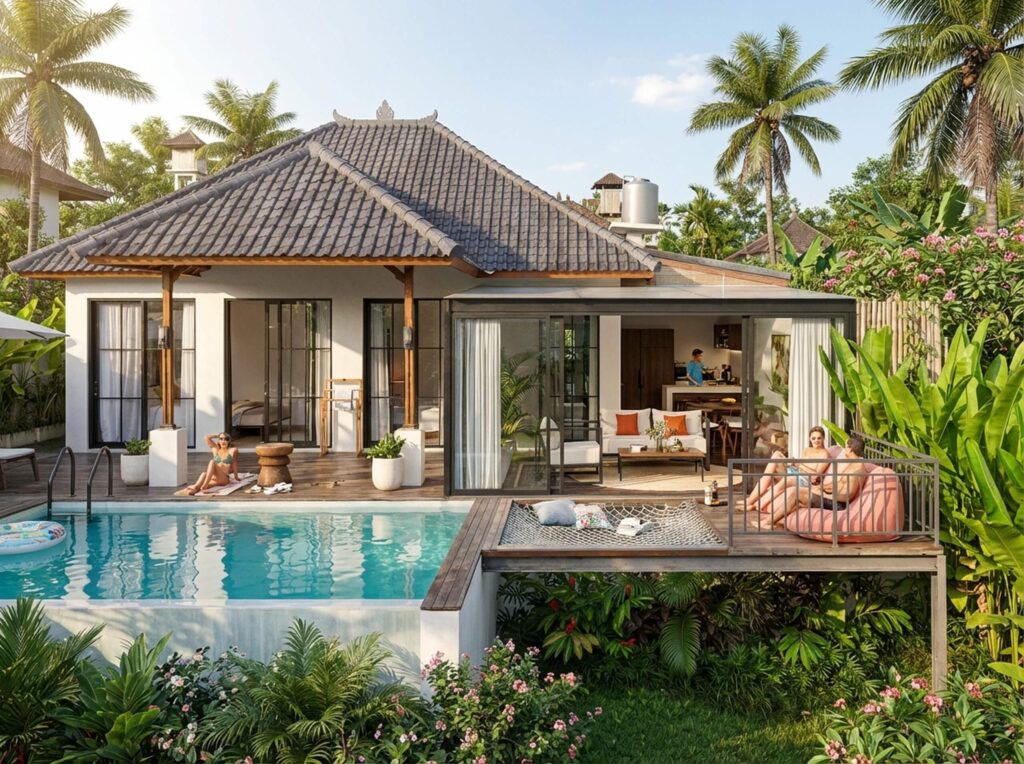 172 m²8 month(s)from 120.000 USD
Keshava
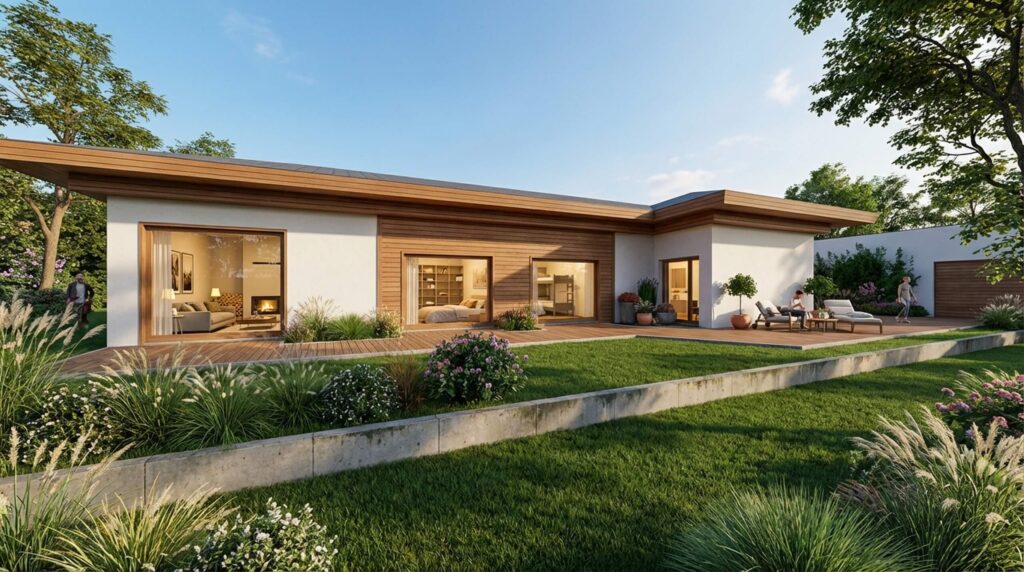 3104 m²11 month(s)from 99.000 USD
TALA 100
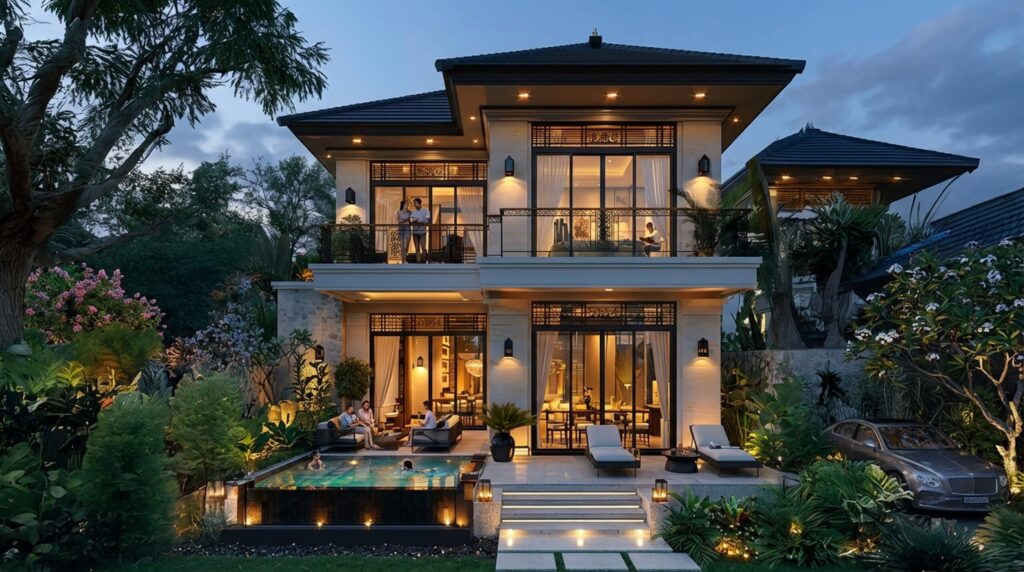 3127 m²9 month(s)from 177.000 USD
Mukunda
 164 m²7 month(s)from 79.000 USD
TALA TWO
 4344 m²16 month(s)from 290.000 USD
Radha
Want to calculate?
164 m²7 month(s)from 79.000 USDPrivate: Haridas Villas, Tegallalang
 1from 198.000 USD
Private: Haridas Villas
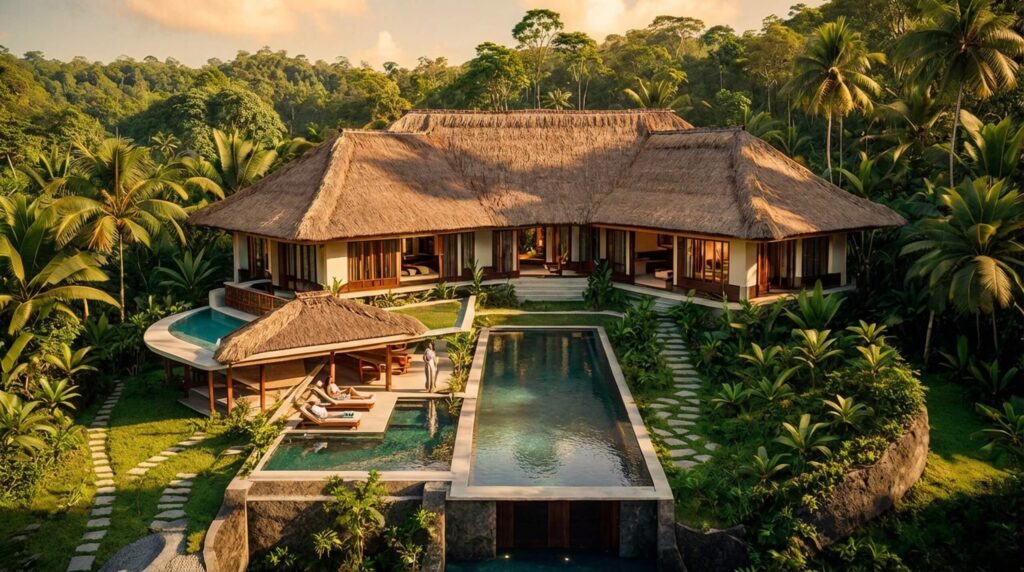 2144 m²11 month(s)from 104.000 USD
Narayana
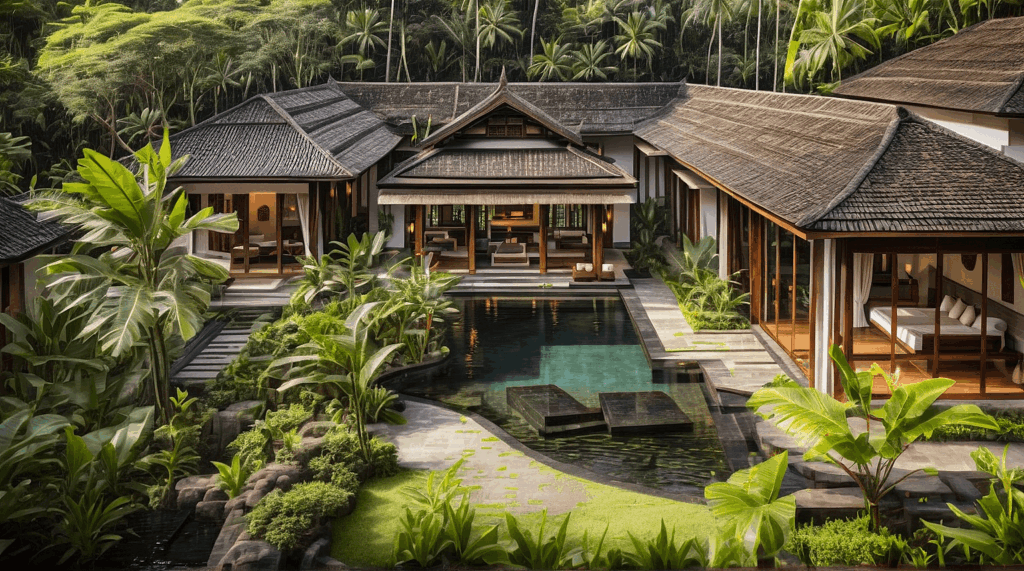 3180 m²7 month(s)from 142.000 USD
Vasudeva
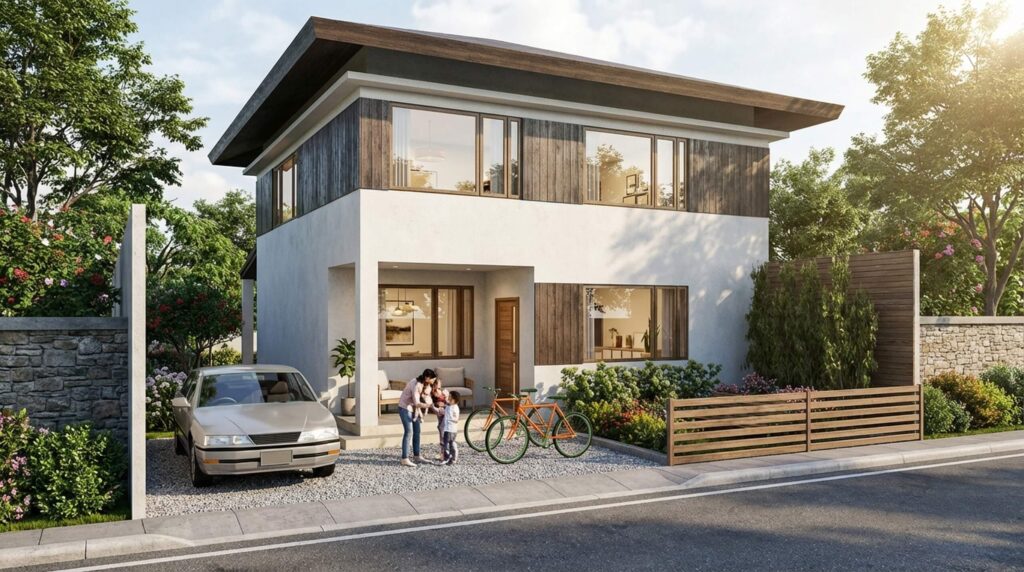 3173 m²6 month(s)from 125.000 USD
TALA FOUR
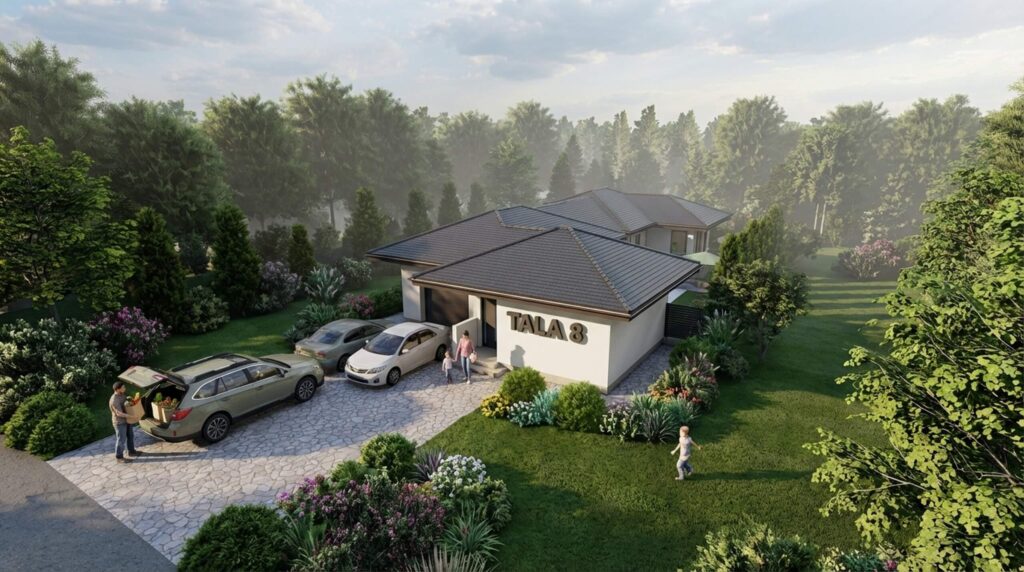 3124 m²6 month(s)from 123.000 USD
TALA 8
Start With Real Numbers, Not Guesses
Before buying land or finalizing a design, check the realistic build cost range for your project in Bali.
Our team reviews your inputs and gives a grounded estimate.
Available lands
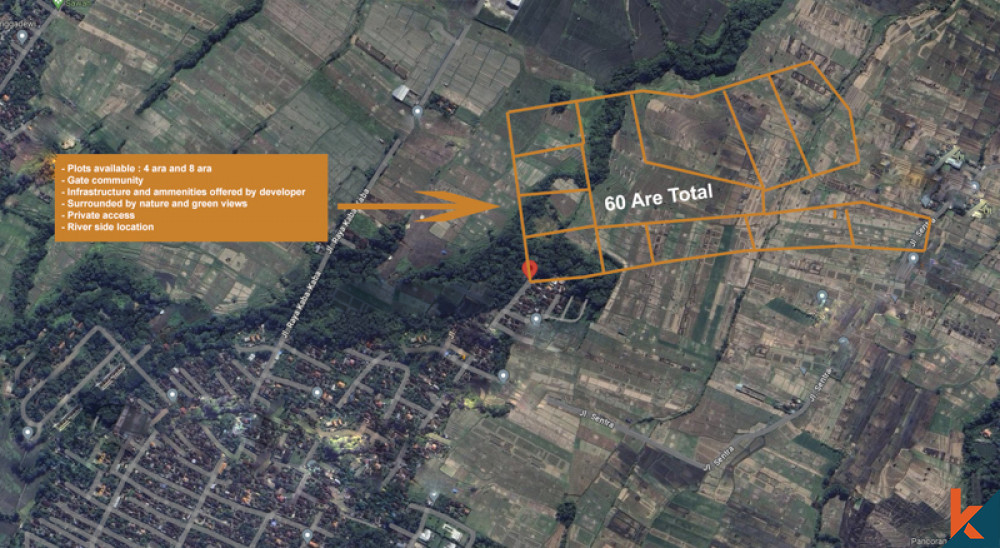 400 m²15 min$ 67192Bali, Tabanan
 680 m²15 min$ 110751Bali, Pererenan
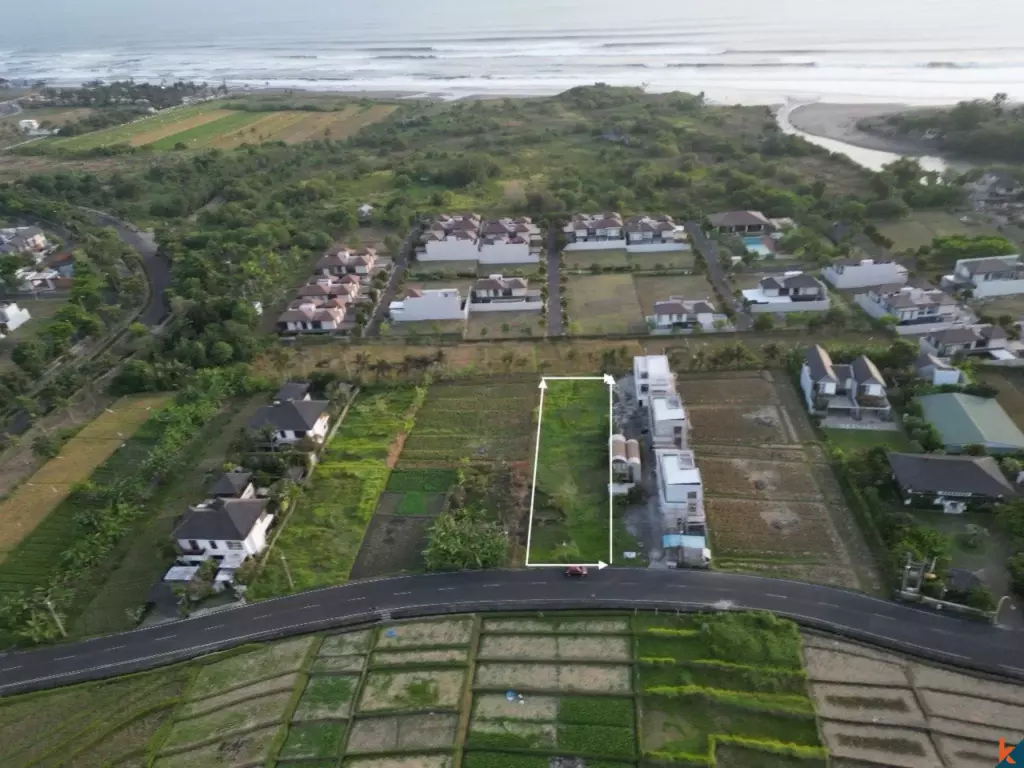 1410 m²15 min$ 390702Bali, Tabanan
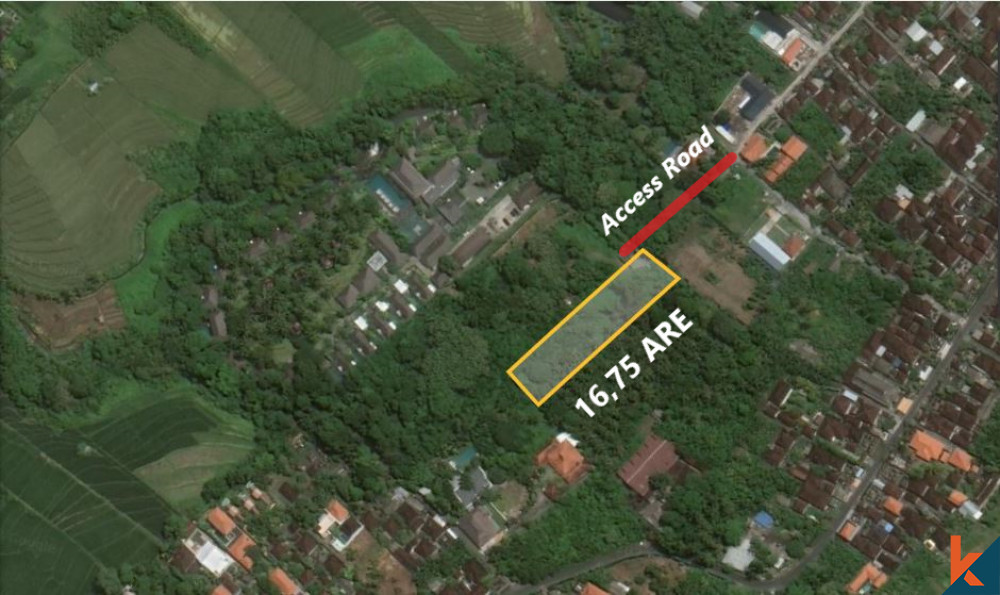 7500 m²5 min$ 206281Bali, Kedungu
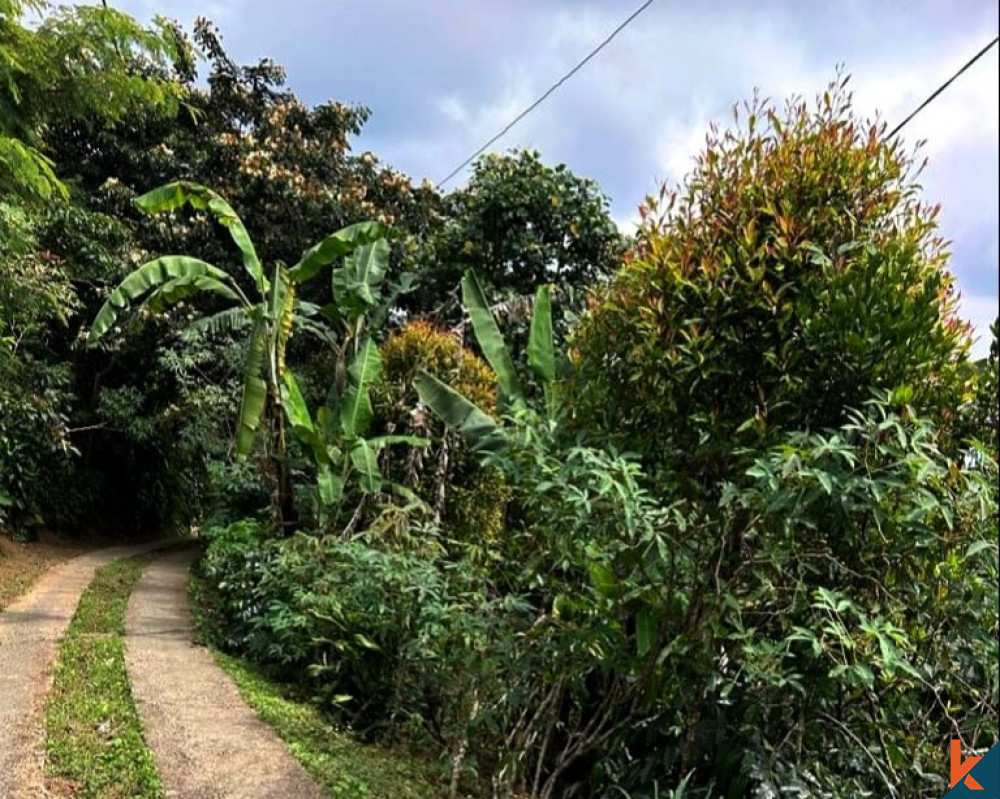 10000 m²19 min$ 232759Bali, Buleleng
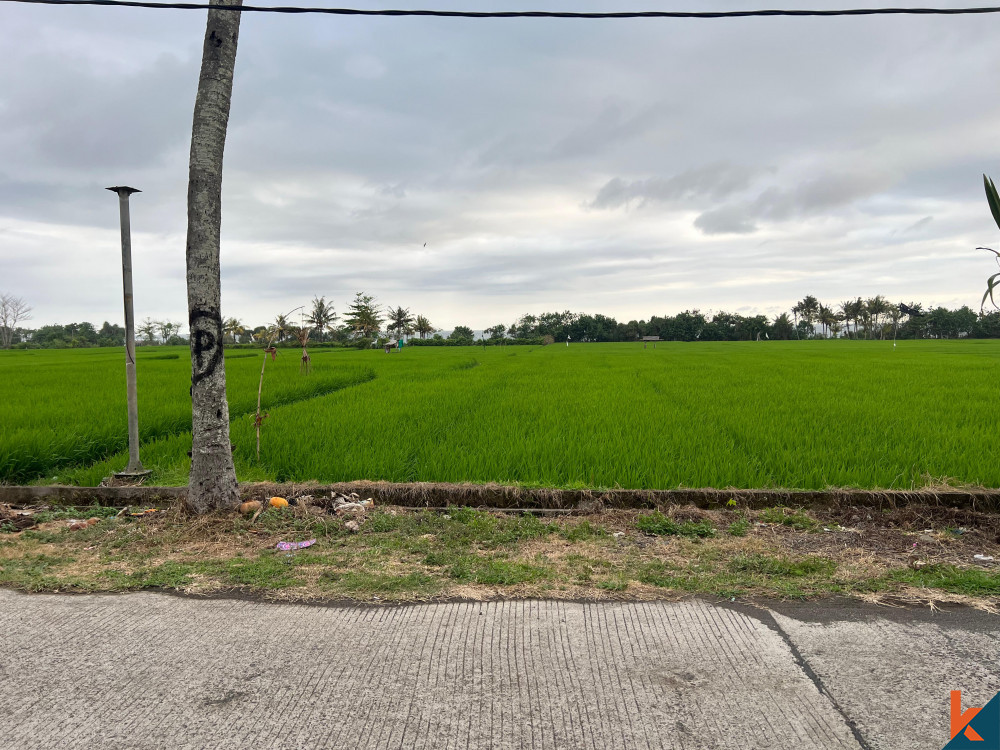 13000 m²1 min$ 920567Bali, Pekutatan
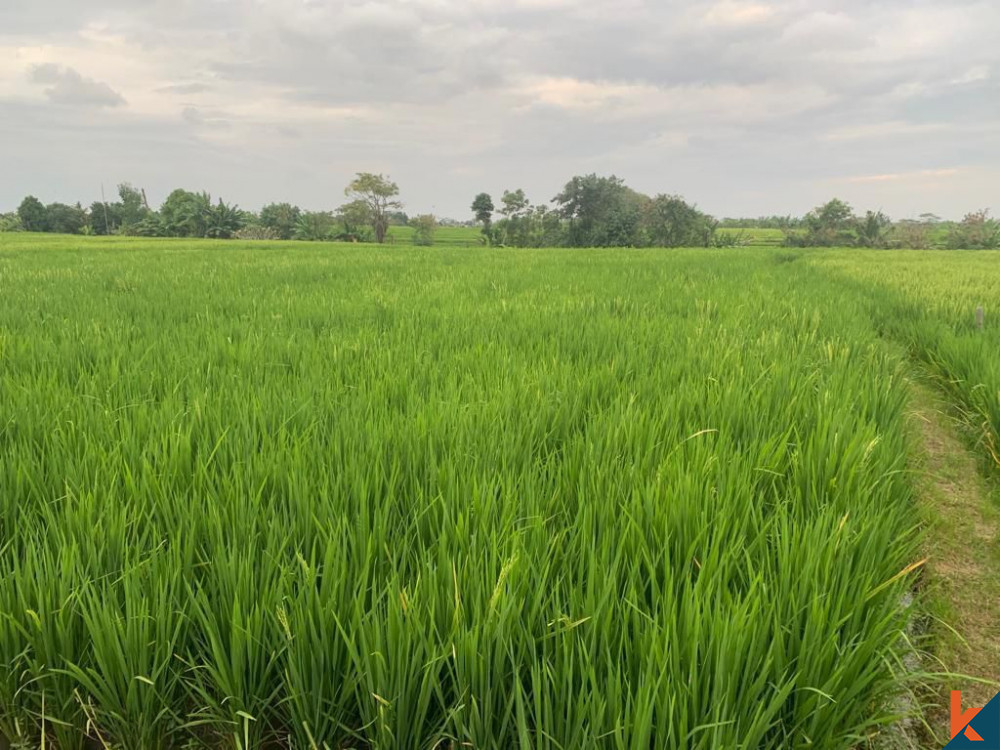 800 m²5 min$ 295567Bali, Seseh
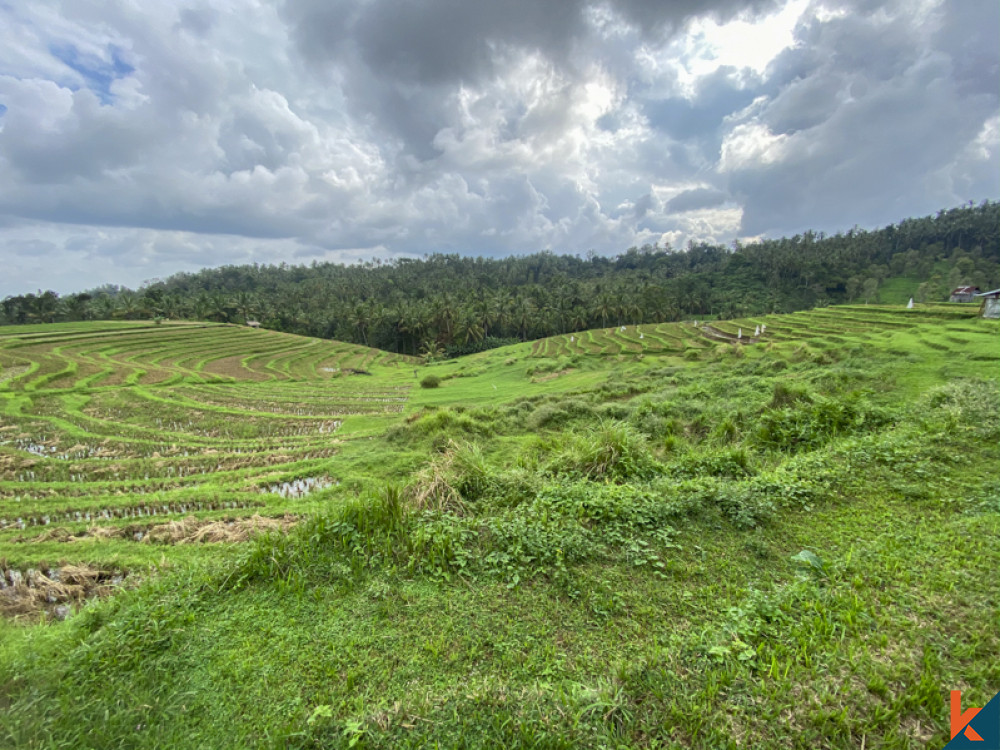 6000 m²30 min$ 55419Bali, Tabanan
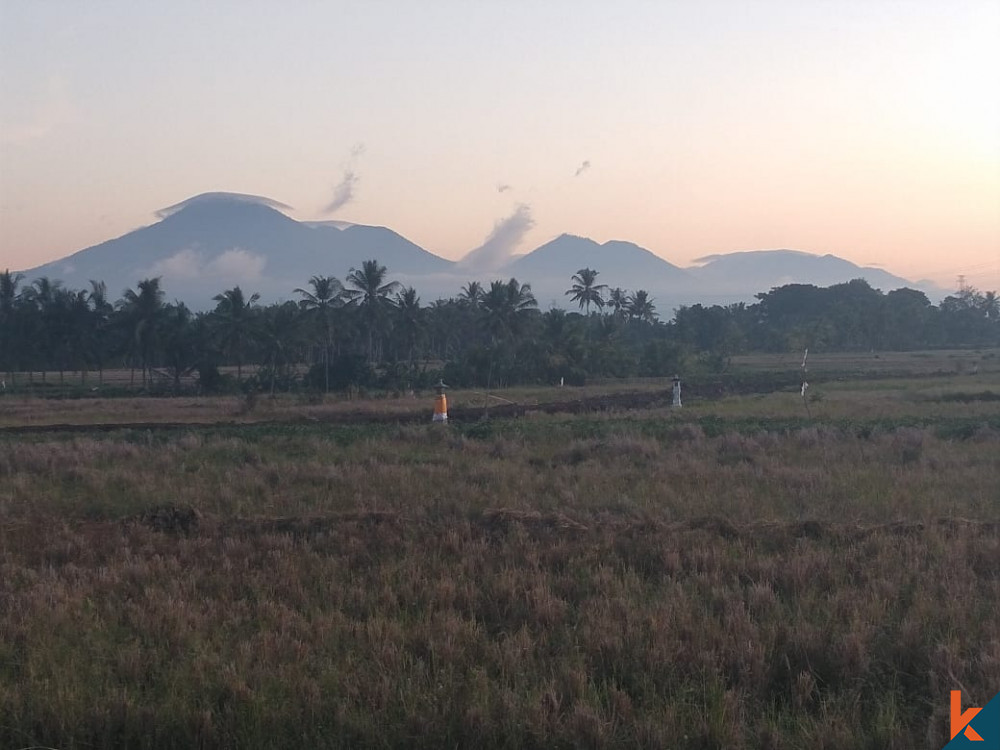 1950 m²7 min$ 150092Bali, Tabanan
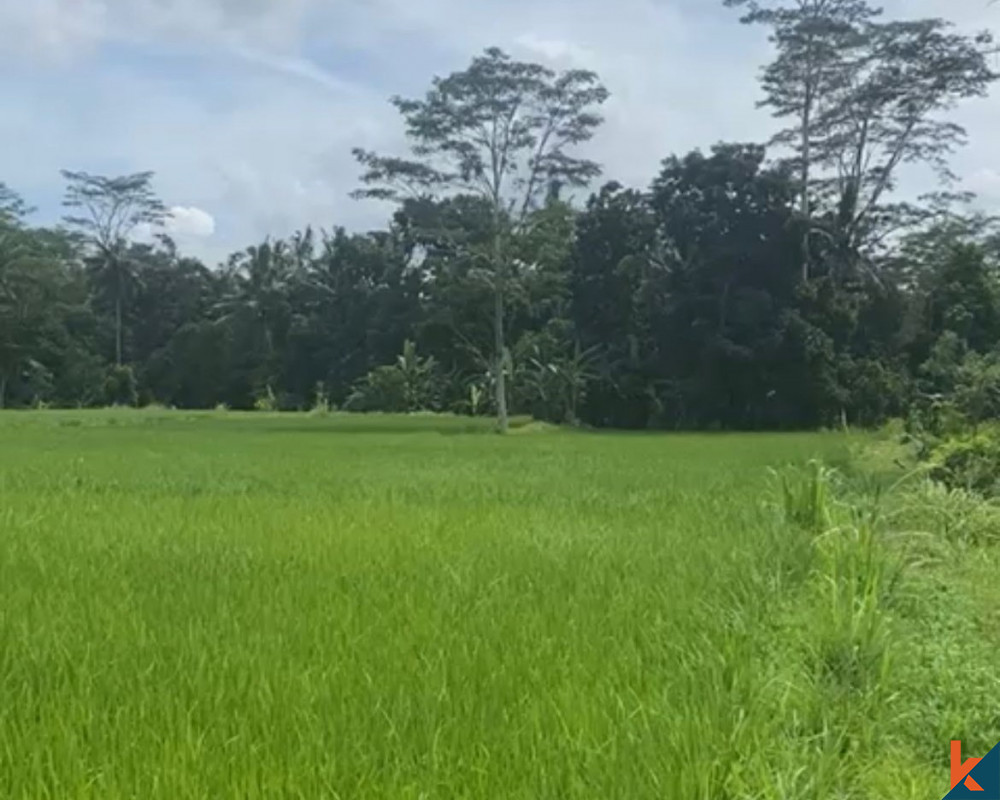 7000 m²36 min$ 284483Bali, Gianyar
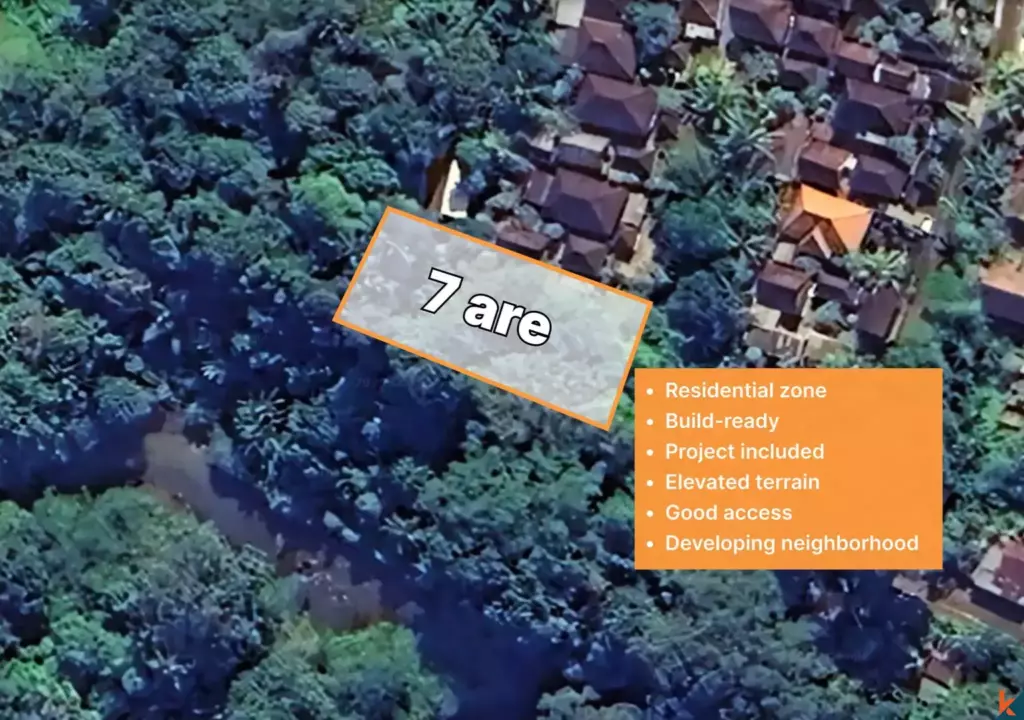 700 m²20 min$ 90517Bali, Cepaka
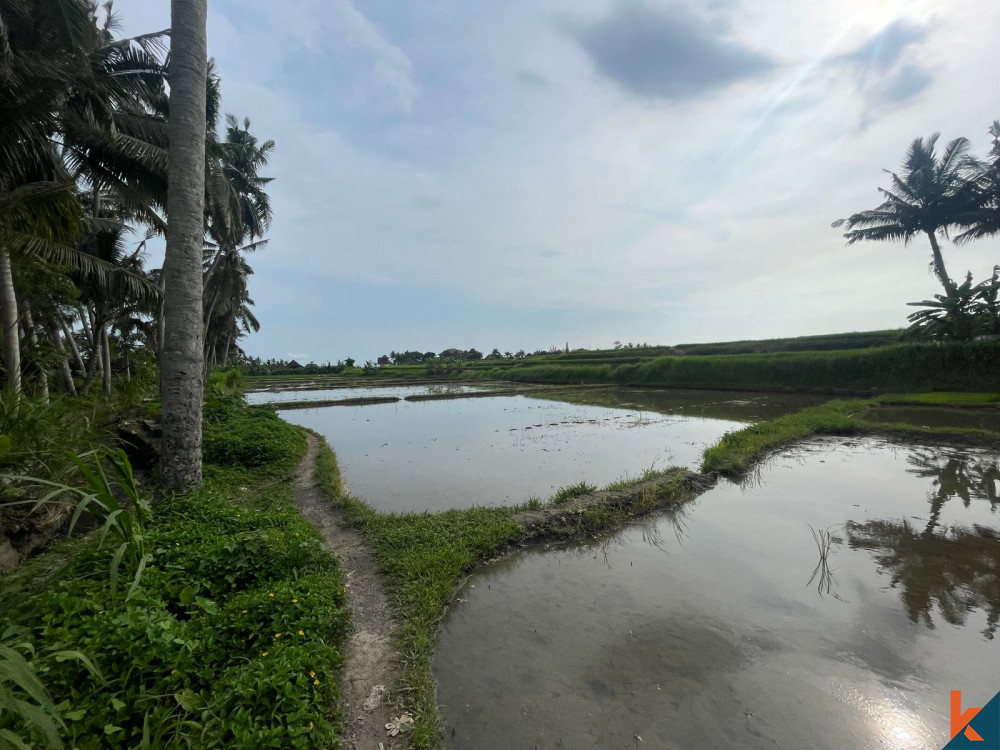 4270 m²10 min$ 394397Bali, Ubud
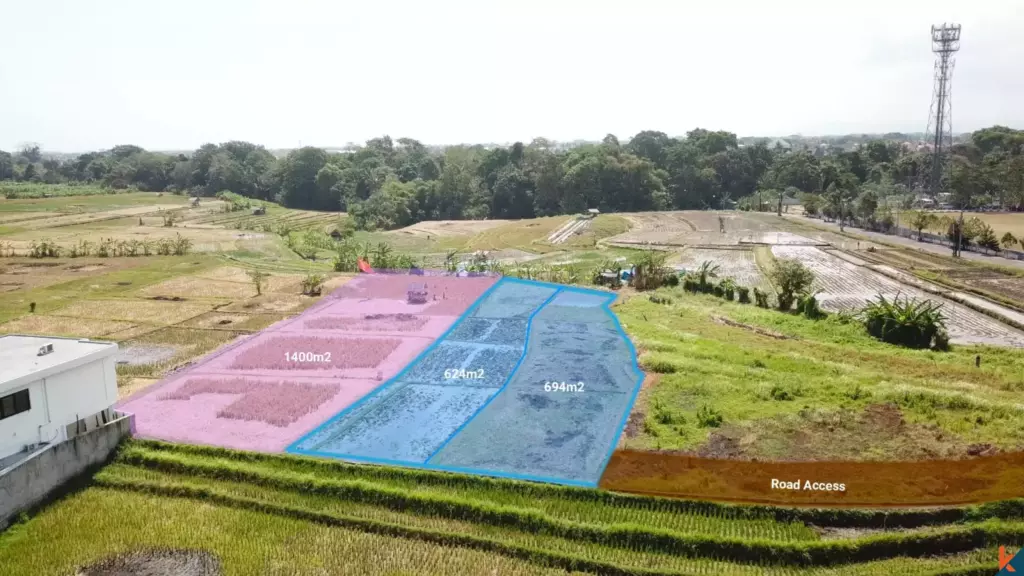 1362 m²15 min$ 335468Bali, Tumbak
 585 m²8 min$ 165702Bali, Mengwi
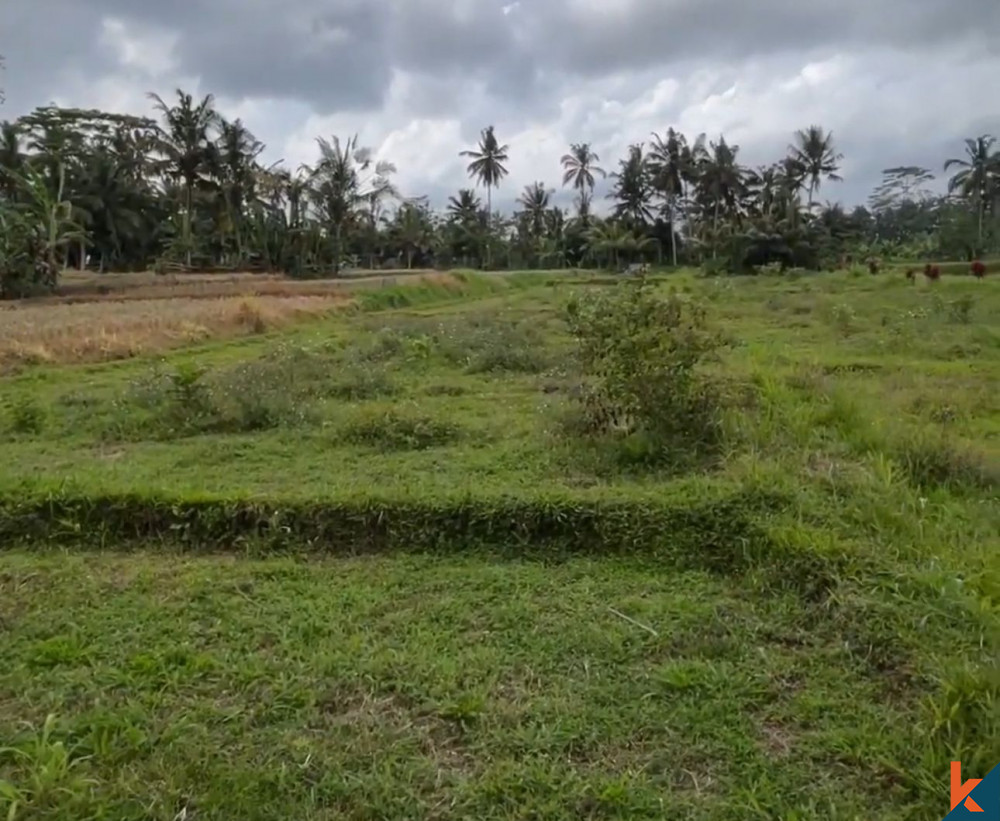 3100 m²15 min$ 257697Bali, Tegallalang
Planning a build in Bali?
Get a feasibility view, budget range and timeline from Teville.
Related guides
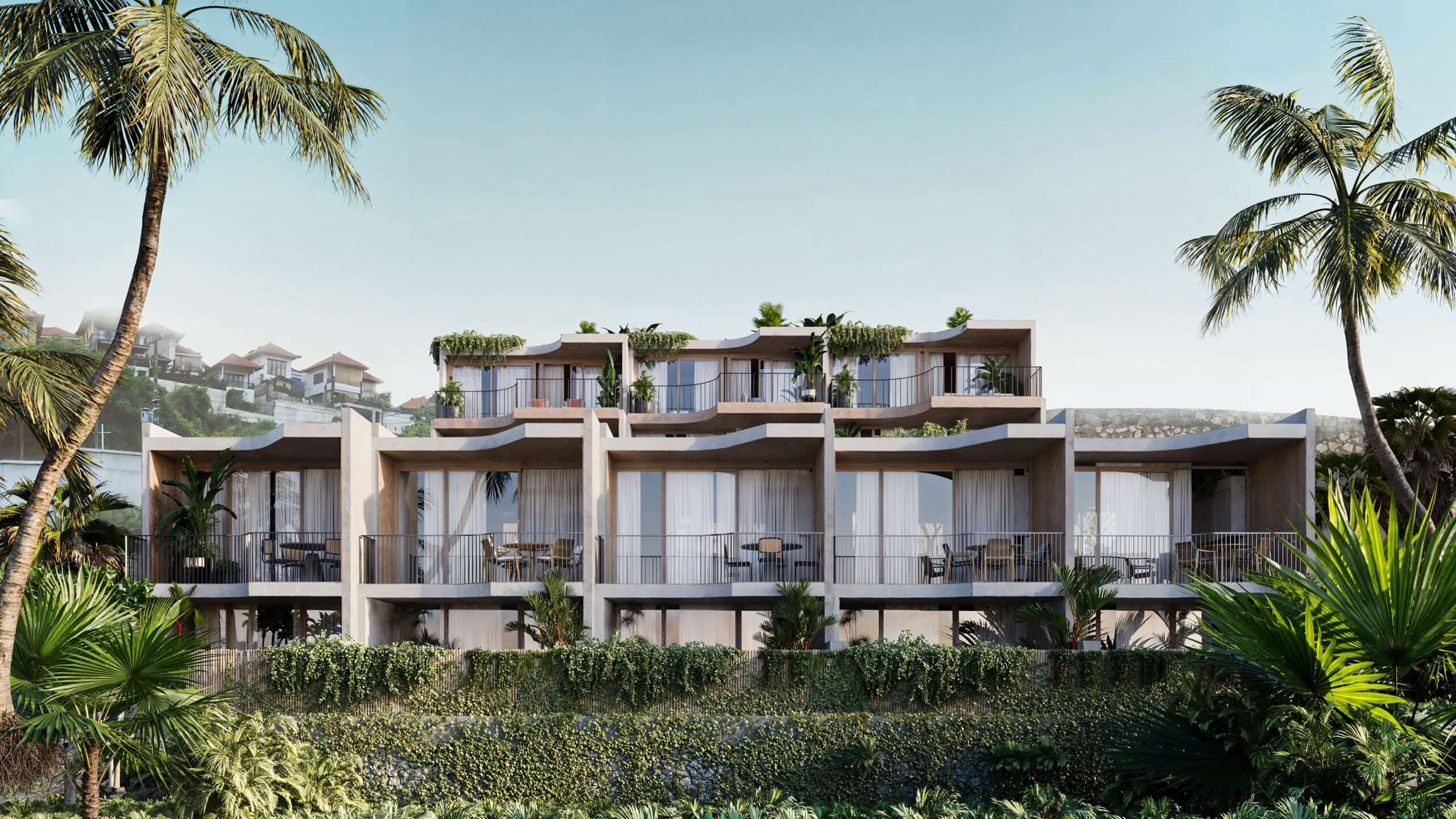
Recessed Lighting Costs: Concrete vs Bamboo Ceilings Bali
Compare recessed lighting installation costs for concrete and bamboo ceilings in Bali villas. Get accurate pricing and expert tips for your construction project
10 min read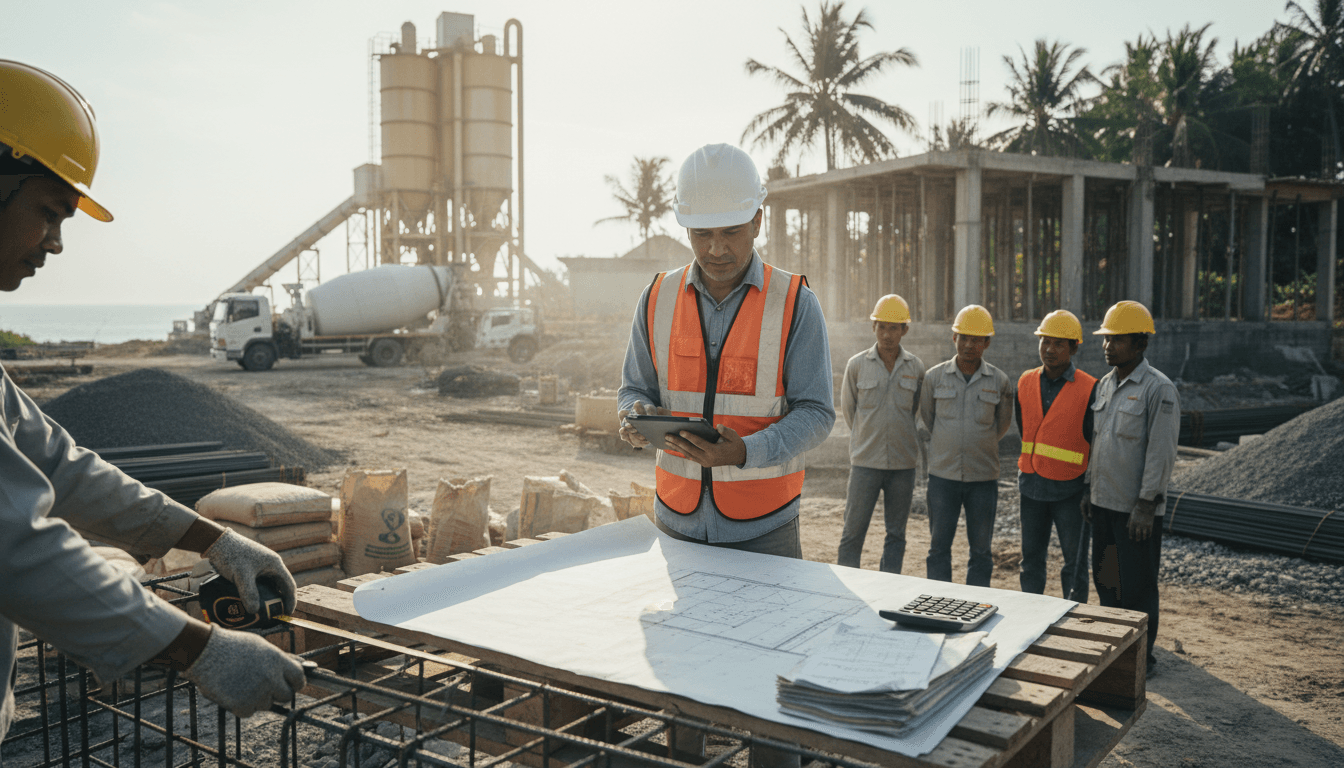
Concrete Batching Plant vs Ready-Mix: Cost Per m³ Bali
Compare concrete batching plant vs ready-mix costs per m³ for Bali construction projects. Expert analysis on pricing, efficiency best options for villas.
10 min read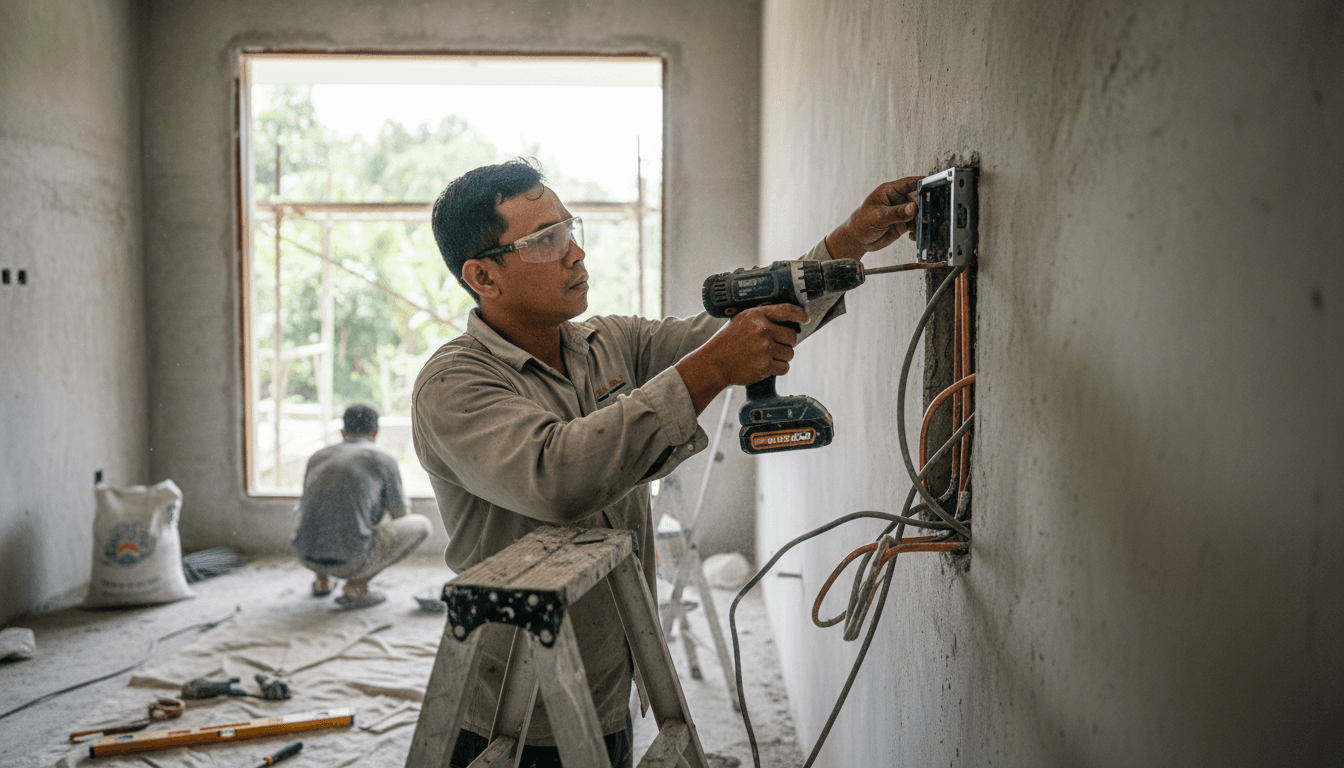
Split AC Refrigerant Line Limits for Bali Multi-Story Villas
Expert guide to split AC refrigerant line set length limits for Bali villas. MEP specifications, installation best practices, and performance optimization.
11 min read