Ubud Slope Terracing Costs Soil Retention Engineering Bali
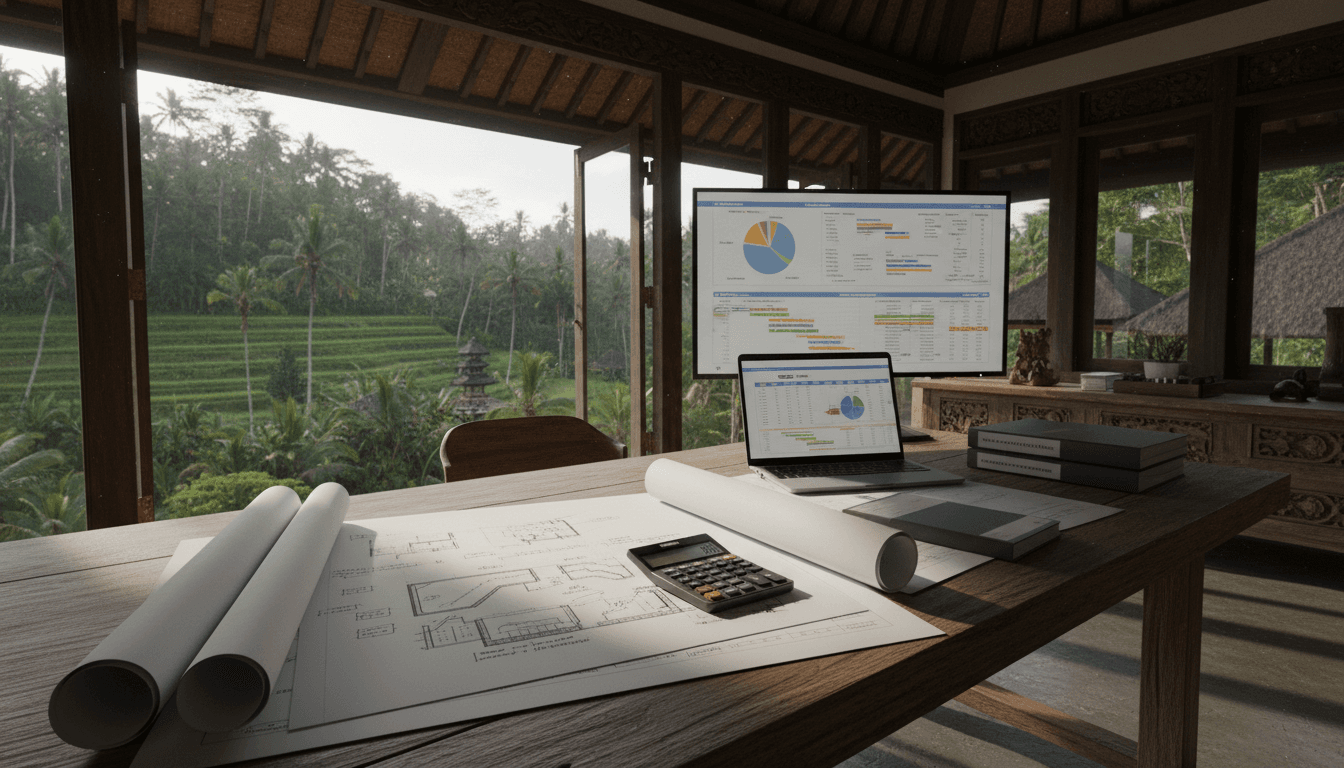
Why Ubud Slope Construction Demands Specialized Terracing Engineering
Building on Ubud’s dramatic hillside terrain presents a fundamental engineering challenge that separates successful villa projects from structural failures. The region’s steep topography, combined with volcanic soil composition and intense monsoon rainfall, creates conditions where standard construction approaches fail catastrophically. Property developers frequently underestimate the complexity of slope stabilization, viewing terracing as simple earthwork rather than precision geotechnical engineering. The reality: inadequate soil retention systems lead to foundation settlement, retaining wall collapse, and erosion that can compromise entire structures within 2-3 monsoon seasons. Understanding the true scope of terracing costs and soil retention engineering requirements isn’t optional—it’s the difference between a durable hillside villa and a liability that requires constant remediation.
Geotechnical Engineering Requirements for Ubud Slope Construction
Ubud’s geological profile consists primarily of volcanic clay and weathered tuff layers with variable bearing capacities ranging from 80-250 kN/m² depending on depth and moisture content. This heterogeneous soil structure creates unpredictable load distribution patterns that require comprehensive site investigation before any terracing work begins. A proper geotechnical survey for slope construction must include soil boring at minimum 8-meter depths across multiple test points, laboratory analysis of soil cohesion and internal friction angles, groundwater table mapping, and slope stability calculations using limit equilibrium methods.
The engineering approach to Ubud terracing differs fundamentally from flat-site construction. Cut-and-fill operations on slopes exceeding 15-degree gradients require engineered retaining structures—not simple gabion walls or decorative stone facing. Reinforced concrete cantilever walls, anchored sheet pile systems, or soil nail installations become necessary depending on retained height and surcharge loads. For terraces retaining more than 2 meters of soil, structural calculations must account for active earth pressure coefficients, seismic loading factors (Bali sits in Zone 3 seismic classification), and hydrostatic pressure from seasonal groundwater fluctuation.
Drainage engineering represents the critical component most developers overlook. Ubud receives 2,000-3,000mm annual rainfall concentrated in 5-6 month monsoon periods. Without proper subsurface drainage, hydrostatic pressure behind retaining walls increases exponentially, creating failure conditions even in properly designed structures. Effective slope drainage systems require perforated pipe networks installed at terrace base levels, gravel drainage blankets behind all retaining structures, surface water diversion channels, and outlet systems that prevent concentrated discharge onto lower terraces. The drainage network must be designed to handle 50-year storm events—approximately 150mm rainfall in 24 hours.
Terracing geometry follows engineering principles, not aesthetic preferences. Terrace width must accommodate building footprints plus minimum 3-meter setbacks from cut/fill slopes for structural safety. Slope angles between terraces should not exceed 1:1.5 (vertical:horizontal) for unretained cuts in typical Ubud soils, with flatter gradients required in areas with high groundwater or weak soil layers. Multi-level developments require careful sequencing—upper terrace construction and stabilization must be completed before lower level excavation begins to prevent progressive slope failure.
Soil retention systems in Ubud must address both immediate construction stability and long-term performance under tropical weathering. Reinforced concrete retaining walls require minimum 300mm thickness for walls under 3 meters height, increasing to 400-500mm for taller structures. Reinforcement must use epoxy-coated or stainless steel bars to resist corrosion in Bali’s humid environment. Concrete mix designs should specify minimum 25 MPa compressive strength with reduced water-cement ratios and appropriate admixtures for tropical placement conditions. Foundation systems for retaining walls typically require 1.2-1.5 meter depth with base width calculated at 40-50% of retained height.
Alternative retention systems like soil nailing or anchored walls offer advantages for specific conditions. Soil nail walls work effectively in cohesive soils where drilling operations can maintain temporary excavation stability. The system uses grouted steel bars installed at 15-20 degree downward angles, spaced 1.5-2.0 meters horizontally and vertically, with shotcrete facing. This approach often proves more economical than conventional retaining walls for heights exceeding 4 meters, though it requires specialized equipment and experienced contractors familiar with the technique.
Hidden Risks in Slope Construction Projects
The most dangerous assumption in Ubud slope construction is that neighboring successful projects validate your site’s approach. Soil conditions vary dramatically within 50-meter distances due to volcanic deposition patterns and weathering profiles. A terrace design that works perfectly on an adjacent property may fail catastrophically on your site if underlying soil layers differ. This geological variability makes comprehensive site-specific investigation non-negotiable, yet developers routinely skip detailed geotechnical studies to save initial costs—only to spend multiples more on remediation.
Permit authorities in Gianyar Regency have intensified scrutiny of slope construction following several high-profile failures. Projects now require stamped geotechnical reports from certified engineers, structural calculations for all retaining systems, and environmental impact assessments for sites with slopes exceeding 25%. Attempting to build without proper engineering documentation results in permit rejection or stop-work orders. More critically, insurance companies increasingly refuse coverage for slope construction projects lacking proper geotechnical documentation, leaving owners personally liable for structural failures.
Contractor capability represents another hidden risk. Terracing and soil retention require specialized skills beyond standard villa construction. Many Bali contractors lack experience with proper compaction procedures, drainage installation techniques, or reinforced concrete placement for retaining structures. Poor compaction of fill materials—a common shortcut—creates settlement issues that manifest 12-18 months post-construction when structures have already been completed. Selecting contractors based solely on villa construction portfolios without verifying slope engineering experience leads to expensive reconstruction scenarios.
Long-term maintenance requirements for slope construction systems rarely factor into initial planning. Drainage systems require annual inspection and cleaning before monsoon seasons. Retaining wall weep holes must remain clear to function properly. Vegetation management on slopes between terraces affects erosion control and root intrusion into structures. Failure to budget for ongoing maintenance accelerates system degradation and creates compounding problems that eventually require major remediation rather than simple upkeep.
Step-by-Step Slope Construction Process
Phase 1: Site Investigation and Engineering Design (4-6 weeks)
Commission a comprehensive geotechnical investigation including minimum 3-5 soil borings to 8-10 meter depths depending on site size. Laboratory testing should analyze grain size distribution, Atterberg limits, direct shear strength, and consolidation characteristics. Engage a qualified civil engineer to perform slope stability analysis using software like GeoStudio or similar tools, calculating factors of safety for existing slopes and proposed terrace configurations. The engineering deliverable must include terrace layout plans, retaining wall structural drawings, drainage system design, and construction sequencing recommendations. This phase typically costs $3,000-6,000 for standard residential sites but represents essential risk mitigation.
Phase 2: Permit Acquisition and Regulatory Compliance (6-10 weeks)
Submit engineering documentation to Gianyar Regency building authority along with standard IMB (building permit) applications. Slope construction projects require additional environmental clearance (UKL-UPL documents) and may need village approval (banjar consultation) for significant earthwork. Budget extra time for regulatory review as slope projects receive enhanced scrutiny. Ensure all engineering documents carry proper certification stamps from Indonesian-licensed engineers (having IAGI membership for geotechnical work). Permit costs for slope construction typically run $2,000-4,000 including engineering certifications and environmental documentation.
Phase 3: Site Preparation and Access Development (2-3 weeks)
Establish construction access roads capable of supporting heavy equipment including excavators, dump trucks, and concrete mixers. Temporary roads on slopes require proper compaction and may need geotextile reinforcement to prevent rutting during monsoon conditions. Install erosion control measures including silt fencing at site perimeter and sediment traps for runoff. Clear vegetation systematically, preserving root systems on slopes not being terraced to maintain temporary stability. Set up surveying control points for accurate terrace elevation establishment—precision matters significantly in slope work where small errors compound across multiple levels.
Phase 4: Terracing Excavation and Retention System Installation (6-10 weeks)
Execute terracing from top to bottom, completing each level’s retention system before proceeding to lower elevations. Excavate terrace platforms to design elevations, maintaining temporary slope angles that ensure stability during construction. Install drainage systems concurrently with excavation—never as an afterthought. Construct retaining walls with proper formwork, reinforcement placement, and concrete curing procedures. Each retaining structure should cure minimum 14 days before backfilling. Place engineered fill in maximum 300mm lifts with mechanical compaction to 95% standard Proctor density. Install permanent drainage pipes, weep holes, and surface water management systems as terracing progresses. This phase represents the most critical period for quality control and typically accounts for 40-50% of total slope construction costs.
Phase 5: Stabilization and Foundation Preparation (3-4 weeks)
Allow terraced platforms to stabilize before foundation construction, particularly for fill areas. Monitor for settlement using surveying equipment, checking elevations at multiple points across each terrace. Address any observed settlement or drainage issues before proceeding with building foundations. Conduct final compaction testing on building pad areas to verify adequate bearing capacity. This waiting period, though frustrating for eager developers, prevents foundation problems that would cost exponentially more to remediate after construction completion.
Realistic Cost Ranges for Ubud Slope Construction
Terracing and soil retention costs in Ubud vary significantly based on retained height, soil conditions, and system complexity. For basic terracing with retaining walls under 2 meters height, expect costs of $180-280 per linear meter including excavation, concrete retaining wall, drainage installation, and backfill compaction. Mid-height retention systems (2-4 meters) increase to $350-550 per linear meter due to thicker walls, deeper foundations, and more complex drainage requirements. Tall retaining structures exceeding 4 meters can reach $650-900 per linear meter, particularly if soil nailing or anchored systems become necessary.
Site-wide terracing costs for typical villa plots (1,000-2,000 m²) with moderate slopes (15-25 degrees) generally range from $35,000-75,000 depending on the number of terrace levels required and total retained height. Steep sites requiring extensive cut-and-fill operations can exceed $100,000-150,000 for comprehensive terracing and retention systems. These figures include geotechnical investigation, engineering design, permit costs, excavation, retention structures, drainage systems, and compacted fill—representing complete turnkey terracing delivery.
Drainage system costs typically add $8-15 per square meter of terraced area for comprehensive subsurface and surface water management. This includes perforated drainage pipes, gravel blankets, outlet structures, and surface channels. Inadequate drainage represents false economy—saving $10,000 on drainage installation often leads to $50,000+ remediation costs when retention systems fail due to hydrostatic pressure.
Timeline expectations for slope construction extend 3-4 months beyond standard flat-site preparation. The combination of geotechnical investigation, enhanced permitting requirements, sequential terracing execution, and stabilization periods means slope projects require patience. Attempting to compress schedules by skipping stabilization periods or concurrent construction across multiple terrace levels increases failure risk substantially. When integrated into total villa construction cost Bali projections of $1,000-1,800 per square meter, slope sites typically add 15-25% to overall project budgets compared to flat terrain alternatives.
Frequently Asked Questions: Ubud Slope Construction
Can I reduce terracing costs by using gabion walls instead of reinforced concrete retaining walls?
Gabion walls work effectively for landscape retention under 1.5 meters height with minimal surcharge loads, costing approximately $120-180 per linear meter—roughly 30-40% less than concrete walls. However, they’re inappropriate for structural applications supporting building loads or retaining heights exceeding 2 meters. Gabions also require more horizontal space (base width approximately 60-70% of height) and degrade faster in tropical conditions as wire mesh corrodes. For terraces supporting villa structures or significant retained heights, engineered concrete retaining walls remain the appropriate solution despite higher initial costs. The decision should follow engineering recommendations based on site-specific loading conditions rather than budget optimization alone.
How do I verify my contractor has adequate experience with slope construction eng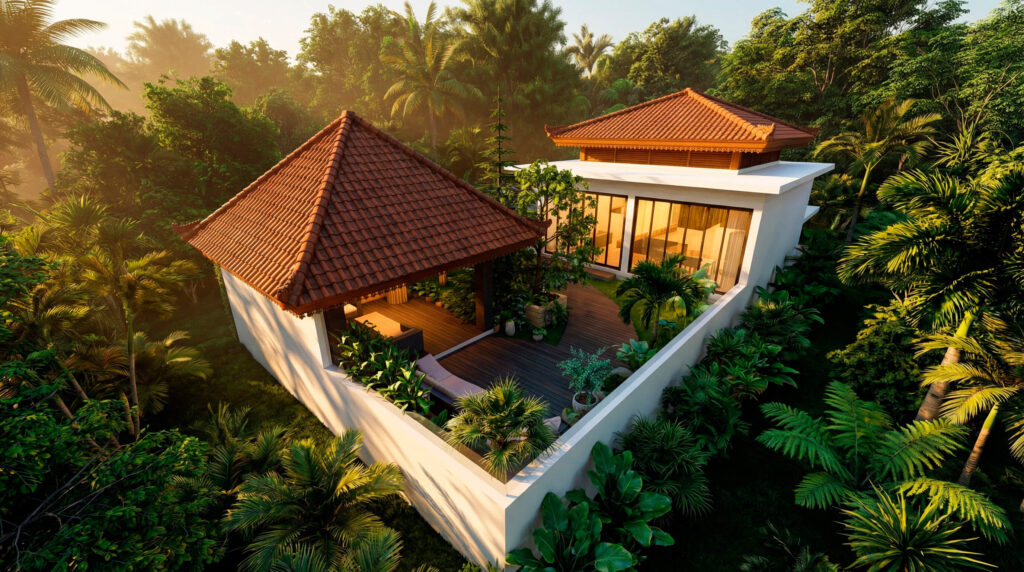 164 m²7 month(s)from 79.000 USD
Private: Haridas Villas, Tegallalang
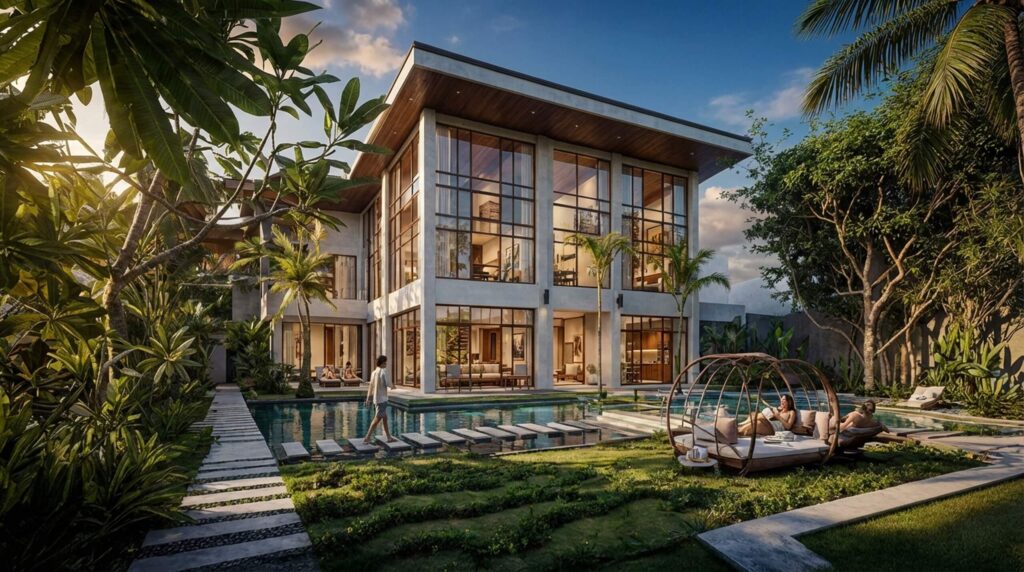 4344 m²16 month(s)from 290.000 USD
Radha
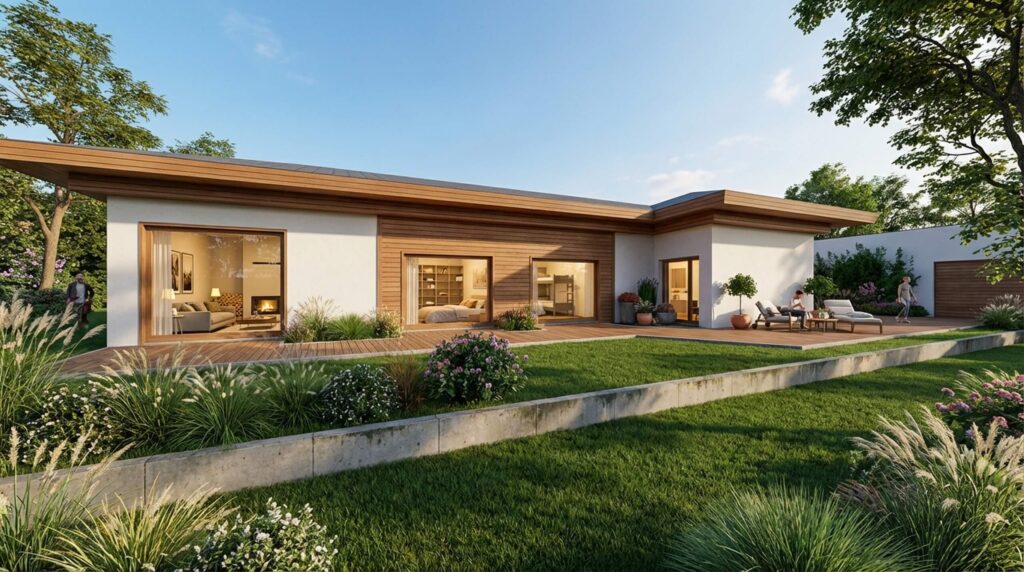 3104 m²11 month(s)from 99.000 USD
TALA 100
164 m²7 month(s)from 79.000 USDTALA TWO

Want to calculate?
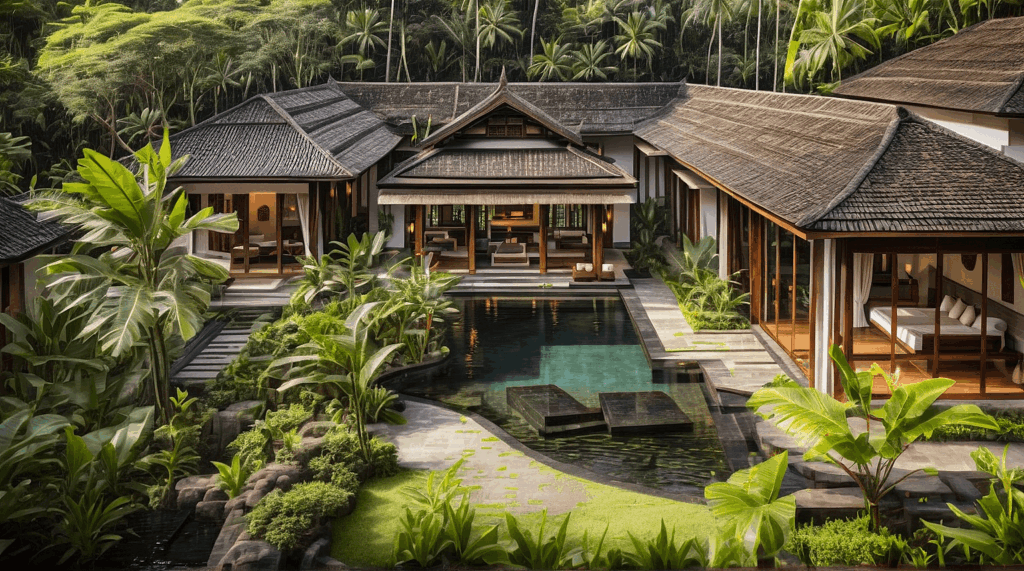 3180 m²7 month(s)from 142.000 USD
Vasudeva
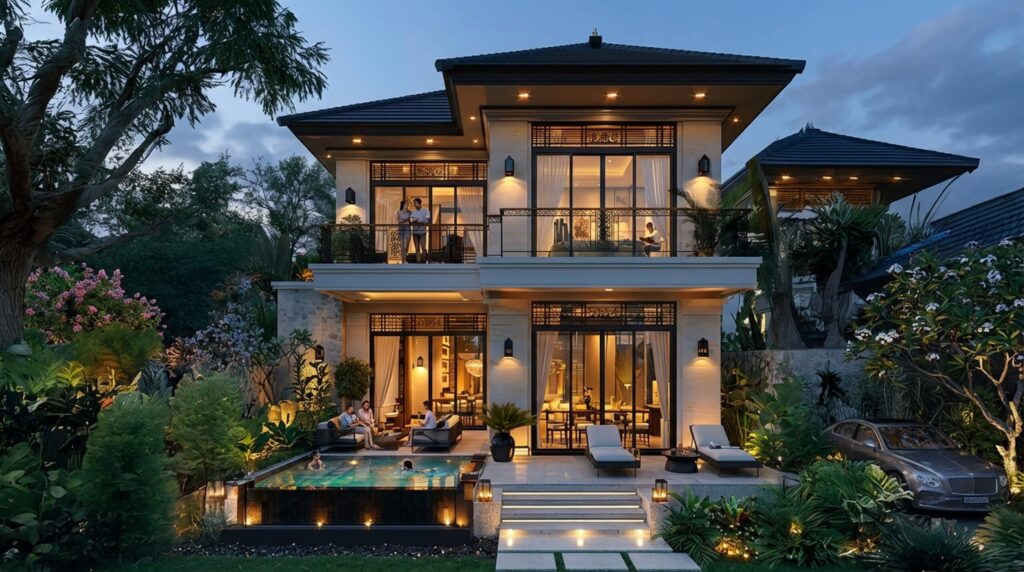 3127 m²9 month(s)from 177.000 USD
Mukunda
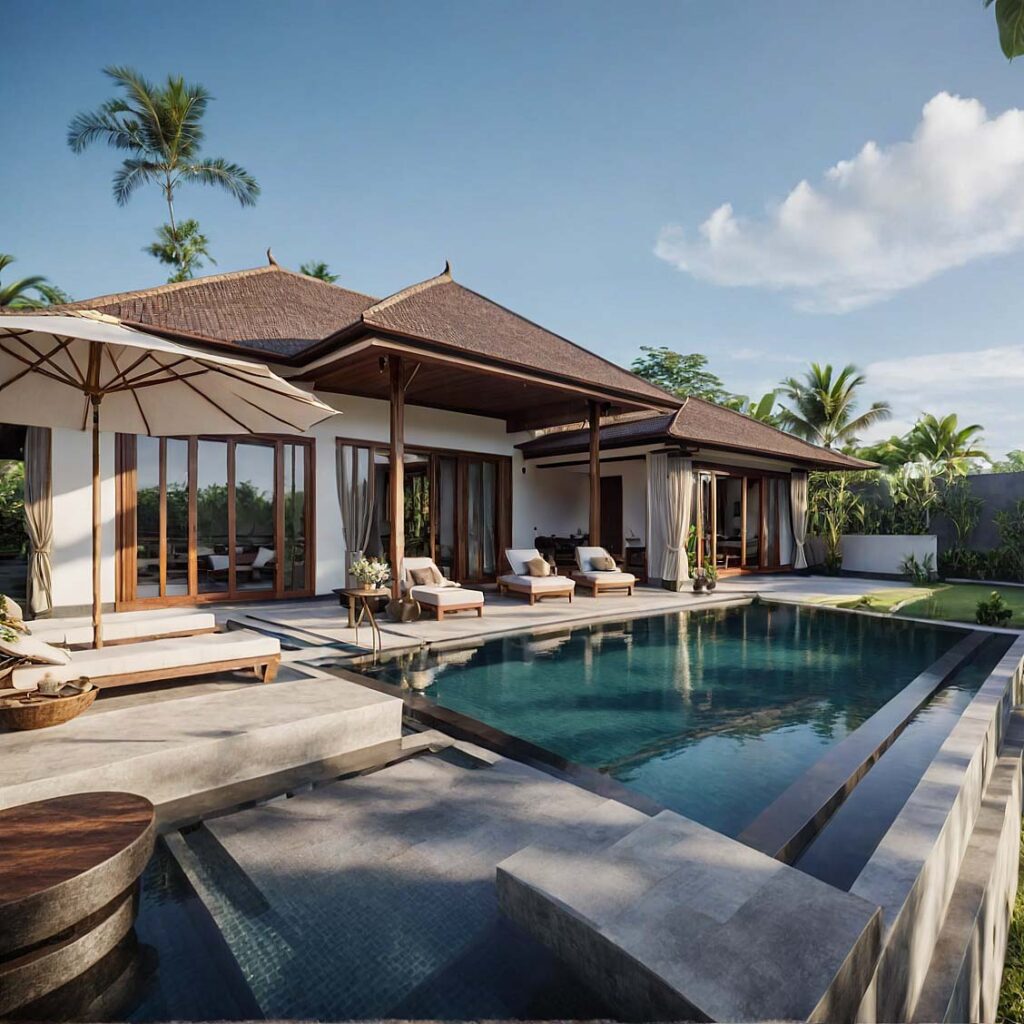 1from 198.000 USD
Private: Haridas Villas
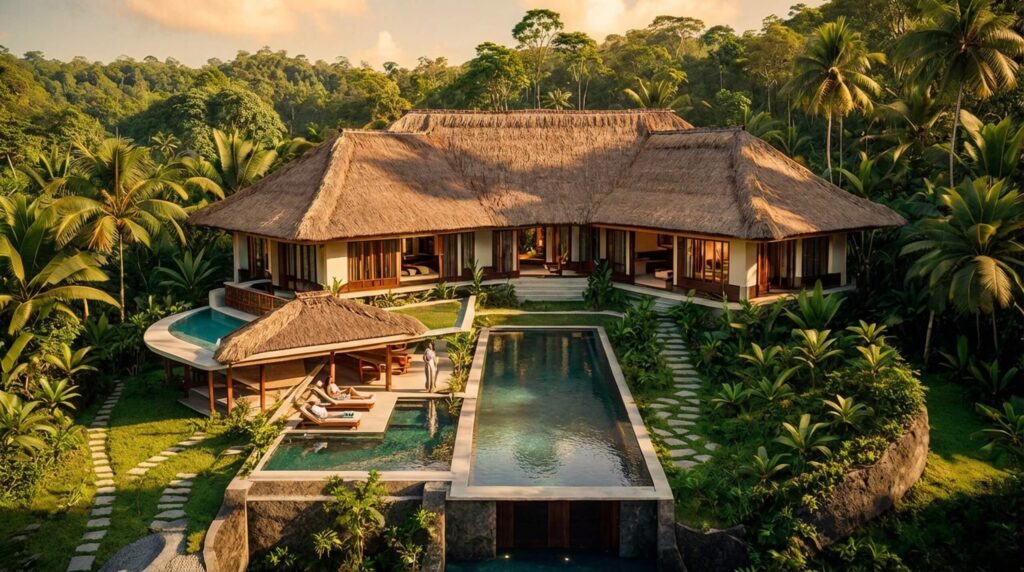 2144 m²11 month(s)from 104.000 USD
Narayana
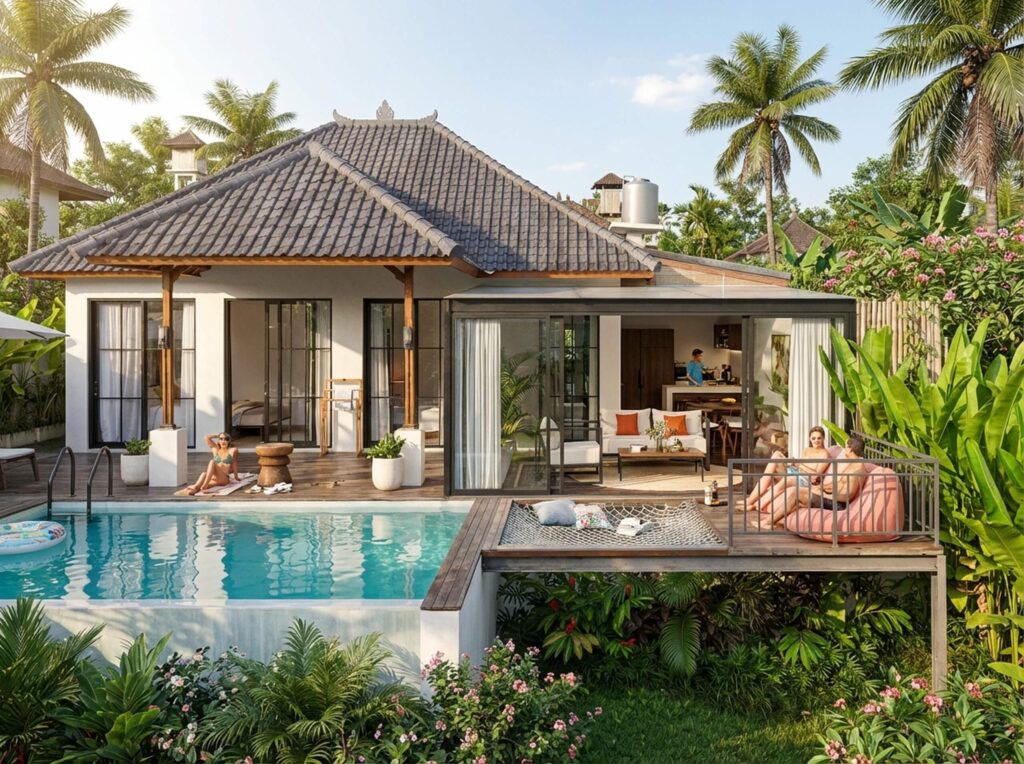 172 m²8 month(s)from 120.000 USD
Keshava
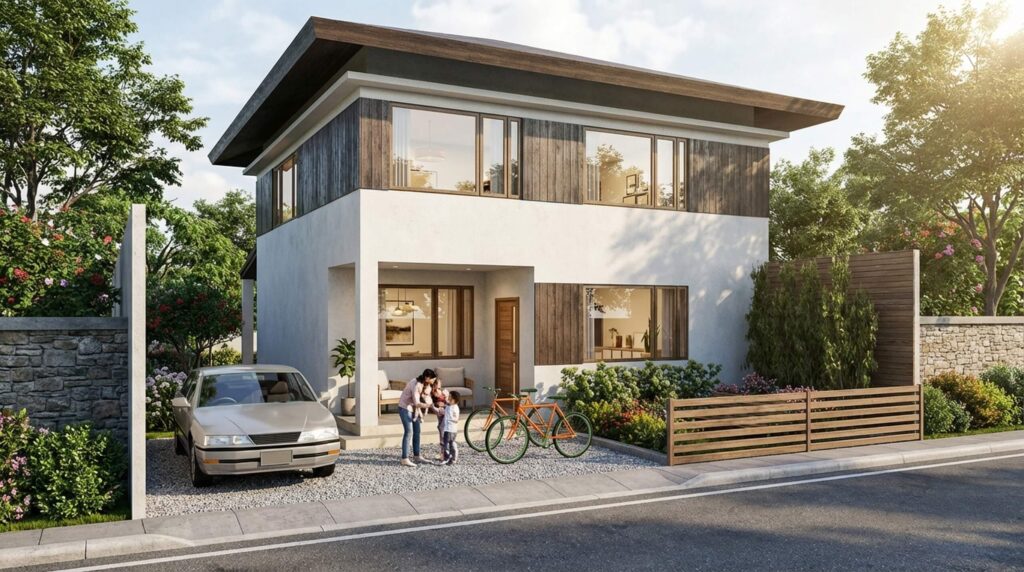 3173 m²6 month(s)from 125.000 USD
TALA FOUR
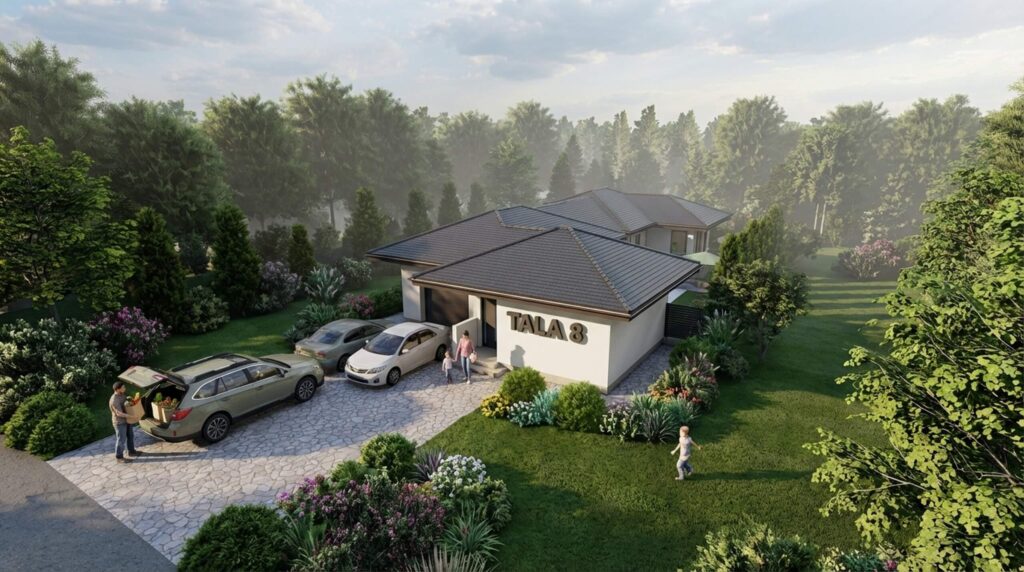 3124 m²6 month(s)from 123.000 USD
TALA 8
Start With Real Numbers, Not Guesses
Before buying land or finalizing a design, check the realistic build cost range for your project in Bali.
Our team reviews your inputs and gives a grounded estimate.
Available lands
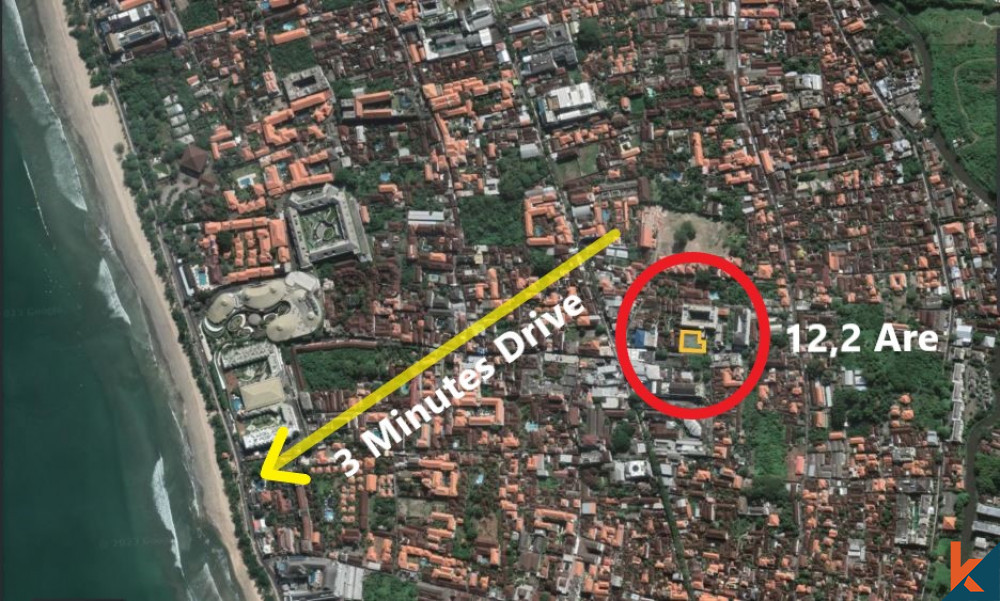 1700 m²10 min$ 632257Bali, Kuta
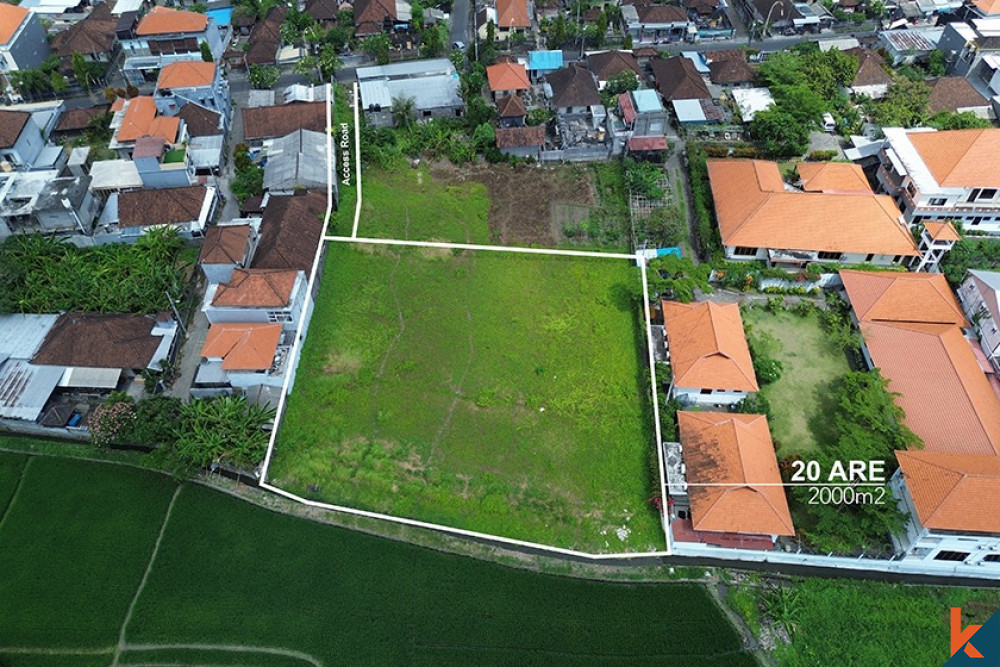 2000 m²15 min$ 261700Bali, Babakan
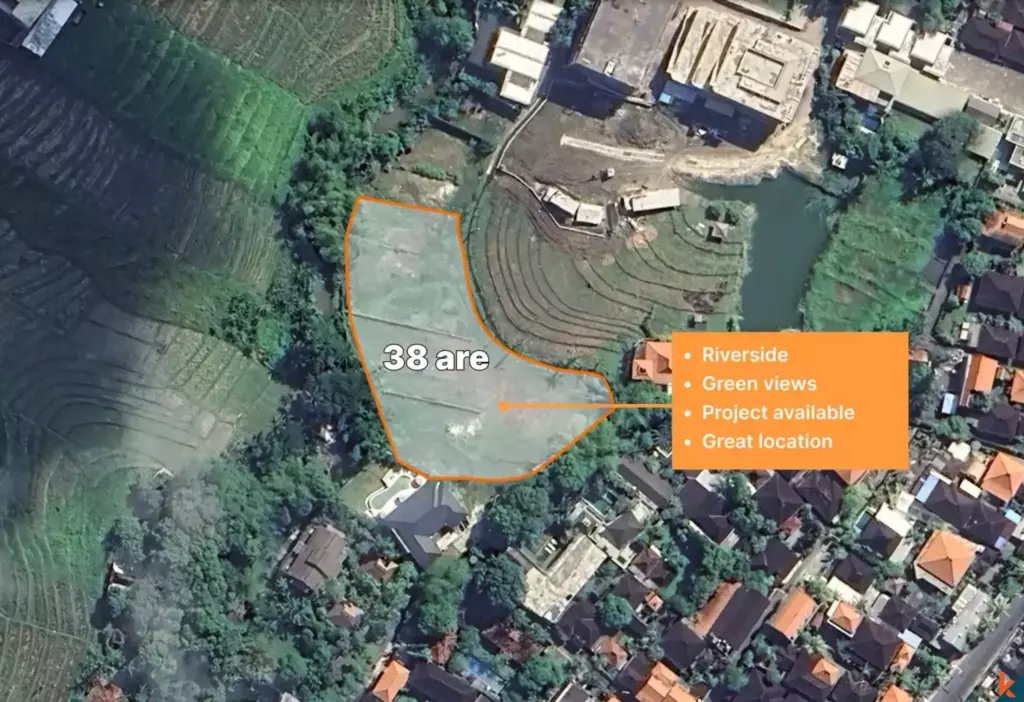 3800 m²15 min$ 100616Bali, Pererenan
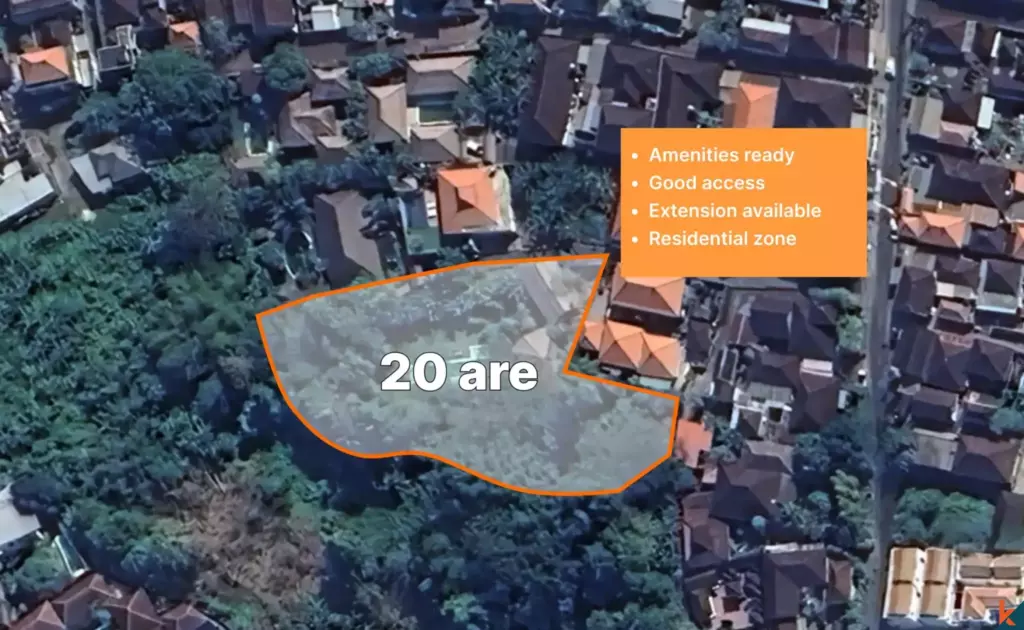 2000 m²15 min$ 523000Bali, Canggu
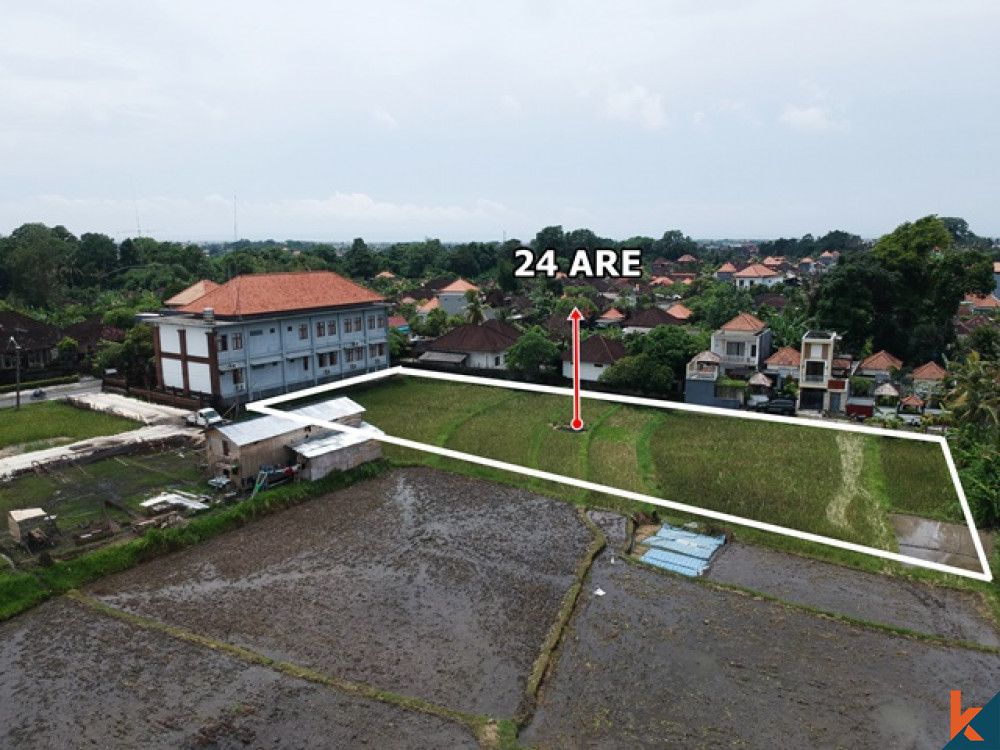 2400 m²7 min$ 496552Bali, Canggu
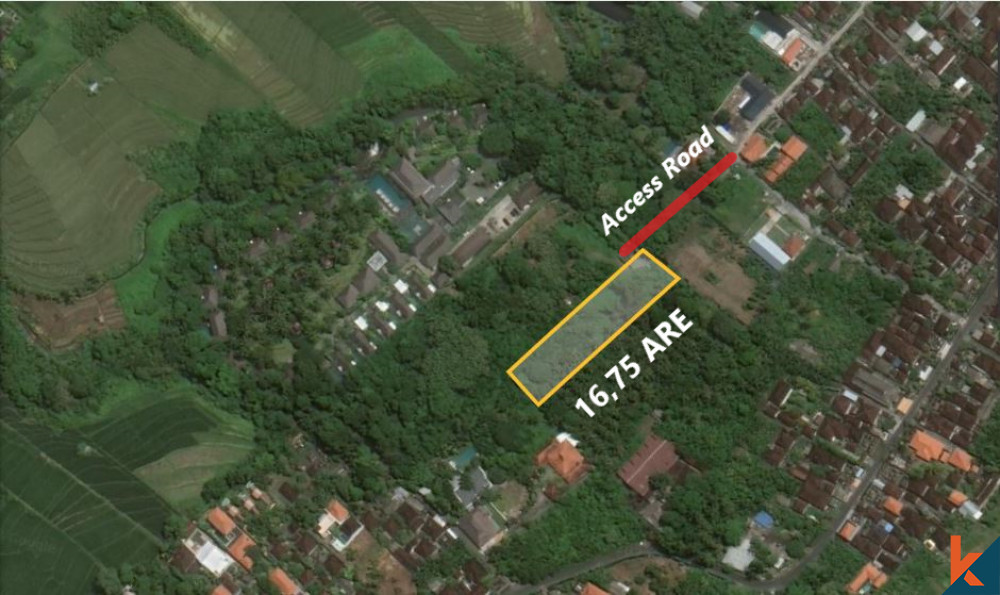 7500 m²5 min$ 206281Bali, Kedungu
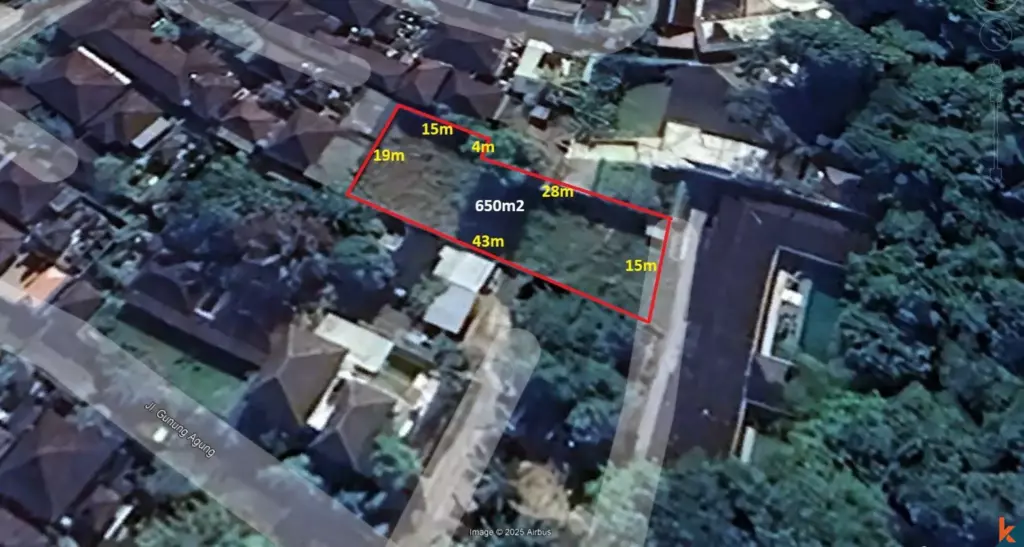 660 m²10 min$ 175567Bali, Mengwi
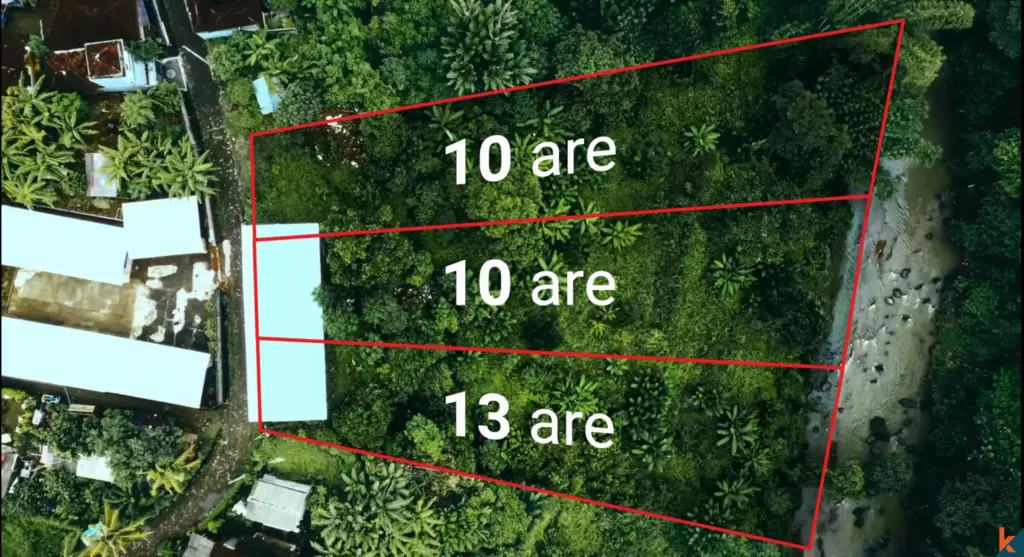 1000 m²10 min$ 303571Bali, Tabanan
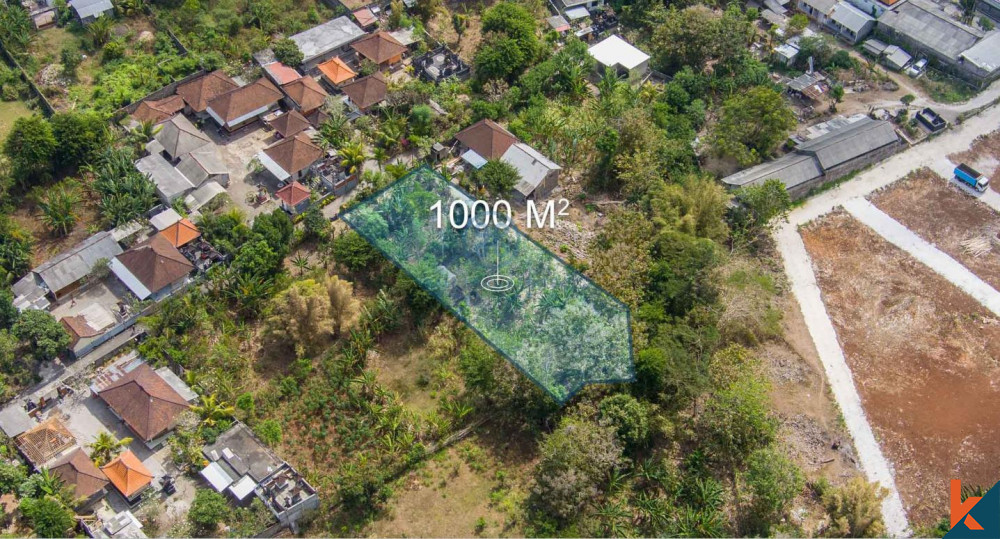 1000 m²8 min$ 134544Bali, Bukit
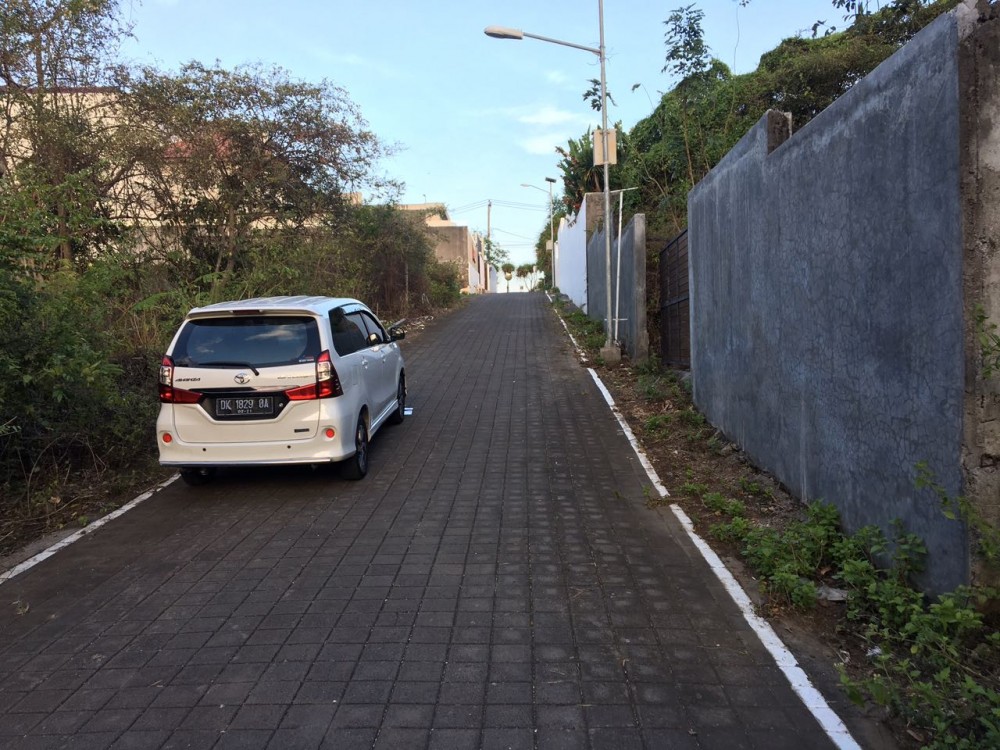 1000 m²10 min$ 123154Bali, Jimbaran
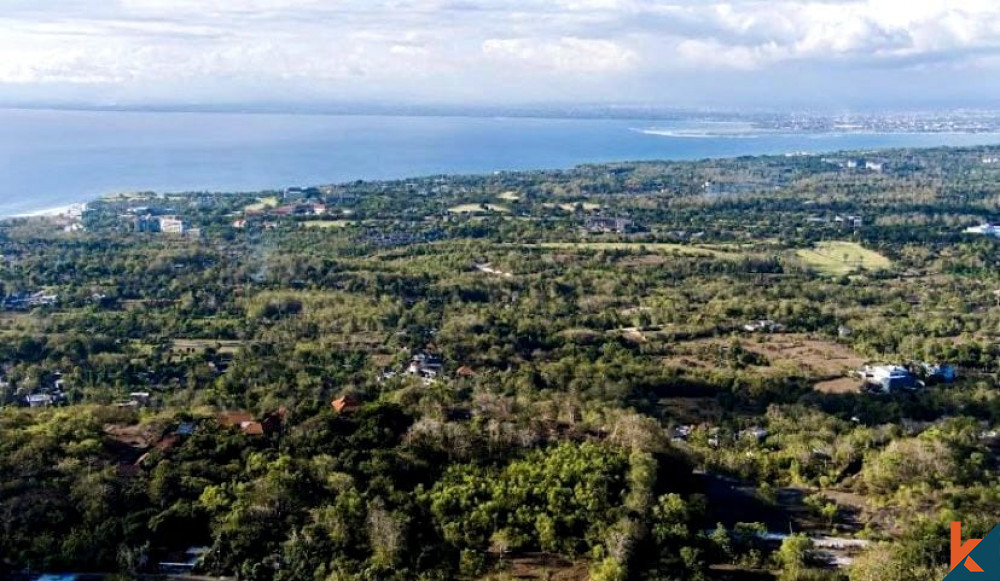 2000 m²5 min$ 1440887Bali, Pecatu
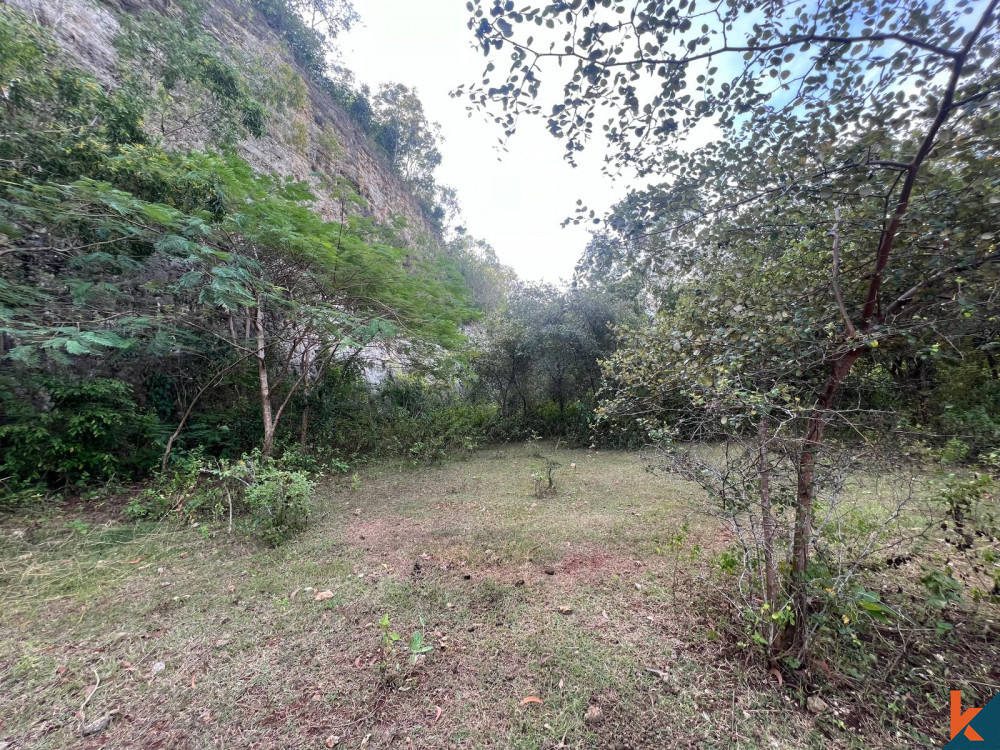 800 m²8 min$ 113300Bali, Ungasan
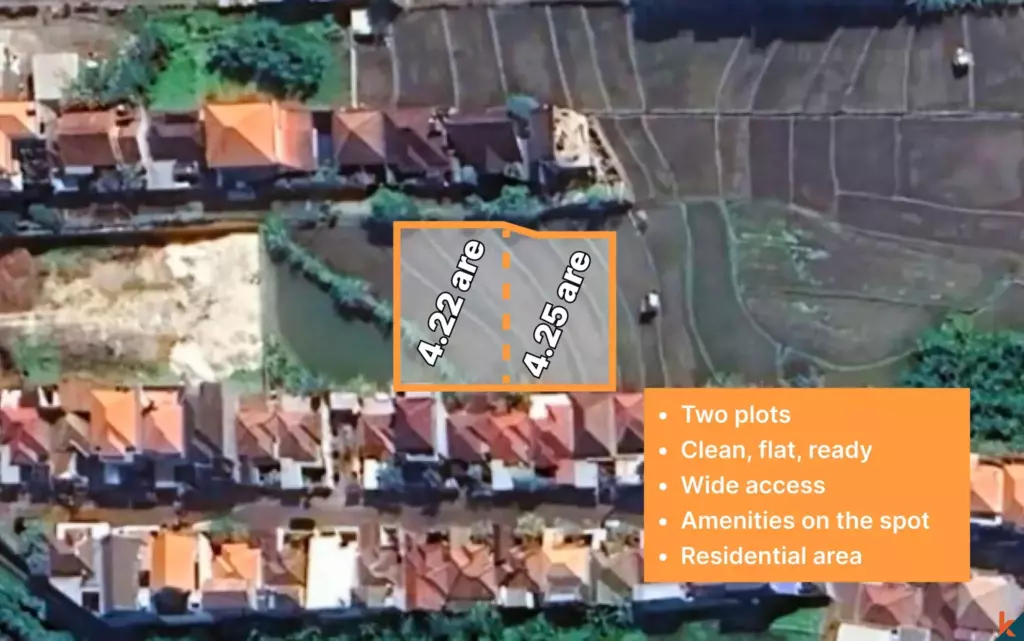 422 m²15 min$ 93547Bali, Kerobokan
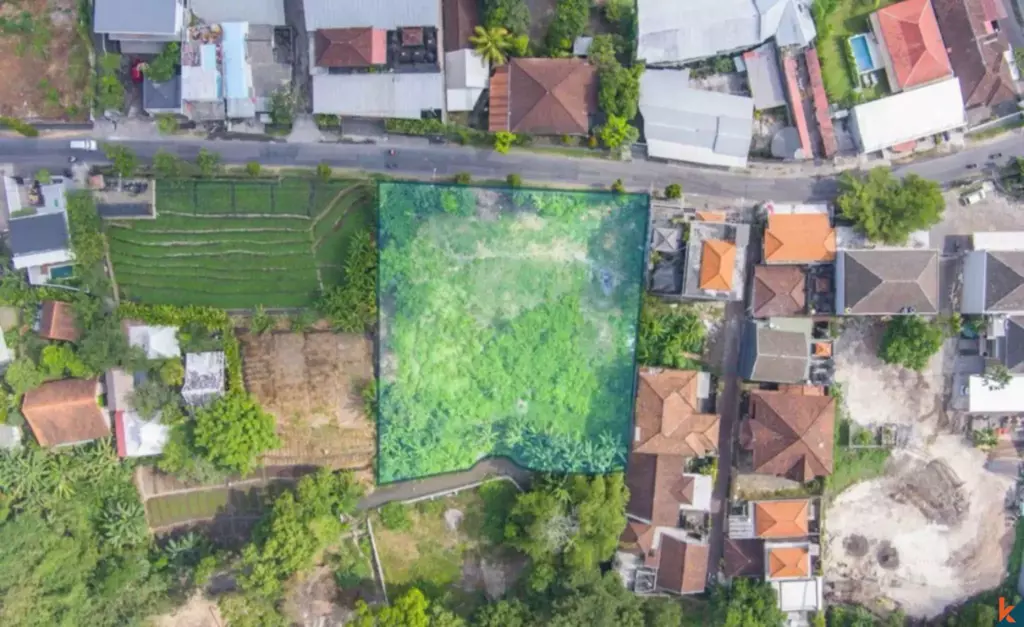 2230 m²15 min$ 410573Bali, Padonan
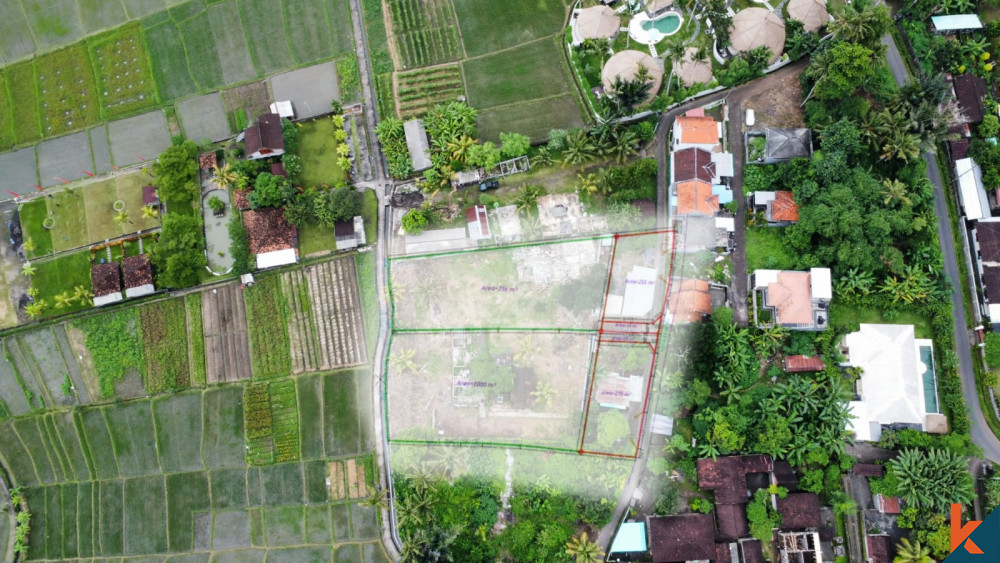 3100 m²20 min$ 272968Bali, Tabanan
Planning a build in Bali?
Get a feasibility view, budget range and timeline from Teville.
Related guides
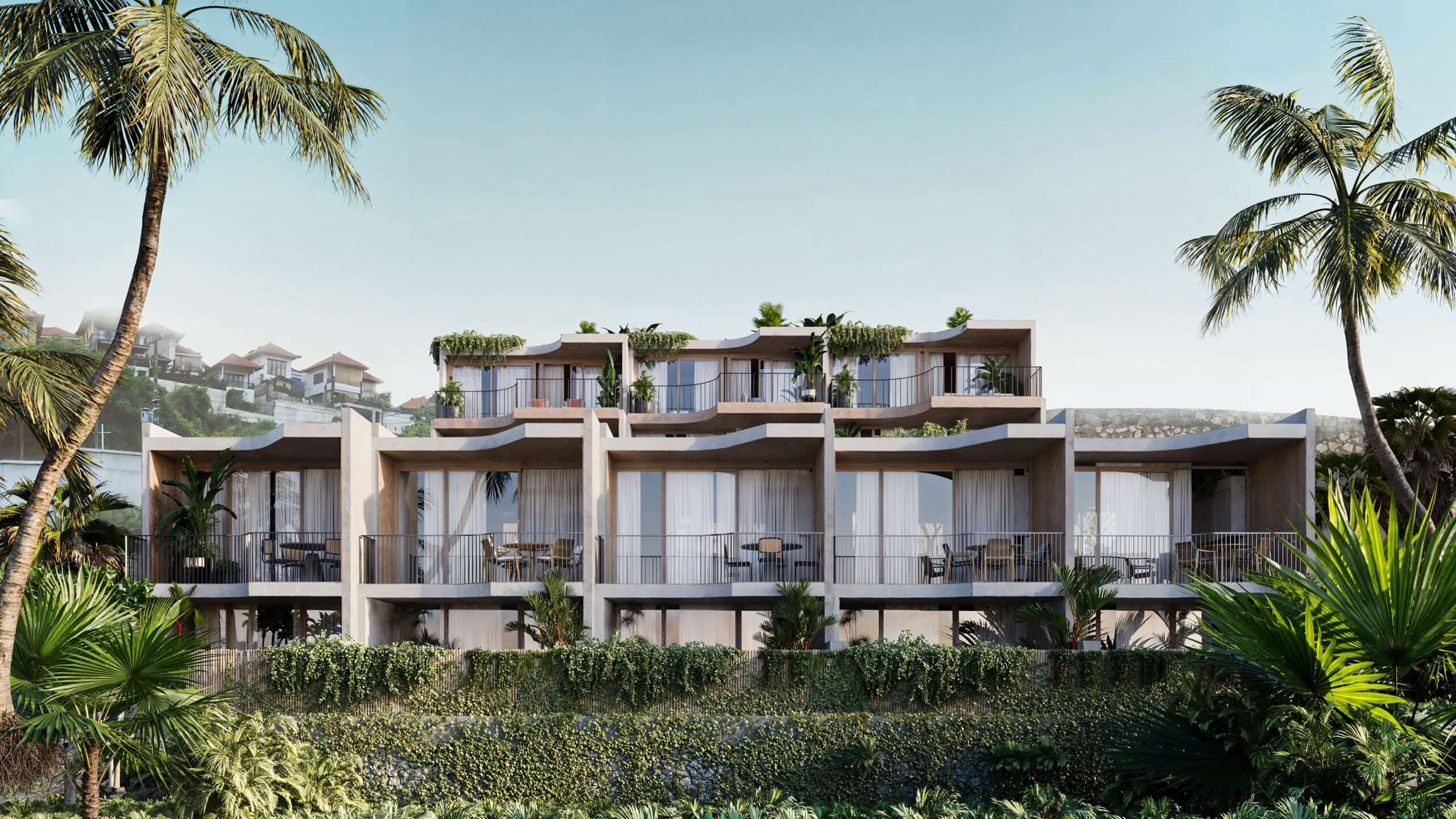
Recessed Lighting Costs: Concrete vs Bamboo Ceilings Bali
Compare recessed lighting installation costs for concrete and bamboo ceilings in Bali villas. Get accurate pricing and expert tips for your construction project
10 min read
Concrete Batching Plant vs Ready-Mix: Cost Per m³ Bali
Compare concrete batching plant vs ready-mix costs per m³ for Bali construction projects. Expert analysis on pricing, efficiency best options for villas.
10 min read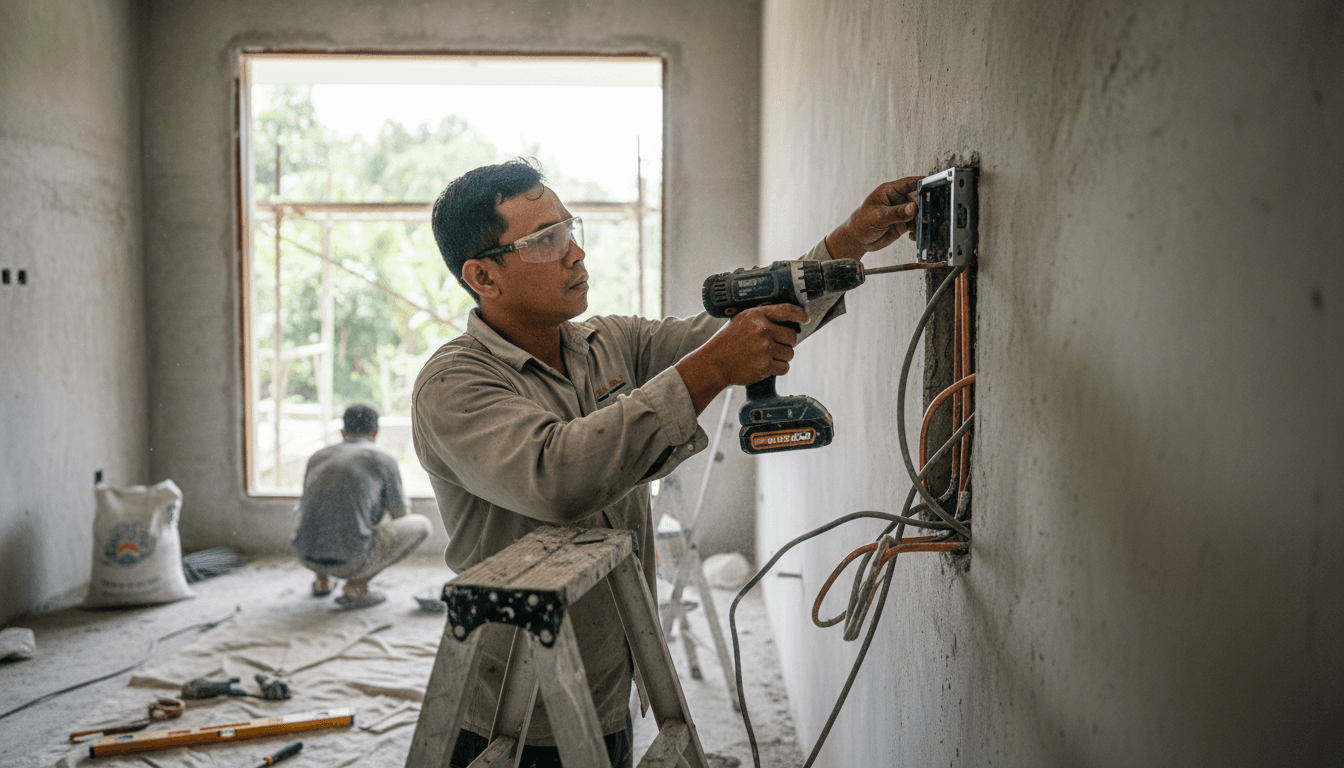
Split AC Refrigerant Line Limits for Bali Multi-Story Villas
Expert guide to split AC refrigerant line set length limits for Bali villas. MEP specifications, installation best practices, and performance optimization.
11 min read