Ubud Retaining Wall Construction Cost Per Meter Bali

The Ubud Slope Construction Challenge: Why Retaining Wall Engineering Determines Project Viability
Ubud’s dramatic topography—steep ridges overlooking river valleys, terraced rice paddies, and jungle-clad hillsides—creates some of Bali’s most coveted villa sites. Yet this same terrain presents the island’s most complex construction challenge: slope stabilization. A 15-degree gradient plot that appears buildable can require retaining walls exceeding 4 meters in height, transforming a straightforward villa project into a specialized geotechnical undertaking. The cost differential is substantial: retaining wall engineering can add IDR 8-15 million per linear meter to your construction budget, yet inadequate design leads to catastrophic failure during Bali’s monsoon season. Understanding retaining wall engineering requirements, structural specifications, and realistic cost-per-meter pricing for Ubud slope construction isn’t optional—it’s the foundation of project feasibility analysis before land acquisition.
Retaining Wall Engineering for Ubud Terrain: Structural Systems and Geotechnical Requirements
Ubud’s geological composition—volcanic tuff overlaying fractured bedrock with seasonal water tables—demands engineered retaining solutions that address both gravitational loads and hydrostatic pressure. Unlike coastal Bali’s coral limestone, Ubud’s soil exhibits variable bearing capacity (typically 1.5-2.5 kg/cm² for undisturbed volcanic soil) and significant moisture content fluctuation between dry and wet seasons.
Retaining Wall Classification for Slope Construction
Three primary retaining systems dominate Ubud villa construction, each with distinct engineering requirements and cost implications:
- Gravity Retaining Walls (0.8-2.5m height): Mass concrete or stone masonry structures relying on self-weight for stability. Suitable for moderate slopes (10-20 degrees) with competent soil. Requires 600mm minimum base width, stepped footing into undisturbed soil, and weep hole drainage every 2 meters. Foundation depth: minimum 800mm below finished grade.
- Cantilever Retaining Walls (2.5-5m height): Reinforced concrete L-shaped or inverted T-shaped structures with steel reinforcement (minimum D16 bars at 200mm centers). Base width typically 50-60% of wall height. Requires structural engineering calculations for overturning, sliding, and bearing capacity. Foundation must reach competent bearing strata, often 1.5-2.5m depth in Ubud’s layered volcanic soil.
- Anchored/Tieback Systems (5m+ height or unstable slopes): Cantilever walls with grouted soil anchors or rock bolts extending 6-12 meters into stable strata. Reserved for extreme slopes (30+ degrees) or sites with poor soil conditions. Requires specialized geotechnical contractor and load testing of each anchor point.
Geotechnical Investigation Requirements
Ubud slope construction mandates soil investigation before retaining wall design. Standard practice includes:
- Soil Boring: Minimum two test pits to 4-6 meter depth, documenting soil stratification, groundwater level, and bearing capacity at proposed foundation depth
- Laboratory Testing: Atterberg limits, grain size distribution, direct shear strength, and moisture content analysis
- Slope Stability Analysis: Factor of safety calculation (minimum 1.5 for permanent structures) using limit equilibrium methods
Geotechnical reports cost IDR 15-25 million for standard residential sites but prevent catastrophic design errors. Teville’s construction process integrates soil investigation during feasibility phase, before land purchase commitment.
Drainage Engineering: The Critical Failure Point
Hydrostatic pressure from trapped groundwater causes 70% of retaining wall failures in Bali. Ubud’s 2,500-3,000mm annual rainfall creates saturated soil conditions during November-March monsoon. Proper drainage design requires:
- Weep Holes: 100mm diameter PVC pipes at 2m horizontal spacing, 300mm above base, sloped 5 degrees outward
- Drainage Blanket: 300mm crushed stone layer (40-60mm aggregate) behind wall, wrapped in geotextile fabric to prevent soil migration
- Perforated Drain Pipe: 100mm diameter agricultural drain at wall base, connected to surface drainage system
- Surface Water Management: Interceptor drains upslope of retaining wall to divert runoff before reaching backfill zone
Drainage system costs add IDR 800,000-1.2 million per linear meter but are non-negotiable for long-term structural integrity.
Hidden Risks in Ubud Slope Construction: What Feasibility Studies Miss
Land agents marketing Ubud hillside plots rarely disclose the full scope of retaining wall requirements. Three critical risks emerge during construction phase:
Cascading Retaining Wall Requirements
A single 5-meter retaining wall often proves structurally and economically impractical. Engineering best practice recommends terraced retaining walls: multiple 2-2.5 meter walls with 3-4 meter horizontal benches between tiers. This approach reduces structural loads and improves drainage but multiplies linear meterage. A 15-meter slope width requiring one 4-meter wall may actually need three 2-meter walls totaling 45 linear meters—tripling retaining wall costs from initial estimates.
Access Road Cut Requirements
Ubud’s steep terrain necessitates excavated access roads with upslope and downslope retaining walls. A 50-meter driveway on 20-degree slope requires retaining walls on both sides: 100 linear meters total. Road cut retaining walls must support vehicle loads (minimum 5 kN/m² surcharge) and accommodate drainage from upslope catchment area. Budget impact: IDR 800 million-1.5 billion for access infrastructure alone.
Neighbor Boundary Complications
Retaining walls at property boundaries create legal and technical complications. Indonesian civil code requires 3-meter setback for structures exceeding 2 meters height, but retaining walls occupy this setback zone. Solutions require neighbor agreements (perjanjian) or alternative designs like soil nailing within property boundaries. Legal documentation adds 2-3 months to permit timeline and potential compensation costs.
Step-by-Step Process: From Slope Assessment to Completed Retaining Wall
Phase 1: Pre-Purchase Feasibility (2-3 weeks)
Before committing to sloped Ubud land, commission preliminary assessment:
- Topographic Survey: Detailed contour mapping at 0.5m intervals, identifying slope gradients and drainage patterns (cost: IDR 8-12 million)
- Visual Soil Assessment: Test pit excavation to 2m depth, documenting soil type and moisture conditions
- Conceptual Retaining Wall Layout: Preliminary engineering sketch showing required wall locations, approximate heights, and total linear meterage
- Budget Range Calculation: Cost estimate based on wall classification and site access conditions
Teville provides feasibility analysis for verified land listings, documenting retaining wall requirements before purchase.
Phase 2: Detailed Engineering Design (4-6 weeks)
Following land acquisition, structural engineering phase includes:
- Geotechnical Investigation: Soil boring, laboratory testing, and bearing capacity analysis
- Structural Calculations: Retaining wall design per SNI 8460:2017 (Indonesian geotechnical code), including stability analysis for overturning, sliding, and bearing pressure
- Reinforcement Detailing: Steel bar schedules, concrete specifications (minimum K-300 for retaining structures), and construction joint locations
- Drainage System Design: Weep hole spacing, drainage blanket specifications, and surface water management
Engineering deliverables include stamped structural drawings required for IMB (building permit) submission.
Phase 3: Permit Acquisition (8-12 weeks)
Retaining walls exceeding 2 meters height require separate structural permits in Gianyar Regency (Ubud’s administrative district). Documentation includes:
- Structural engineering calculations and drawings
- Geotechnical investigation report
- Environmental impact assessment for slopes exceeding 25 degrees
- Neighbor boundary agreements if walls within 3 meters of property line
Phase 4: Construction Execution (6-10 weeks per 50 linear meters)
Retaining wall construction sequence:
- Week 1-2: Excavation to design depth, shoring of unstable slopes, dewatering if groundwater encountered
- Week 2-3: Foundation formwork, reinforcement placement, concrete pour (minimum 7-day cure before backfilling)
- Week 3-4: Wall formwork and reinforcement, concrete pour in 2-meter vertical lifts (construction joints every 15 meters horizontal)
- Week 4-5: Drainage system installation: geotextile placement, crushed stone backfill, weep hole installation
- Week 5-6: Controlled backfilling in 300mm lifts with compaction, surface drainage connection
Quality control requires concrete cylinder testing (minimum 3 samples per pour) and reinforcement inspection before concrete placement.
Realistic Cost Per Meter: Ubud Retaining Wall Pricing Breakdown
Retaining wall costs vary significantly based on wall height, site access, and soil conditions. Current market rates (2024-2025) for Ubud slope construction:
Gravity Retaining Walls (0.8-2.5m height)
- Standard Construction: IDR 3.5-5.5 million per linear meter
- Natural Stone Facing: IDR 5.5-7.5 million per linear meter
- Includes: excavation, concrete/masonry, basic drainage, backfill
Cantilever Retaining Walls (2.5-5m height)
- Engineered Concrete: IDR 8-12 million per linear meter (2.5-3.5m height)
- Tall Walls (3.5-5m): IDR 12-18 million per linear meter
- Includes: engineering design, reinforced concrete, drainage system, controlled backfill
- Excludes: geotechnical investigation (separate cost), difficult access surcharges
Additional Cost Factors
- Site Access Premium: +30-50% for sites requiring manual material transport beyond 50 meters
- Rock Excavation: +IDR 2-4 million per linear meter if bedrock encountered at foundation depth
- Architectural Finishes: Exposed aggregate, stone cladding, or textured concrete: +IDR 1.5-3 million per linear meter
For comprehensive villa construction budgets including retaining walls, request detailed cost estimation through Teville’s build cost calculator.
Frequently Asked Questions: Ubud Slope Construction and Retaining Walls
How do I determine if my Ubud land requires retaining walls before purchase?
Commission topographic survey showing contour lines at 0.5-meter intervals. Slopes exceeding 10 degrees (18% grade) typically require retaining walls for building platforms. Calculate total elevation change across buildable area: every 2 meters of elevation change requires approximately 2 meters of retaining wall height (accounting for terracing). Multiply wall height by site perimeter to estimate linear meterage. Professional feasibility assessment costs IDR 8-15 million but prevents purchasing unbuildable land. Teville provides slope analysis for verified land listings during pre-purchase consultation.
What’s the maximum safe height for a single retaining wall in Ubud?
Engineering best practice limits single cantilever retaining walls to 4-4.5 meters in Ubud’s volcanic soil conditions. Walls exceeding this height require disproportionately expensive foundations (base width 60-70% of wall height) and specialized anchoring systems. Terraced retaining walls—multiple 2-2.5 meter walls with horizontal benches—provide superior structural performance and cost efficiency. For extreme slopes requiring 6+ meters total elevation change, expect 3-4 terraced walls with 3-meter horizontal spacing between tiers.
Do retaining walls require separate building permits in Ubud?
Gianyar Regency (Ubud’s administrative district) requires structural permits for retaining walls exceeding 2 meters height or supporting building loads. Permit documentation includes stamped structural engineering calculations, geotechnical investigation report, and drainage system design. Processing time: 8-12 weeks concurrent with main building IMB permit. Retaining walls under 2 meters may be included in general building permit but still require engineering documentation for construction. Unpermitted retaining walls risk demolition orders and complicate property resale.
How long do concrete retaining walls last in Bali’s tropical climate?
Properly engineered and constructed retaining walls achieve 40-50 year service life in Ubud’s climate, assuming adequate drainage design and concrete quality (minimum K-300 mix with proper curing). Primary deterioration mechanisms: reinforcement corrosion from moisture penetration, concrete spalling from thermal cycling, and drainage system clogging. Preventive maintenance includes annual weep hole inspection, drainage cleaning after monsoon season, and crack sealing within 6 months of appearance. Walls without proper drainage systems show structural distress within 5-8 years, requiring costly reconstruction.
Can I reduce retaining wall costs by using alternative materials like gabion baskets or timber?
Gabion retaining walls (wire mesh baskets filled with stone) cost 30-40% less than concrete (IDR 2.5-4 million per linear meter for 2m height) and suit Ubud’s aesthetic. However, gabions require 50% greater base width than concrete cantilever walls, consuming more land area. Structural height limit: 3 meters maximum. Timber retaining walls are unsuitable for Ubud’s termite activity and moisture conditions—expect failure within 3-5 years regardless of treatment. Engineered concrete remains most cost-effective solution
 3127 m²9 month(s)from 177.000 USD
Mukunda
 3104 m²11 month(s)from 99.000 USD
TALA 100
 3173 m²6 month(s)from 125.000 USD
TALA FOUR
 1from 198.000 USD
Private: Haridas Villas
 3124 m²6 month(s)from 123.000 USD
TALA 8
 164 m²7 month(s)from 79.000 USD
TALA TWO
 172 m²8 month(s)from 120.000 USD
Keshava

Want to calculate?
 4344 m²16 month(s)from 290.000 USD
Radha
 3180 m²7 month(s)from 142.000 USD
Vasudeva
 2144 m²11 month(s)from 104.000 USD
Narayana
164 m²7 month(s)from 79.000 USDPrivate: Haridas Villas, Tegallalang
Start With Real Numbers, Not Guesses
Before buying land or finalizing a design, check the realistic build cost range for your project in Bali.
Our team reviews your inputs and gives a grounded estimate.
Available lands
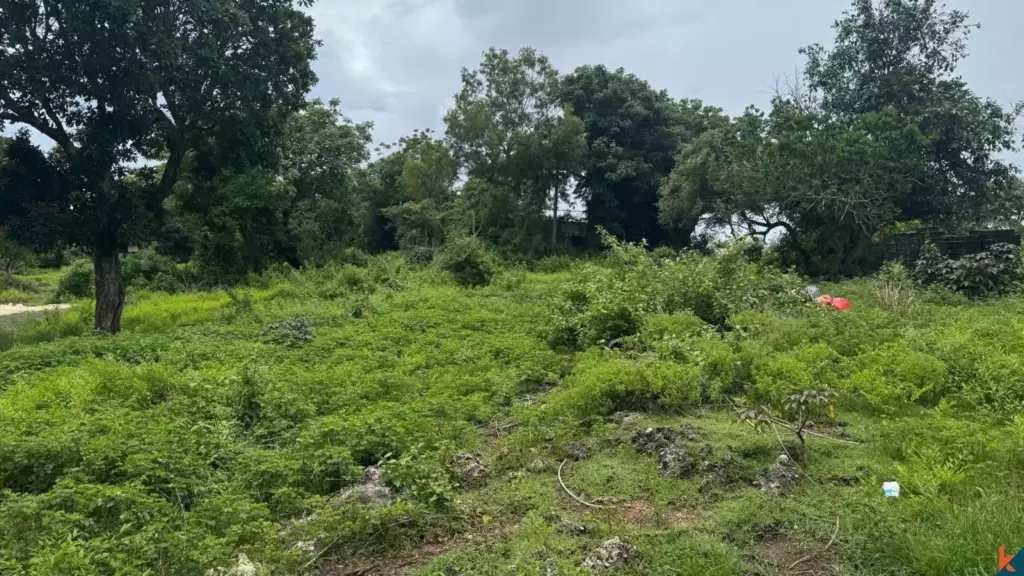 1300 m²10 min$ 312192Bali, Kutuh South Bali
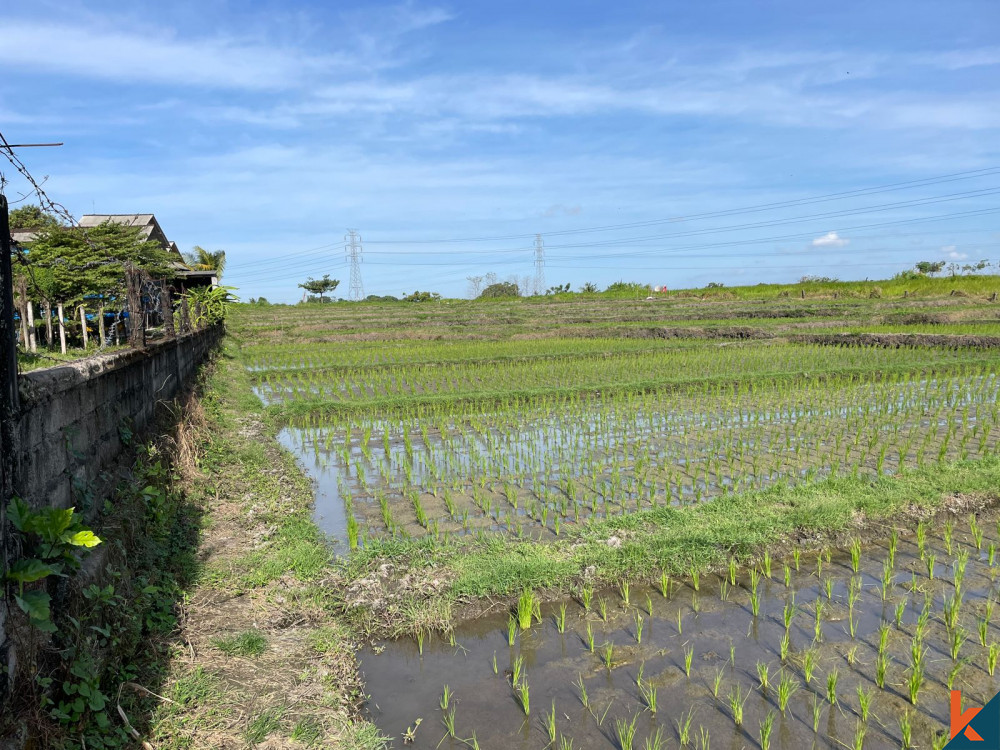 2850 m²15 min$ 315887Bali, Tabanan
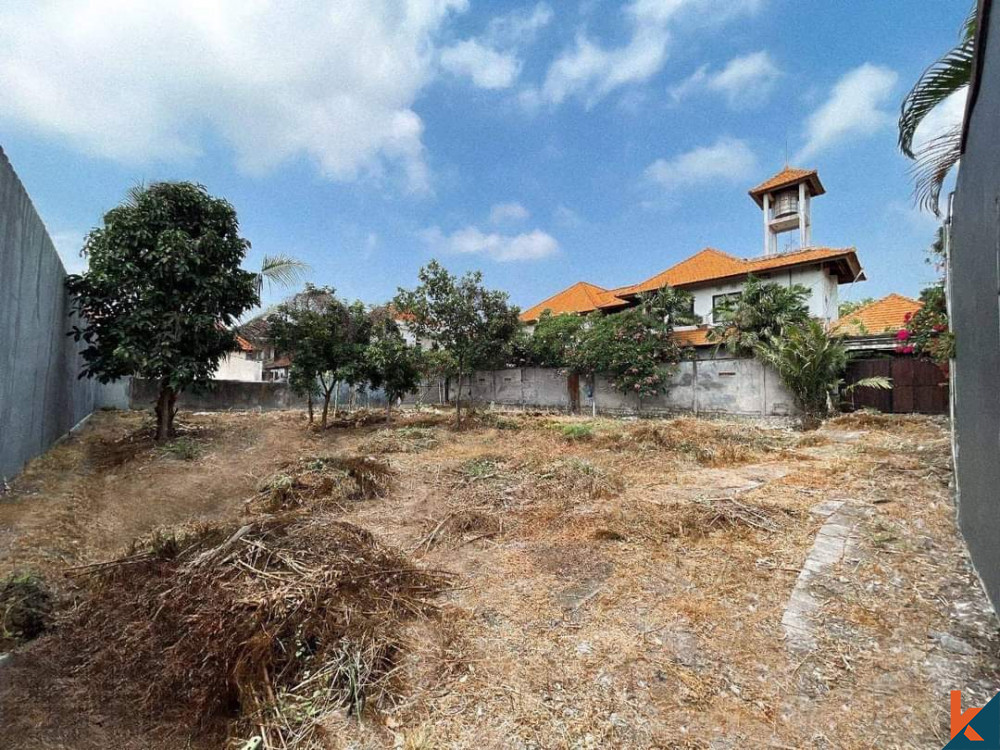 600 m²10 min$ 206897Bali, Canggu
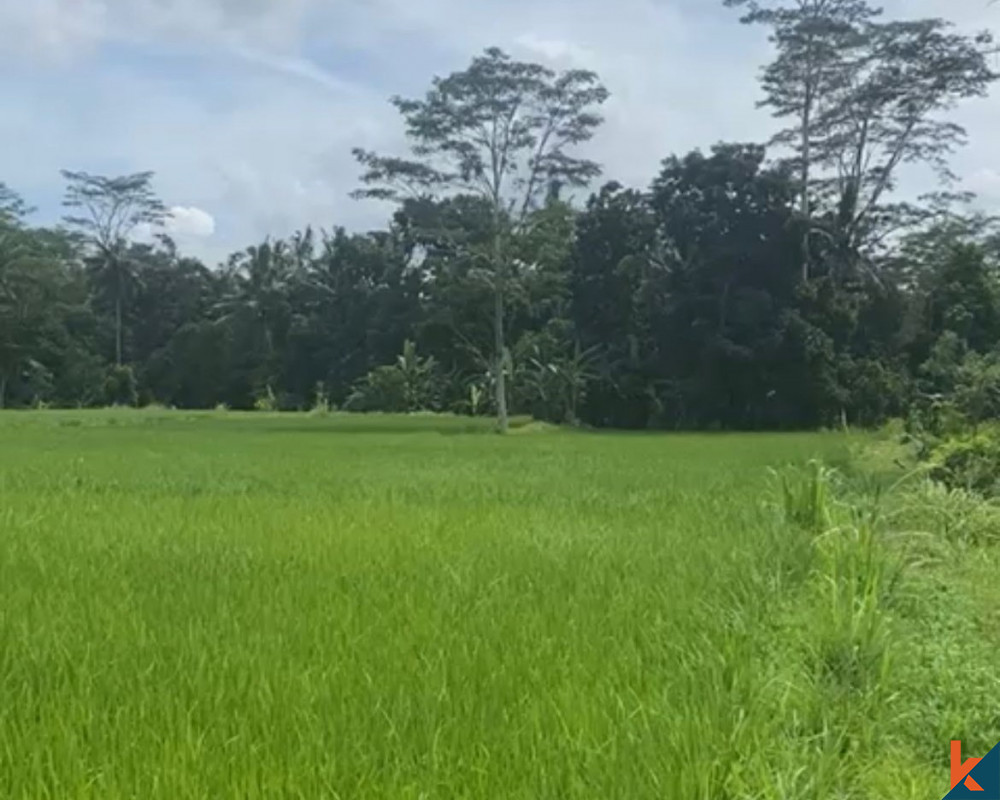 7000 m²36 min$ 284483Bali, Gianyar
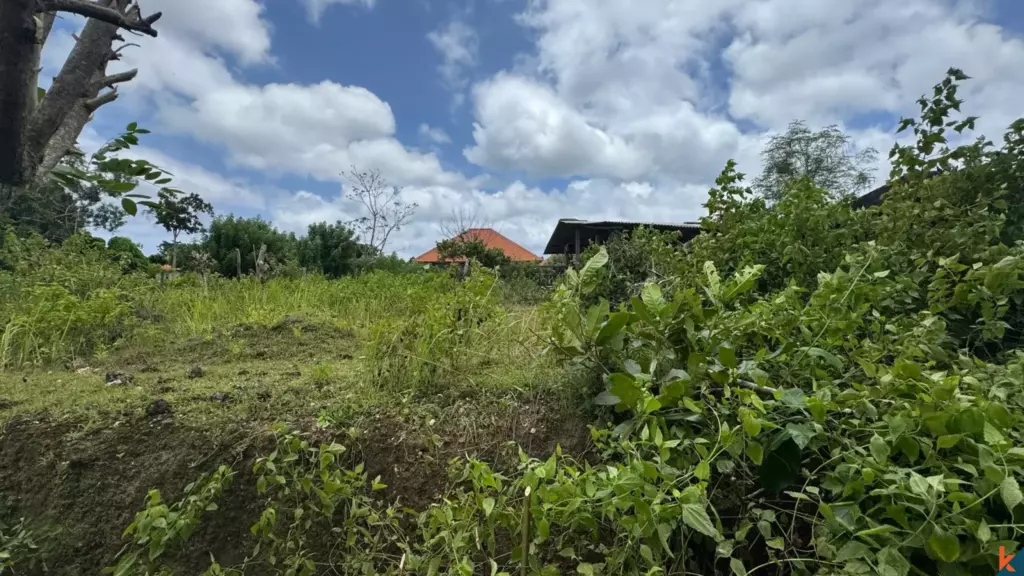 1000 m²10 min$ 184729Bali, Kutuh South Bali
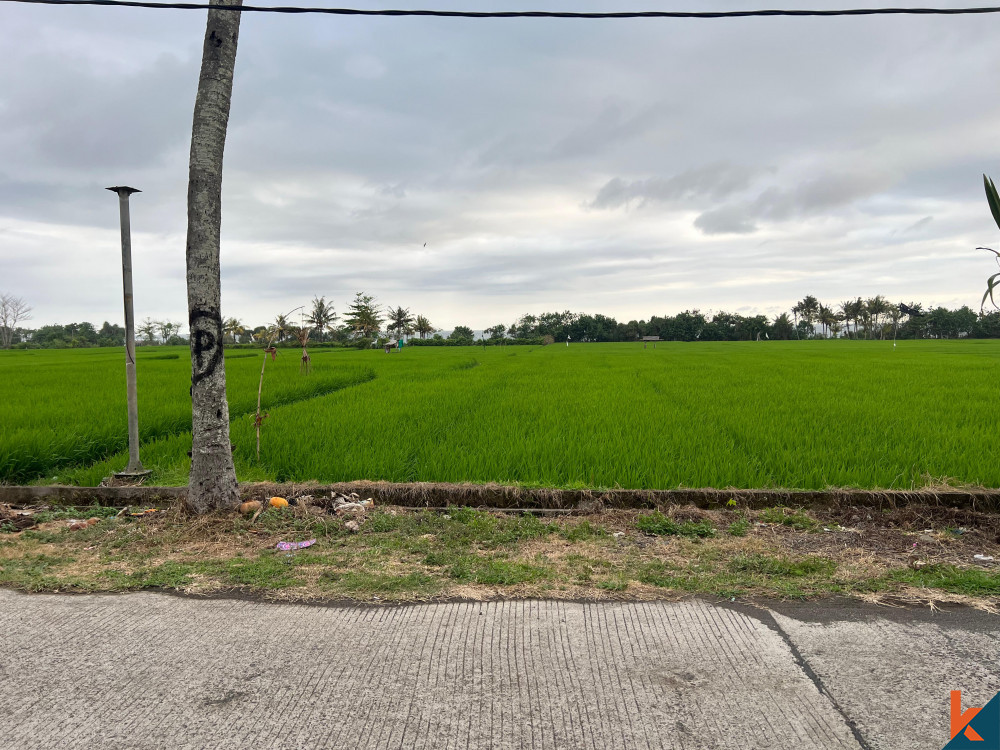 13000 m²1 min$ 920567Bali, Pekutatan
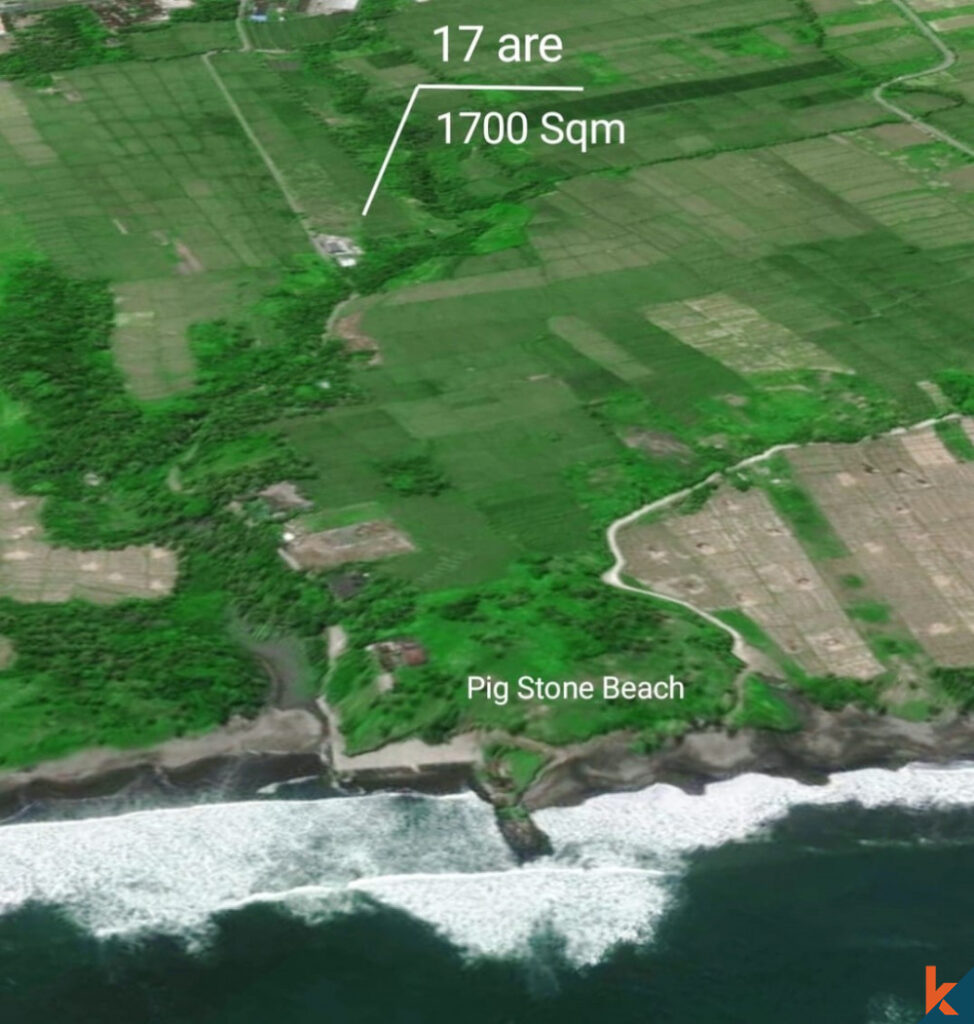 1720 m²2 min$ 241478Bali, Tabanan
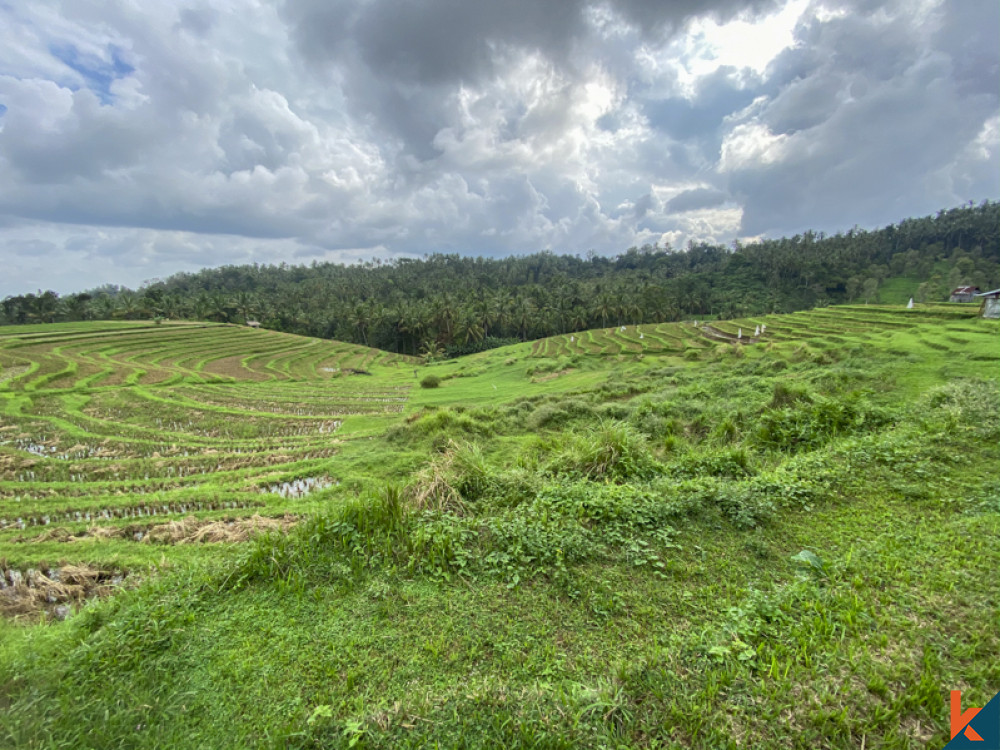 6000 m²30 min$ 55419Bali, Tabanan
 800 m²5 min$ 295567Bali, Seseh
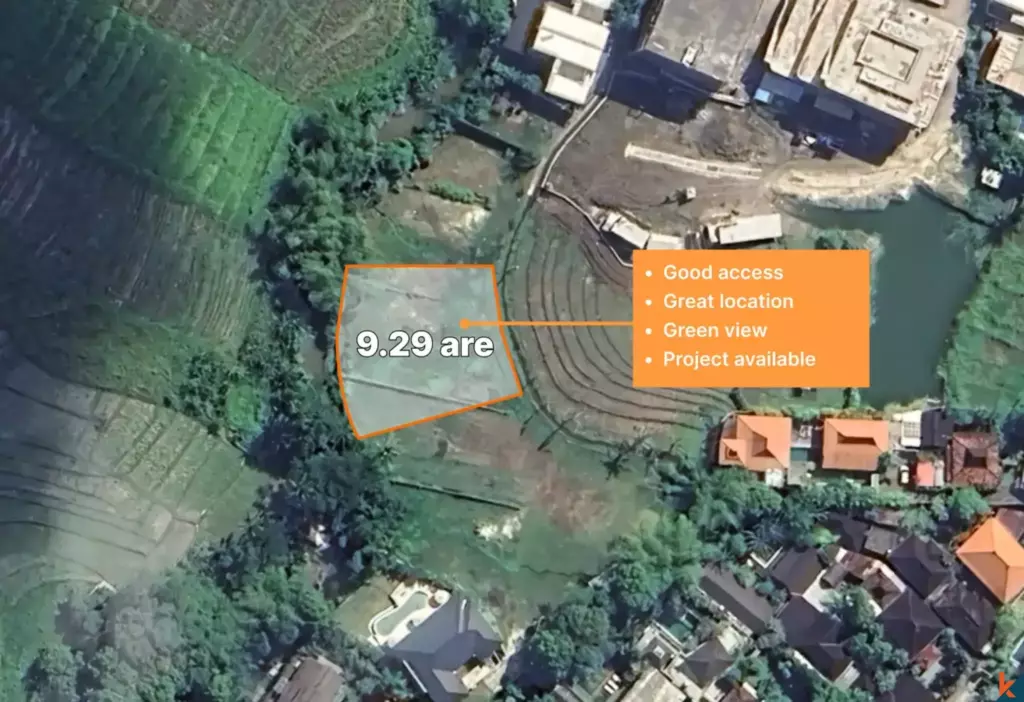 928 m²15 min$ 910123Bali, Pererenan
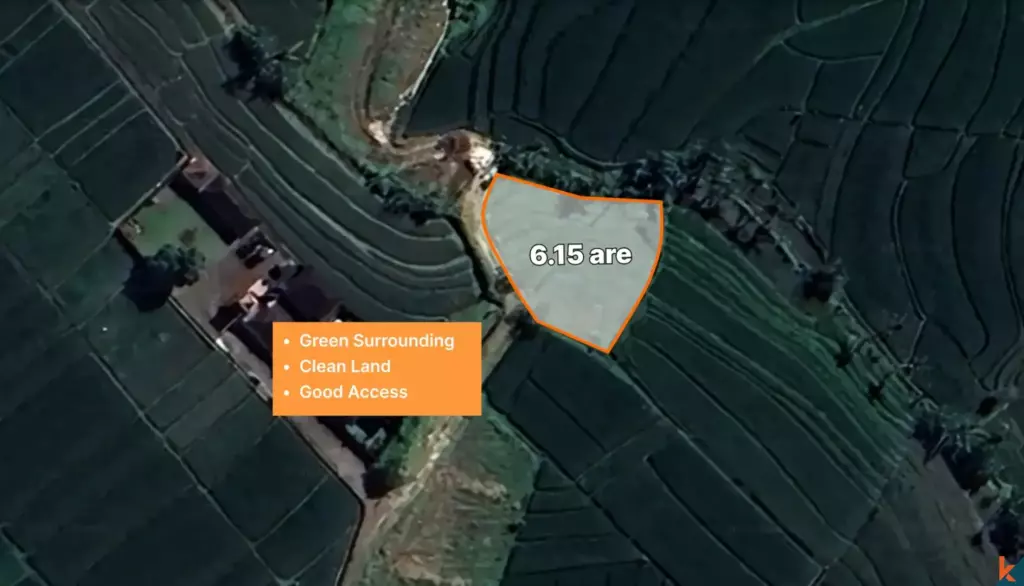 615 m²15 min$ 113608Bali, Tabanan
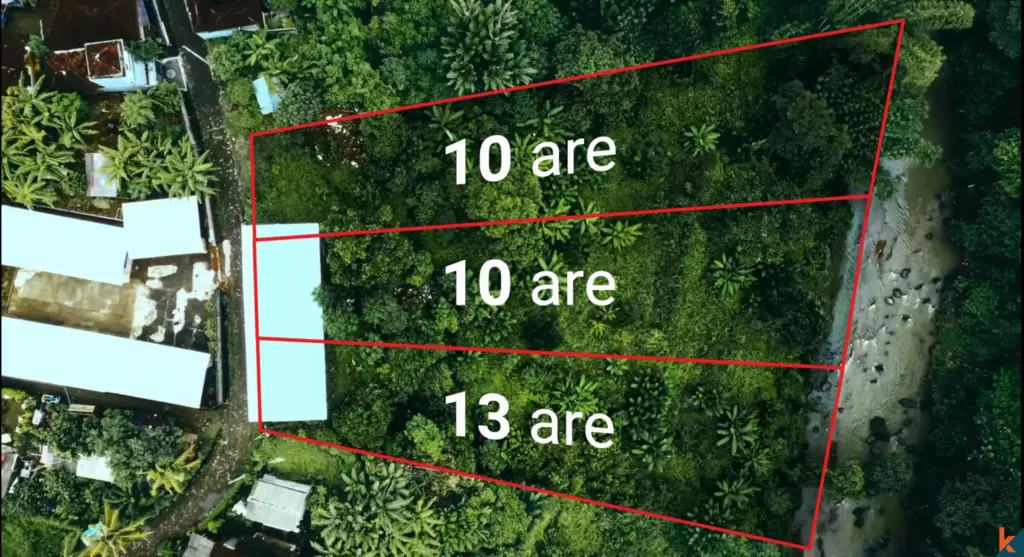 1000 m²10 min$ 303571Bali, Tabanan
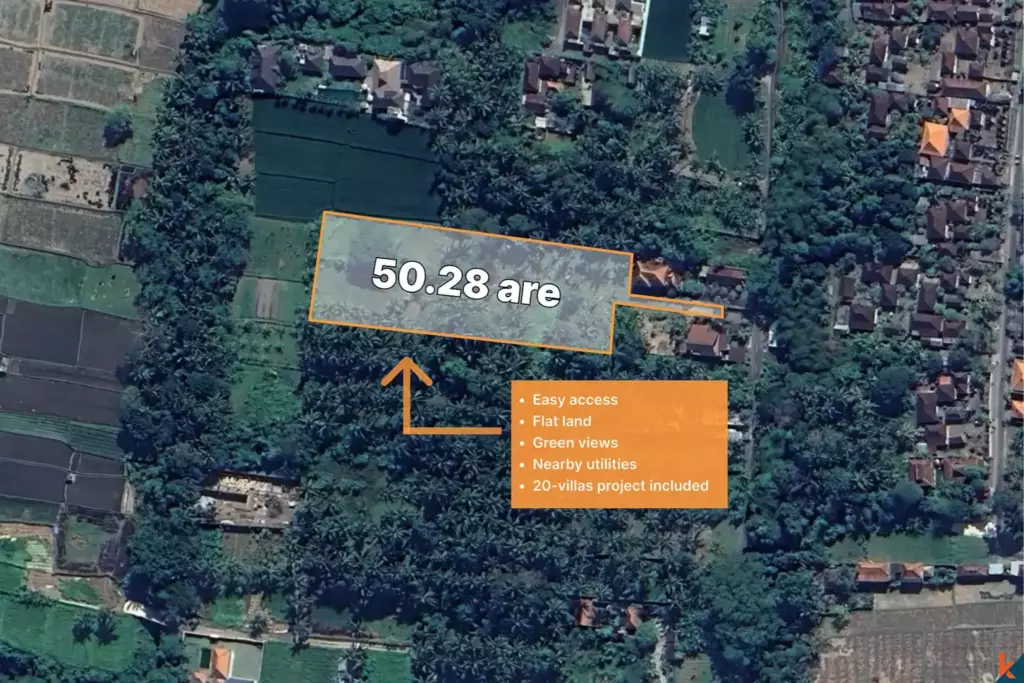 5028 m²10 min$ 361000Bali, Ubud
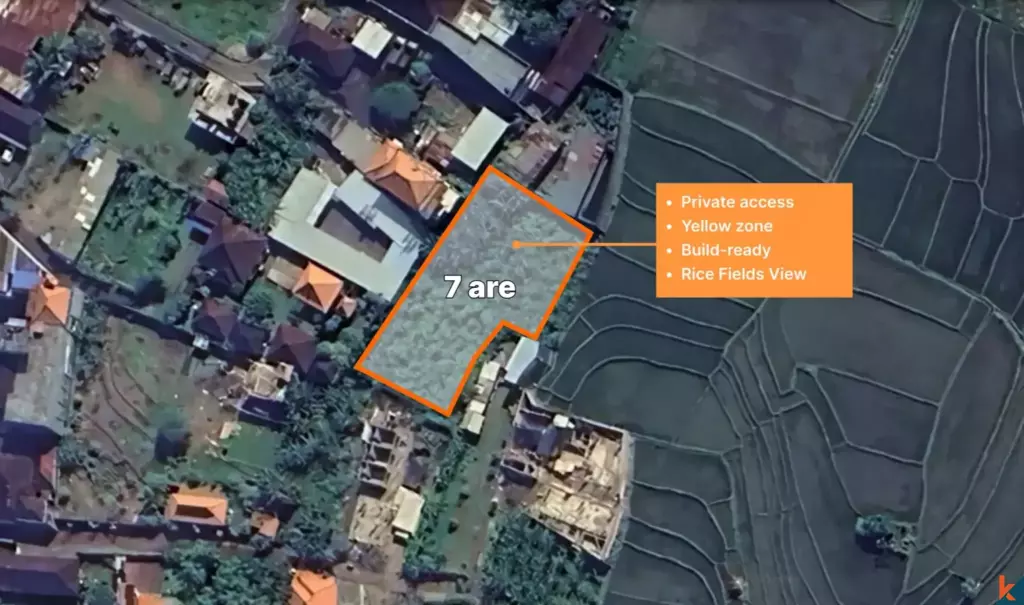 700 m²15 min$ 109052Bali, Buduk
 2500 m²5 min$ 609606Bali, Kedungu
Planning a build in Bali?
Get a feasibility view, budget range and timeline from Teville.
Related guides
Recessed Lighting Costs: Concrete vs Bamboo Ceilings Bali
Compare recessed lighting installation costs for concrete and bamboo ceilings in Bali villas. Get accurate pricing and expert tips for your construction project
10 min read
Concrete Batching Plant vs Ready-Mix: Cost Per m³ Bali
Compare concrete batching plant vs ready-mix costs per m³ for Bali construction projects. Expert analysis on pricing, efficiency best options for villas.
10 min read
Split AC Refrigerant Line Limits for Bali Multi-Story Villas
Expert guide to split AC refrigerant line set length limits for Bali villas. MEP specifications, installation best practices, and performance optimization.
11 min read