Marine-Grade Timber Joinery Finishing Corrosion Protection Bali

1) Specific Problem/Question
How do you achieve marine-grade timber joinery finishing and corrosion protection that survives Bali’s coastal climate—salt mist, UV, monsoon humidity, termites—and still delivers premium aesthetics for villas and resorts? Owners renovating near the ocean often see peeling varnish, swollen doors, corroded hinges, and blackened end grain within a season. The core problem is not the timber—it’s the finishing system and installation detail. This article explains Teville’s technical approach to finishing, renovating, and protecting timber joinery and hardware for long-term performance in Bali’s marine exposure.
2) Technical Deep Dive: What “Marine-Grade” Means in Bali
Marine-grade finishing for timber joinery in Bali is a system, not a single product. It integrates substrate selection and conditioning, moisture control, extractives management, sealing of end grain and joints, UV- and salt-resistant topcoats, flexible sealants at movement points, and corrosion control for all metallic interfaces. Failure usually traces to a weak link: unsealed end grain, incompatible oils under polyurethanes, non-marinised hardware, or insufficient maintenance scheduling for the tropics.
Timber behaviour in coastal Bali: ambient RH often sits at 70–90% with salt aerosols carried inland by onshore winds. Equilibrium moisture content (EMC) for exterior timber stabilises around 16–20% (lower for air-conditioned interiors). Without proper acclimatisation and vapor-open design (or robust sealing), joinery moves, coatings craze, and capillary moisture finds the fastest path—end grain and mitres. Tropical UV then degrades binders; salt acts as an abrasive and hygroscopic contaminant that undercuts adhesion.
Teville’s finishing logic separates components by risk:
- Substrate risk: Teak, reclaimed ulin (ironwood), merbau, and bengkirai (balau) have high dimensional stability and natural durability. However, oily extractives reduce coating wetting; merbau tannins can leach; ulin can exude resins. We manage this with solvent de-waxing, adhesion promoters where necessary, and selection of coating chemistries tolerant of extractives.
- Geometry risk: Profiles that trap water fail first. We design drip edges, bevel sills to ≥10°, round over arrises (R3–R6 mm) to support coating film build, and oversize weep slots. All end grain is epoxy-sealed before topcoating.
- Interface risk: Saltwater + dissimilar metals equals bimetallic corrosion. We specify A4/316L stainless or silicon bronze for screws/hinges, non-conductive isolators (nylon, PTFE), and anti-crevice detailing. Fixing penetrations get epoxy or polyurethane plug-seal before hardware install.
- Movement risk: Timber moves; coatings must accommodate it. On exterior joinery, we prefer high-solids penetrating sealers plus UV-stable aliphatic polyurethane or oil-alkyd systems designed for dimensional change. Rigid interior lacquers move to controlled environments only.
Finishing chemistries that work in Bali’s marine belt:
- Penetrating marine sealers and oils: Products like Seal-Once Marine (low-VOC, waterborne nanoparticle) and Penofin Marine Oil reduce moisture uptake while allowing vapor diffusion. They are maintenance-friendly; ideal for decks, louvers, and shading devices.
- Epoxy edge sealing: Thin, low-viscosity marine epoxies for end grain, mitres, and routed housings. They dramatically slow capillary absorption, the number one failure path in doors, window sills, and stair treads.
- Aliphatic polyurethane (2K) topcoats: High-UV-resistance, abrasion tolerance, superior chemical resistance around pools and coastal spray. Apply over compatible primers/sealers; maintain gloss/satin depending on design intent.
- Elastomeric sealants (MS polymer/PU): Neutral-cure, paintable, non-staining sealants at movement joints, glazing rebates, and transitions to stone or plaster.
Corrosion protection strategy is equally critical for “marine-grade” joinery:
- Hardware: A4/316L stainless for coastal exteriors; duplex 2205 for extreme zones; silicon bronze for heritage details. Avoid 304 in salt exposure. Use identical alloys for screws and hinges to reduce galvanic potential.
- Isolation: Nylon/EPDM washers, gaskets, and sleeves to break metal-to-metal and metal-to-timber electrolyte paths. Apply anti-galling/anti-galvanic compounds on threads in high-salt interfaces.
- Coated metals: If steel is unavoidable, prepare to ISO cleanliness grades; prime with zinc-rich epoxy and finish with polyurethane per ISO 12944 (C5/CX category). Seal cut edges after drilling.
For interior finishing Bali projects near the coast, we also “marine-ise” bathrooms, kitchens, AC closets, and pool-adjacent millwork: vapor barriers behind timber cladding, concealed aluminum frames separated from wood, and drainable details. This is essential during renovation Bali works where existing cavities harbor moisture and chlorides.
Finally, specification only matters if installers follow the process. Teville’s site teams sequence sanding grits, solvent wipes, environmental windows (temperature/RH), wet film thickness checks, and cure times—then document everything. Our mock-ups and defect matrix are aligned with our construction process and proven across Bali villa construction projects documented in our portfolio.
3) Materials & Standards We Rely On
Timber and finishes are selected to balance durability, movement, sustainability, and maintainability:
- Timbers: Reclaimed ulin (ironwood), teak, merbau, bengkirai/balau. For reclaimed selections, we work with Bali suppliers such as NaturanexA, Kitaru, and Kaltimber to ensure provenance, kiln conditioning, and defect grading suitable for joinery.
- Moisture content targets: Exterior shaded joinery 16–20% EMC; air-conditioned interiors 10–14% MC. Teville pre-acclimatises timber in the target zone and confirms MC with calibrated meters before finishing.
- Finishes: Marine penetrating sealers (e.g., Seal-Once Marine), UV-inhibited marine oils (e.g., Penofin Marine), epoxy edge sealers, and 2K aliphatic polyurethane topcoats compatible with oily hardwoods.
- Sealants/adhesives: MS polymer or polyurethane sealants; marine epoxy adhesives for laminations and hardware bedding; neutral-cure silicones for sanitary interfaces.
- Hardware: A4/316L stainless, silicon bronze, or duplex 2205; non-conductive isolators; UV-stable gaskets.
Reference frameworks guiding selection and verification:
- EN 335 (Use classes): exterior above ground (UC3) and splash/salt exposure (upper UC3/approaching UC4) inform treatment and finish protection.
- EN 350 (Durability of wood): supports species selection and expected service life bands.
- EN 927 (Exterior wood coatings): performance requirements and test methods for film-forming systems.
- ISO 12944 (Corrosion protection of steel structures): we apply C5/CX logic for exposed metals within joinery and adjacent framing.
- AWPA U1 (Use category system): guides preservative needs for components at termite risk.
Local climate realities in Bali amplify those standards: chloride deposition near beaches accelerates failure; monsoon wetting/drying cycles stress films; termites and fungi demand borate-based prevention on concealed wood. Teville’s specifications blend these standards with Bali-proven details—sealed end grain, ventilated cavities, and serviceable coatings—optimised for Bali villa construction and high-end furniture installation in coastal environments.
4) Step-by-Step Process We Use on Site
4.1 Assessment & Mock-Up
- Survey: Map exposure zones (direct spray, windward facades, pool adjacency), inspect existing coatings for adhesion and UV chalking, test moisture in-situ.
- Samples: Prepare 2–3 finish mock-ups (oil system, polyurethane system, hybrid) on the actual timber batch; agree sheen and color with the design team.
- Hardware review: Confirm alloy grades, isolation plan, and fastener schedule.
4.2 Substrate Preparation
- Acclimatisation: Store timber/assembled joinery in target environment 5–10 days. Reject or recondition if MC is outside target window.
- Sanding sequence: 80/100/120 grit; de-nib between coats with 180–220. Round sharp arrises to R3–R6 mm for film support.
- De-waxing: Wipe oily hardwoods with solvent (per coating maker guidance). Allow full flash-off to avoid solvent entrapment.
- Extractive management: For tannin-heavy species (merbau), apply tannin-blocking primer compatible with the chosen topcoat.
4.3 Preservation & Edge Sealing
- Borate treatment: Apply borate solution/rods to concealed zones, end grain, and rebates to deter termites/fungi. Allow diffusion dry time.
- Epoxy edge seal: Saturate all end grain, mitres, bolt holes, and routed housings with thin marine epoxy; sand flush after cure.
4.4 First Sealer/Build Coats
- Penetrating sealer/oil: Flood coat until refusal. Back-brush to drive into grain. Wipe surplus after 20–30 minutes.
- Dry/cure control: Maintain good ventilation, RH <80%, temperature 20–32°C. Use pin gauges to verify wet film thickness where applicable.
4.5 Topcoating Options
- Option A—Serviceable oil system (exterior, high movement): 2–3 oil coats with UV inhibitors. Advantages: easy maintenance; Disadvantages: more frequent recoats.
- Option B—2K aliphatic polyurethane (high-wear, pool-adjacent): Apply compatible primer then 2–3 poly coats, scuff-sand between. Advantages: superior abrasion/chemical resistance; Disadvantages: requires strict prep and controlled environment.
- Hybrid: Penetrating sealer + thin-build satin polyurethane to balance maintenance and protection.
4.6 Jointing, Glazing, and Sealants
- Movement joints: Size and backer-rod to 2:1 width:depth. Use MS polymer for UV stability. Mask edges; tool wet; remove tape immediately.
- Glazing rebates: Prime bare wood; bed glass on compatible setting blocks; apply perimeter seal with neutral-cure silicone or MS polymer depending on finish compatibility.
4.7 Hardware & Corrosion Protection
- Fasteners: A4/316L screws/pins; pre-drill; epoxy plug-seal pilot holes in severe exposures; drive at controlled torque.
- Isolation: Use nylon sleeves/washers; avoid dissimilar metal stacks. Apply anti-galling compound on stainless threads.
- Coated steel (if used): Abrade, zinc-rich epoxy prime, polyurethane topcoat; reseal cut edges after installation in accordance with ISO 12944 logic.
4.8 Detail Design Enhancements
 4344 m²16 month(s)from 290.000 USD
Radha
 3180 m²7 month(s)from 142.000 USD
Vasudeva
 164 m²7 month(s)from 79.000 USD
TALA TWO
 3173 m²6 month(s)from 125.000 USD
TALA FOUR
 172 m²8 month(s)from 120.000 USD
Keshava
 3104 m²11 month(s)from 99.000 USD
TALA 100
 3127 m²9 month(s)from 177.000 USD
Mukunda
 2144 m²11 month(s)from 104.000 USD
Narayana
164 m²7 month(s)from 79.000 USDPrivate: Haridas Villas, Tegallalang
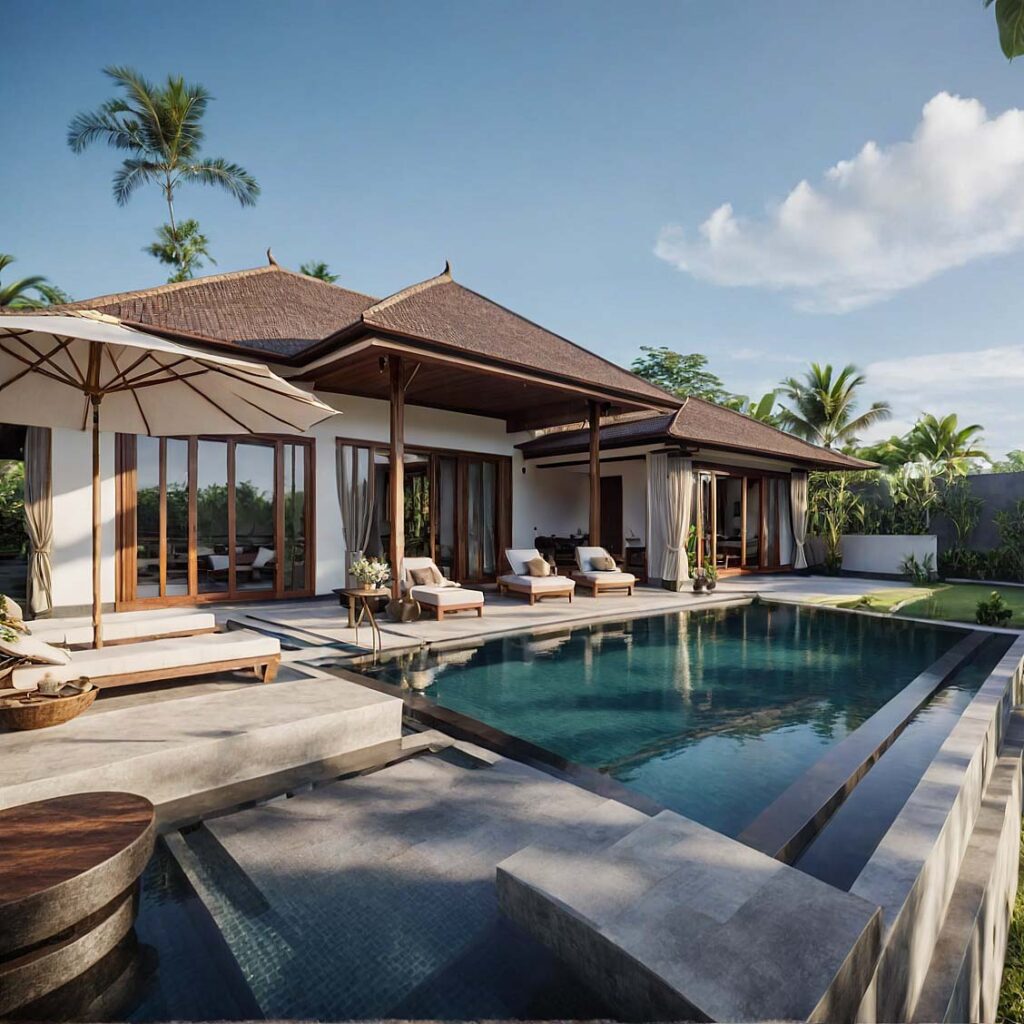 1from 198.000 USD
Private: Haridas Villas

Want to calculate?
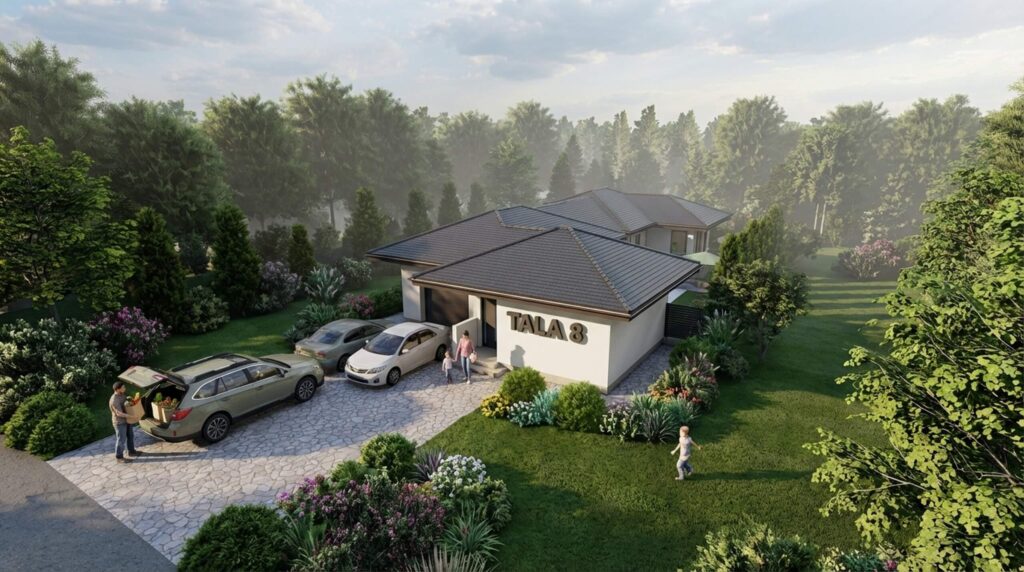 3124 m²6 month(s)from 123.000 USD
TALA 8
Start With Real Numbers, Not Guesses
Before finalizing your finishing works plan, check realistic cost ranges for your Bali villa project.
Available lands
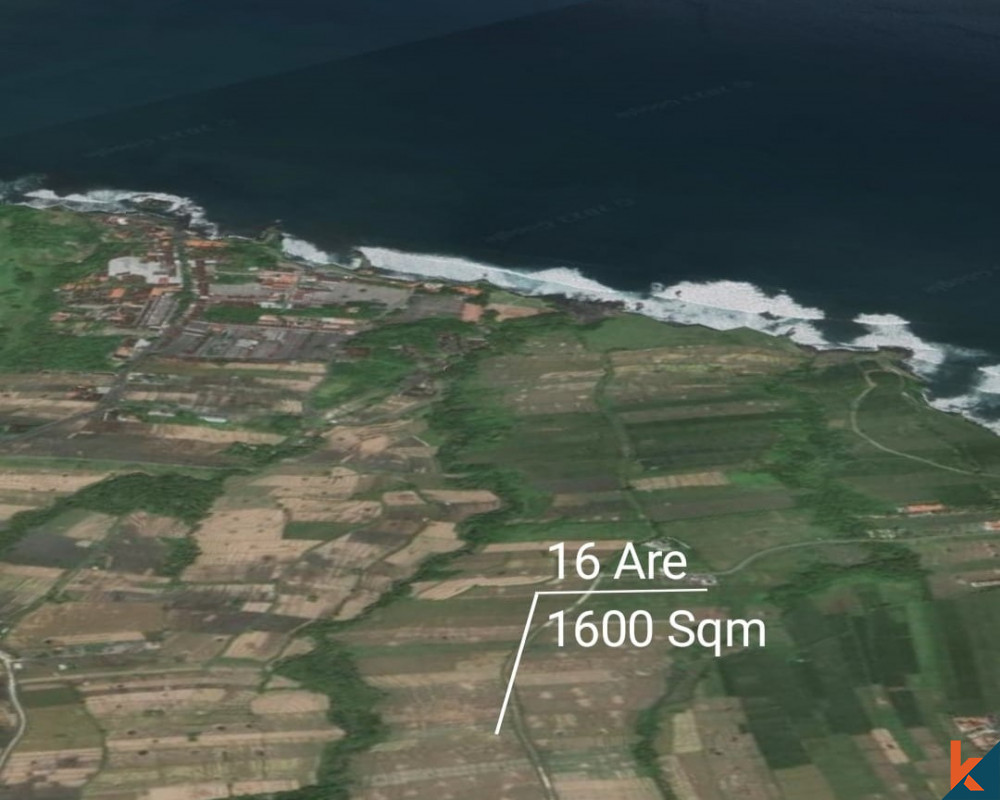 1600 m²32 min$ 266010Bali, Tabanan
 204 m²5 min$ 40899Bali, Kedungu
 1660 m²10 min$ 343448Bali, Kerobokan
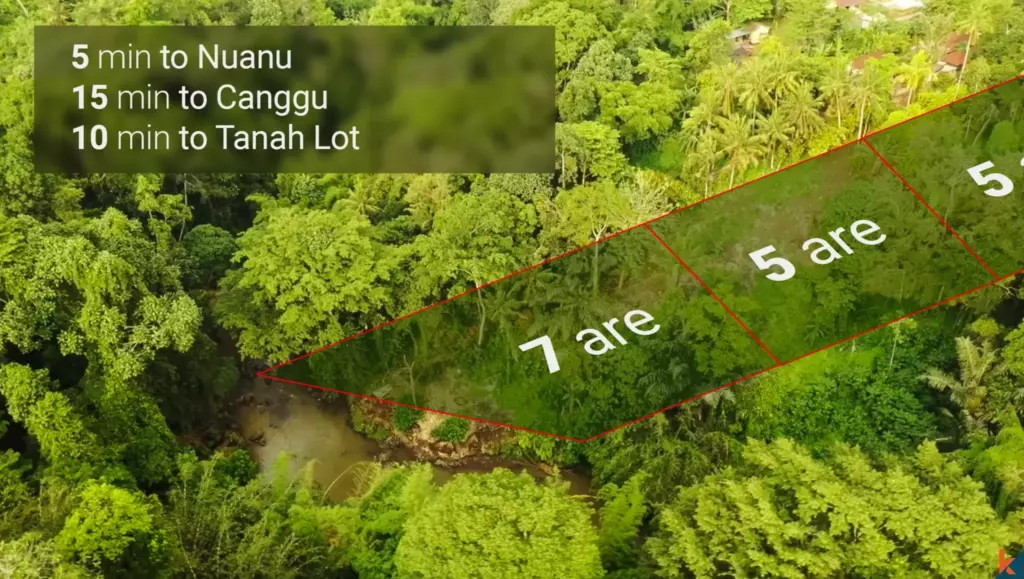 500 m²10 min$ 107143Bali, Tabanan
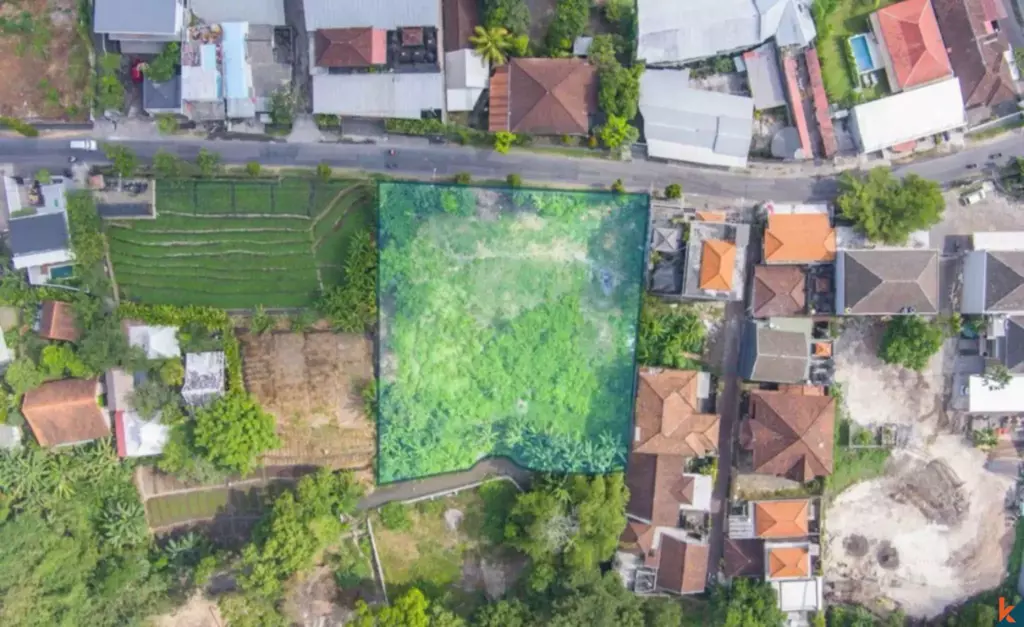 2230 m²15 min$ 410573Bali, Padonan
 7000 m²36 min$ 284483Bali, Gianyar
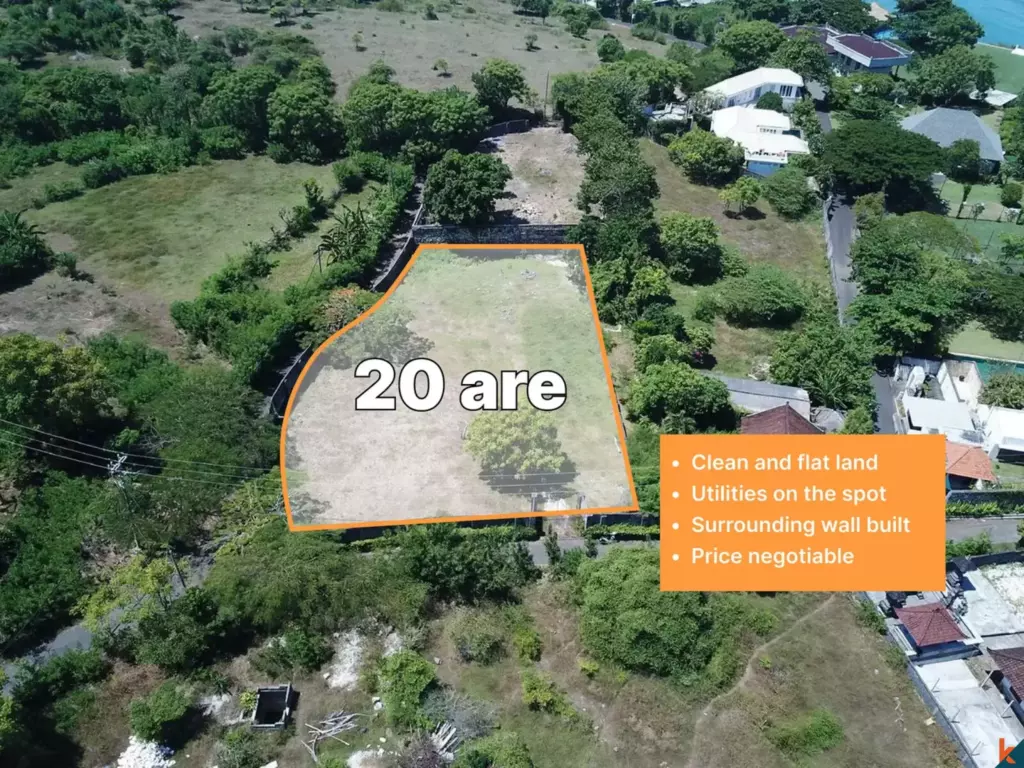 2000 m²5 min$ 738916Bali, Ungasan
 1300 m²10 min$ 348214Bali, Tabanan
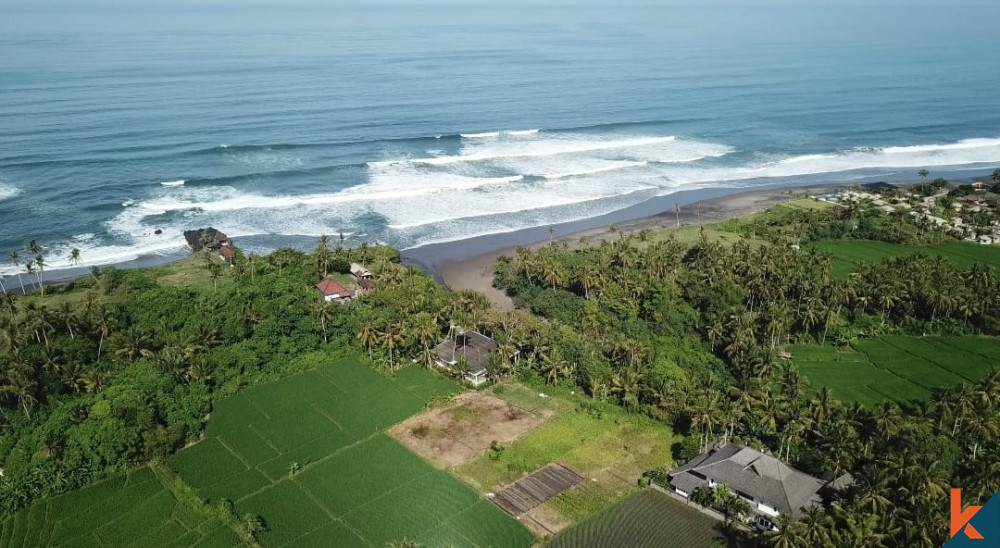 3000 m²15 min$ 1246921Bali, Tabanan
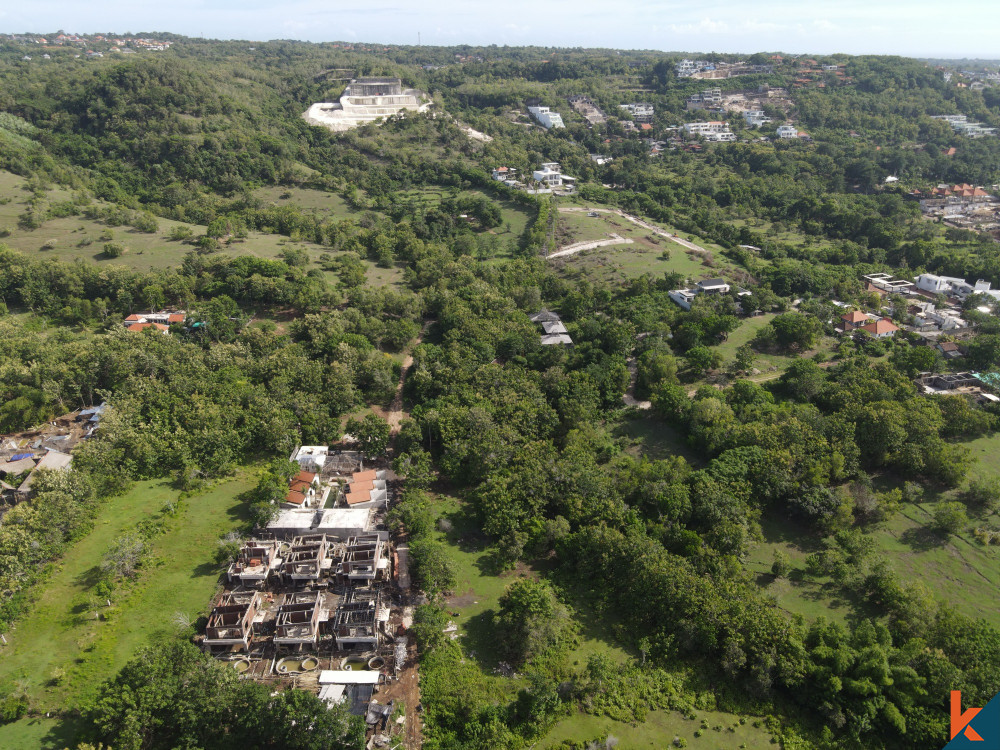 1000 m²10 min$ 280788Bali, Pecatu
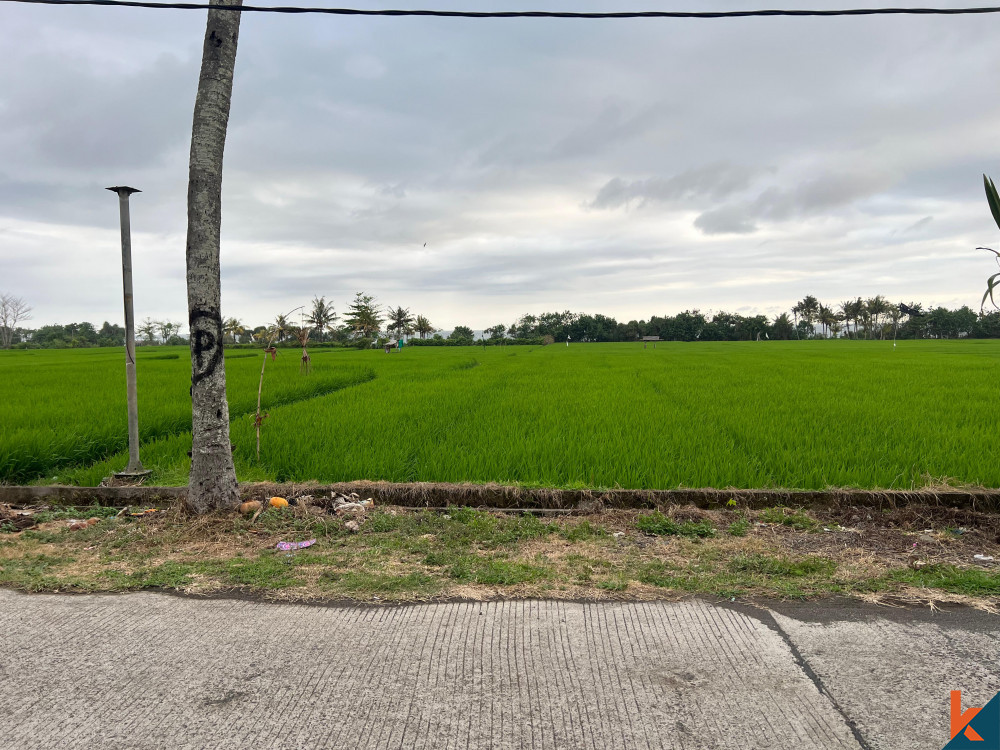 13000 m²1 min$ 920567Bali, Pekutatan
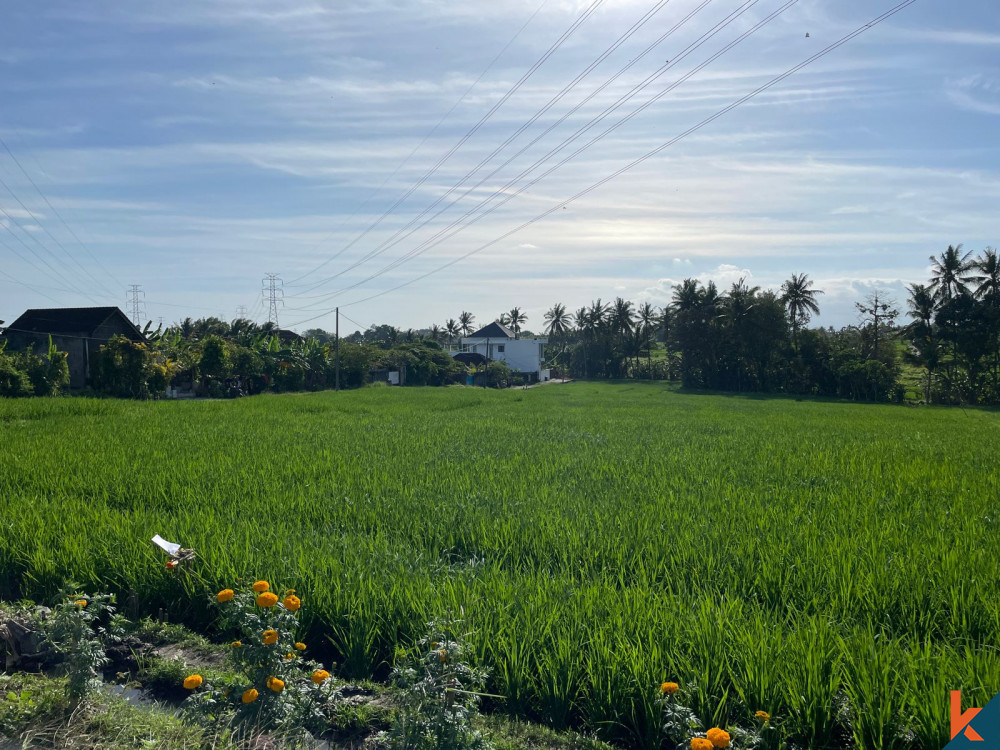 3900 m²10 min$ 432266Bali, Tabanan
 1200 m²2 min$ 155172Bali, Klungkung
 6000 m²10 min$ 1330049Bali, Kutuh South Bali
 444 m²10 min$ 111000Bali, Tabanan
Planning a build in Bali?
Get a feasibility view, budget range and timeline from Teville.
Related guides
Moisture-Resistant Gypsum Board Finishing with Epoxy Primer Bali
Learn how moisture-resistant gypsum boards with epoxy primer boost durability, finish quality, and mold resistance in Bali projects. Great for Bali homes.
10 min read
Why Bali Villa Demand Surged in January 2026: Global Market Analysis
Discover why Bali villa demand exploded in January 2026. Explore geopolitical factors, investor demographics from India, UAE, China, and emerging hotspots like Ubud, Tegallalang, and the northern airport corridor.
9 min readHigh demand on Bali 2026
The Great Shift: Why the World is Buying and Building in Bali in 2026 The year 2026 has marked a definitive turning point for the Island of the Gods. If the previous years were defined by a post-pandemic tourism recovery, January 2026 has ushered in an era of structural, permanent relocation. Bali i
8 min read